
bafkreidjdq2kk4ndtllvx5afsdqrhvgjqgnvj5dupbe7m65winfca7yd3a[.]ipfs[.]dweb[.]link
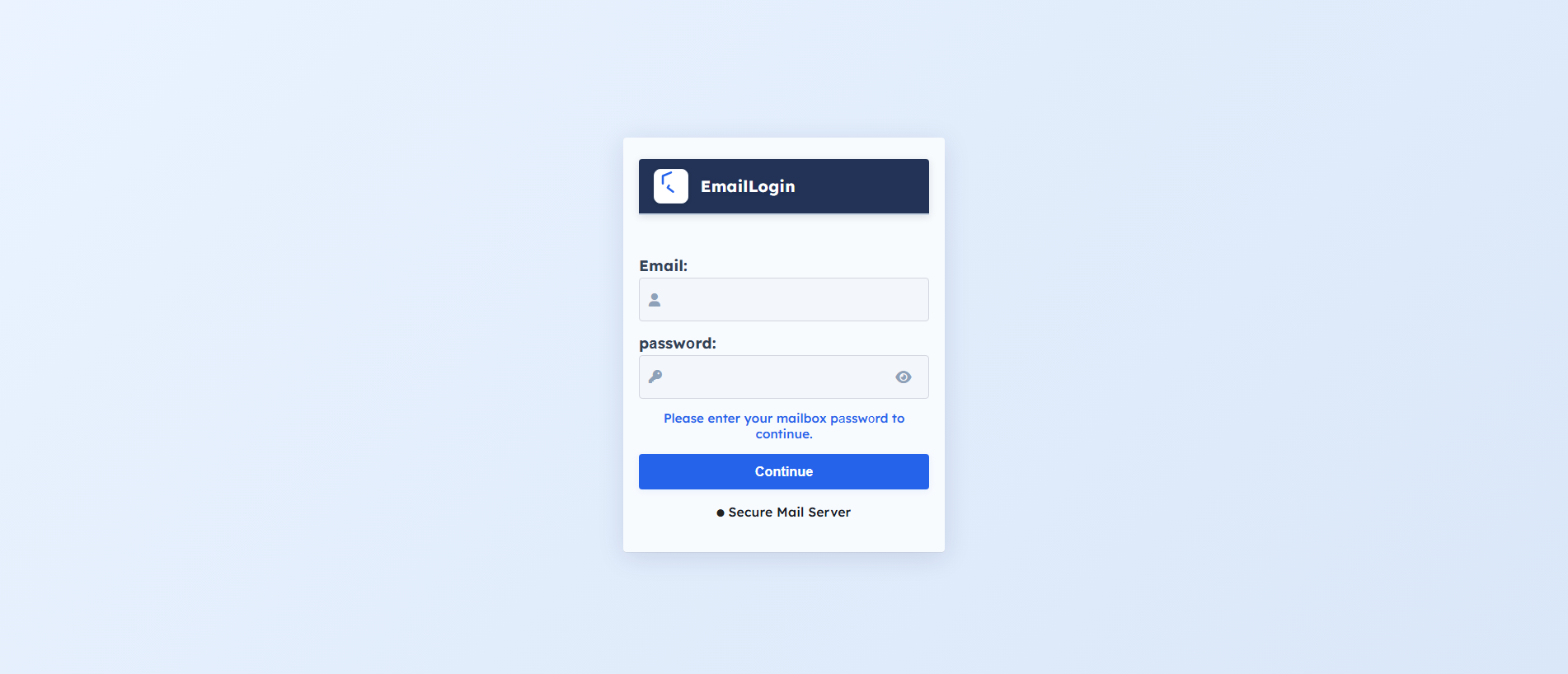
“EmailLogin”
 US
+ more
US
+ more
DNS records indicate the use of Cloudflare nameservers (clarissa.ns.cloudflare.com and tate.ns.cloudflare.com), and the domain resolves to IP address 209.94.90.2, which is hosted in the United States by Protocol Labs. The SSL certificate is issued by Let's Encrypt (YE2), providing encrypted connections but not implying legitimacy. Registration records show CSC Corporate Domains, Inc. as the registrar, with the domain originally created on February 24, 2017. While the site’s specific web content has not been directly analyzed, the combination of blocklist inclusion, multiple threat vendor detections, and the use of decentralized hosting infrastructure are strong indicators of ongoing malicious activity.
Defenders should treat this domain as a high-priority threat and implement blocking at the network perimeter. Continued monitoring for associated IPs and infrastructure is recommended, as is the validation of any user or system traffic involving this domain. No evidence suggesting a specific brand target or phishing kit is present; the threat should be considered generic until further forensic analysis is possible.

Threat Response Pipeline
Public Blocklist Status


Evidence Capture
 CSC Corporate Domains, Inc.
Domain Intelligence
(US)
Technical detailsDNS, SSL SANs, timestamps
Technologies · 3 identified
IPFS is a peer-to-peer hypermedia protocol that provides a distributed hypermedia web.
ipfs.tech 100% confidenceCloudflare is a web-infrastructure and website-security company, providing content-delivery-network services, DDoS mitigation, Internet security, and distributed domain-name-server services.
www.cloudflare.com 100% confidenceHTTP/3 is the third major version of the Hypertext Transfer Protocol used to exchange information on the World Wide Web.
httpwg.org 100% confidenceVirusTotal Analysis
Site Performance Analysis
Google PageSpeed Insights — mobile performance audit of bafkreidjdq2kk4ndtllvx5afsdqrhvgjqgnvj5dupbe7m65winfca7yd3a.ipfs.dweb.link · checked Jul 22, 2026
Evidence & External Reports
 ChainPatrol
Were You Affected by This Site?
If you have interacted with this domain, entered personal information, or connected a cryptocurrency wallet — take immediate action. Below are resources to help you report the incident and protect yourself.



Report to Your Local Authorities
Select your country to get official cybercrime contacts, or generate an AI-powered complaint →
Related Domain Reports


Other Domains on 209.94.90.2 6 phishing domains
This IP hosts multiple phishing domains — infrastructure shared across campaigns
 bafybeifhkli7dfi6brfwr3637krztfkps6yf26wqe45ks7mq23jkrg5pzm.ipfs.dweb.link 23/95
bafkreib26odrhy2w62yzybfoofemle2le6zldpovk46b75jt6blmf5lq5i.ipfs.dweb.link 23/95
bafybeiclh4rdjgenba3udk2t6t7k6mg2xhf5z6vspwffh4vtbgqqrfwbwe.ipfs.dweb.link 23/95
bafkreiew5p56p265gff7dra7454b4hcvu454nhxocge2cnl6eekusg2jjm.ipfs.dweb.link 22/95
bafkreihsuuo6vix5kfhmegstaombmlrre3emy57mnwniobfaez7ks2o63a.ipfs.dweb.link 22/95
bafybeigys74llssoyzme5yywtjsjhlqew3sksohbzsne6ouewercf7vu6a.ipfs.dweb.link 22/95
bafybeifhkli7dfi6brfwr3637krztfkps6yf26wqe45ks7mq23jkrg5pzm.ipfs.dweb.link 23/95
bafkreib26odrhy2w62yzybfoofemle2le6zldpovk46b75jt6blmf5lq5i.ipfs.dweb.link 23/95
bafybeiclh4rdjgenba3udk2t6t7k6mg2xhf5z6vspwffh4vtbgqqrfwbwe.ipfs.dweb.link 23/95
bafkreiew5p56p265gff7dra7454b4hcvu454nhxocge2cnl6eekusg2jjm.ipfs.dweb.link 22/95
bafkreihsuuo6vix5kfhmegstaombmlrre3emy57mnwniobfaez7ks2o63a.ipfs.dweb.link 22/95
bafybeigys74llssoyzme5yywtjsjhlqew3sksohbzsne6ouewercf7vu6a.ipfs.dweb.link 22/95
More Domains at CSC 6 flagged
bafkreia634ltaqpzfhf77yszbtr543ba4ks7mhbpuuoi6wtfofksxfxxc4.ipfs.dweb.link 12/95
bafkreig7e4dljqmqpdycimbzyaqri4phwwen3wwtqnf4nkk7xhuf6fwe5q.ipfs.dweb.link 7/95
verify-microsoft-account.framer.wiki 9/95
axodus-io.framer.ai 9/95
akamai-devel.braunhousehold.com
About This Report: bafkreidjdq2kk4ndtllvx5afsdqrhvgjqgnvj5dupbe7m65winfca7yd3a.ipfs.dweb.link
This report presents the latest stored evidence available to PhishDestroy. Source timestamps are shown where available; availability and vendor verdicts can change after collection.
The site displays a page titled “EmailLogin”.
bafkreidjdq2kk4ndtllvx5afsdqrhvgjqgnvj5dupbe7m65winfca7yd3a.ipfs.dweb.link has been flagged by 16 security vendors as of July 22, 2026.
If you believe this listing is inaccurate, you can submit an appeal. For more information about our methodology, visit our FAQ page.
Check Any Domain
Threat analysis using stored blocklist, WHOIS, DNS, and public scan evidence
Scan NowReport Phishing
Submit suspicious domains to our threat database — protect the community
ReportLive Threat Feed
Recent phishing reports and observed availability changes
MonitorStay Informed, Stay Safe
Monitor live threats or contest this listing if you believe it's a false positive
Recommendations & Advice for Victims
An estimated $51 billion flowed to illicit crypto wallets in 2024 (source). If you interacted with bafkreidjdq2kk4ndtllvx5afsdqrhvgjqgnvj5dupbe7m65winfca7yd3a.ipfs.dweb.link — act now.
What should I do immediately?
Urgent
- Revoke token approvals — use revoke.cash to remove access granted to malicious smart contracts
- Move remaining funds to a brand-new wallet. The compromised wallet is no longer safe
- Change all passwords — email, exchange accounts, anything that shares the same password
- Enable 2FA using an authenticator app (not SMS). Disable SMS-based recovery
- Freeze cards if you entered banking details on the phishing site
What information should I collect for my report?
FBI guidelines
According to the FBI, the most important details are transaction data:
- Cryptocurrency addresses — scammer's wallet (e.g.,
0x5856...35985) - Amount & crypto type — exact amount (e.g., 1.02345 ETH, 0.5 BTC, 500 USDT)
- Transaction ID (hash) — the unique blockchain transaction identifier
- Exact dates & times — of each transaction and first contact with scammer
- Screenshots — scam website, chat messages, emails, wallet transactions, social media
- All URLs & domains used by the scammer (including
bafkreidjdq2kk4ndtllvx5afsdqrhvgjqgnvj5dupbe7m65winfca7yd3a.ipfs.dweb.link) - Communications — emails, texts, phone numbers, usernames the scammer used
Even if you don't have all details — file a report anyway. Partial information still helps investigations.
Where should I report the scam?
- FBI IC3 — Internet Crime Complaint Center (US federal reporting)
- Europol — European cybercrime reporting (EU)
- Chainabuse — flag scam wallets across exchanges & platforms
- Your crypto exchange — contact Coinbase/Binance/Kraken support to freeze scammer's address
- Local police — creates an official record, even if they can't act immediately
The FBI recovered over $1 billion in crypto fraud in 2024 thanks to victim reports. Your report matters.
How do crypto scams typically work?
- Fake websites — pixel-perfect clones of legitimate sites with slightly altered domains
- Malicious approvals — "connect wallet" prompts that grant unlimited token spending to attackers
- Pig butchering — trust built over weeks via Telegram/WhatsApp/dating apps, then money stolen
- Recovery scams — victims targeted AGAIN by fake "recovery agents" demanding upfront fees. Always a scam
- Fake ads & airdrops — Google/social media ads and "free token" offers leading to wallet drainers
- AI-powered scams — deepfakes, automated phishing, and AI-generated sites making fraud harder to detect
How can I protect myself in the future?
- Use a hardware wallet (Ledger, Trezor). Never store large amounts in browser wallets
- Bookmark official sites — never click links from emails, DMs, or ads
- Read every approval — verify permissions before signing. Reject unlimited approvals
- Verify domains — check on PhishDestroy before interacting. Check HTTPS, spelling, domain age
- "Too good to be true" = scam — guaranteed returns, celebrity endorsements, urgent deadlines
How big is the crypto scam problem?
- $51 billion flowed to illicit crypto wallets in 2024 — CoinLedger
- Pig butchering losses grew 40% year over year, now the fastest-growing fraud type
- Only ~5% of victims report — your report helps shut down criminal networks
- FBI recovered $1B+ in 2024 thanks to victim reports — FBI.gov
Sources: FBI · CoinLedger · WorldMetrics