元のフォレンジック記録を保持するため、下の PhishDestroy AI 詳細分析は英語のままです。
Overview
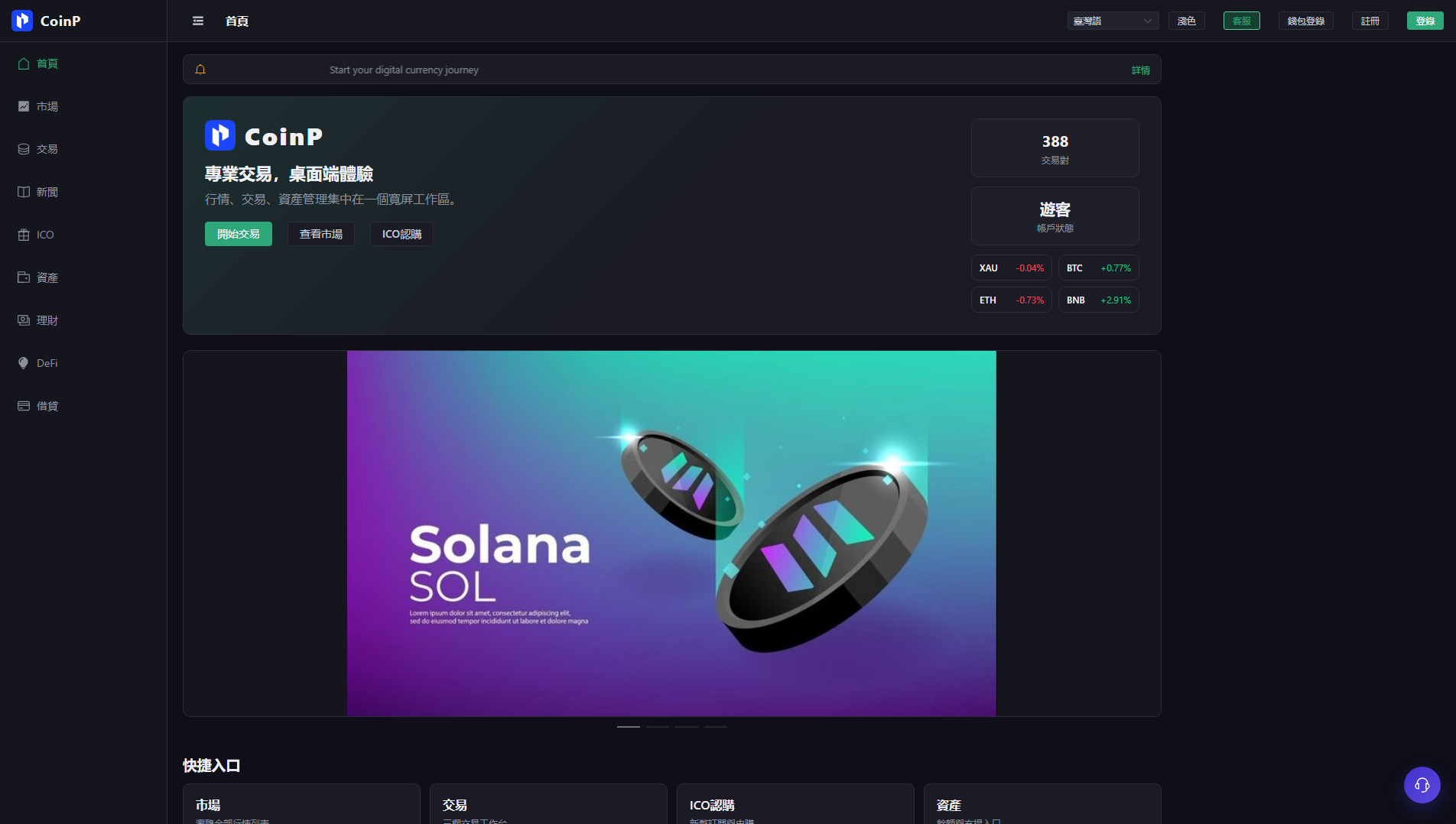
coinpsf.com is an impersonation phishing page that presented itself under the name "CoinP", a crypto-styled brand built to look like a legitimate coin platform to people holding digital assets. PhishDestroy first saw it on 2026-09-04. The site has been offline since 2026-09-11, and as of 2026-10-19 its domain no longer resolves in DNS.
詐欺の手口
Impersonation pages like this copy the look and wording of a crypto service so the visitor believes they are on a trusted site. The "CoinP" branding was meant to pass at a glance, especially for users arriving from ads, direct messages or search results. Once trust is established, the page asks for account credentials, a seed phrase, or a wallet connection and signature. Any of these can hand the operator control of the victim's account or funds, and on-chain transfers cannot be reversed.
証拠
Nine of 90 VirusTotal engines flagged the domain on 2026-09-06. The flagging vendors include Kaspersky, BitDefender, G-Data, Forcepoint ThreatSeeker, alphaMountain.ai, CRDF, Gridinsoft and SOCRadar. That is a modest share of engines, but the detections come from vendors that work independently of one another. MetaMask and SEAL list the domain alongside PhishDestroy, so wallet users had warnings from more than one source. Five AlienVault OTX threat pulses also reference it.
インフラ
The domain was registered through Realtime Register B.V. on 2026-08-13. That is just 22 days before PhishDestroy flagged it, a short gap typical of throwaway phishing domains. Traffic was served through Cloudflare (AS13335) in the US, which acts as a front and keeps the origin server out of view. The site ran for only about a week after first detection before going dark.
What to do
If you entered a password or 2FA code on coinpsf.com, change that password on the real service immediately, reset 2FA and end any active sessions. If you typed a seed phrase, consider the wallet compromised. Create a new wallet and move any remaining assets to it at once. If you connected a wallet or signed anything, review and revoke token approvals and permissions granted during that session. Defenders should block the domain, check DNS and proxy logs for visits before 2026-09-11, and watch for look-alike "CoinP" domains reusing the same branding.
coinpsf.com is an impersonation phishing page titled "CoinP" that targeted crypto users with a fake platform to steal logins, wallet access and funds.
AIによる要約
Overview coinpsf.com is an impersonation phishing page that presented itself under the name "CoinP", a crypto-styled brand built to look like a legitimate coin platform to people holding digital assets. PhishDestroy first saw it on 2026-09-04. The site has been offline since 2026-09-11, and as of 2026-10-19 its domain no longer resolves in DNS. How the scam works Impersonation pages like this copy the look and wording of a crypto service so the visitor believes they are on a trusted site. The "CoinP" branding was meant to pass at a glance, especially for users arriving from ads, direct messages or search results. Once trust is established, the page asks for account credentials, a seed phrase, or a wallet connection and signature. Any of these can hand the operator control of the victim's account or funds, and on-chain transfers cannot be reversed. Evidence Nine of 90 VirusTotal engines flagged the domain on 2026-09-06. The flagging vendors include Kaspersky, BitDefender, G-Data, Forcepoint ThreatSeeker, alphaMountain.ai, CRDF, Gridinsoft and SOCRadar. That is a modest share of engines, but the detections come from vendors that work independently of one another. MetaMask and SEAL list the domain alongside PhishDestroy, so wallet users had warnings from more than one source. Five AlienVault OTX threat pulses also reference it. Infrastructure The domain was registered through Realtime Register B.V. on 2026-08-13. That is just 22 days before PhishDestroy flagged it, a short gap typical of throwaway phishing domains. Traffic was served through Cloudflare (AS13335) in the US, which acts as a front and keeps the origin server out of view. The site ran for only about a week after first detection before going dark. What to do If you entered a password or 2FA code on coinpsf.com, change that password on the real service immediately, reset 2FA and end any active sessions. If you typed a seed phrase, consider the wallet compromised. Create a new wallet and move any remaining assets to it at once. If you connected a wallet or signed anything, review and revoke token approvals and permissions granted during that session. Defenders should block the domain, check DNS and proxy logs for visits before 2026-09-11, and watch for look-alike "CoinP" domains reusing the same branding. Useful links urlscan.io scan and screenshot: https://urlscan.io/result/01a06d2f-ca61-746f-b73d-420153edd43c/ VirusTotal report: https://www.virustotal.com/gui/domain/coinpsf.com Google Safe Browsing status: https://transparencyreport.google.com/safe-browsing/search?url=coinpsf.com Report phishing to Google: https://safebrowsing.google.com/safebrowsing/report_phish/ Site owner? Request a review: https://phishdestroy.io/appeals/
主要評価項目DNS 非アクティブreason: DNS NXDOMAIN80% confidence
出典source: Dns Cache
エビデンスレイヤーAvailability: DNS inactiveContent: UnreachableDNS: NXDOMAIN
RDAP登録
観測されたタイムラインlast reachable: 2026-09-07 22:14 UTCcurrent episode first observed: 2026-09-30 16:14 UTCobserved RIP window: 2026-09-07 22:14 UTC → 2026-09-30 16:14 UTC · 546.01hmidpoint estimate ≈ 2026-09-19 07:14 UTC · precision low · basis bounded
Availability, content, DNS and registration are independent evidence layers. NXDOMAIN, an unreachable origin or missing content alone does not prove registrar action. A registrar or provider is credited only when a direct technical marker identifies that actor. Report causality is shown separately.


 172.67.199.138


 Microsoft
 Cloudflare
 Yandex
 ESET
 ビットディフェンダー
 Norton
 Symantec
 Avira
 Avast / AVG
 カスペルスキー
 Dr.Web
 ネットクラフト
 PhishTank
 APWG eCX
 PhishStats
 Phish.Report
 Spamhaus
 PolySwarm
 CheckPhish
 Quttera
 URLquery
 Criminal IP
 CRDF
 MyWOT