
Search our database of flagged domains. Check if a website is a scam, phishing, or legitimate.
How This Attack Works
The scam exploits growing awareness of AML/KYC compliance requirements in crypto. Users who want to verify their funds are "clean" land on a convincing clone and unknowingly authorize a wallet drainer.
STEP 1
Lure via Search & Social
Victims encounter fake AML check sites through Google Ads, Telegram DMs, social media posts, or SEO-poisoned search results for queries like "check wallet AML" or "is my crypto clean."
STEP 2
Clone Legitimate UI
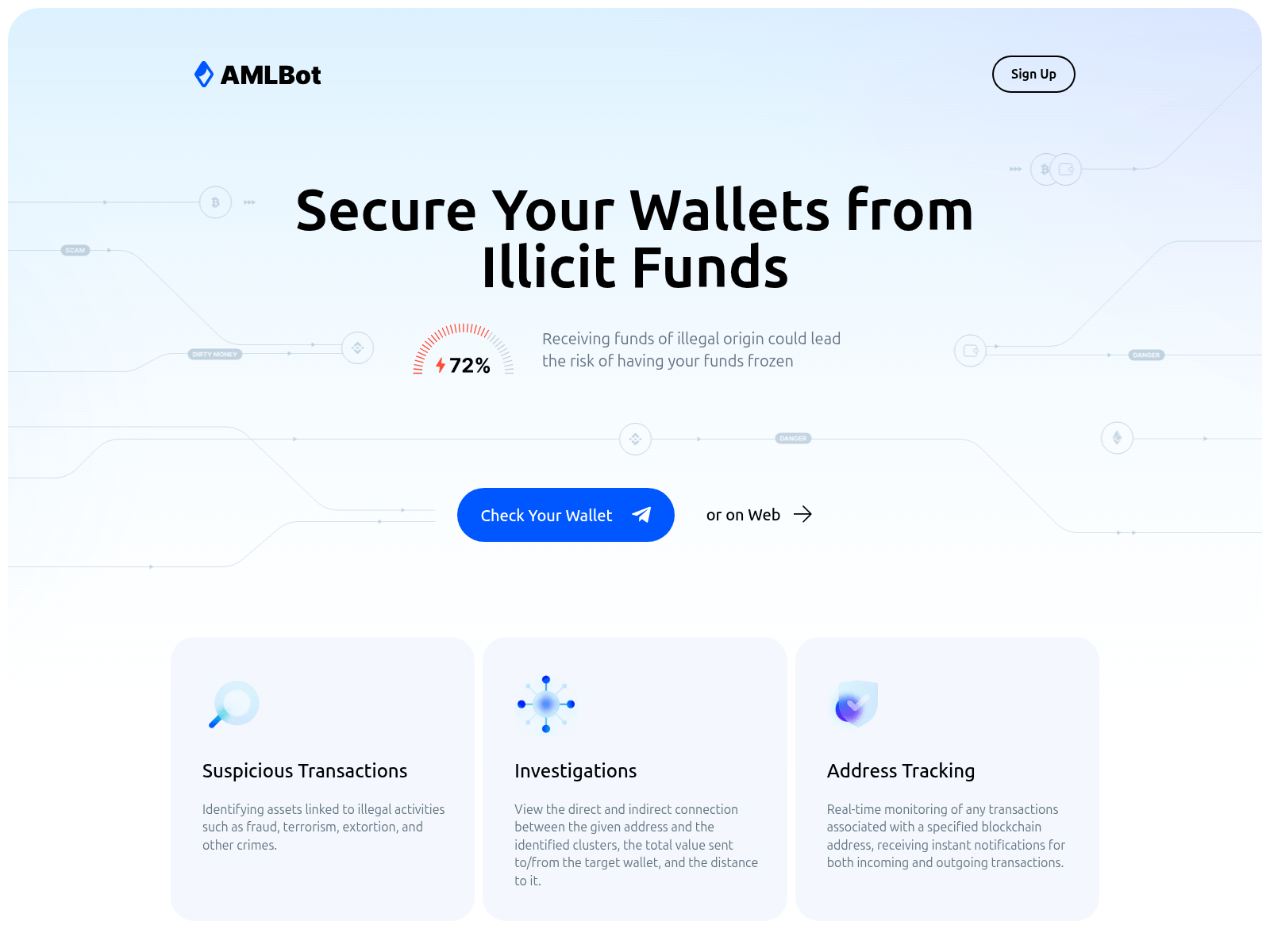
The site closely mimics the official AMLBot.com design, branding, and interface. Some clones replicate staff profiles and create fake Telegram accounts impersonating AMLBot team members.
STEP 3
Request Wallet Connection
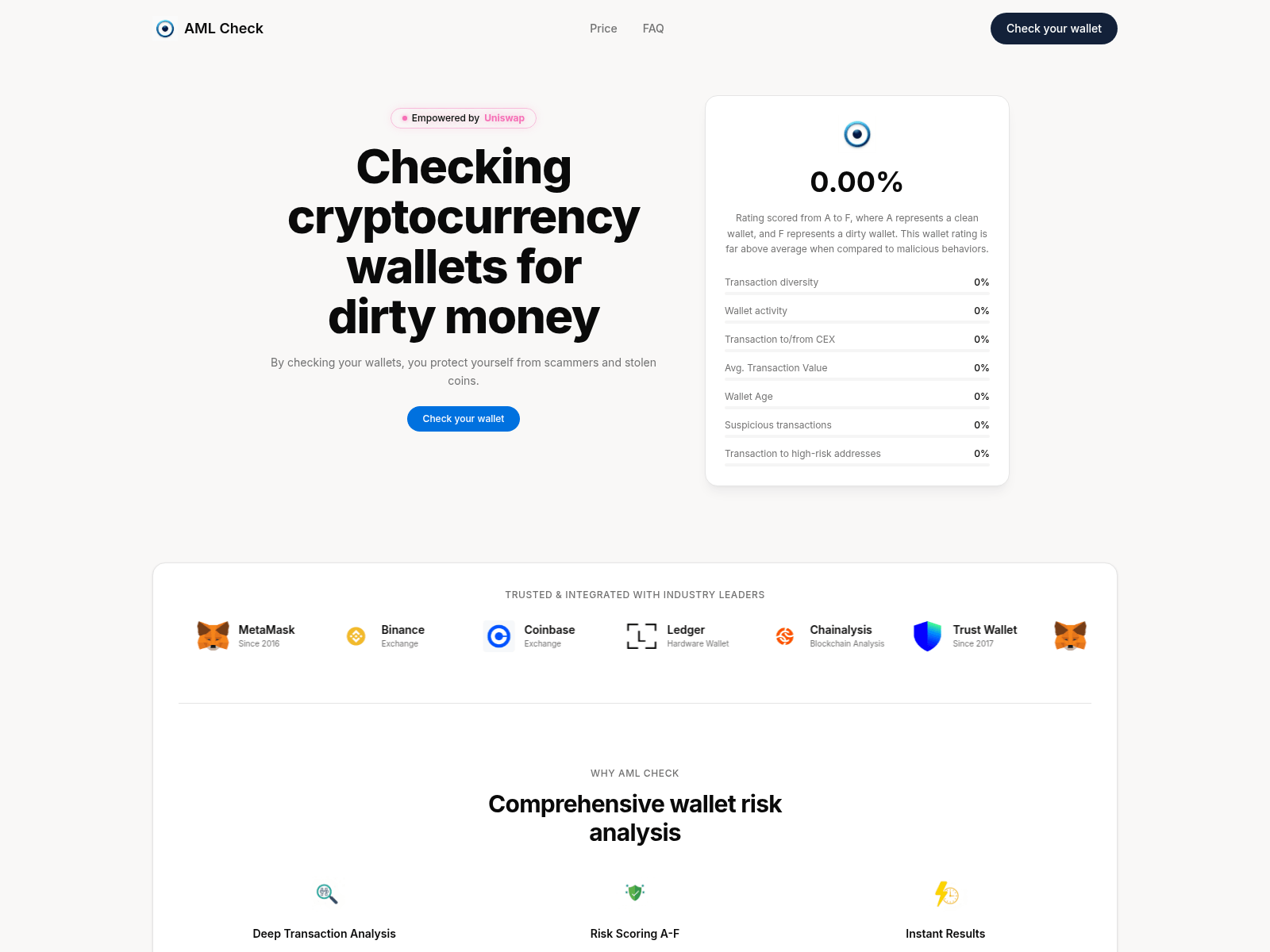
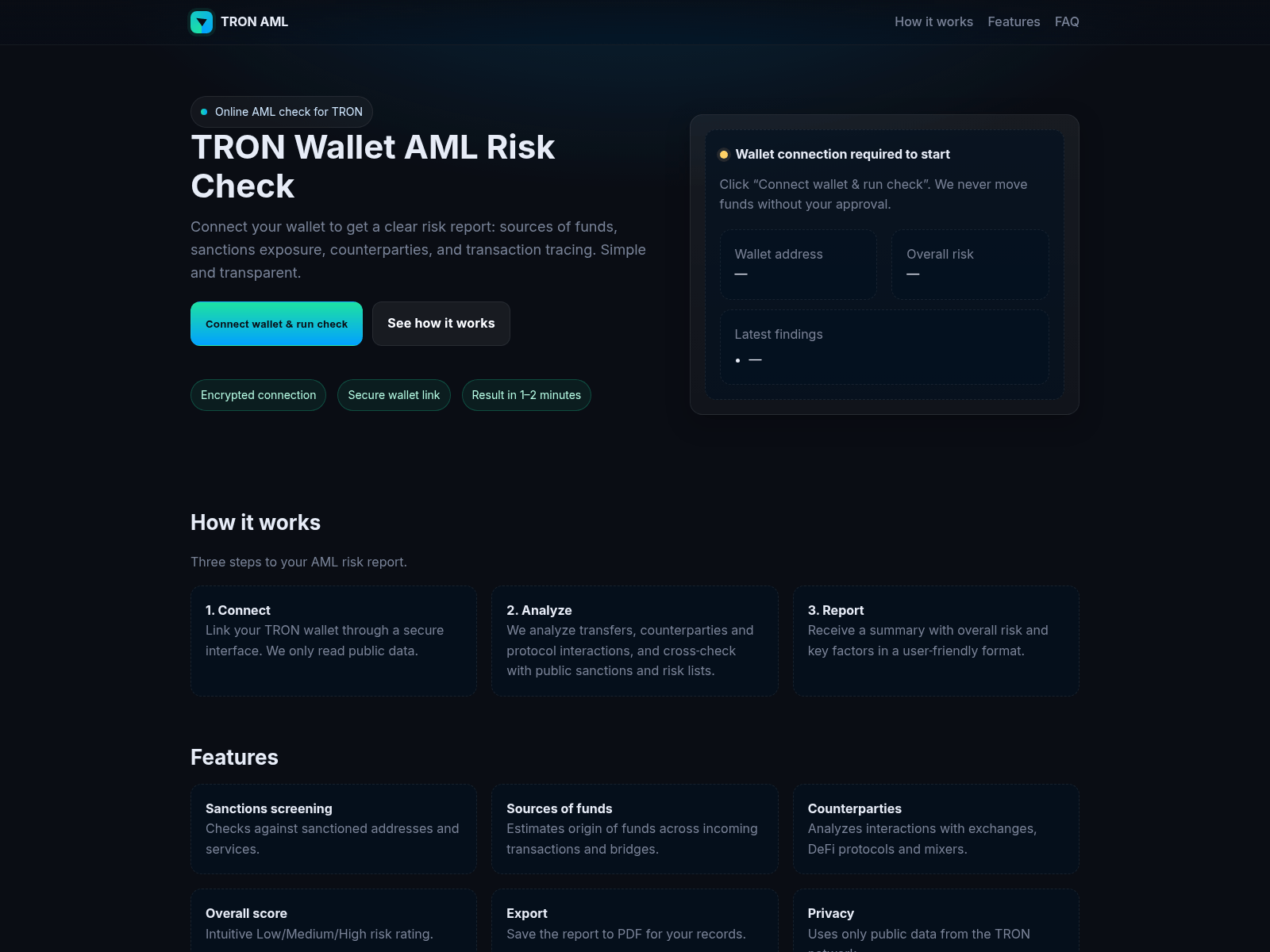
Unlike the real AMLBot (which only needs a wallet address as text input), the fake site asks users to "connect wallet" via MetaMask or WalletConnect to "generate an AML report."
STEP 4
Drain Assets via Smart Contract
The wallet connection triggers a malicious smart contract (setApprovalForAll or token approval) that scans all tokens/NFTs, prioritizes highest-value assets, and drains everything to attacker-controlled wallets. Transactions are irreversible.
Technical Analysis
The AML scam ecosystem uses sophisticated infrastructure. Domains typically use .com, .org, .app TLDs registered through privacy-friendly registrars (NICENIC, WEBCC account for 163+ domains). Many use Cloudflare CDN for legitimacy.
The drainer mechanism is identical to other wallet-connect phishing: upon connection, the site calls setApprovalForAll() or increaseAllowance() on the victim's token contracts. The drainer scans all assets, estimates value, and prioritizes extraction of highest-value tokens first.
According to AMLBot's 2025 Crypto Crime Report, 65% of crypto incidents are driven by social engineering rather than technical exploits, with phishing ranking as the #2 attack type (18% of all incidents).
Key technical indicators: domains containing 'aml', 'amlbot', 'aml-check', 'aml-verify' in the URL; wallet connection prompts (the real AMLBot never requires this); recently registered domains; missing or fake SSL certificates.
The drainer mechanism is identical to other wallet-connect phishing: upon connection, the site calls setApprovalForAll() or increaseAllowance() on the victim's token contracts. The drainer scans all assets, estimates value, and prioritizes extraction of highest-value tokens first.
According to AMLBot's 2025 Crypto Crime Report, 65% of crypto incidents are driven by social engineering rather than technical exploits, with phishing ranking as the #2 attack type (18% of all incidents).
Key technical indicators: domains containing 'aml', 'amlbot', 'aml-check', 'aml-verify' in the URL; wallet connection prompts (the real AMLBot never requires this); recently registered domains; missing or fake SSL certificates.
Real Cases
AMLBot Clone Wave (2024-2026) (2024-2026)
1,350+ fake domains stolen
AMLBot officially warned about an alarming rise in scammers impersonating AMLBot on various platforms, including fake Telegram bots and clone websites.
amlcheckwallet.cc Drainer (2024)
Wallet drainer active stolen
Registered via Dynadot Inc, resolved to Cloudflare IP 104.21.25.10. Served a fake "AML wallet check" interface with wallet-connect drainer. PhishDestroy report.
PCRisk AML Warning (Jan 2026) (January 2026)
12+ documented domains stolen
PCRisk documented a new wave of fake AMLBot sites including amlbotchecks.com, aml-safety.app, amlrobotsaveru.com, amlpremium.top. FTC reports over 46,000 people lost $1 billion to crypto scams since 2021. PCRisk report.
amlbotchecking.com Campaign (2024)
Multiple victims stolen
Typosquat of AMLBot serving crypto drainer via fake compliance check UI. Documented by Malware Guide and PCRisk.
How to Detect
Site asks to "connect wallet" — the real AMLBot only needs a wallet ADDRESS as text input, never a wallet connection
Domain contains "aml" variations: amlbot, aml-check, aml-verify, amlcrypto (verify against official amlbot.com)
Recently registered domain (check WHOIS — legitimate AML services have years of history)
Urgent messaging: "Your wallet may be flagged" or "Check compliance before funds are frozen"
Promoted via Telegram DMs, Google Ads, or unsolicited emails instead of organic search
How to Protect Yourself
1
Bookmark the official AMLBot at amlbot.com — never click links from ads, DMs, or emails
2
Remember: legitimate AML tools only need a wallet address (text), never a wallet connection or private keys
3
Check any AML domain on PhishDestroy before interacting with it
4
Use a separate "burner" wallet with minimal funds when testing any new DeFi/Web3 service
5
If you connected your wallet to a suspicious site: immediately transfer remaining funds to a NEW wallet and revoke approvals at revoke.cash
Frequently Asked Questions
Data sourced from PhishDestroy threat intelligence database — 430 domains tracked for this threat type
Fake AML Check Scam 430 domains
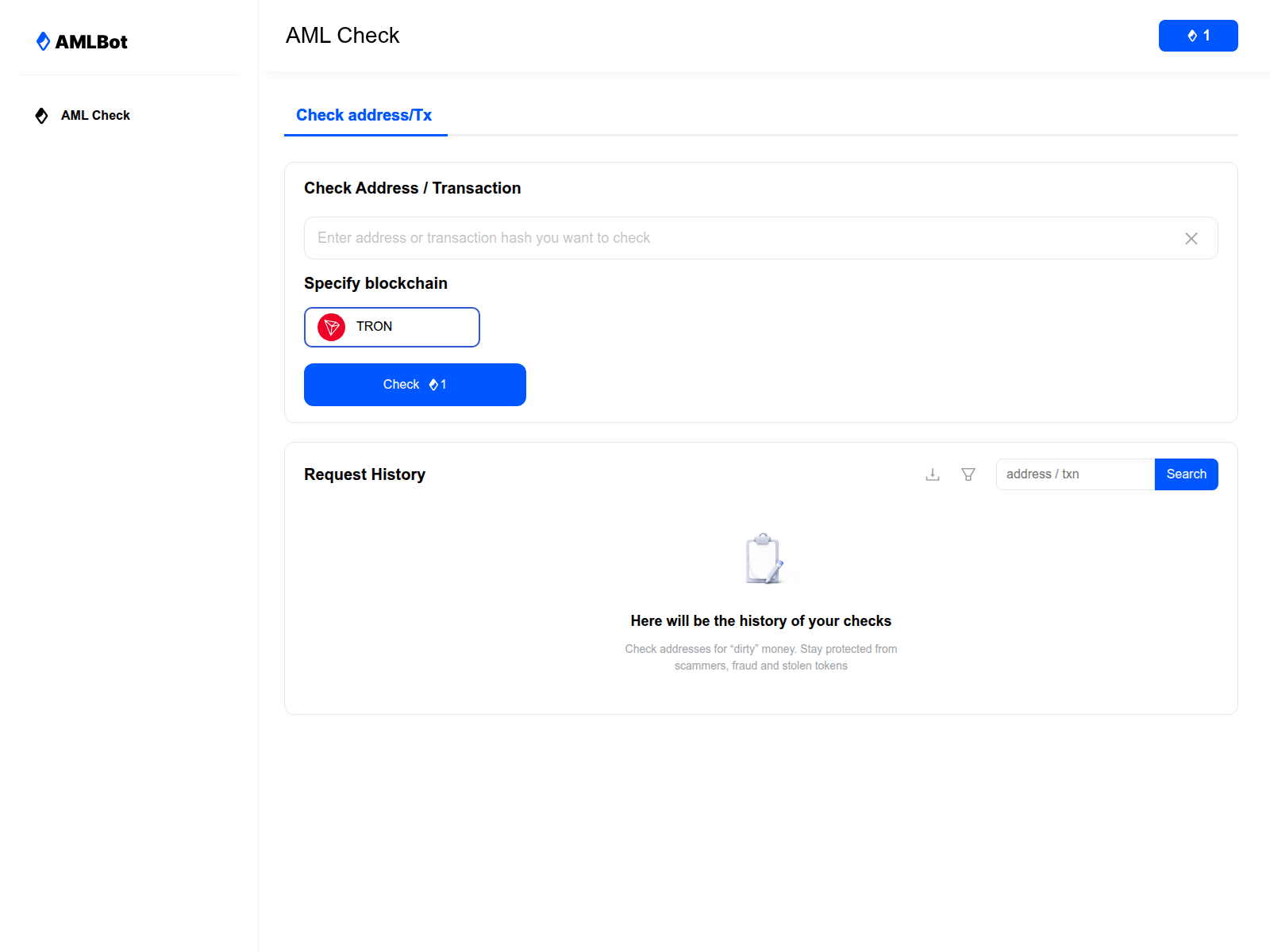
aml.kineticq.xyz
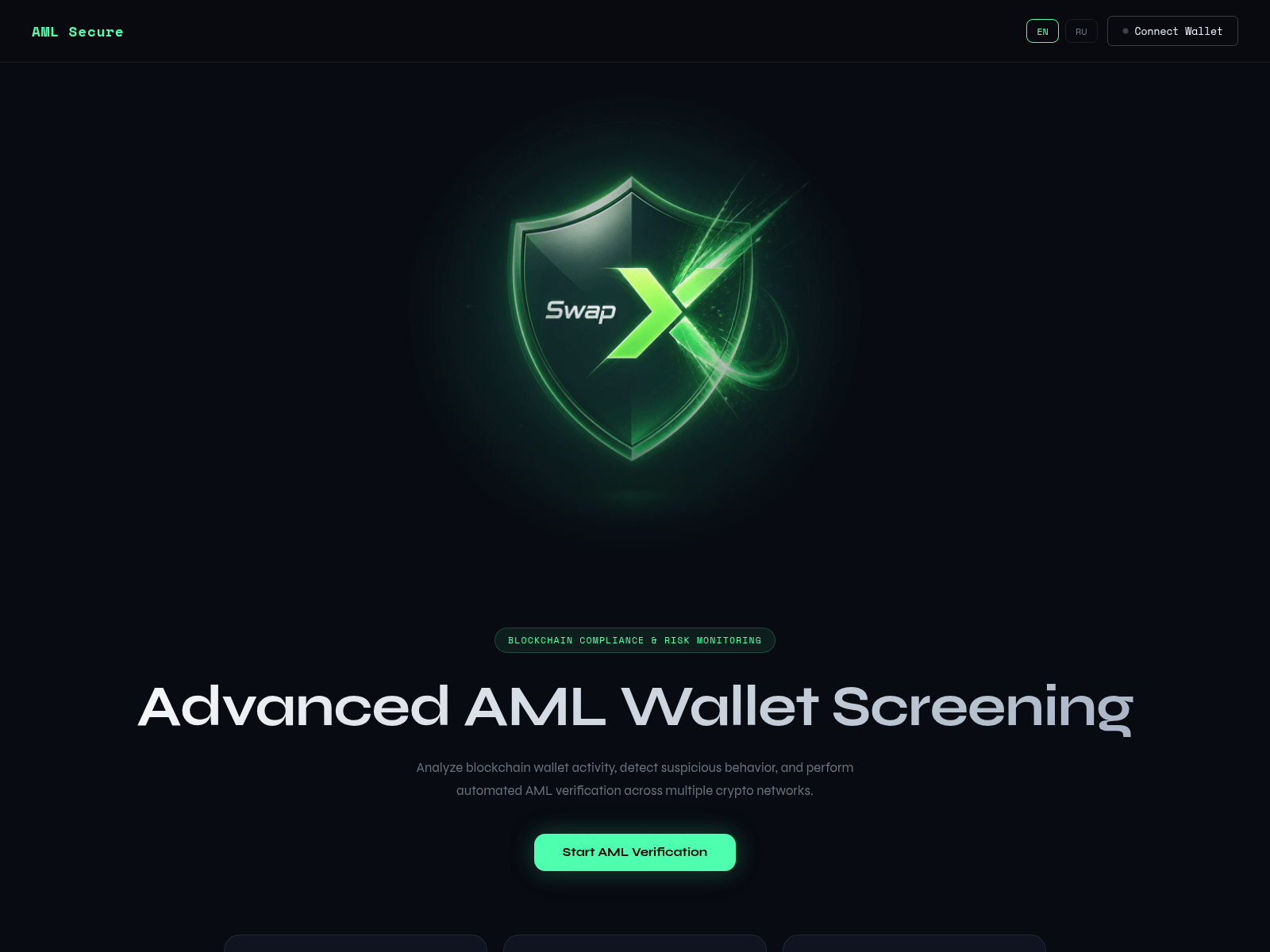
aml.swapx.fun
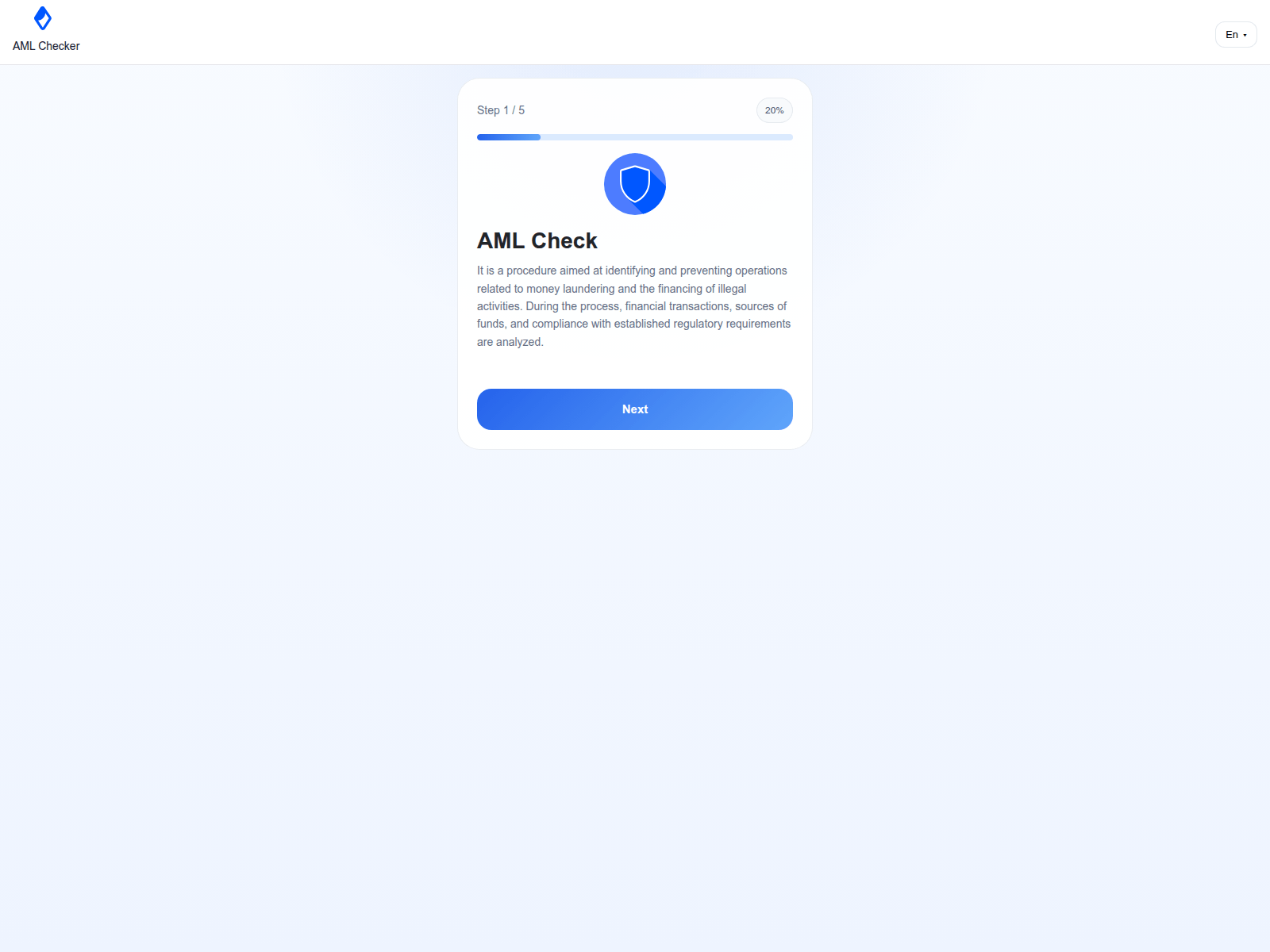
aml.verificenter.io
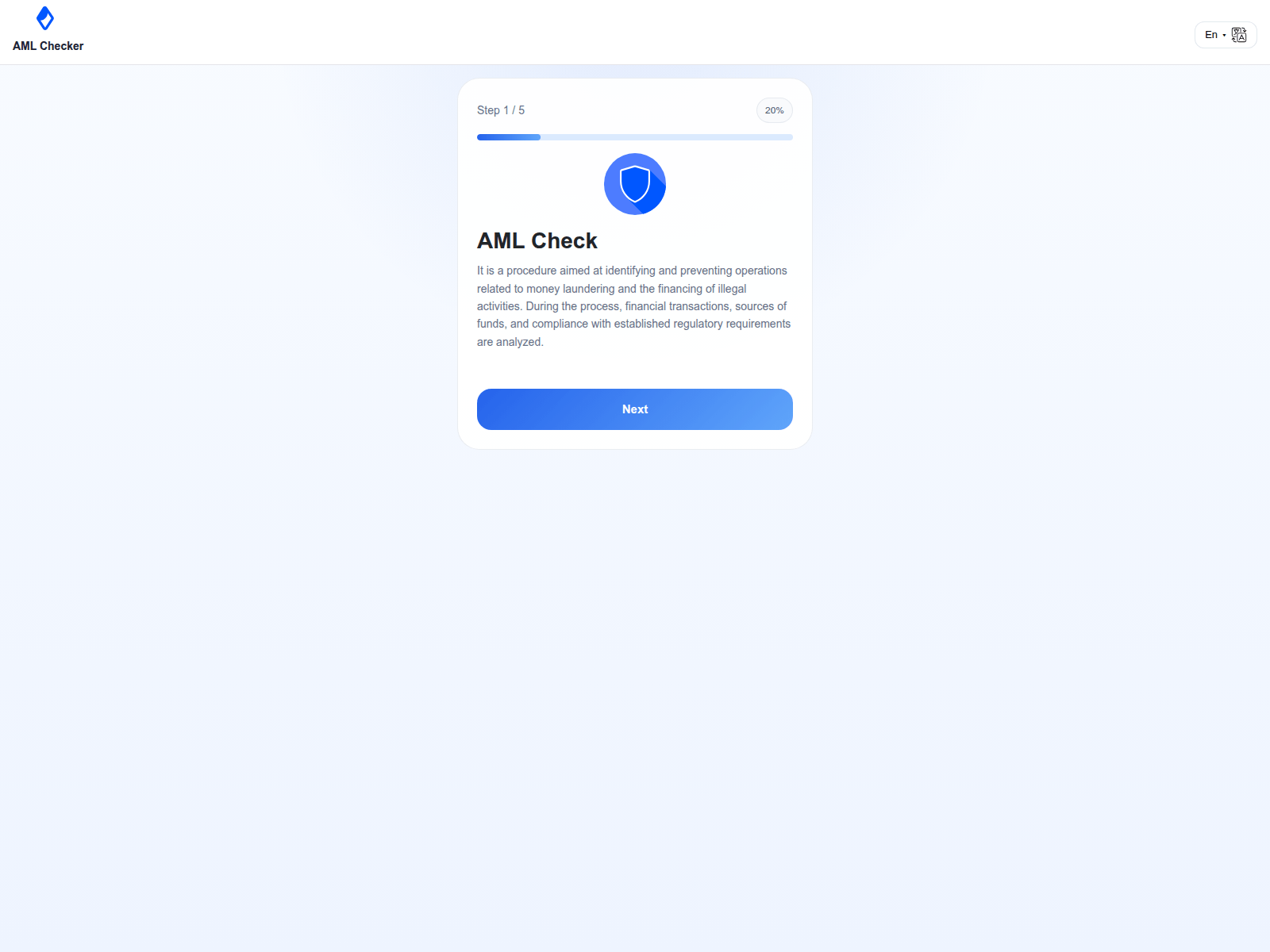
aml.verifylinkcenter.com
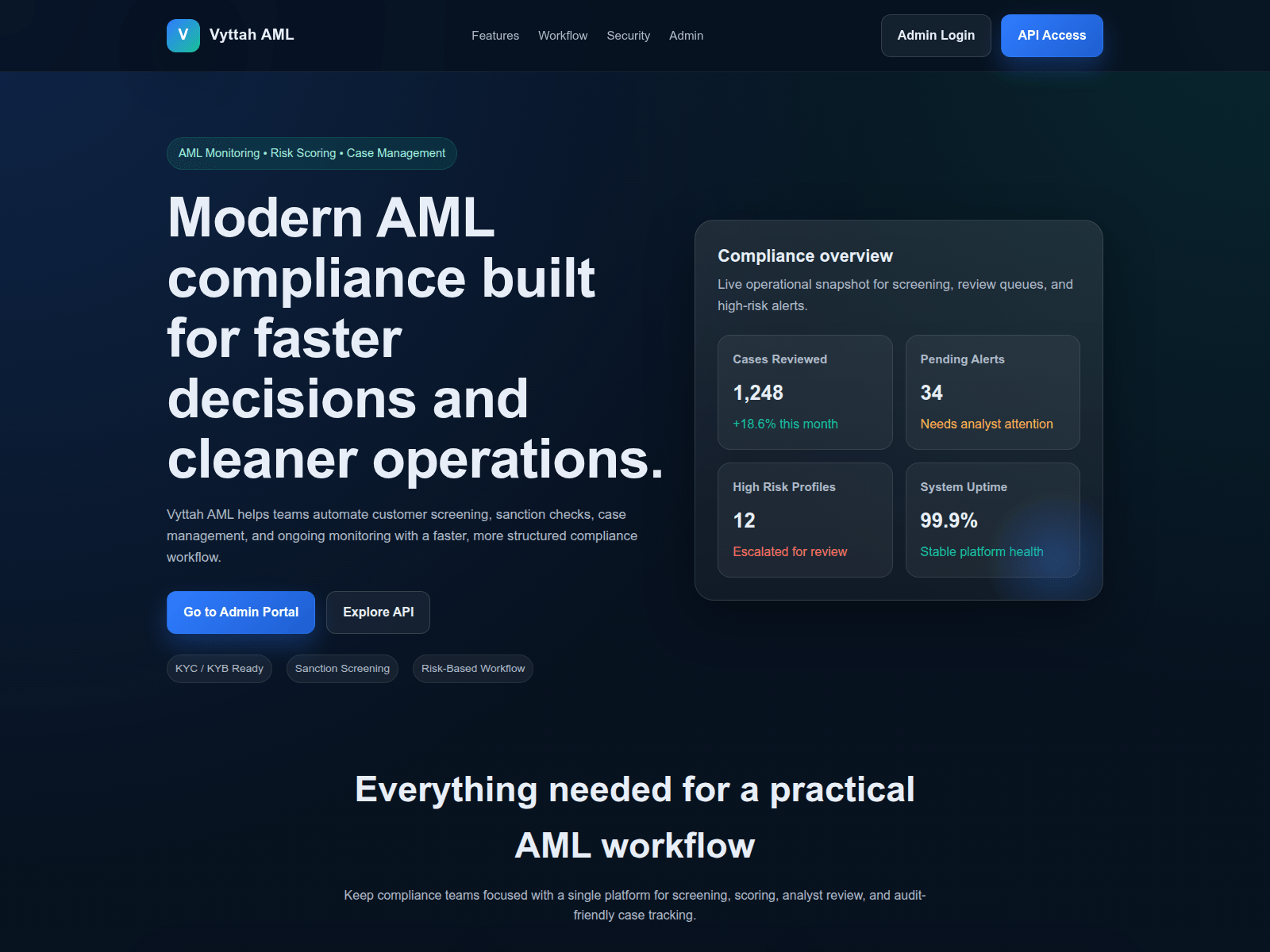
aml.vyttah.com
amlanews.com
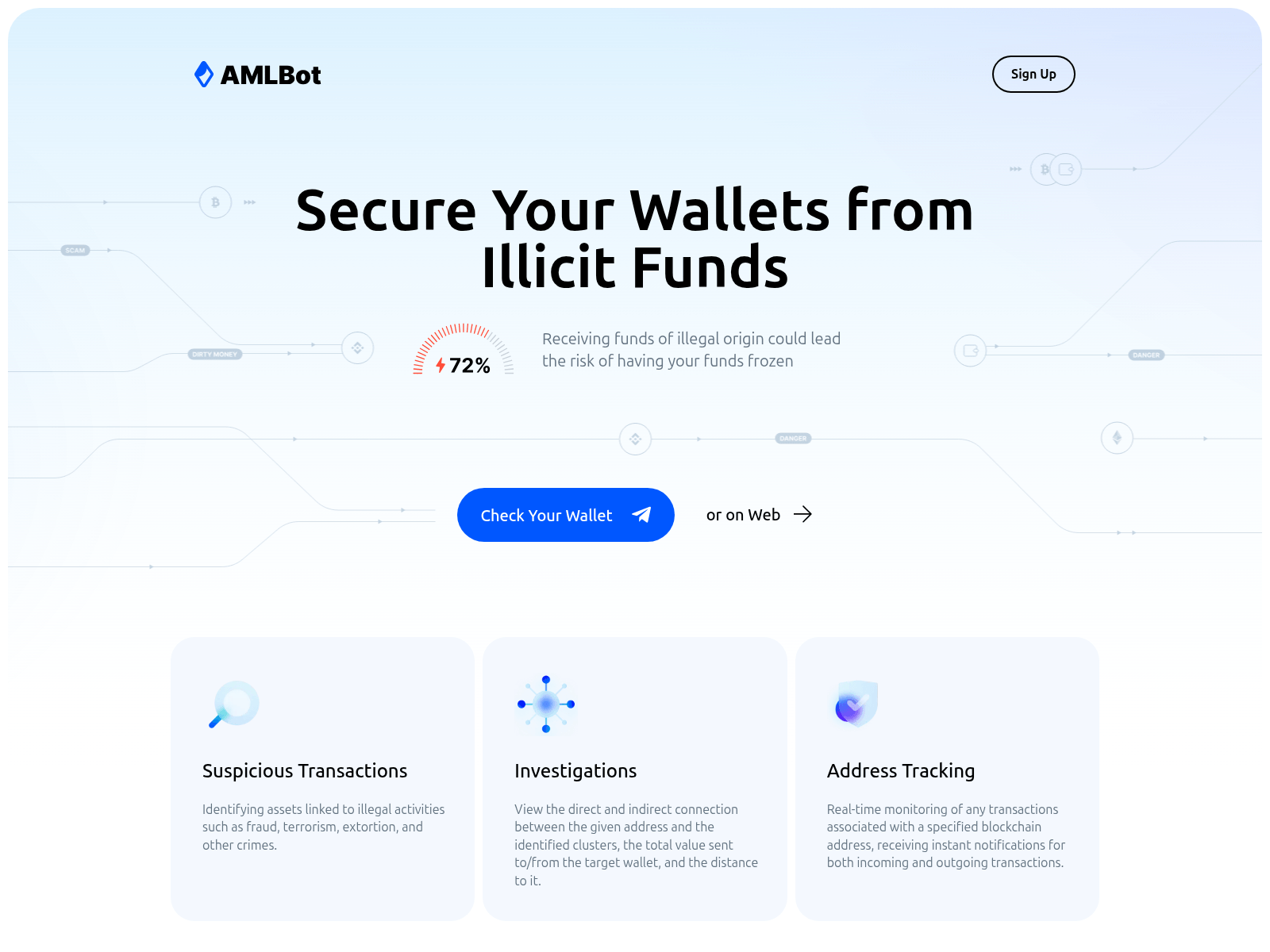
amlbot-crypto.one
amlbot-en.com
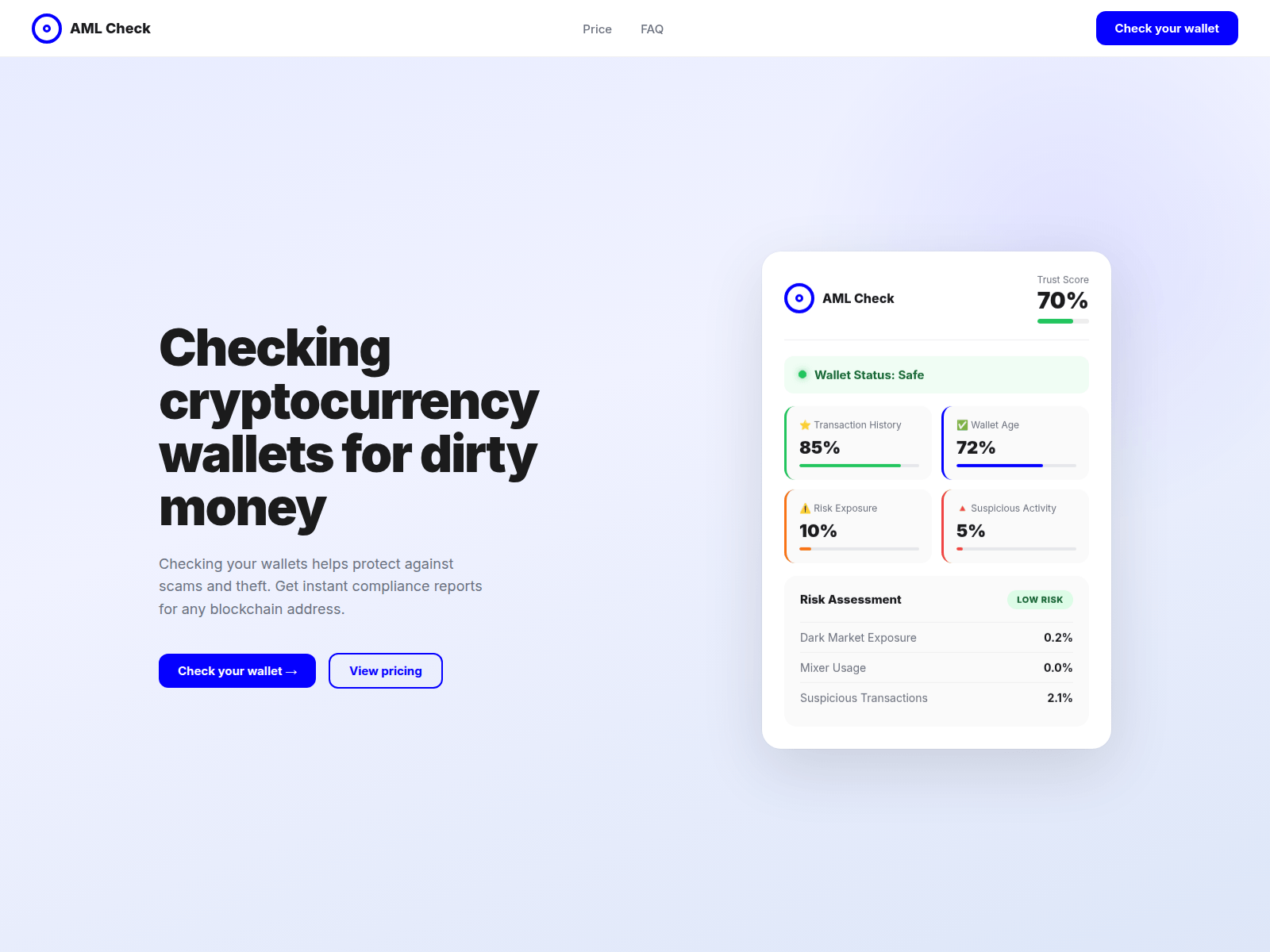
amlbot.club
amlccc.com
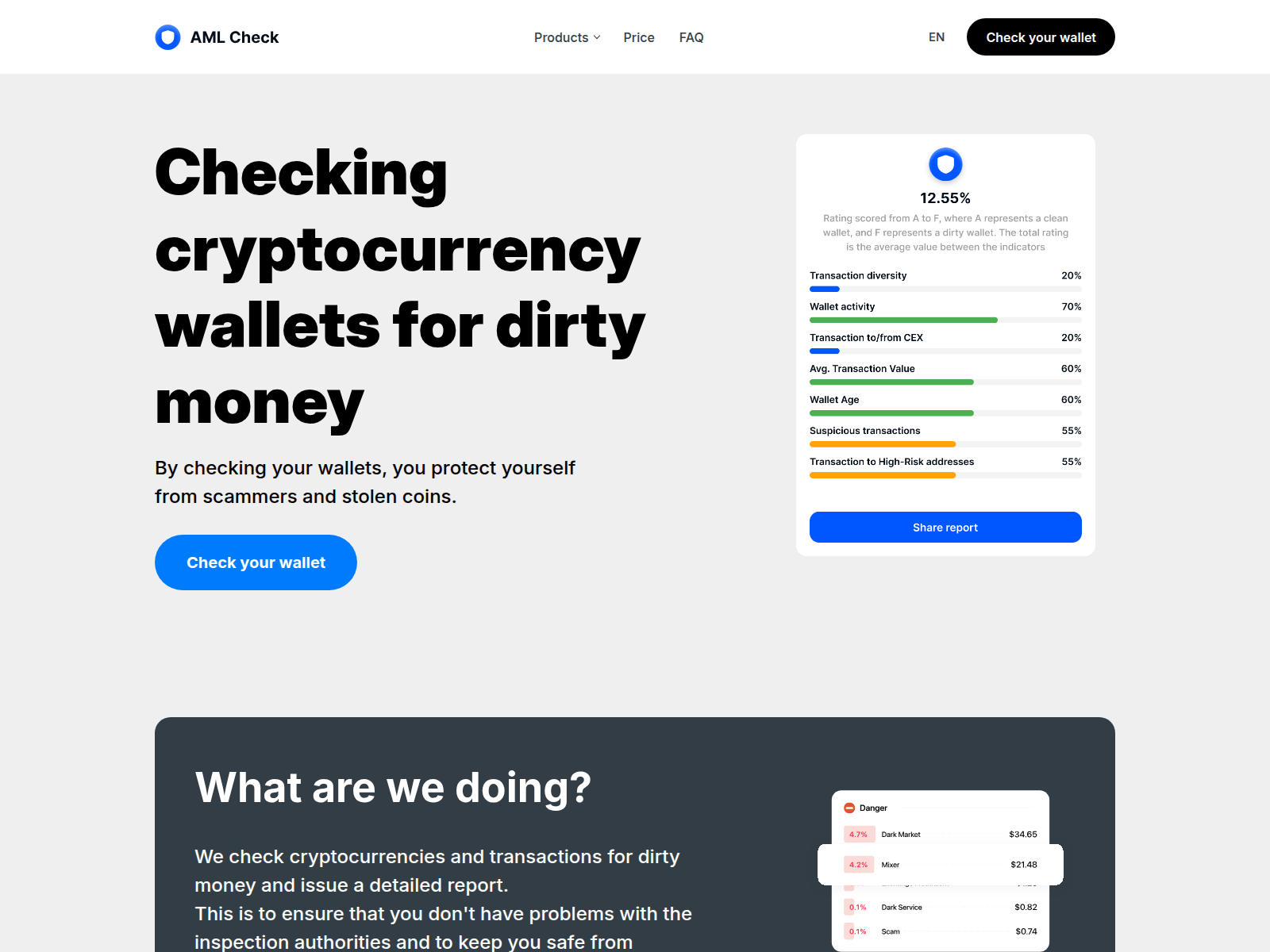
amlcheck.finance
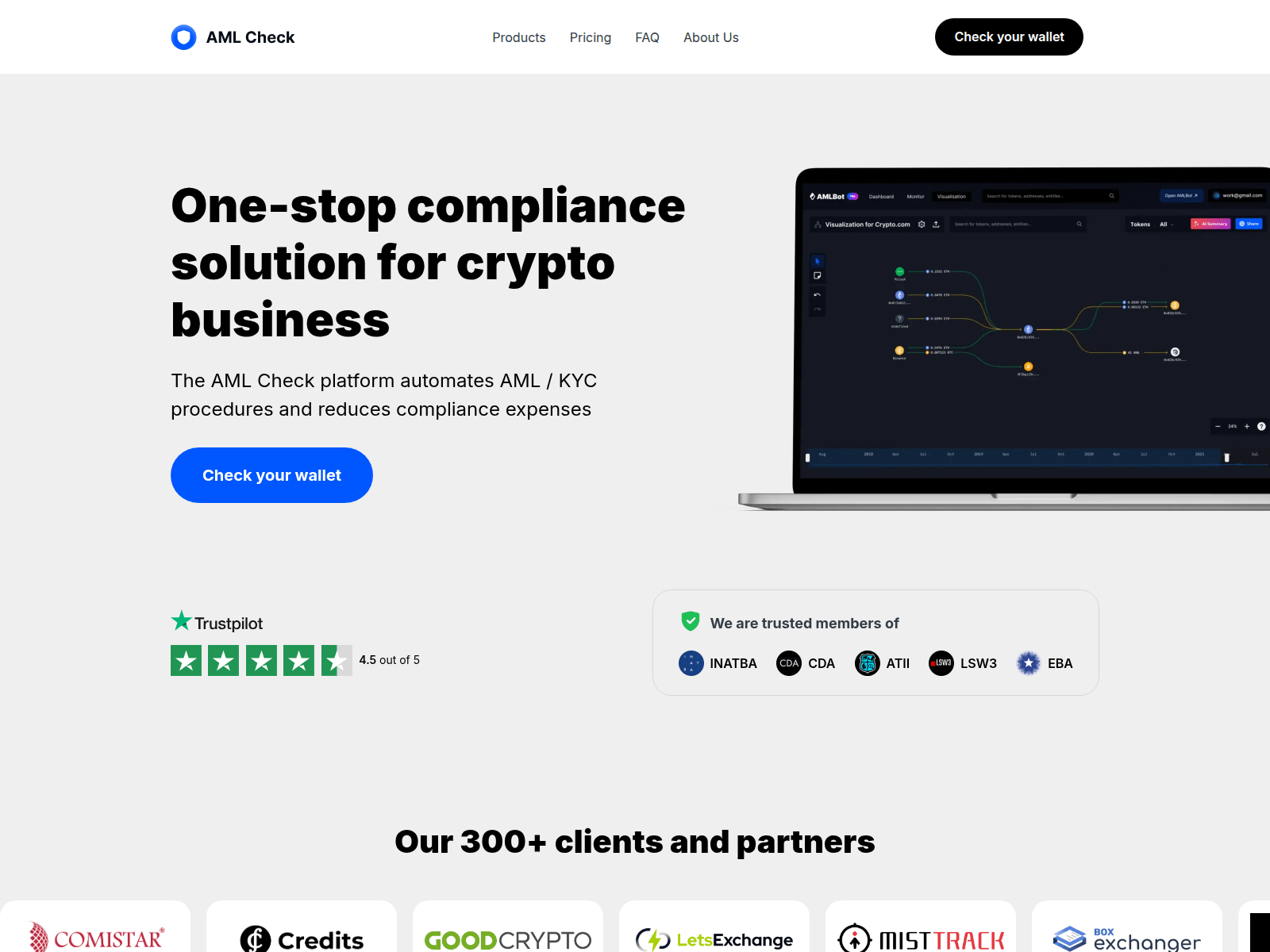
amlcheck.lat
amlchecked.net
amlchecks.lol
amlcorebot.com
amlgoy.site
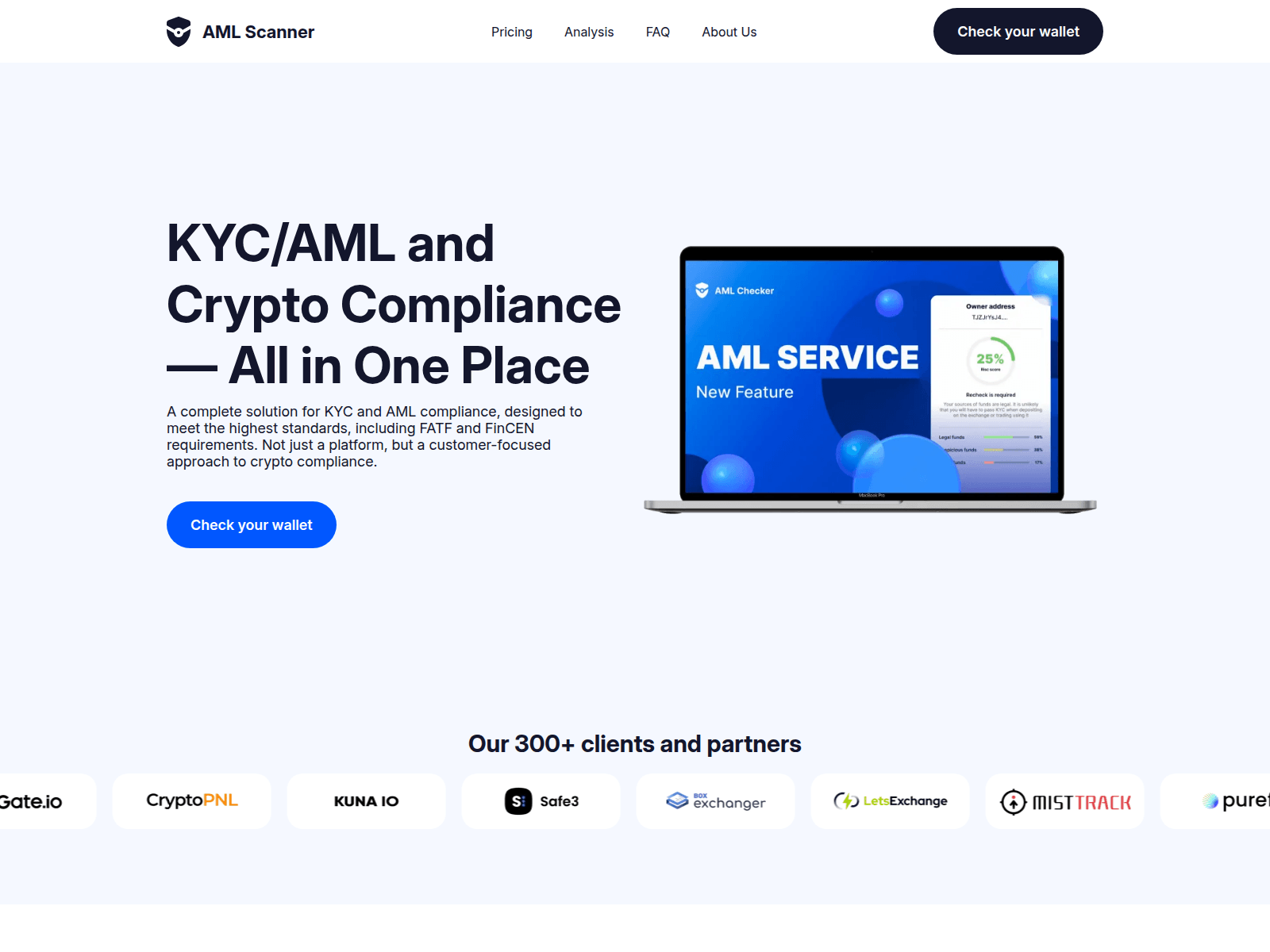
amlofficially.com
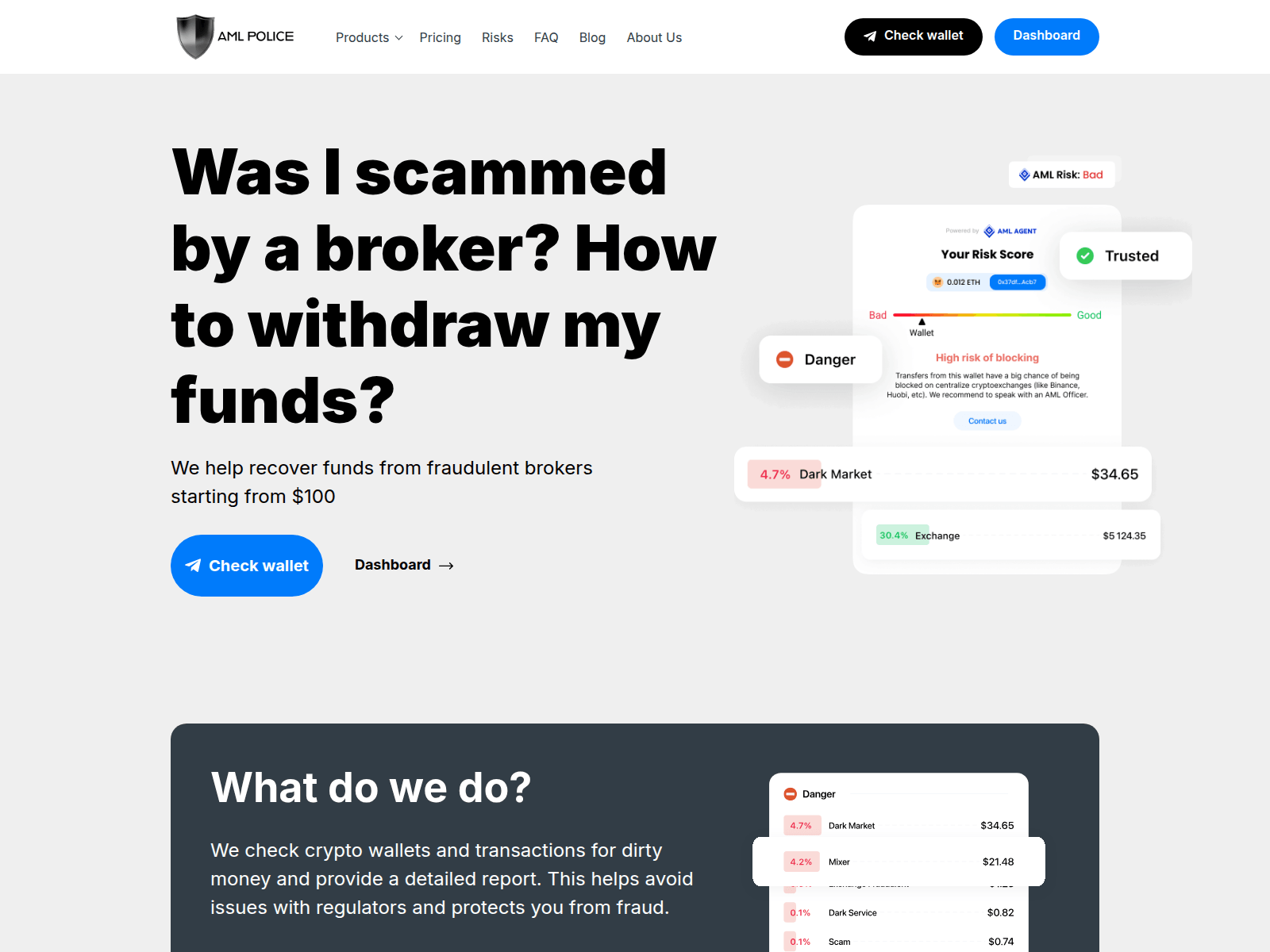
amlpolice.com
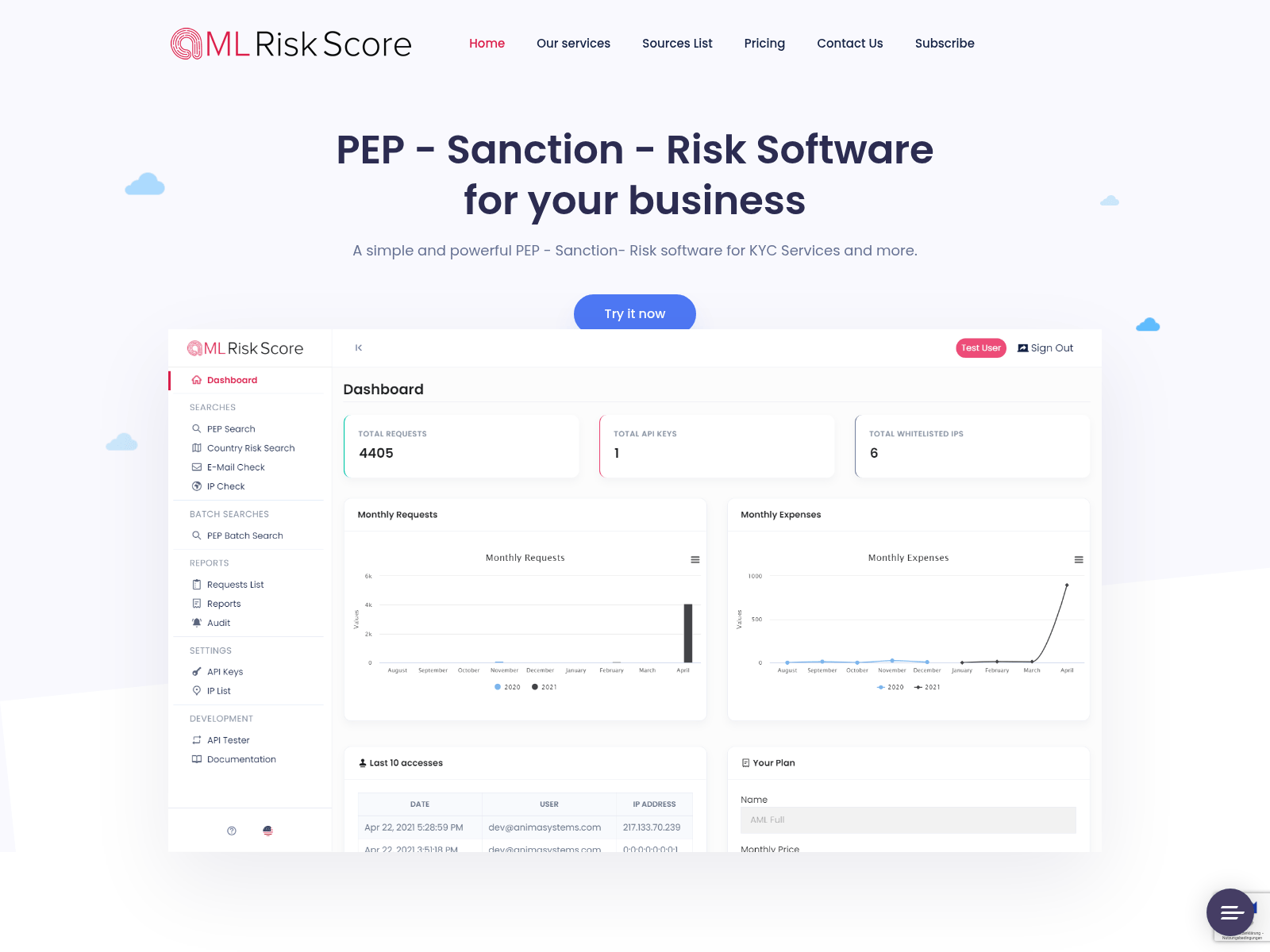
amlriskscore.com
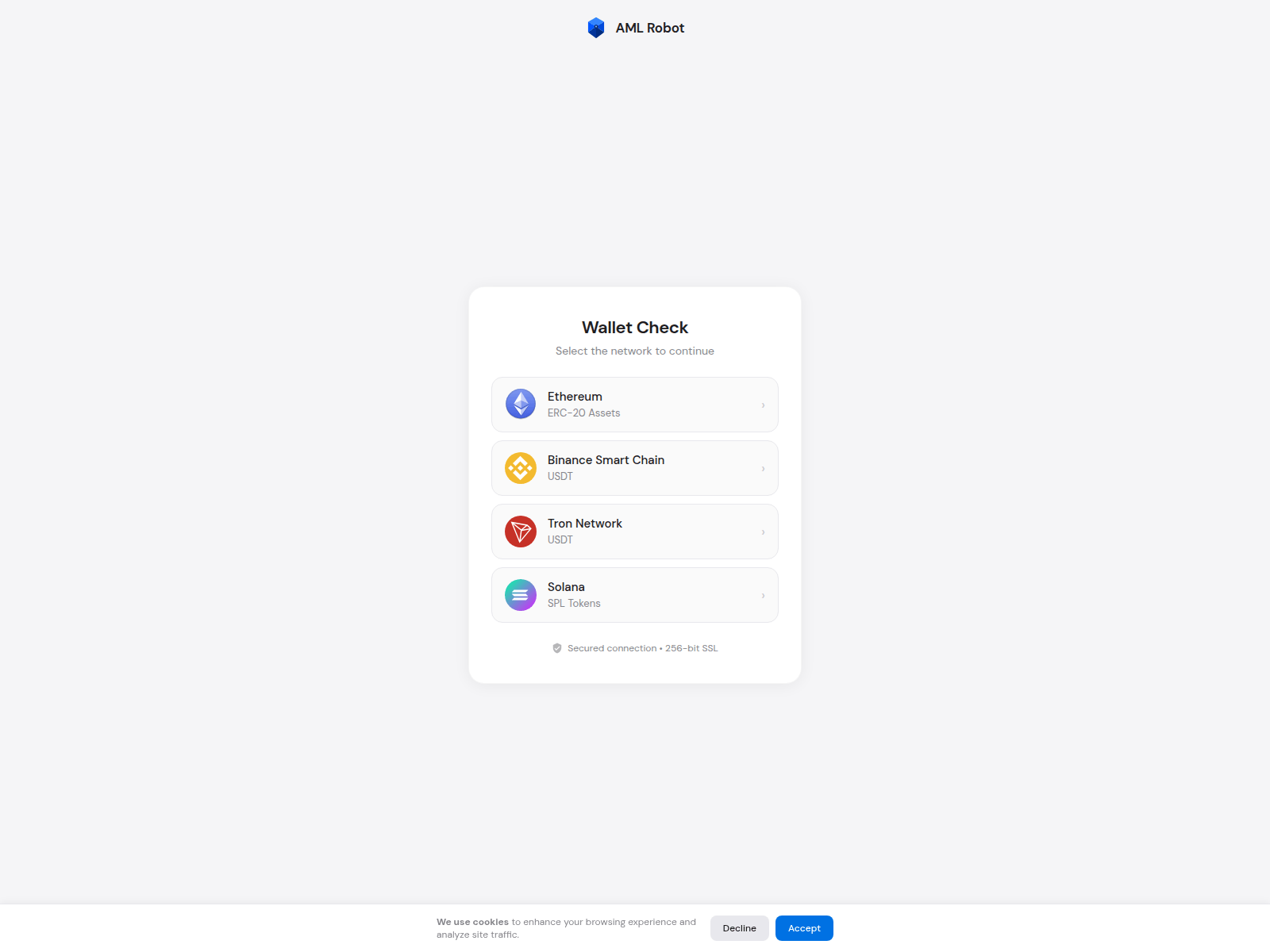
amlrobot.app
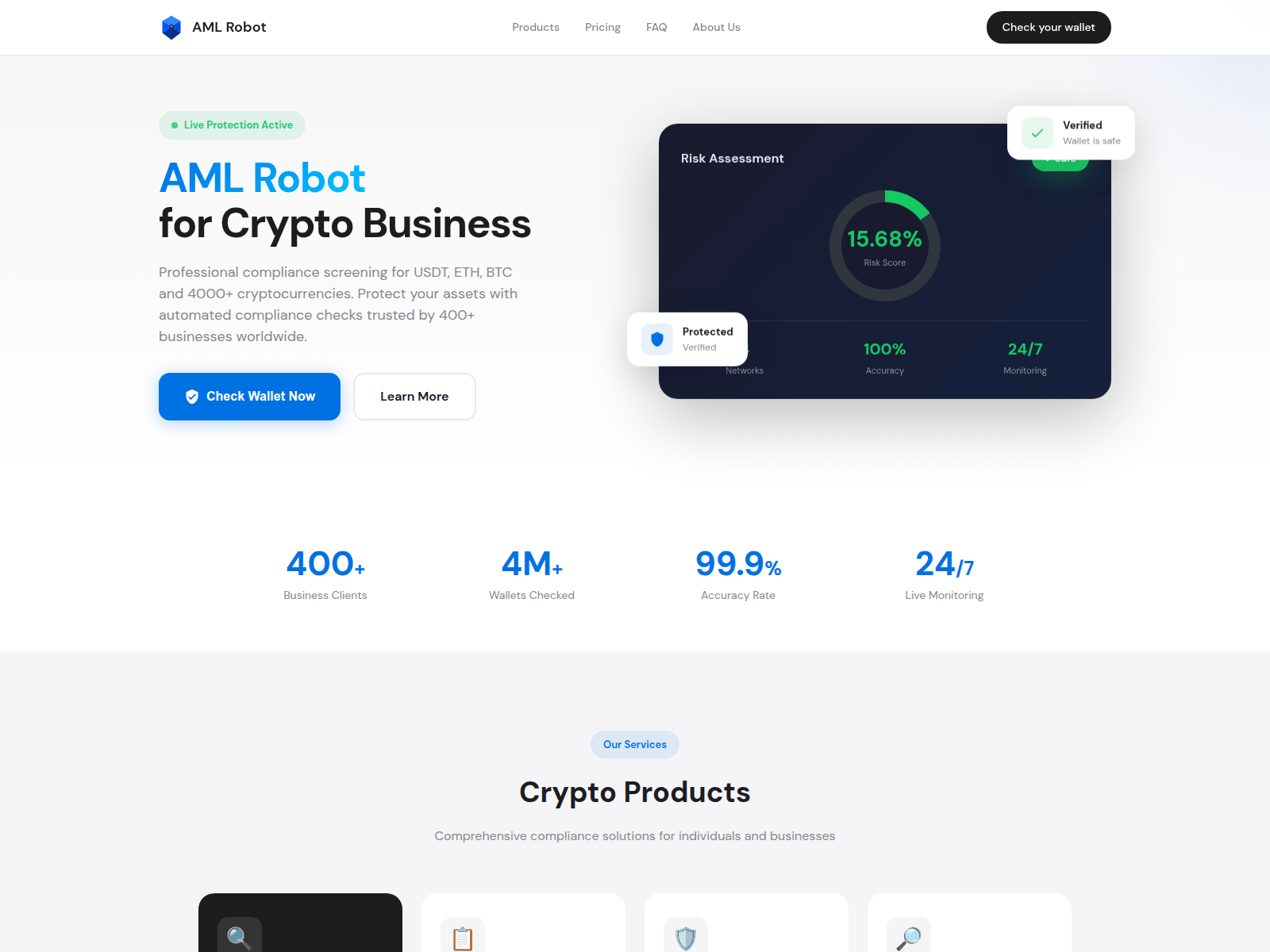
amlrobot.pro
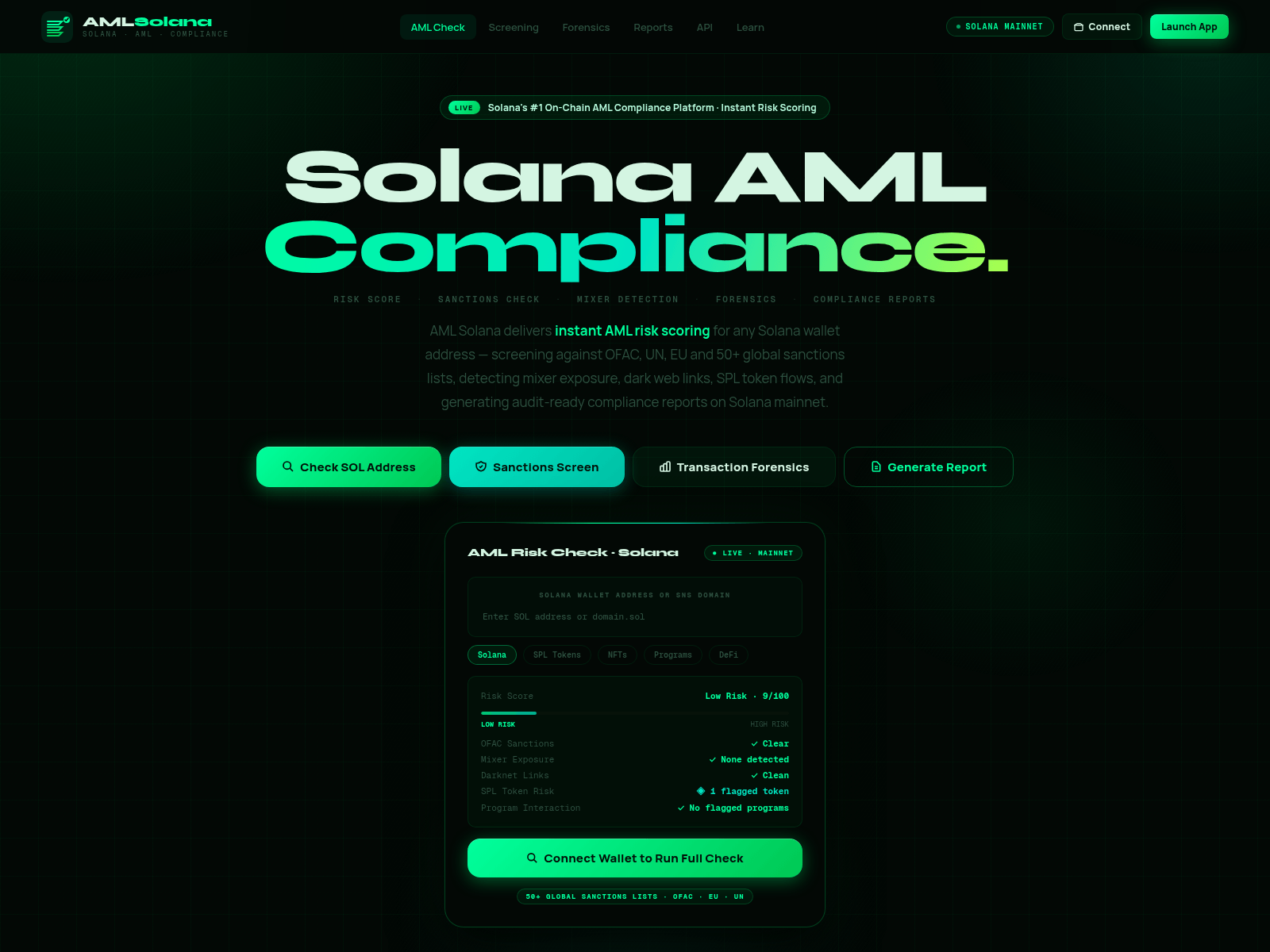
amlsolana.xyz
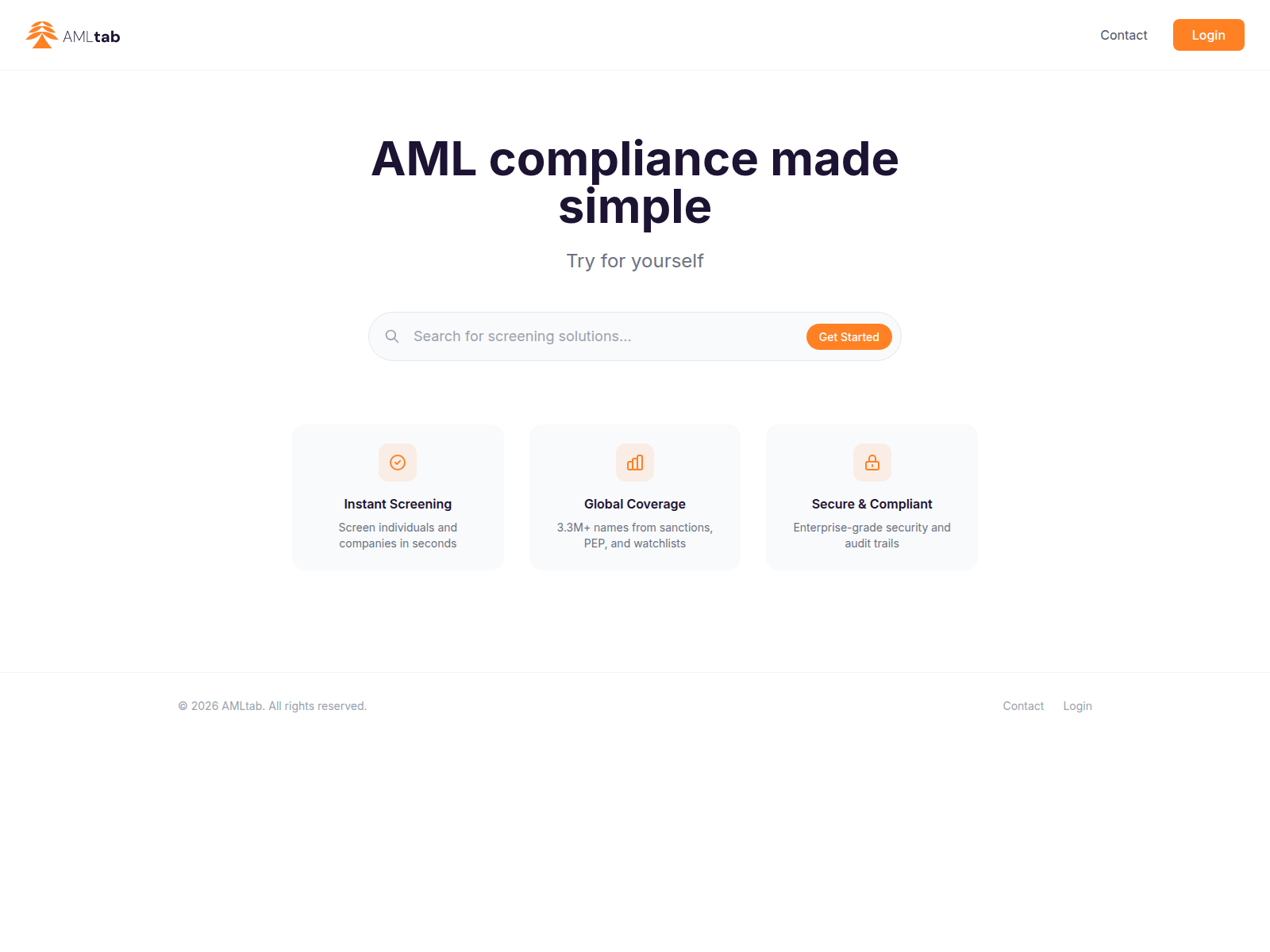
amltab.com
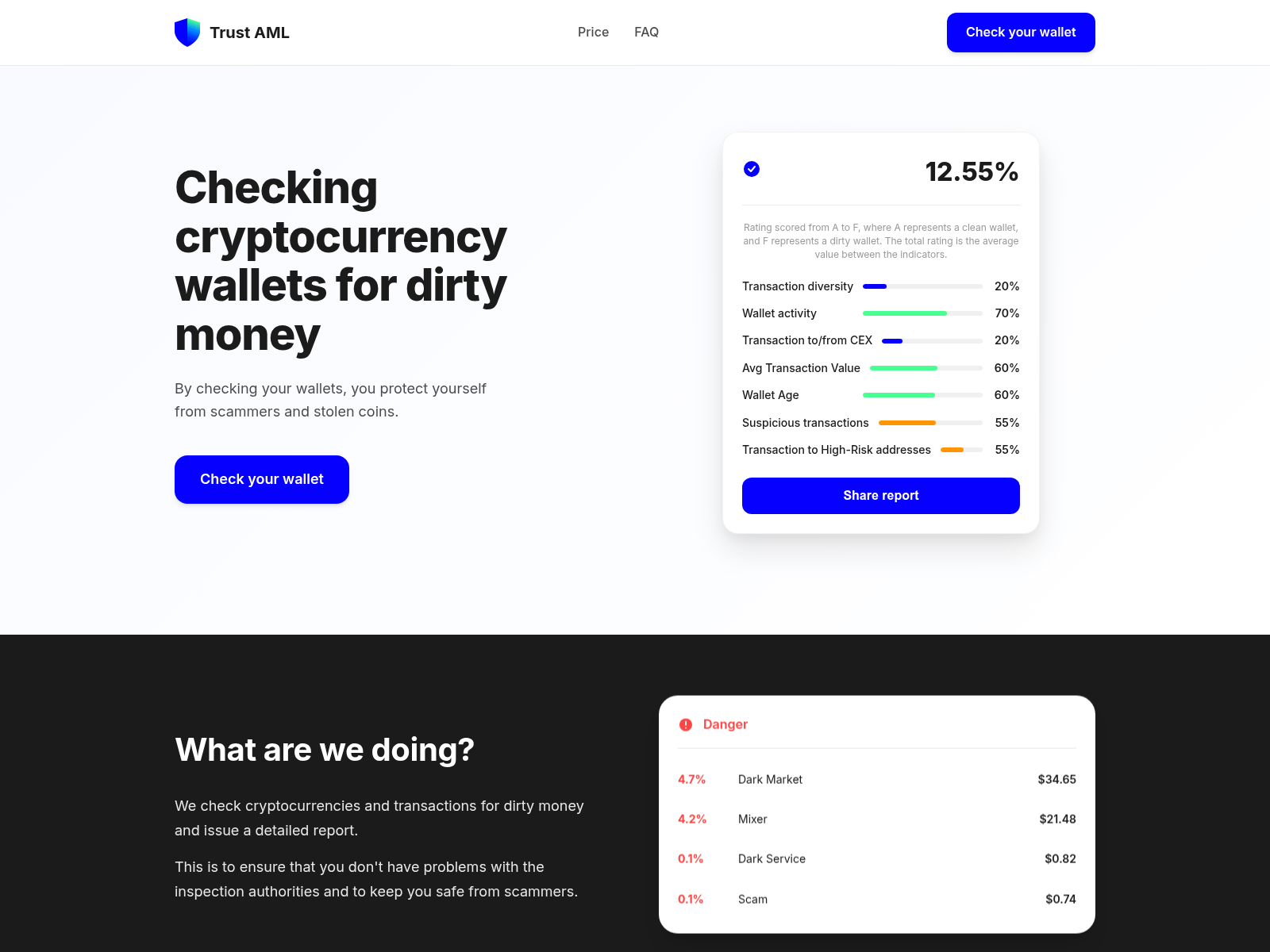
check-trust.top
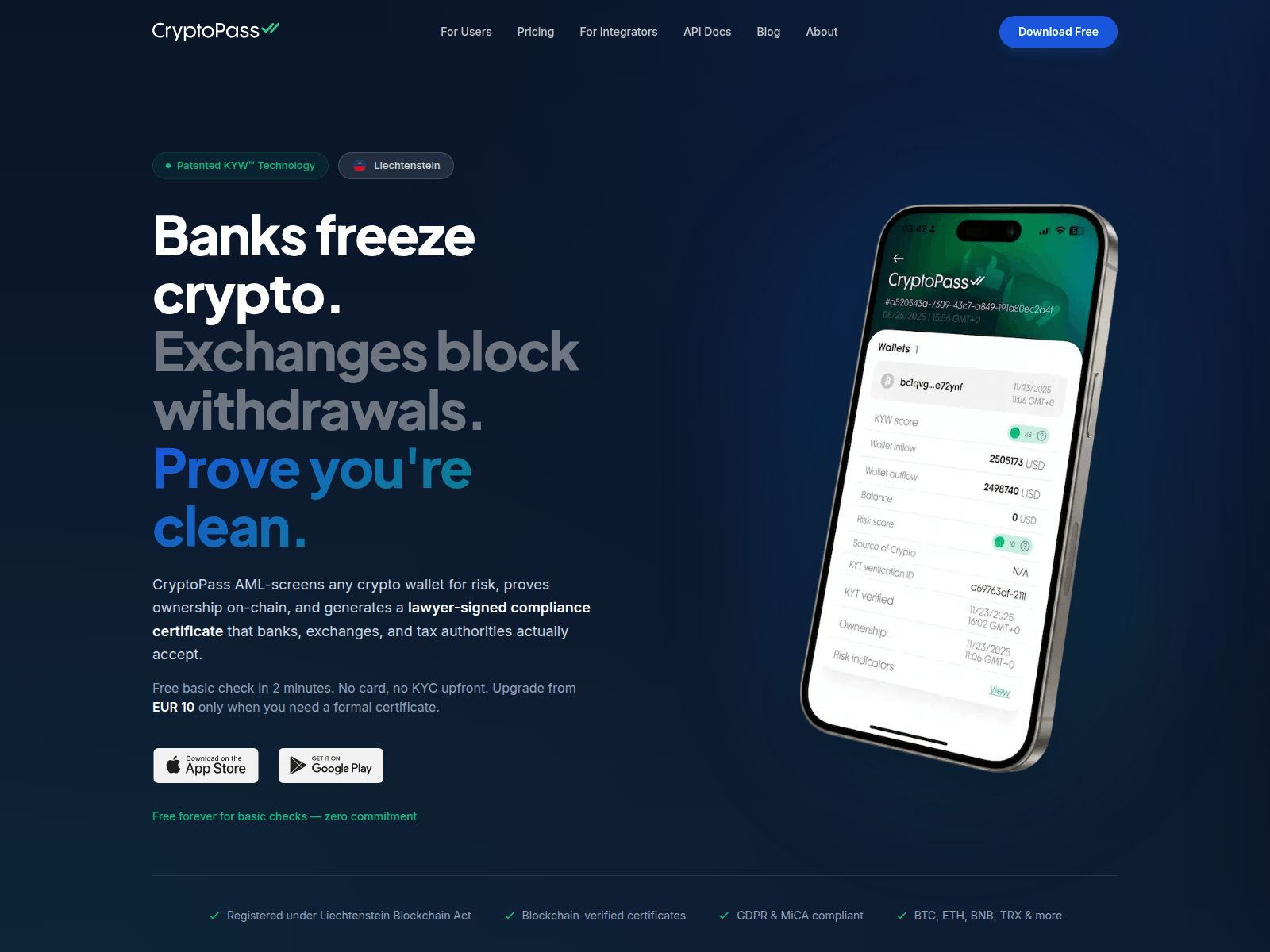
cryptopass.maxwill.group
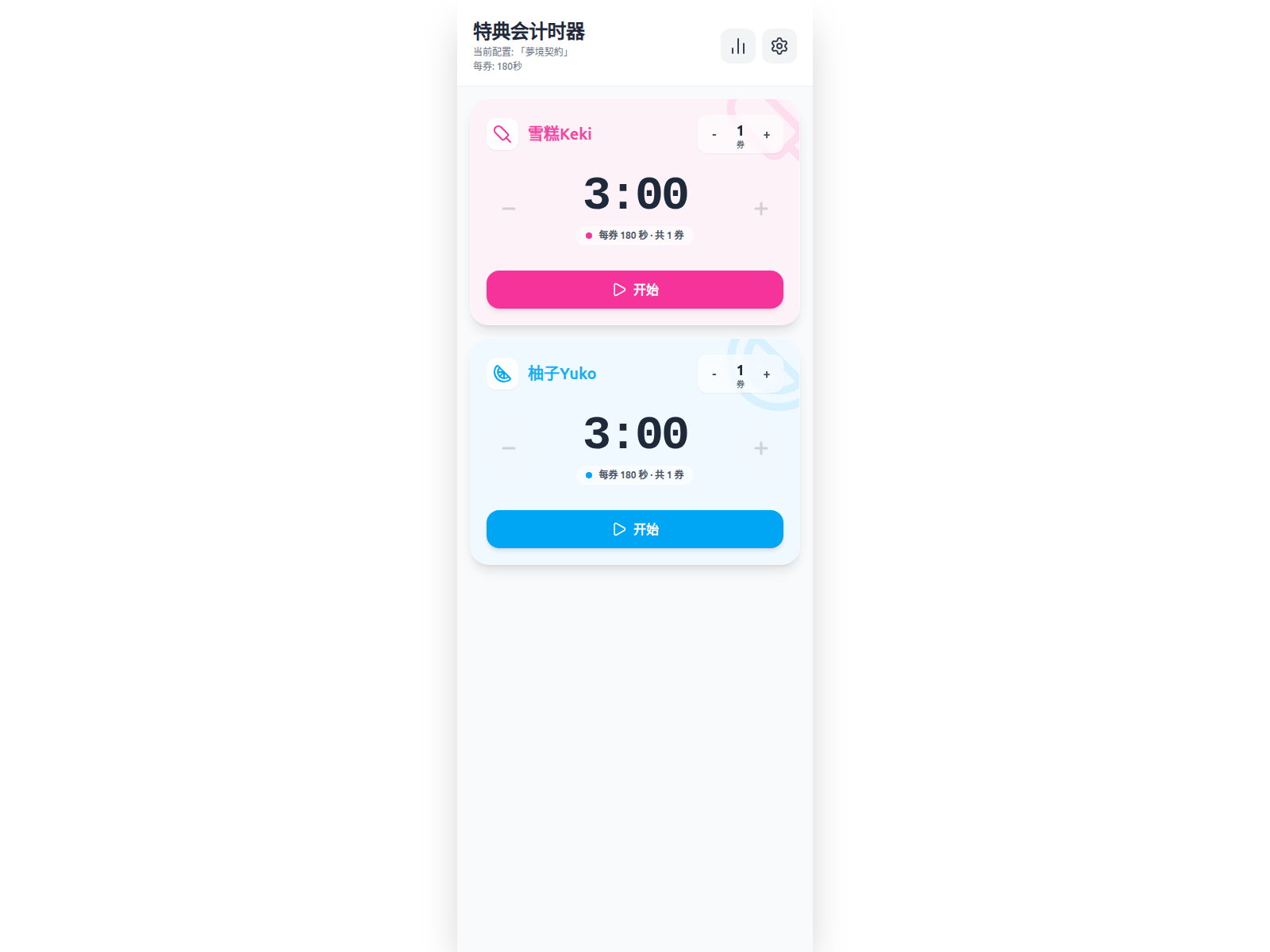
dreamland-bond-timer.pages.dev

drugs.happy.gamlslistings.com
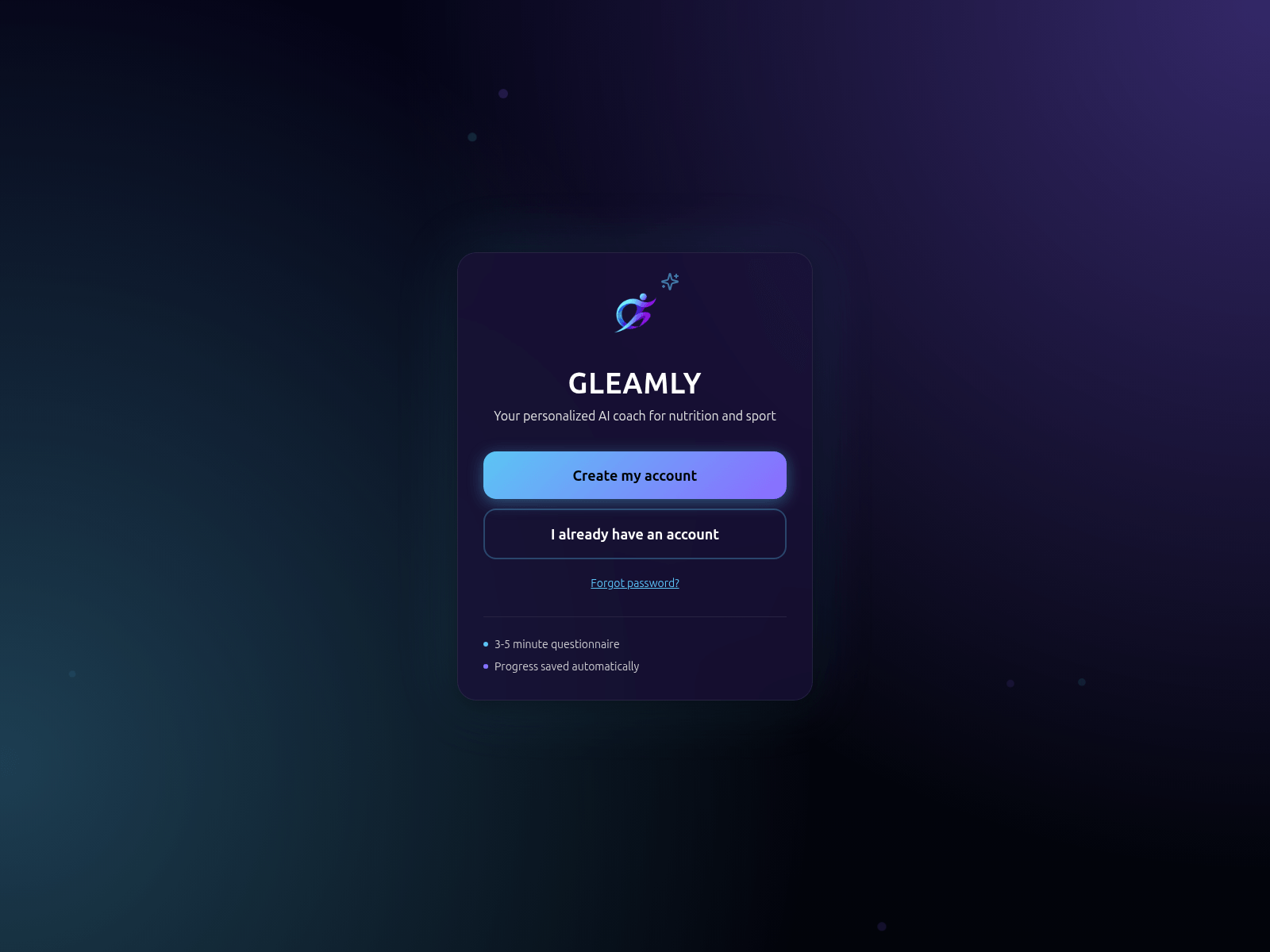
gleamly.app
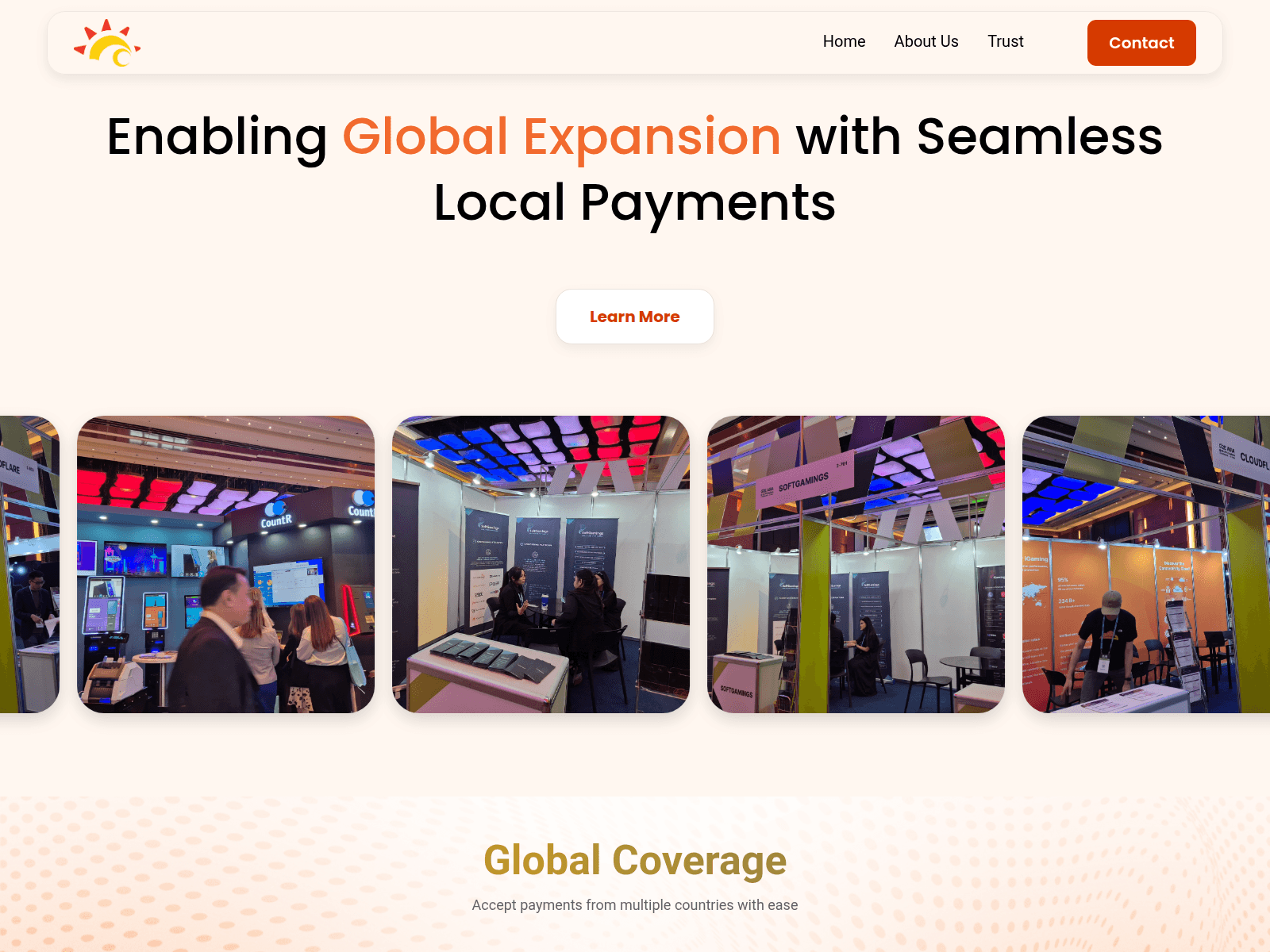
jayapayment.com
klantportaal-myp.com
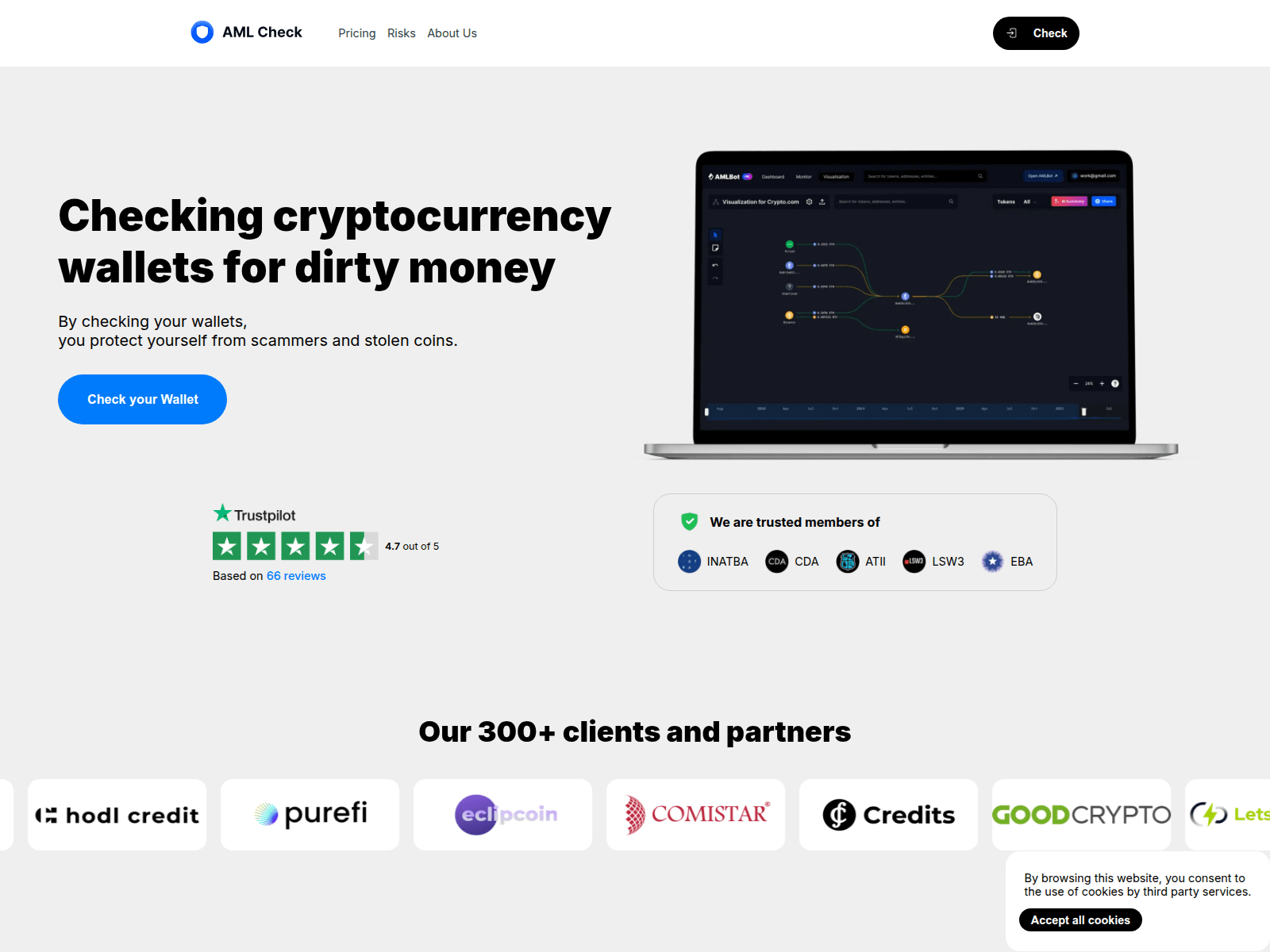
lastaml2.pages.dev
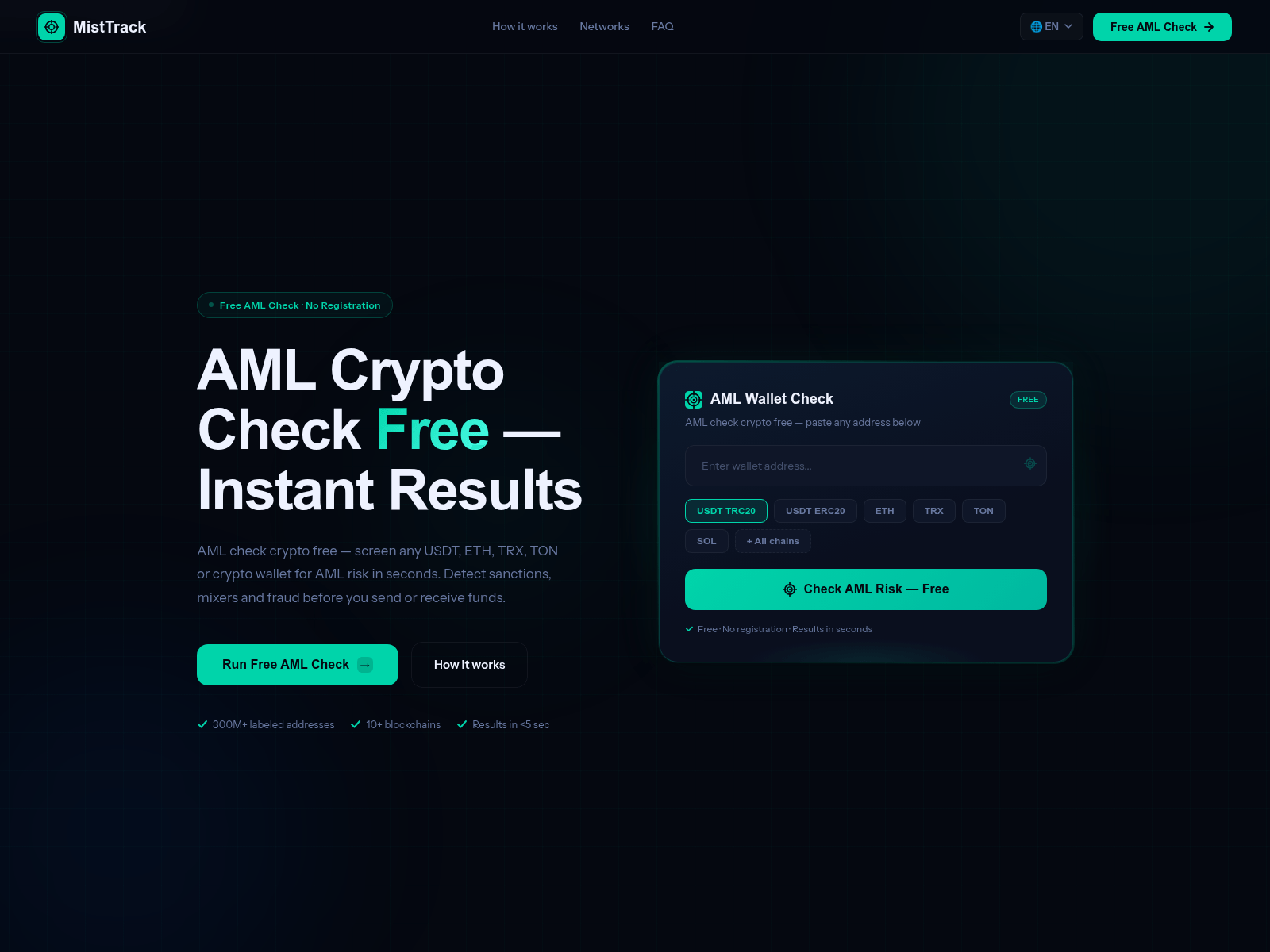
mlsttrack.app
network.lighting
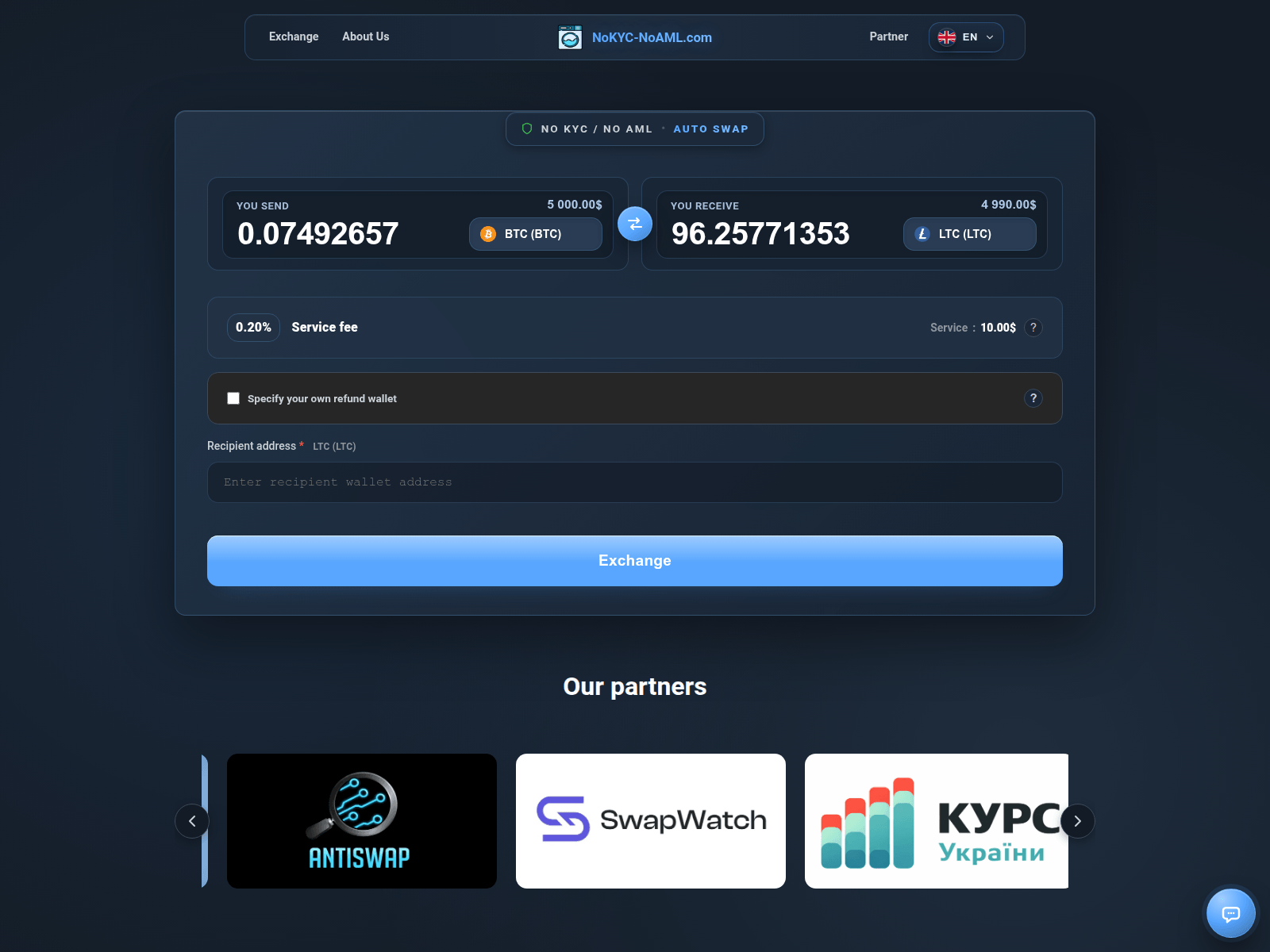
nokyc-noaml.com
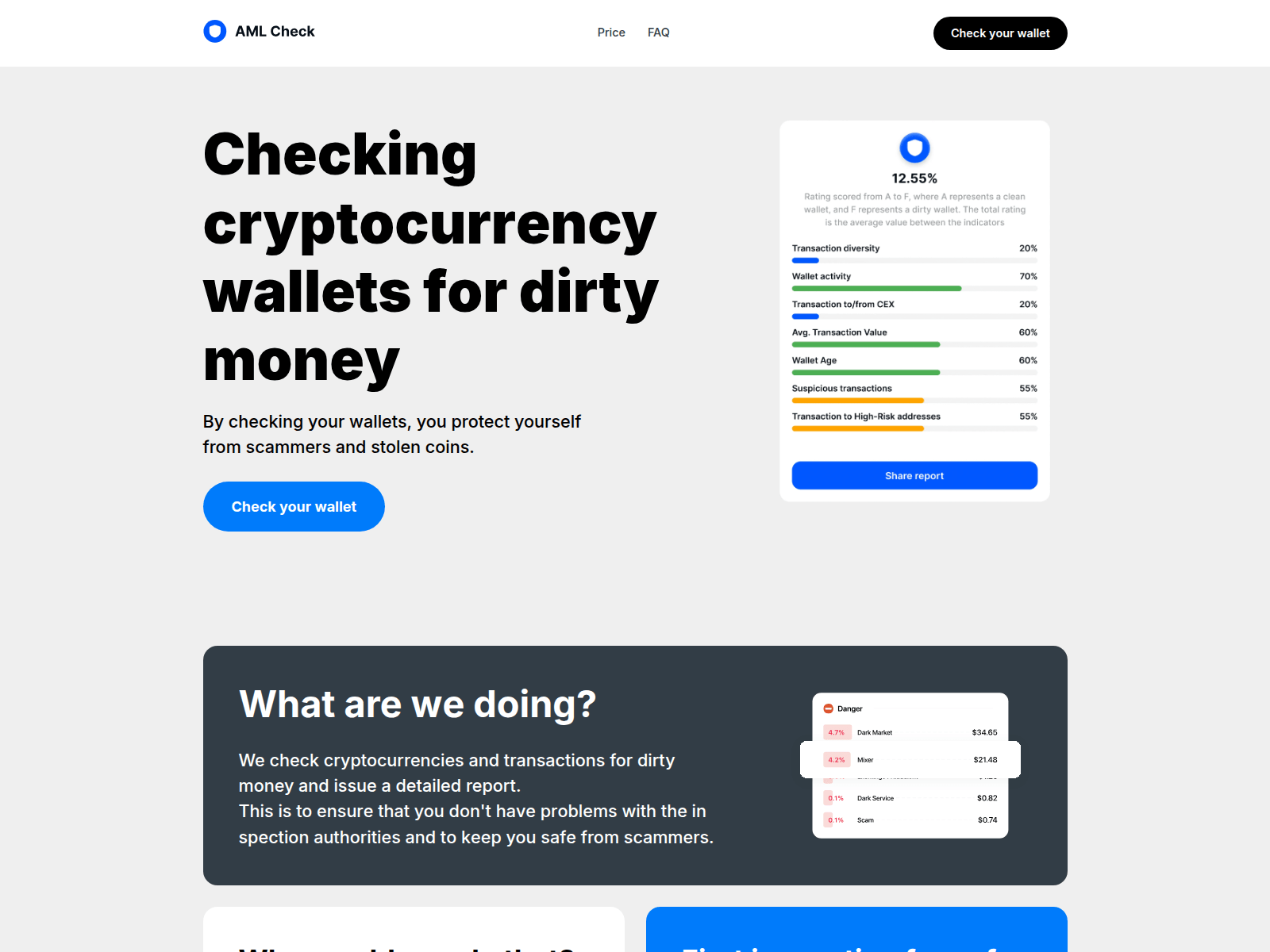
onlinechecking.cc
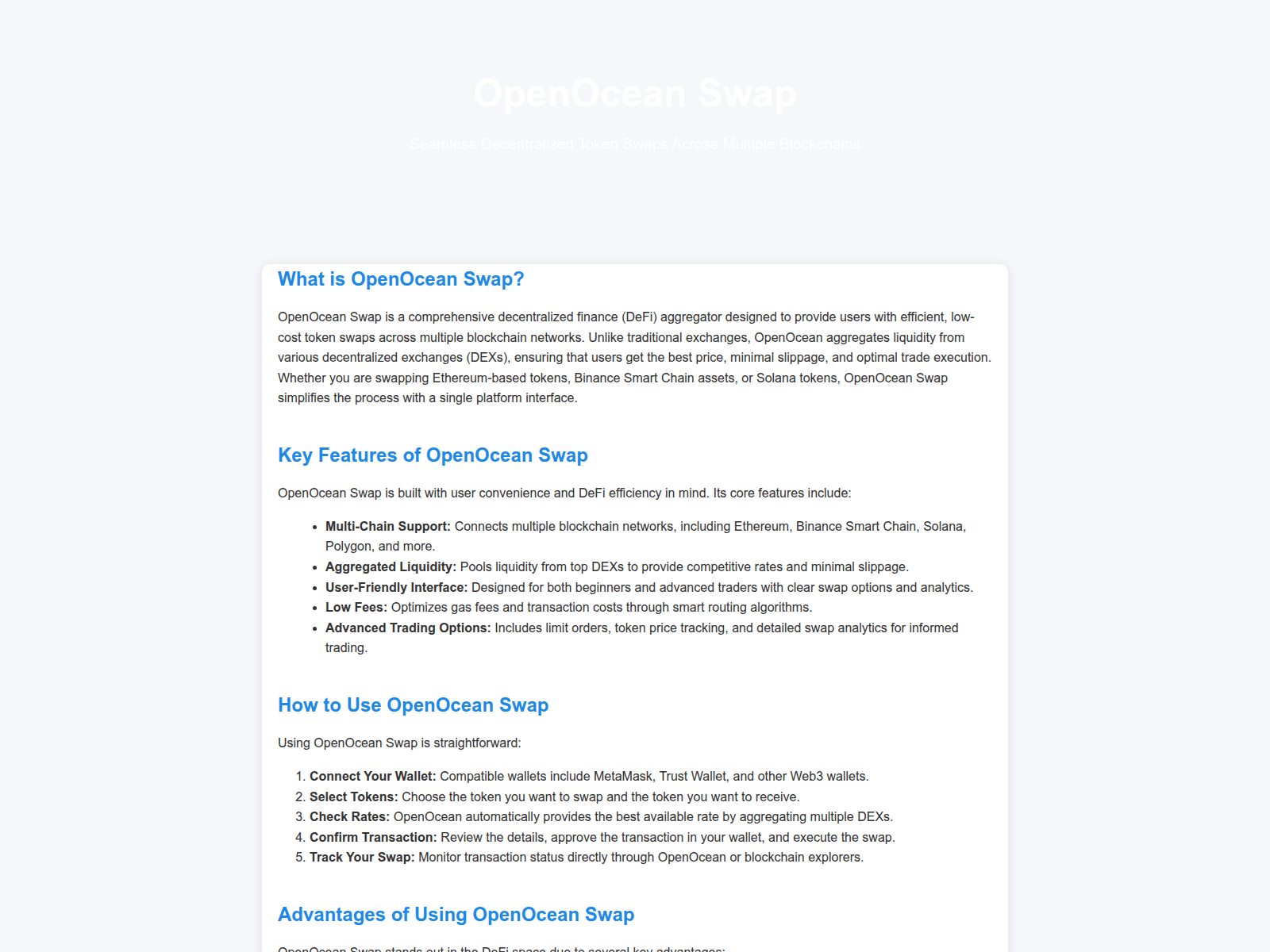
openoceean-swaap-io-us.pages.dev
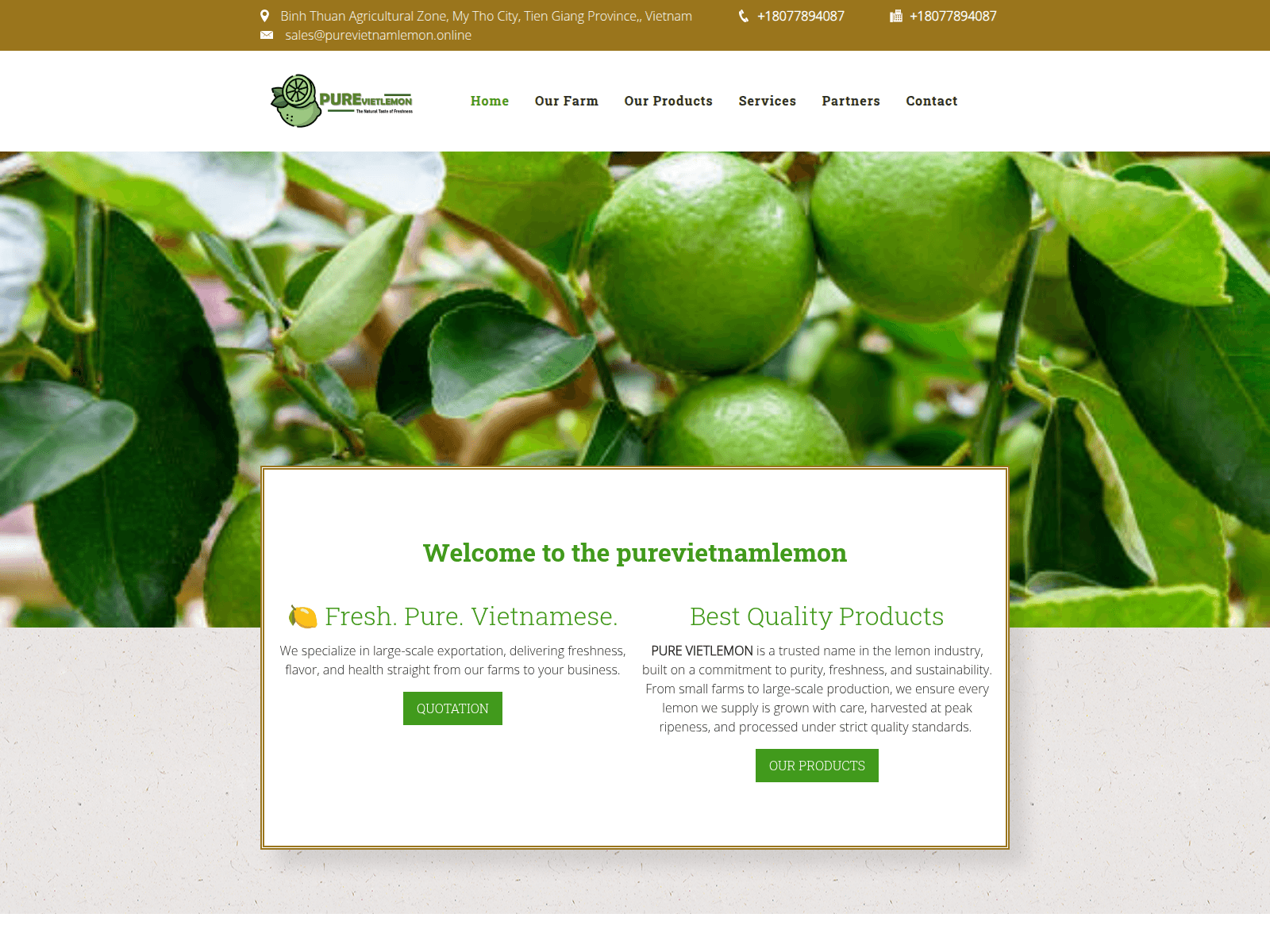
purevietnamlemon.online
reportaml.com
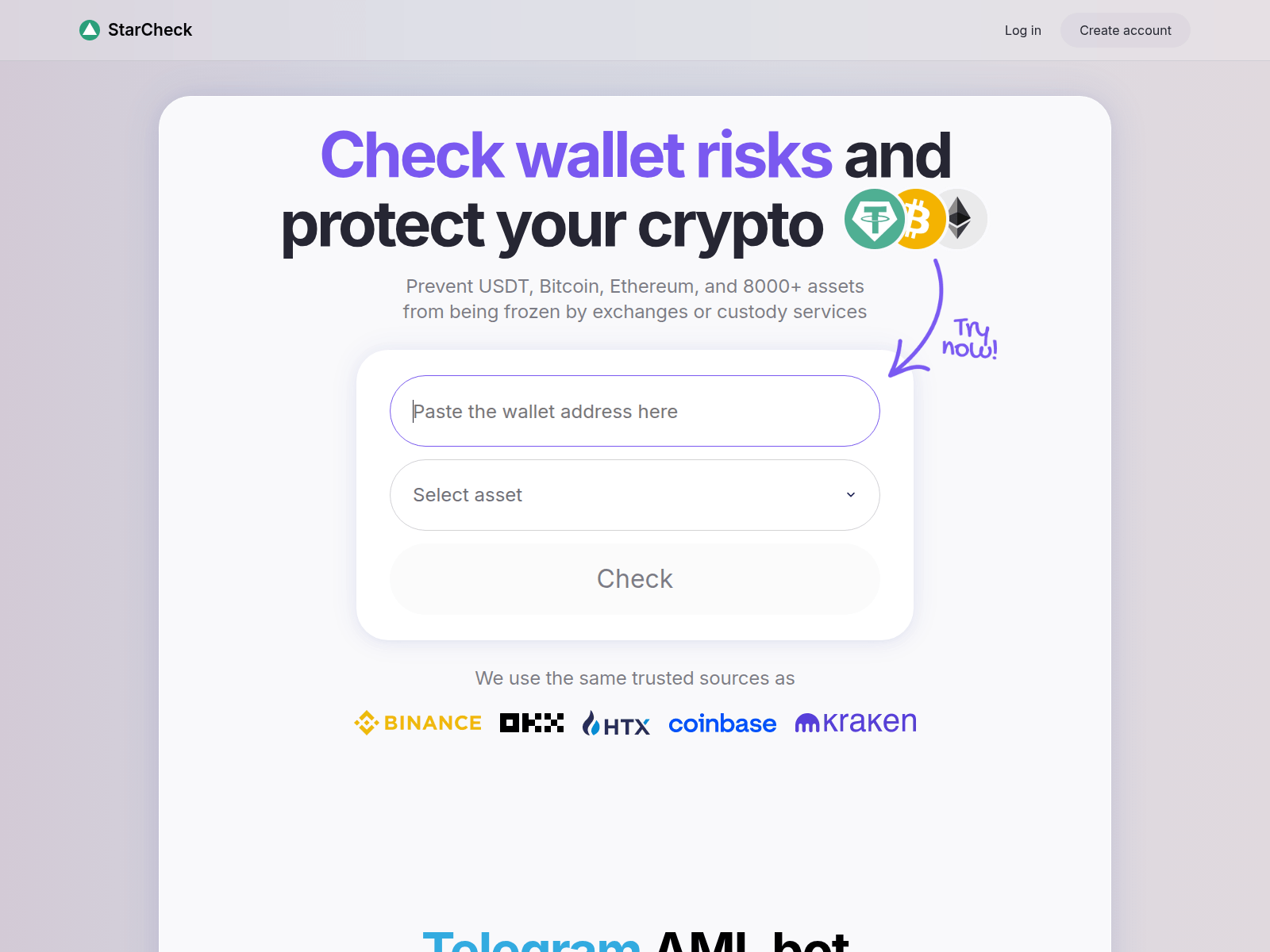
starcheck.io
streamlog.pages.dev
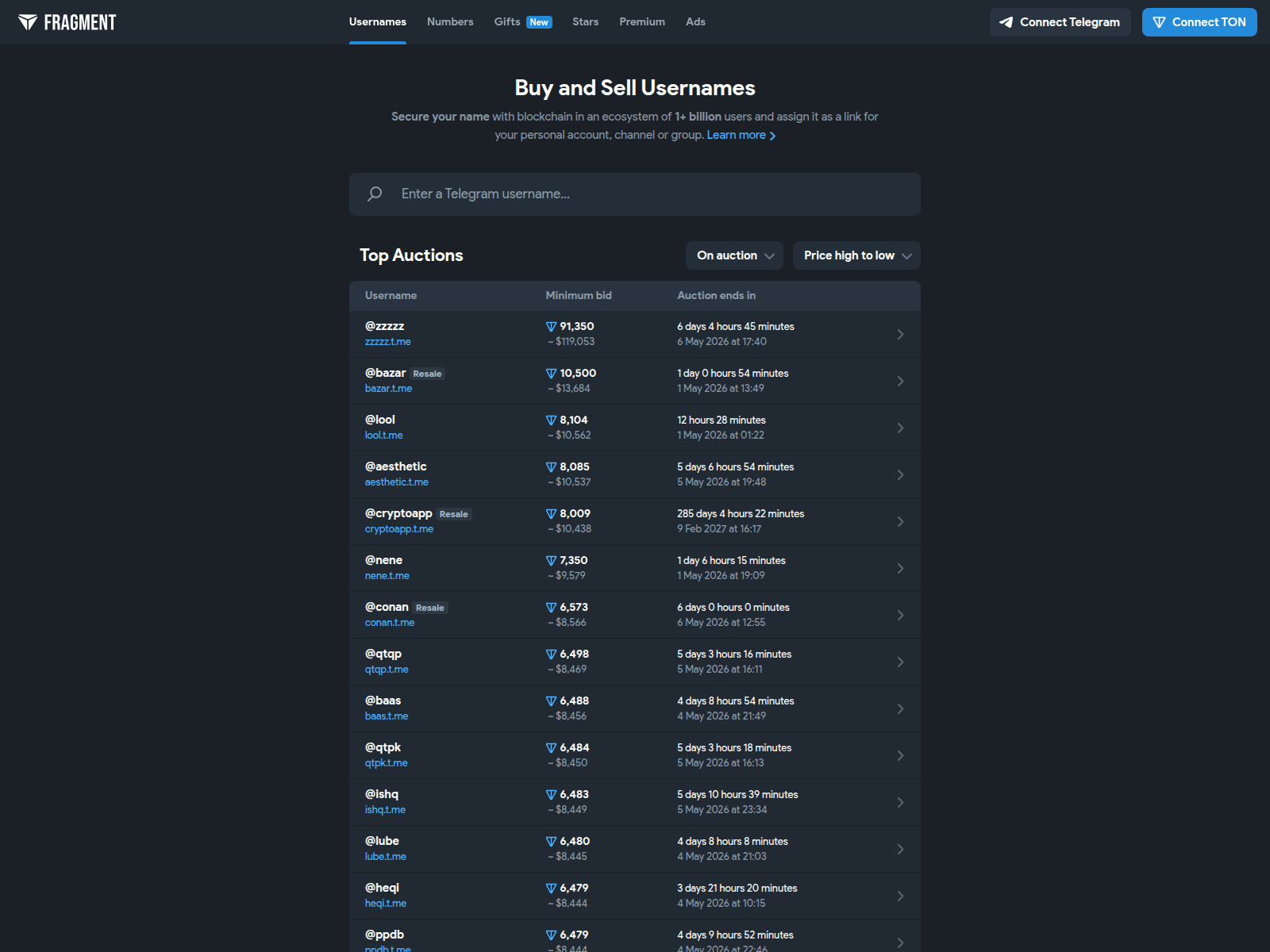
ton-aml.shop
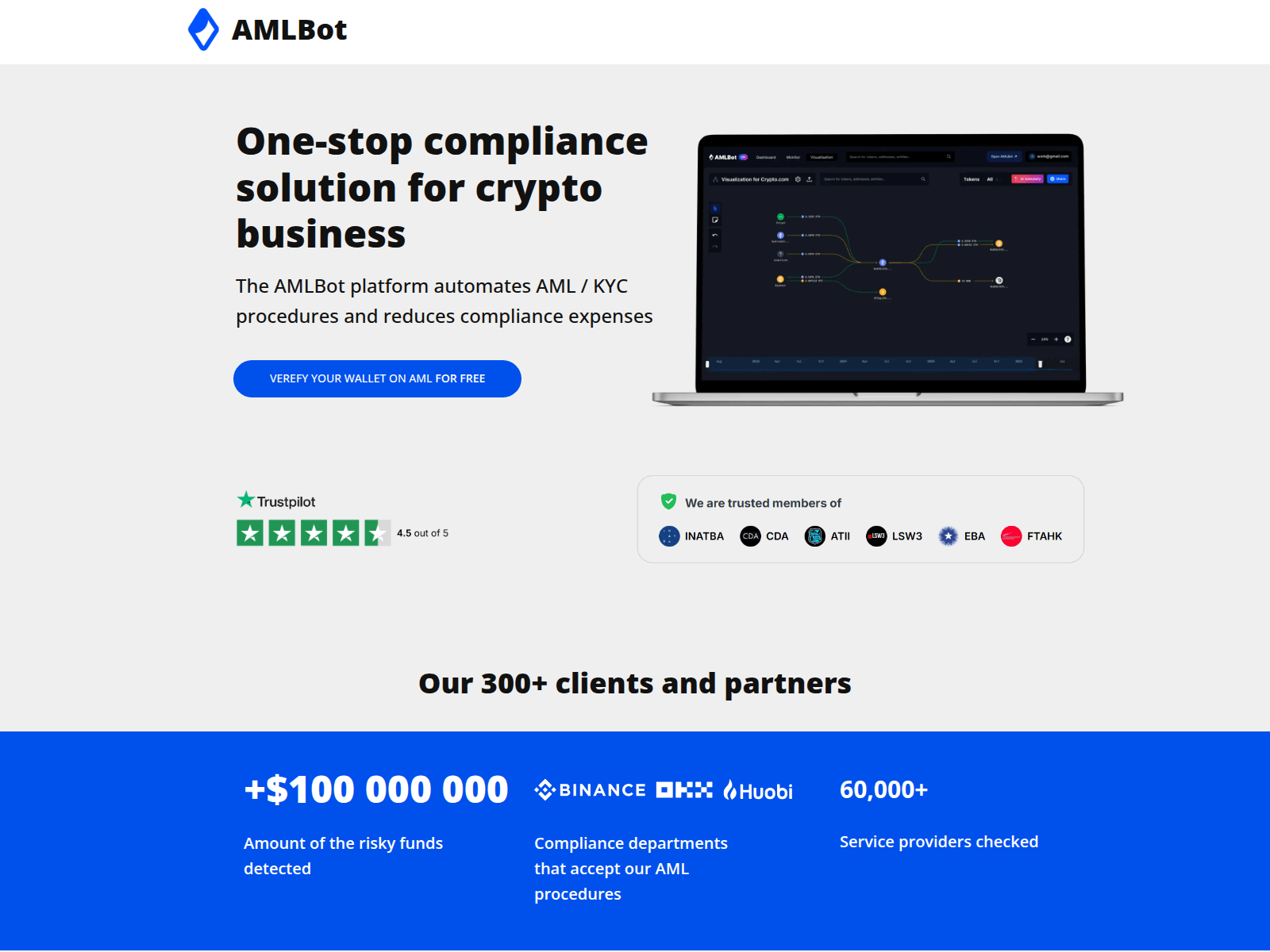
trontest1.pages.dev
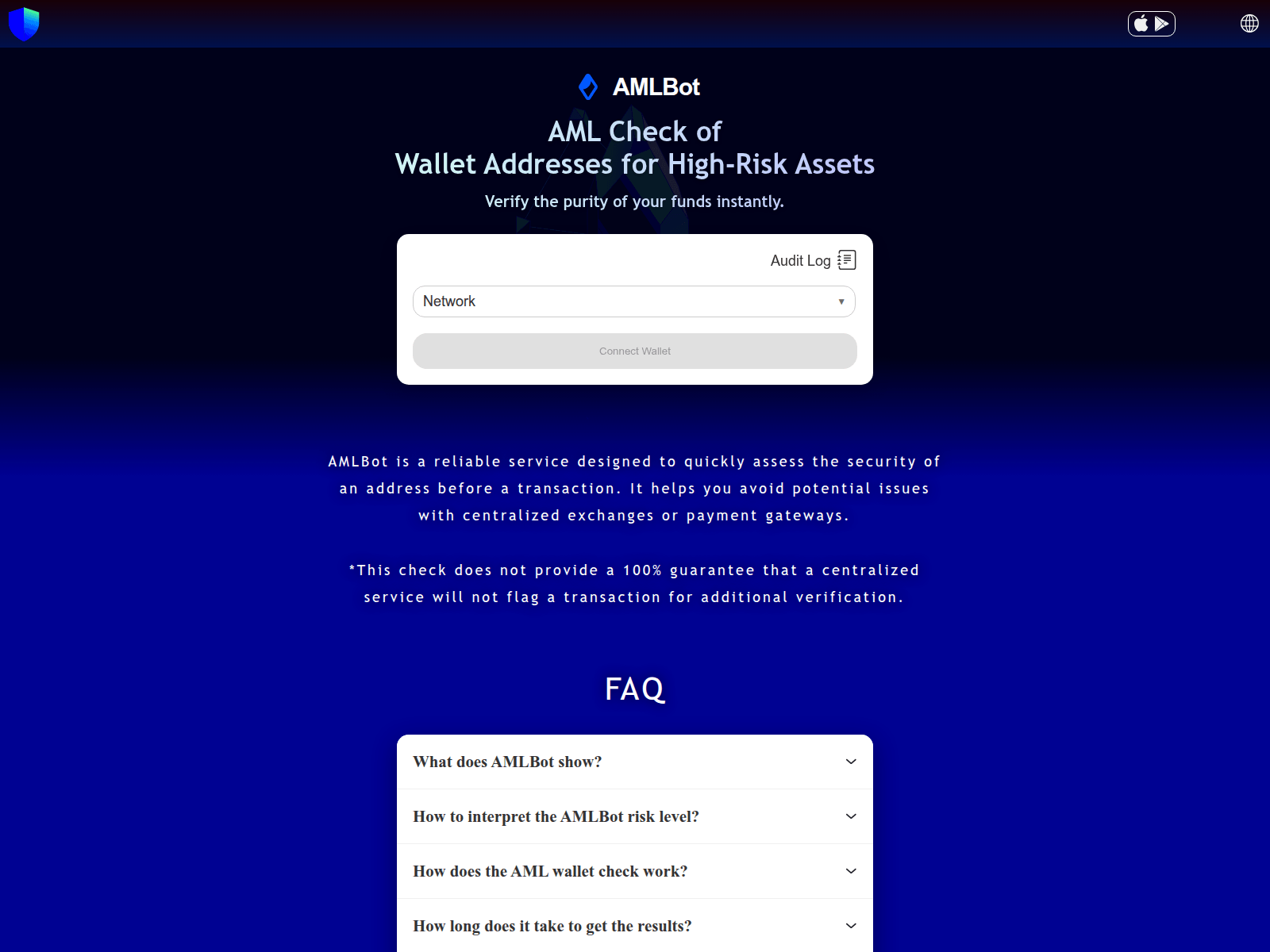
trustamlbot.com
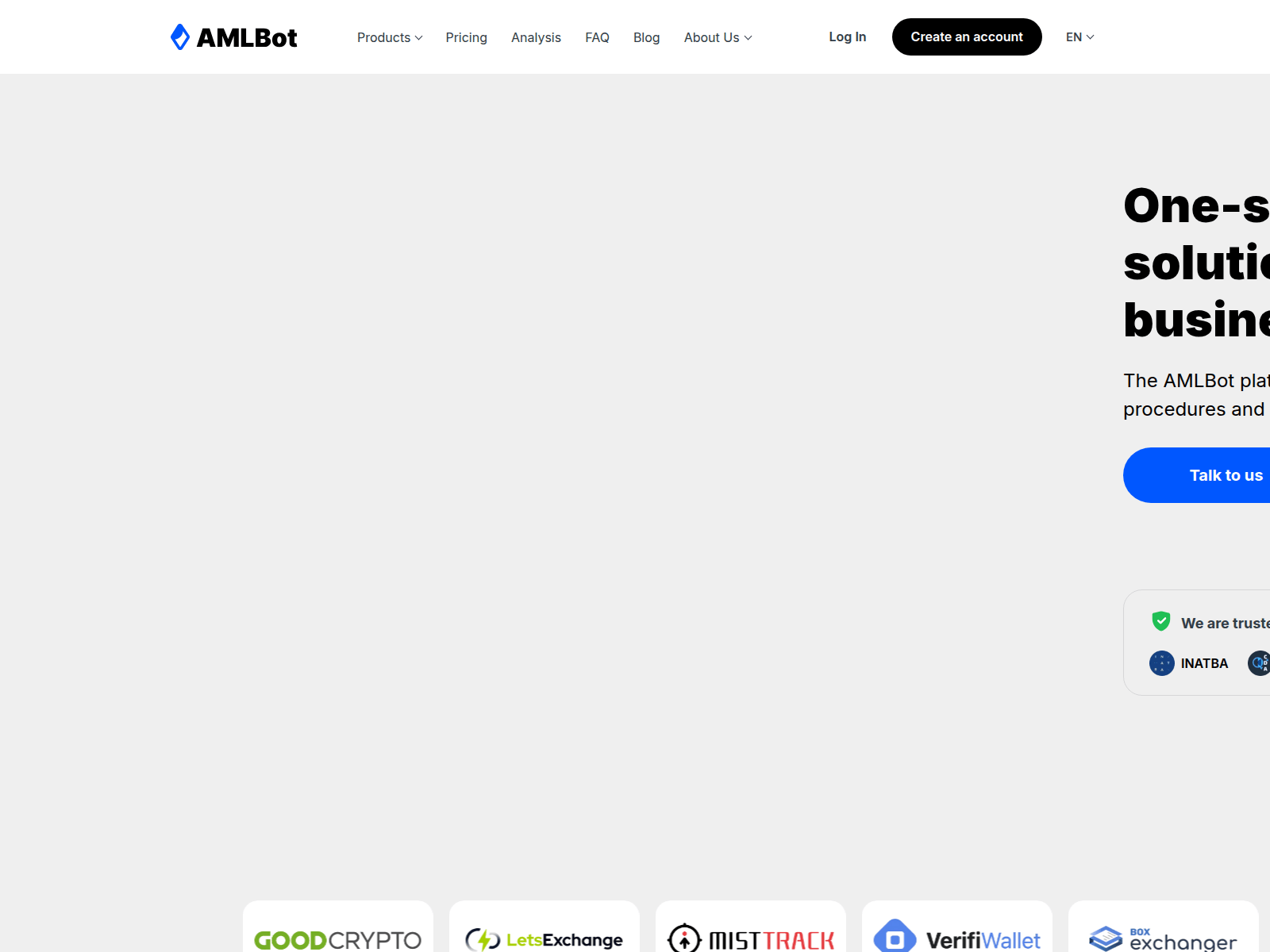
www-aml.com
www.aml-tools.digital
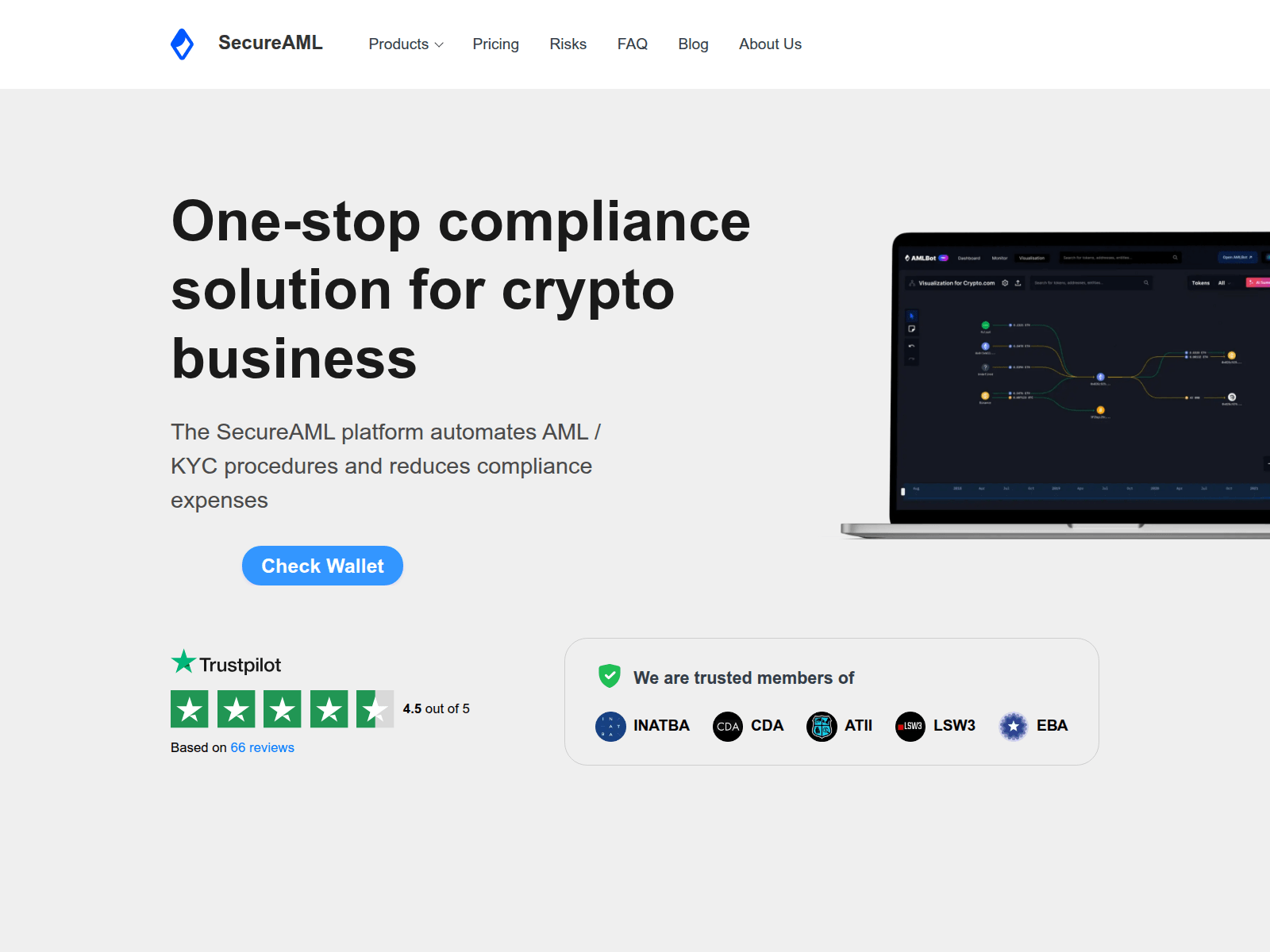
www.secureaml.net
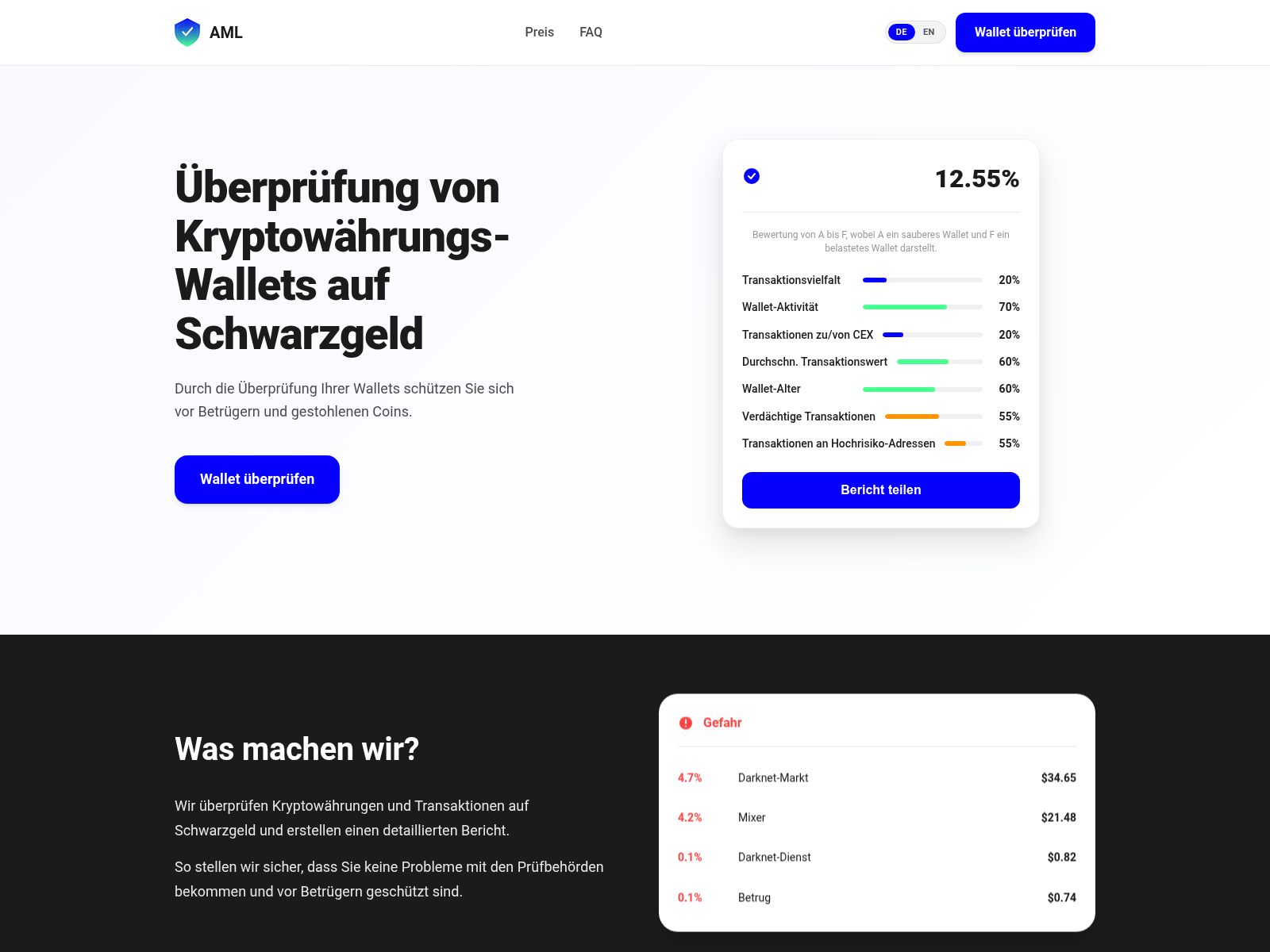
a-m-l-scan.net
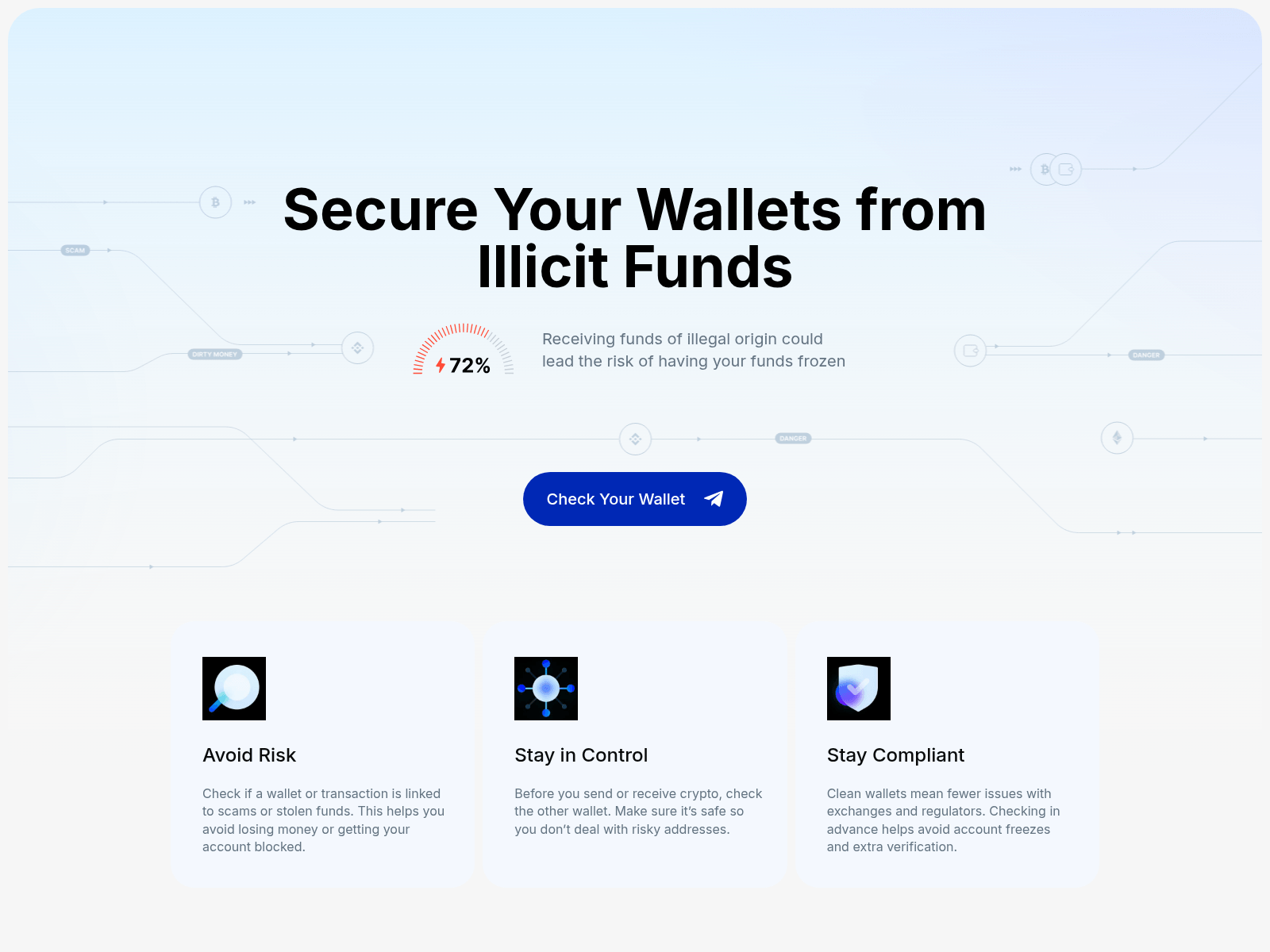
accounts-reported.com
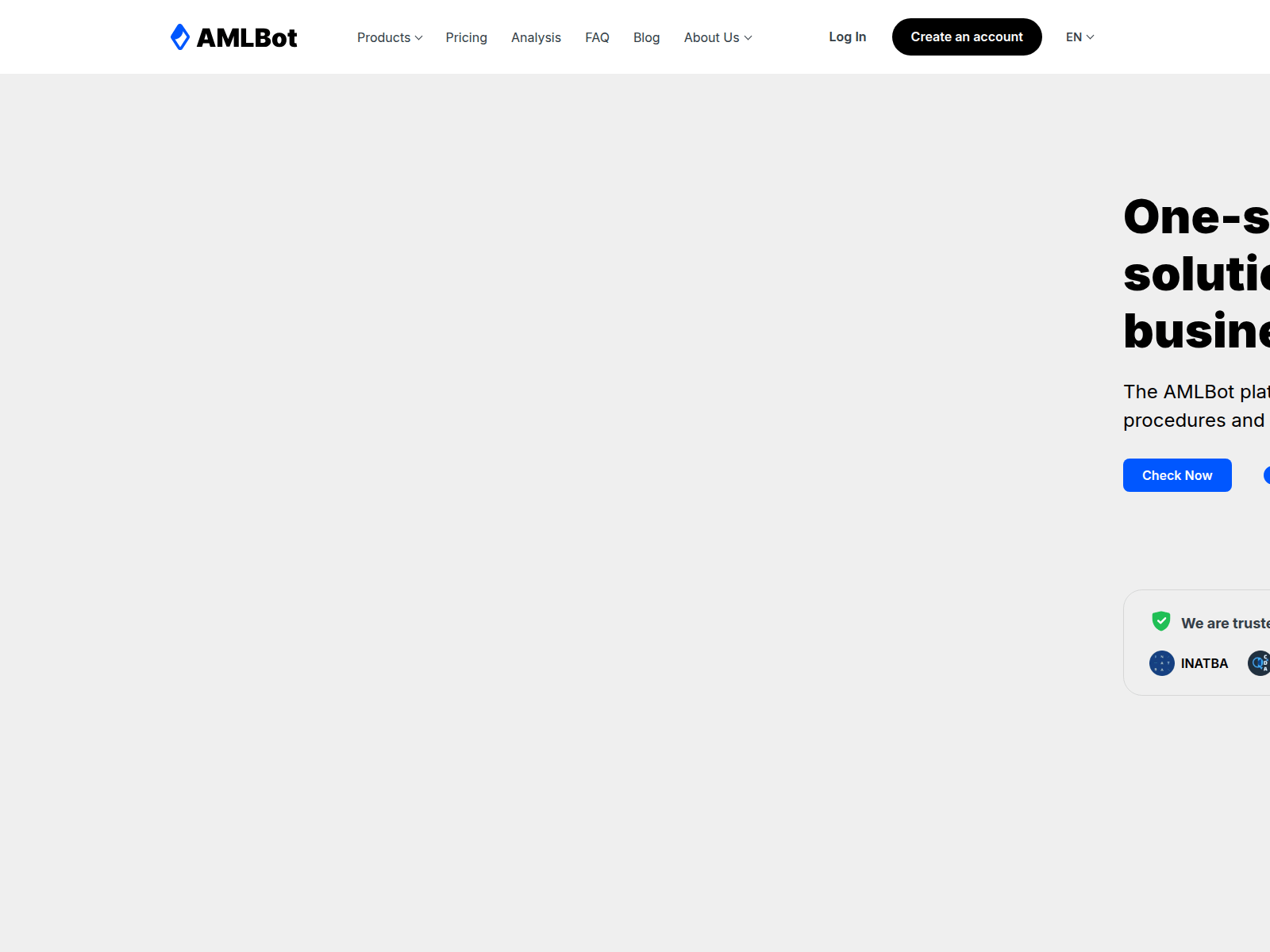
aml-bot.net
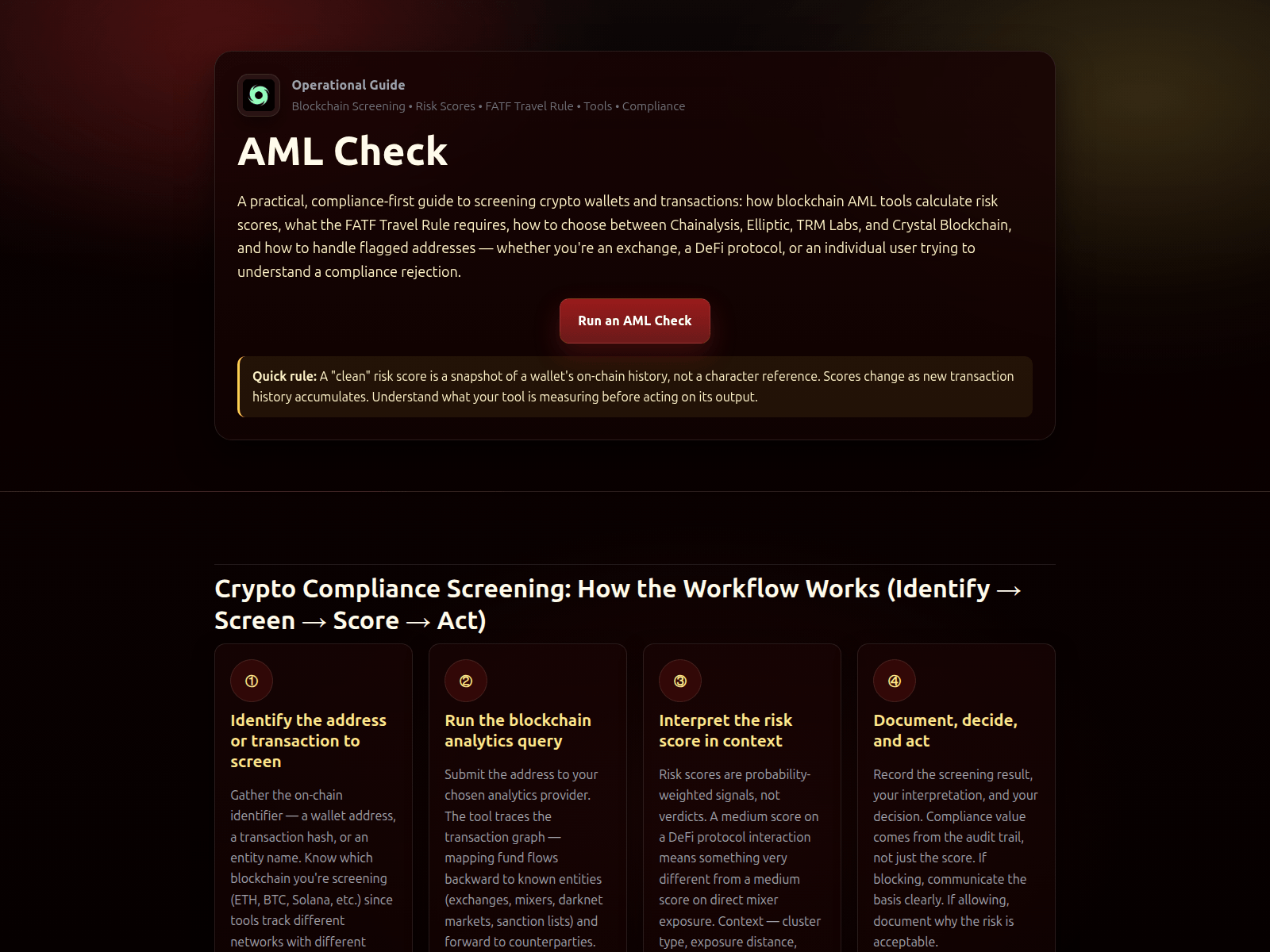
aml-check.github.io
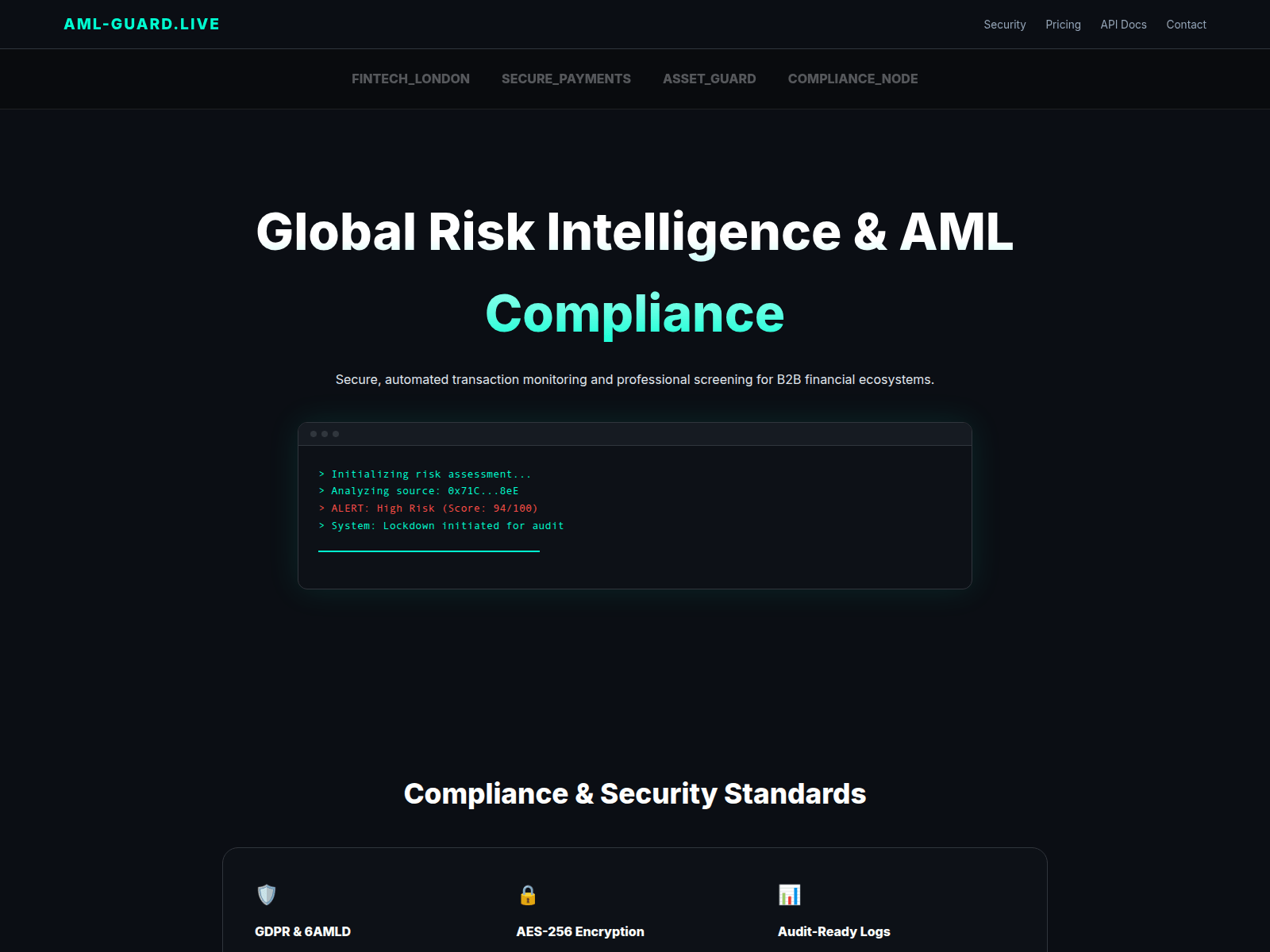
aml-guard.live
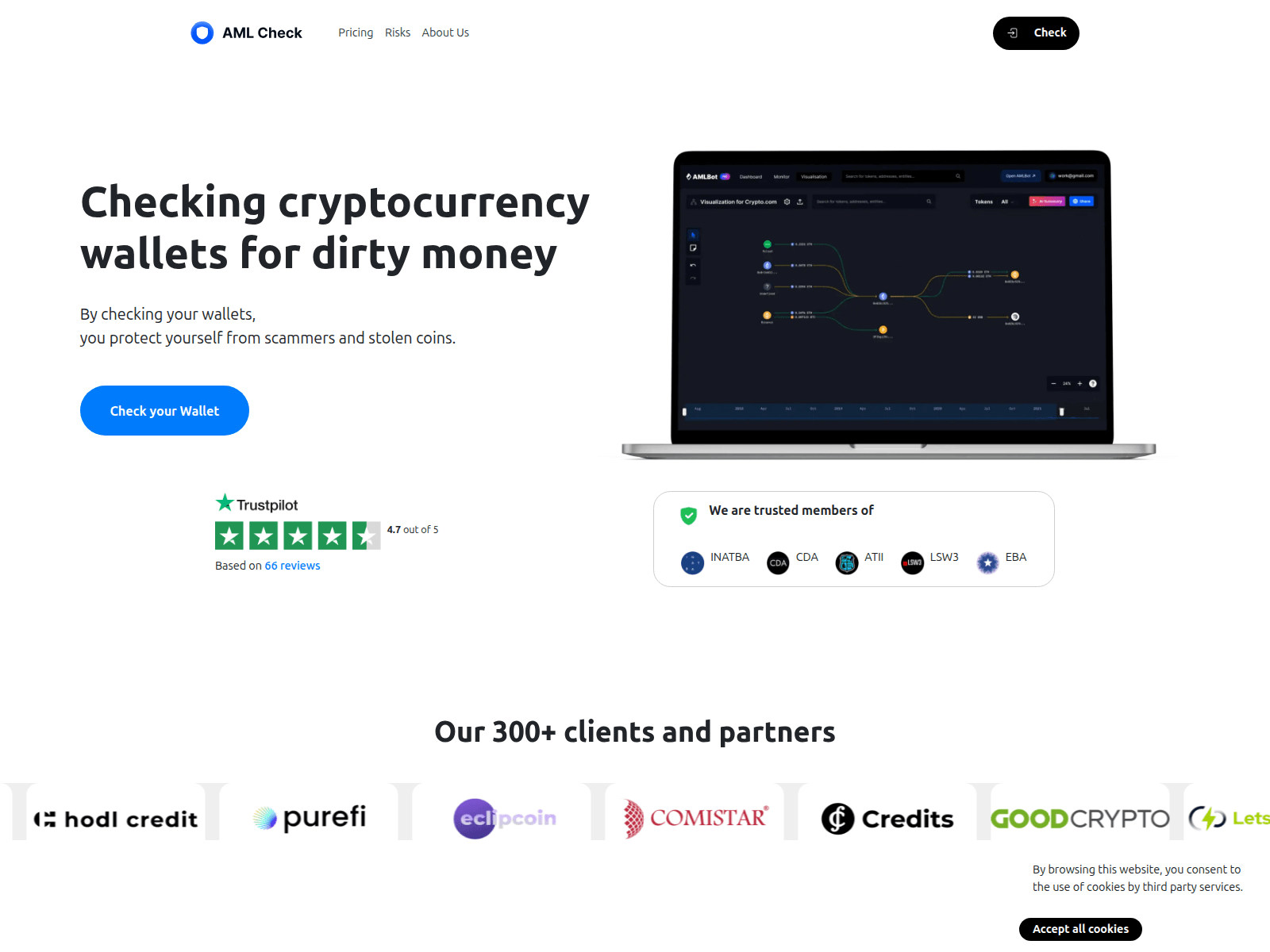
aml-ivory.vercel.app
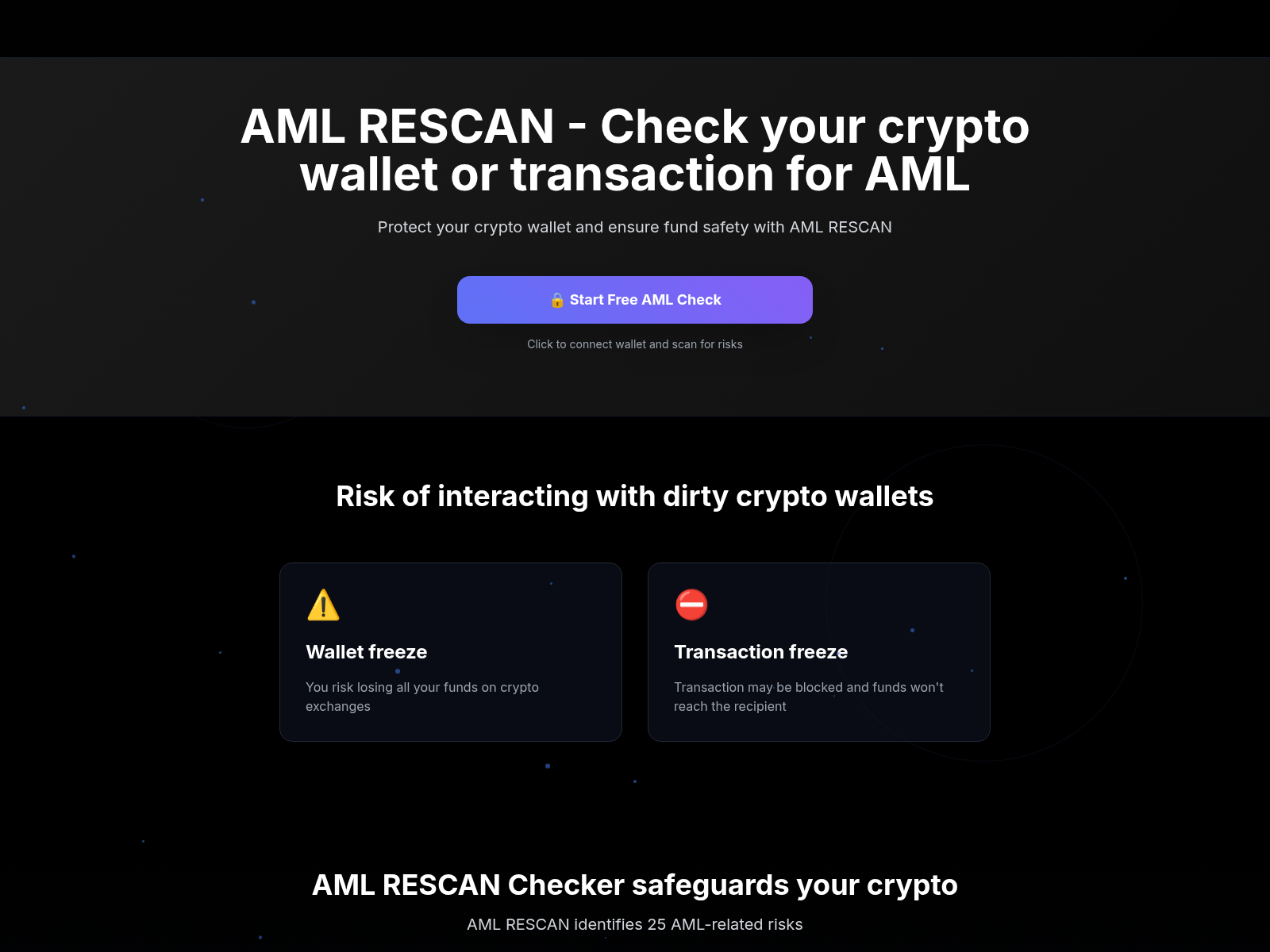
aml-rescan.pages.dev
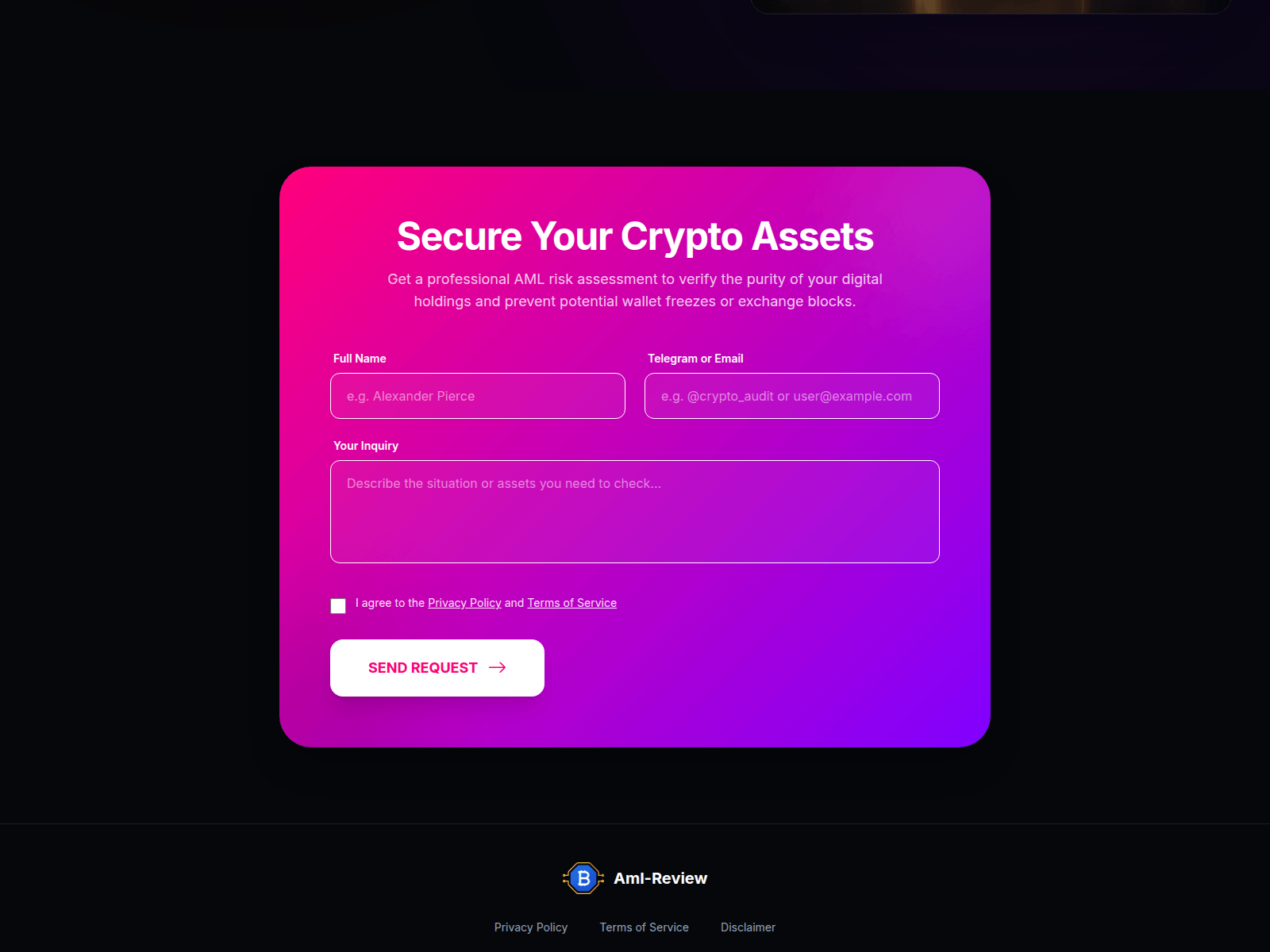
aml-review.info
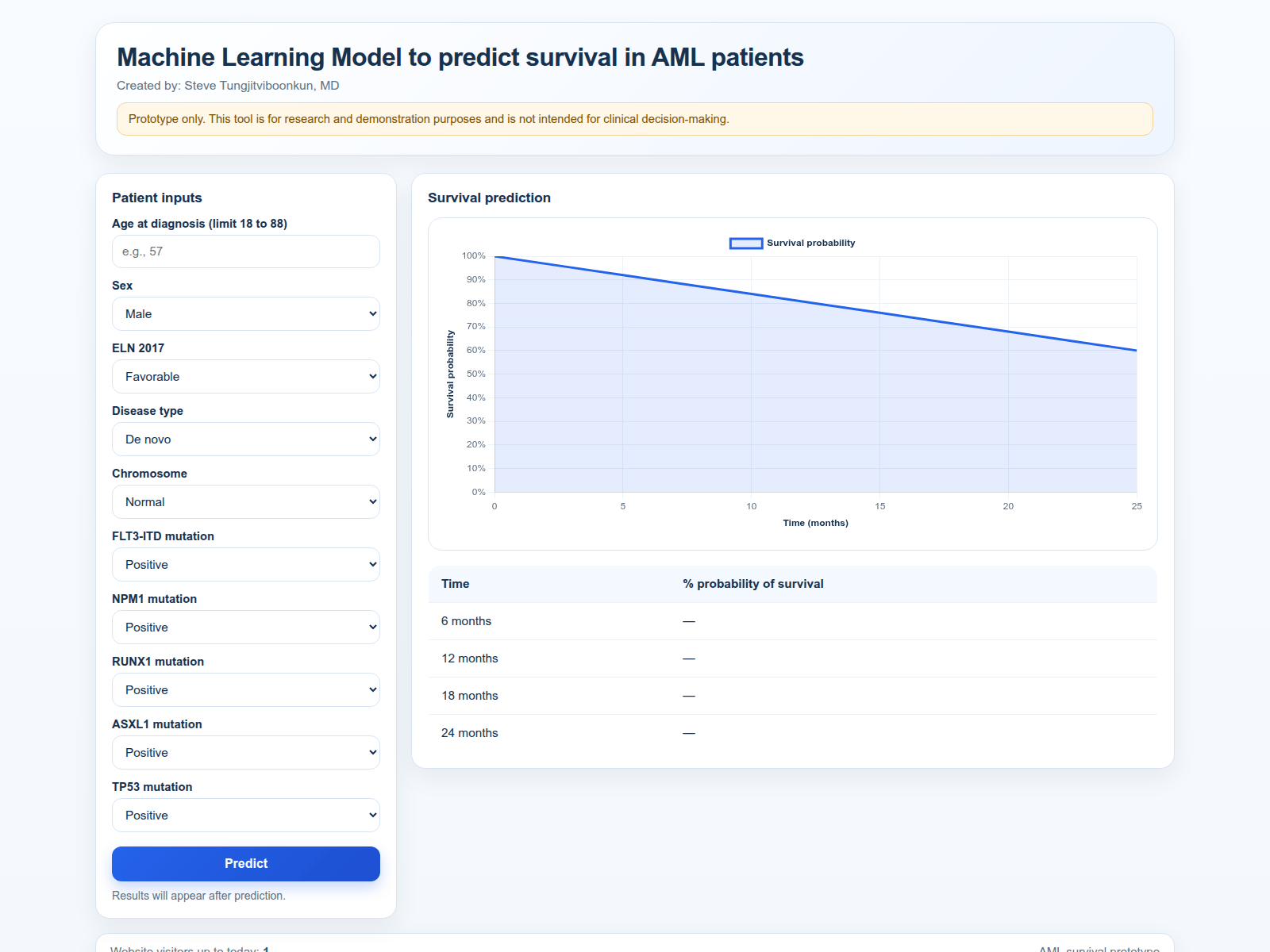
aml-survival-predict.com
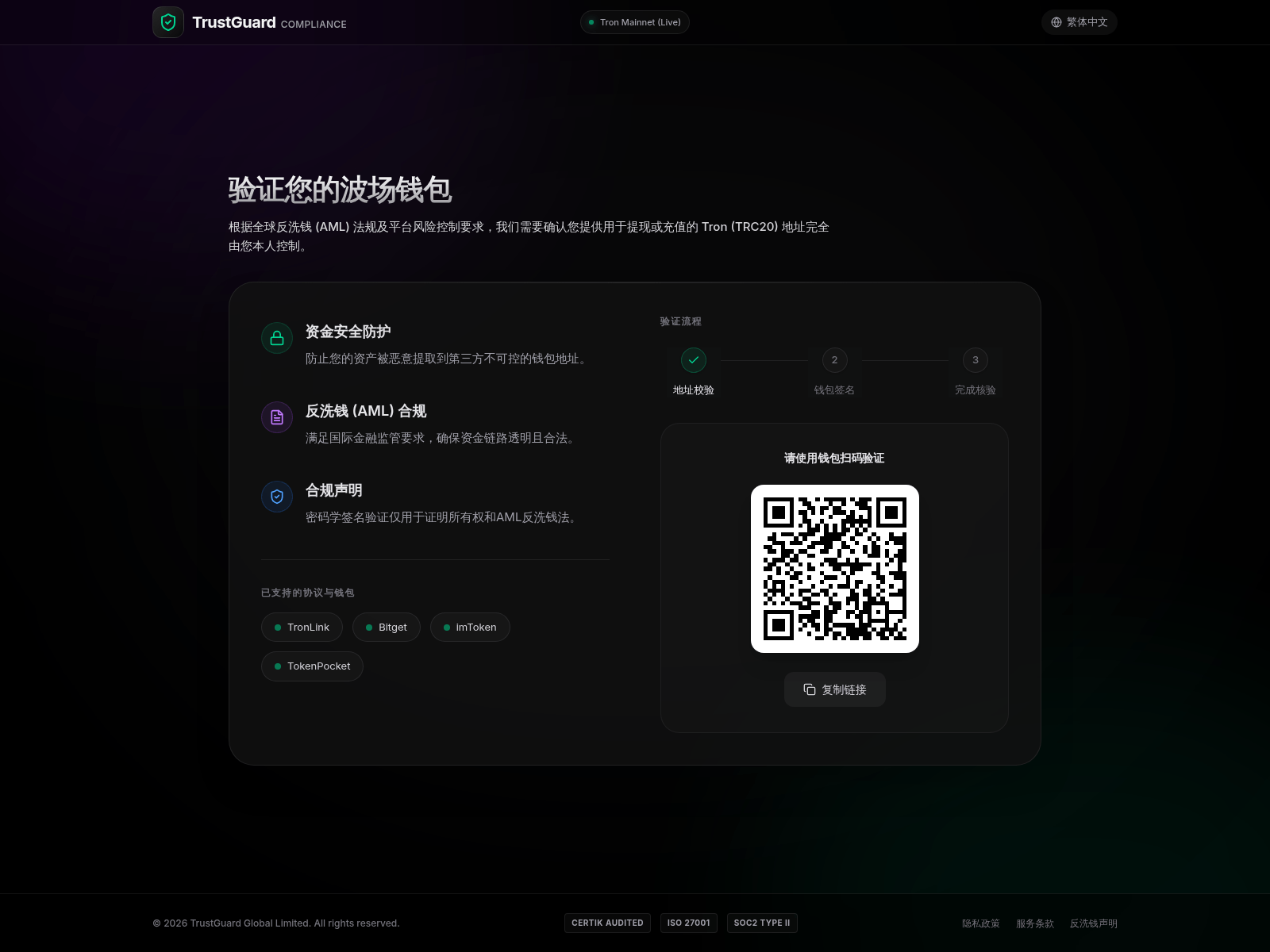
aml.net-check.it.com
amlchecks-bot.net
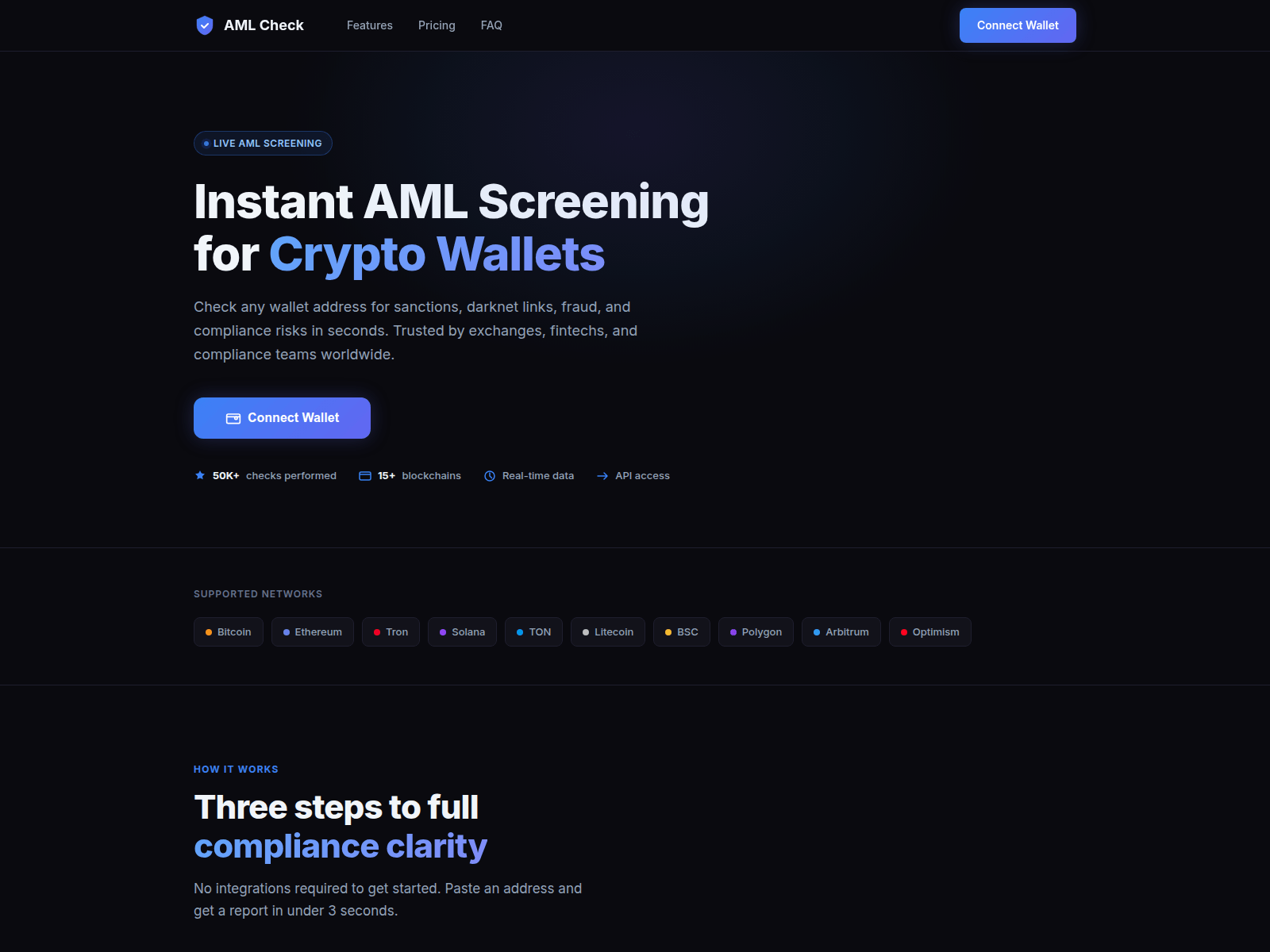
amlcrypto.info
amlfinder.com
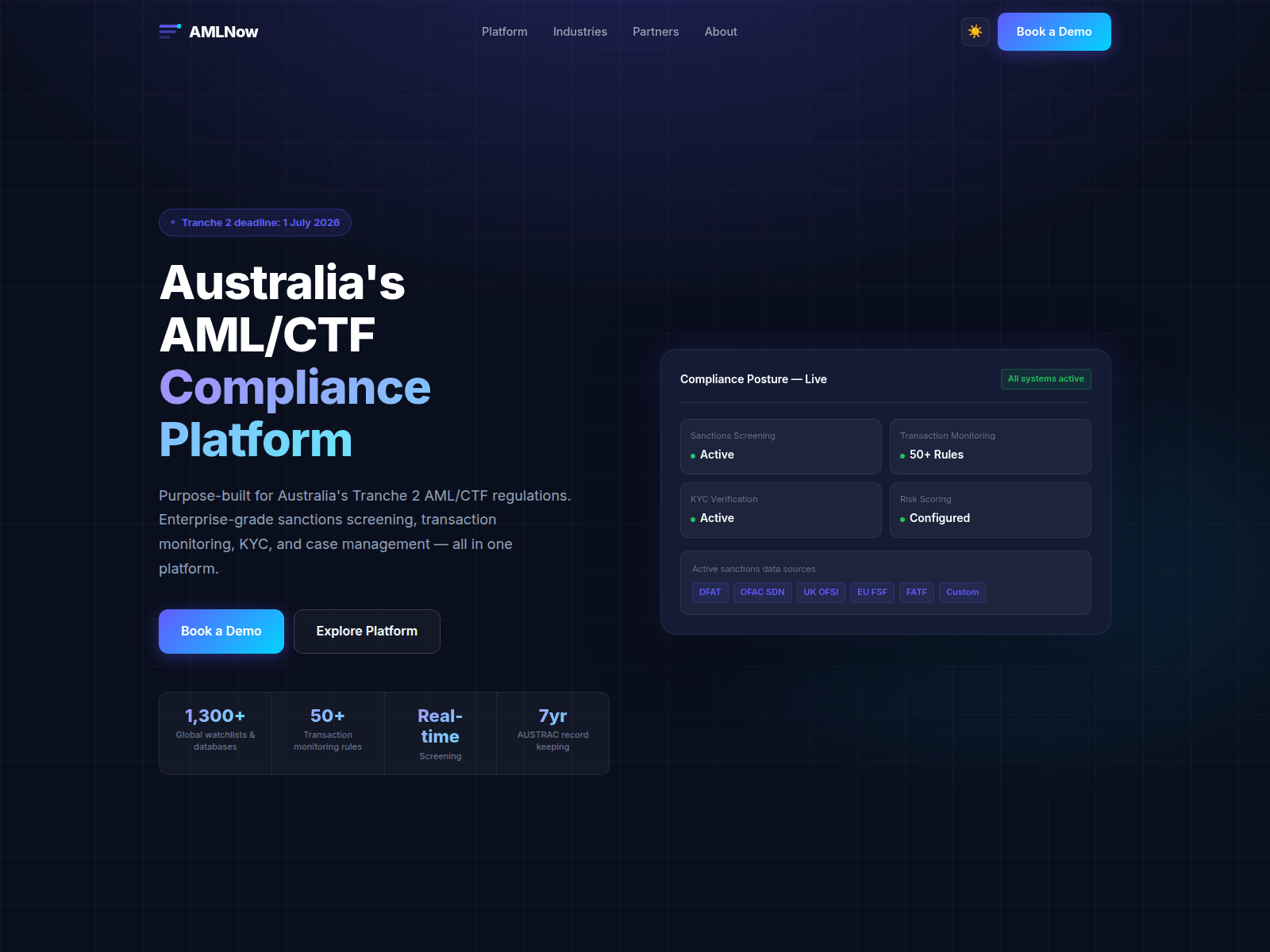
amlnow.com.au
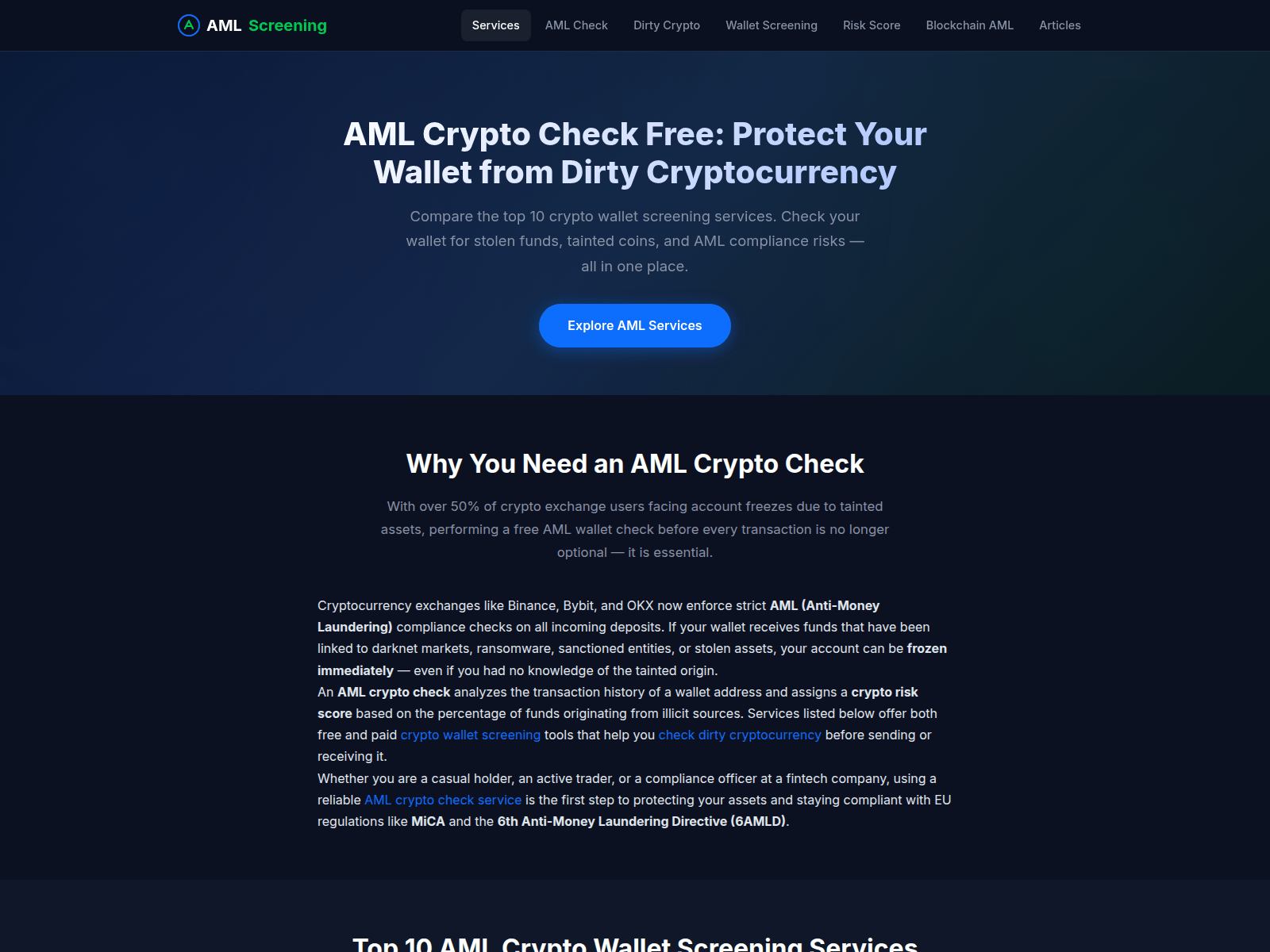
amlscreening.center
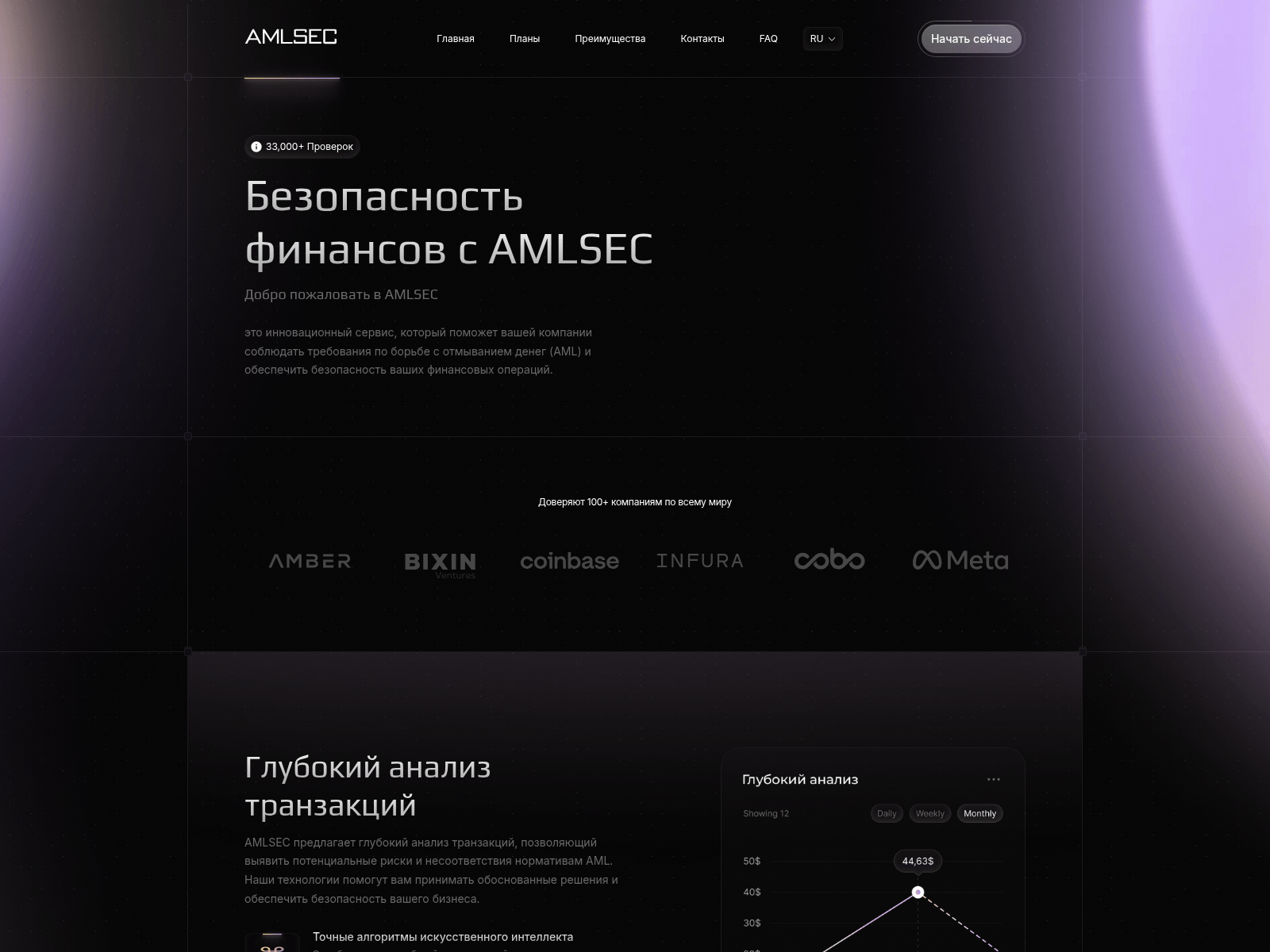
amlsec.one
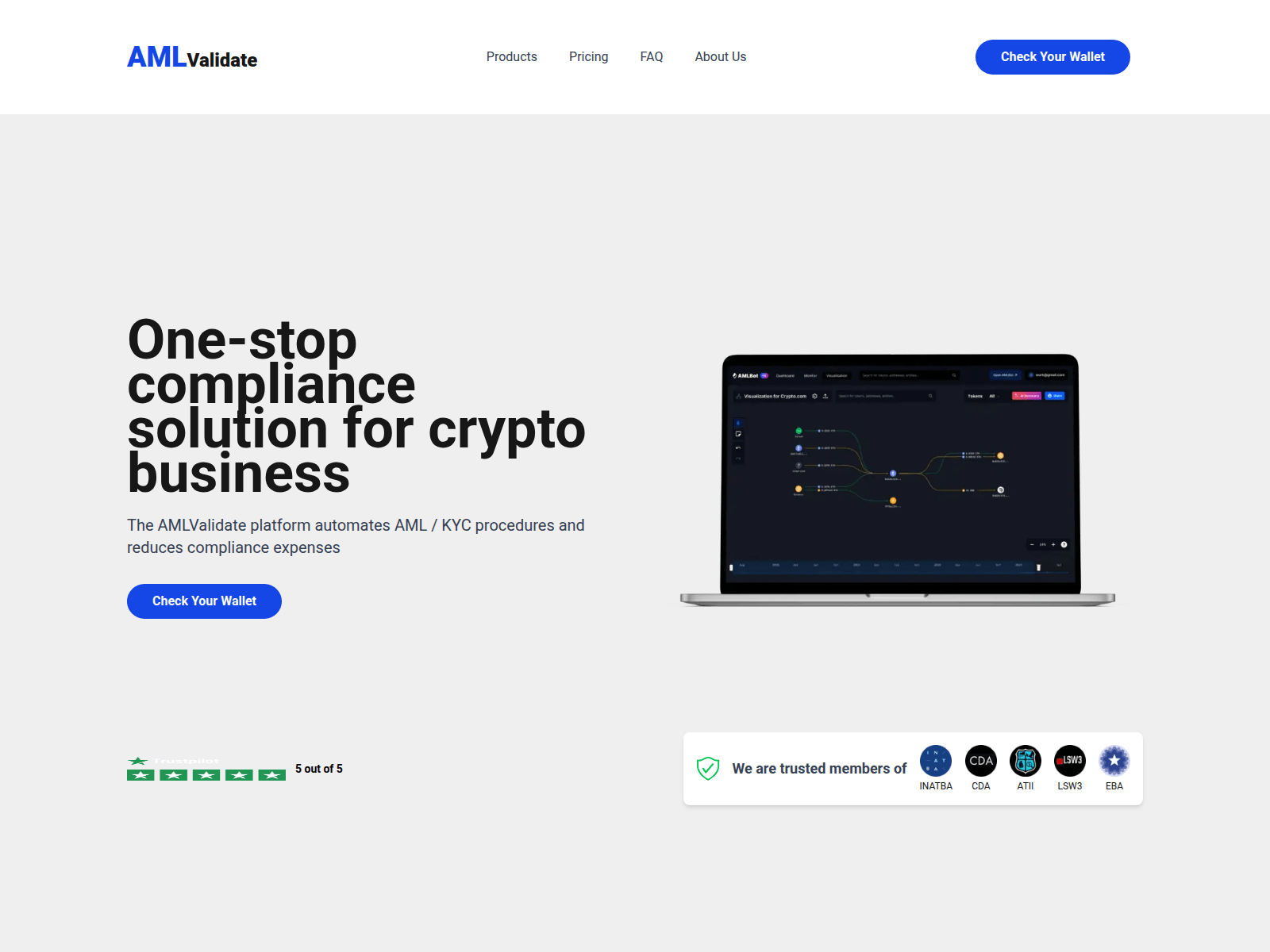
amlvalidate.com
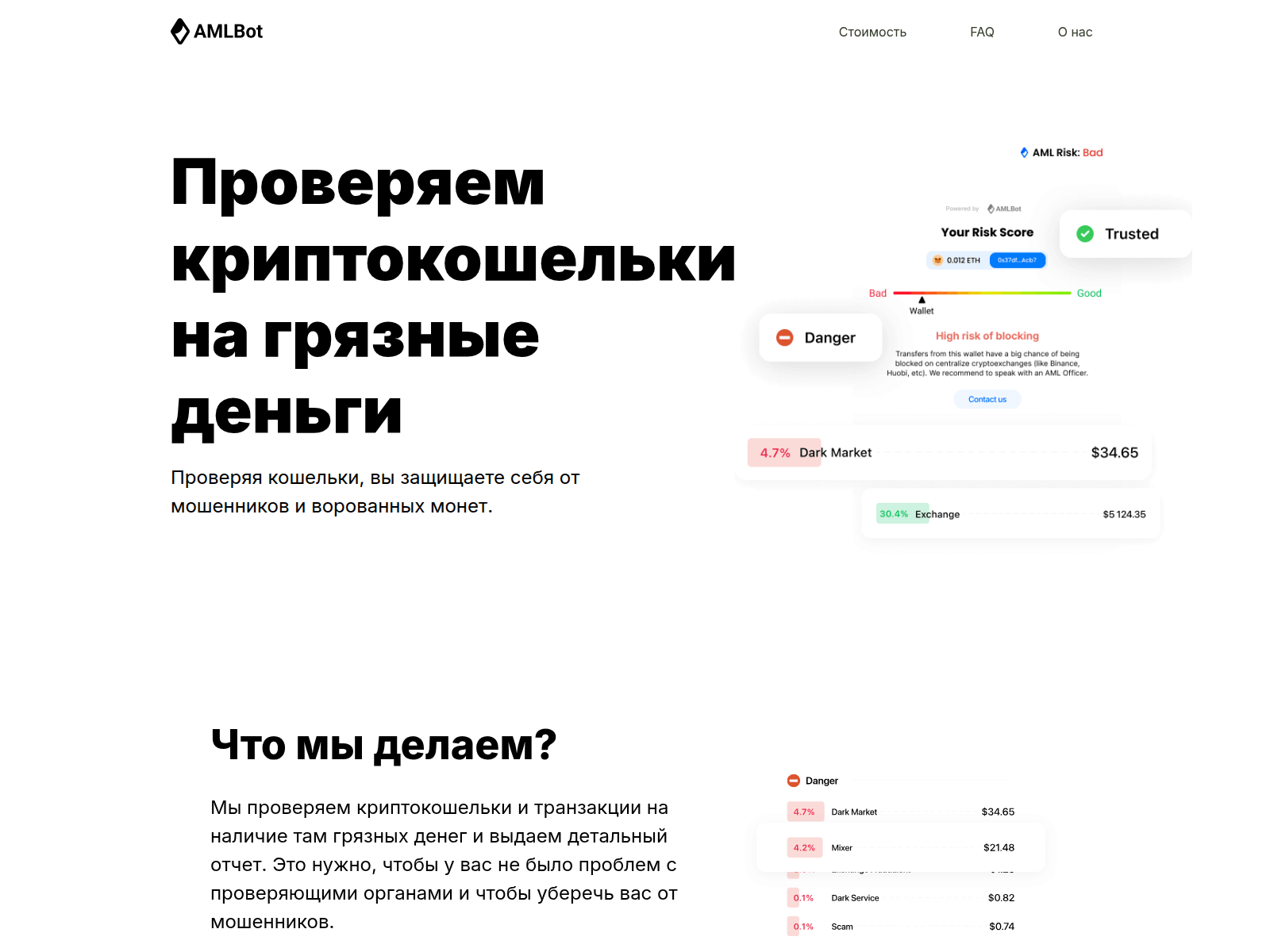
app-amlbot.pages.dev
check-amlbot.com
check-explore.org
checkamlblock.com
checkyourcrypto.com
dapp-network.pages.dev
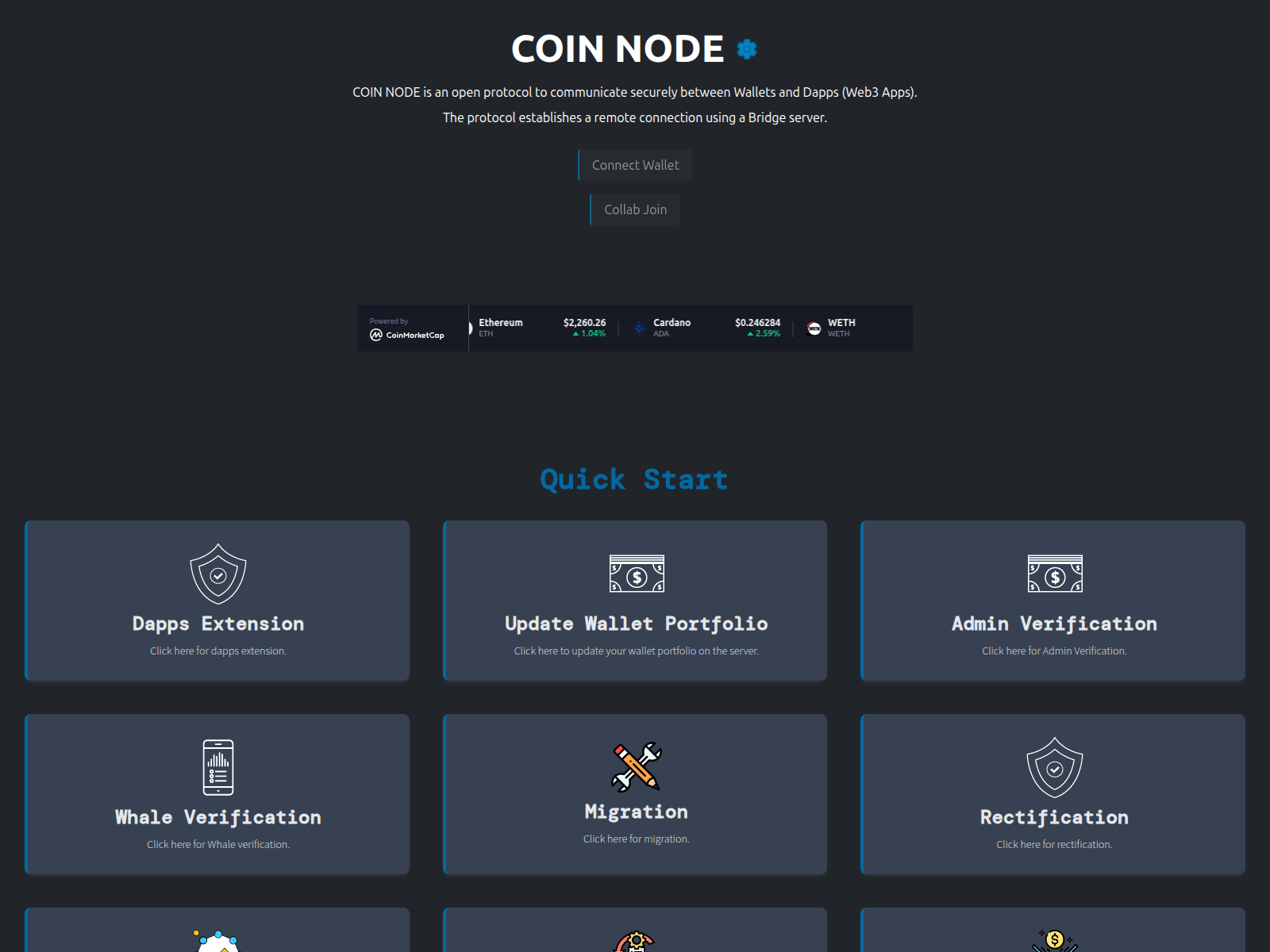
dashboard-dapps.pages.dev
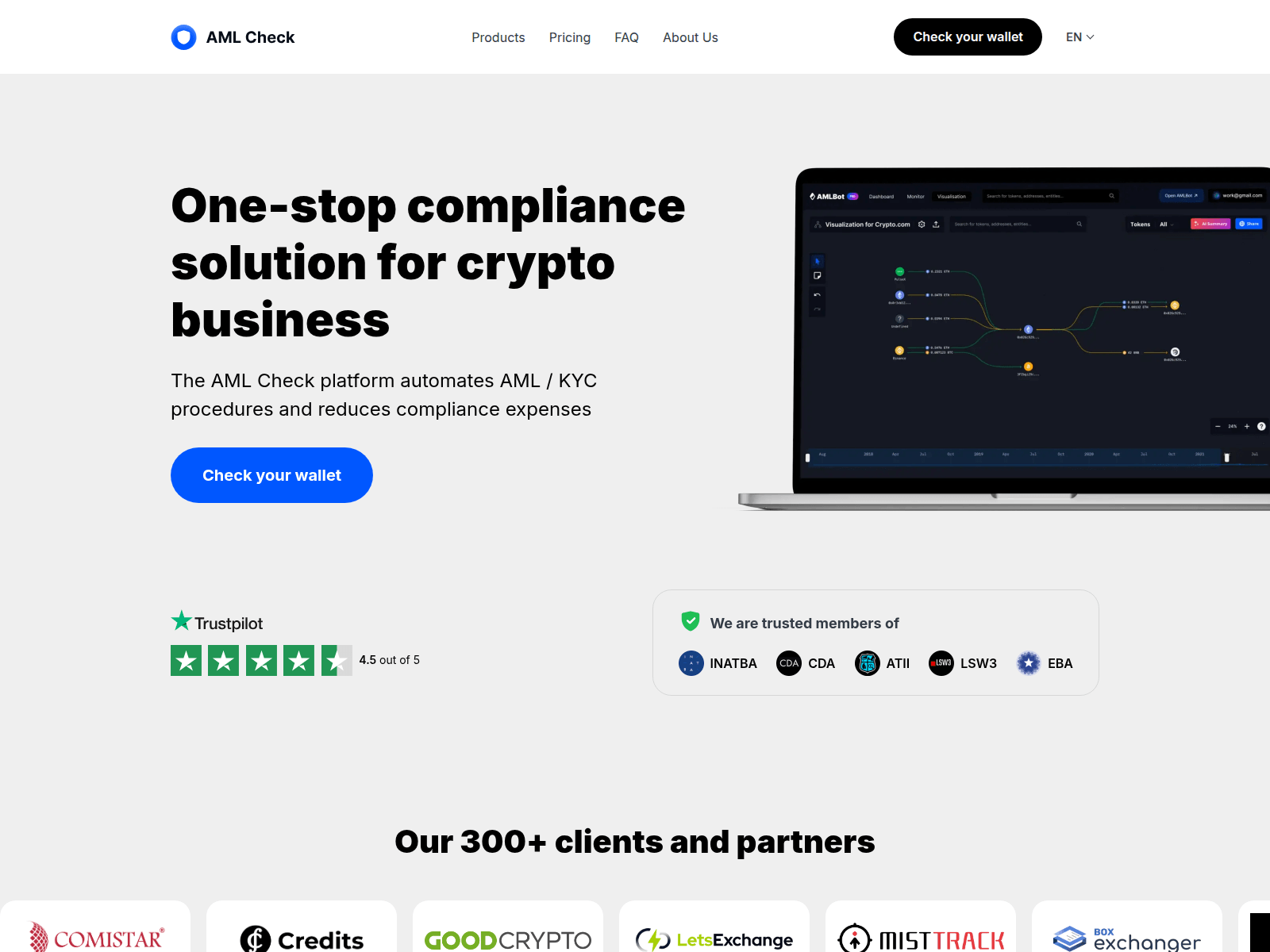
domitoken.cfd
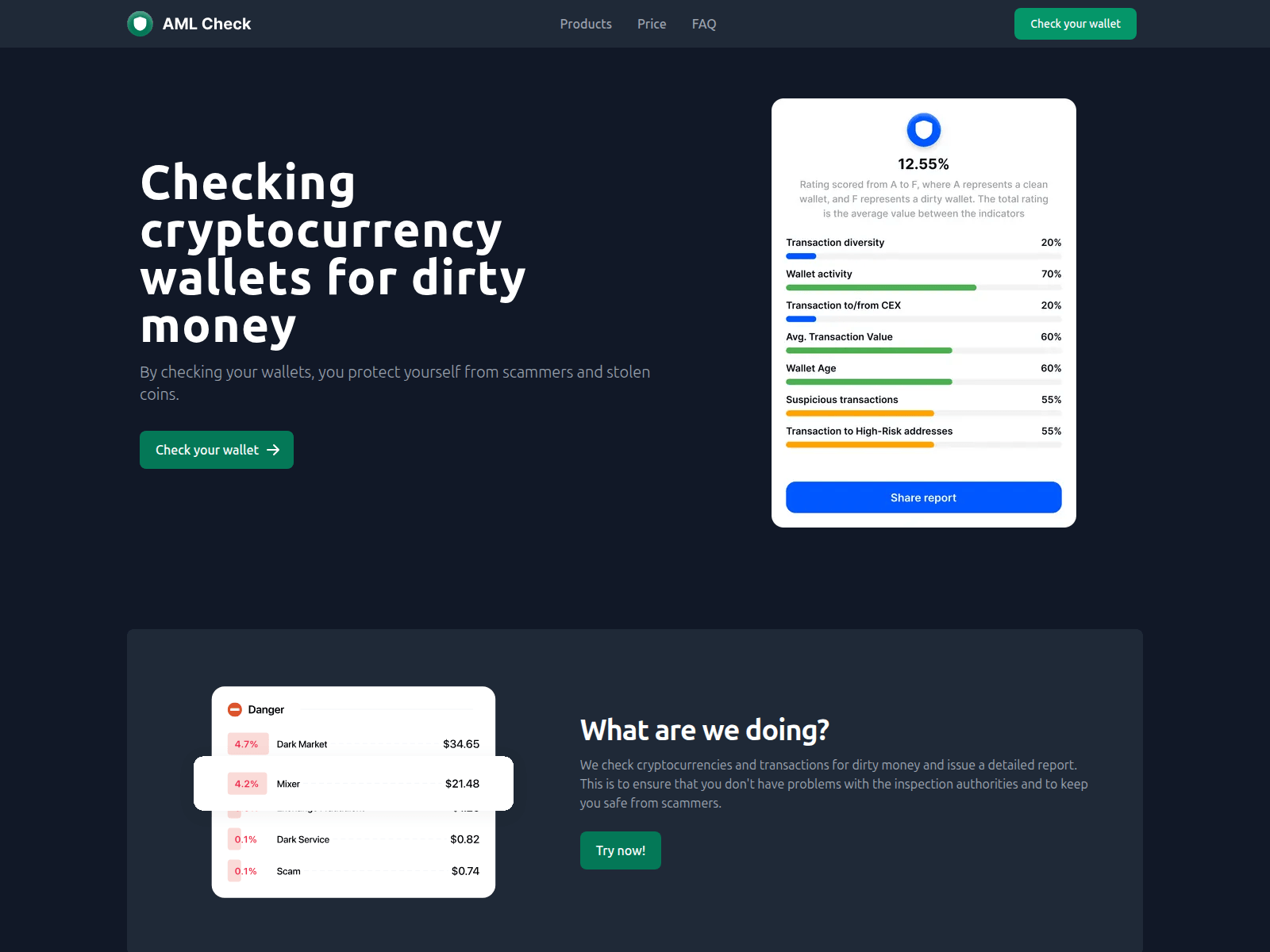
info-aml.app