
Search tracked domains and review stored evidence, detections, and the latest observed availability.
221,215
Total Tracked
215,440
VT Detected
86,795
Last Seen Active
134,420
Unavailable at Last Check
1
VT Pending

How This Attack Works
Solana Drainer threats exploit vulnerabilities in Solana's crypto ecosystem to steal funds. Understanding their operation is crucial for prevention.
STEP 1
Target Identification
Attackers identify potential victims through phishing emails and fake websites.
STEP 2
Phishing Execution
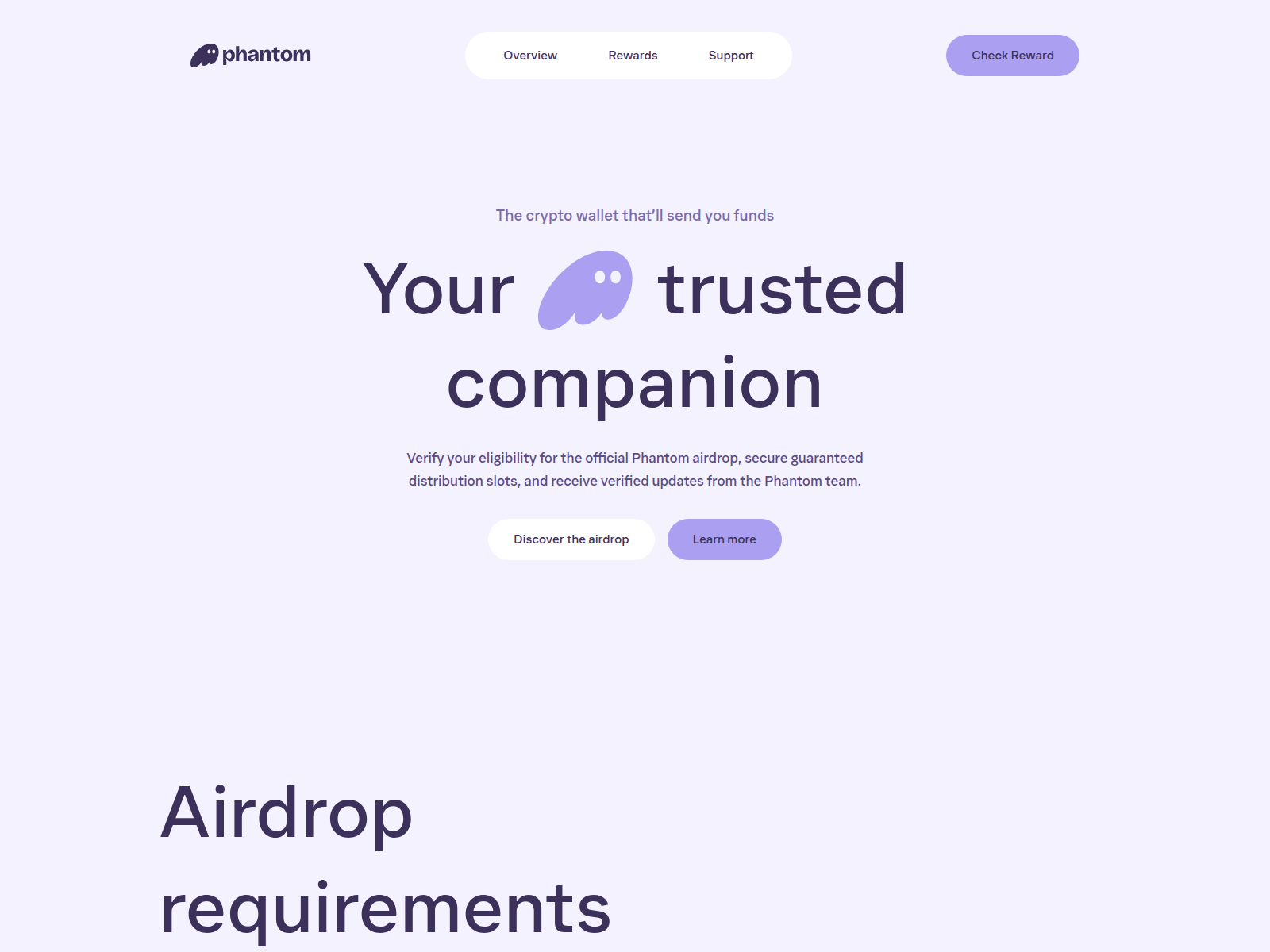
Victims are lured to malicious sites mimicking legitimate platforms, like phantomairdrop.com.
STEP 3
Credential Harvesting
Once on the fake site, victims input sensitive information, believing it to be secure.
STEP 4
Fund Drainage
Attackers utilize harvested credentials to access wallets and drain funds via illicit transactions.
Technical Analysis
Solana Drainer attacks leverage phishing techniques to exploit the Solana blockchain. Attackers often create copycat websites using top TLDs such as .com, .xyz, and .cc, with domains hosted by registrars like Cloudflare, Inc. and PDR Ltd. These sites employ deceptive JavaScript and HTML code to mimic legitimate interfaces, tricking users into entering their private keys or seed phrases. Once credentials are obtained, attackers interact with the Solana blockchain via RPC calls to execute unauthorized transactions. The usage of smart contract functions like `transfer` and `approve` allows attackers to swiftly move funds out of victims' accounts. The infrastructure often involves a network of proxy servers to obfuscate the origin of the attack and make tracing back to the perpetrators difficult.
Real Cases
Phantom Wallet Breach (2023)
$2 million stolen
Attackers created a fraudulent Phantom wallet site to harvest user credentials, resulting in a $2 million theft.
SolUnion Scam (2024)
$1.5 million stolen
Using the domain phantom.solunion.cc, scammers executed a sophisticated phishing attack, stealing $1.5 million in SOL.
VaultBenefits Exploit (2024)
$3 million stolen
A fake airdrop campaign via vaultbenefits.net led to credential compromise and a subsequent $3 million drain.
How to Detect
Unsolicited emails or messages offering free SOL or airdrops
Websites with slight misspellings of legitimate names
Requests for private keys or seed phrases
Suspicious URL structures or unfamiliar TLDs like .xyz or .cc
Lack of HTTPS security on sites claiming to be secure
How to Protect Yourself
1
Verify URLs carefully before interacting
2
Enable multi-factor authentication on your wallet
3
Never share your private key or seed phrase
4
Regularly check transaction histories for unauthorized activity
5
Use official wallet apps and browser extensions
Frequently Asked Questions
Data sourced from PhishDestroy threat intelligence database — 2,752 domains tracked for this threat type
Solana Drainer 2,752 domains
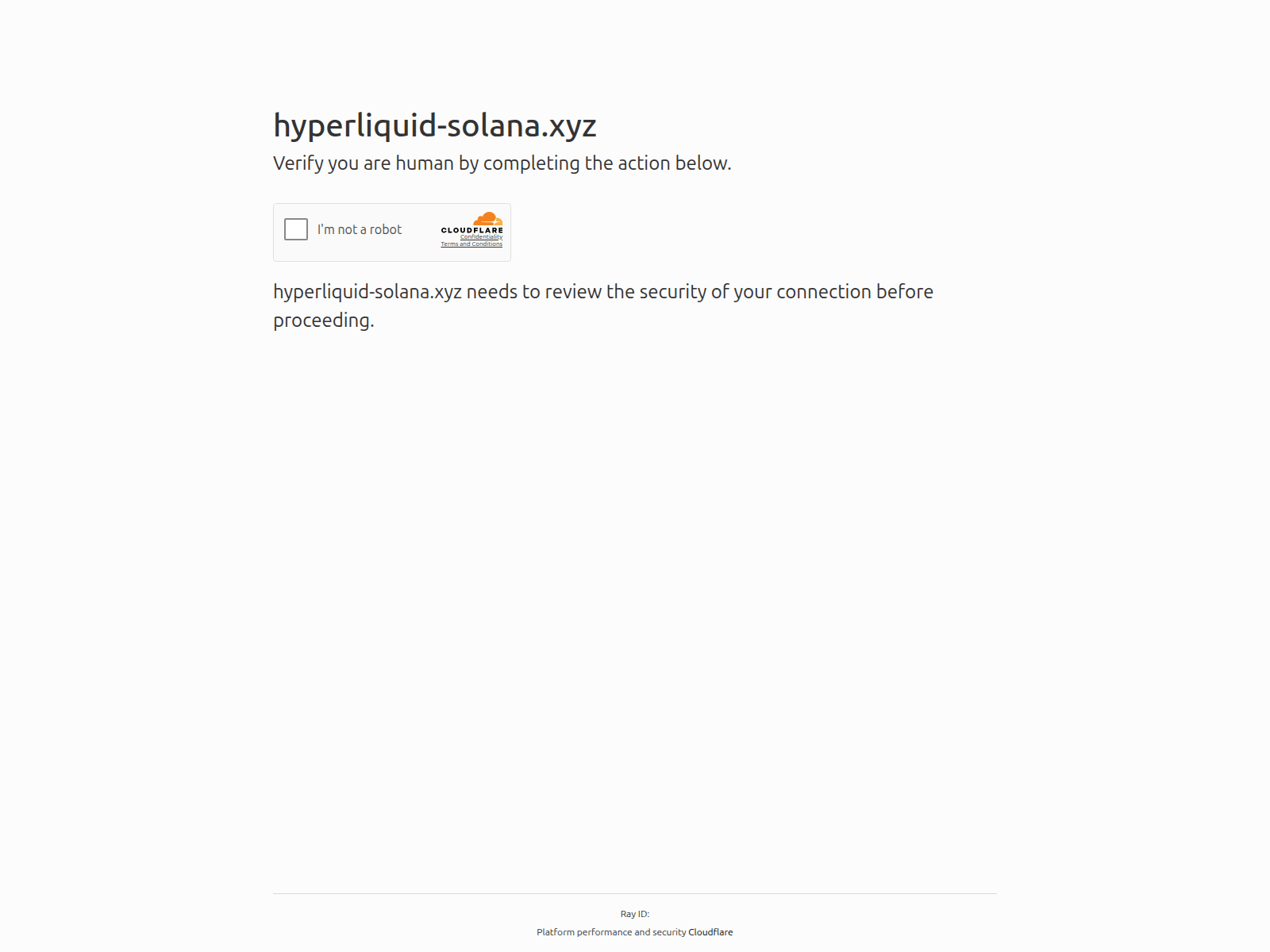
hyperliquid-solana.xyz
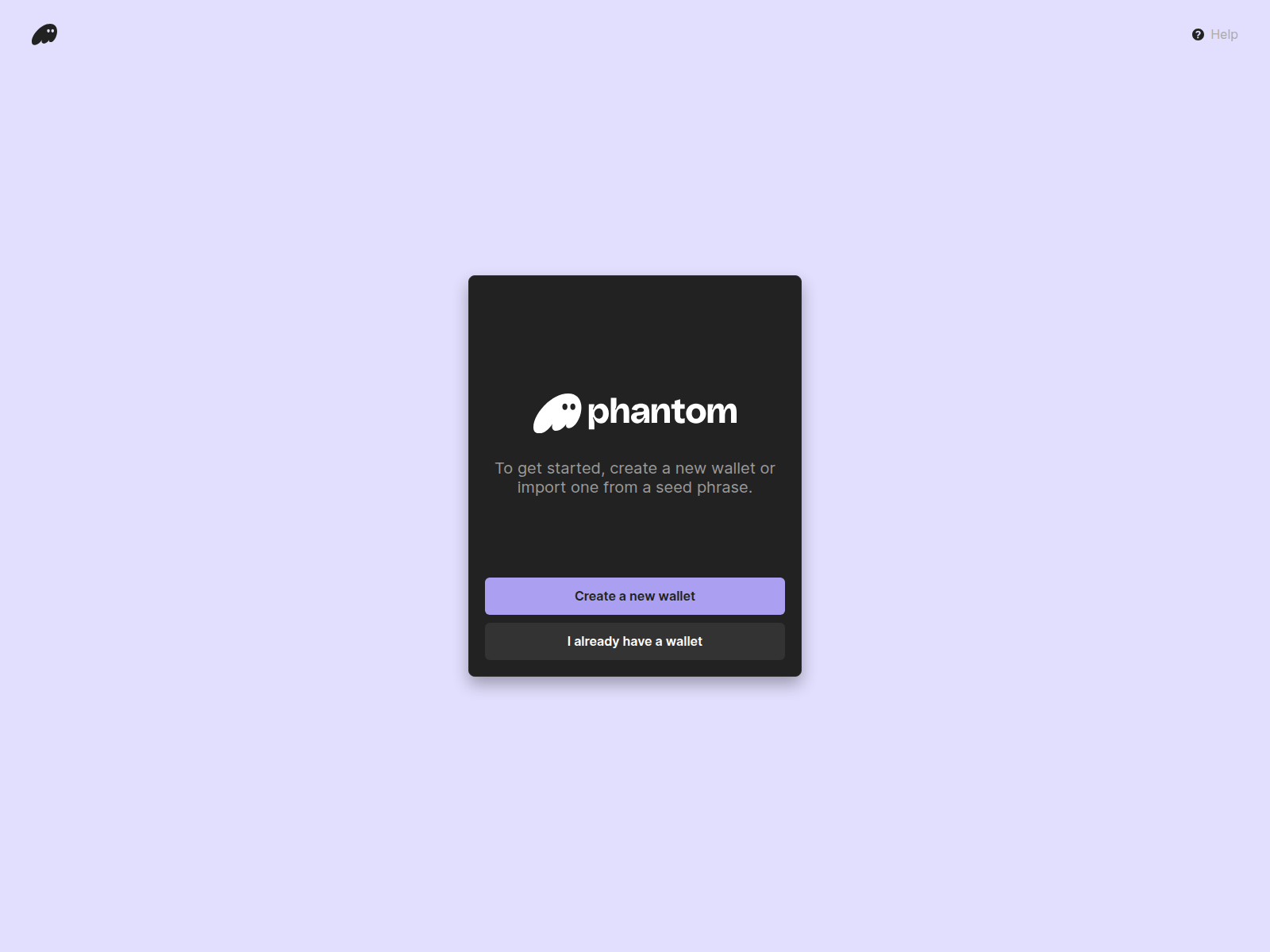
phantomsol.at
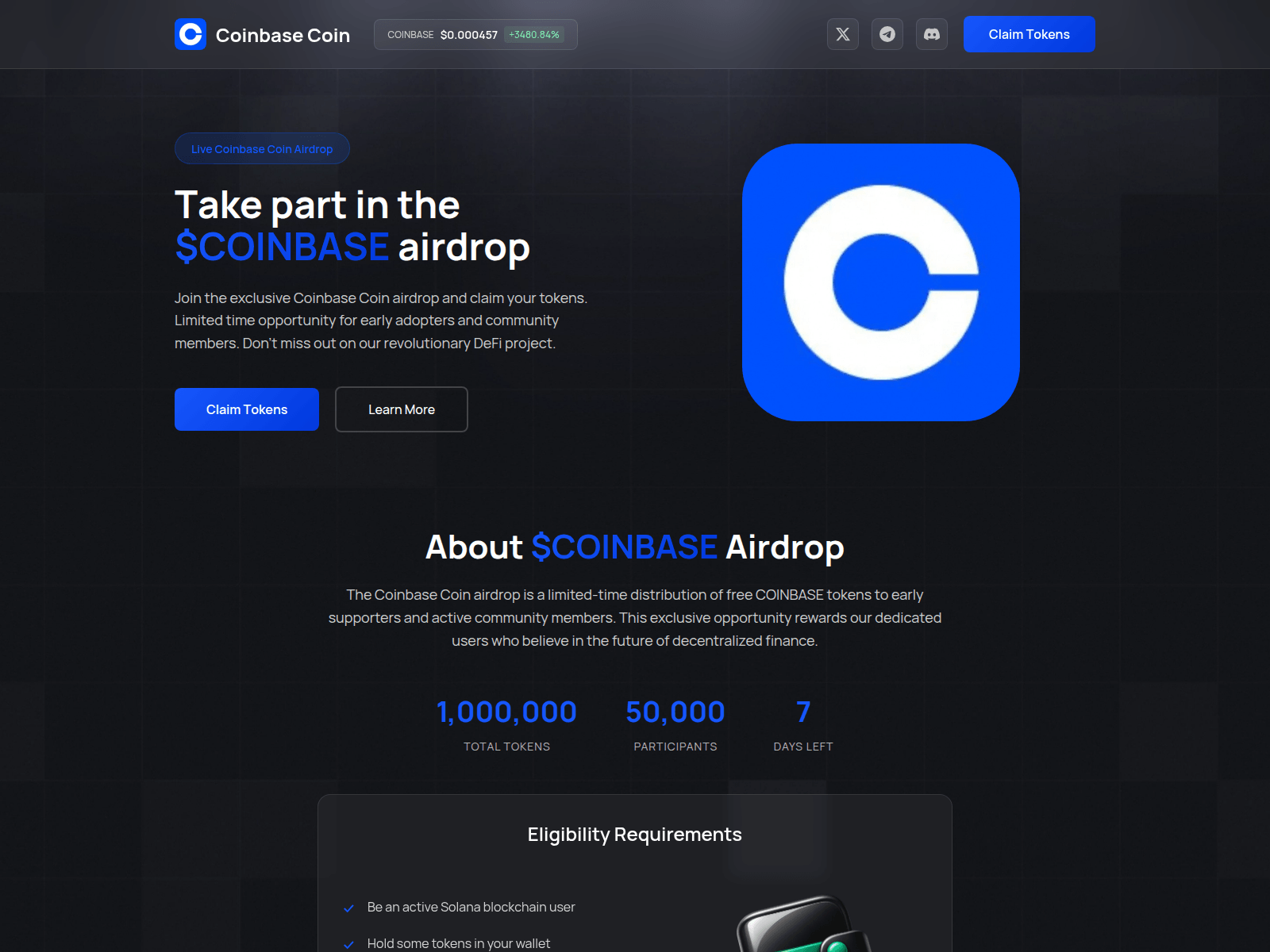
event-coinbase.fun
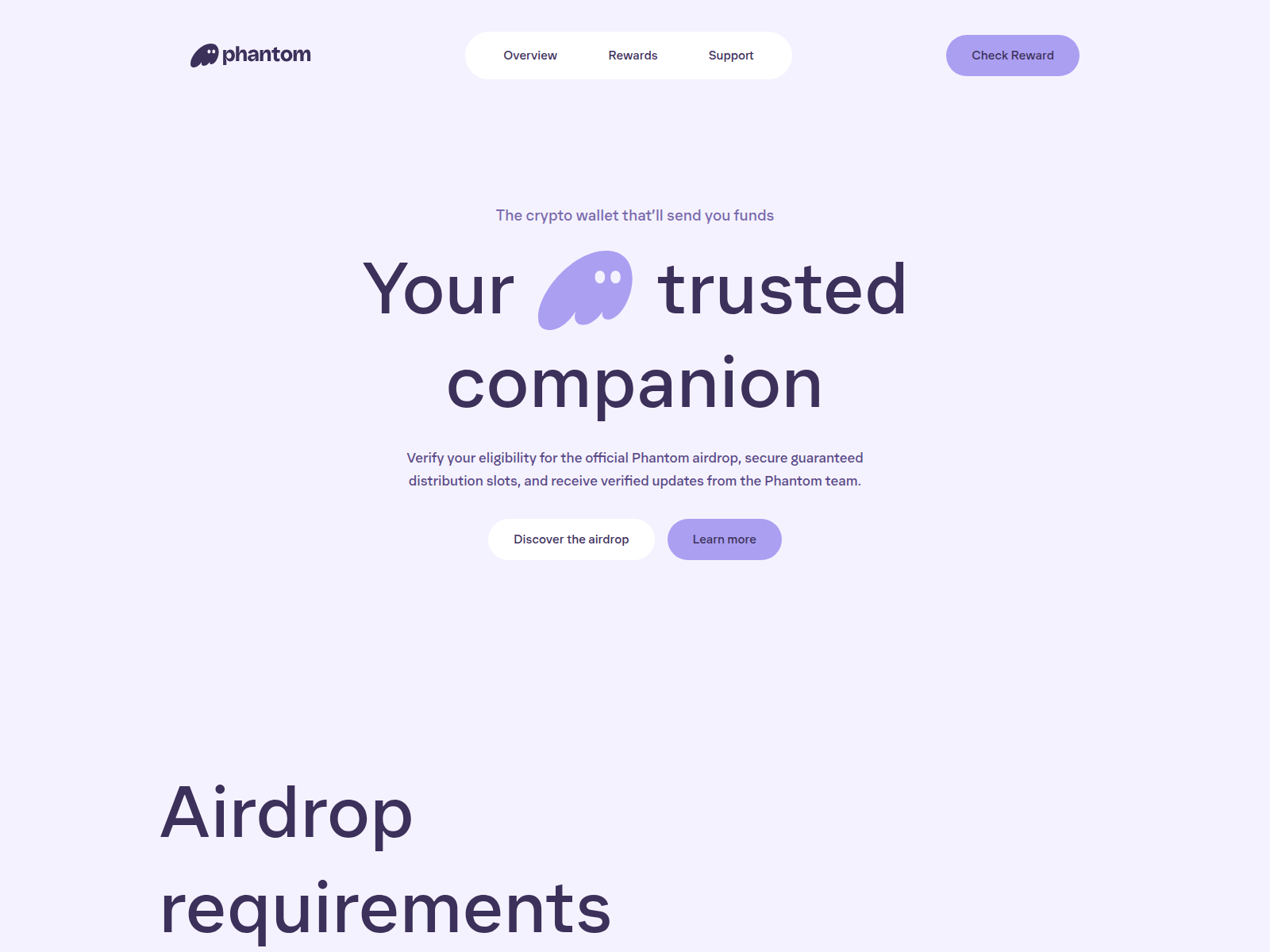
aa.solcenter.cc
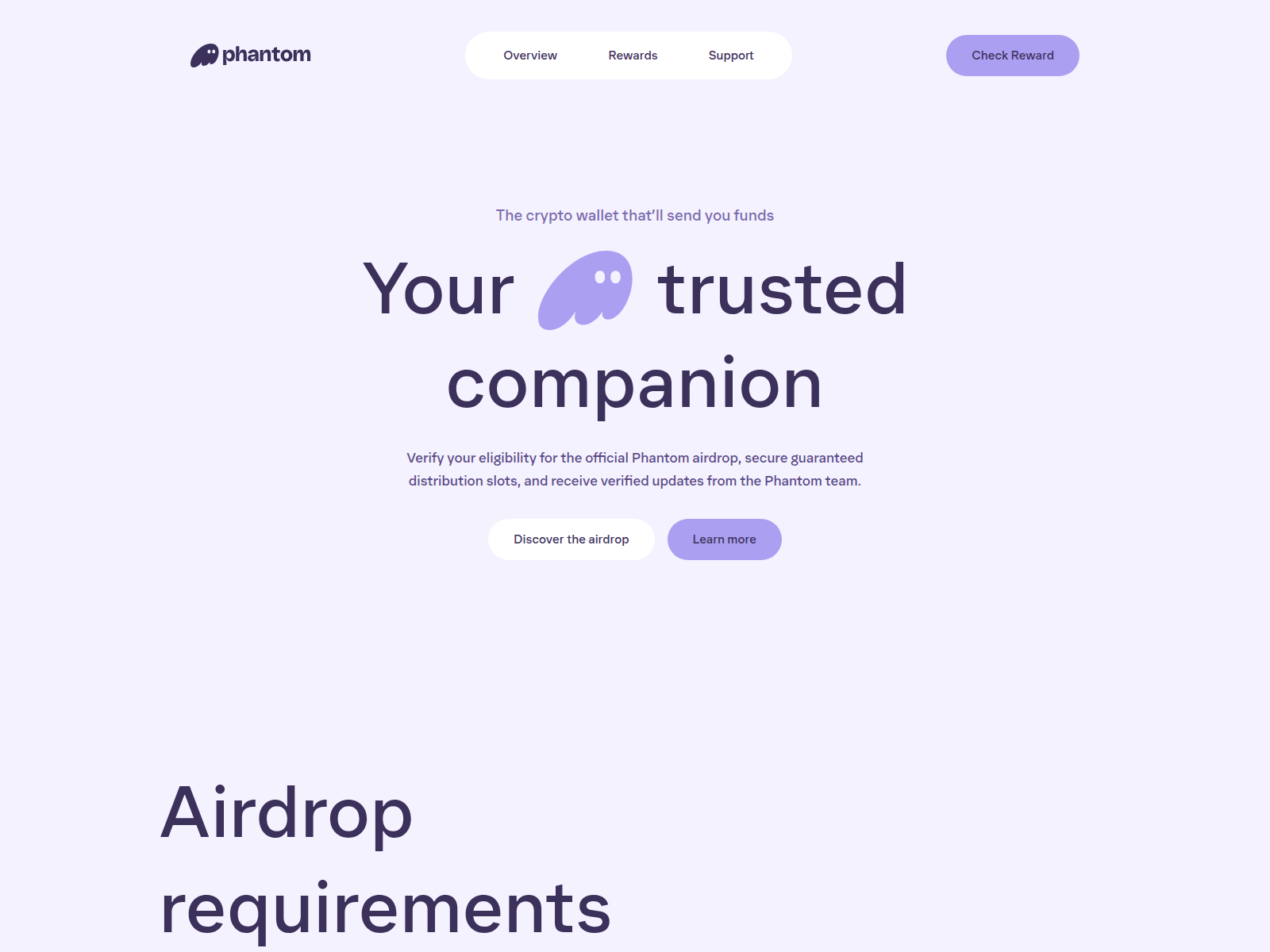
cooldece.com

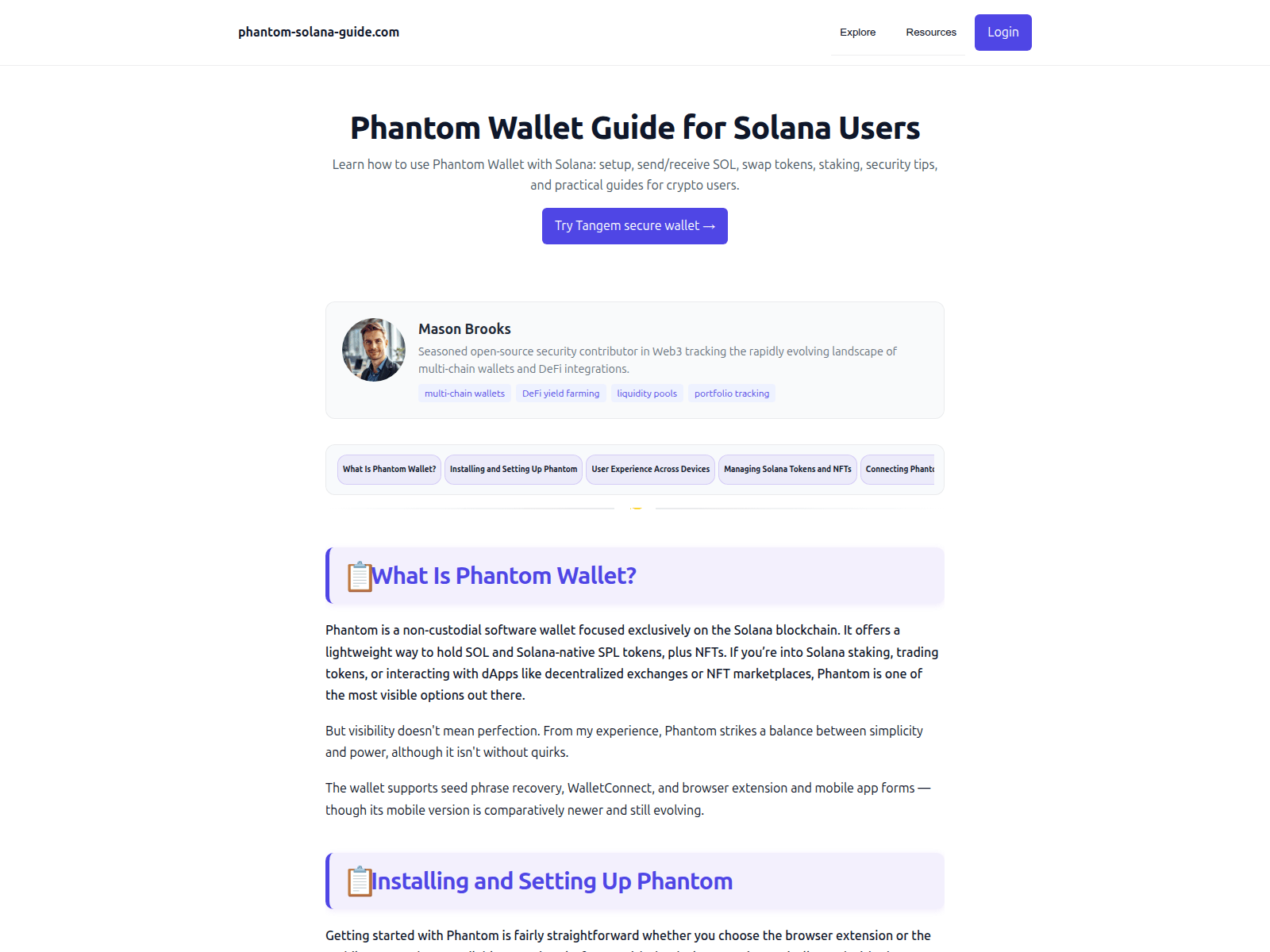
phantom-solana-guide.com
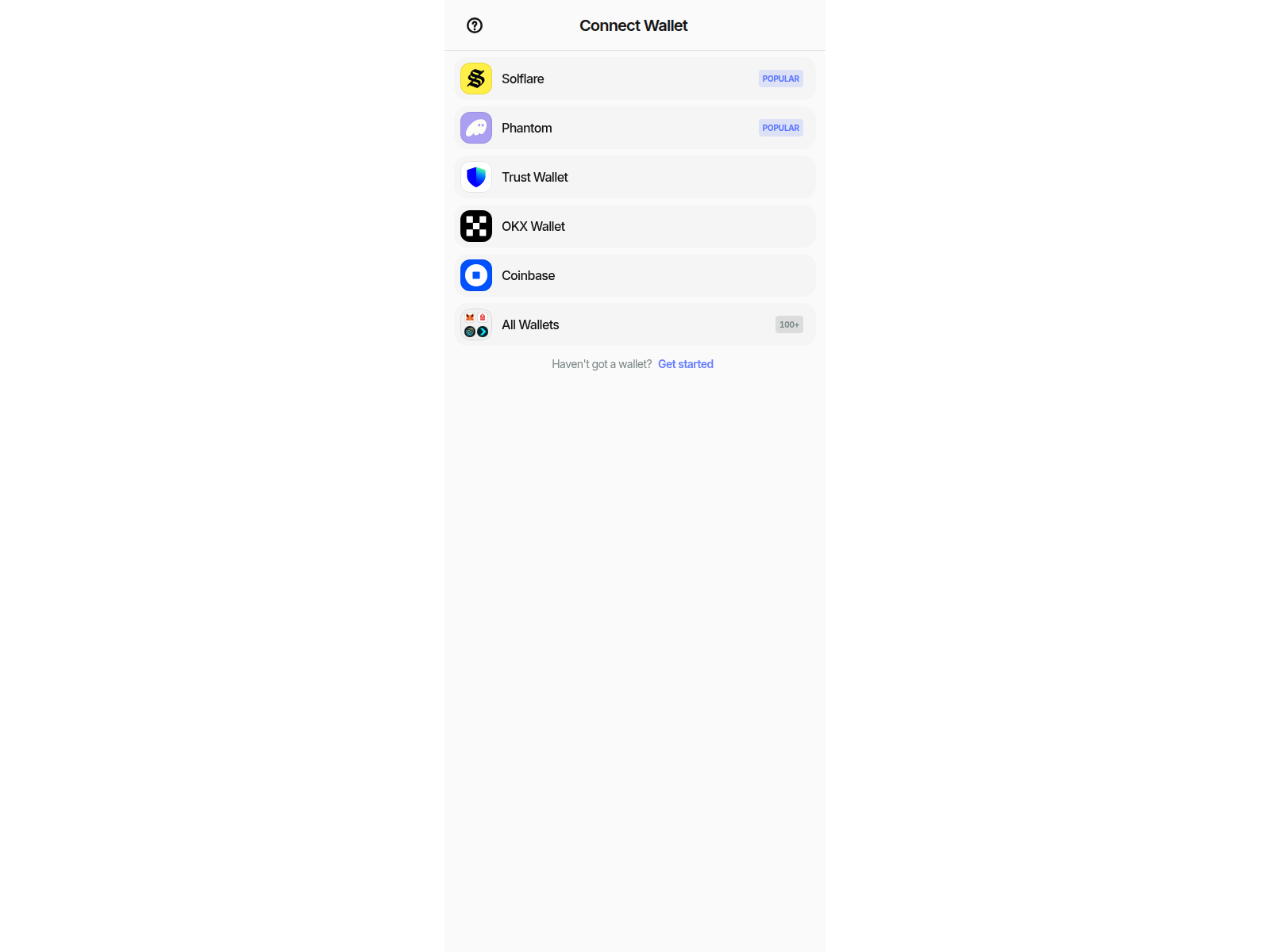
phantom.solunion.cc
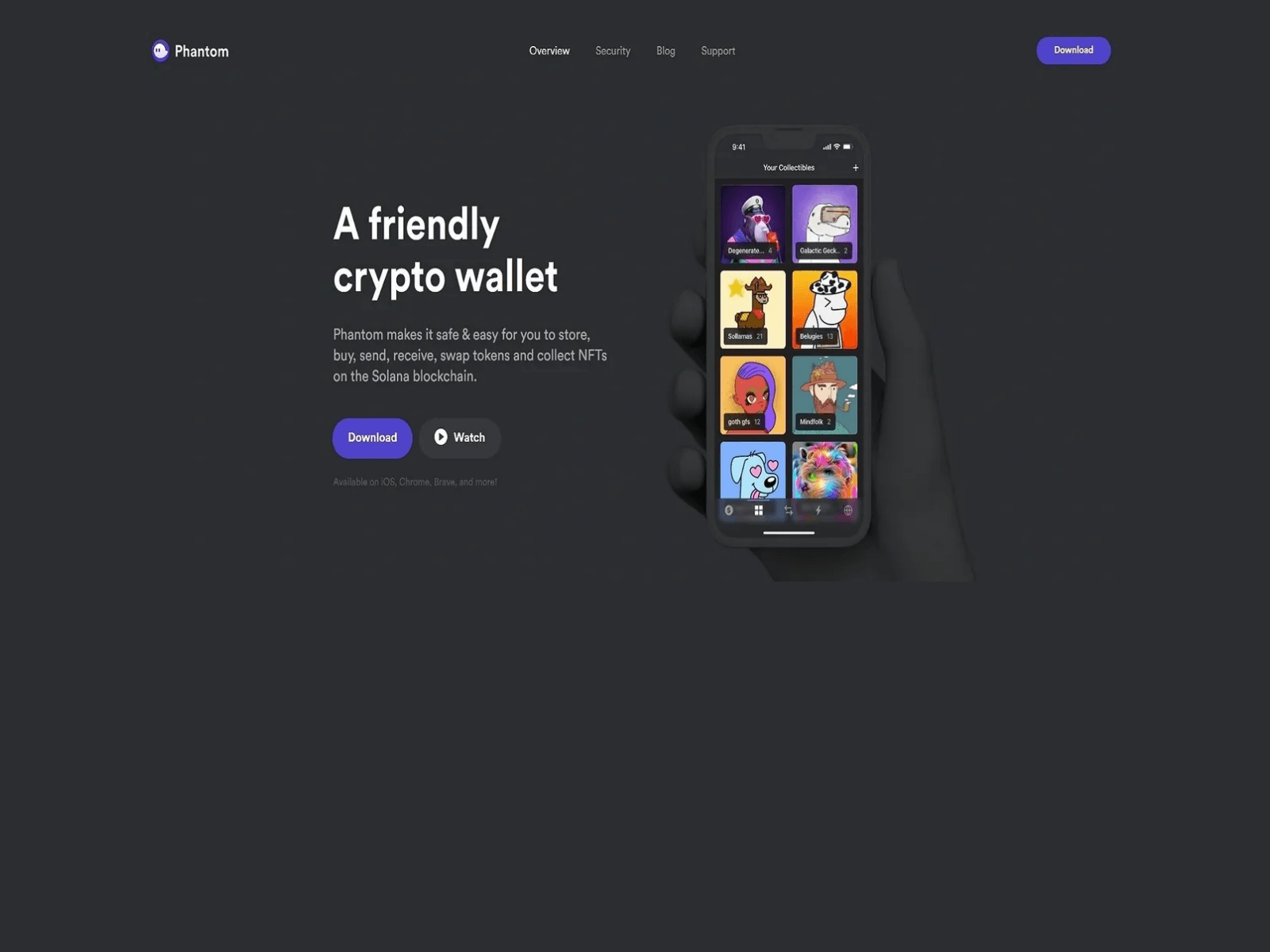
phantom1-wallet.godaddysites.com
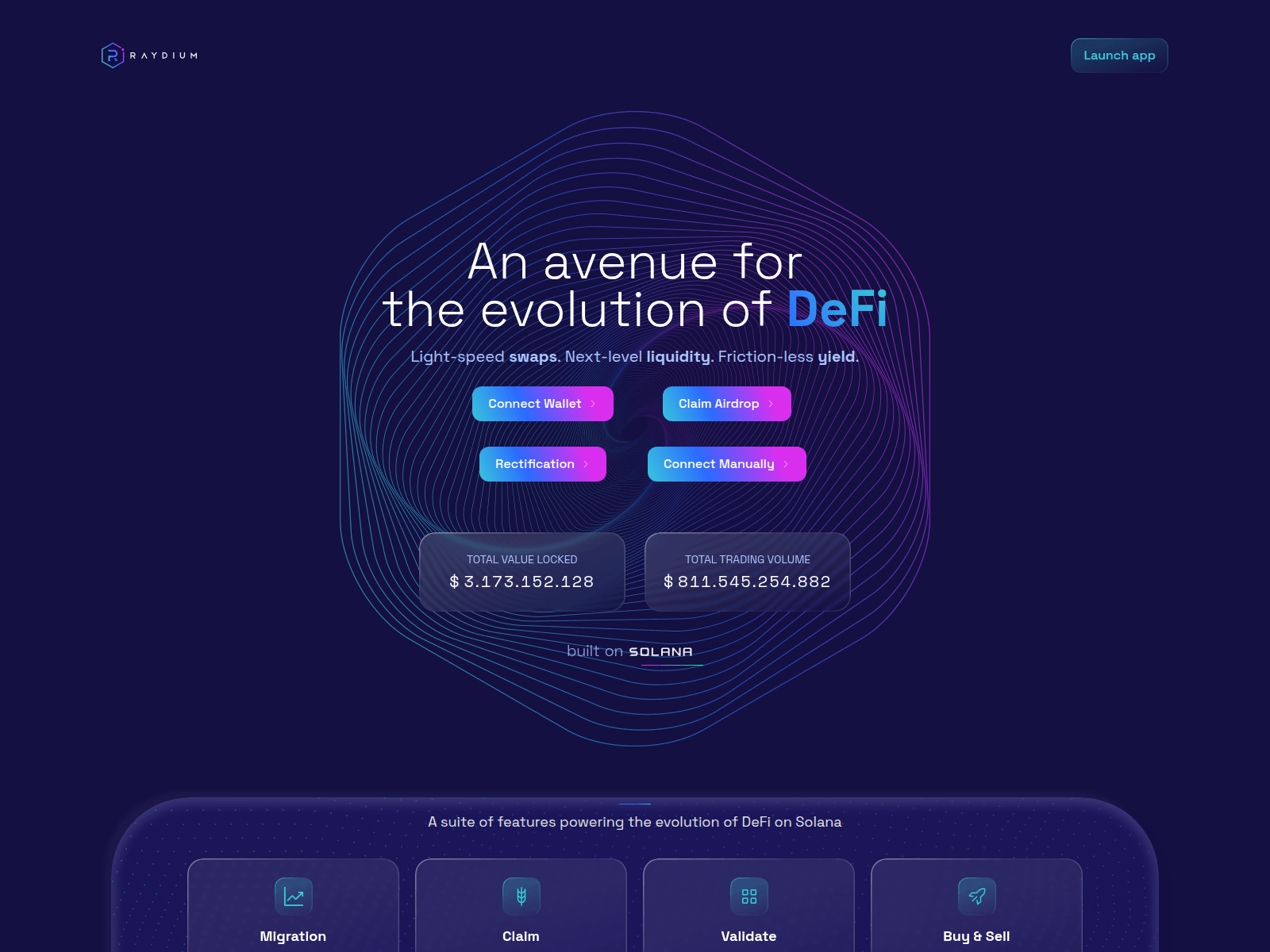
raydiumsolutions.xyz
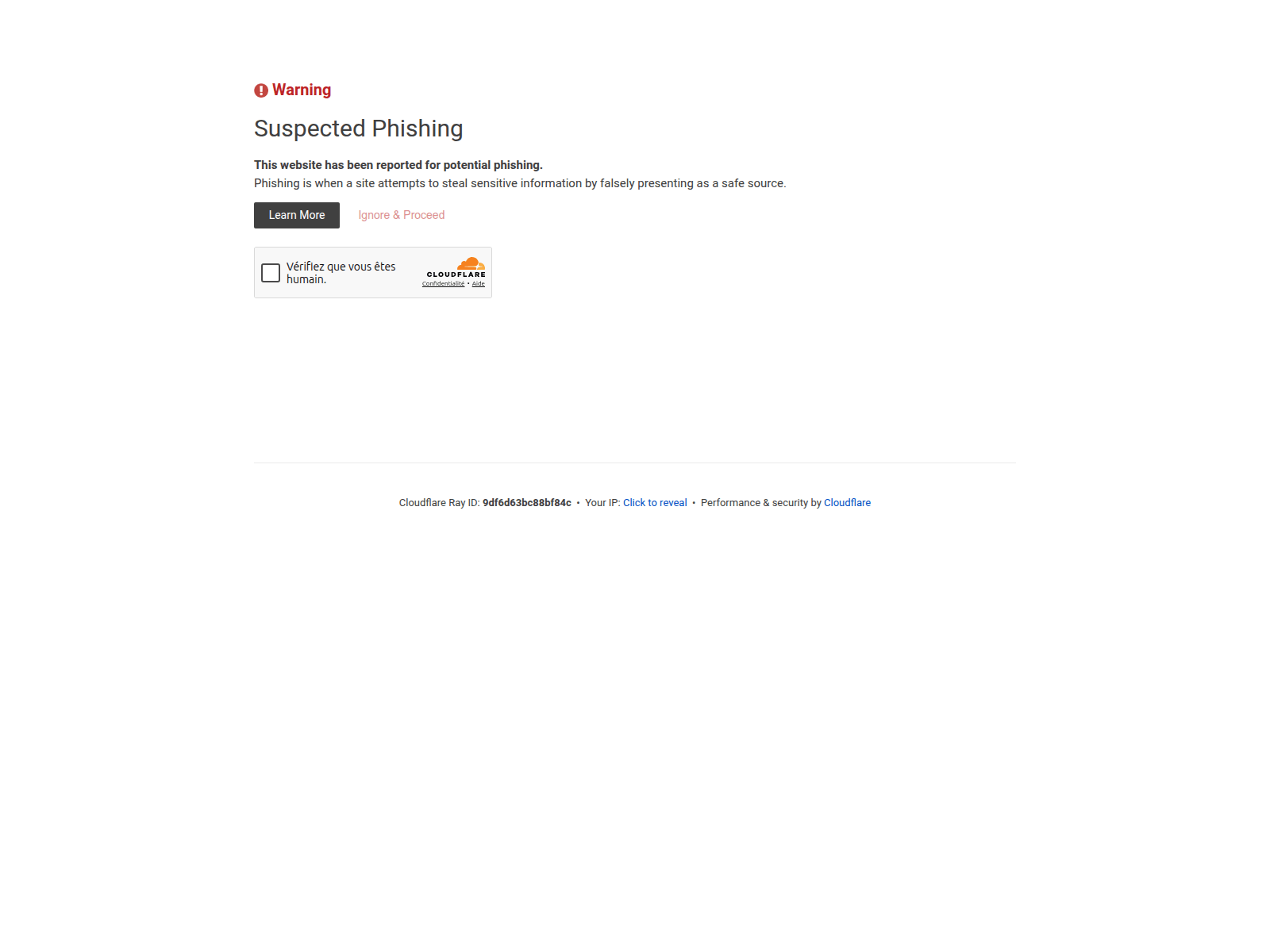
solanasolutions.fun
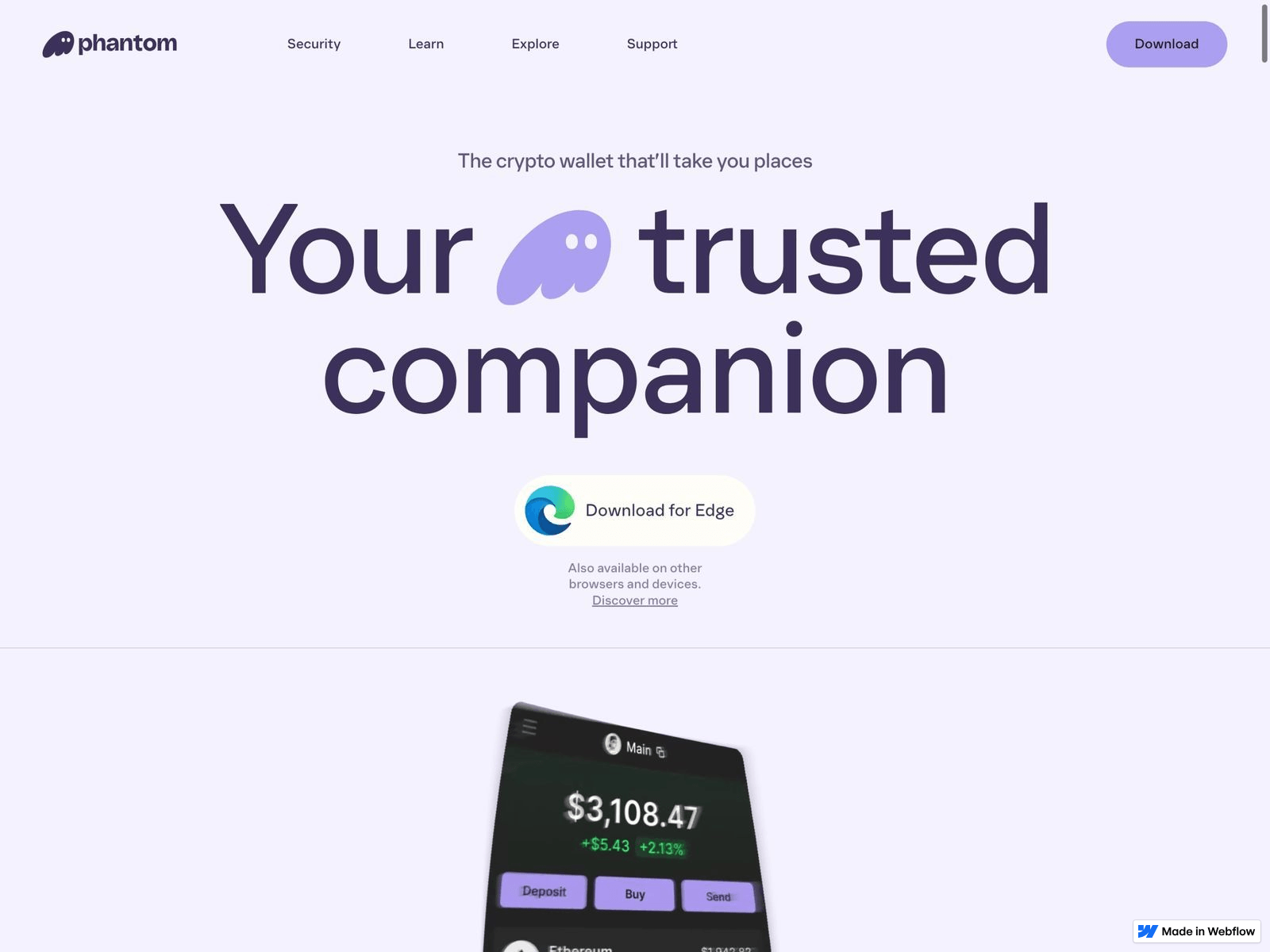
usa-phantom--auth.webflow.io
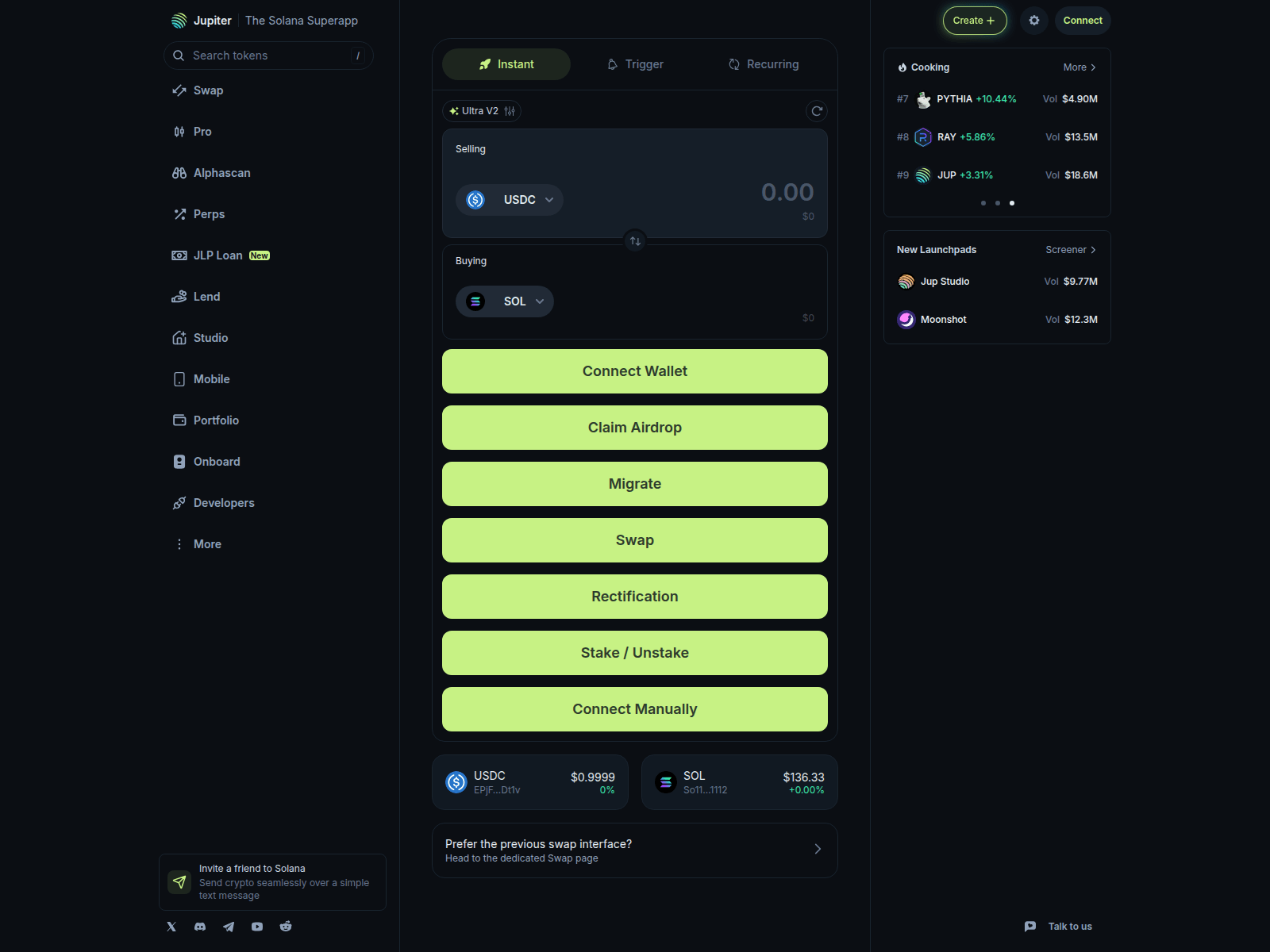
coinmultiwallet.com

debank.com-en-us.network
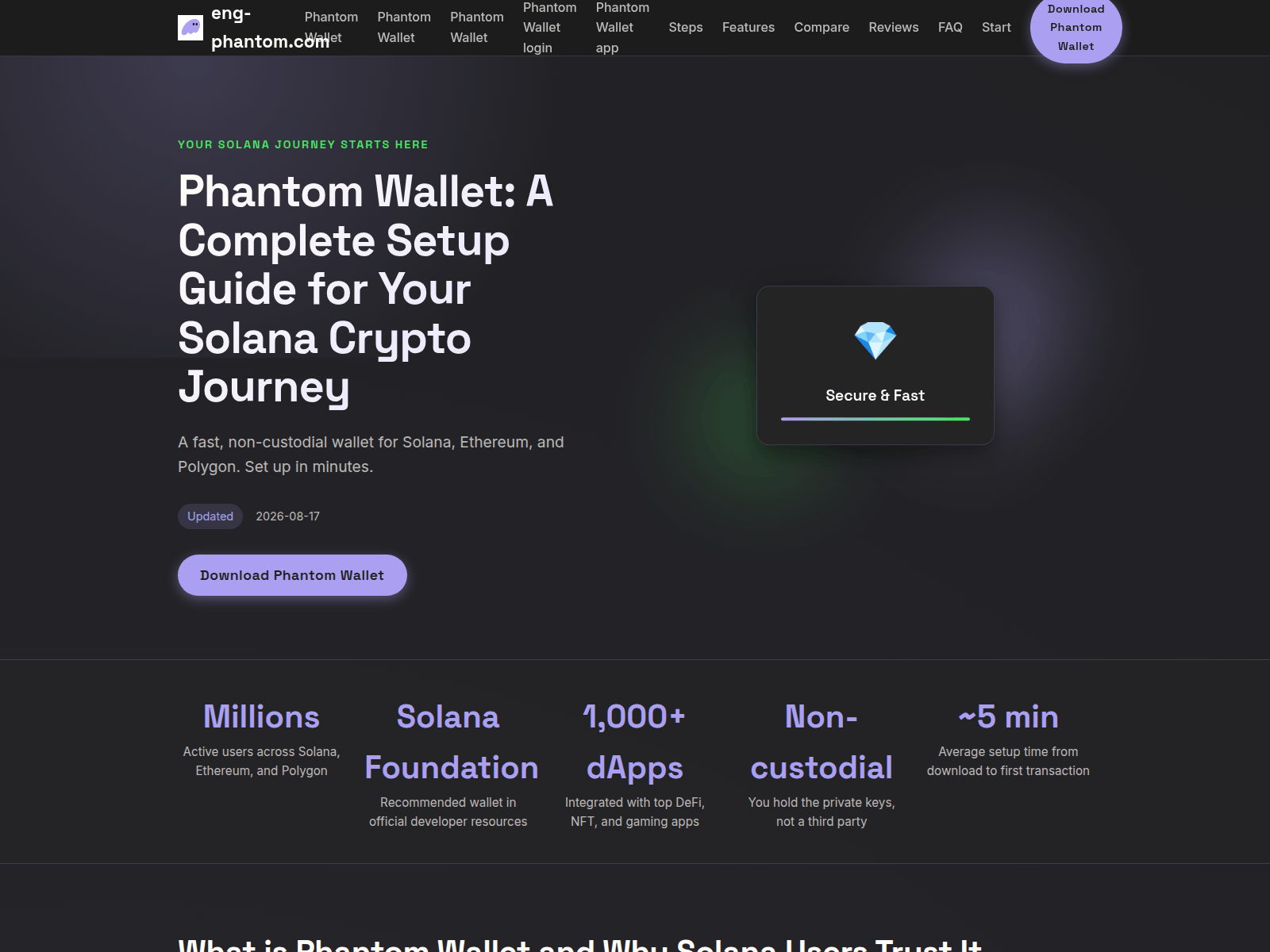
eng-phantom.com
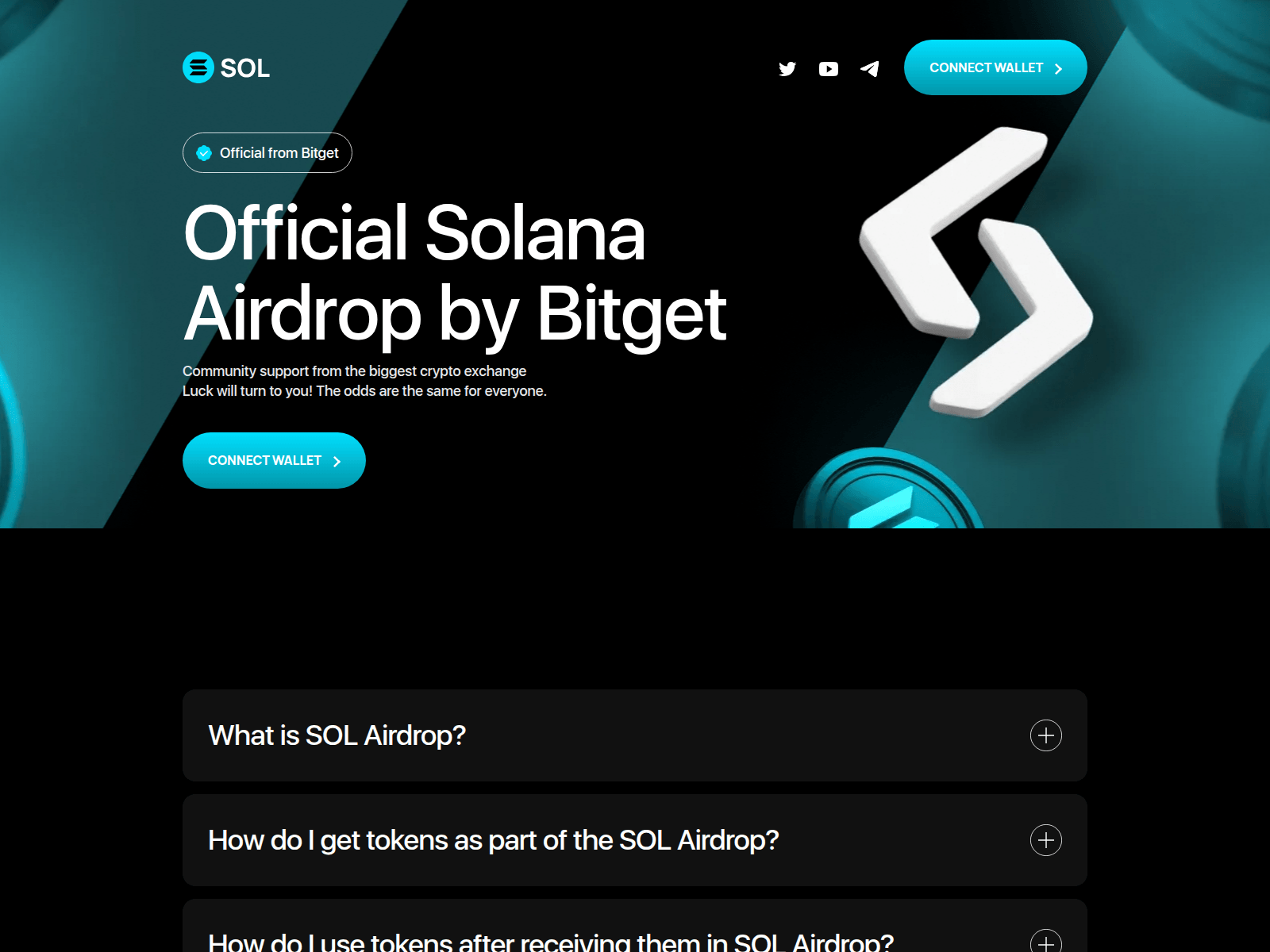
fitechairdrop.xyz

phantomairdrop.com
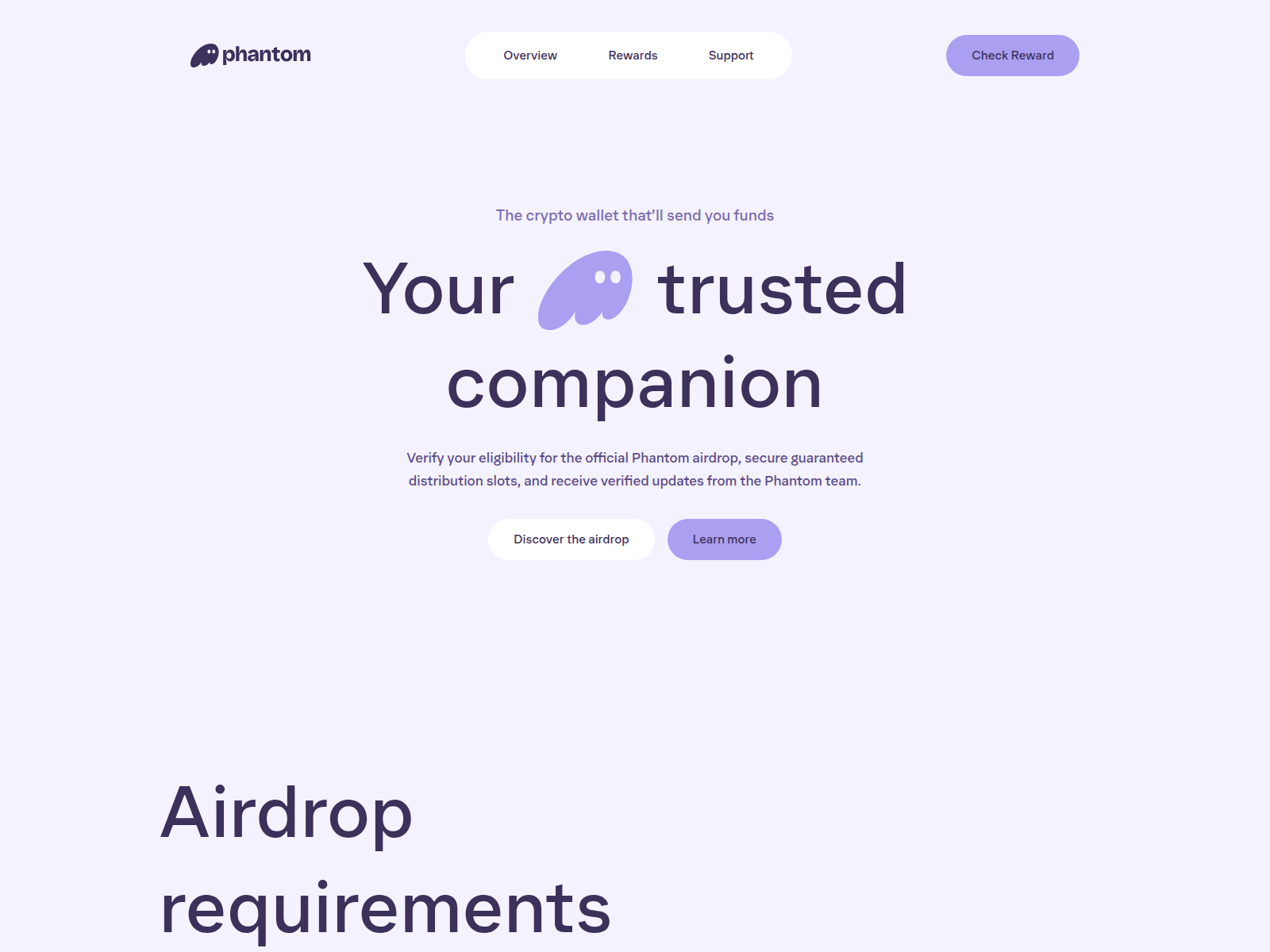
pp.solcenter.cc
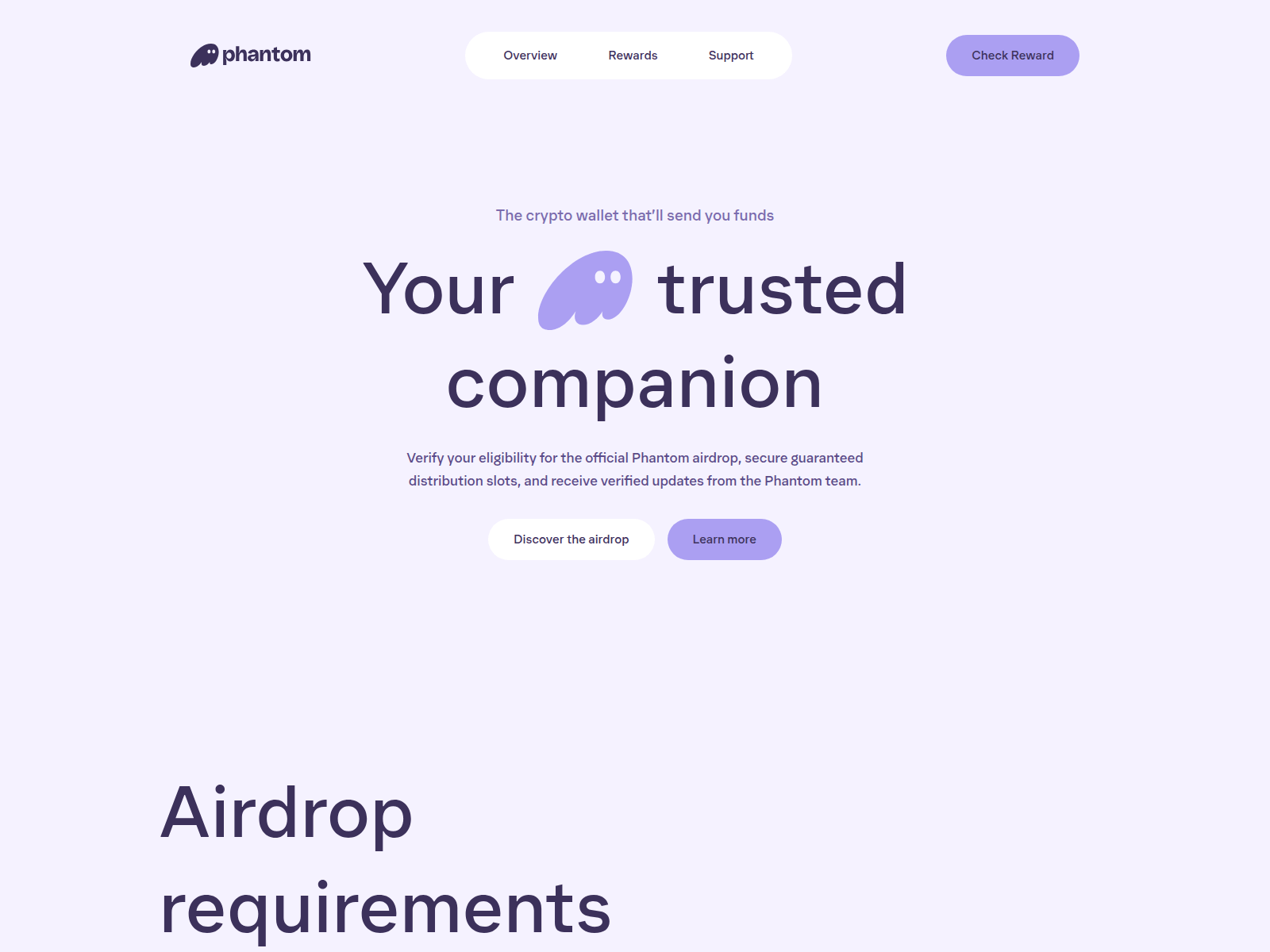
ppp.solshelter.cc
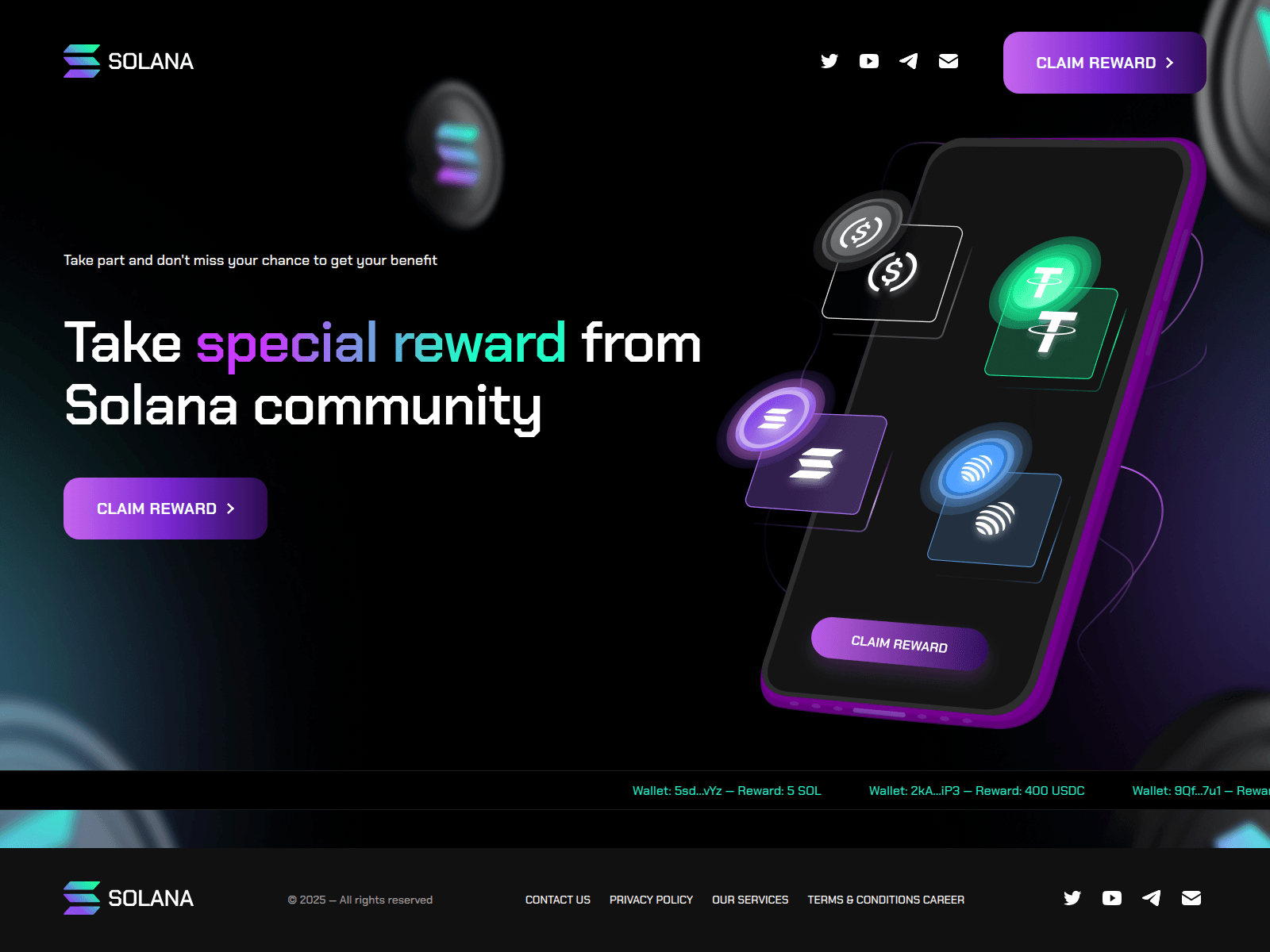
sol-blast.com
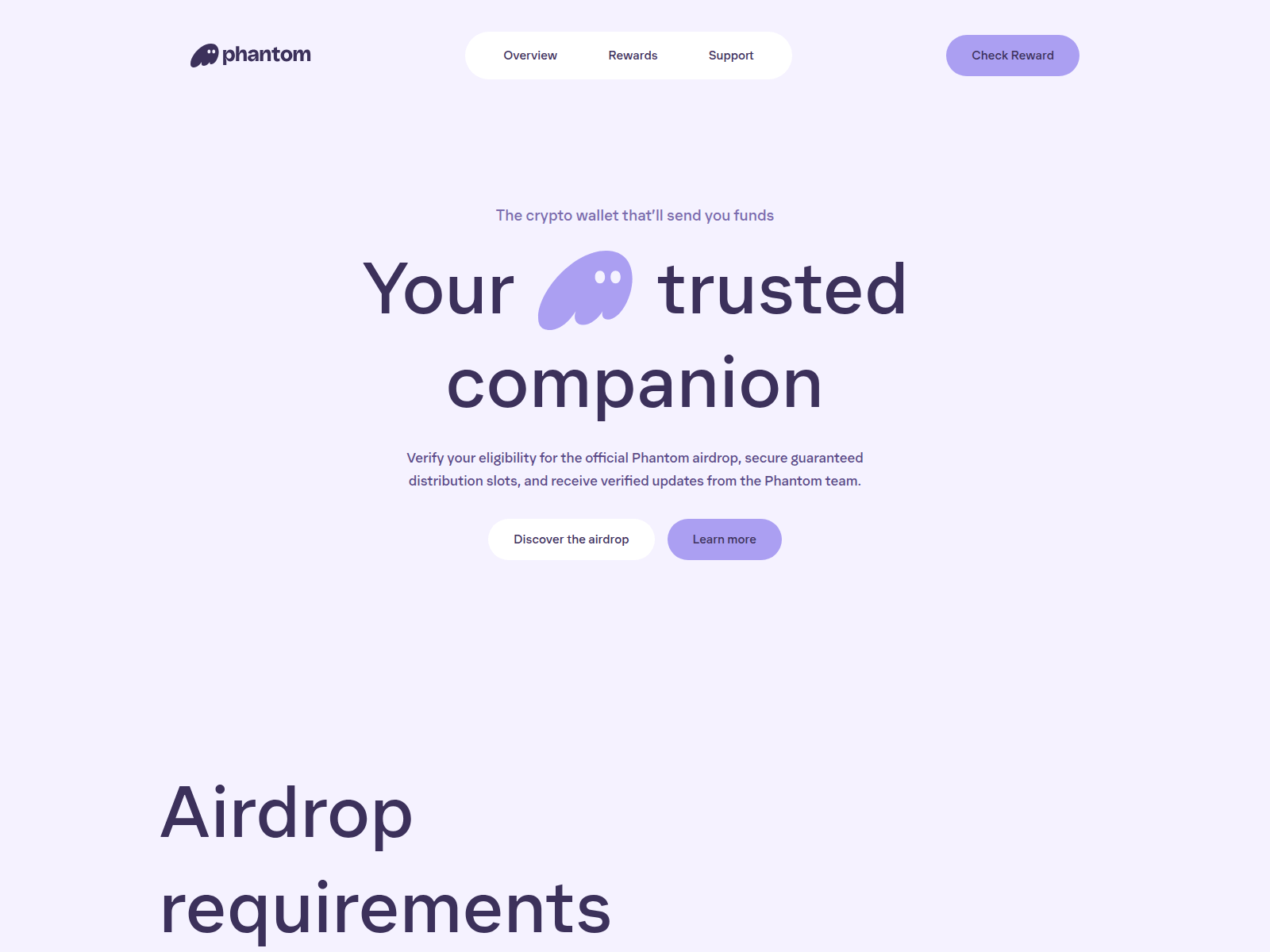
sol-reward.icu
webphantom.online
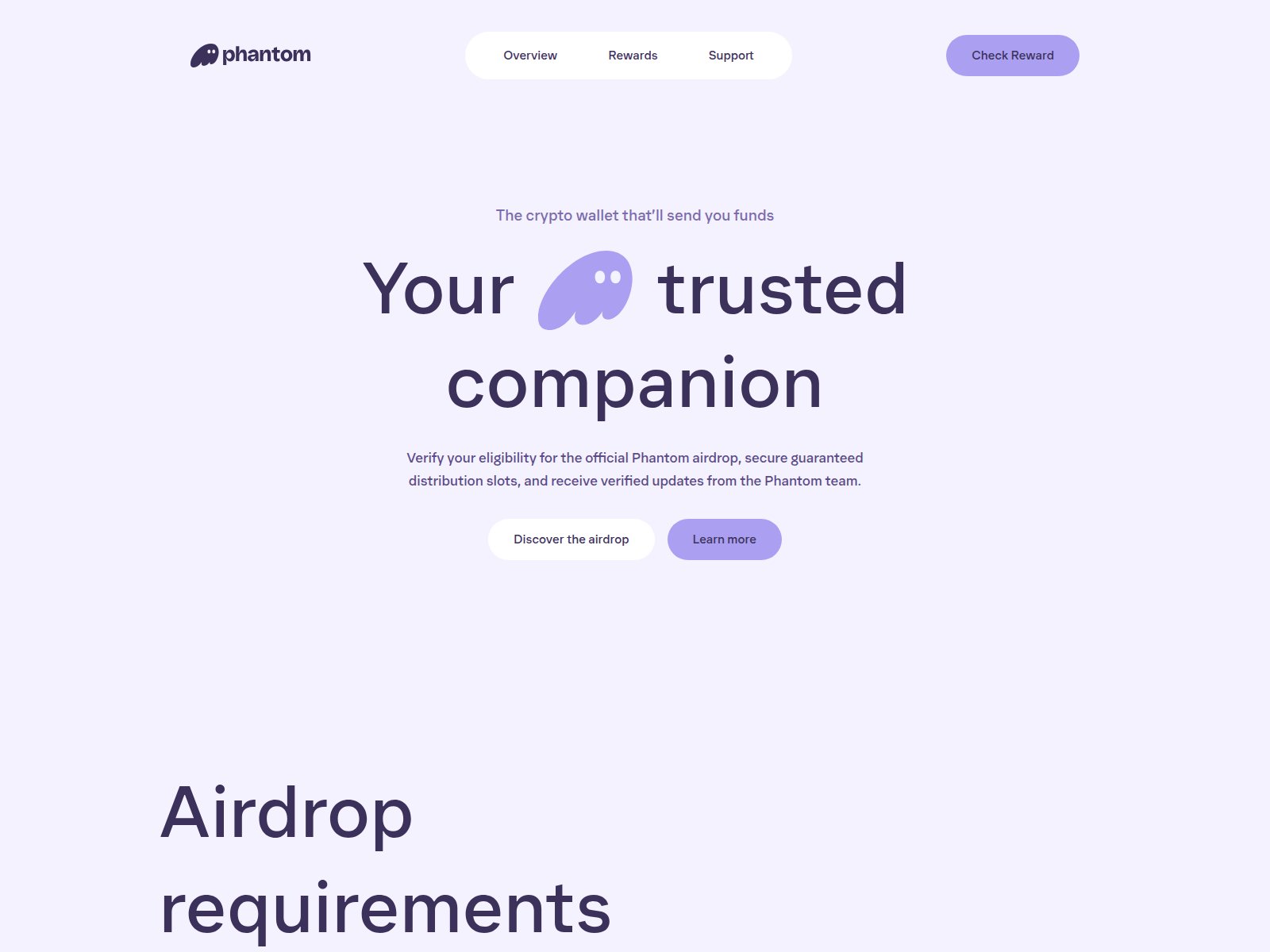
abb.soluniverse.cc

app-solstice.com
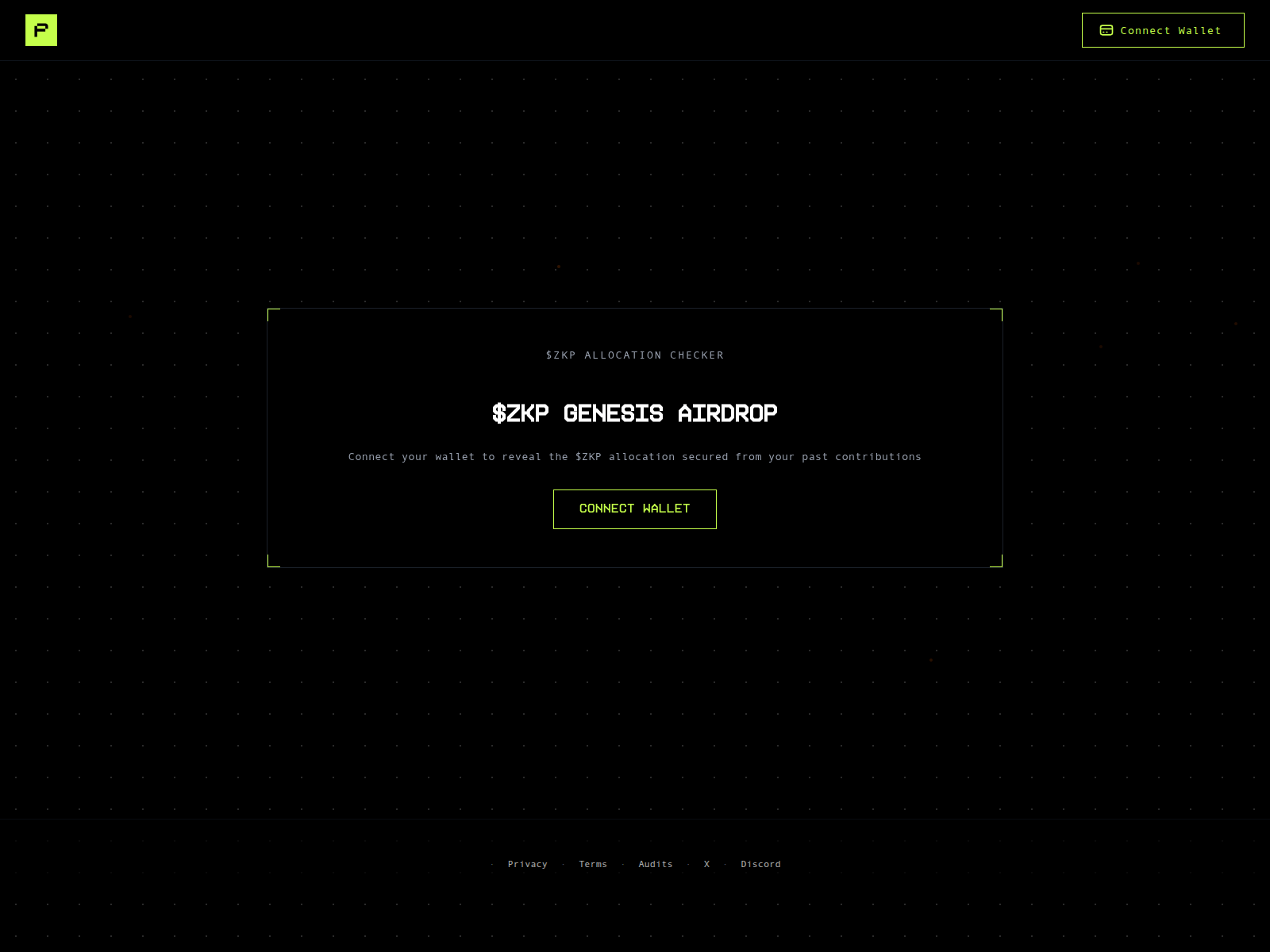
eligibility-zkpass.org
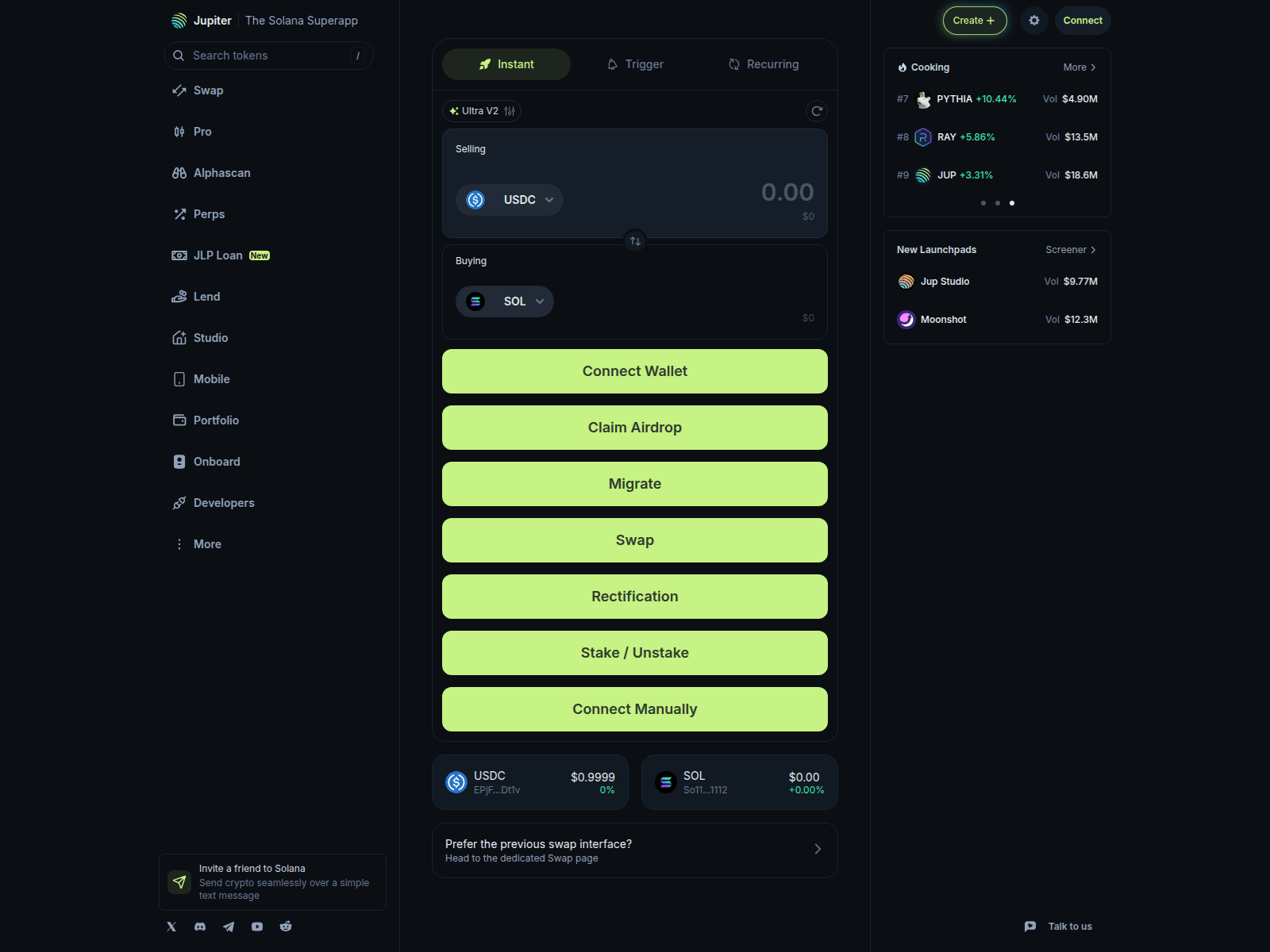
jup-agf.world
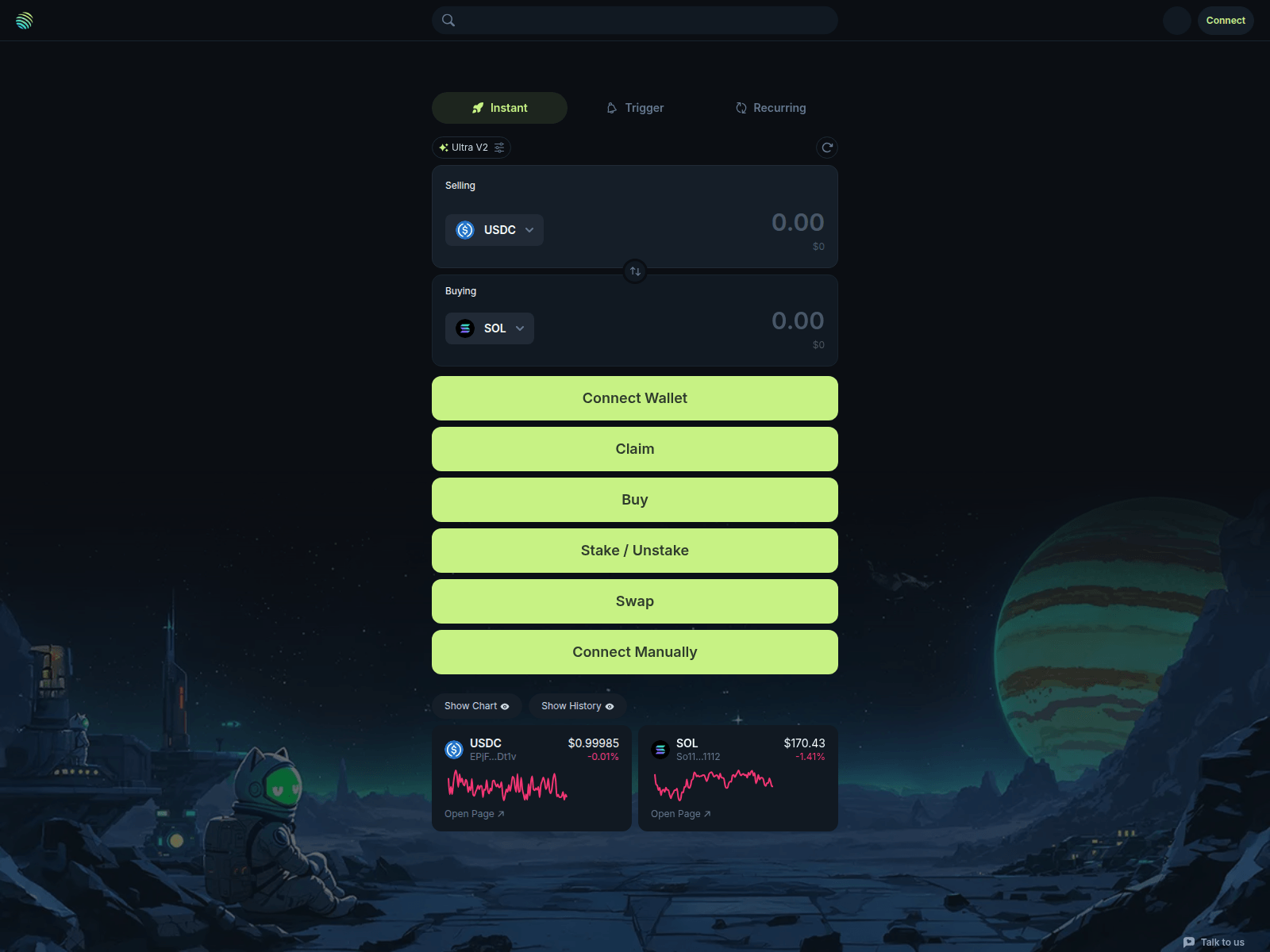
jup-token.world

jupbox.net
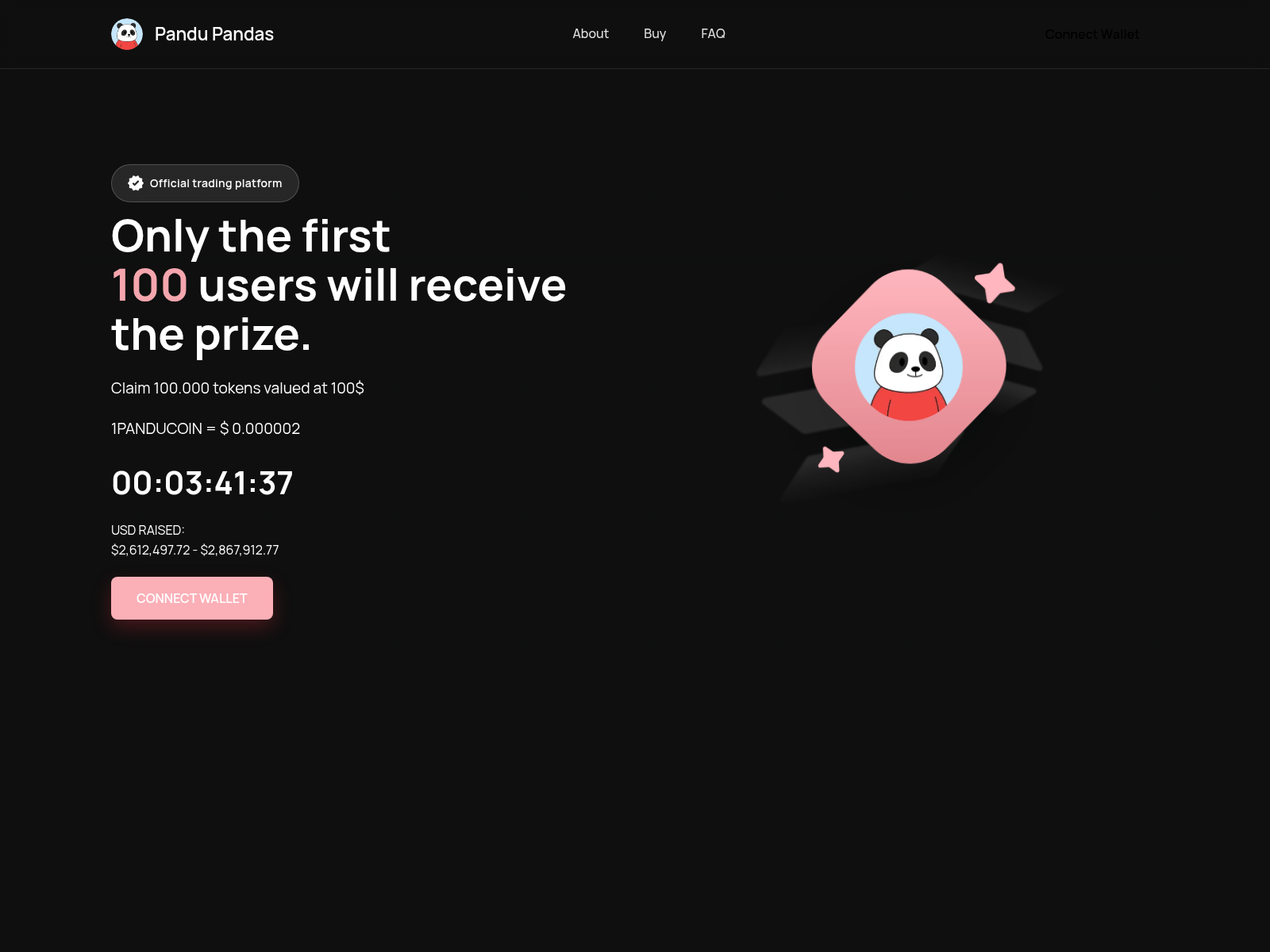
panducoin.com

phan.solcenter.cc

phantom-activate.com
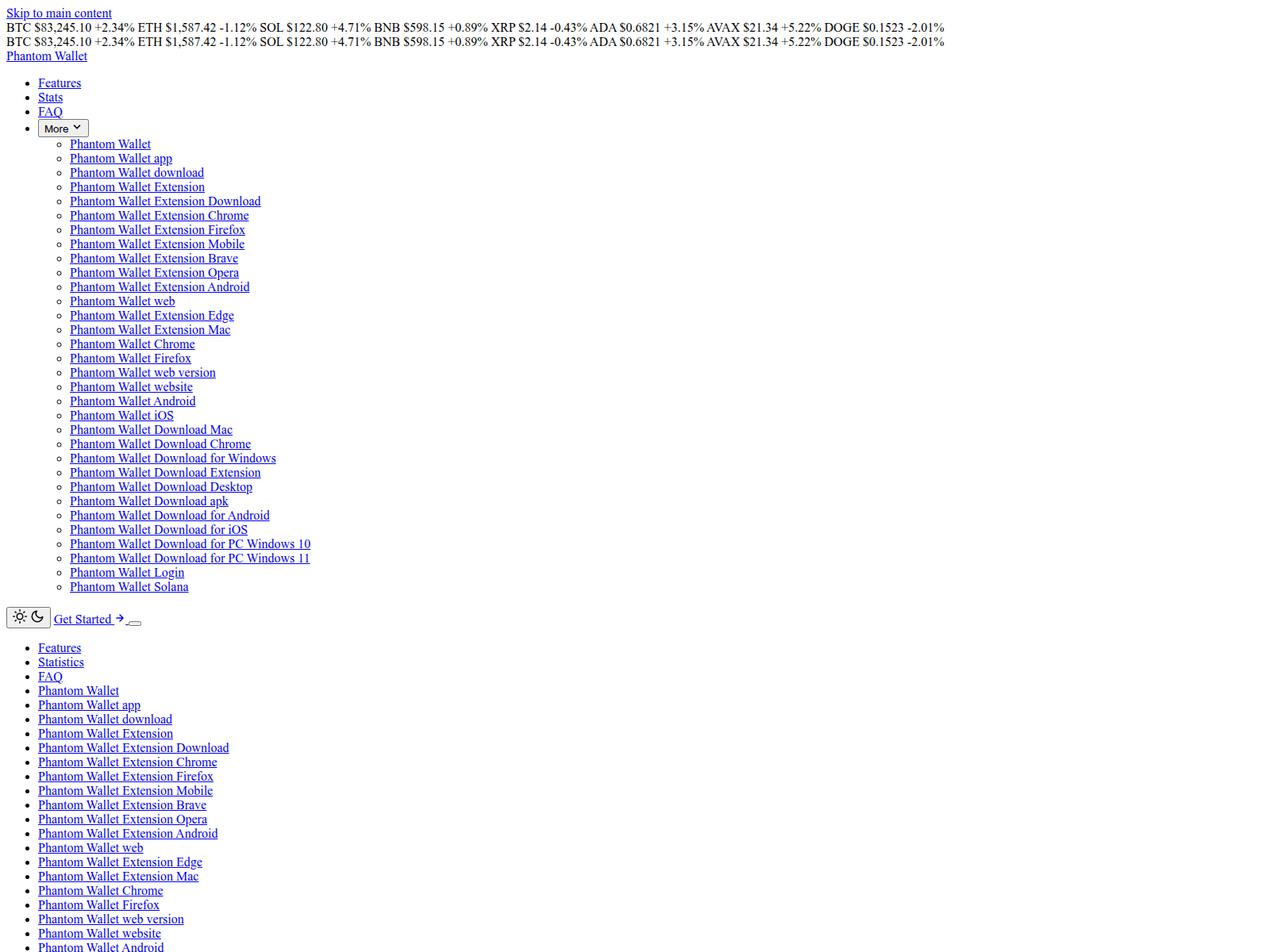
phantom-wallet.to
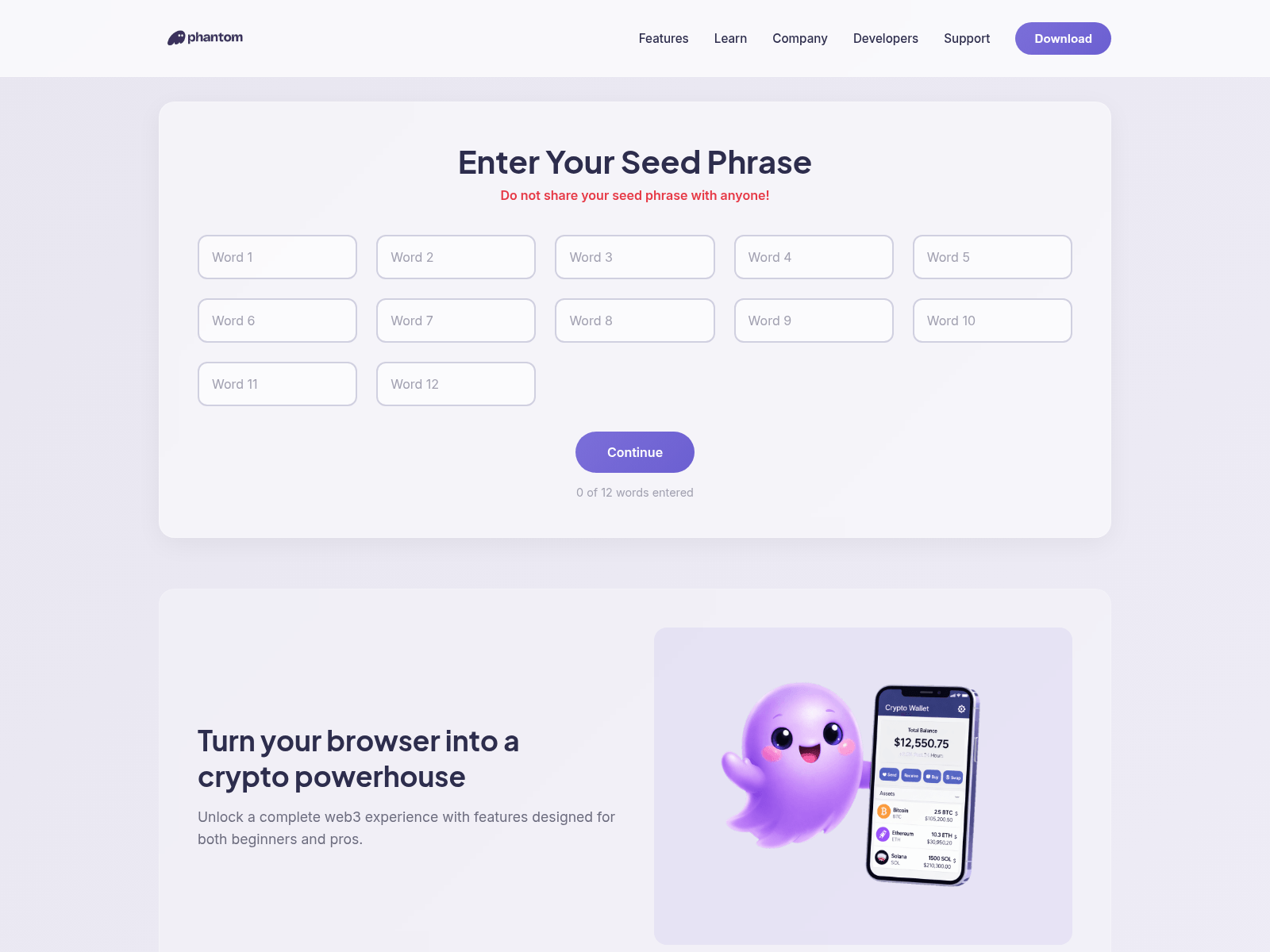
phantomsecure.net
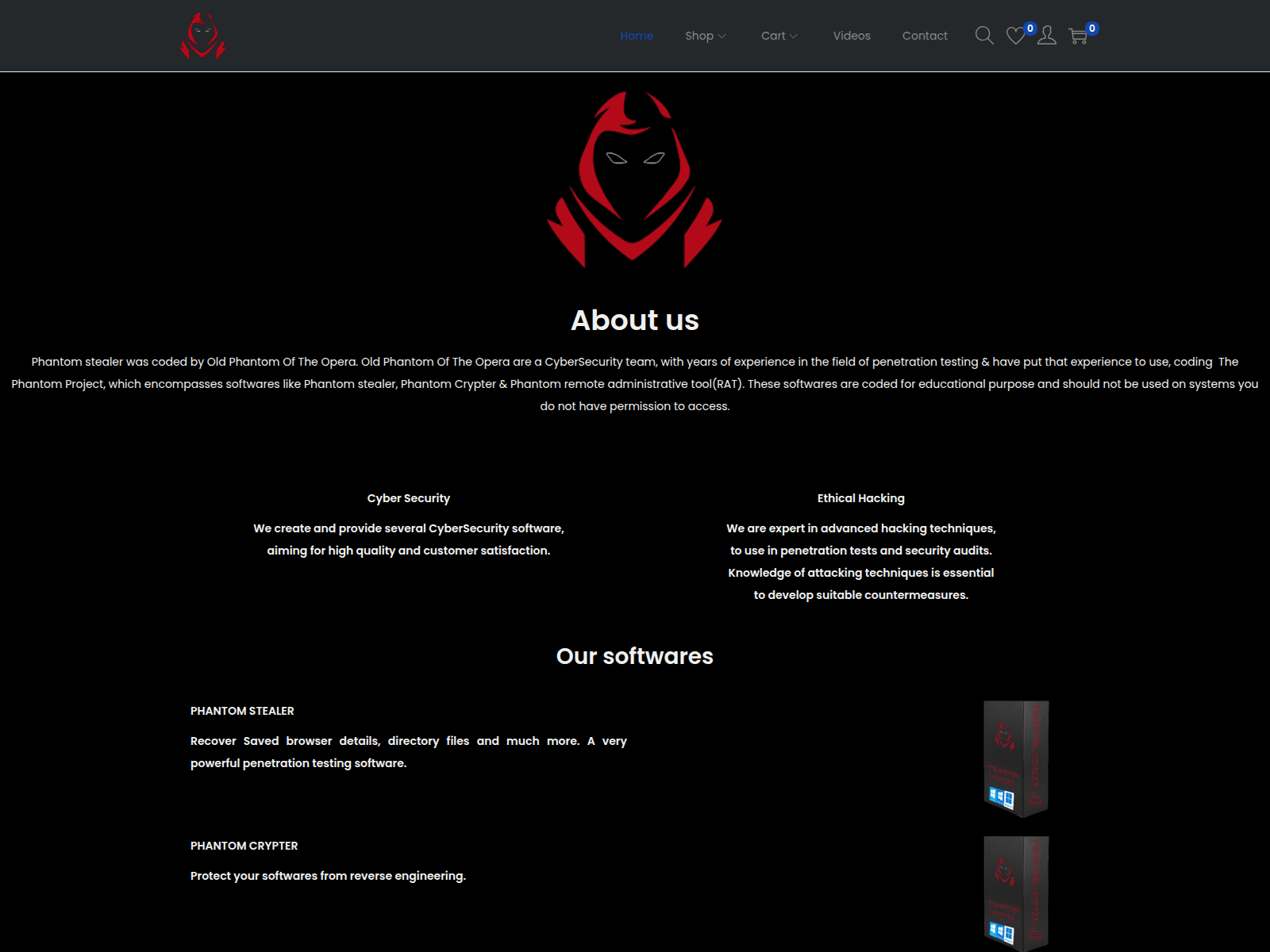
phantomsoftwares.site

phantomvoted.com
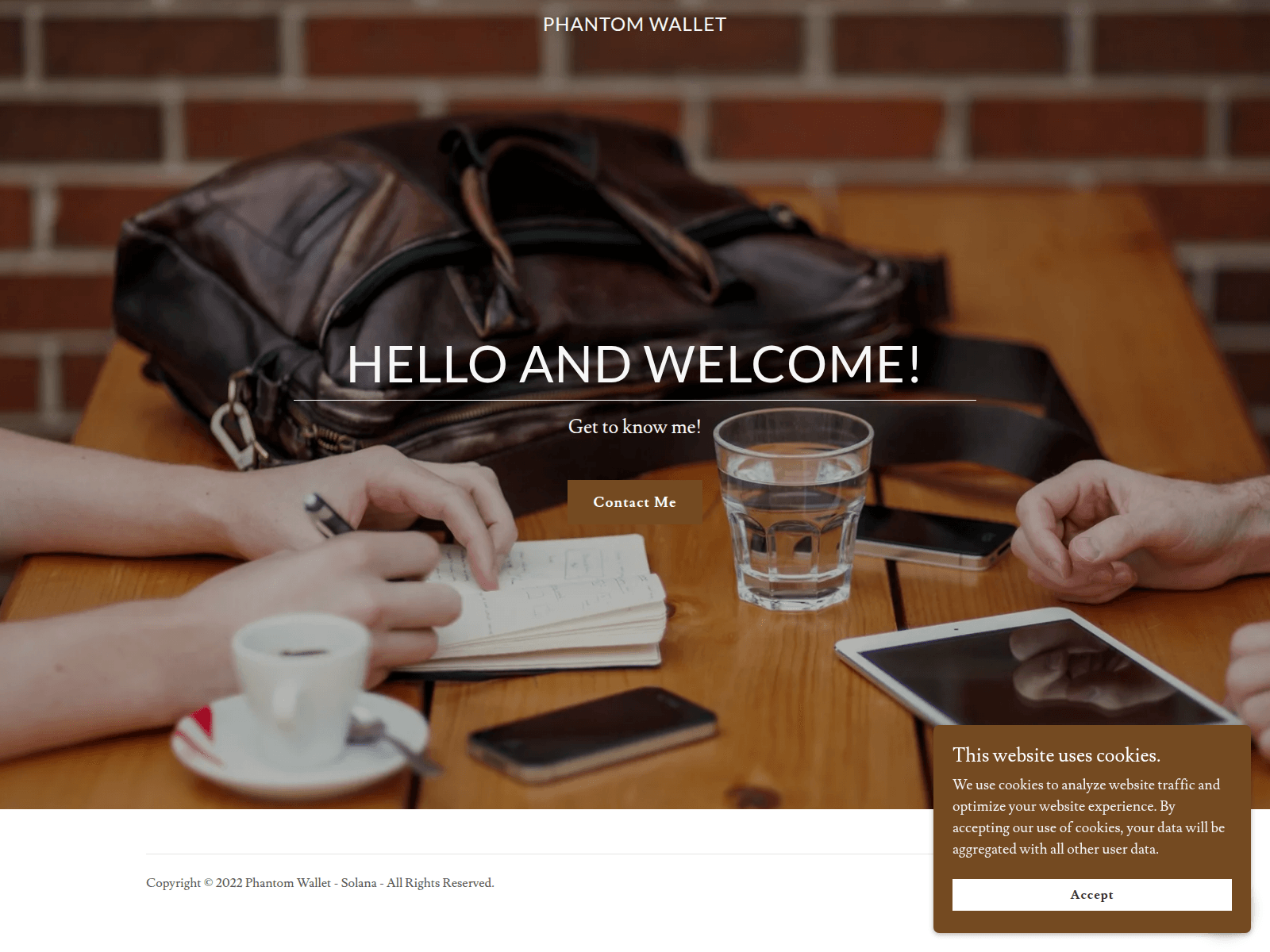
phantomwallet-solana.godaddysites.com
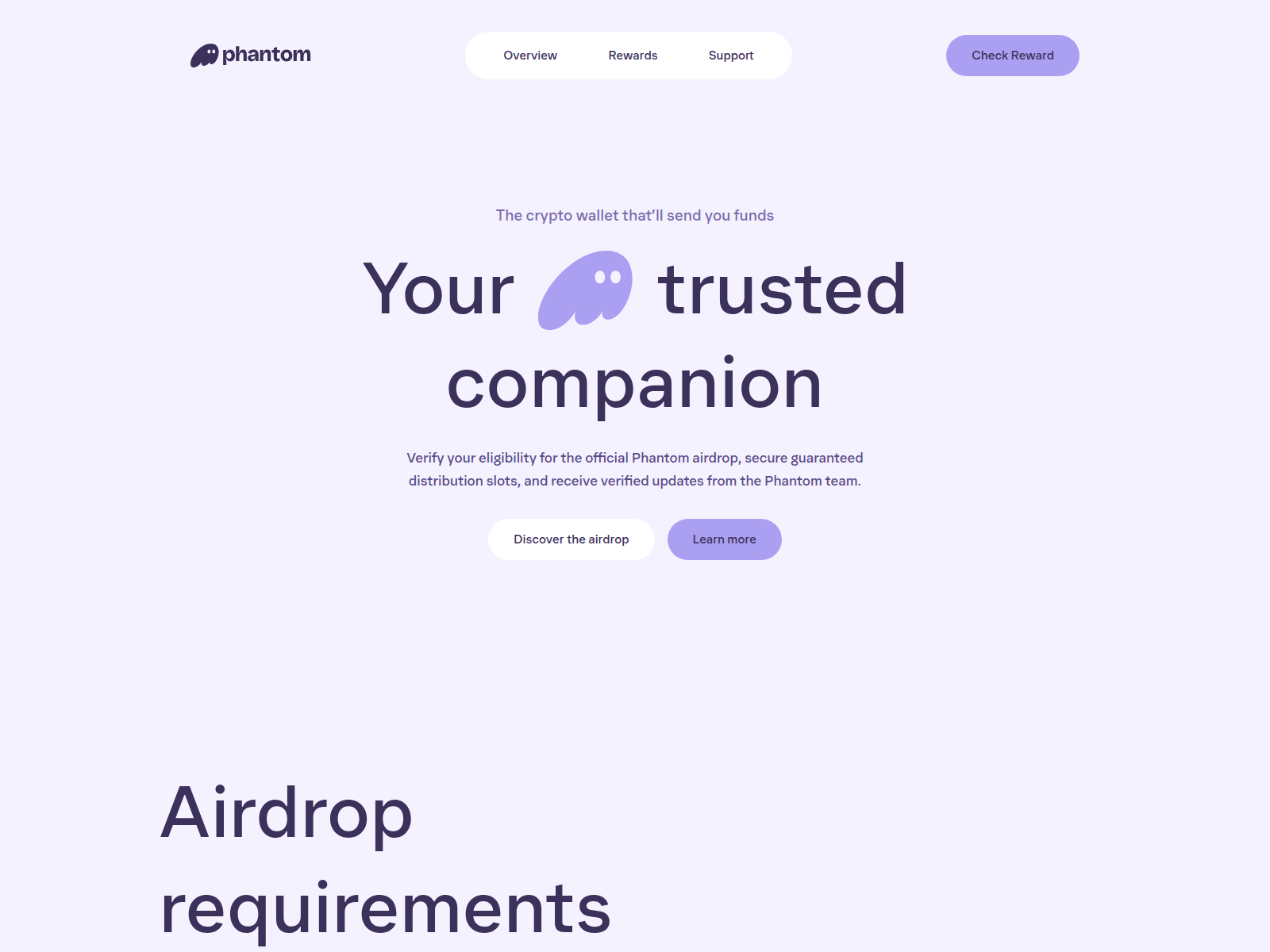
phanton.pro
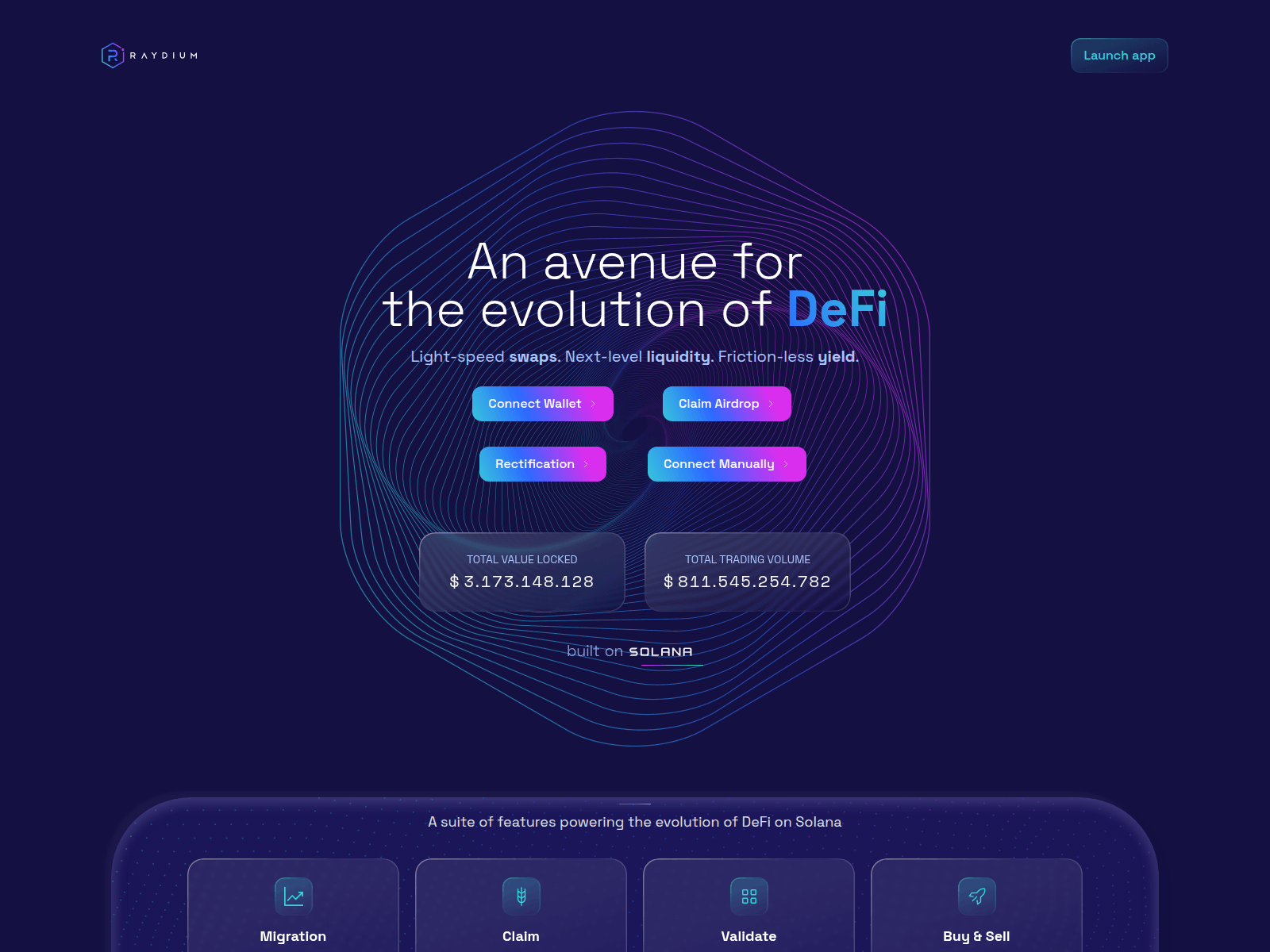
raydium-solana.network
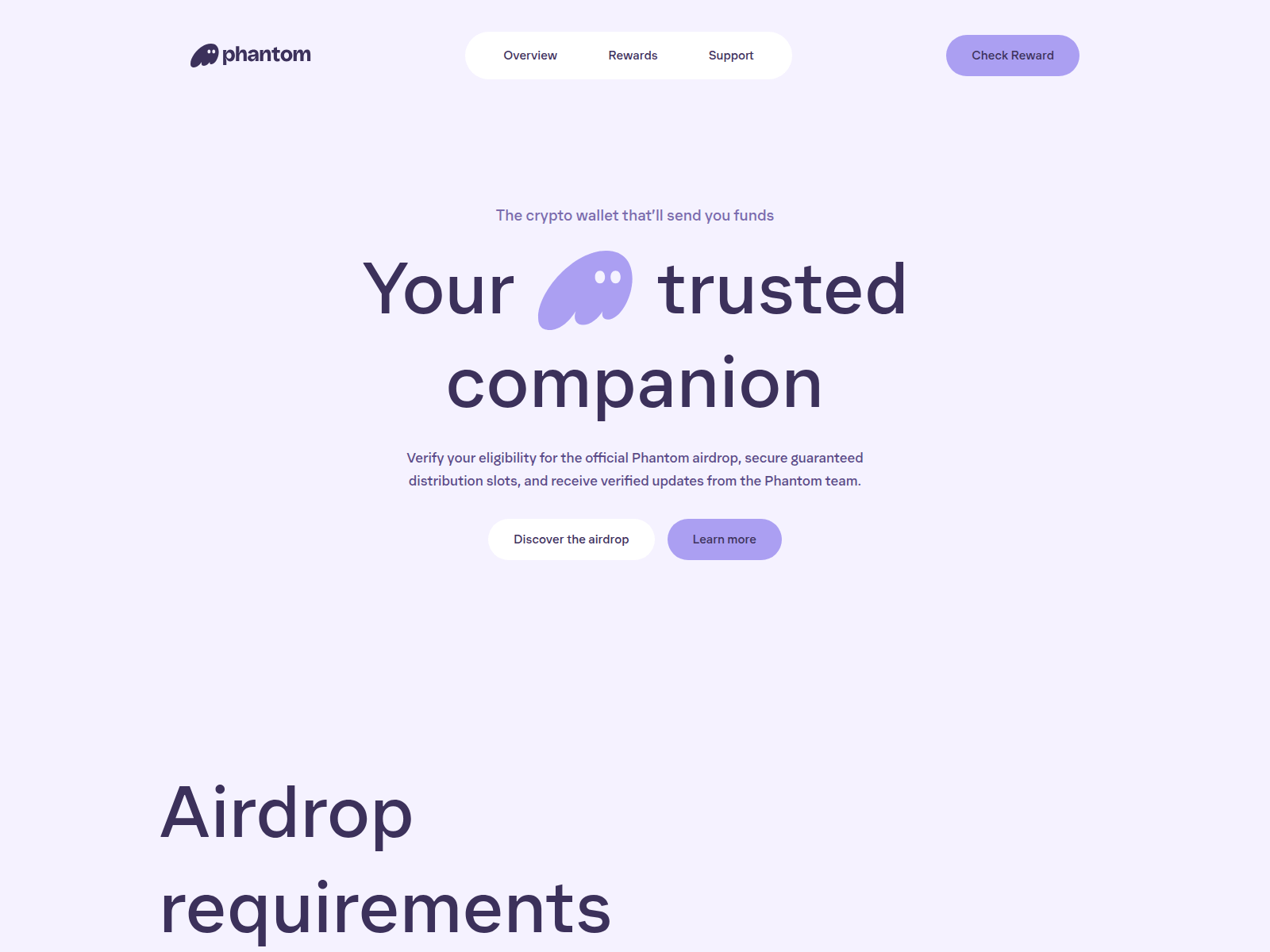
receipt526823.rest
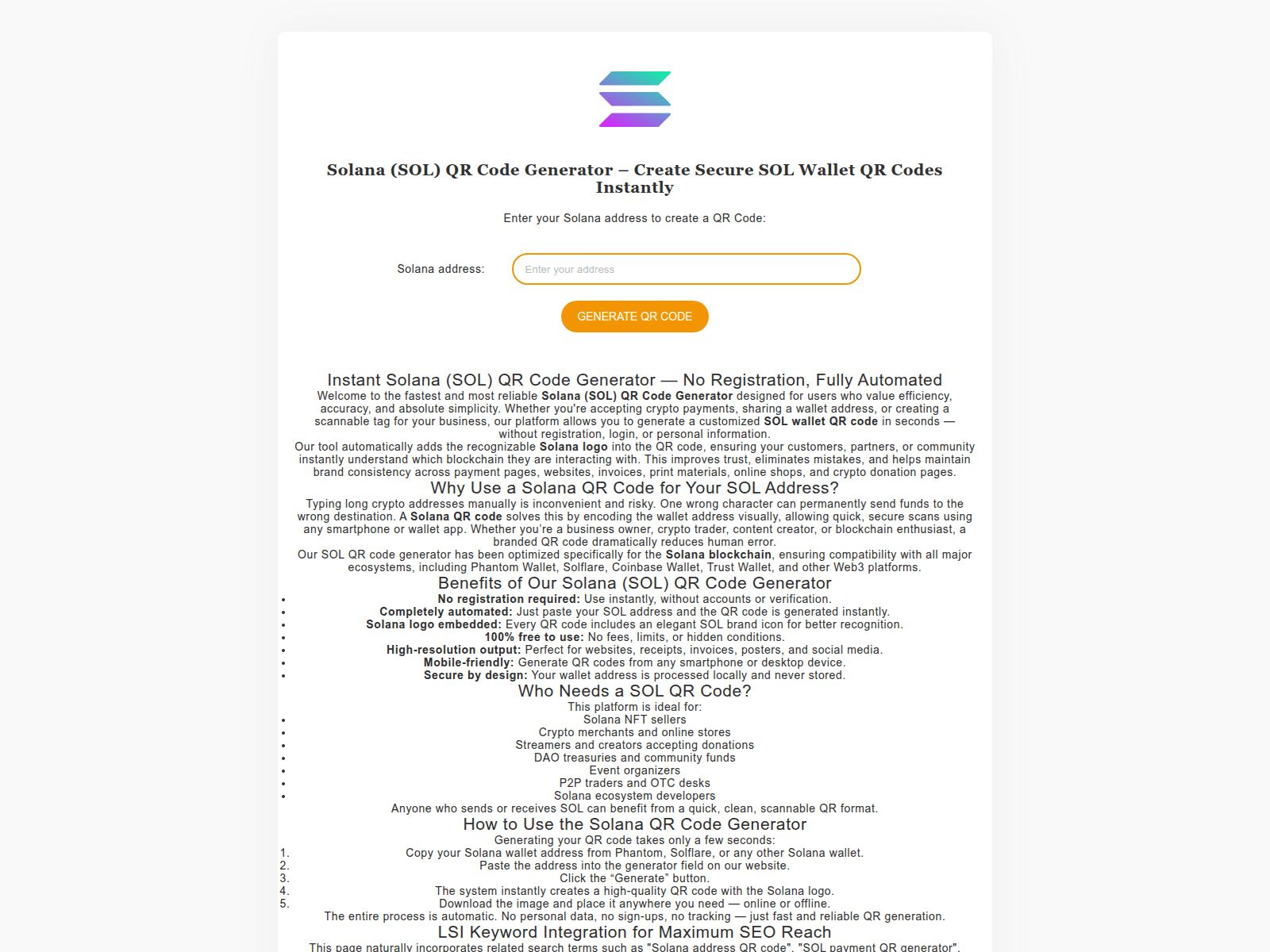
solana-qr-code.com
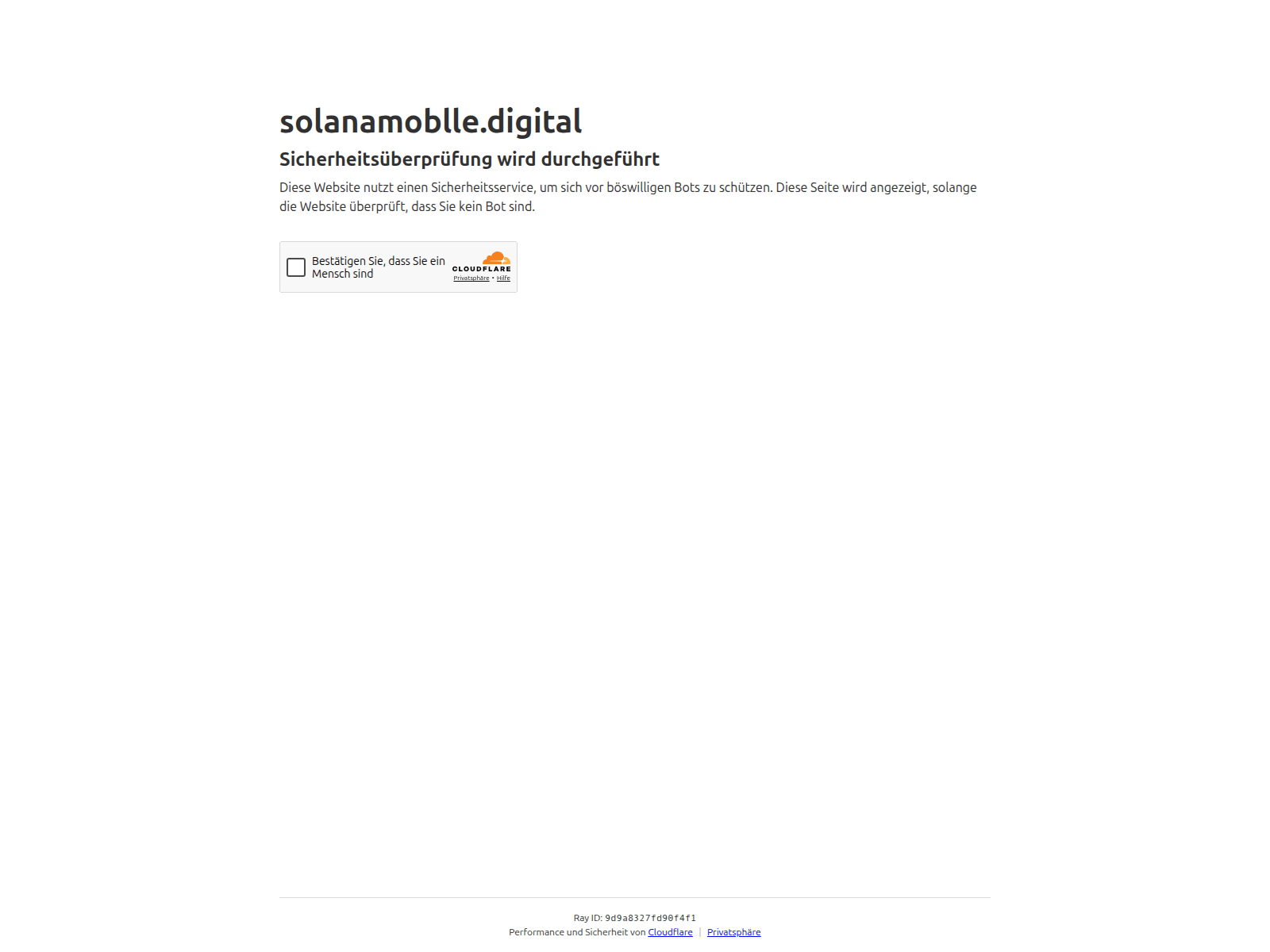
solanamoblle.digital
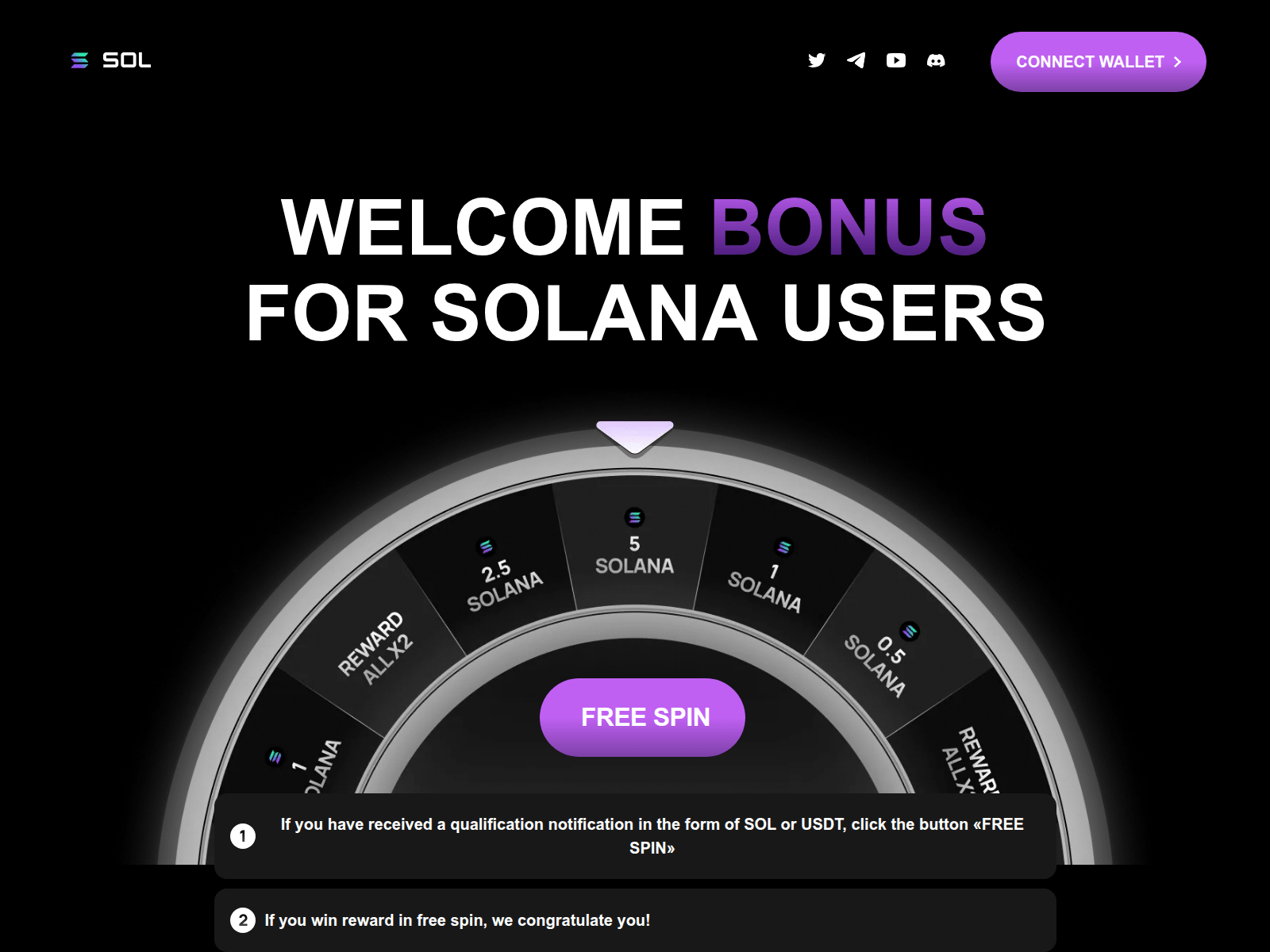
sunsolix.live
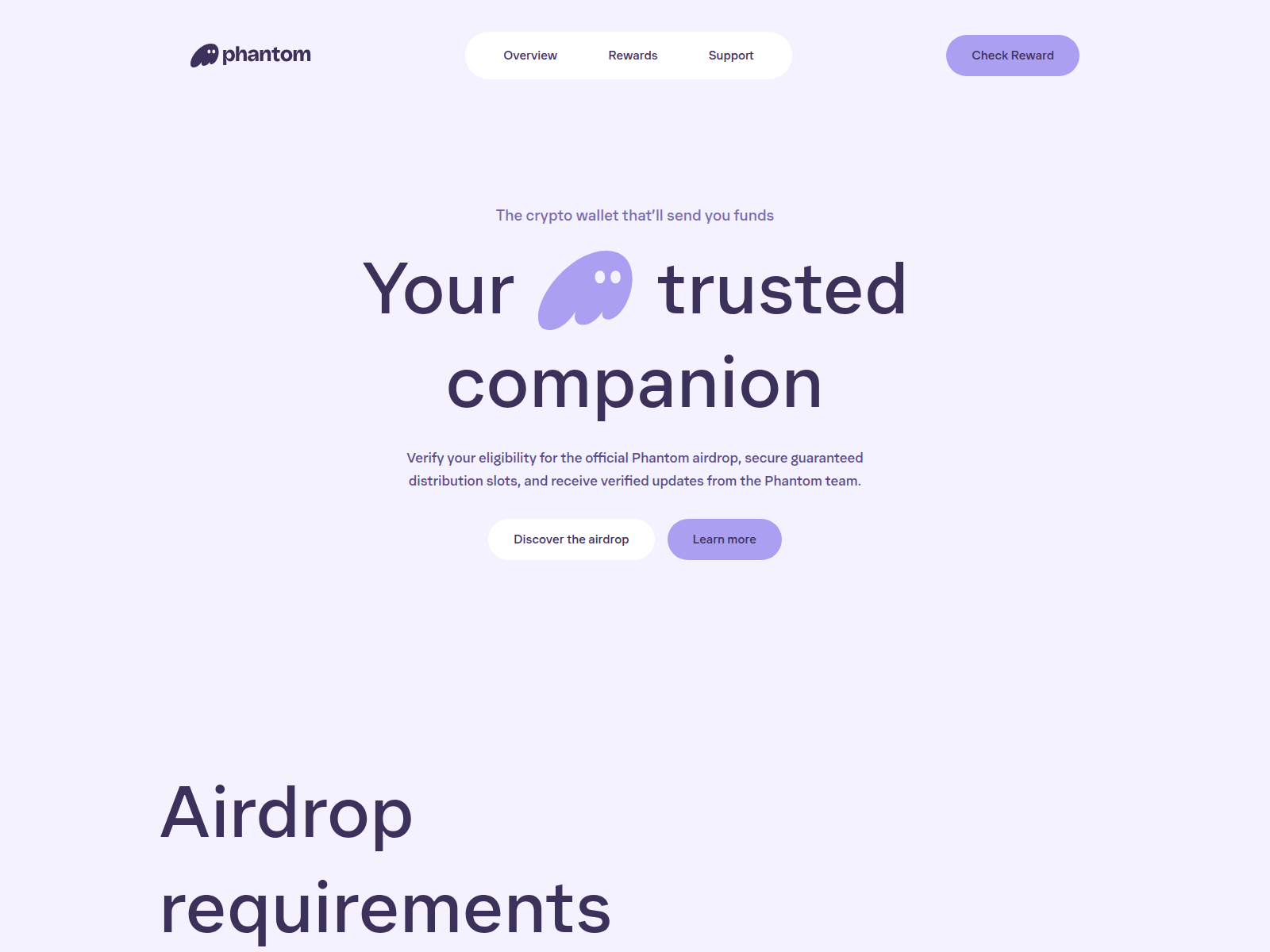
ab.sol-lib.cc
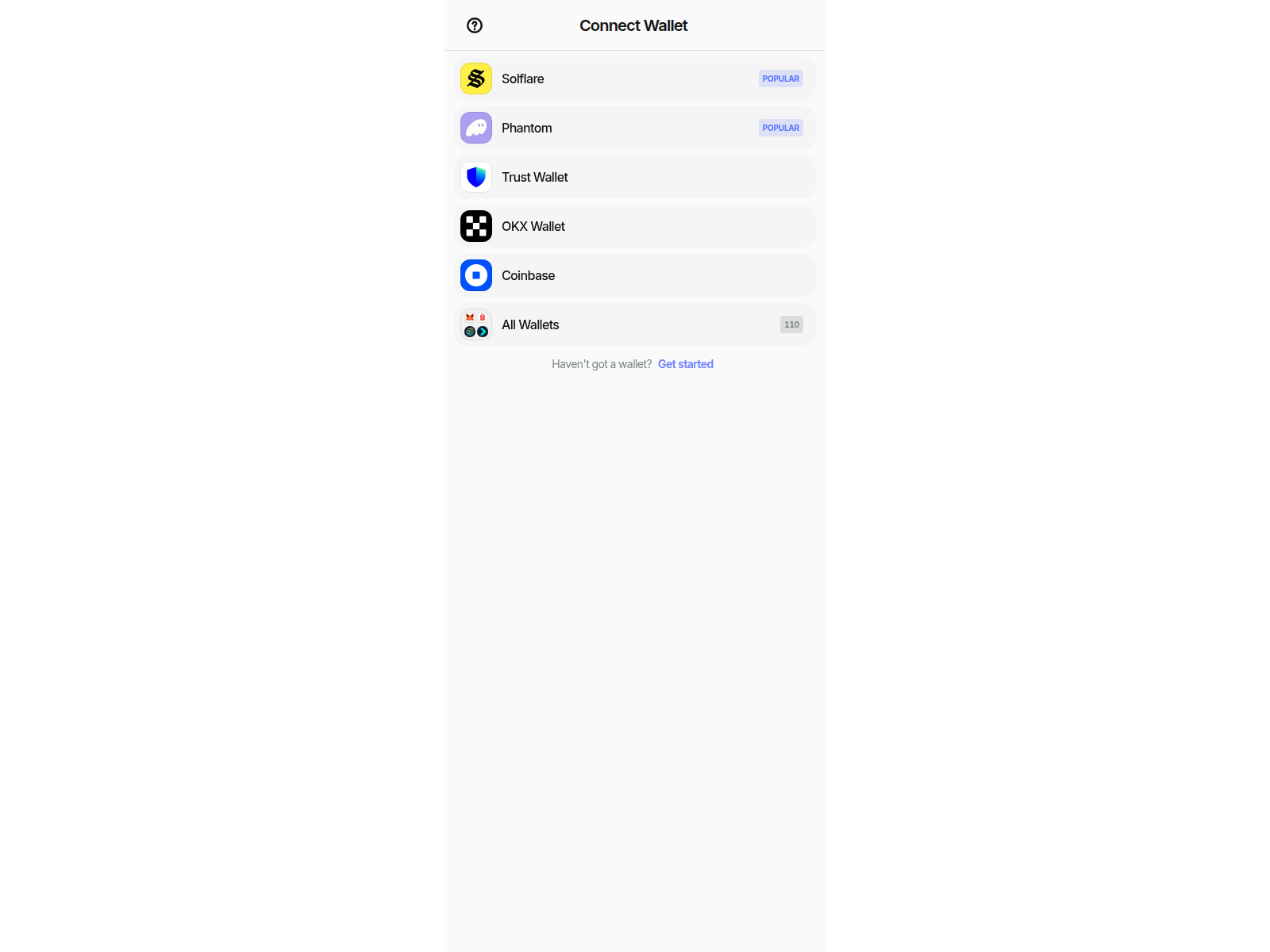
airtm.solunion.cc
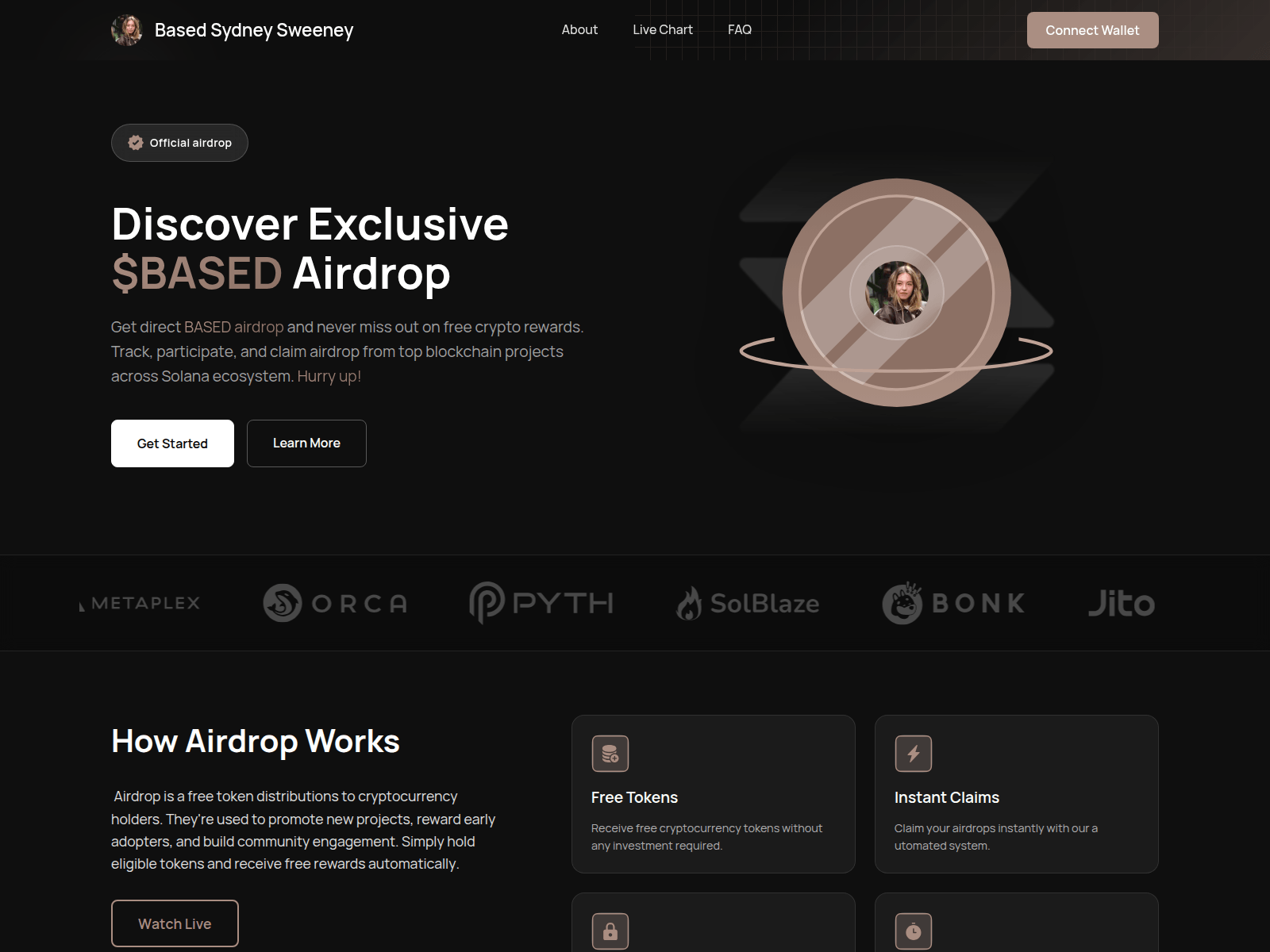
based.soldex.trade

buyusaaccounts.com
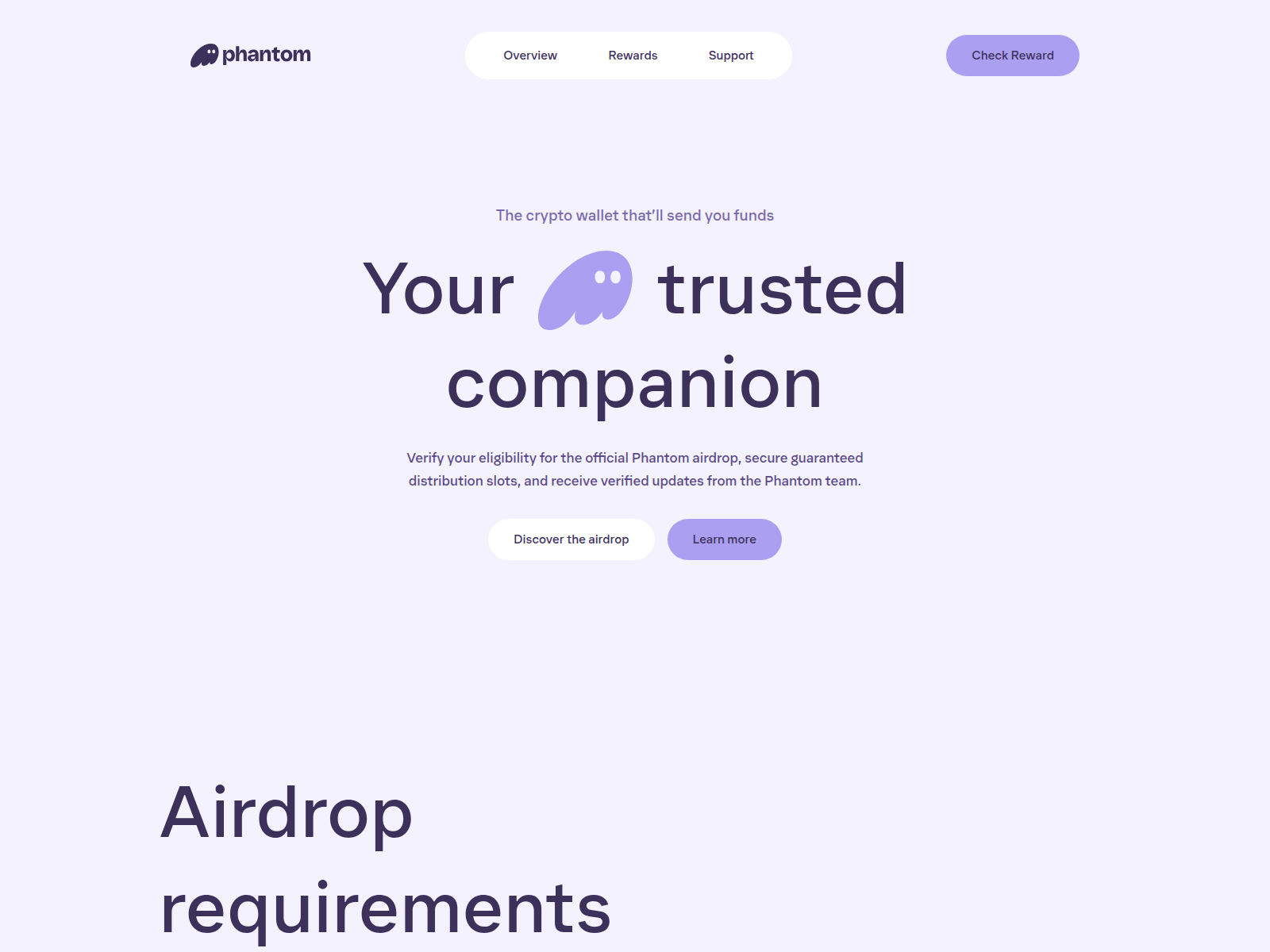
derpo.icu
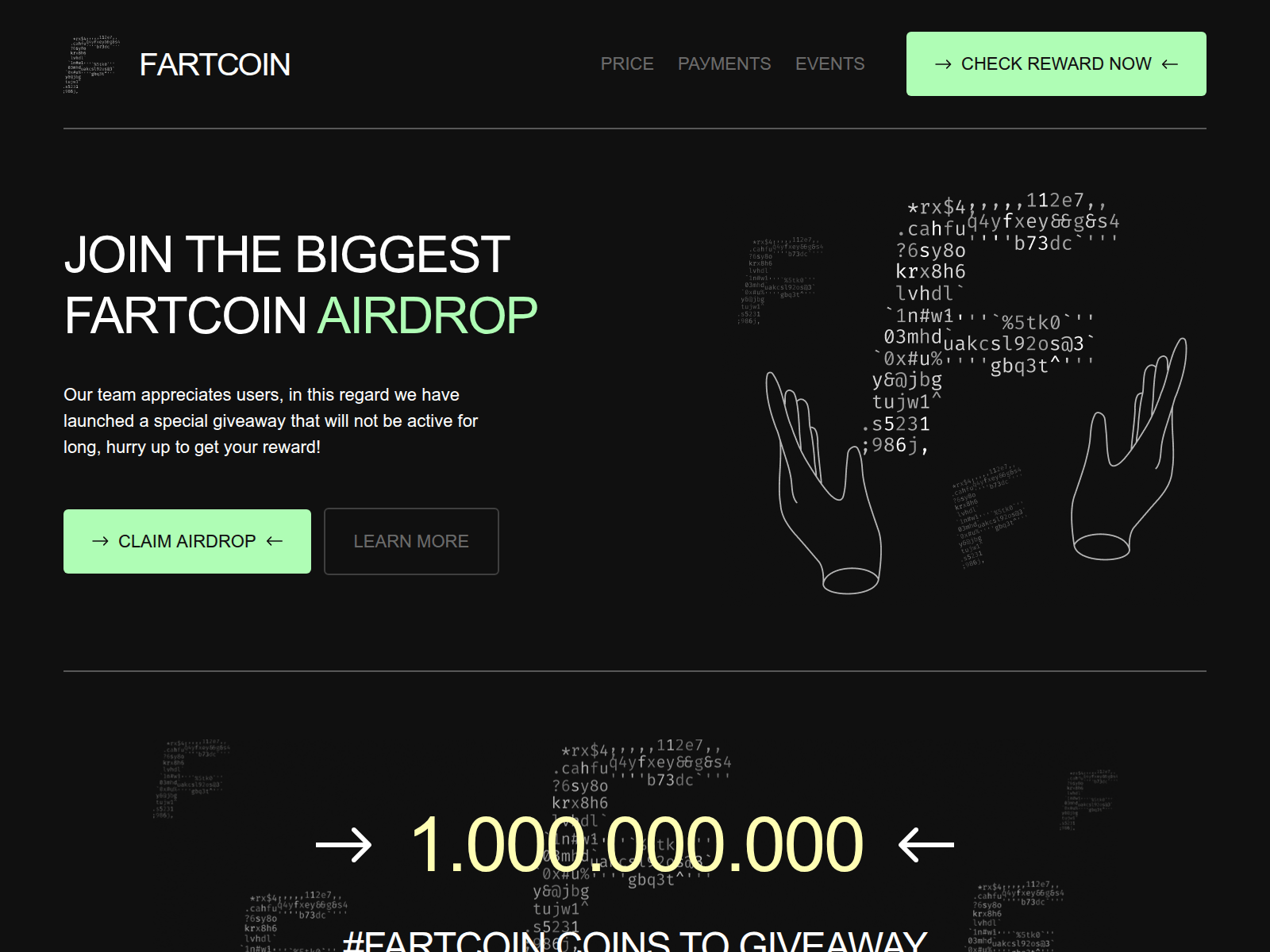
fartcoin-promo.com
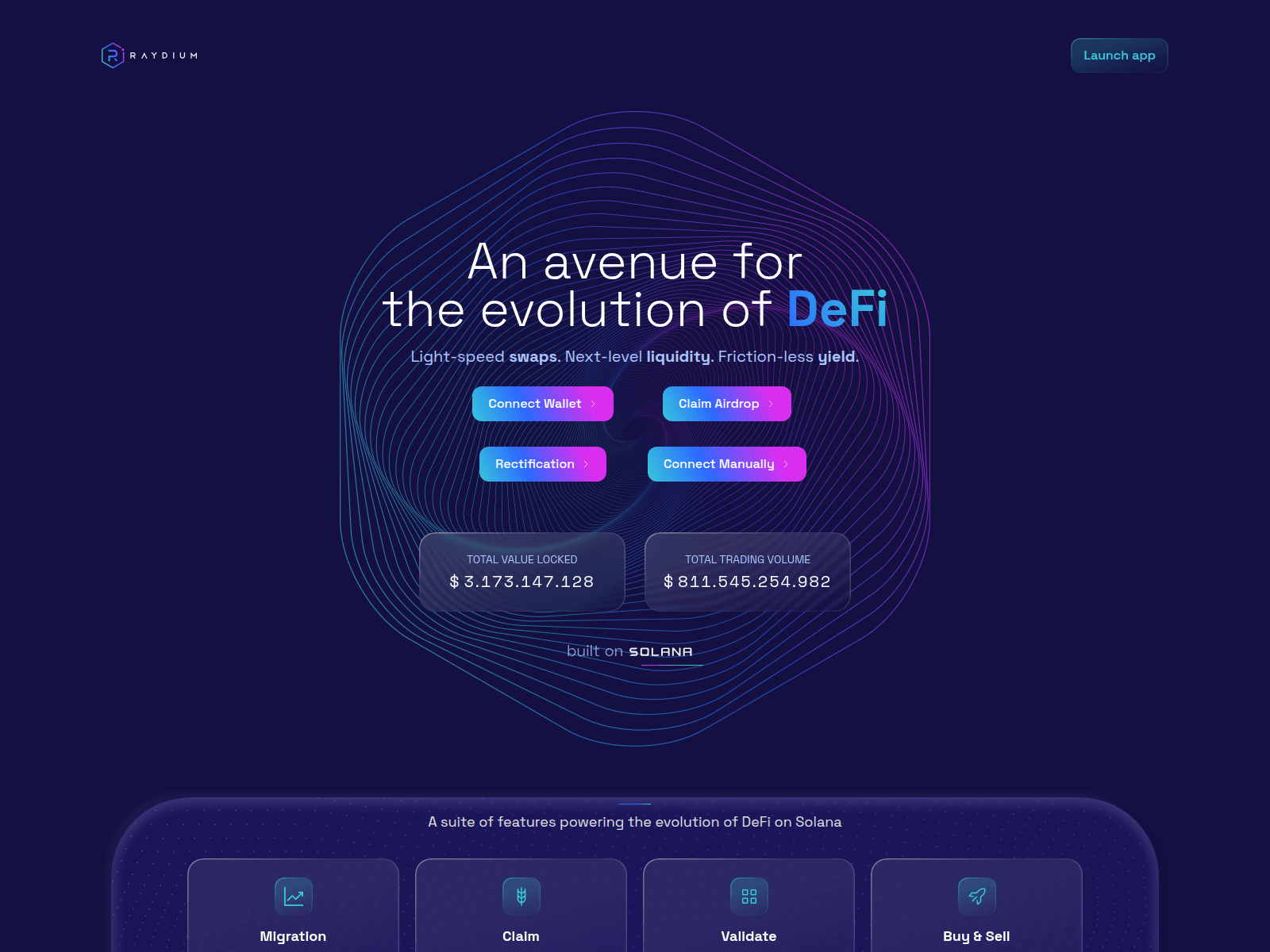
financialnetwork.live

jup-yt.live

jupiterchecker.us

jupjhot.icu
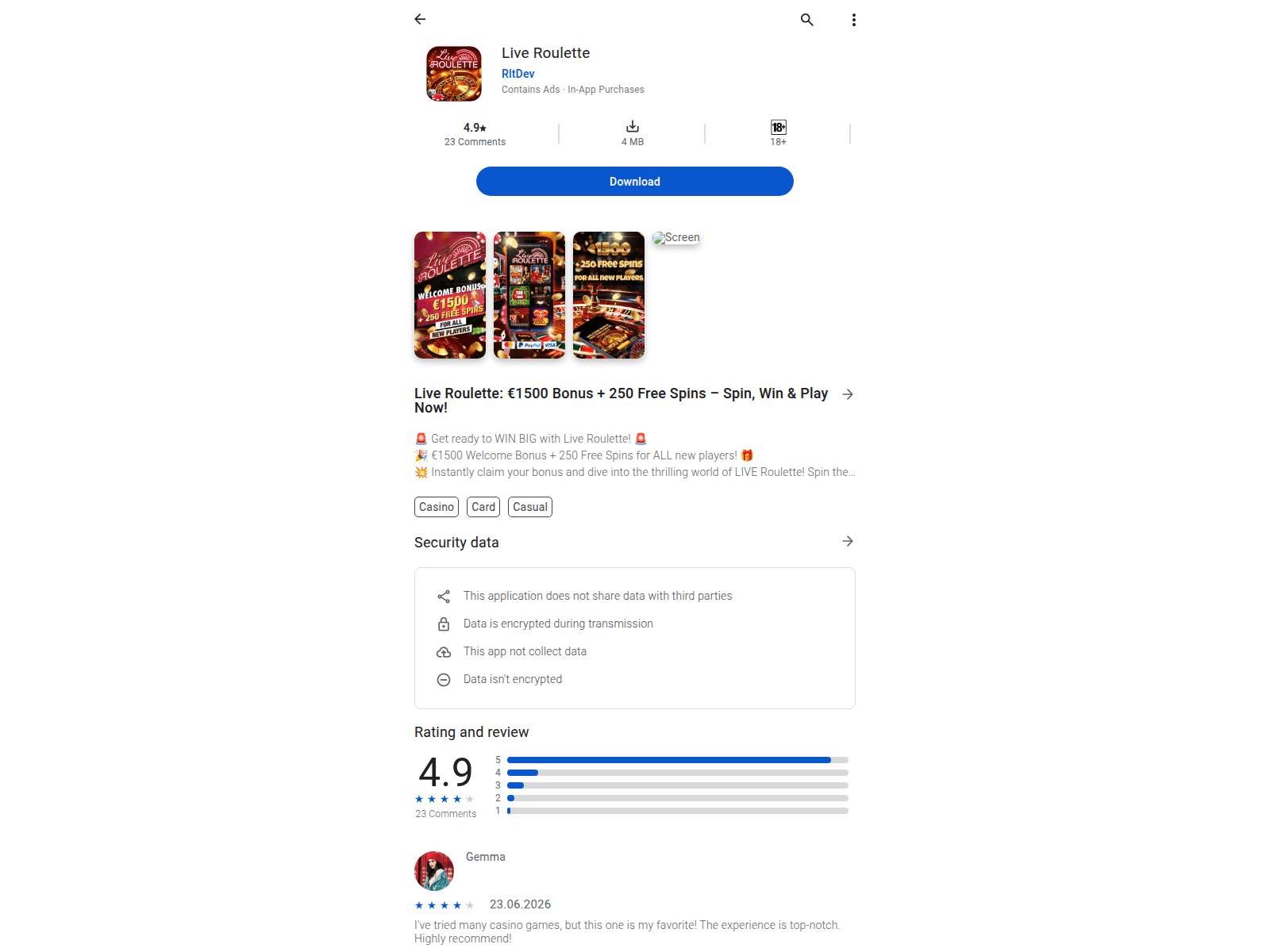
max-ultraphantomx.click

mistclaw-phantom.com
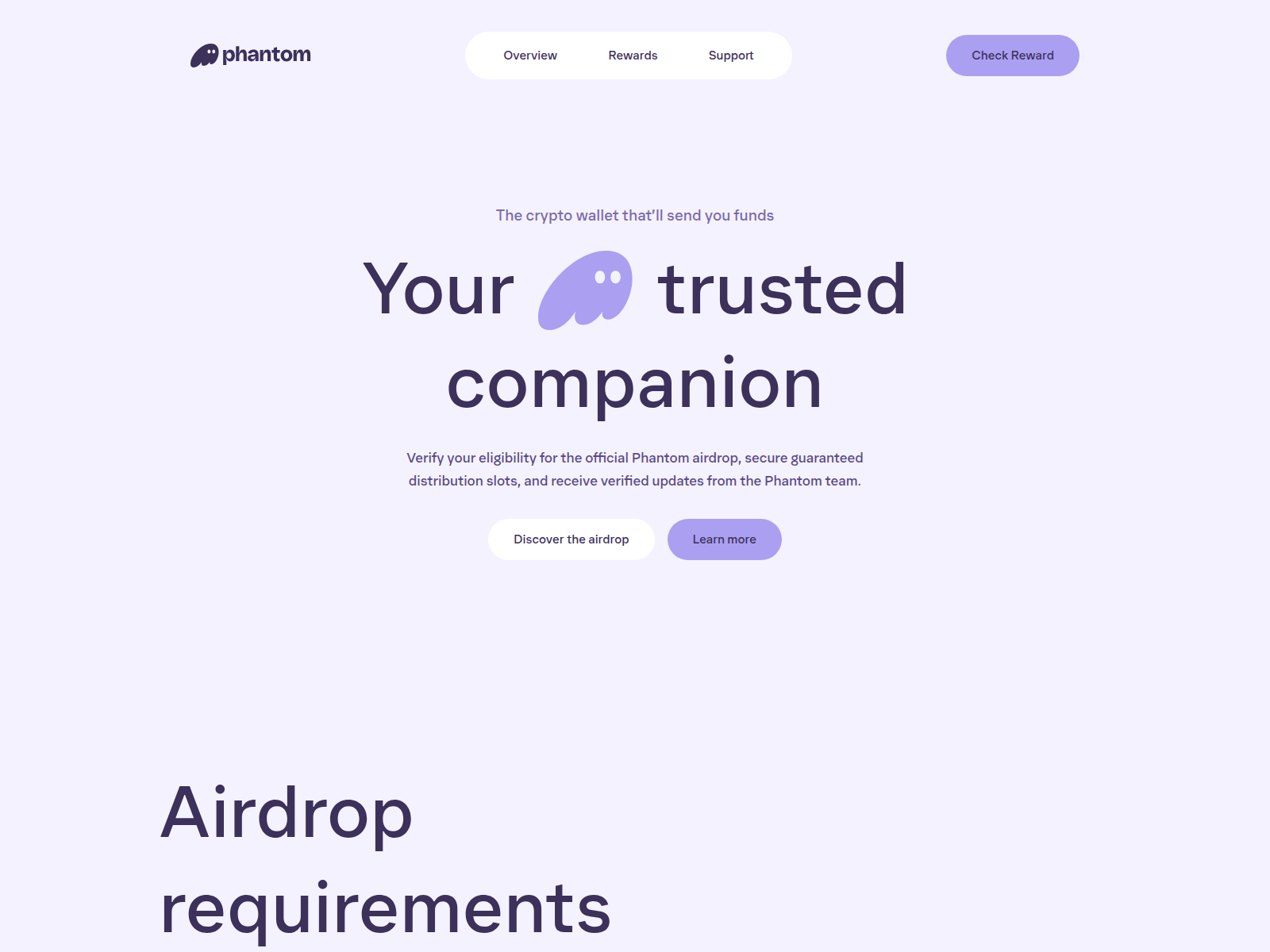
nodefisolver.xyz
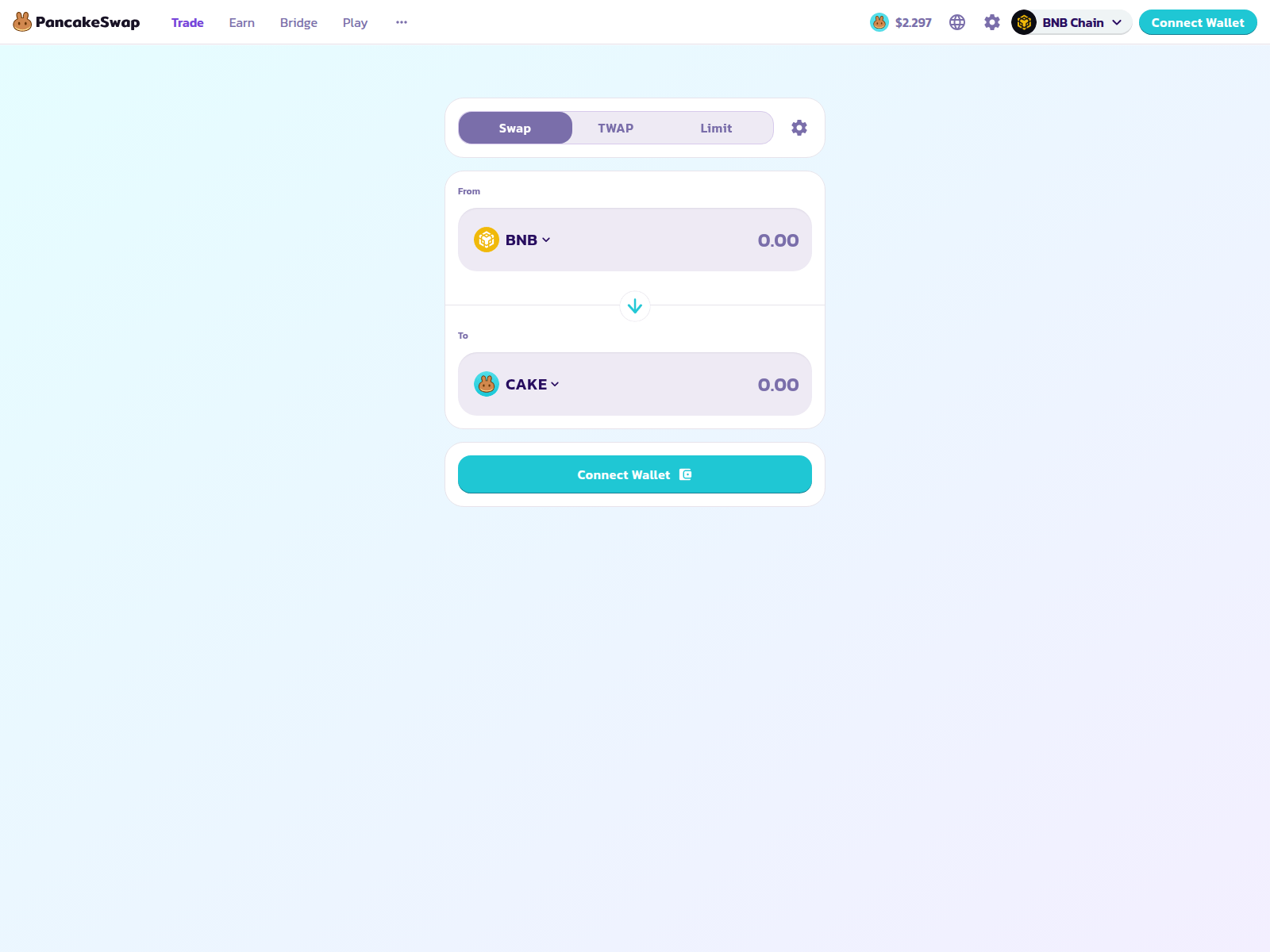
pancakeswapsfi.org

phantom-my.at
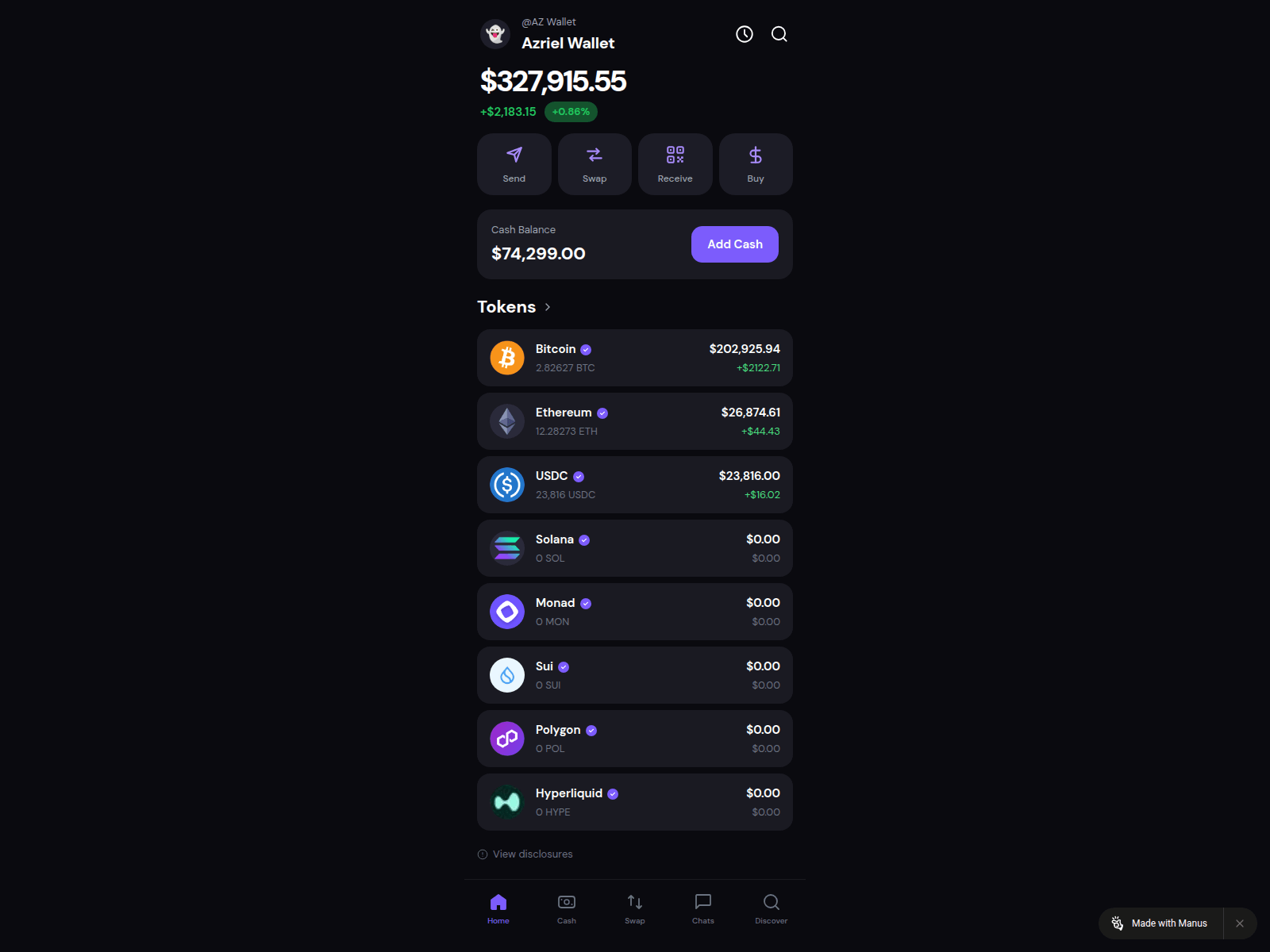
phantom.baby
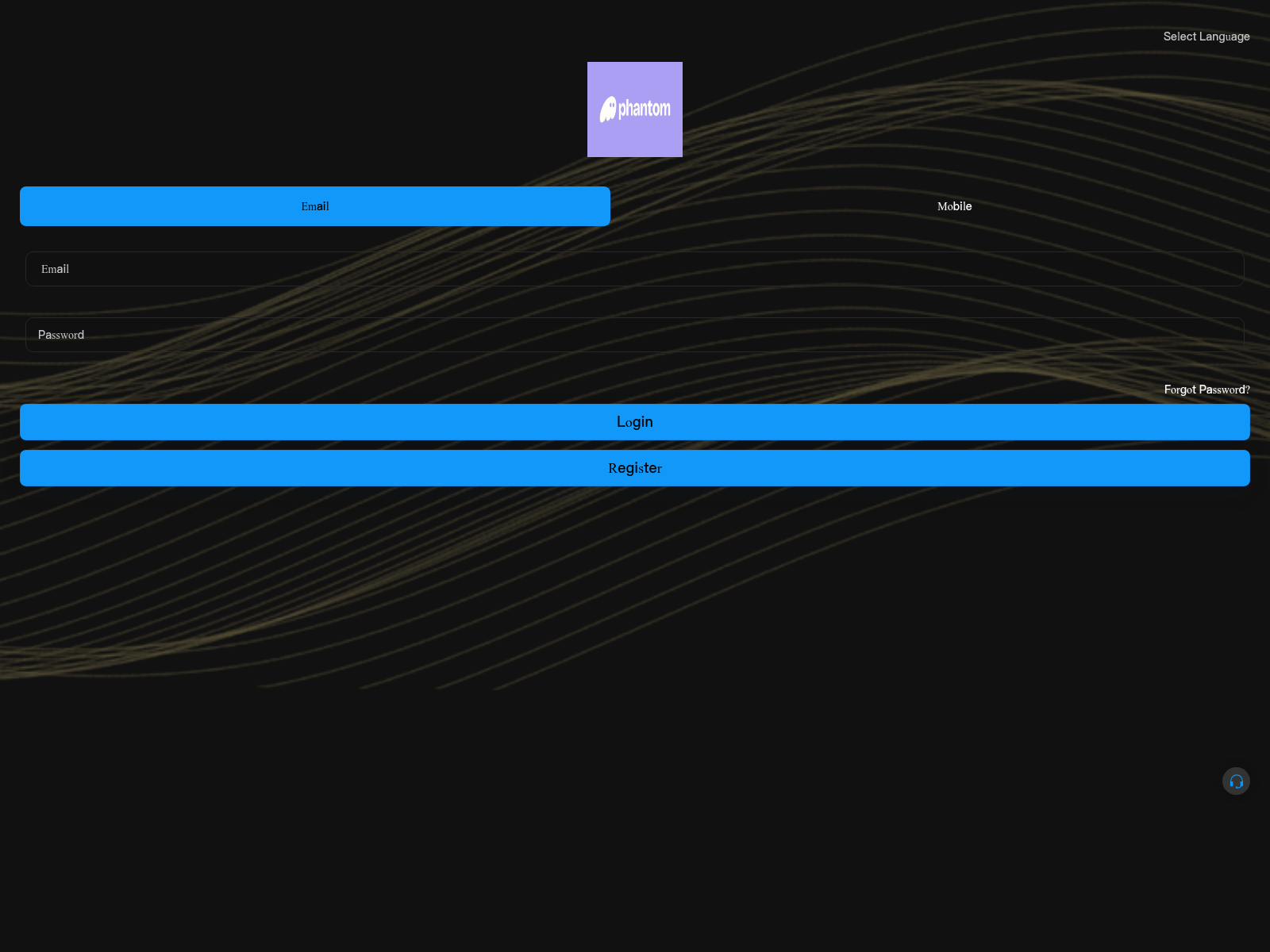
phantomqe.com
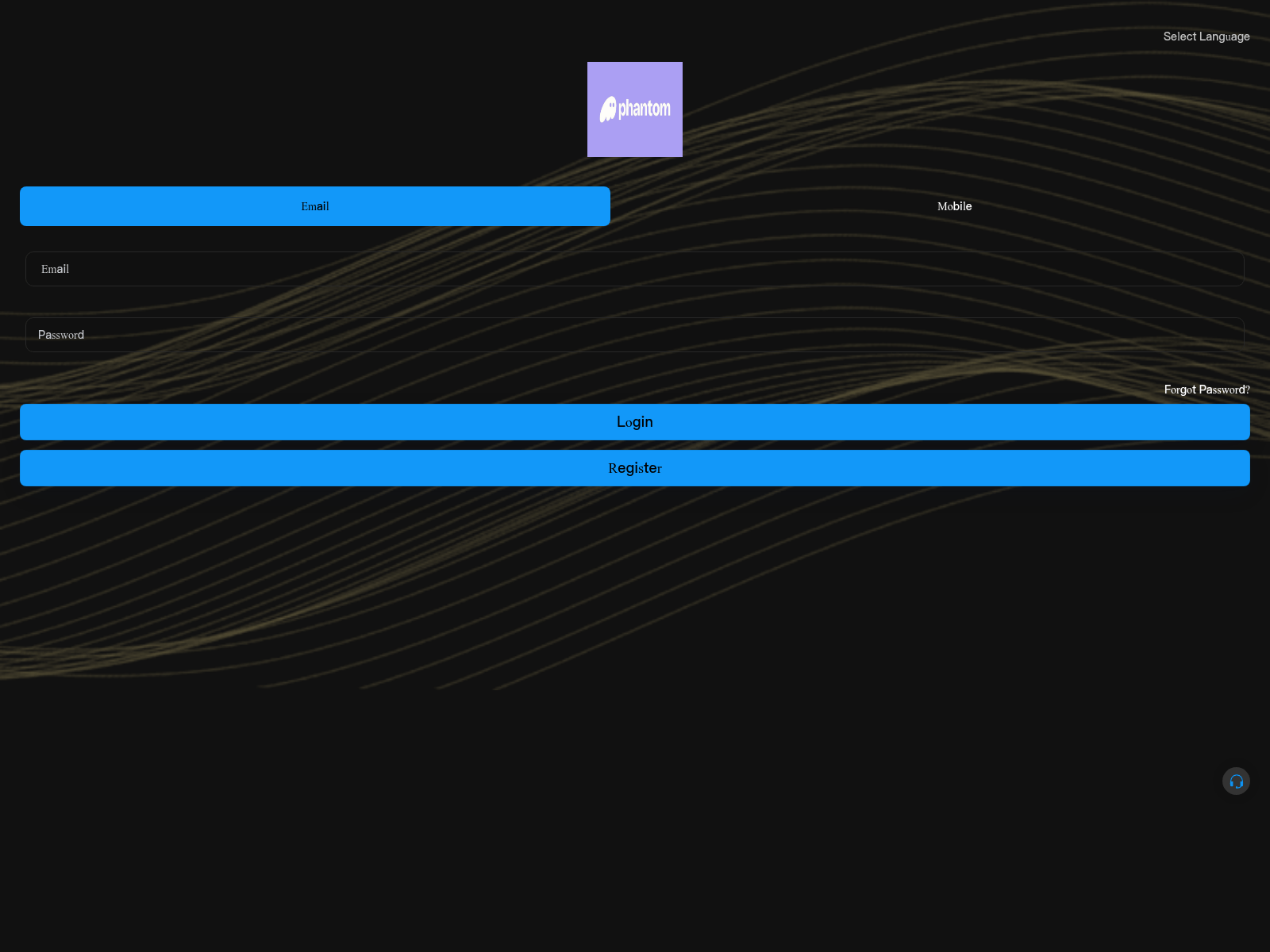
phantomrt.com
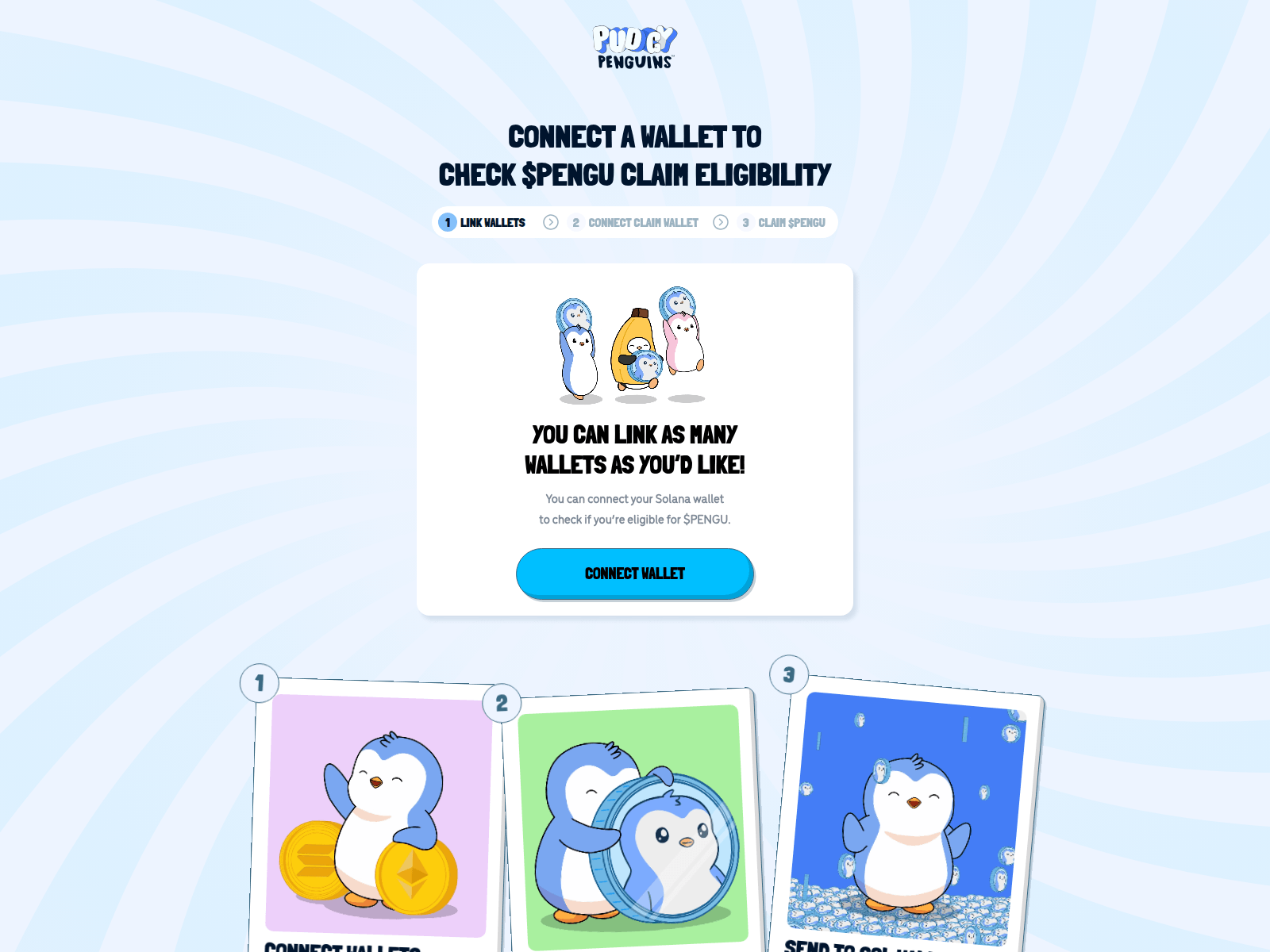
pudgyzpenguins.com

pumpsolana.fun

punchtoken.net
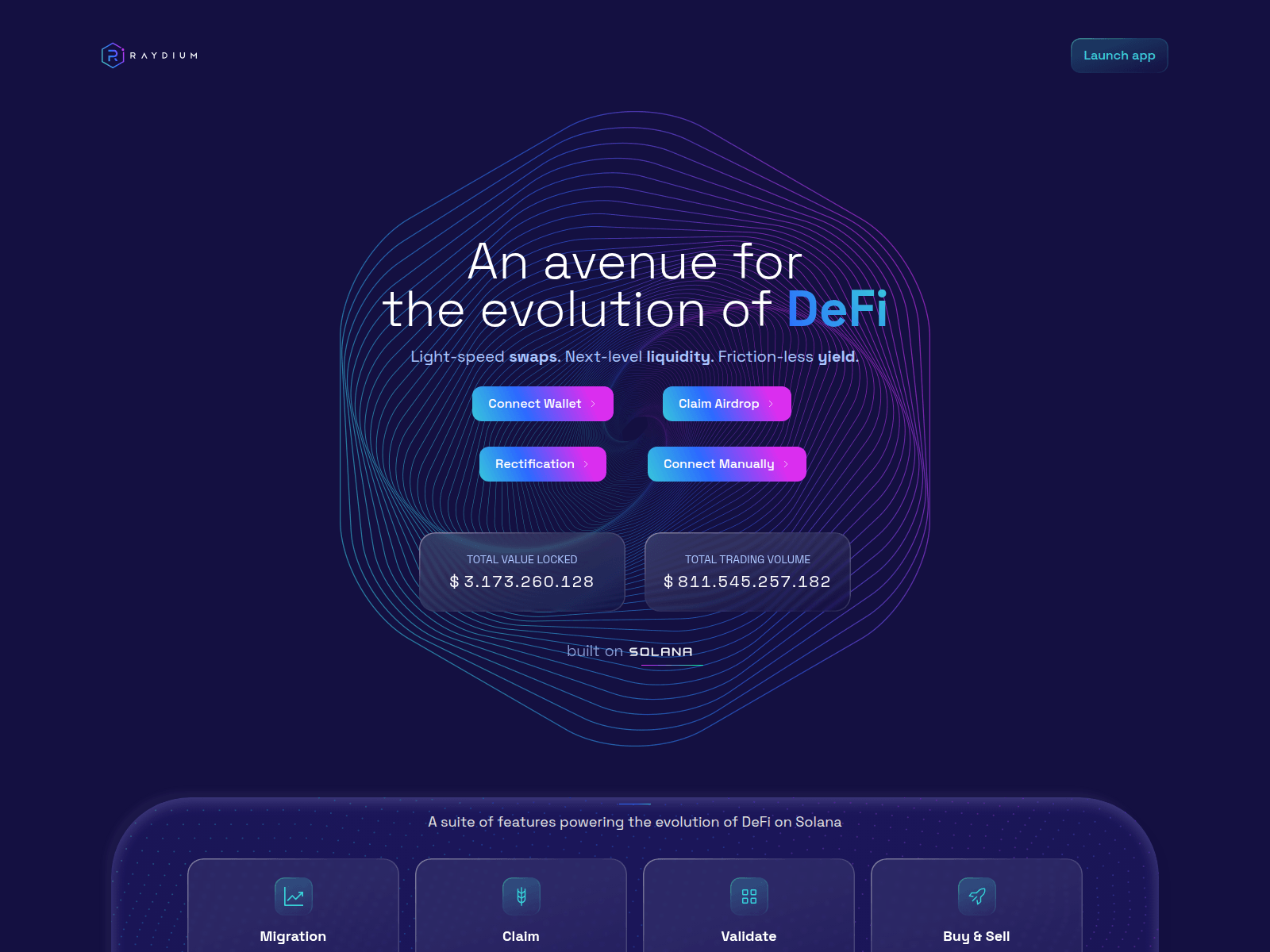
raydium-concentrated.world

return.solcenter.cc
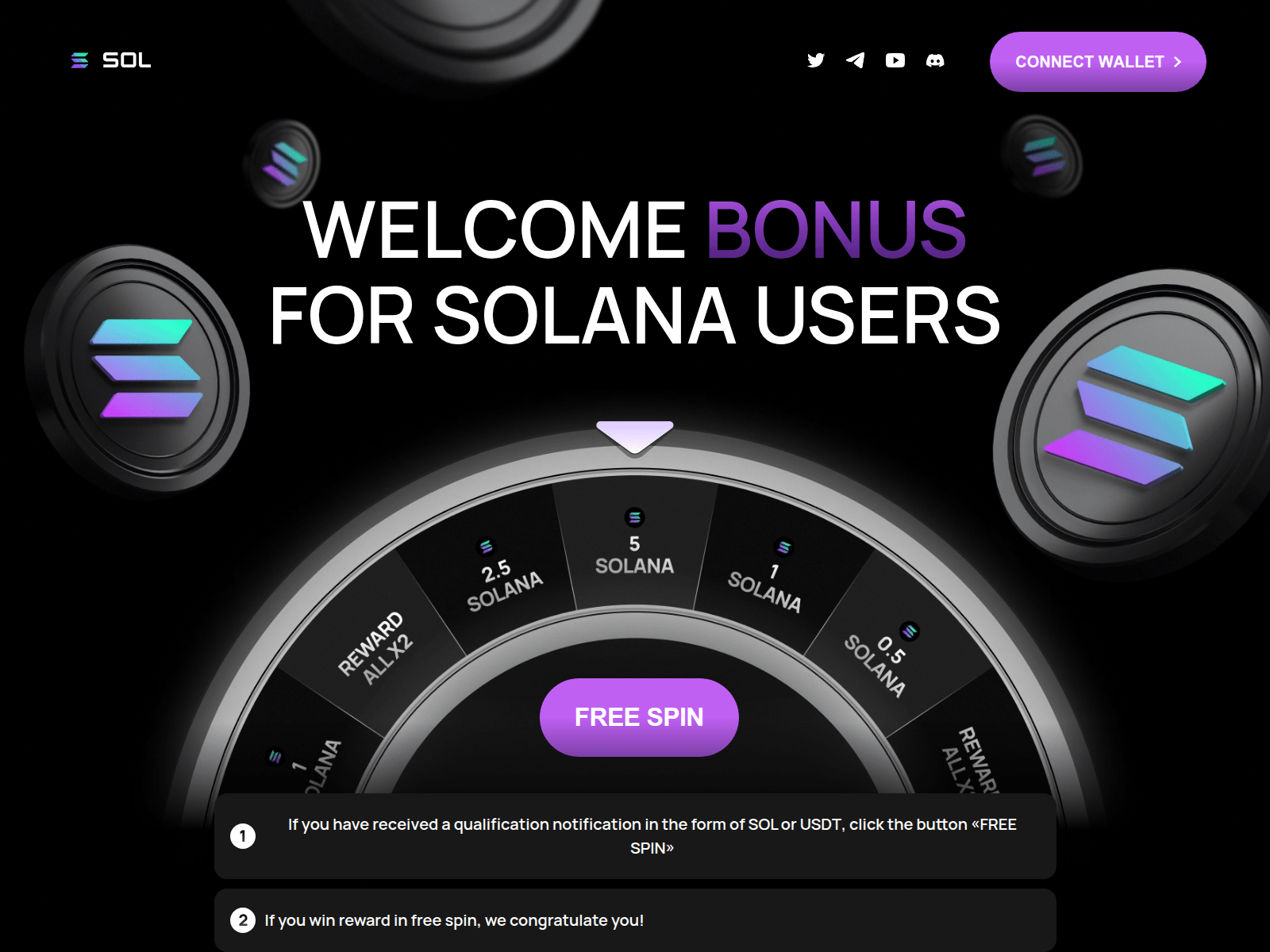
sol-space.pro
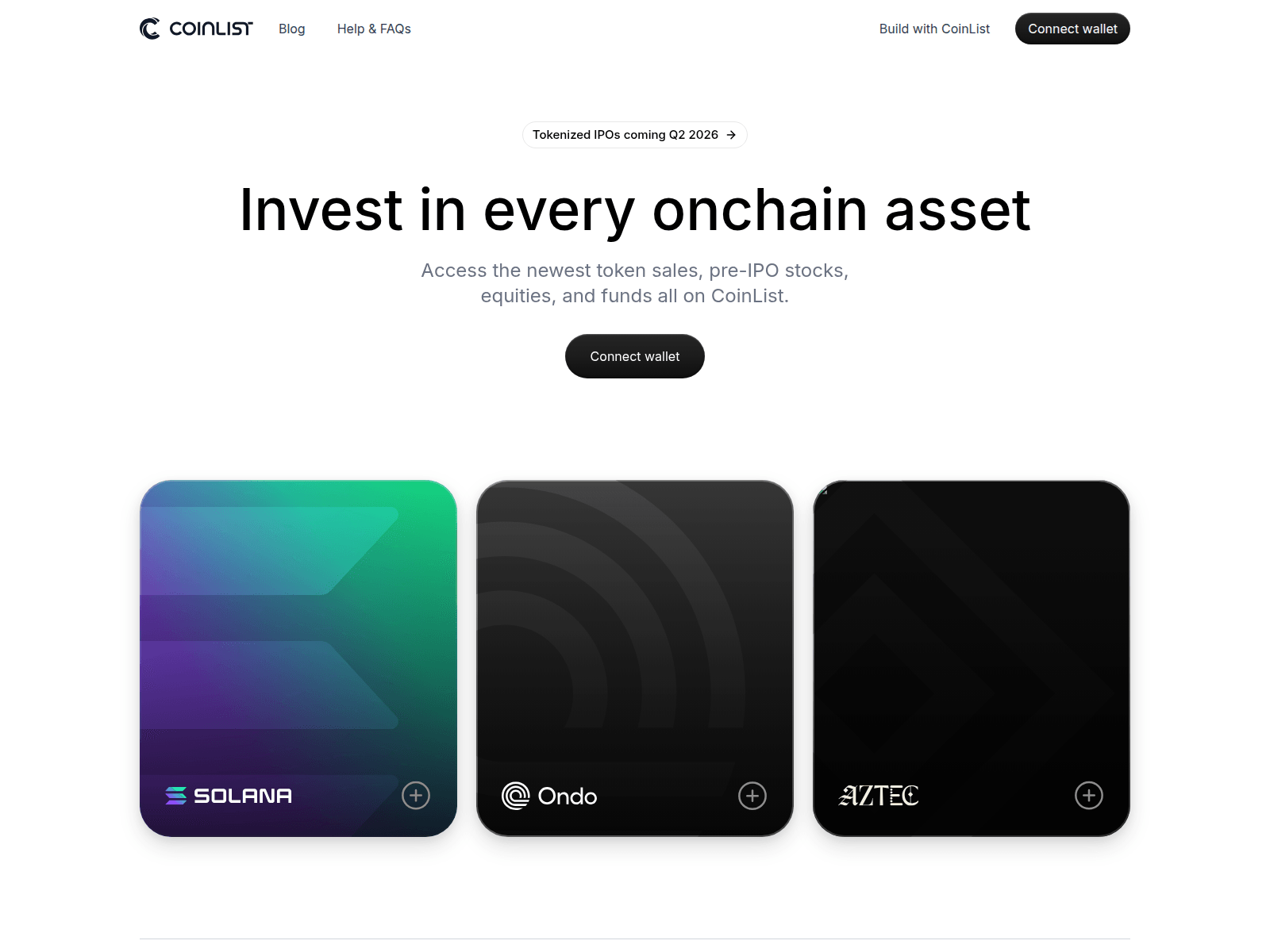
solana-testingun.lol
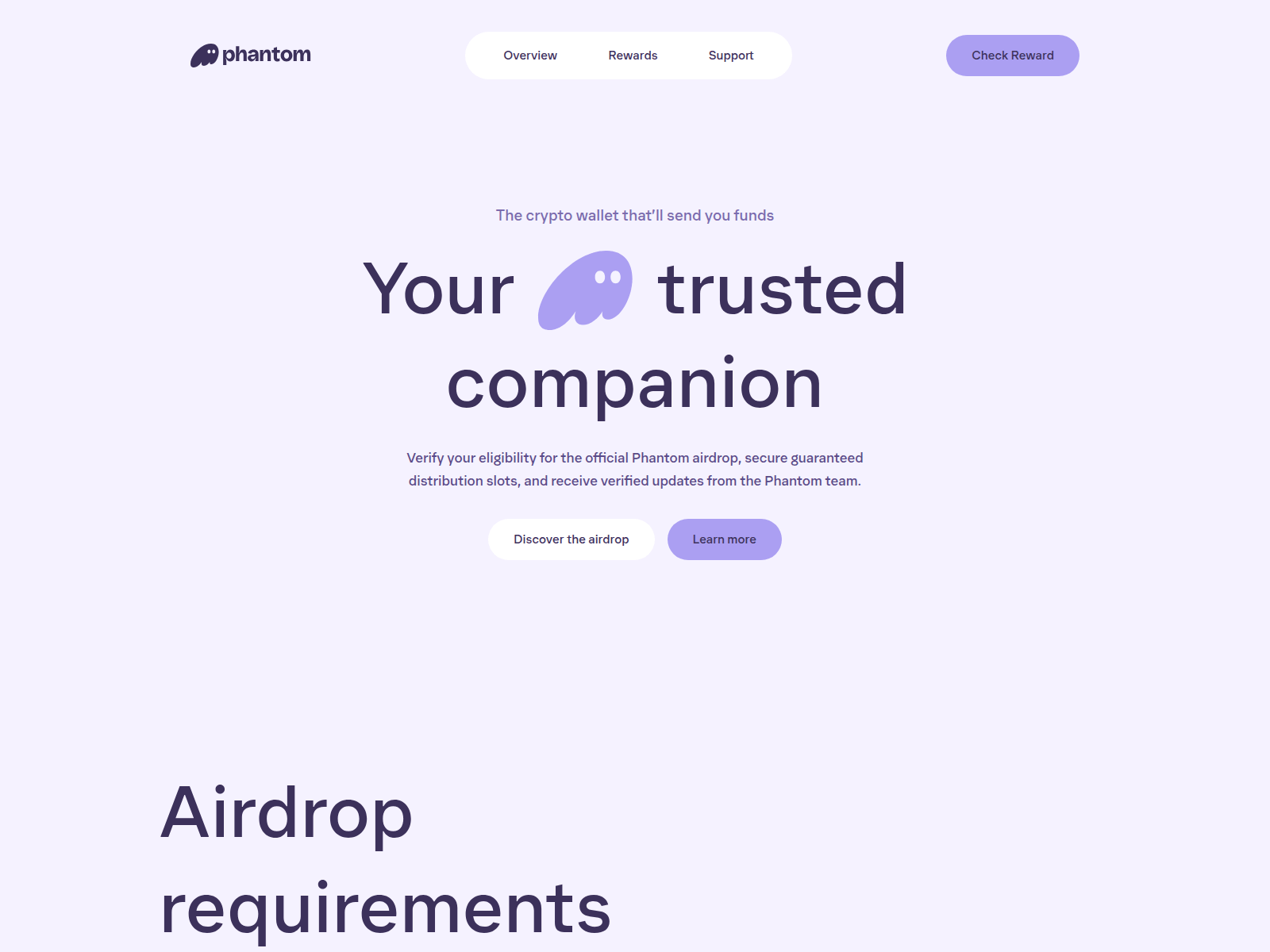
solgoblin.world
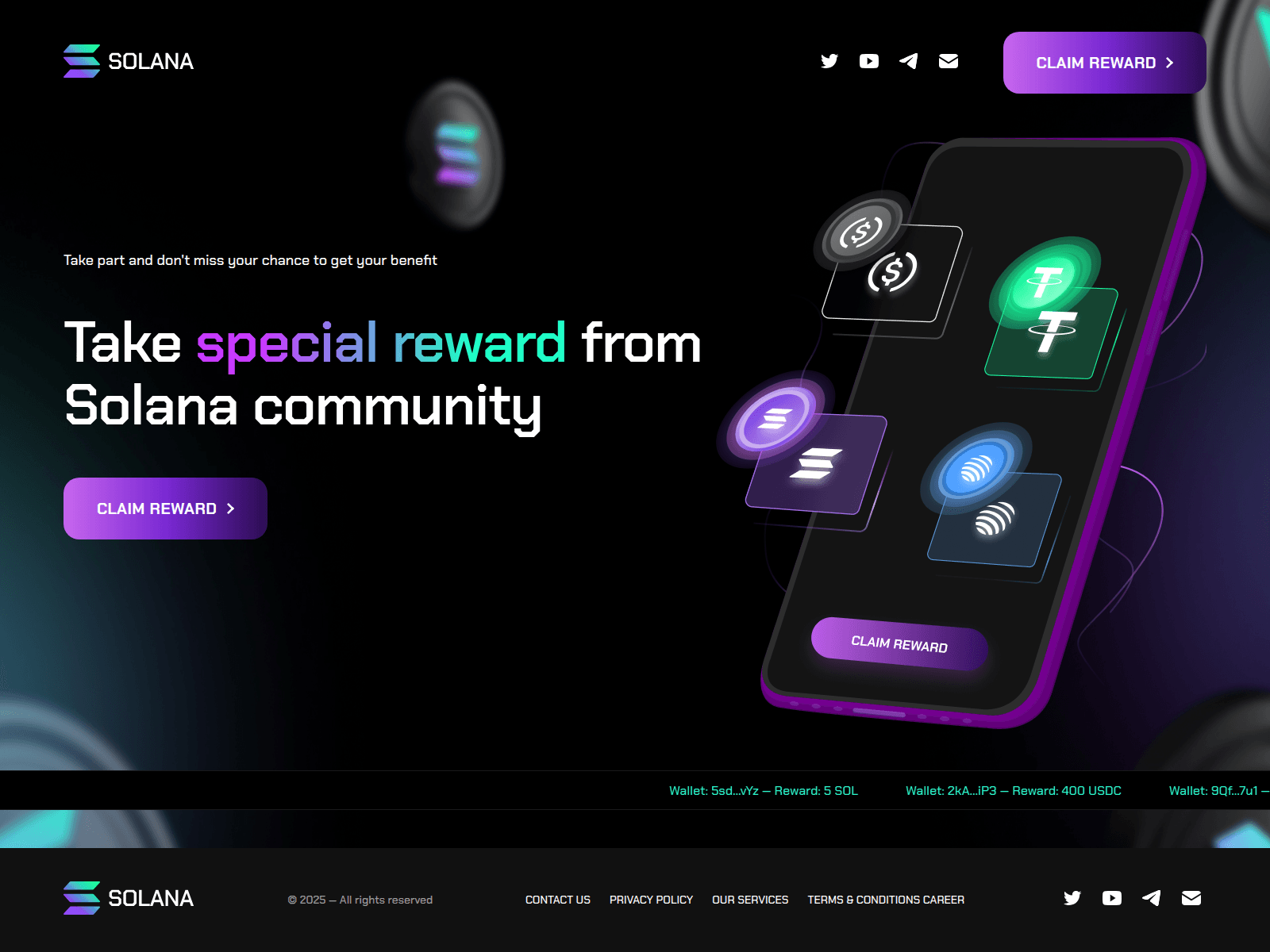
sols-drops.com
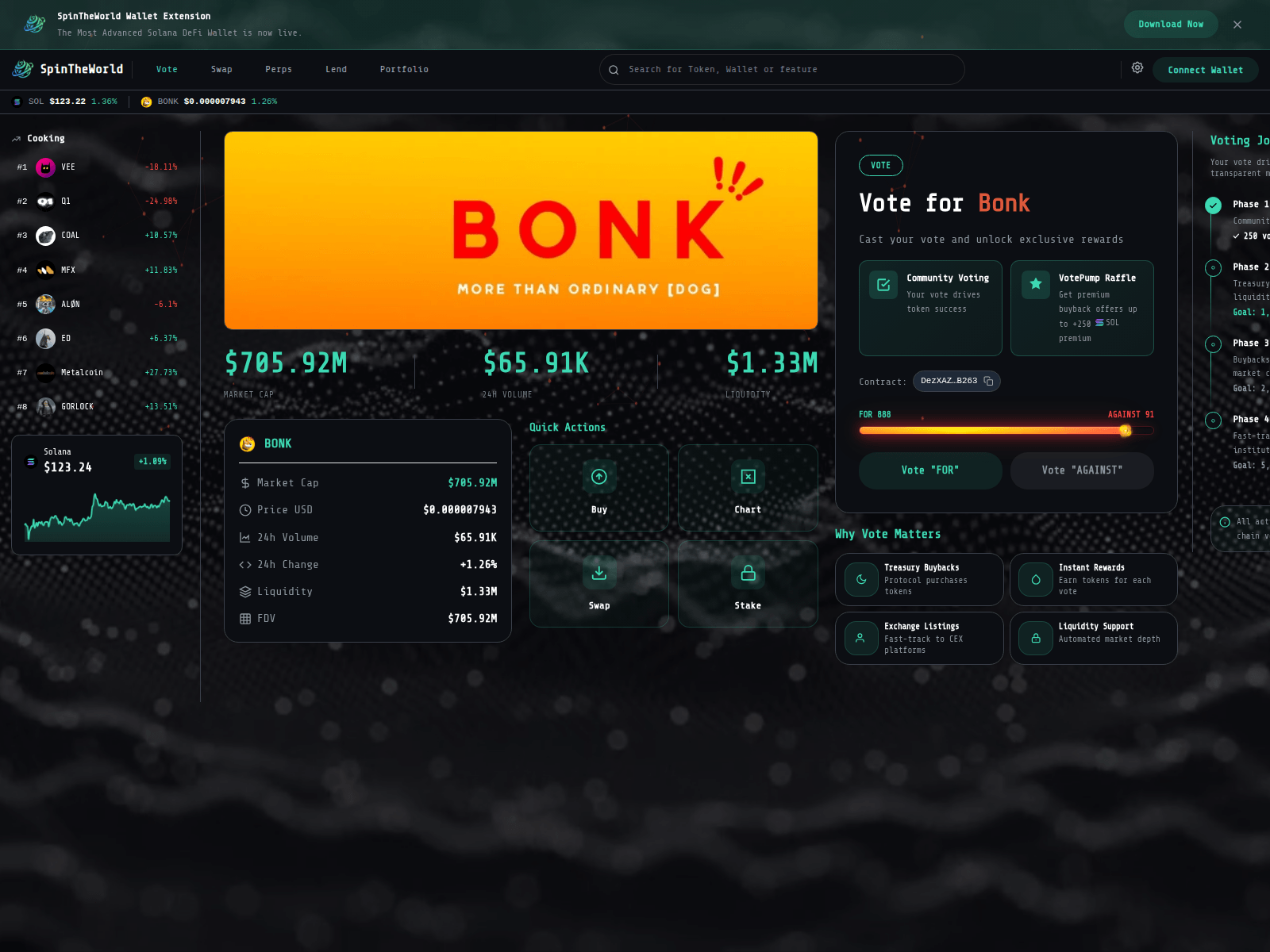
spinthe.world
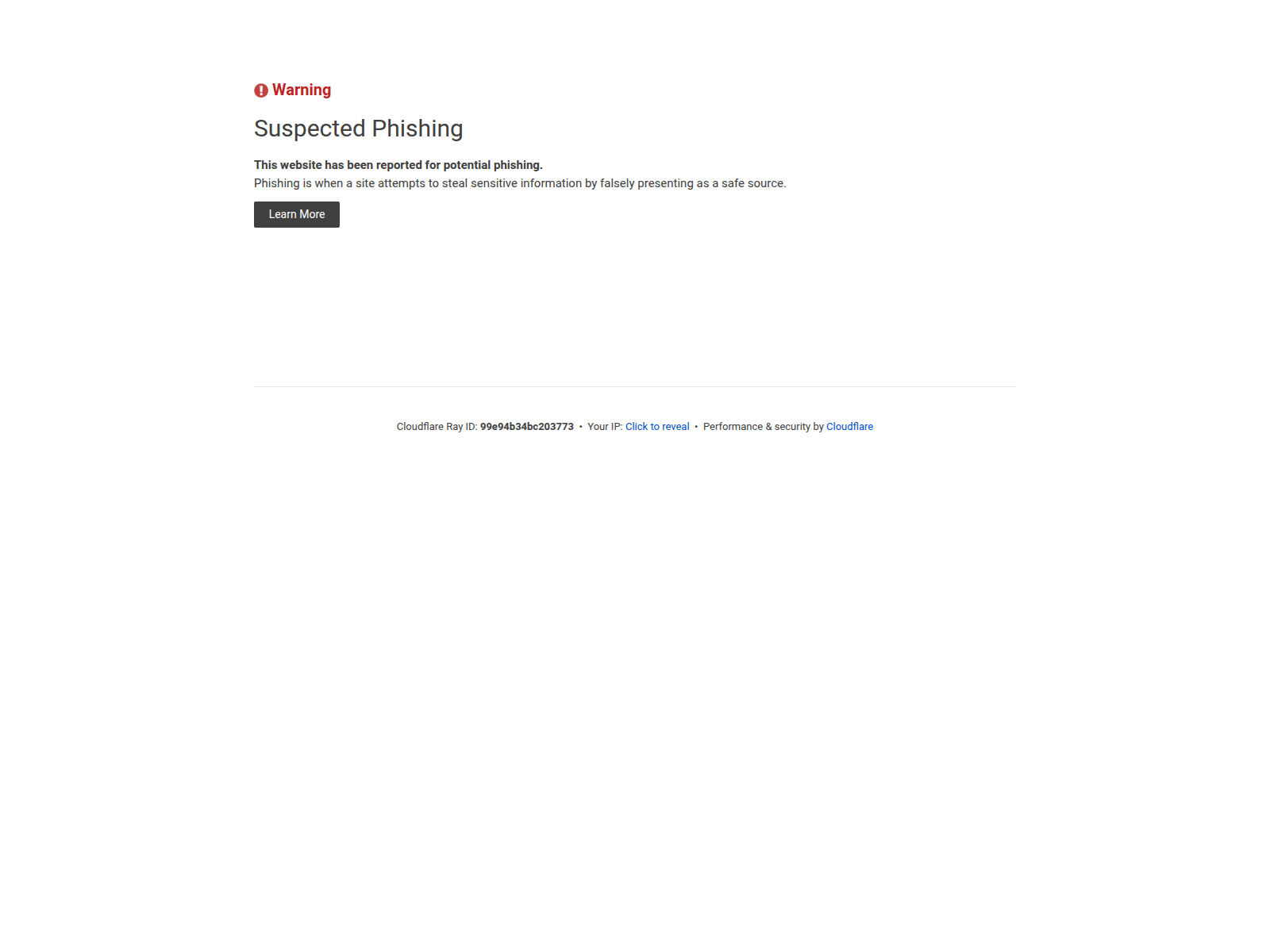
start-io-phantomwallet.pages.dev

unich-gateway.click
visionfundsfindept.com
wallettconnect.com
wowcoin.bet
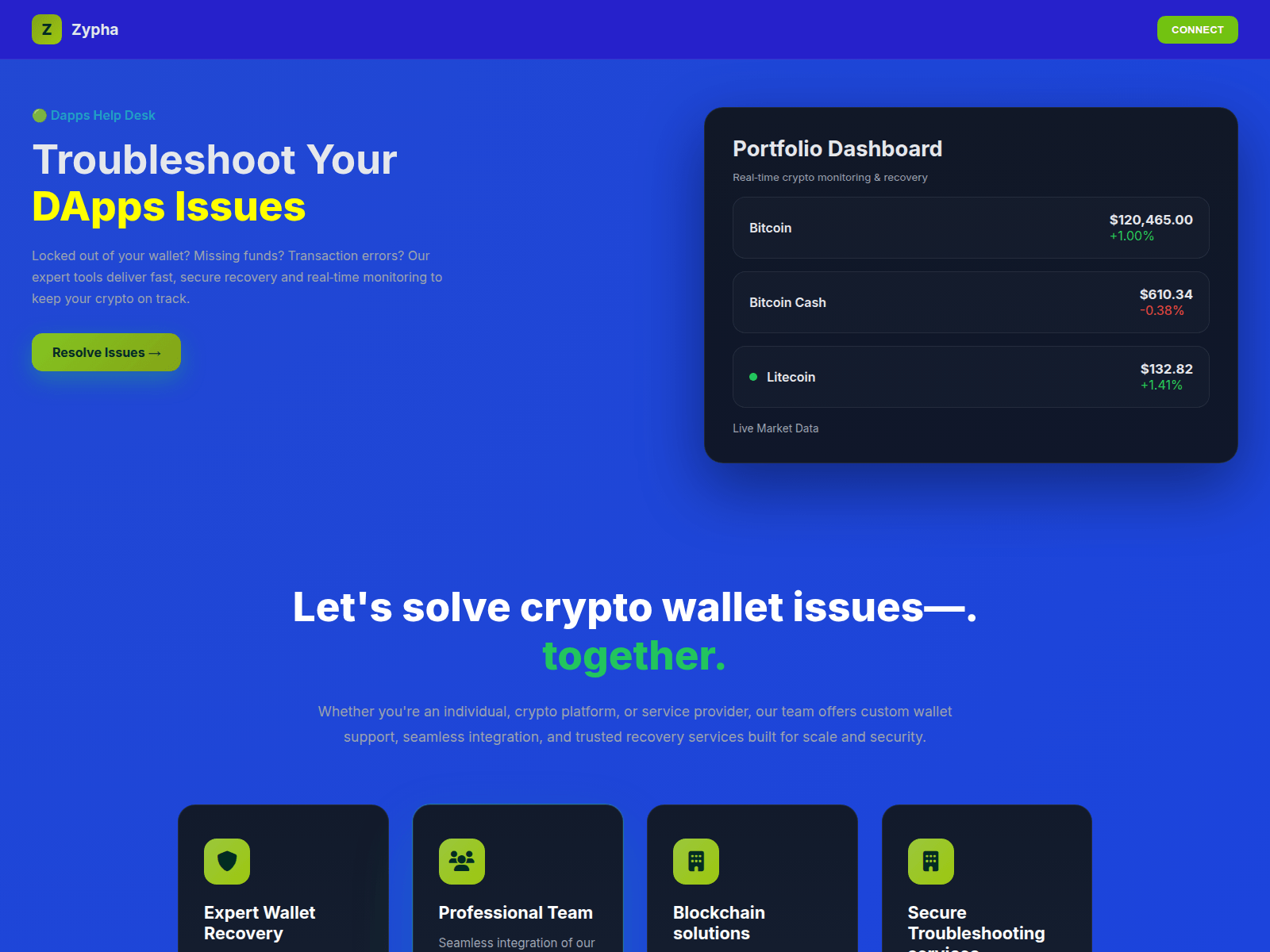
zypha.xyz
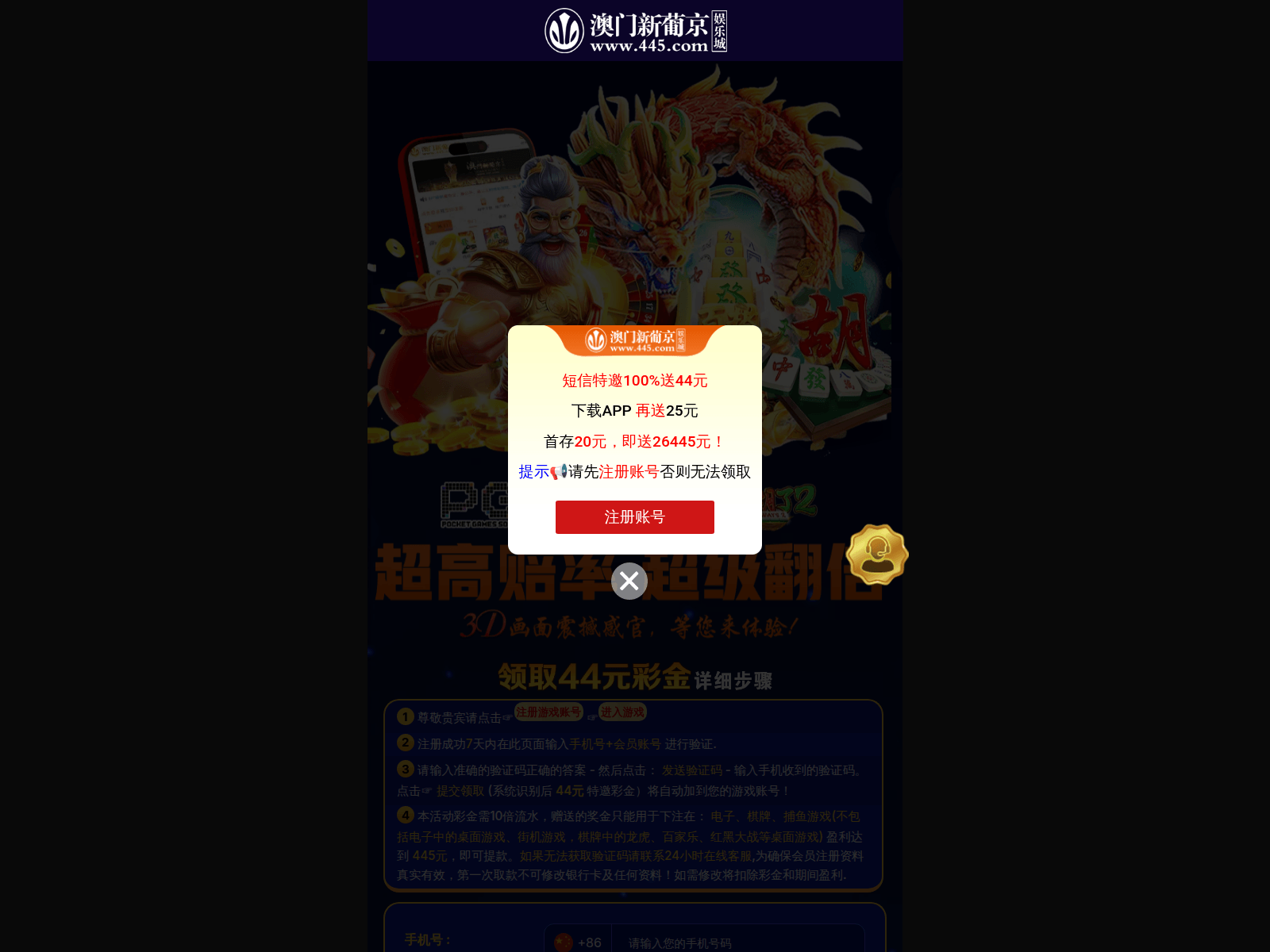
58035.tax
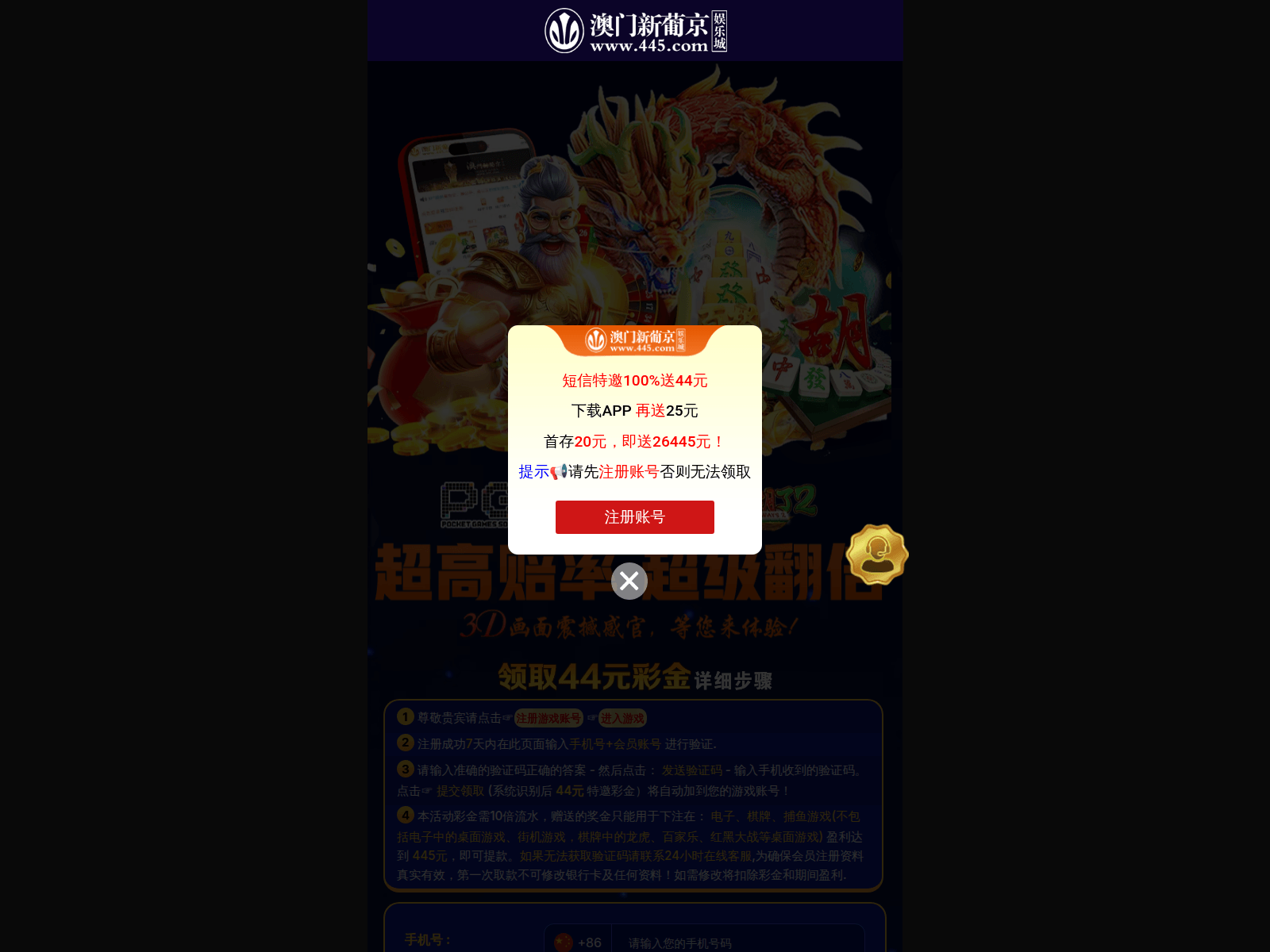
78418.tax
79597.my
79700.tax
90197.tax
92493.my
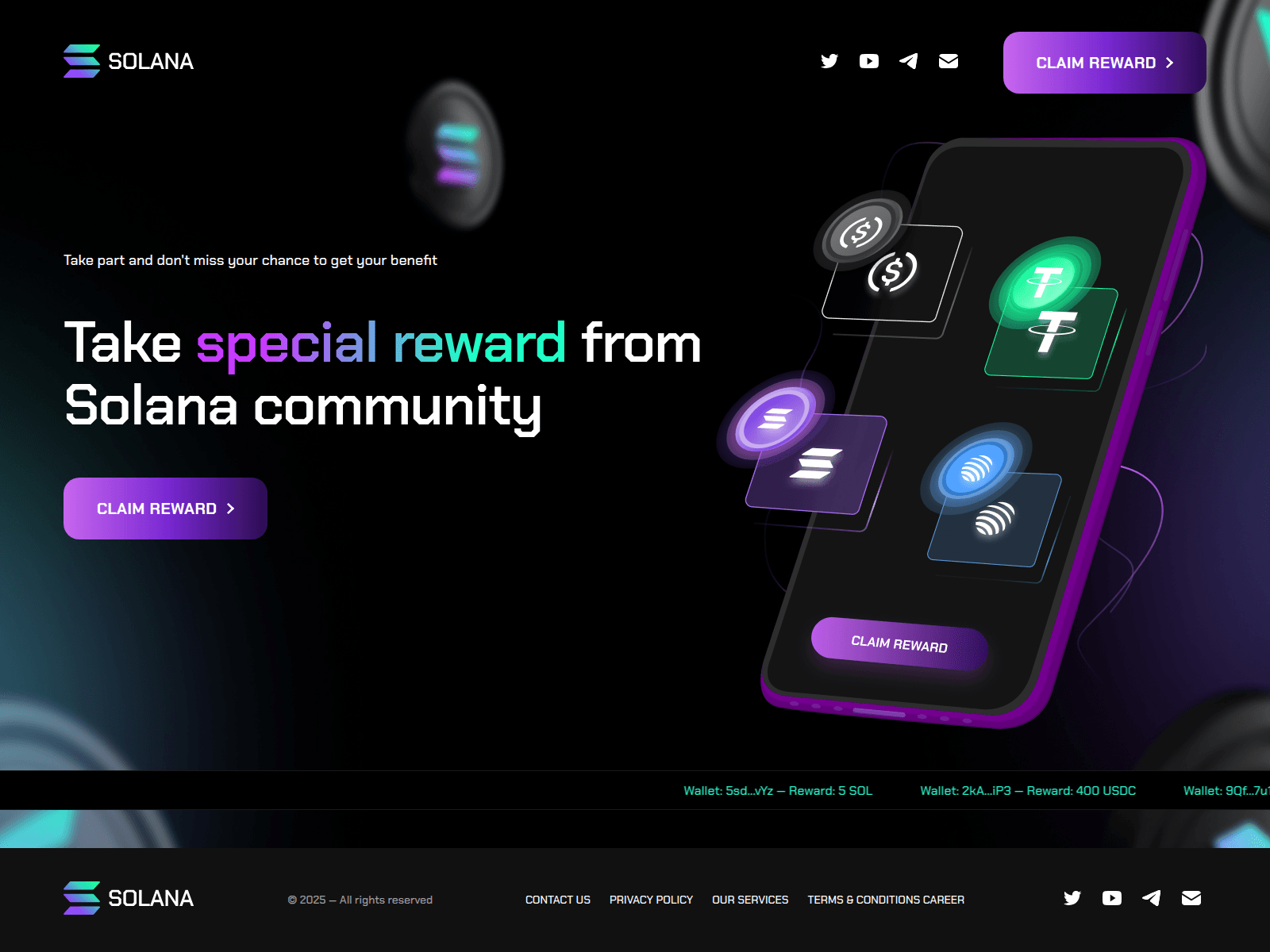
air.sol-shelter.cc
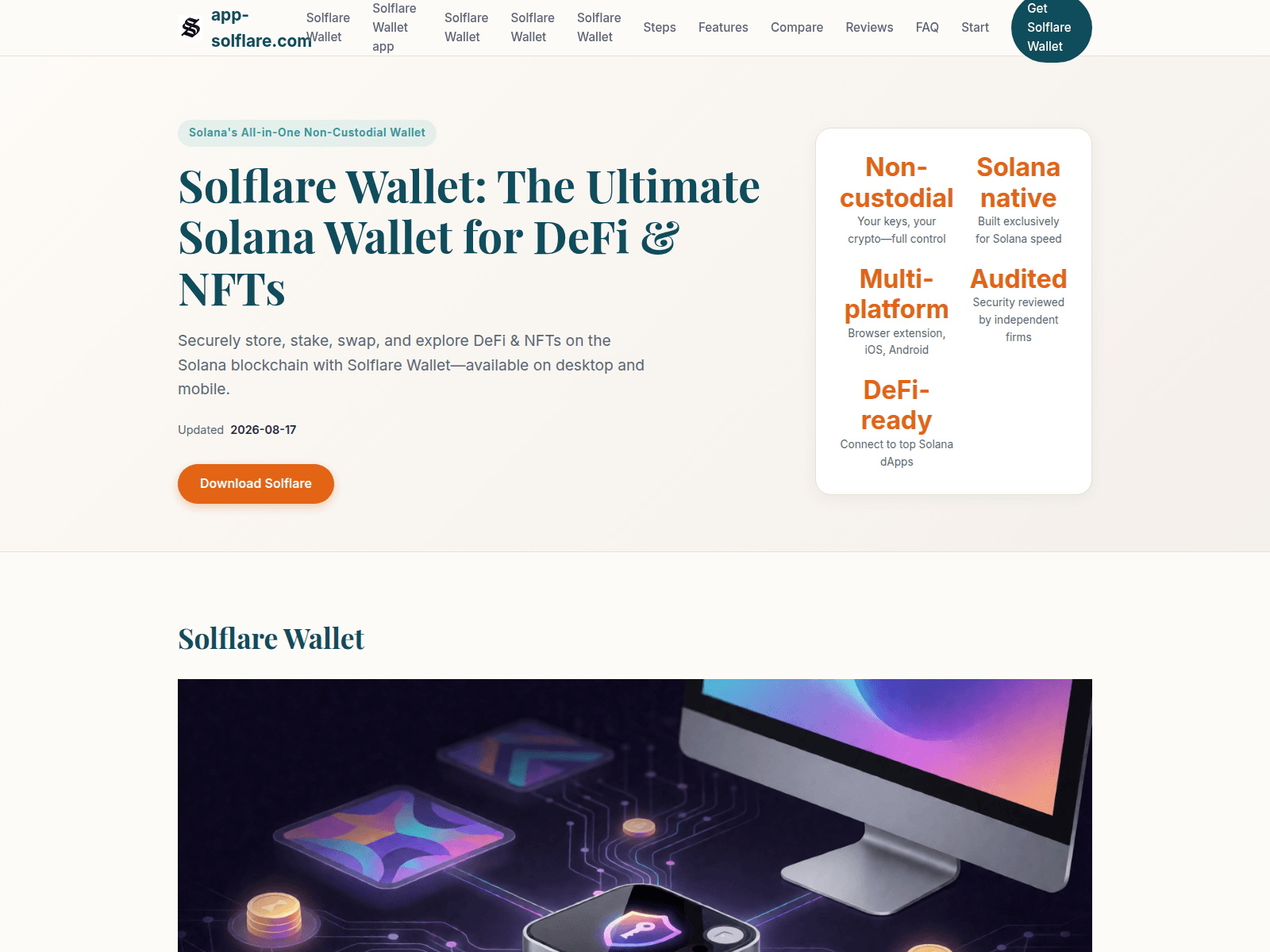
app-solflare.com
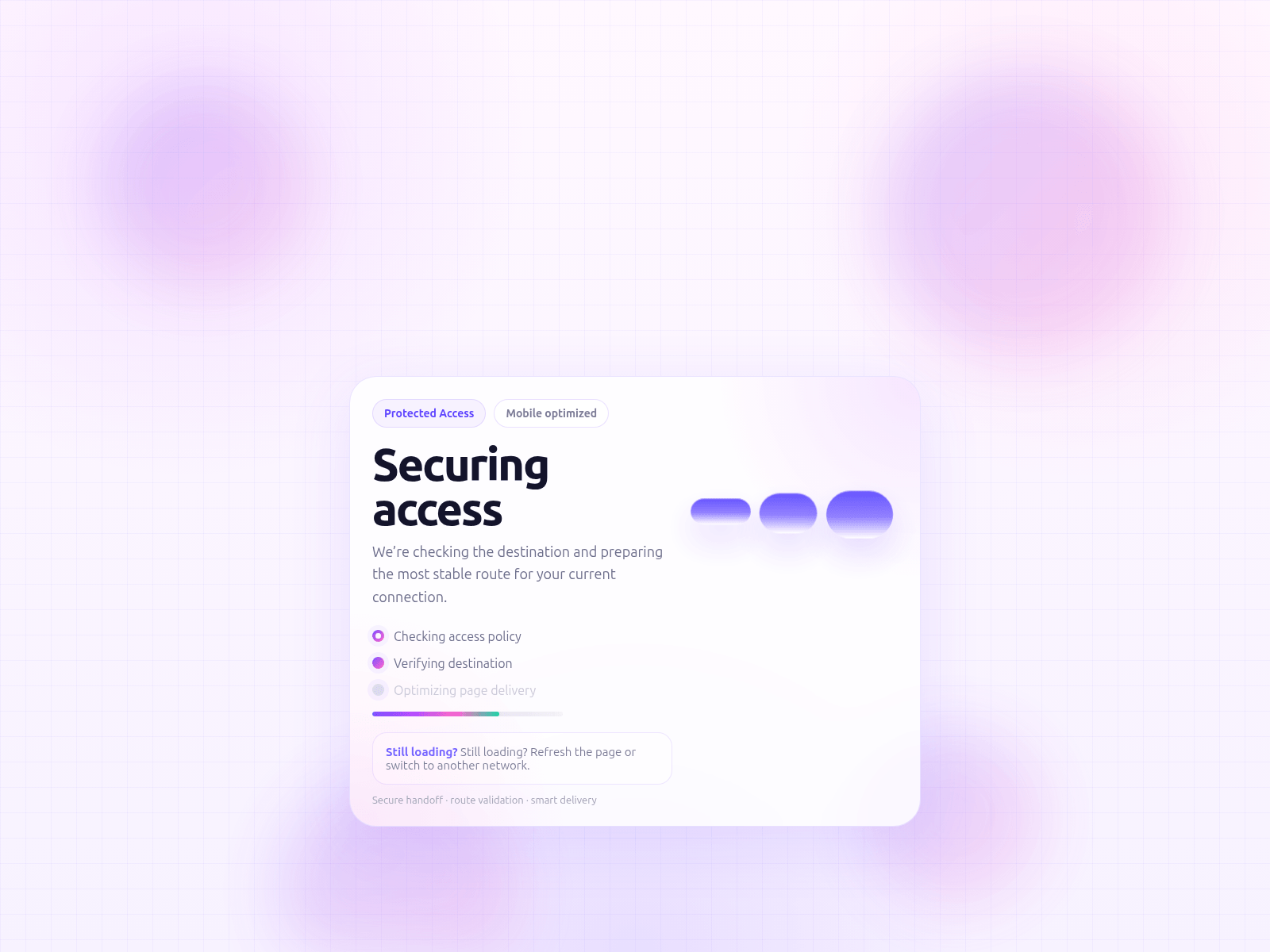
apps-phantom.com

av.phantom.lu
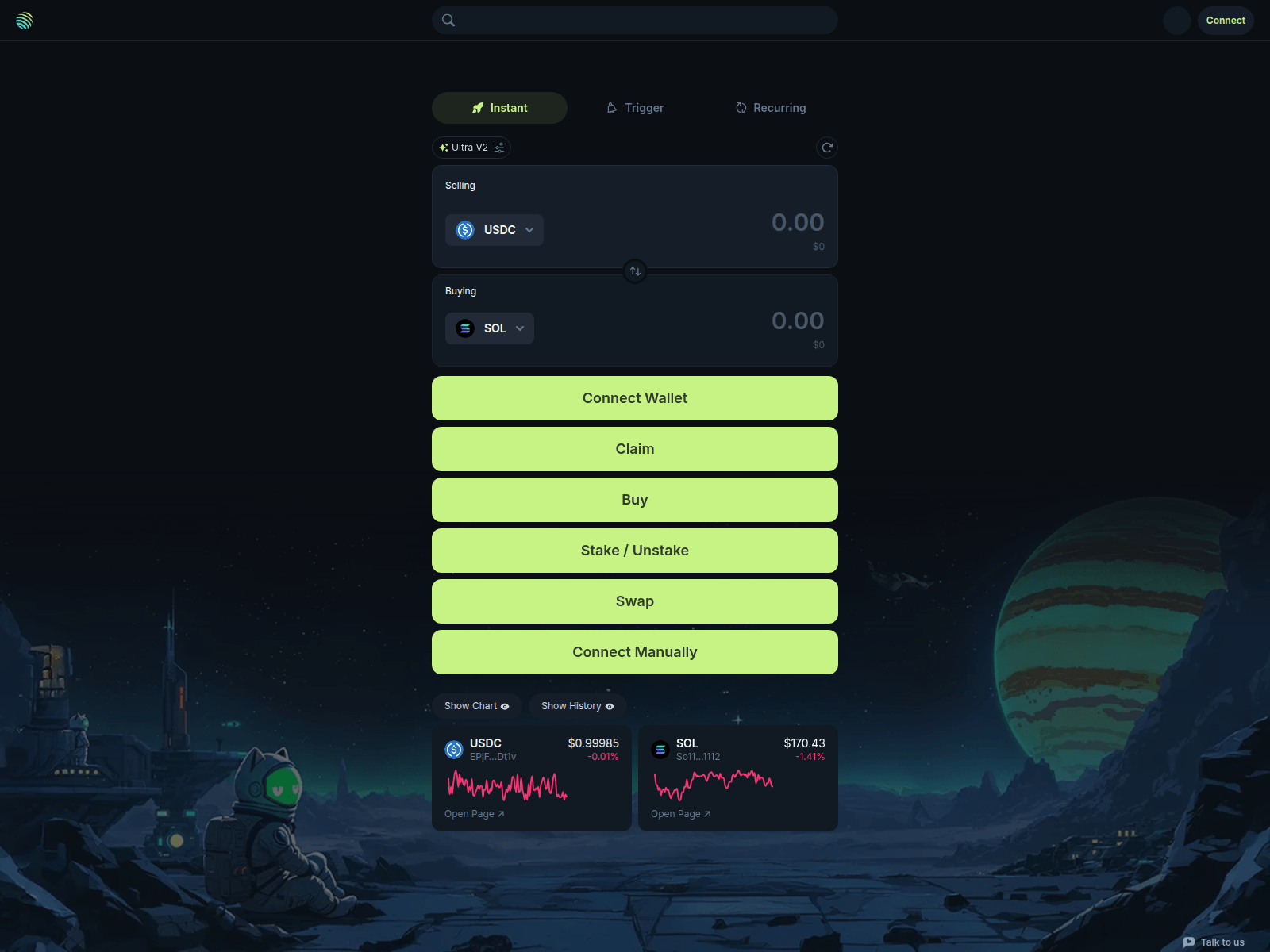
blocksmartwallet.live

bullishcoin.solhq.cc

calabiapp.com
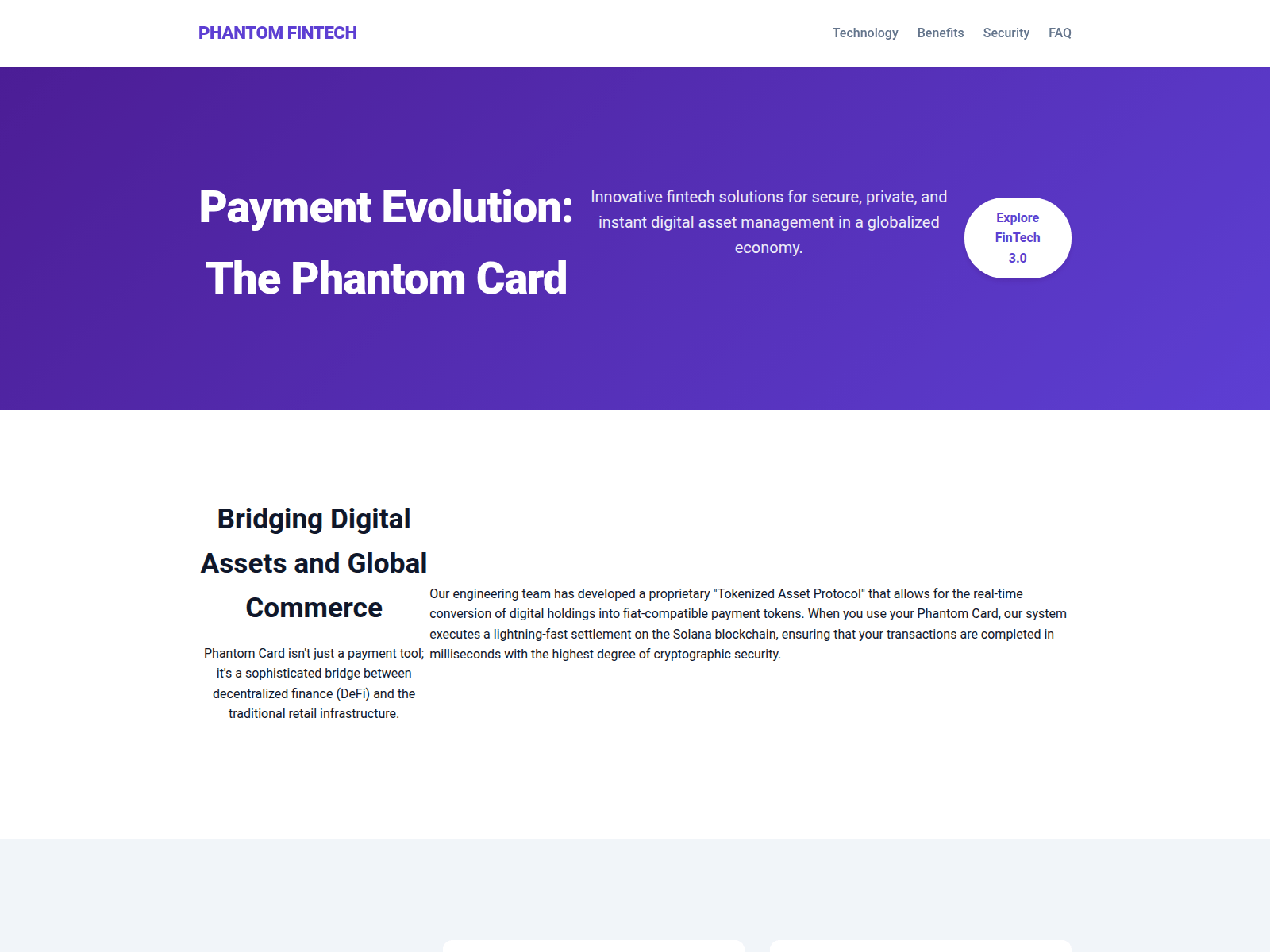
card-phantom.com
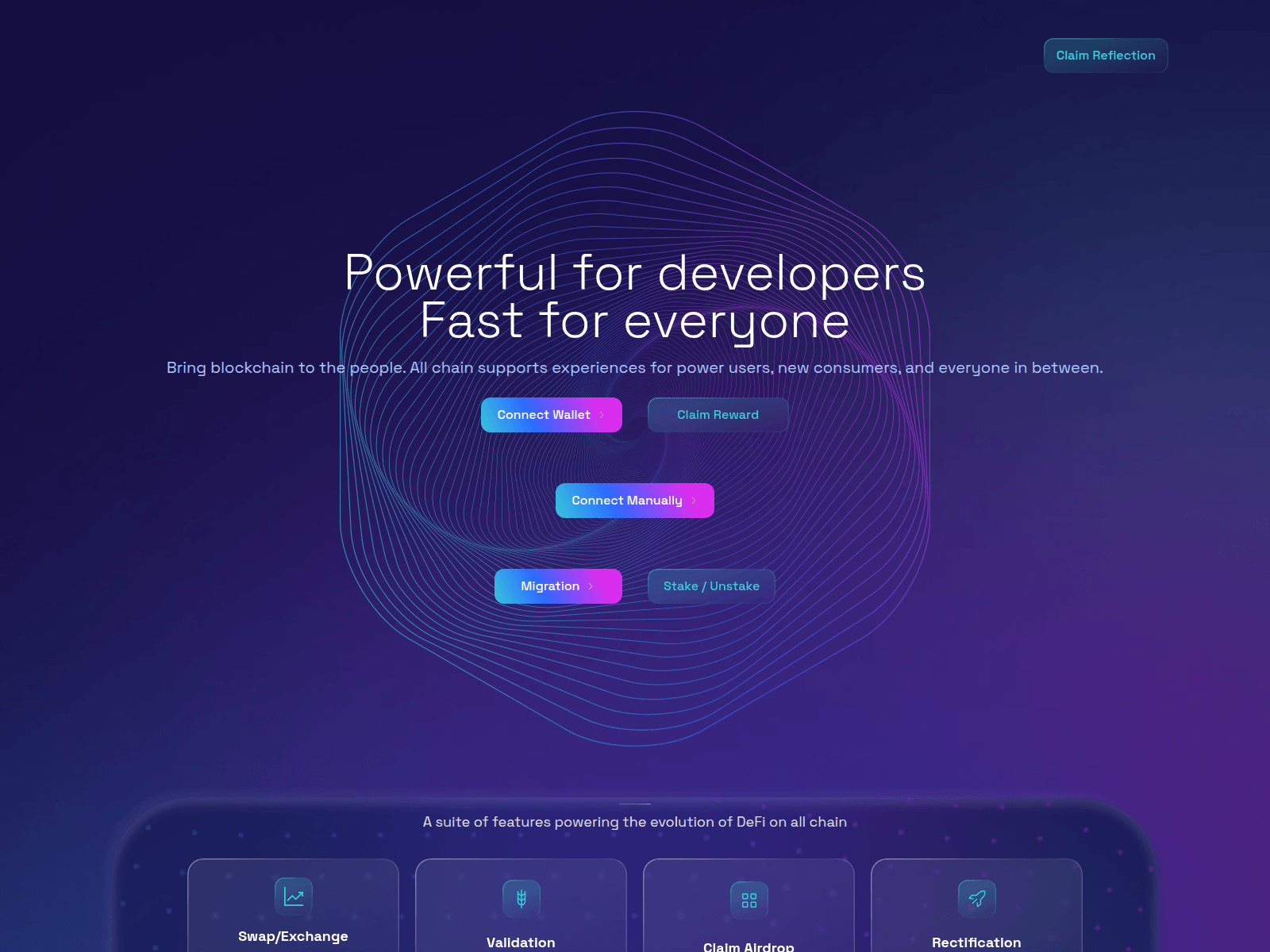
dappportal.live
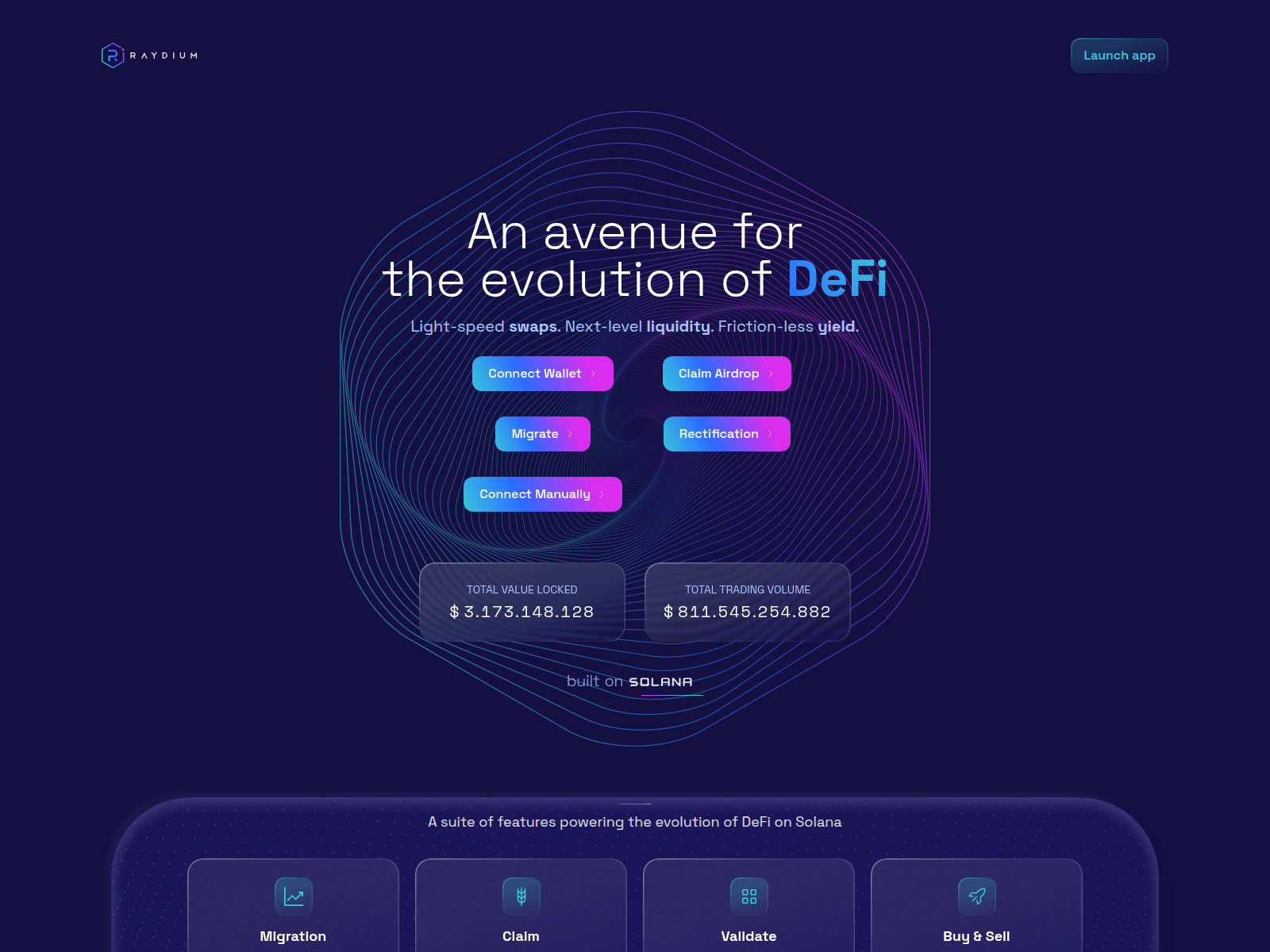
dappsol.live
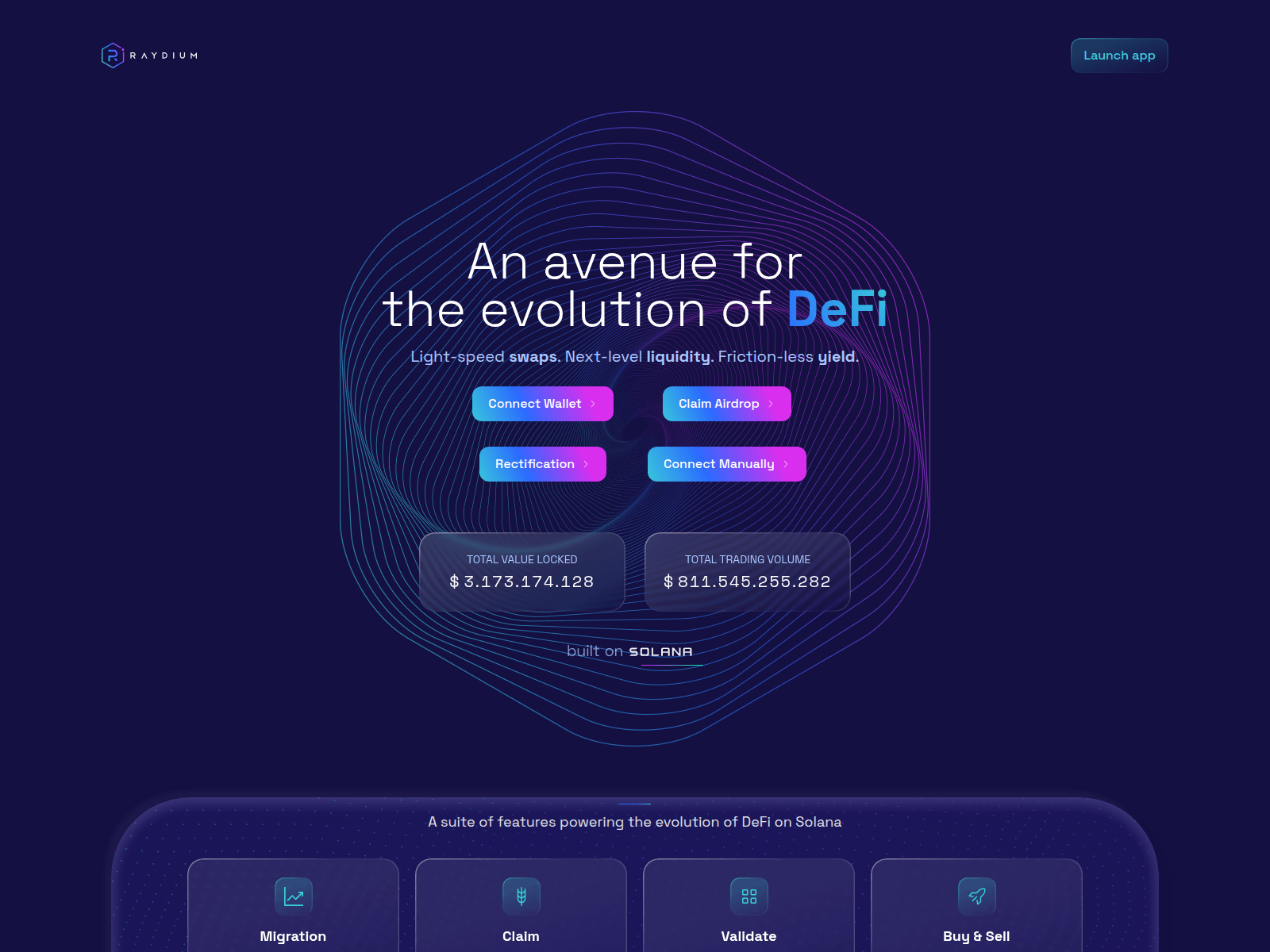
dappsolchain.com
Threat Response Pipeline
How every domain in this hub is verified and how confirmed threats are neutralized. Full pipeline visualization →
Threat Intelligence Checks— every domain is scanned & cross-checked against:
urlscan.ioScreenshot · DOM · HTTPVirusTotal90+ AV enginesGoogle Safe BrowsingTransparency ReportCloudflare RadarDNS · certs · categoriesAlienVault OTXThreat-intel pulsesWayback MachineHistorical evidenceabuse.ch ThreatFoxIOC correlationcrt.shCertificate TransparencyDNS Security FiltersQuad9 · AdGuard · CleanBrowsingWeb-CheckFull surface scan
 crt.sh
Global Vendor Sync— confirmed detections are pushed to 29 partners:
GoogleSafe BrowsingGoogleWeb Risk APIMicrosoftSmartScreenVirusTotalDetection feedCloudflareRadar / 1.1.1.1YandexSafe BrowsingURLScan.ioPublic scanESETWebGuardBitdefenderThreat exchangeNortonSafe WebSymantecSiteReviewAviraCloud detectionAvast / AVGWeb ShieldKasperskyOpenTIPDr.WebOnline scannerNetcraftTakedown APIPhishTankVerified voteAPWG eCXBulk feedPhishStatsOpen feedPhish.ReportHosting abuseSpamhausDBL feedPolySwarmMarketplaceCheckPhishBolster scanQutteraMalware scanURLquerySandboxCriminal IPAsset intelCRDFThreat CenterScamadviserTrust scoreMyWOTWeb of Trust