
Search tracked domains and review stored evidence, detections, and the latest observed availability.
219,778
Total Tracked
213,476
VT Detected
91,712
Last Seen Active
128,066
Unavailable at Last Check
540
VT Pending
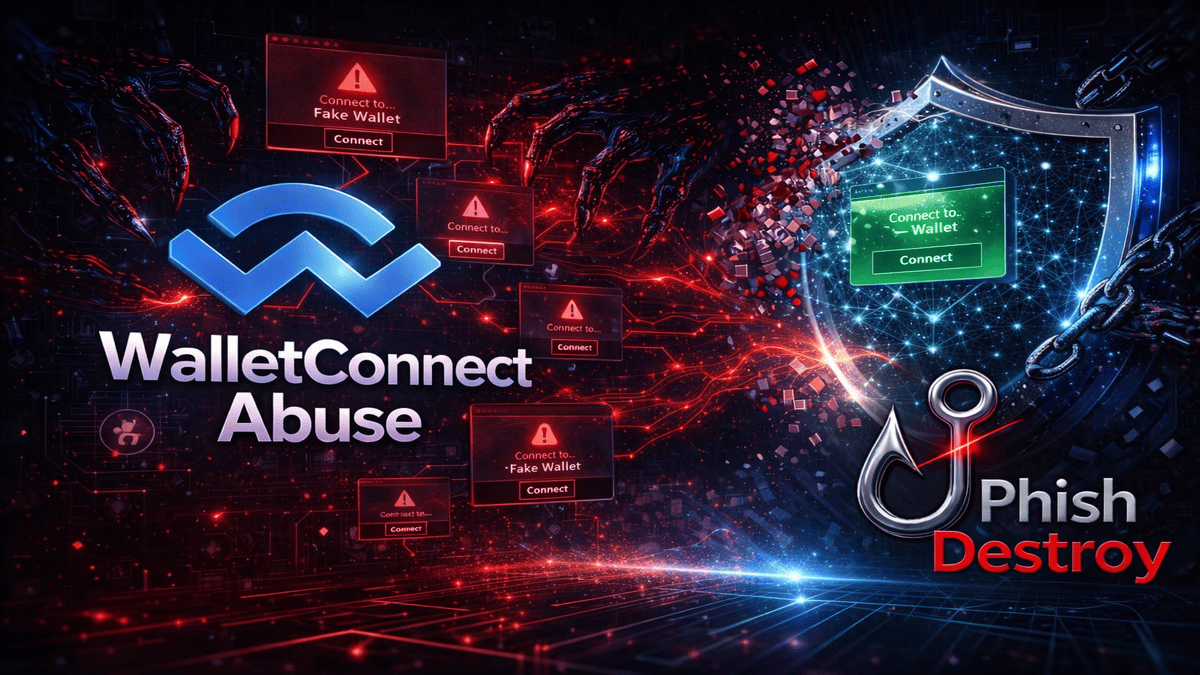
How This Attack Works
WalletConnect Abuse involves deceptive tactics to exploit users of cryptocurrency platforms. Understanding these steps can help in prevention.
STEP 1
Creation of Fake Domains
Attackers create fake domains that mimic legitimate cryptocurrency platforms to lure victims.
STEP 2
Deployment of Phishing Pages
Phishing pages are set up on these domains to capture user credentials and wallet information.
STEP 3
Execution of Malicious Code
JavaScript and other scripting languages are used to execute malicious code that intercepts user data.
STEP 4
Unauthorized Transactions
Stolen credentials are used to authorize transactions, draining victims’ wallets.
Technical Analysis
WalletConnect Abuse often involves the creation of phishing sites that mimic popular cryptocurrency service providers. Attackers use sophisticated scripts to manipulate the WalletConnect protocol, intercepting the authentication process. This includes the use of JavaScript to capture private keys and signatures when users attempt to connect their wallets. Infrastructure-wise, attackers frequently utilize content delivery networks like Cloudflare to host phishing sites, taking advantage of high availability and speed. Additionally, smart contracts are sometimes manipulated to automatically approve transactions that transfer funds to the attacker’s address without the victim's explicit consent.
Real Cases
The Opensea Phishing Incident (2024)
$2 million stolen
A phishing campaign targeting Opensea users resulted in significant financial losses and credential theft.
Vercel App Scam (2023)
$1.5 million stolen
Attackers used fake Vercel app domains to trick users into revealing wallet information, leading to unauthorized access.
Marketplace-Art Fraud (2024)
$3 million stolen
Fraudulent marketplace-art domains were used to deceive users into connecting their wallets, resulting in asset theft.
How to Detect
Unfamiliar domain names mimicking legitimate services
Requests for private keys or seed phrases
Unexpected transaction requests
Poor website design or misspellings
Limited or no HTTPS security
How to Protect Yourself
1
Always verify domain authenticity
2
Enable two-factor authentication
3
Use hardware wallets for transactions
4
Regularly update security software
5
Educate yourself on common phishing tactics
Frequently Asked Questions
Data sourced from PhishDestroy threat intelligence database — 1,677 domains tracked for this threat type
WalletConnect Abuse 1,677 domains
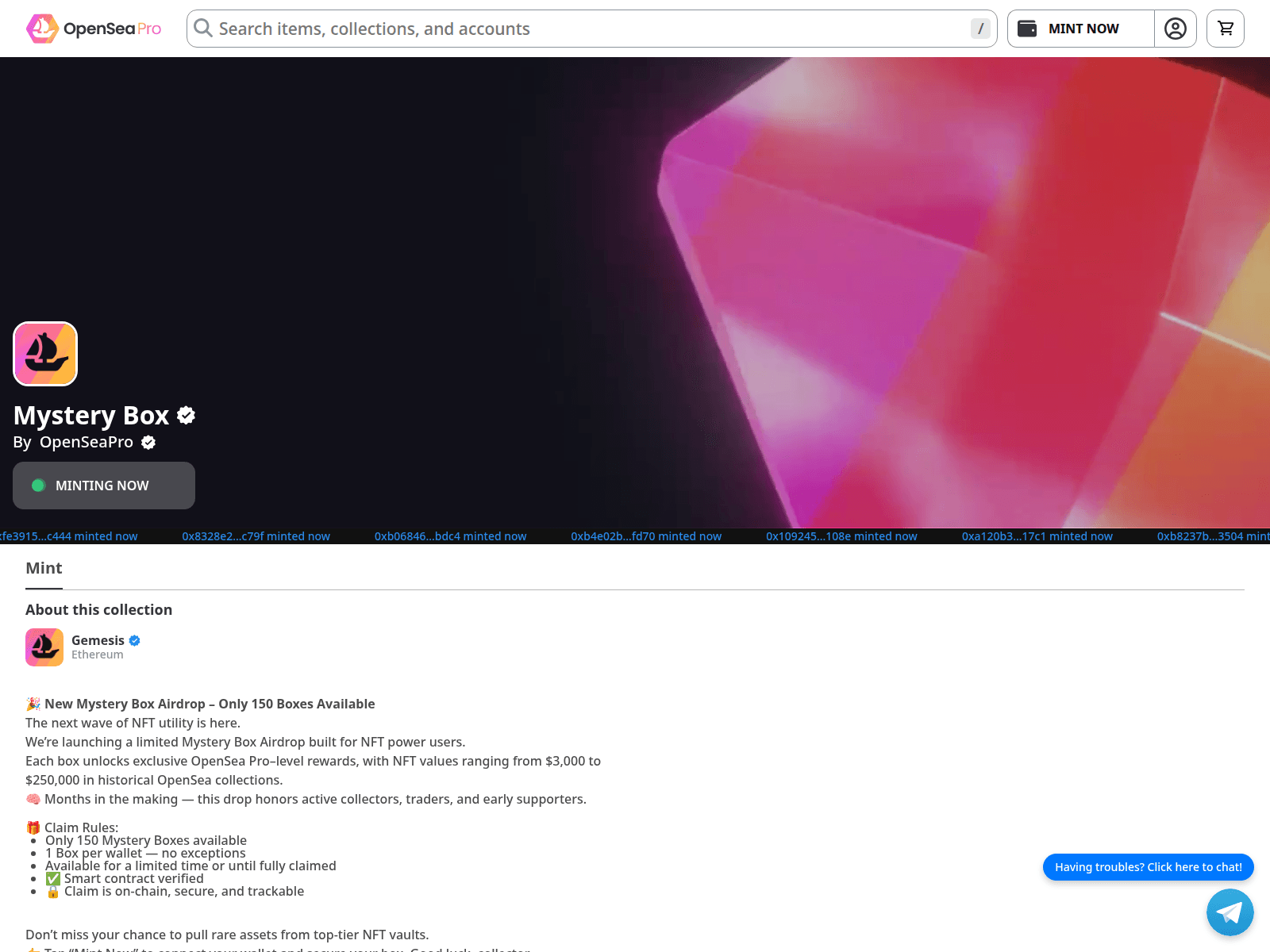

live-mingiftin20.vercel.app

netflix-gpt-fawn.vercel.app
opensea.io.marketplace-art.com
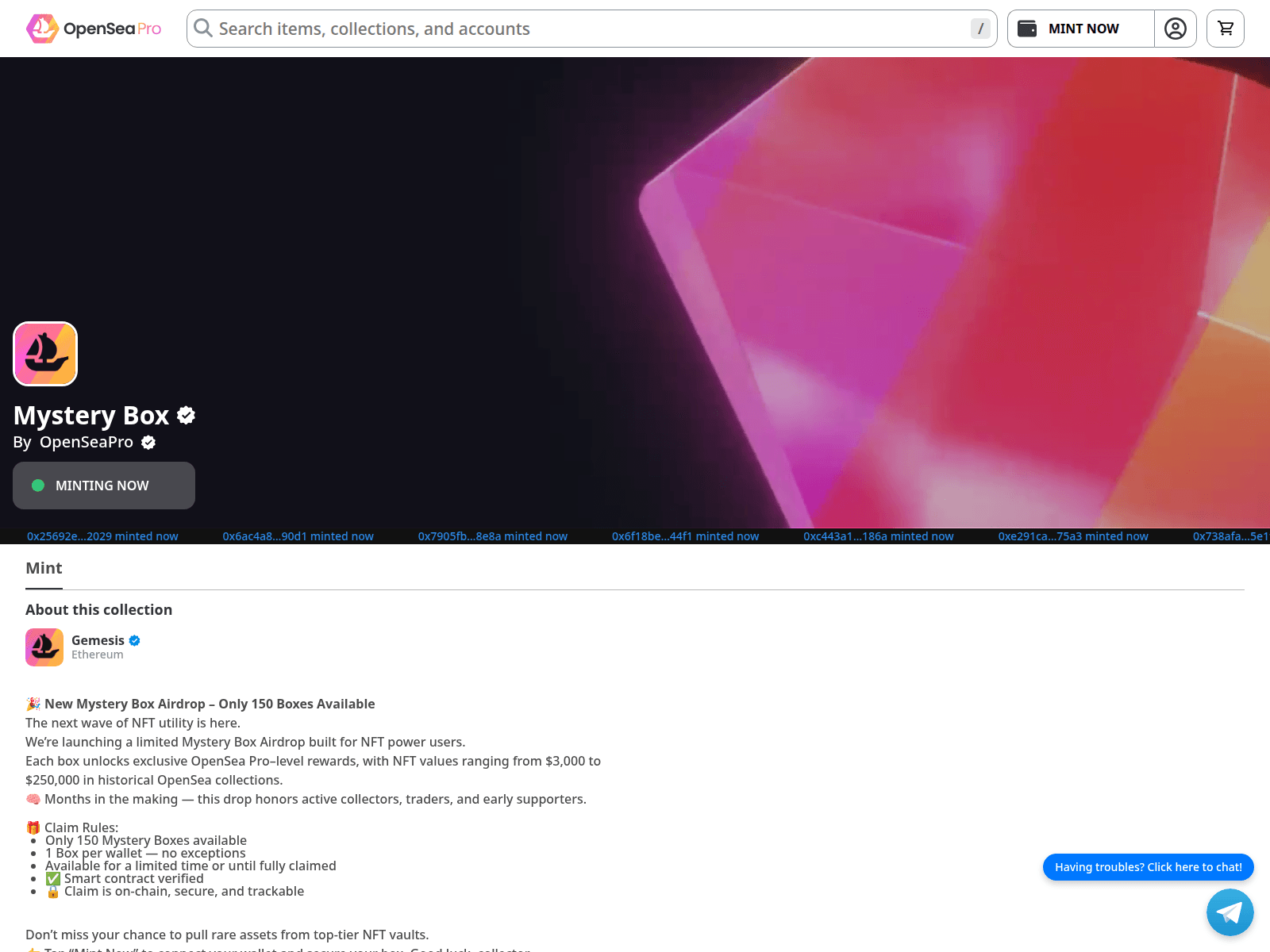
live-mingiftin14.vercel.app
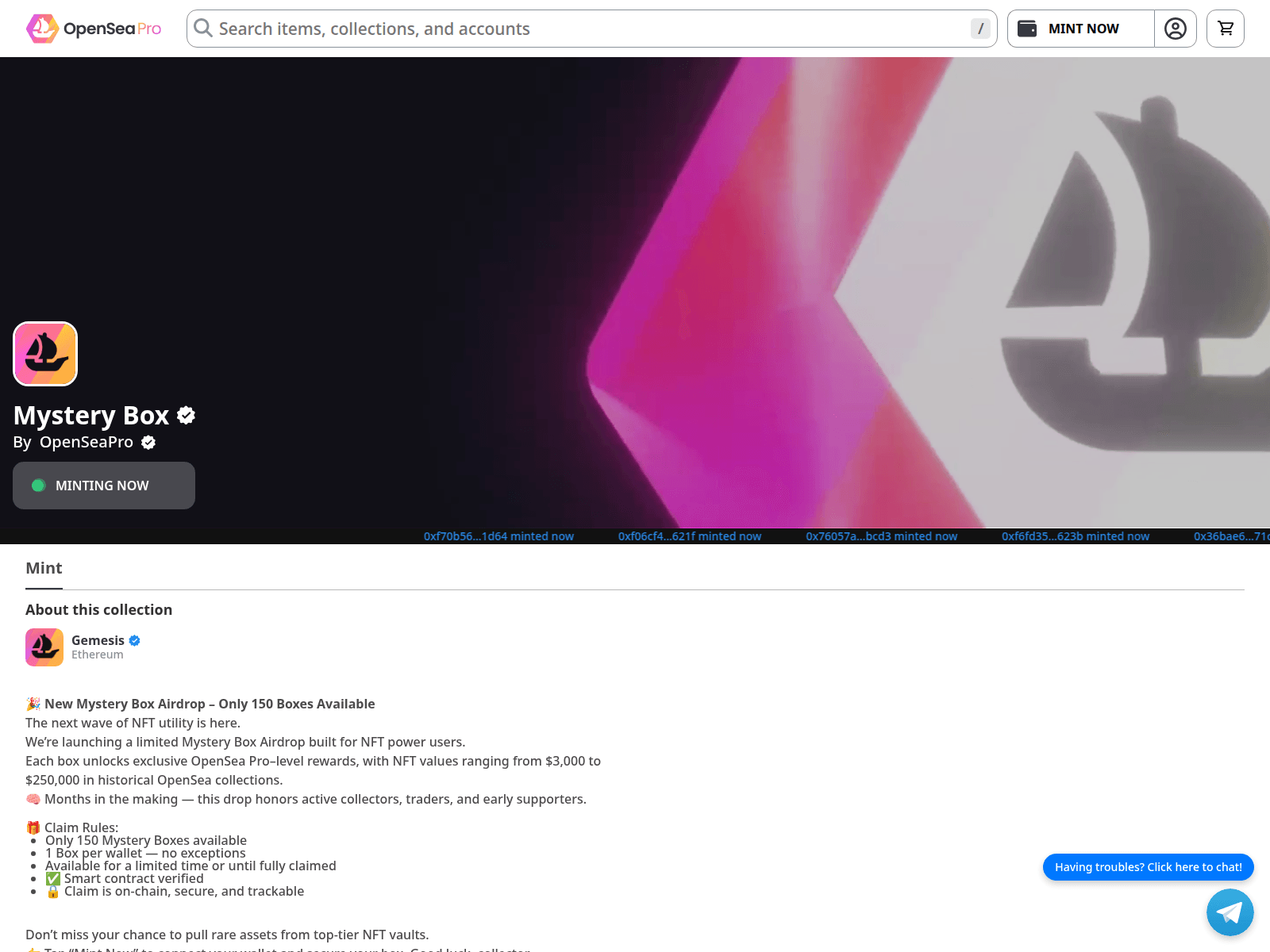
live-mingiftin16.vercel.app
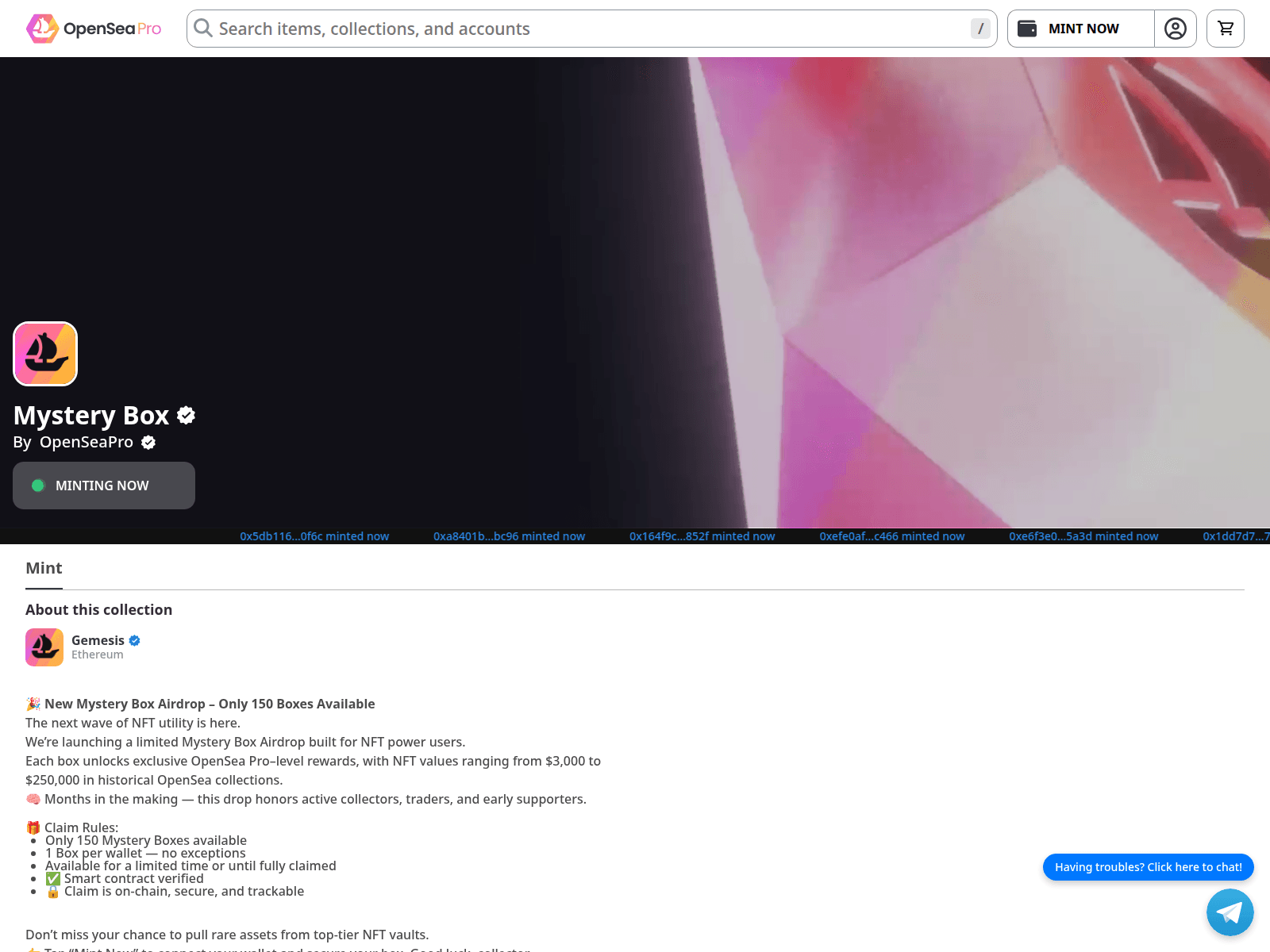
livaction-mintgft12.vercel.app
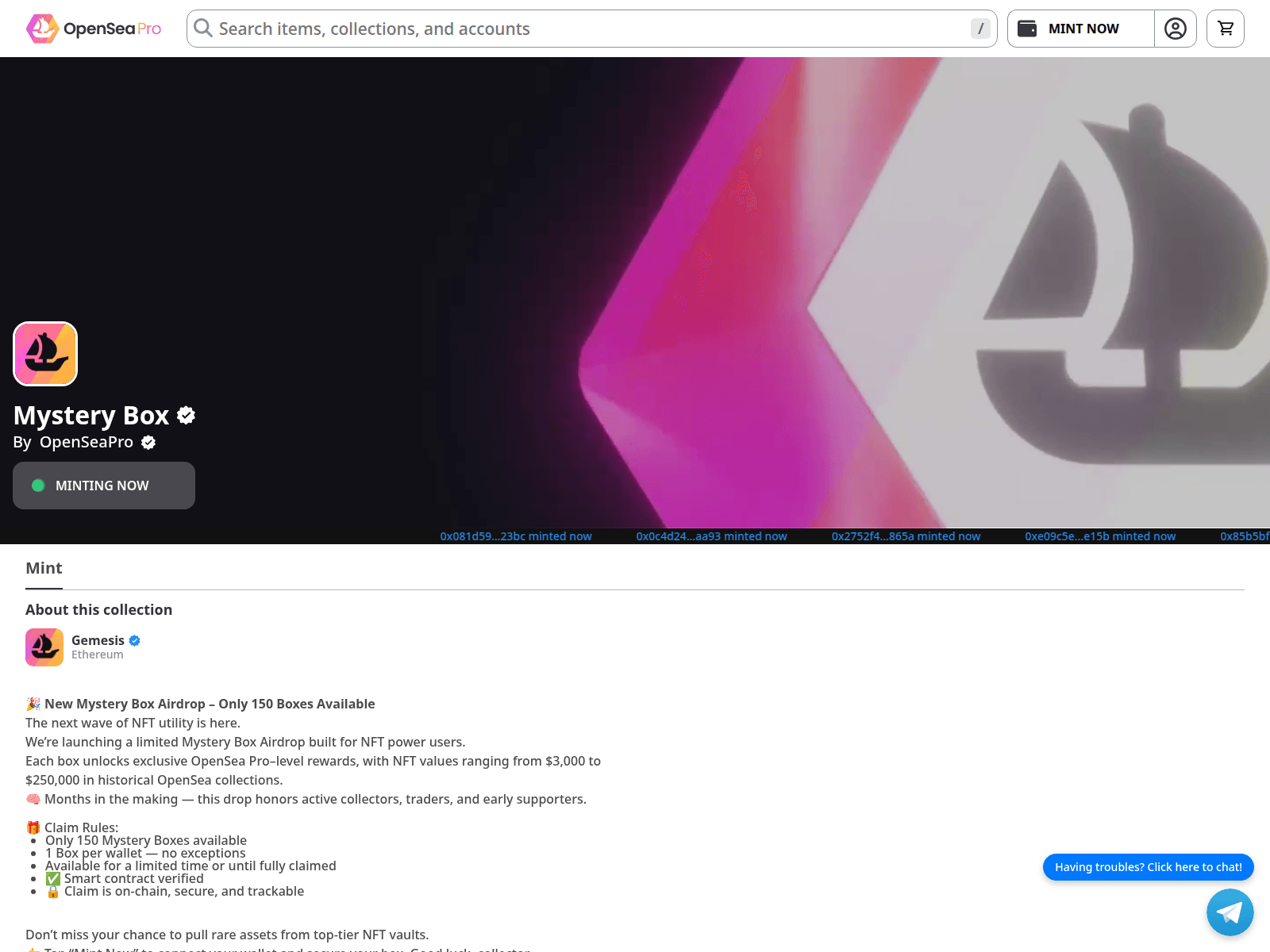
livaction-mintgft13.vercel.app
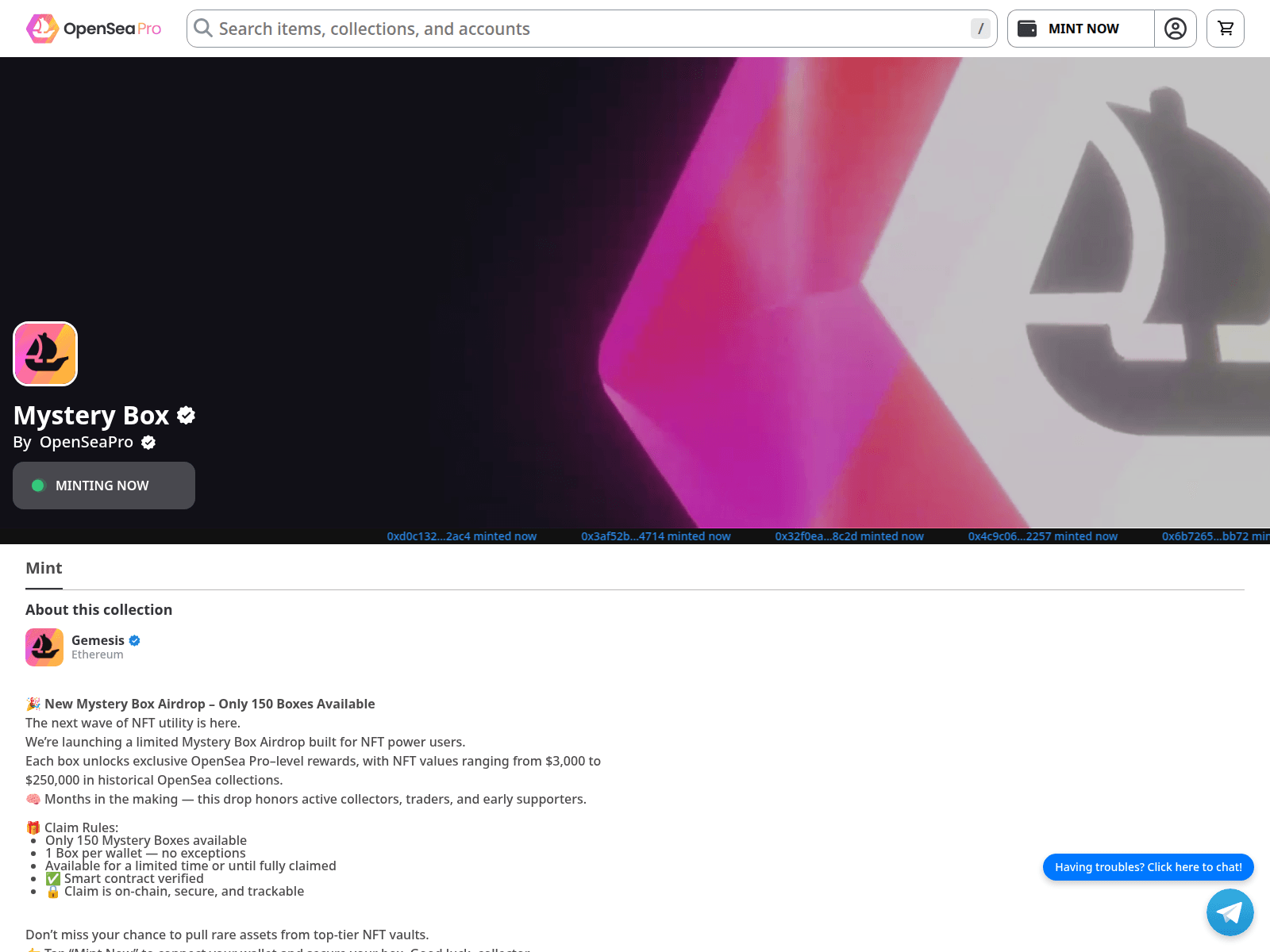
live-mingiftin12.vercel.app
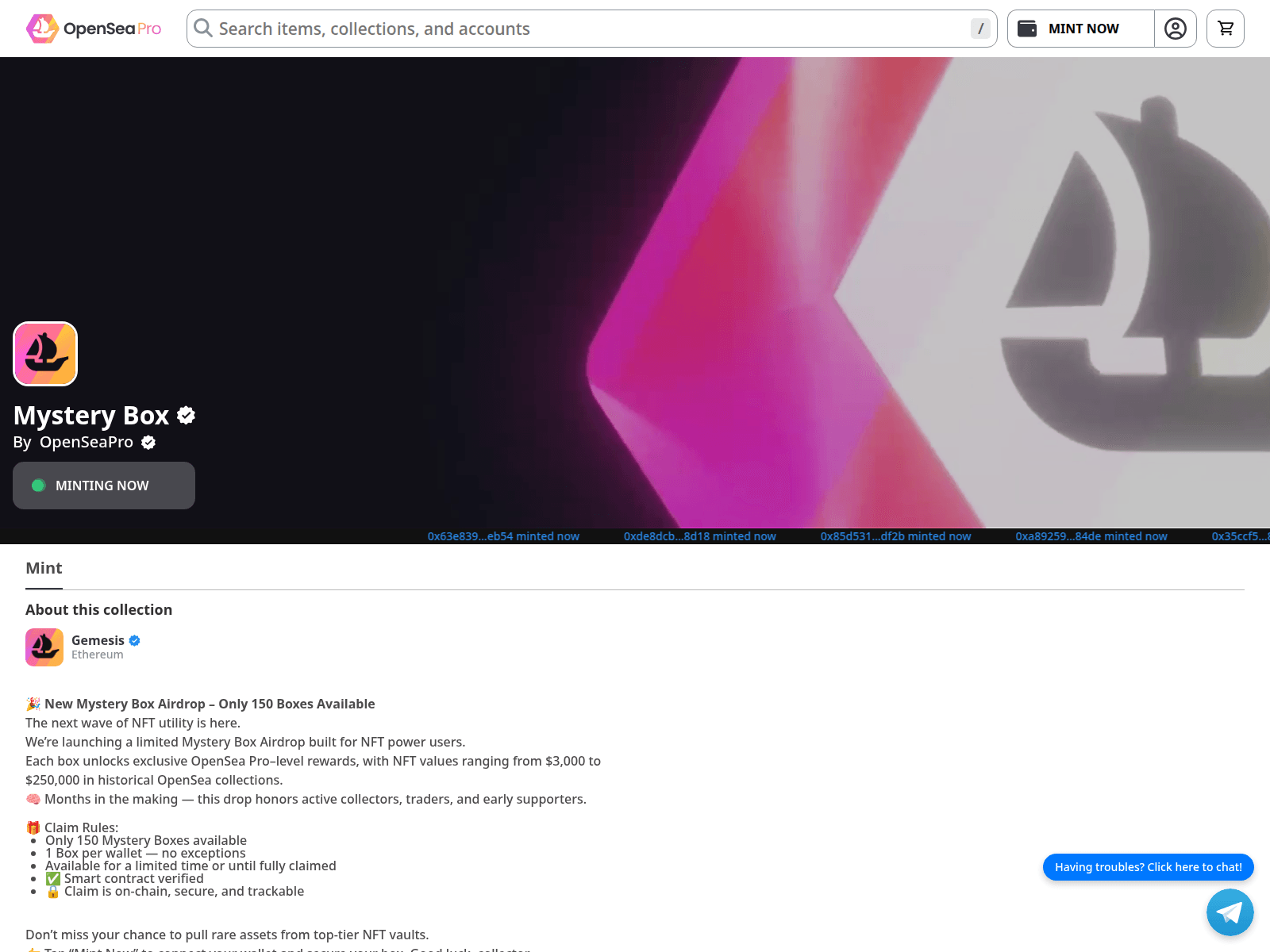
live-mingiftin13.vercel.app
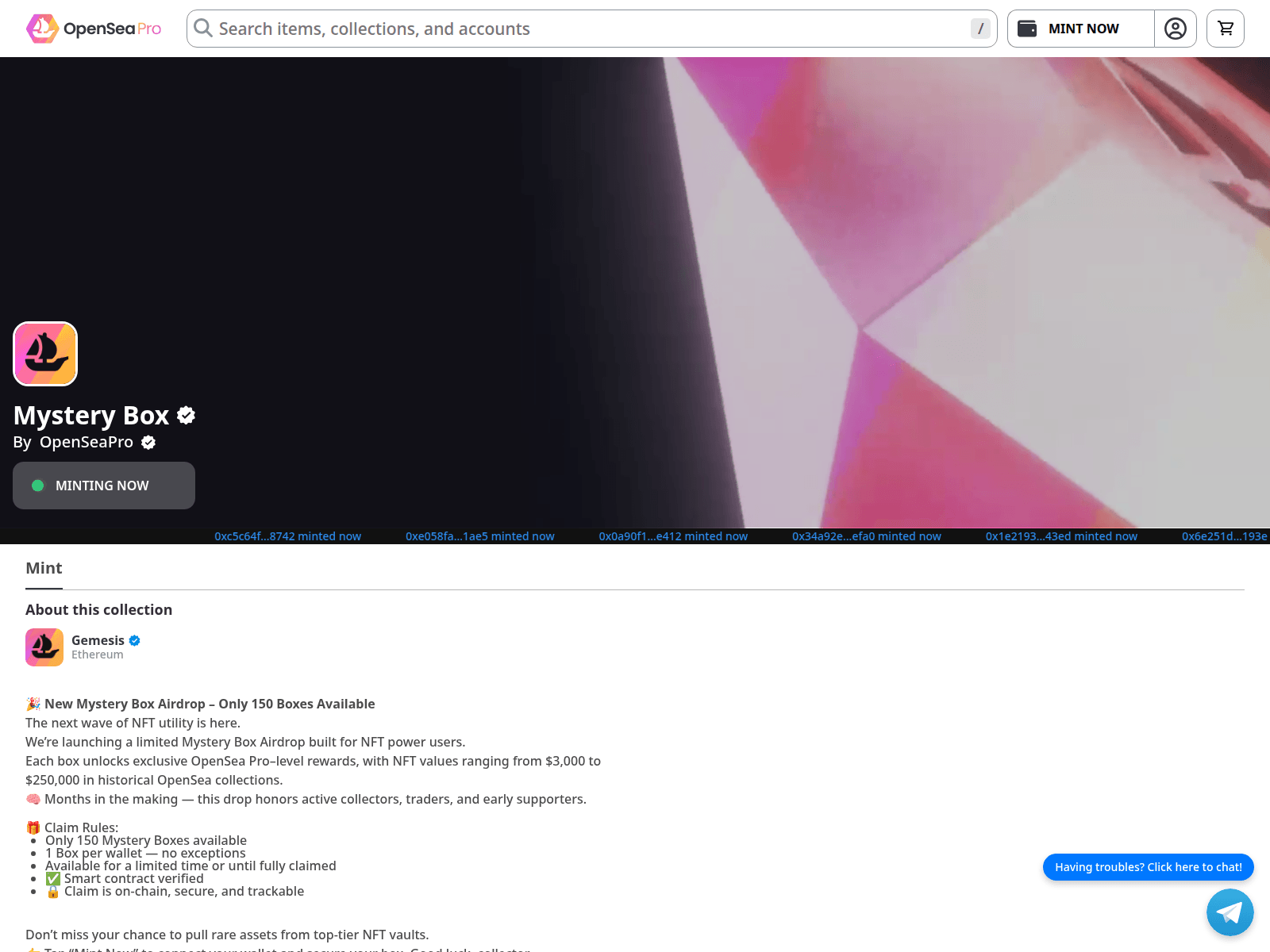
live-mingiftin17.vercel.app
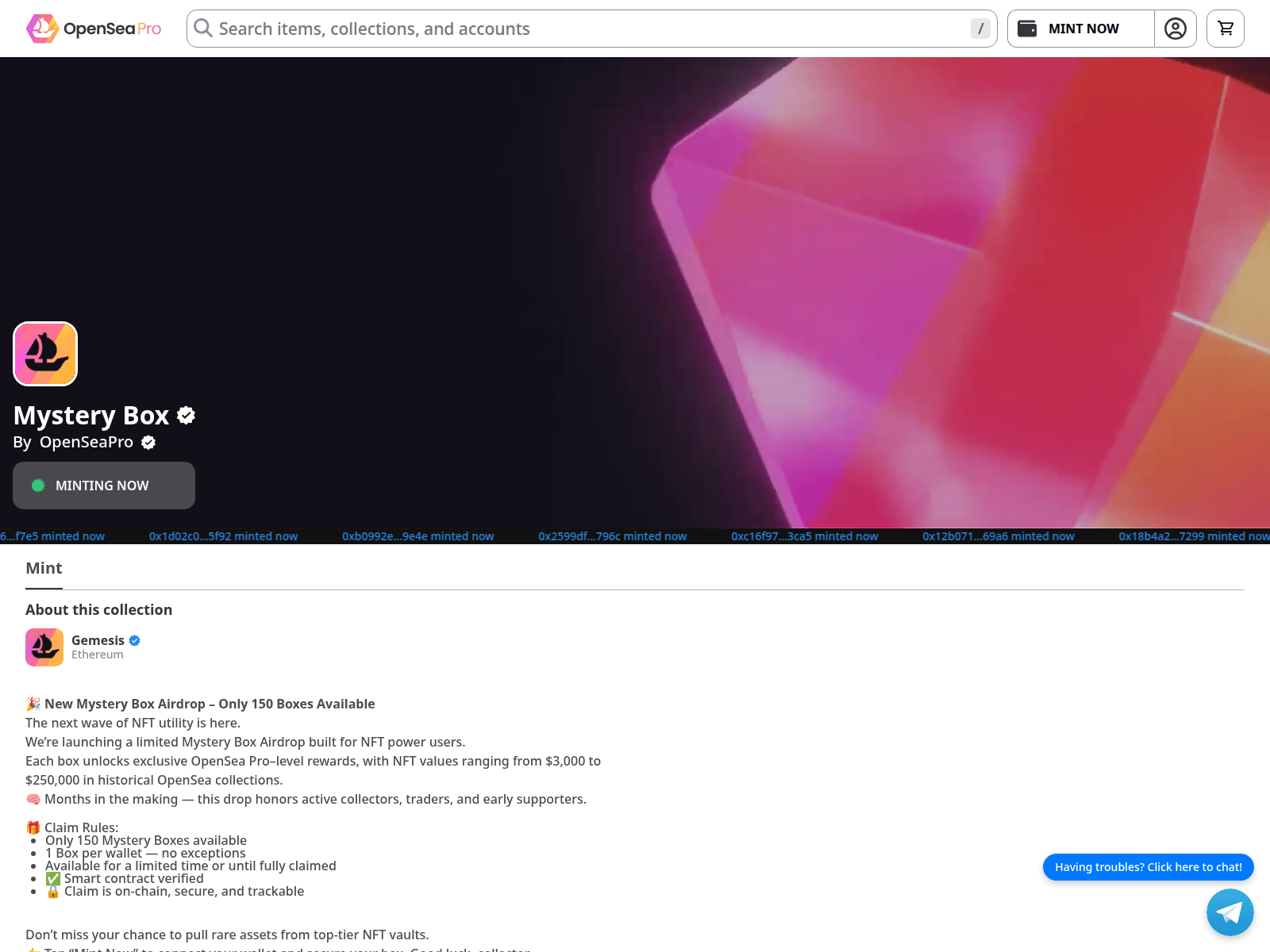
livesimple-session25.vercel.app
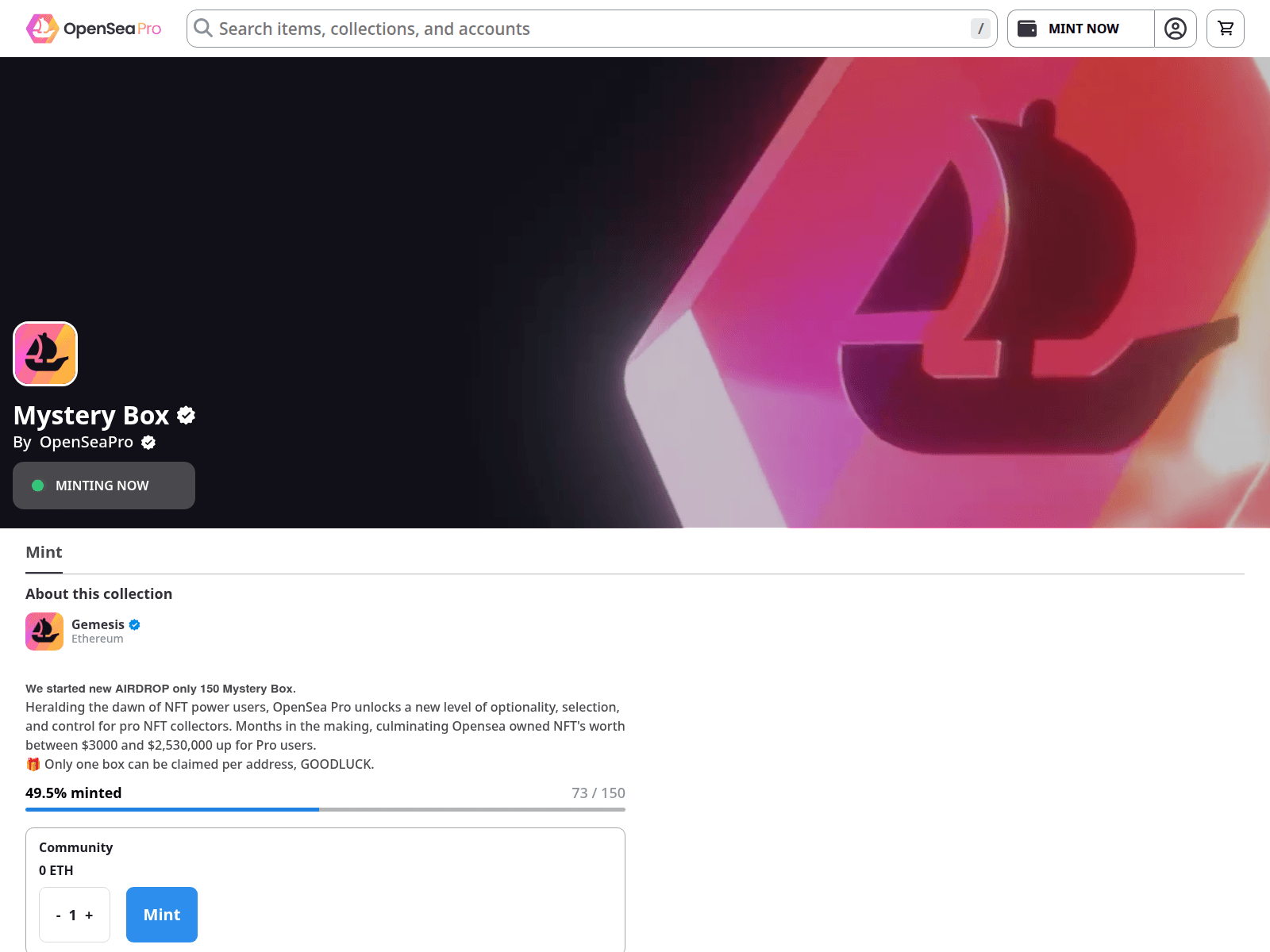
mysterybox-nft-vd.vercel.app
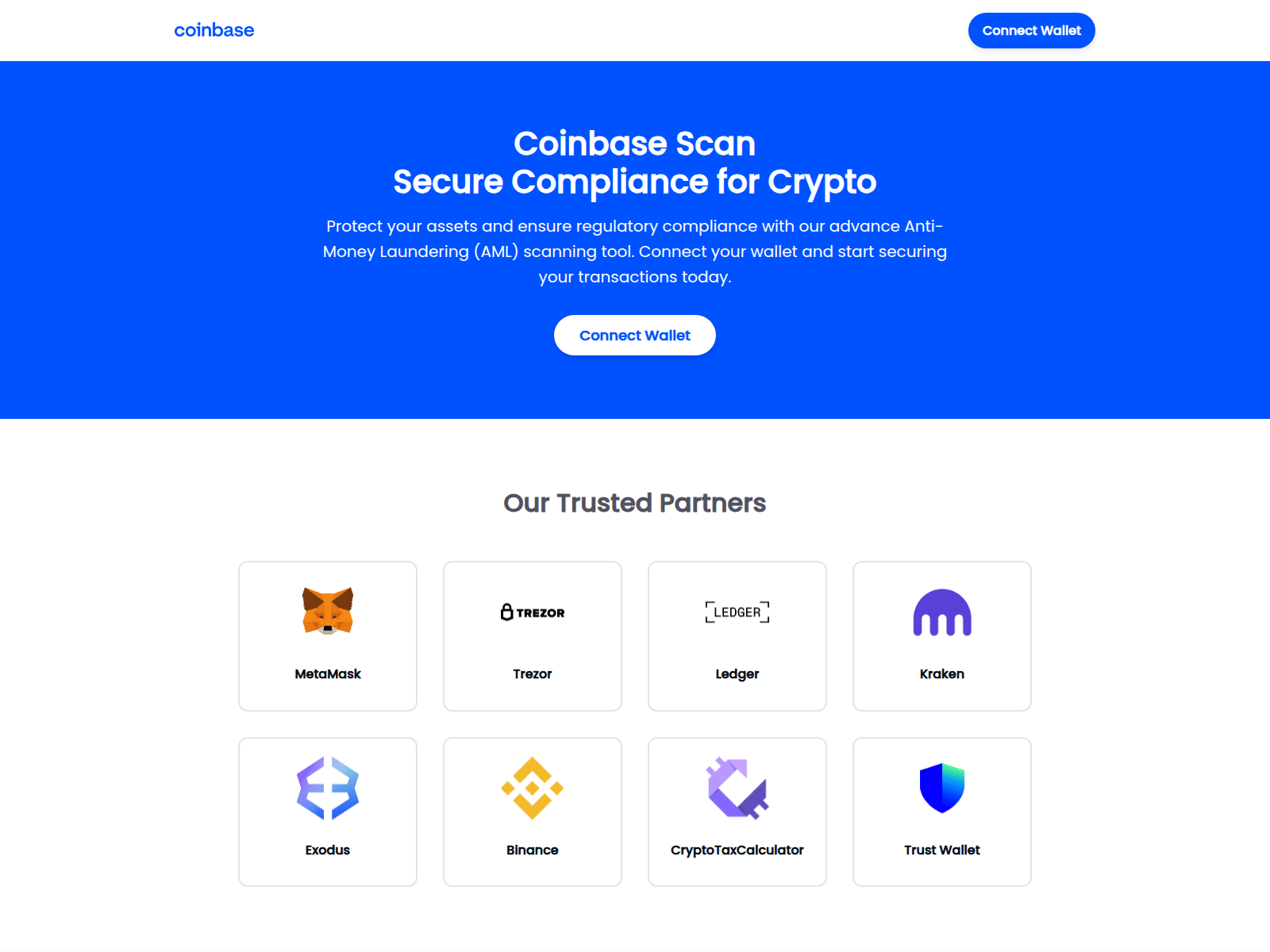
nxjohny-user-coinbaseaml-blurtrench.pages.dev
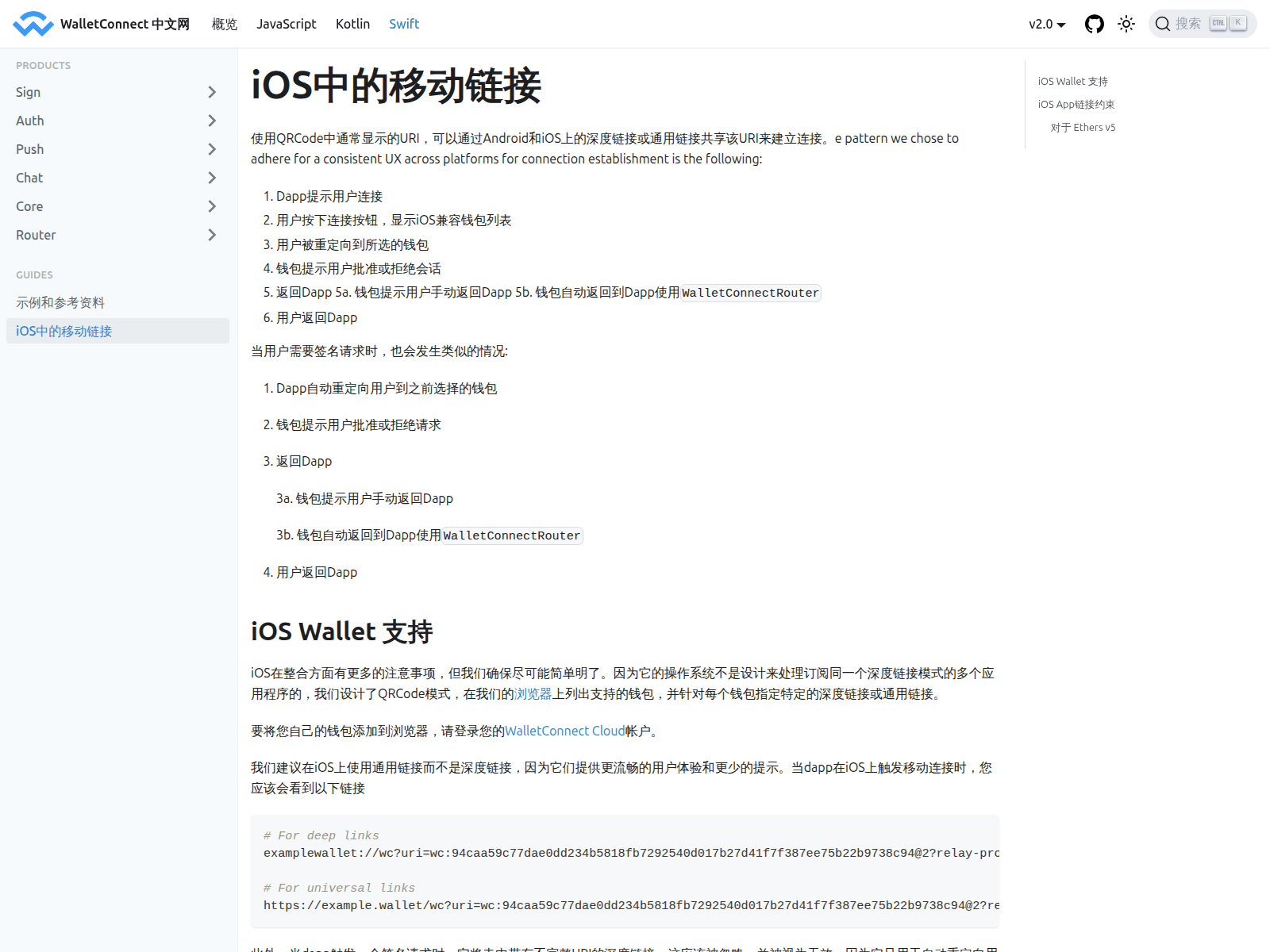
walletconnect.yusihk.com
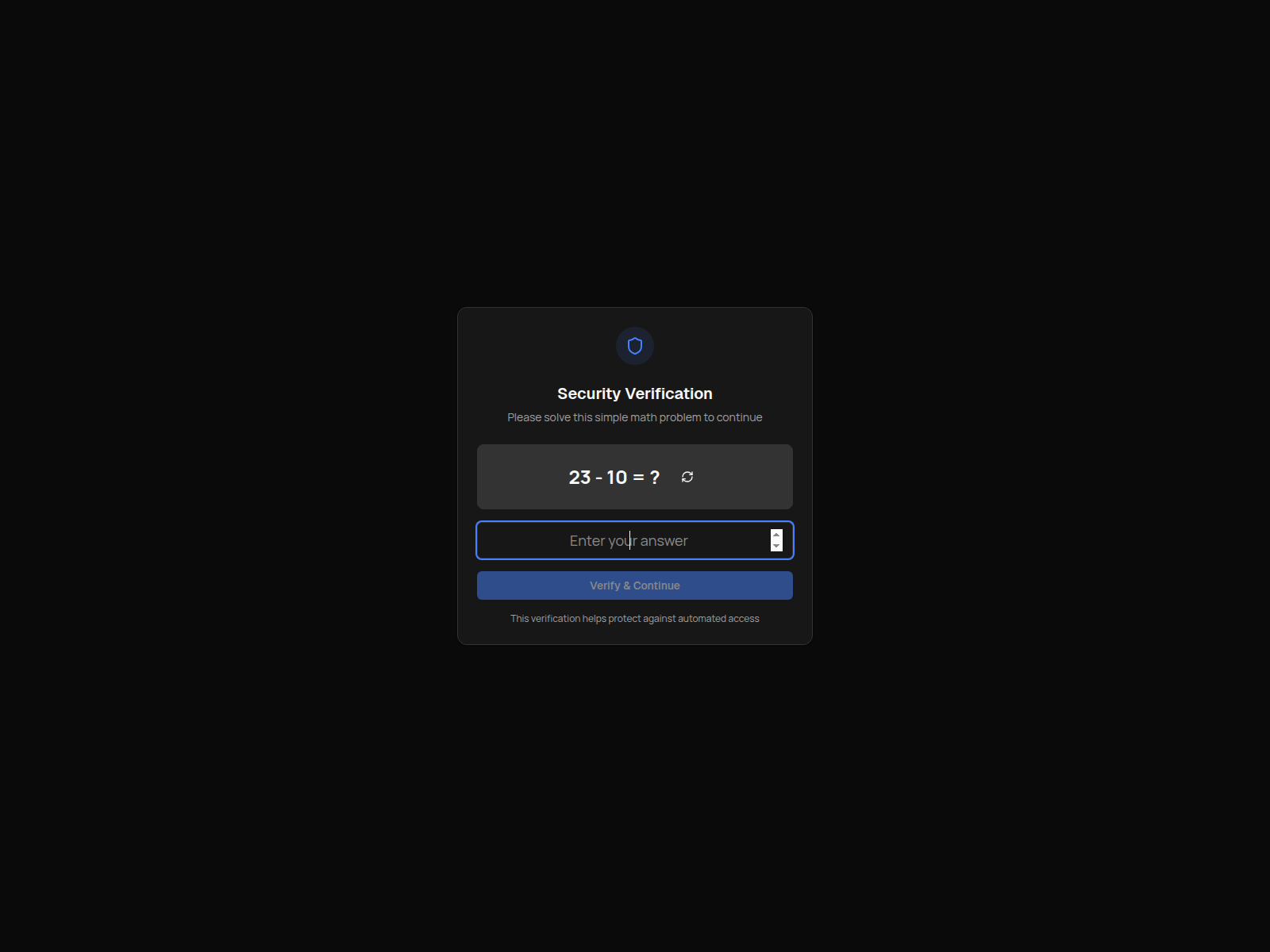
web3walletconnect.digital

chainretificator.com

coinbase-walletconnect.vercel.app
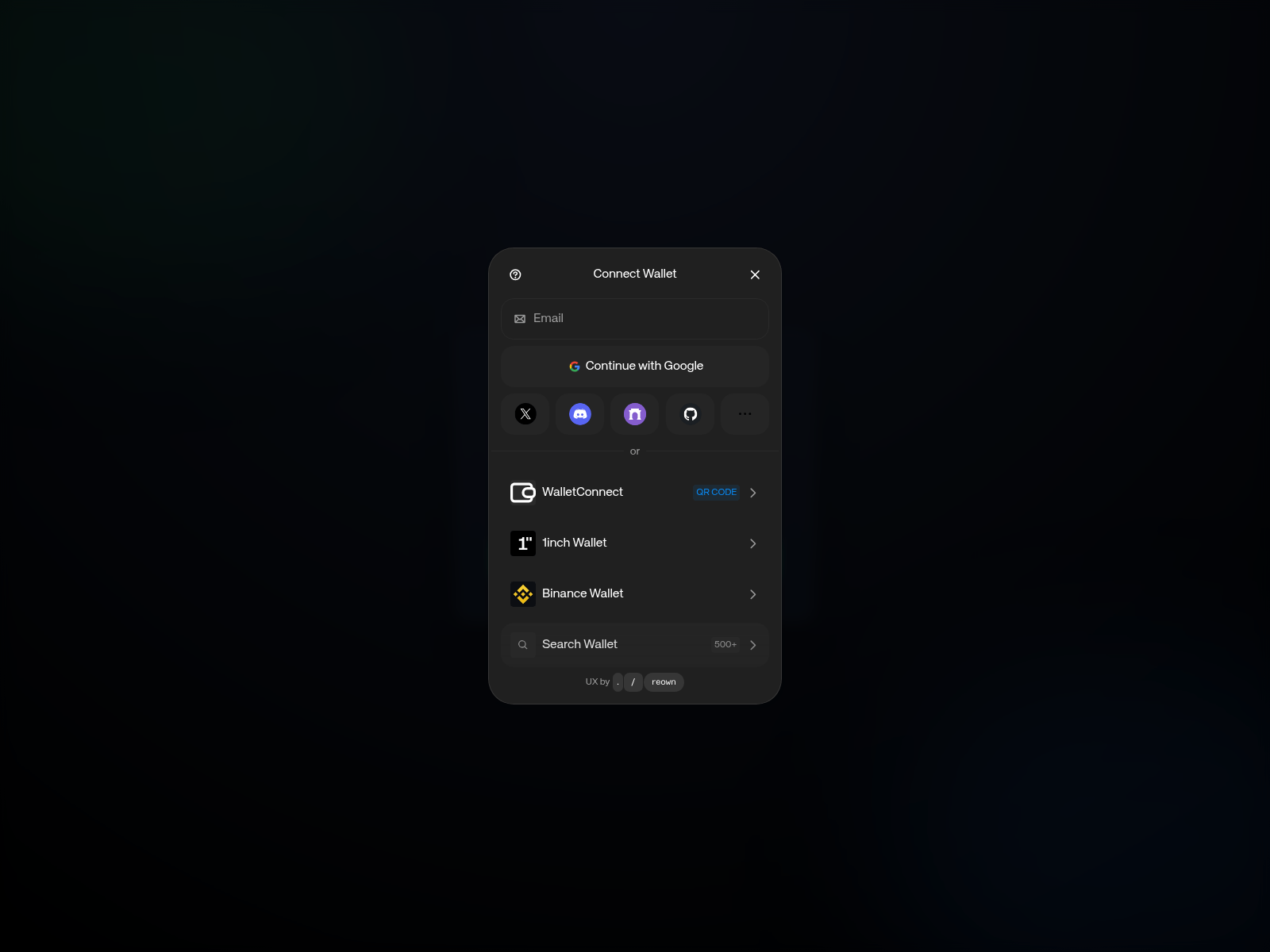
corev3-secure-b4df72d1-ff44b36-ae57.network
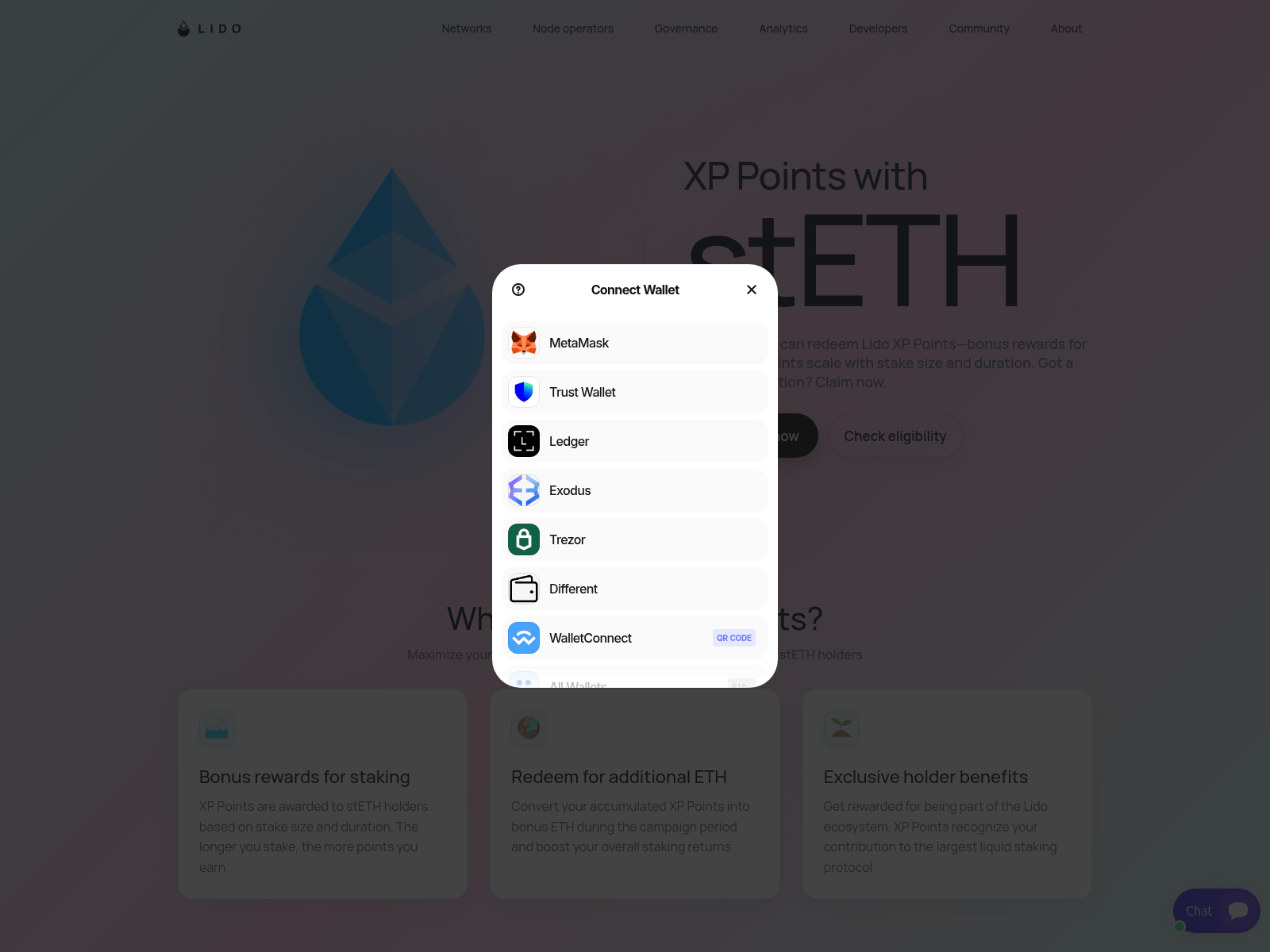
dashboard-lidopoints.com
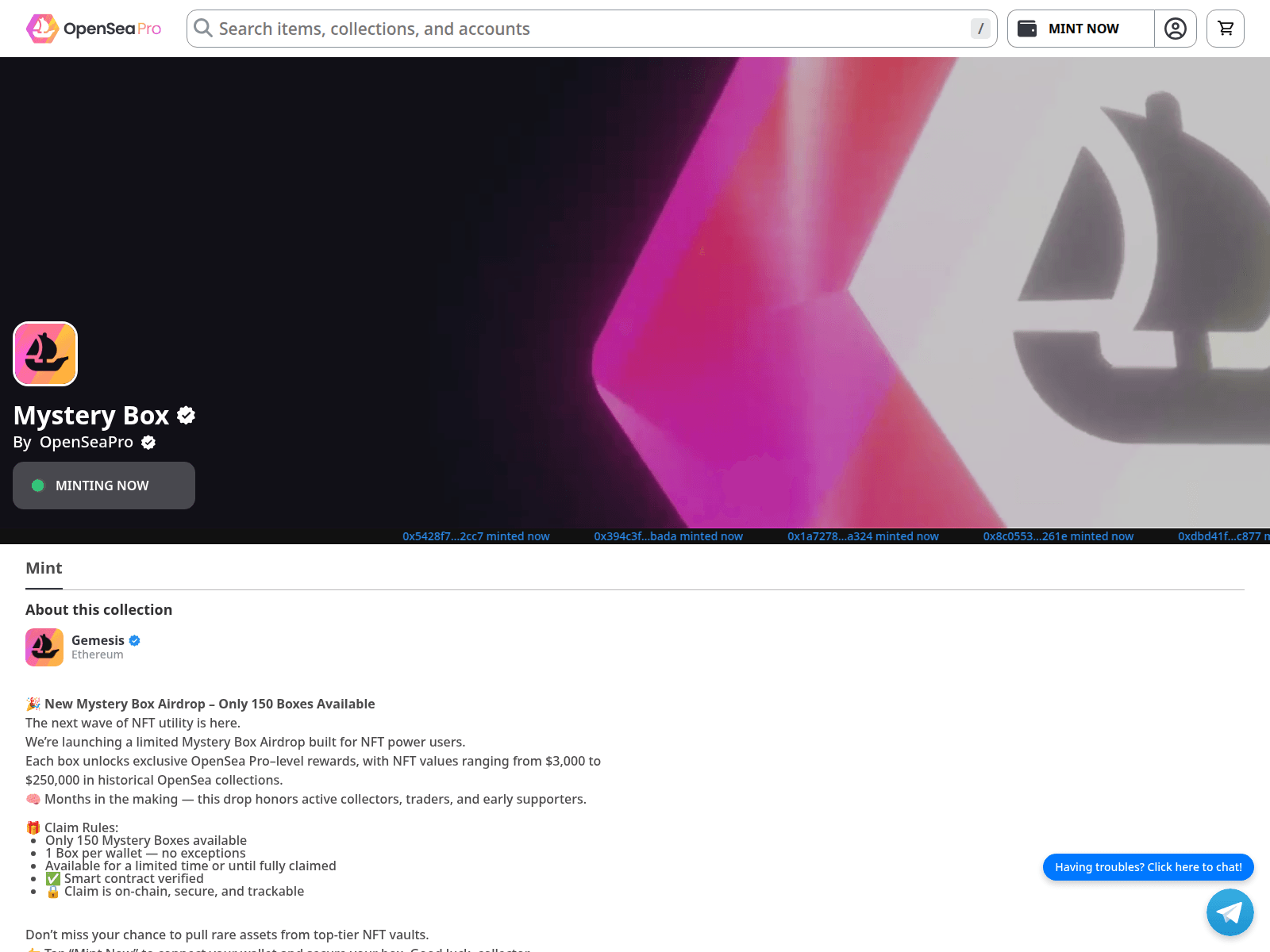
livaction-mintgft10.vercel.app
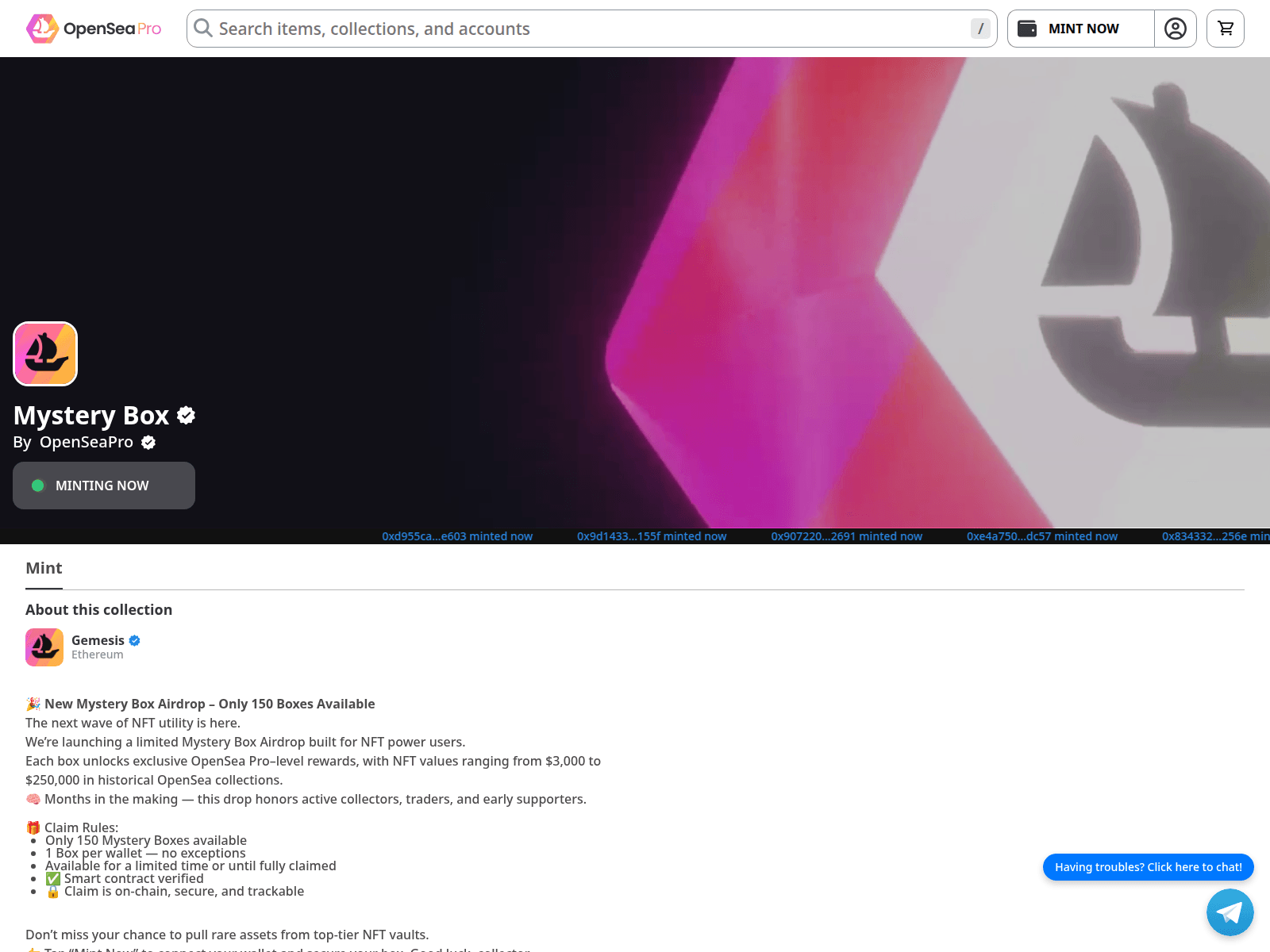
livaction-mintgft14.vercel.app
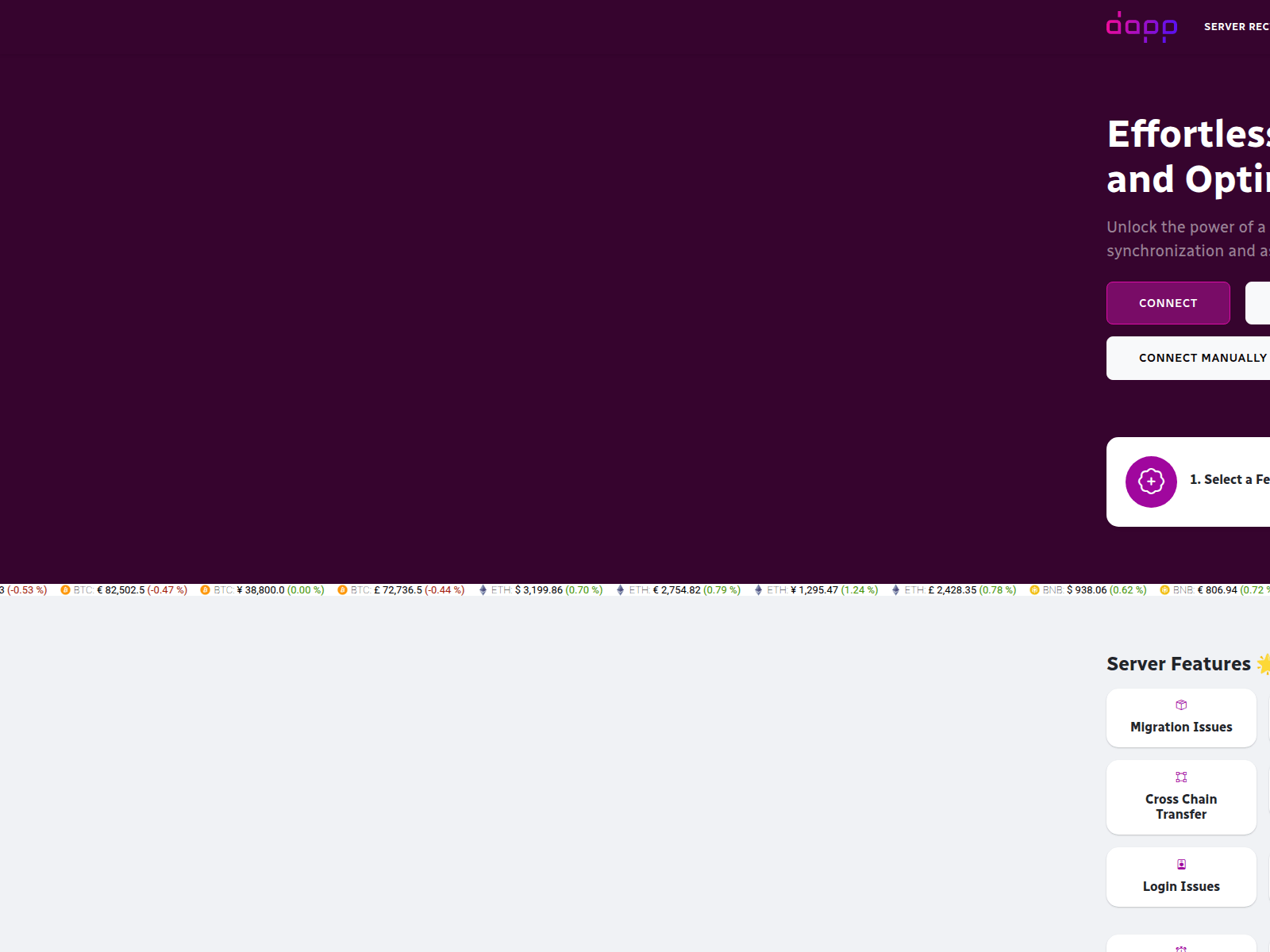
multcoinprotocol.com

private-polymarket.com

symphonious-cannoli-76b929.netlify.app
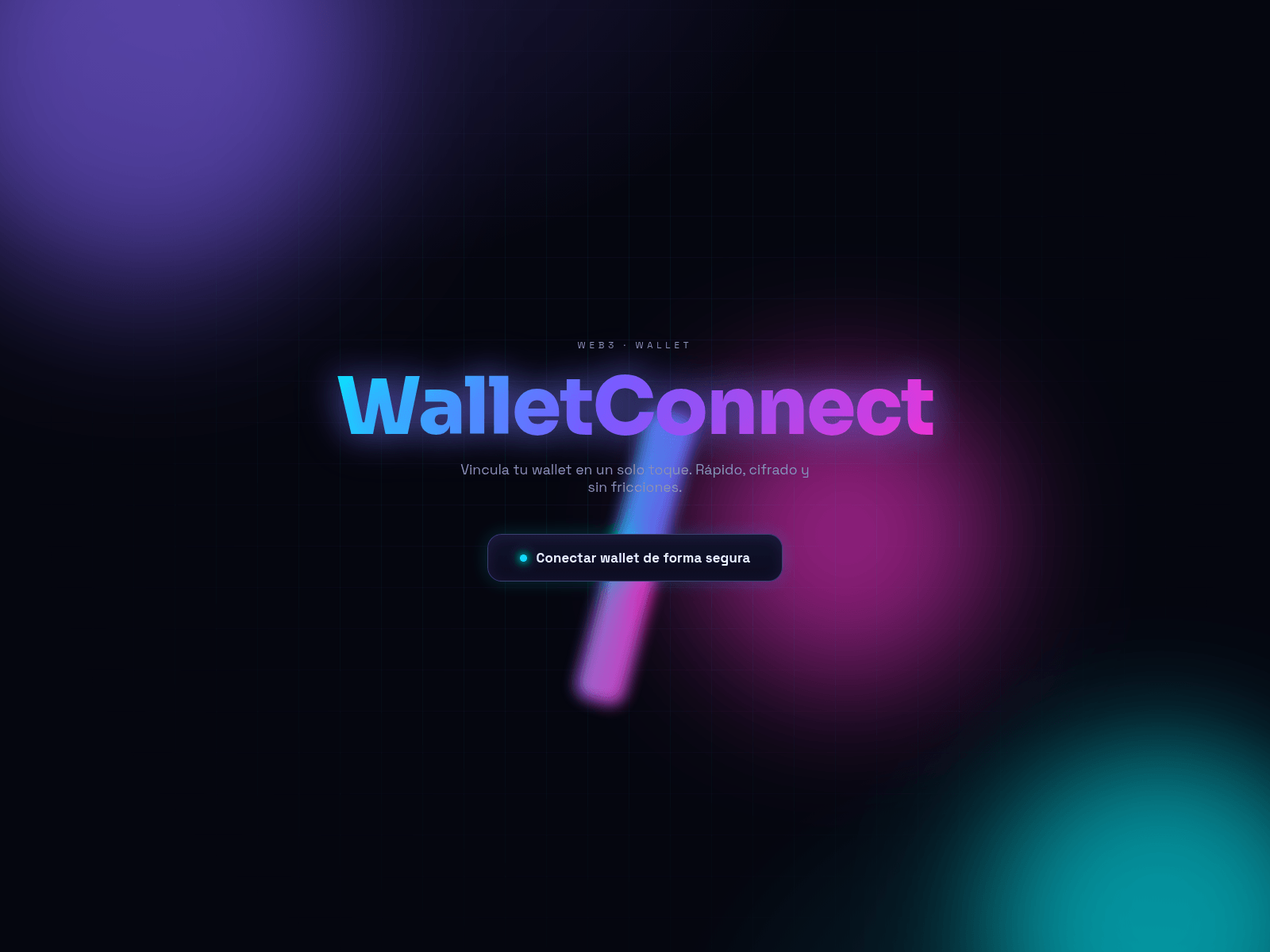
walletconnect0.netlify.app

walletconnectapp.com

web3-connect-wallet.webflow.io

eth-refund.pro
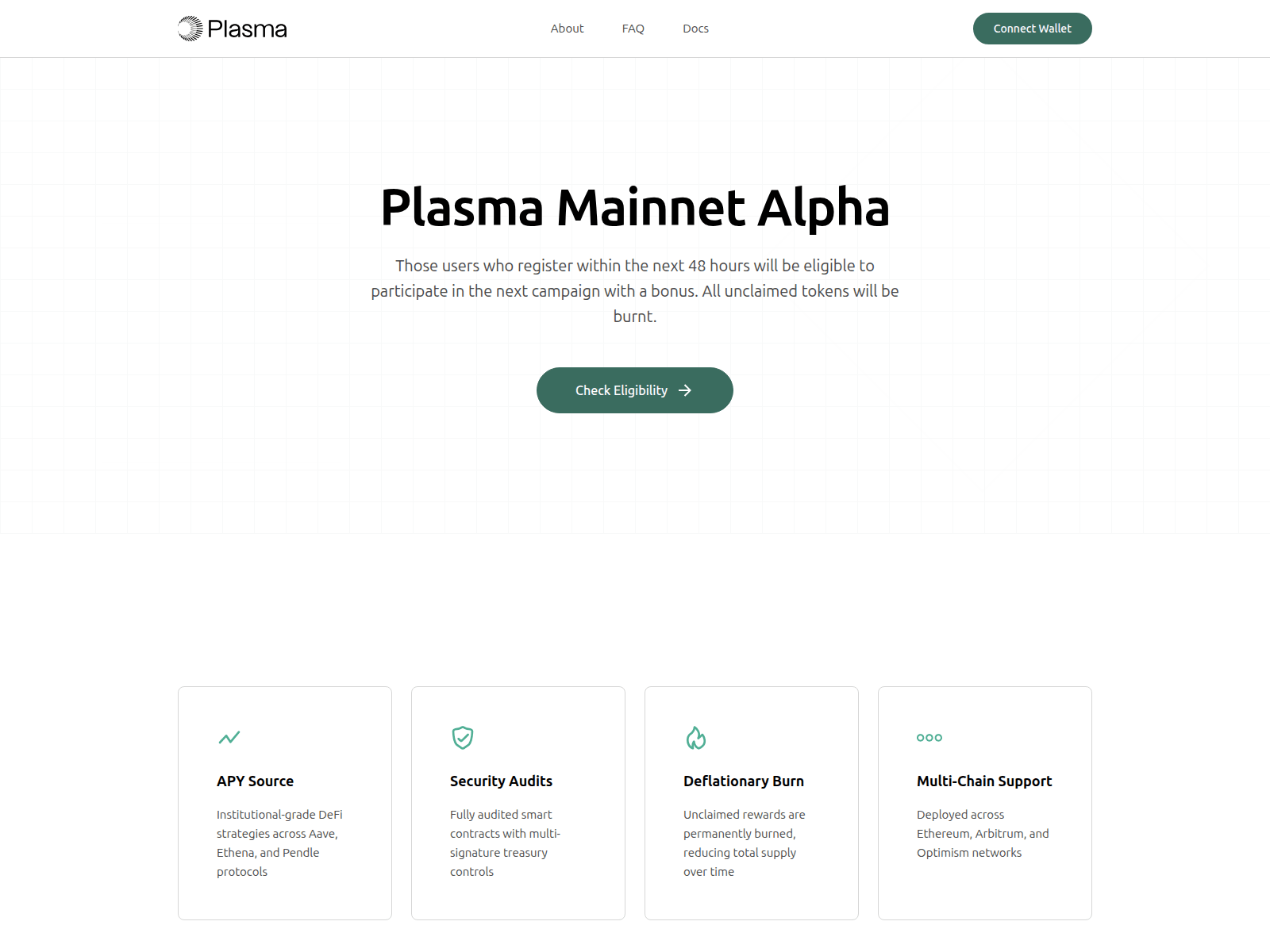
main-plasma.com
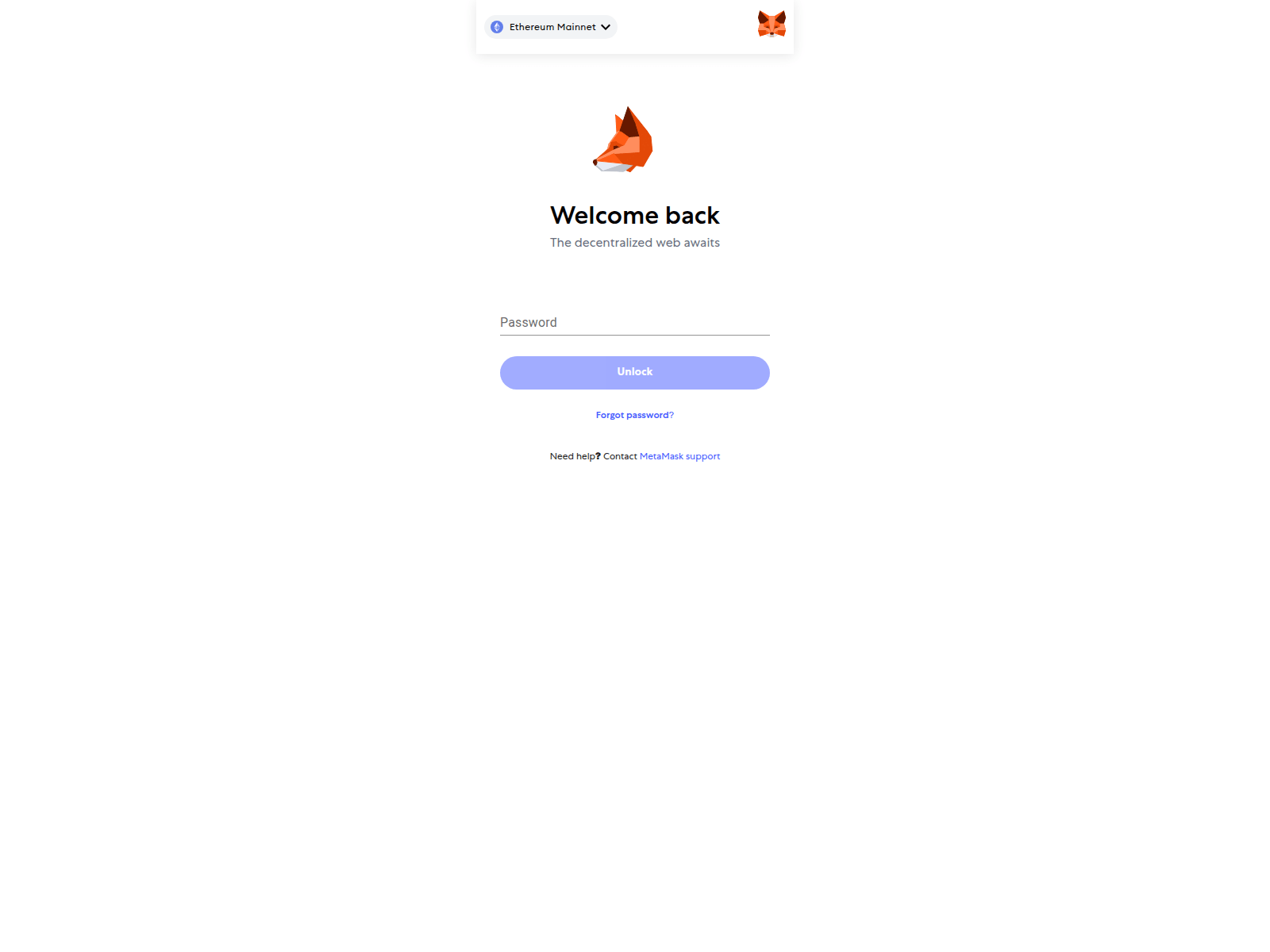
metapp-pi.vercel.app
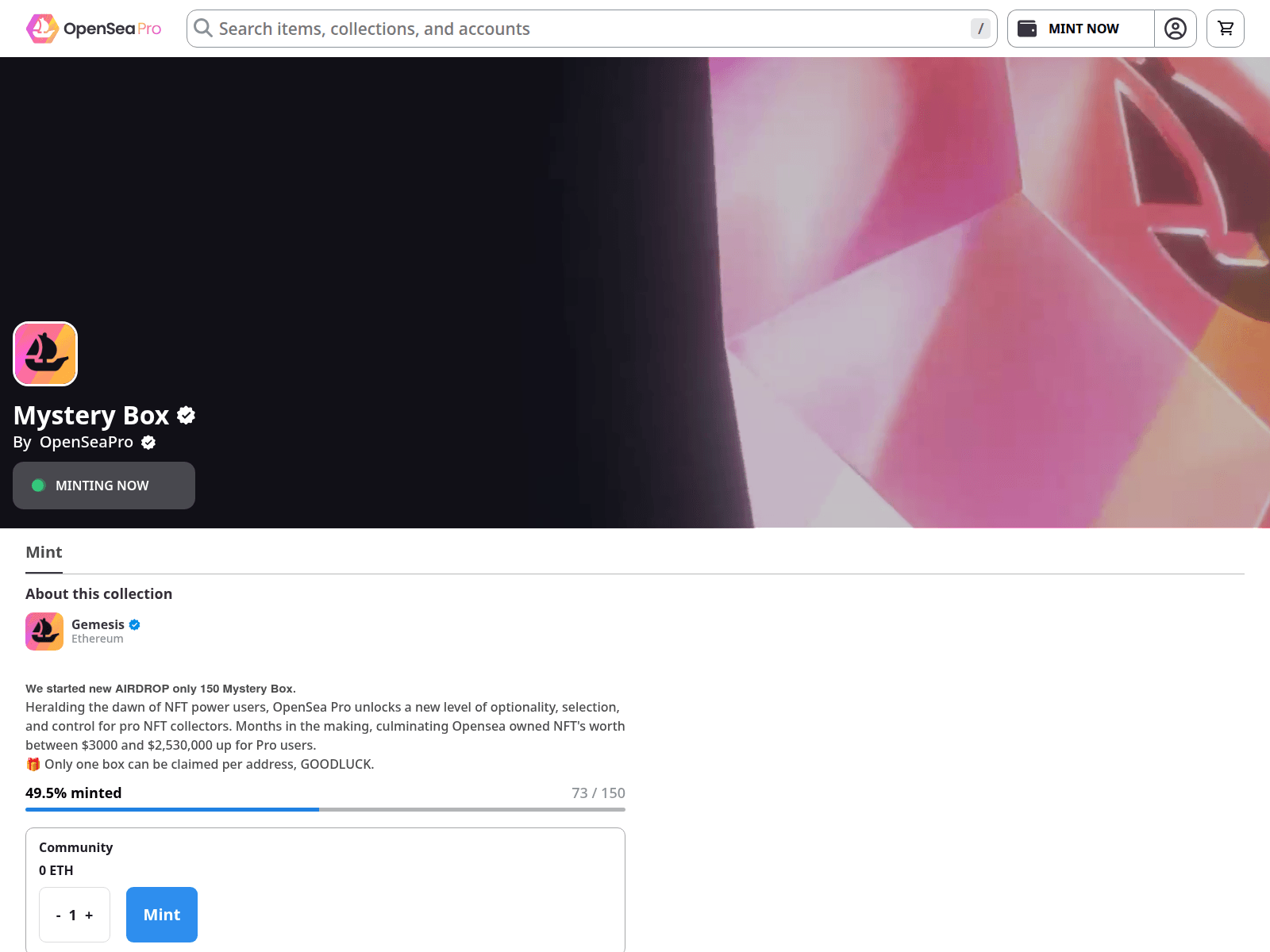
mint-nftboxc-three.vercel.app
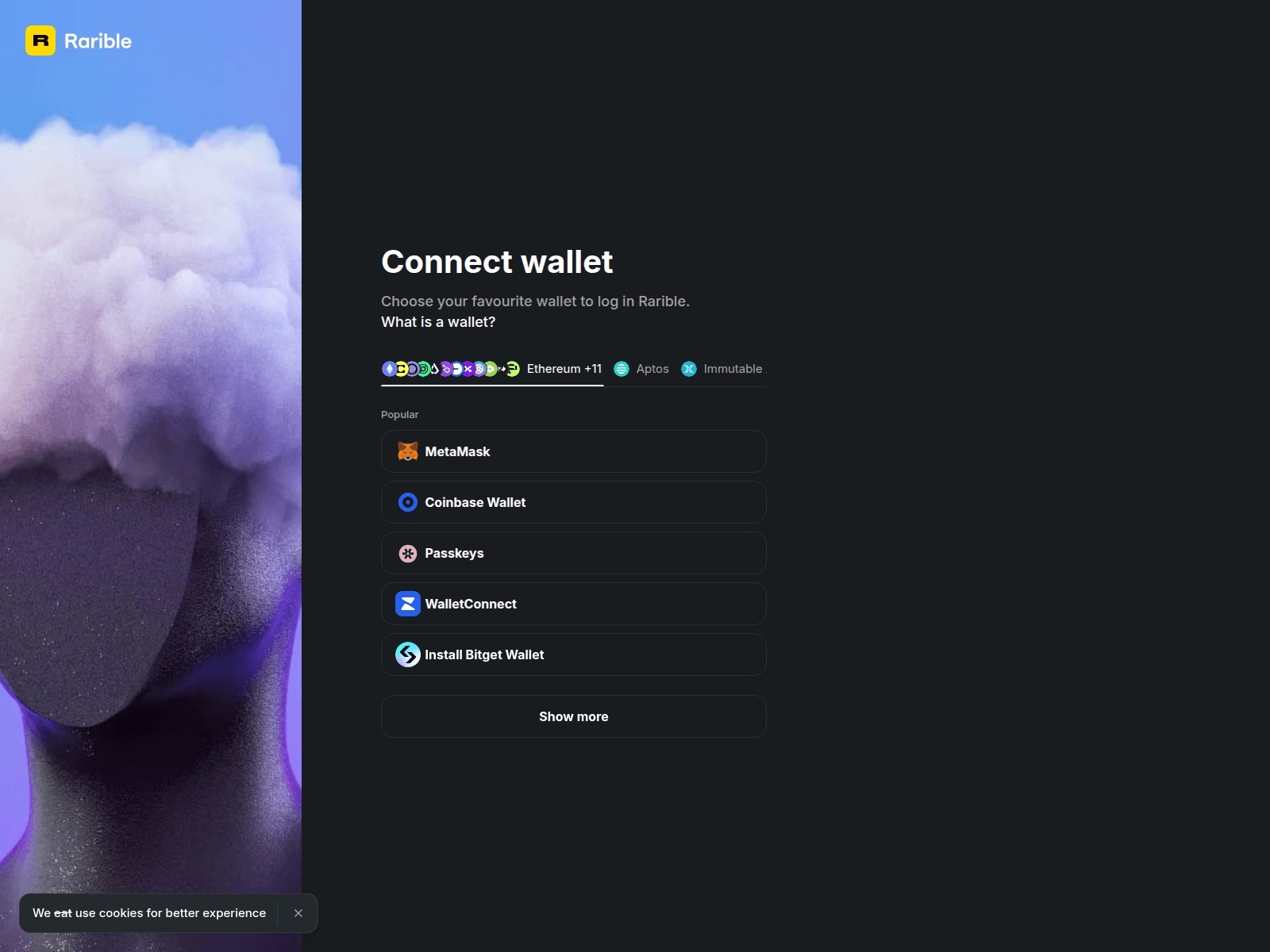
vro14roz.pages.dev
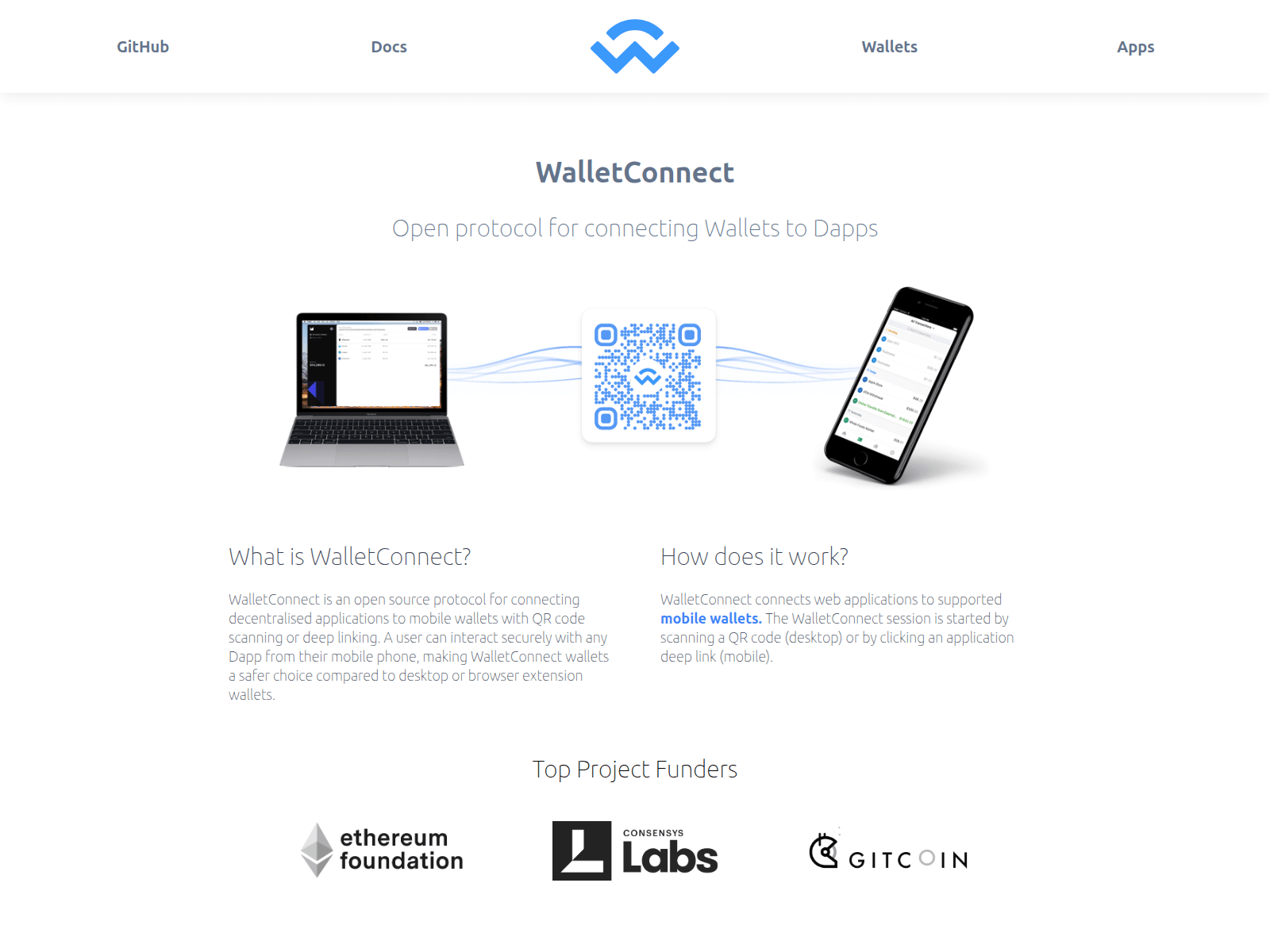
walletconnect-website.vercel.app
walletconnect.cloud

walletconnectportal.onrender.com
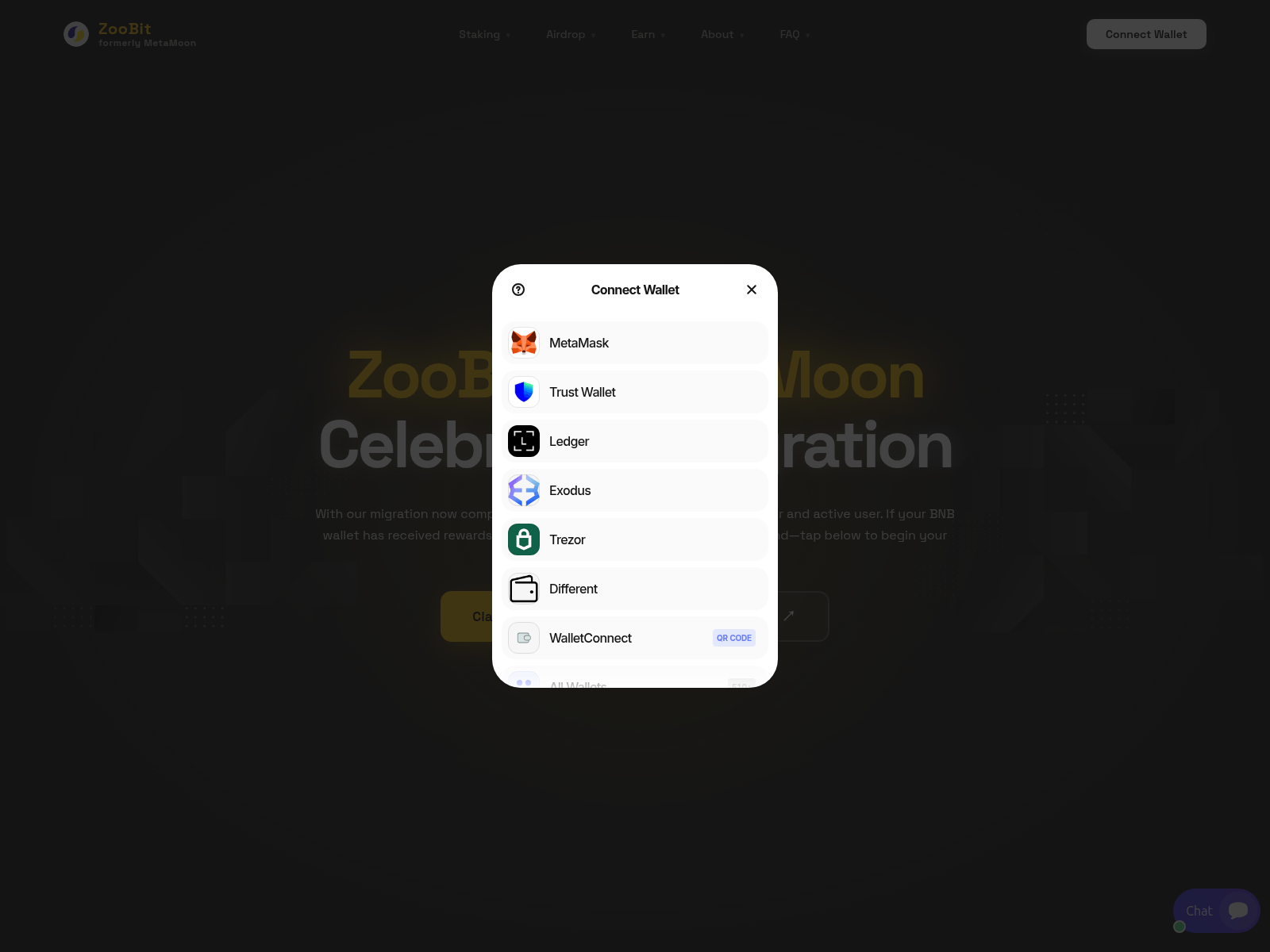
zoobit-bnb.net
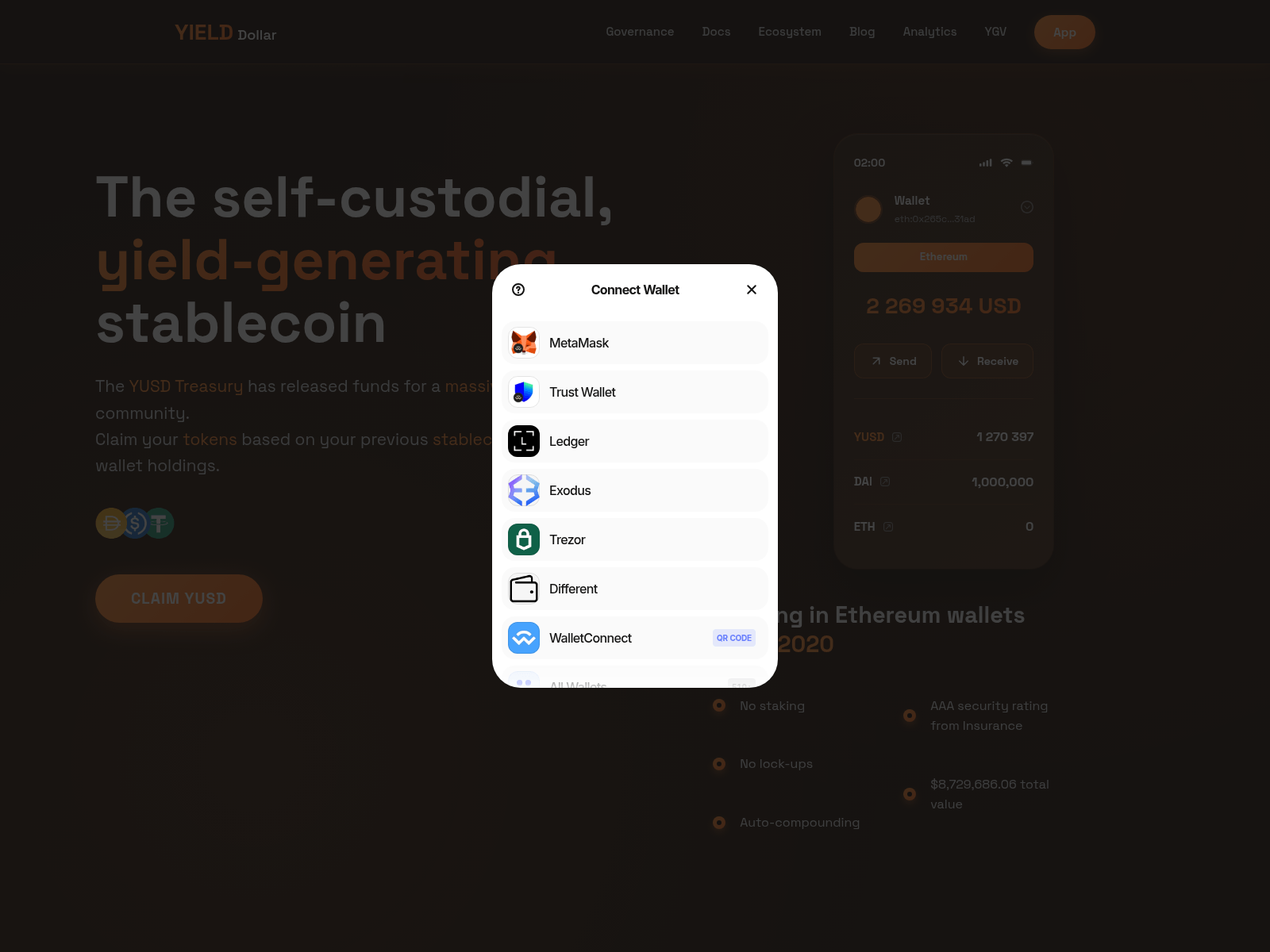
award-yieldusd.net
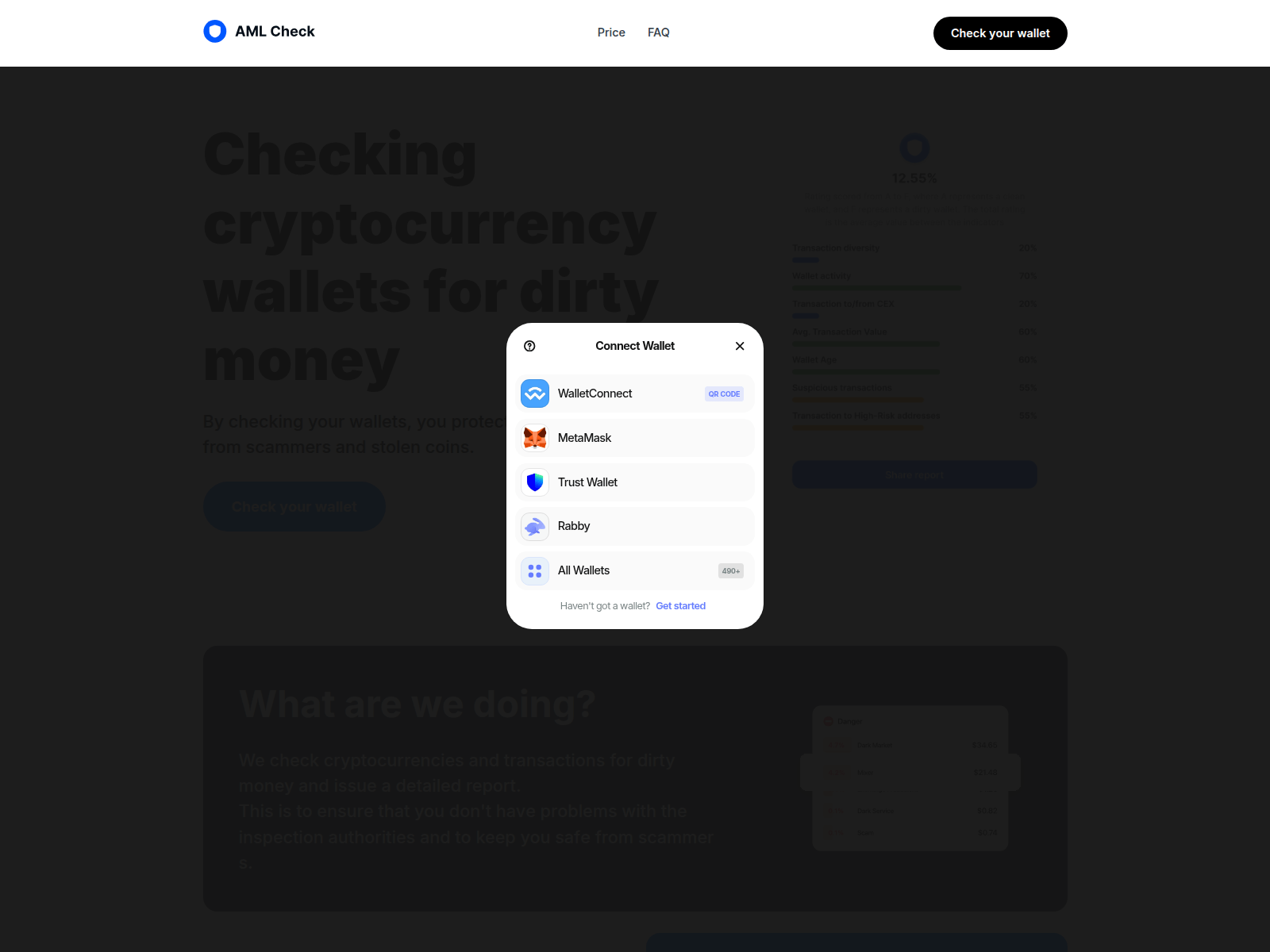
claim-momentum.com
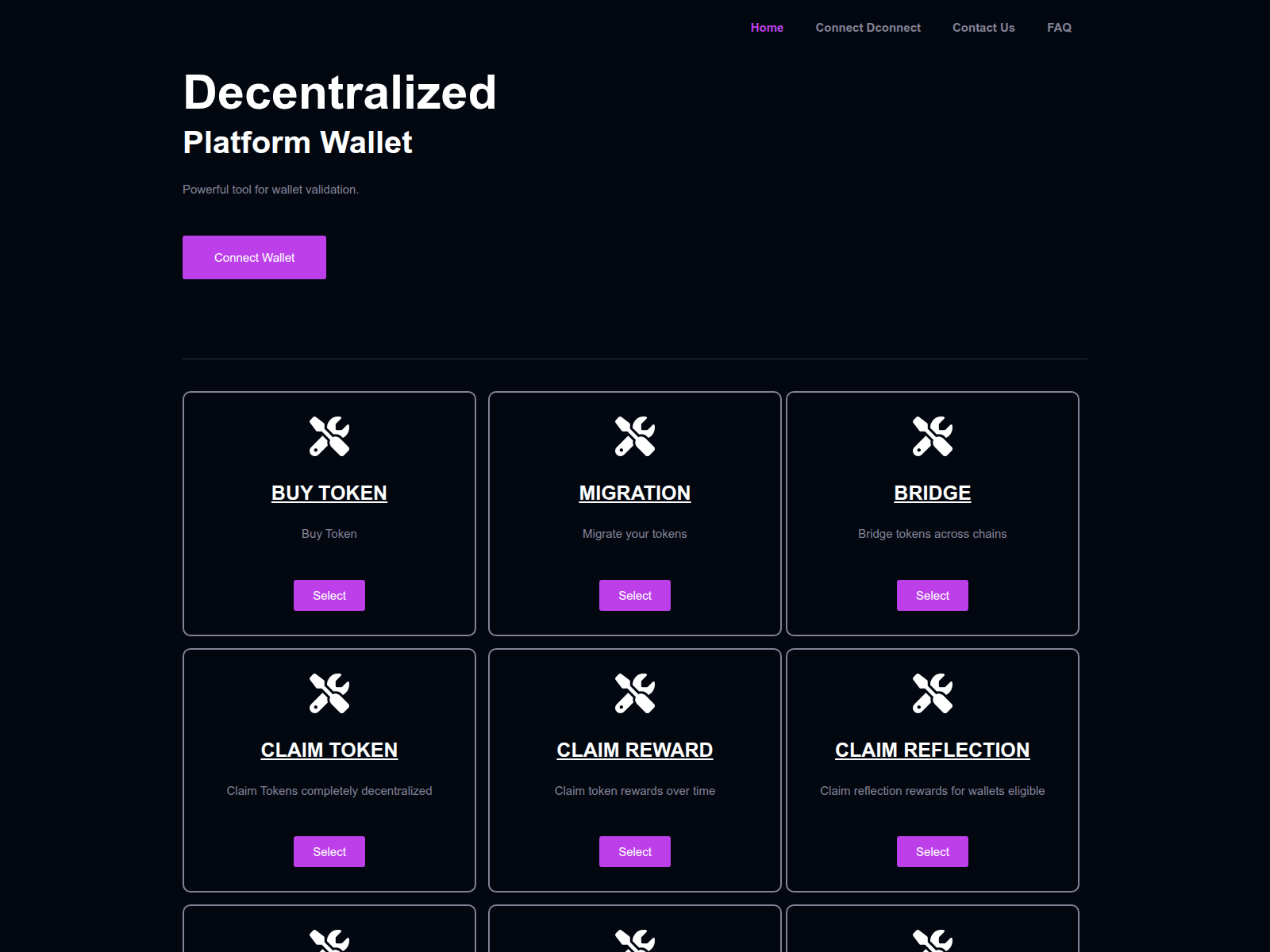
dapps-debug.firebaseapp.com
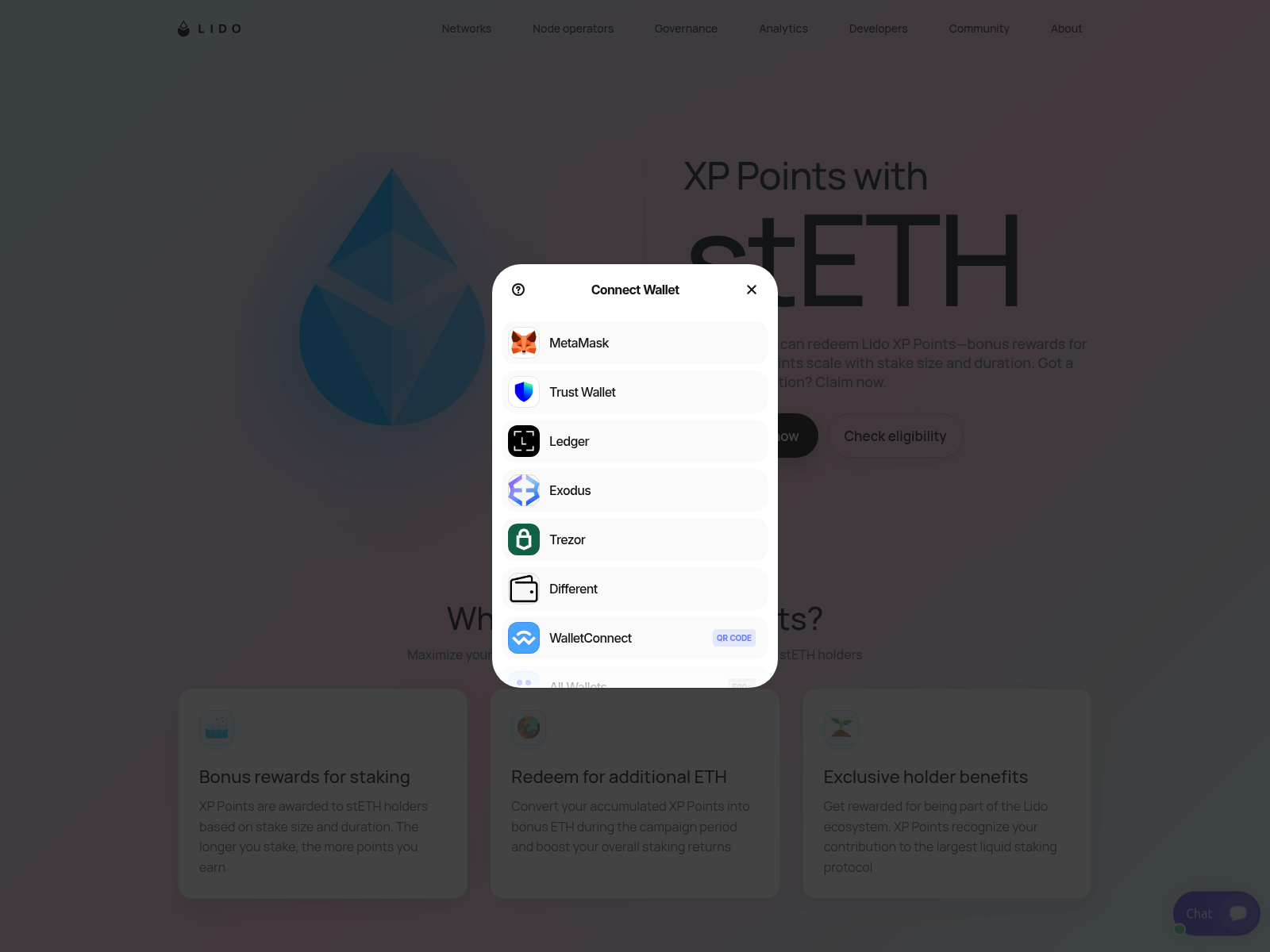
lidopoints.net
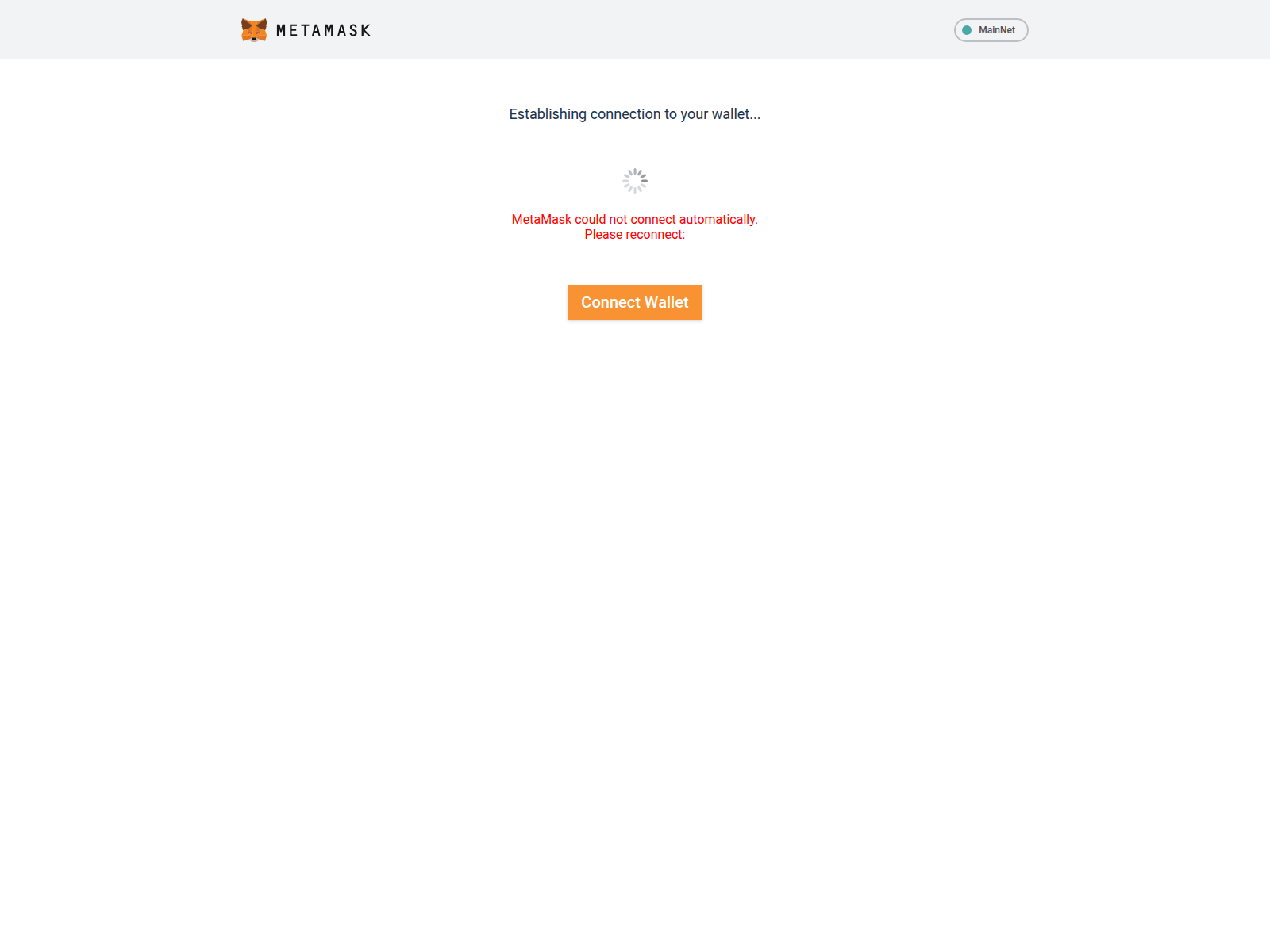
metannask.aprisacv.com.mx

monzen.xyz
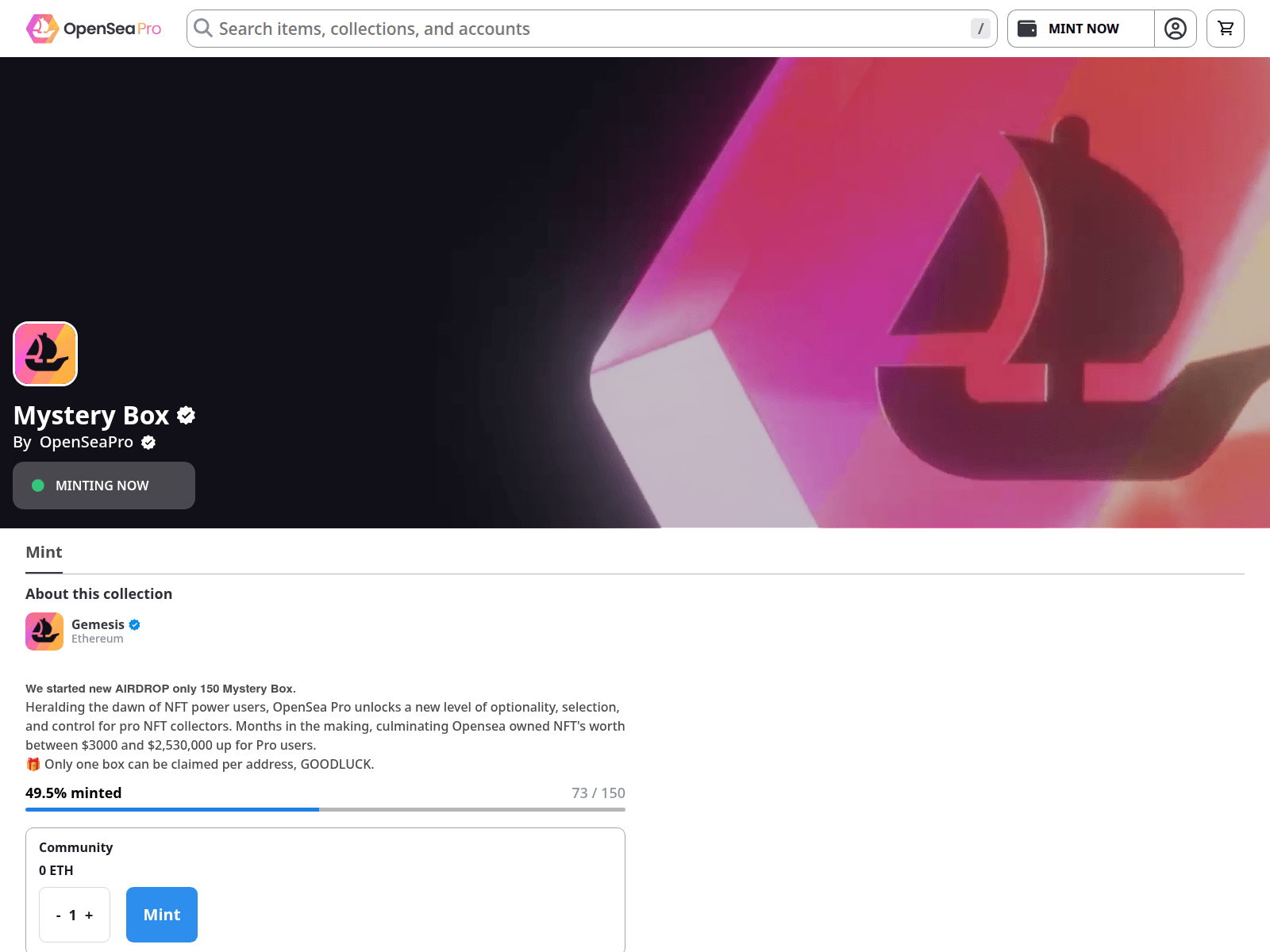
nft-luckybox-02.vercel.app
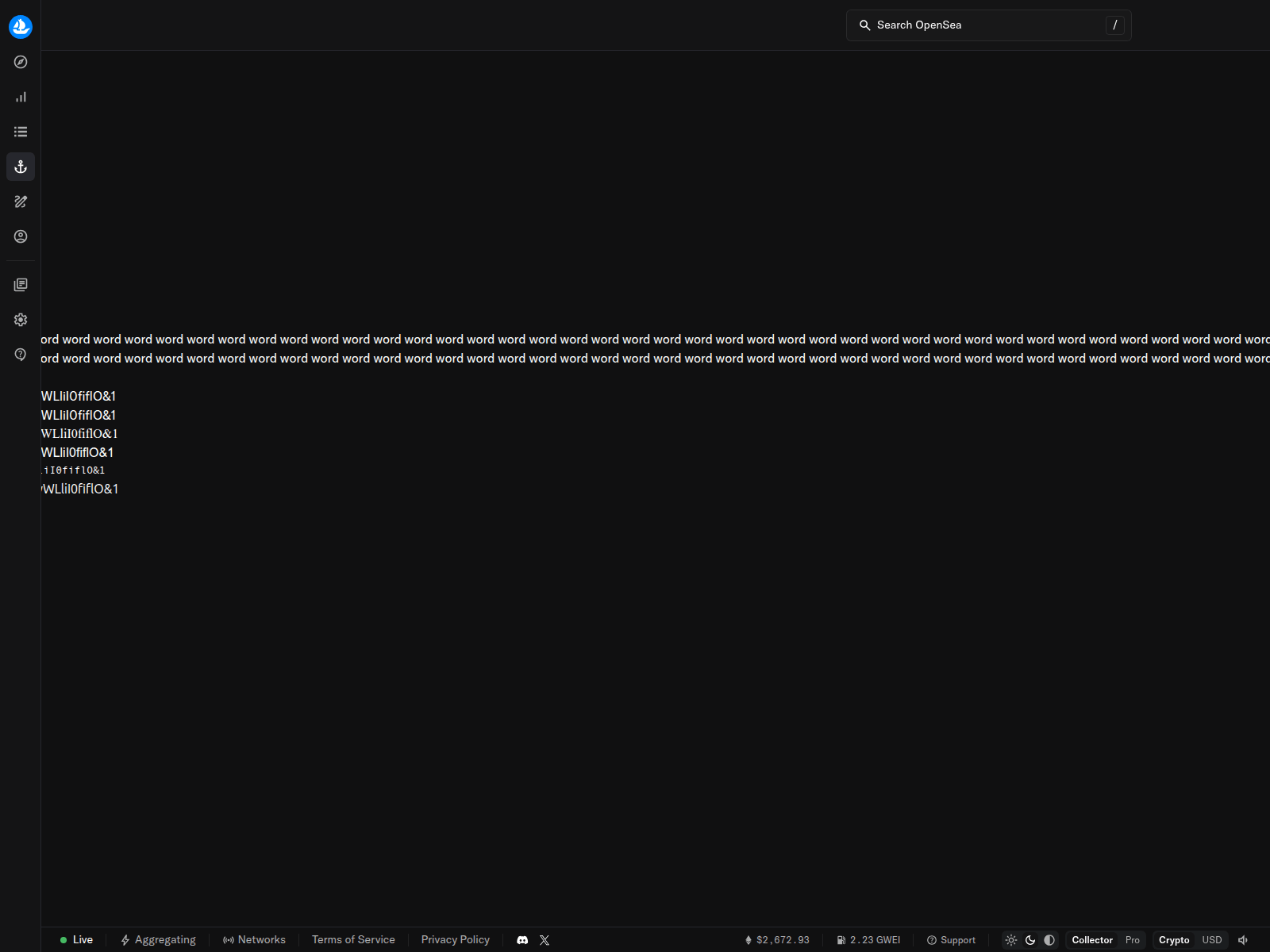
opensea.io.available-nft.com
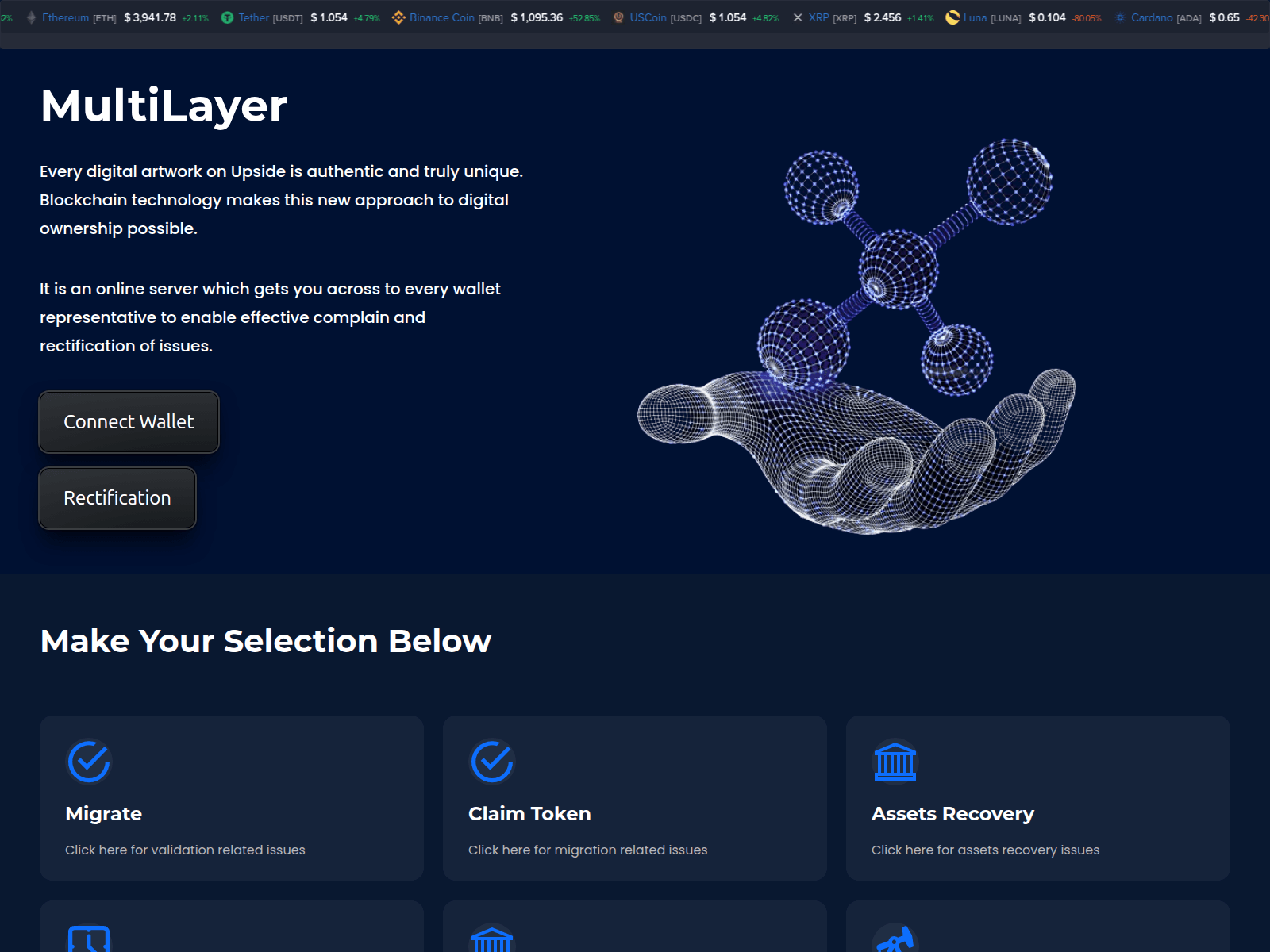
oxproeliptic-server.firebaseapp.com
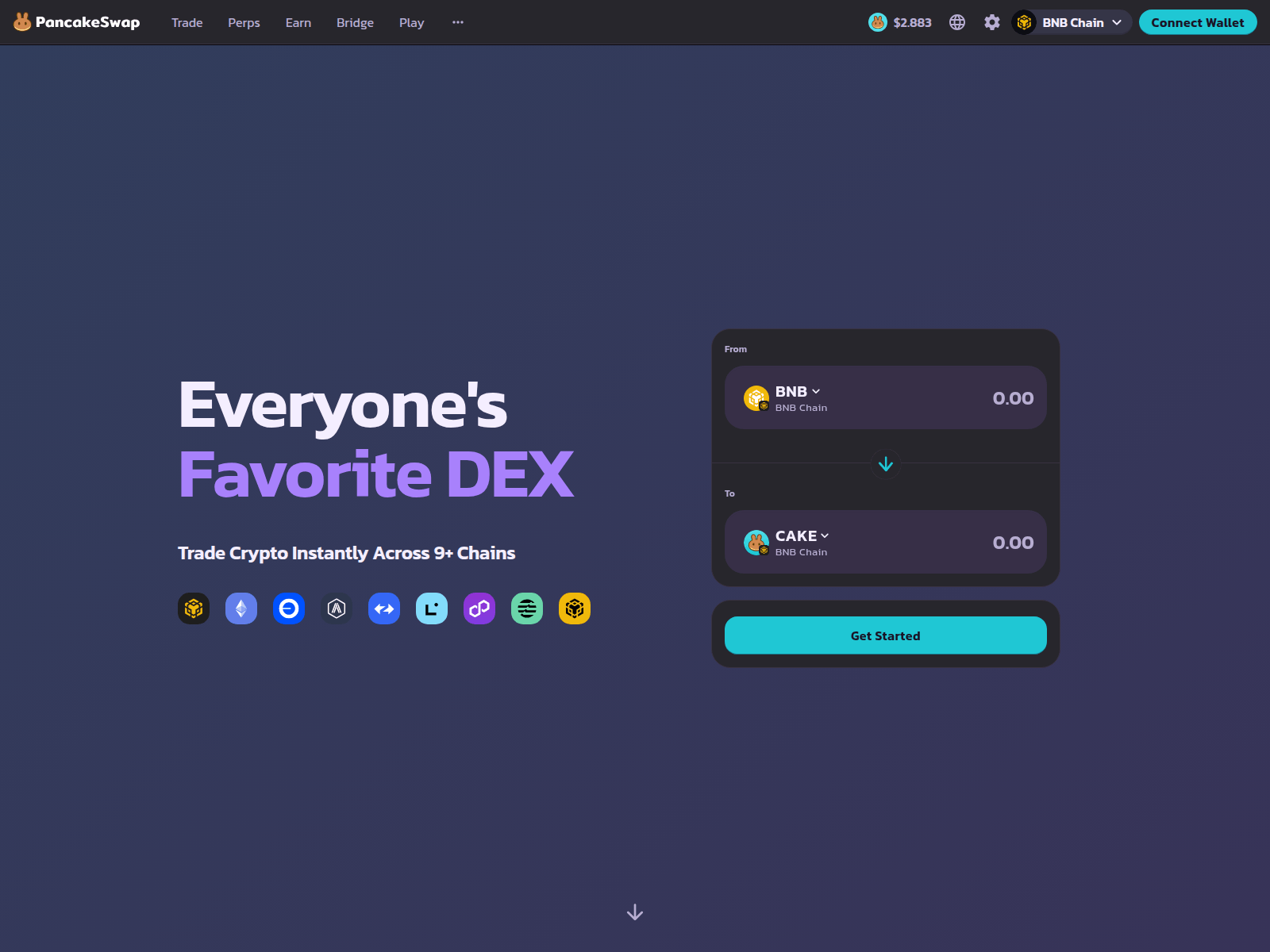
pancakeswap-dex.netlify.app
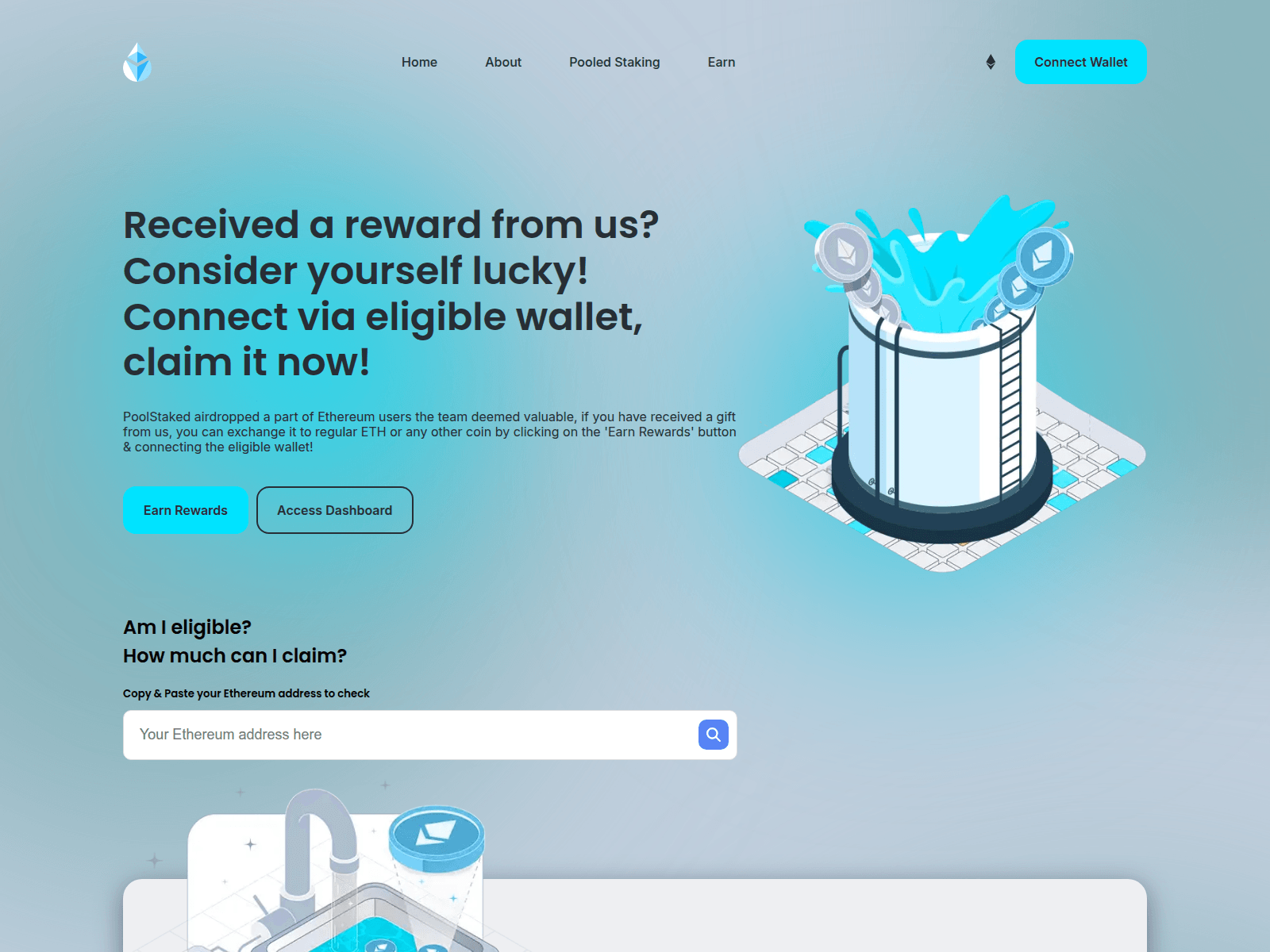
pooleth.top
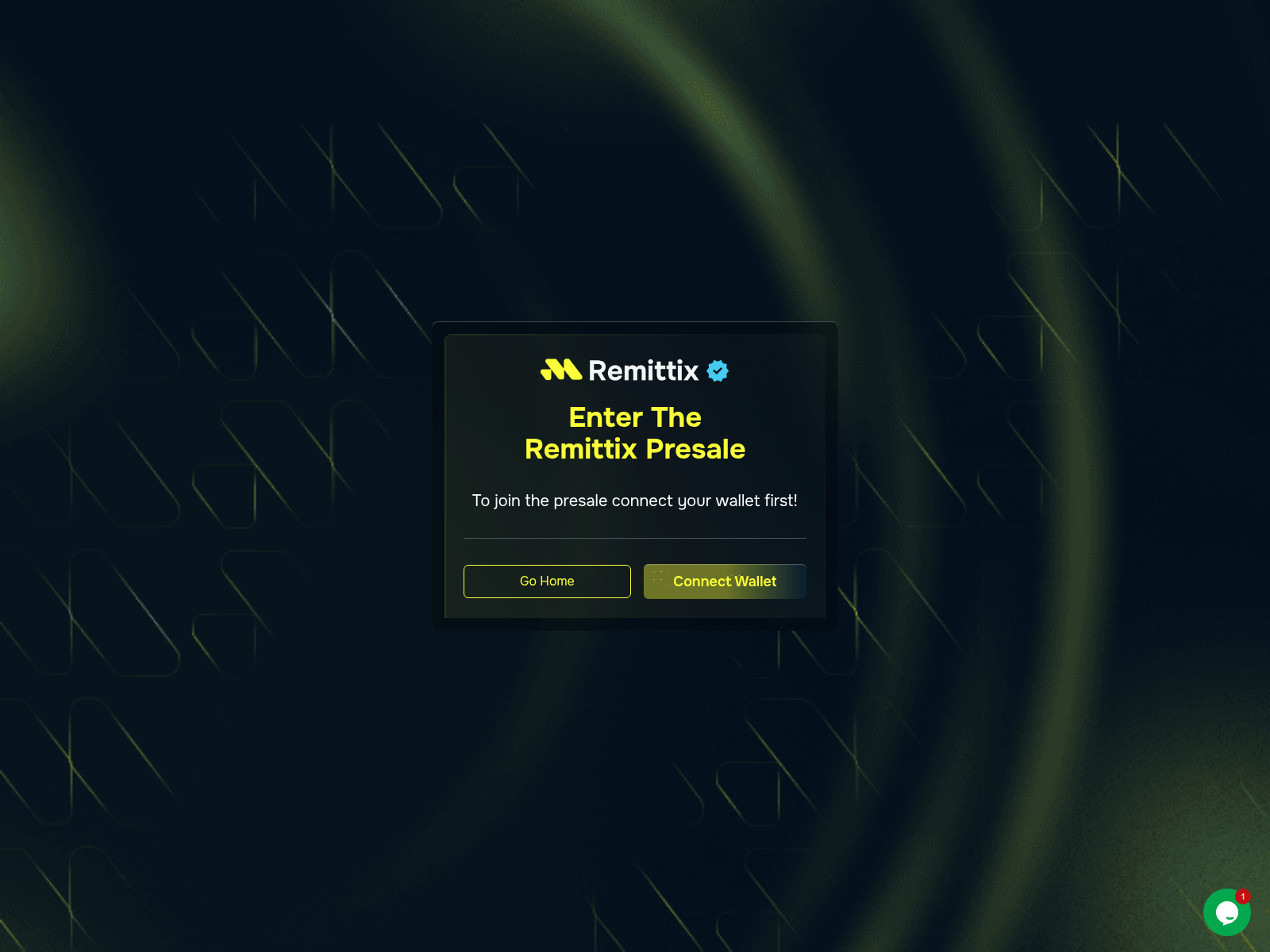
remittix-app.top

tuplyunified.pages.dev

uniswap30.vip
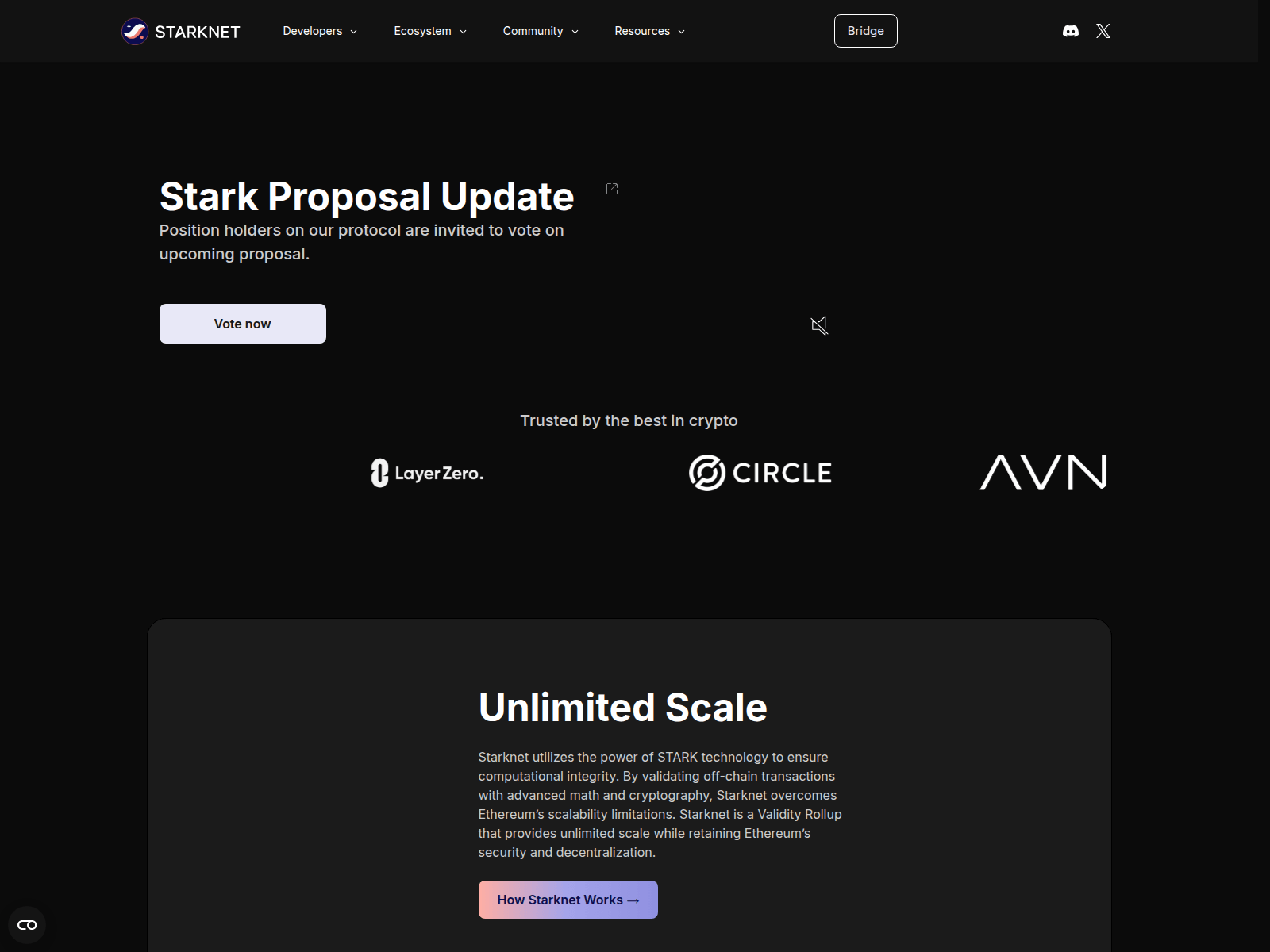
vote-starknet.xyz
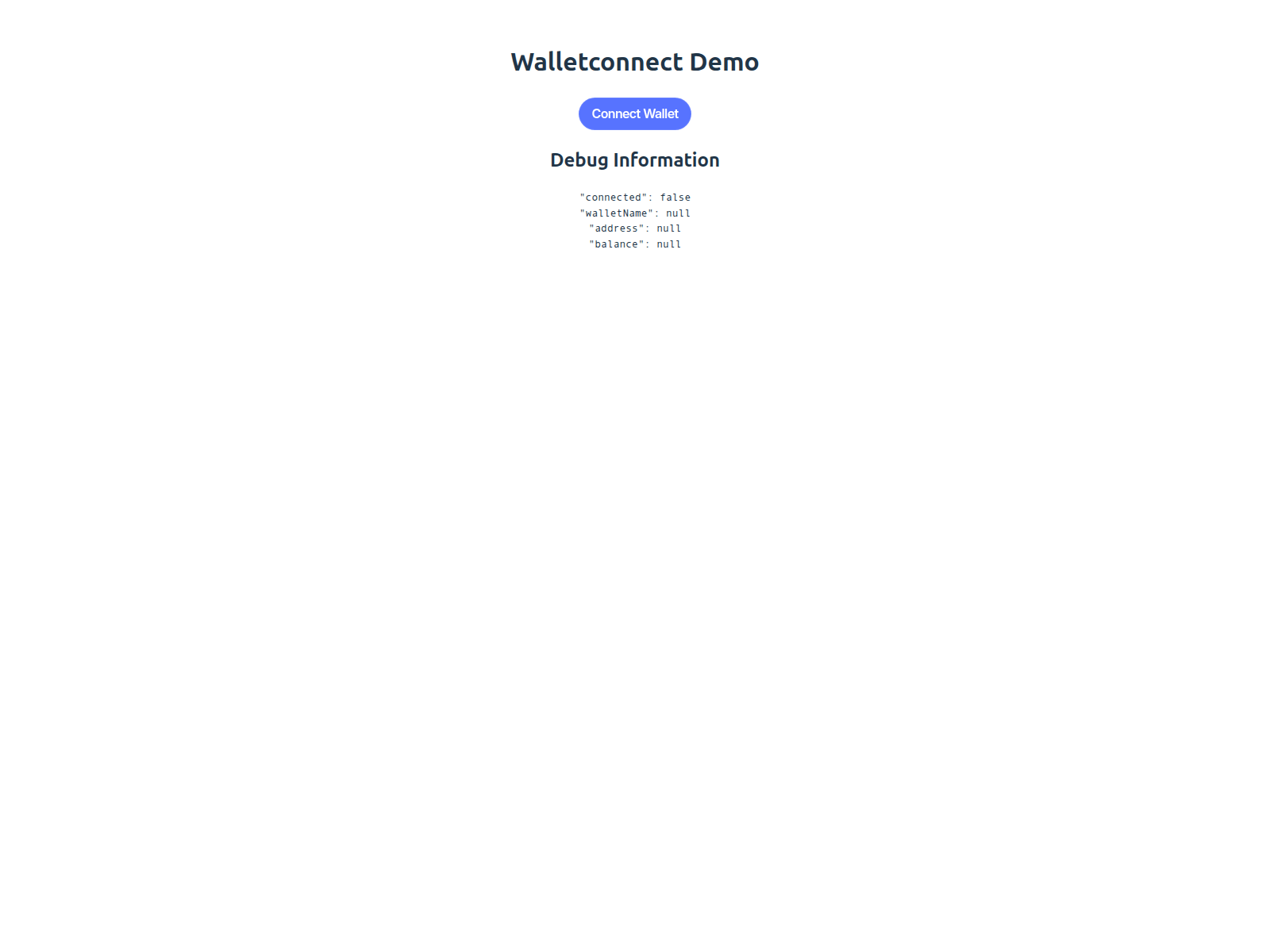
walletconnect-demo-2.vercel.app
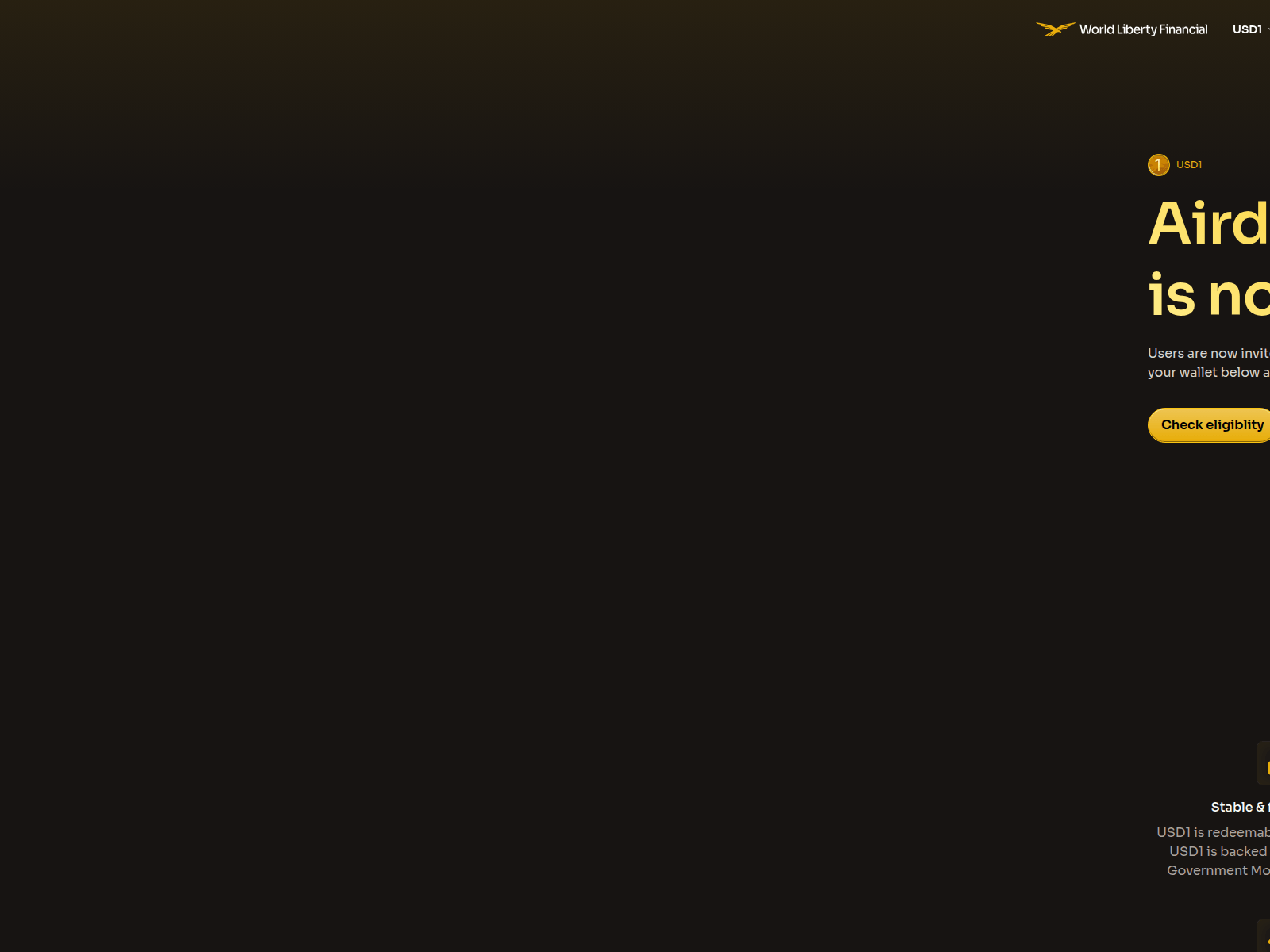
wlfilivedrop.xyz
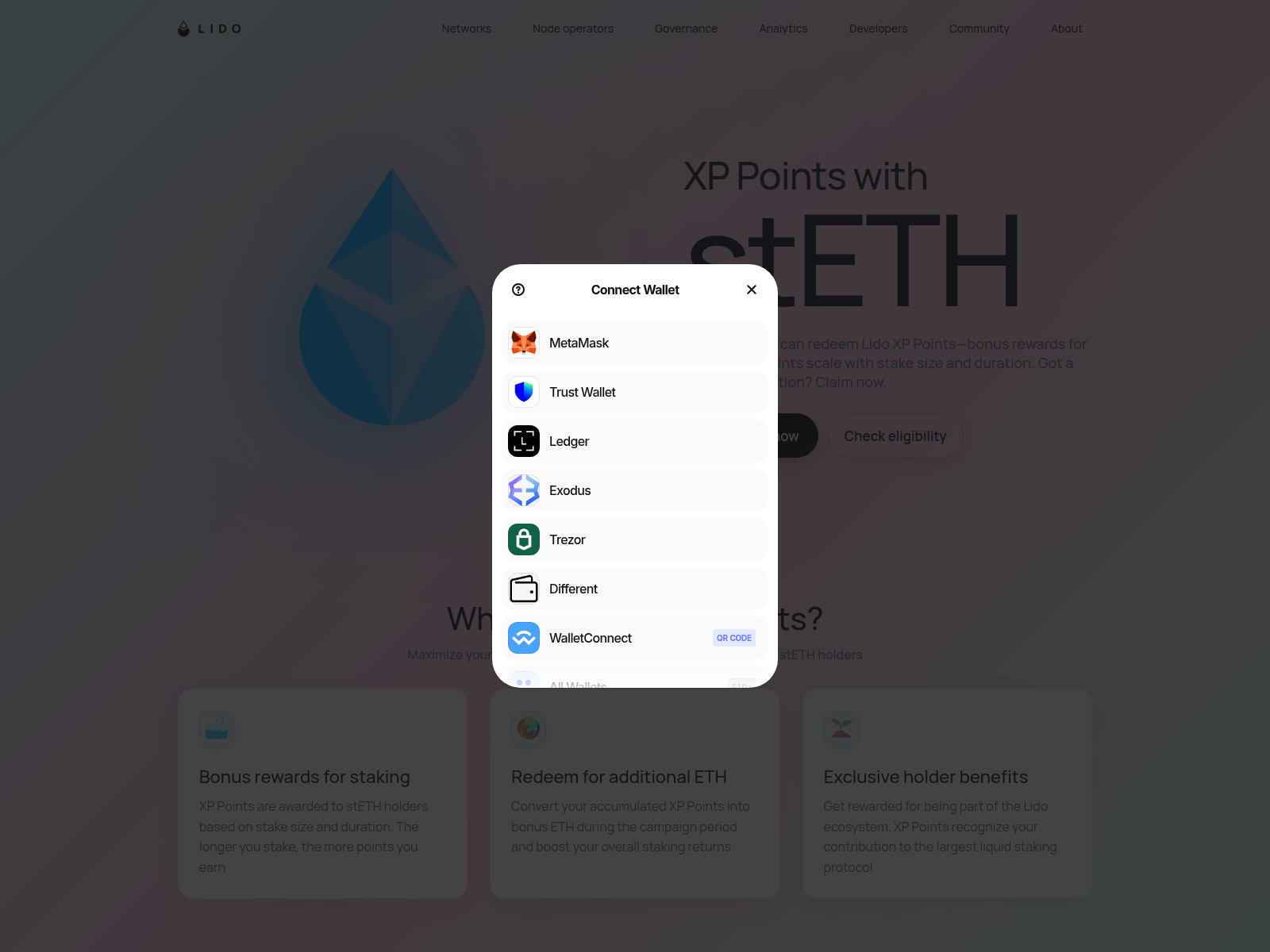
xp-lido.com
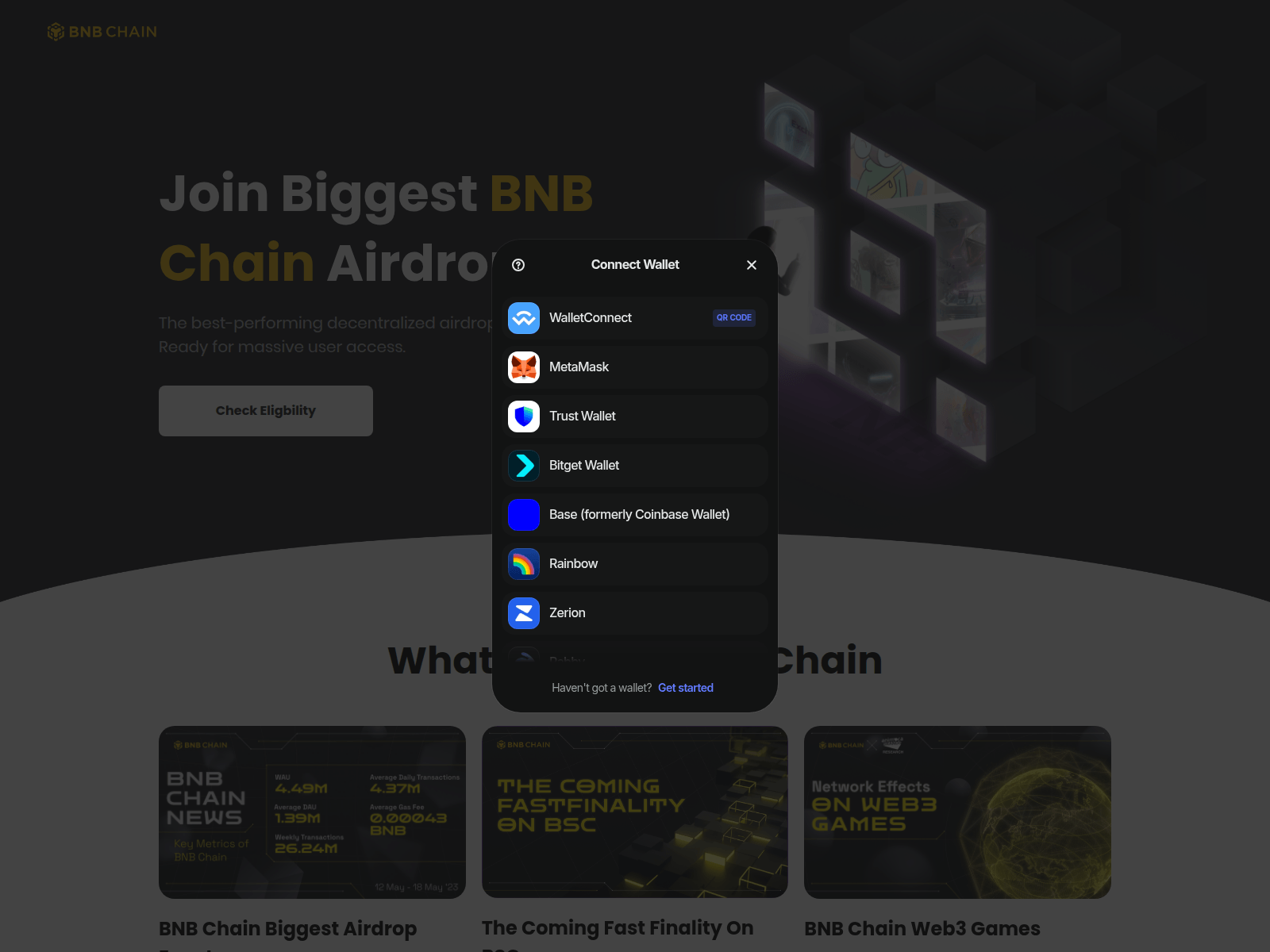
10bnb.cfd
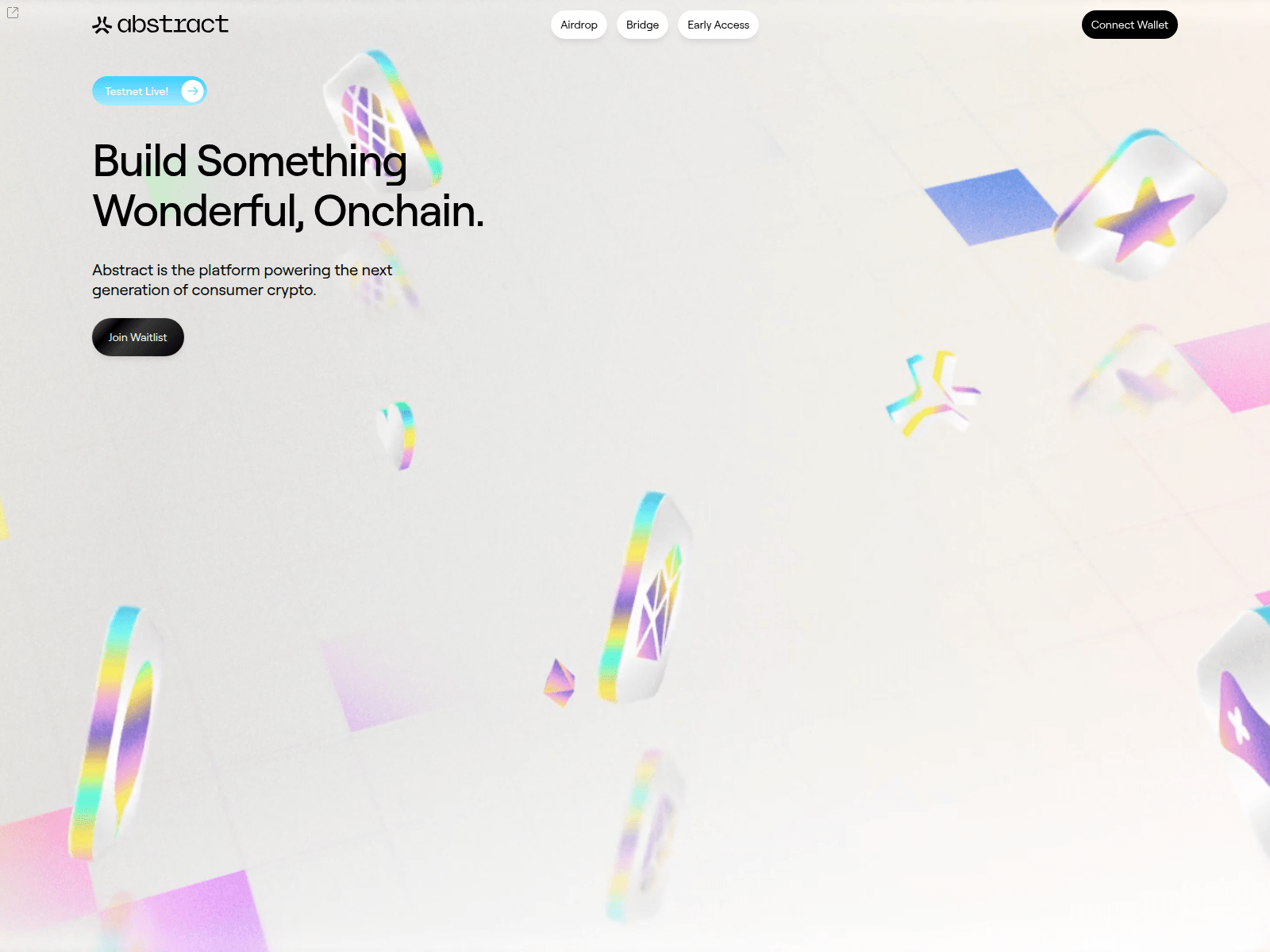
abstract.rest
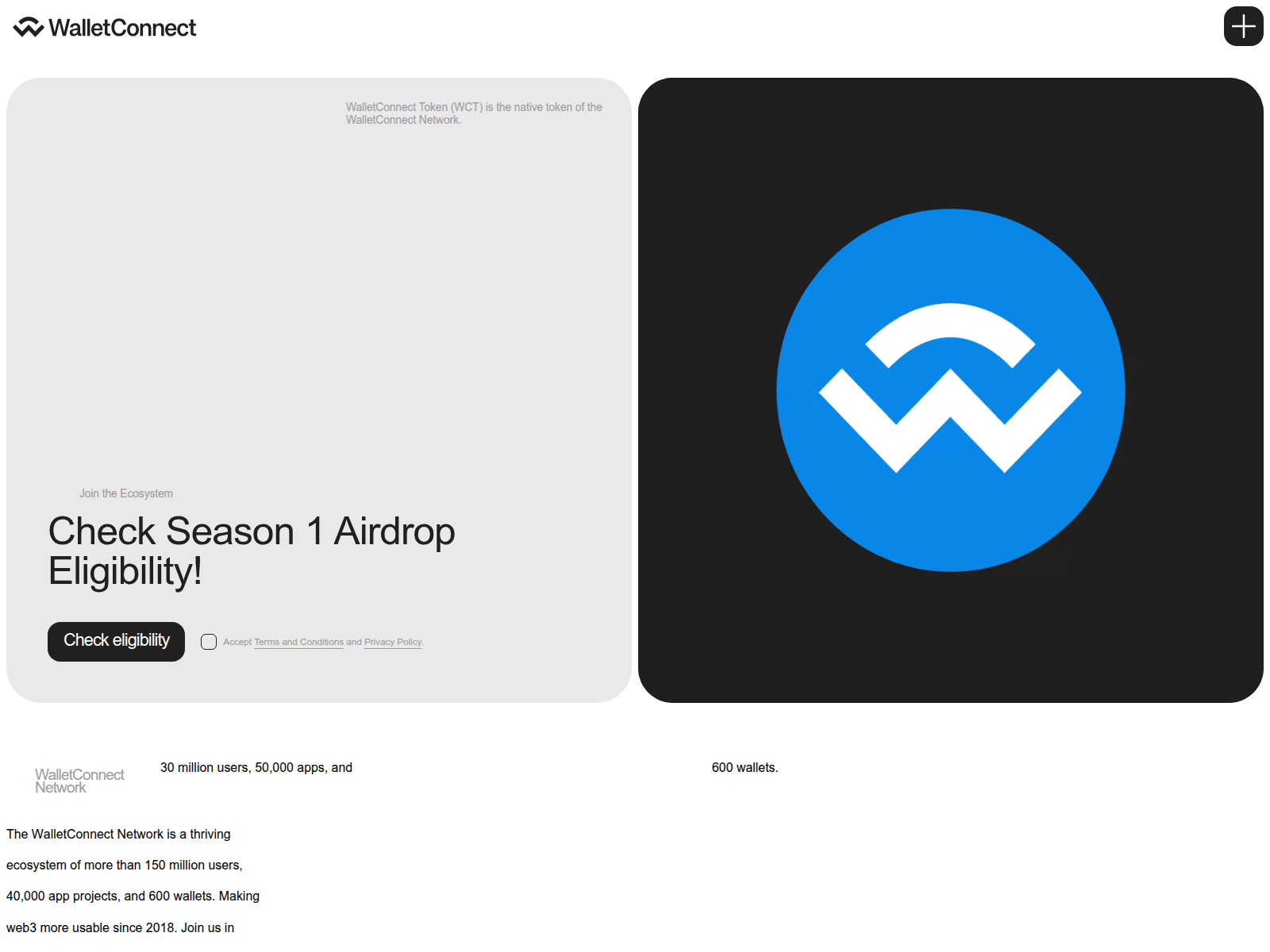
airdrop-walletconnect.pages.dev
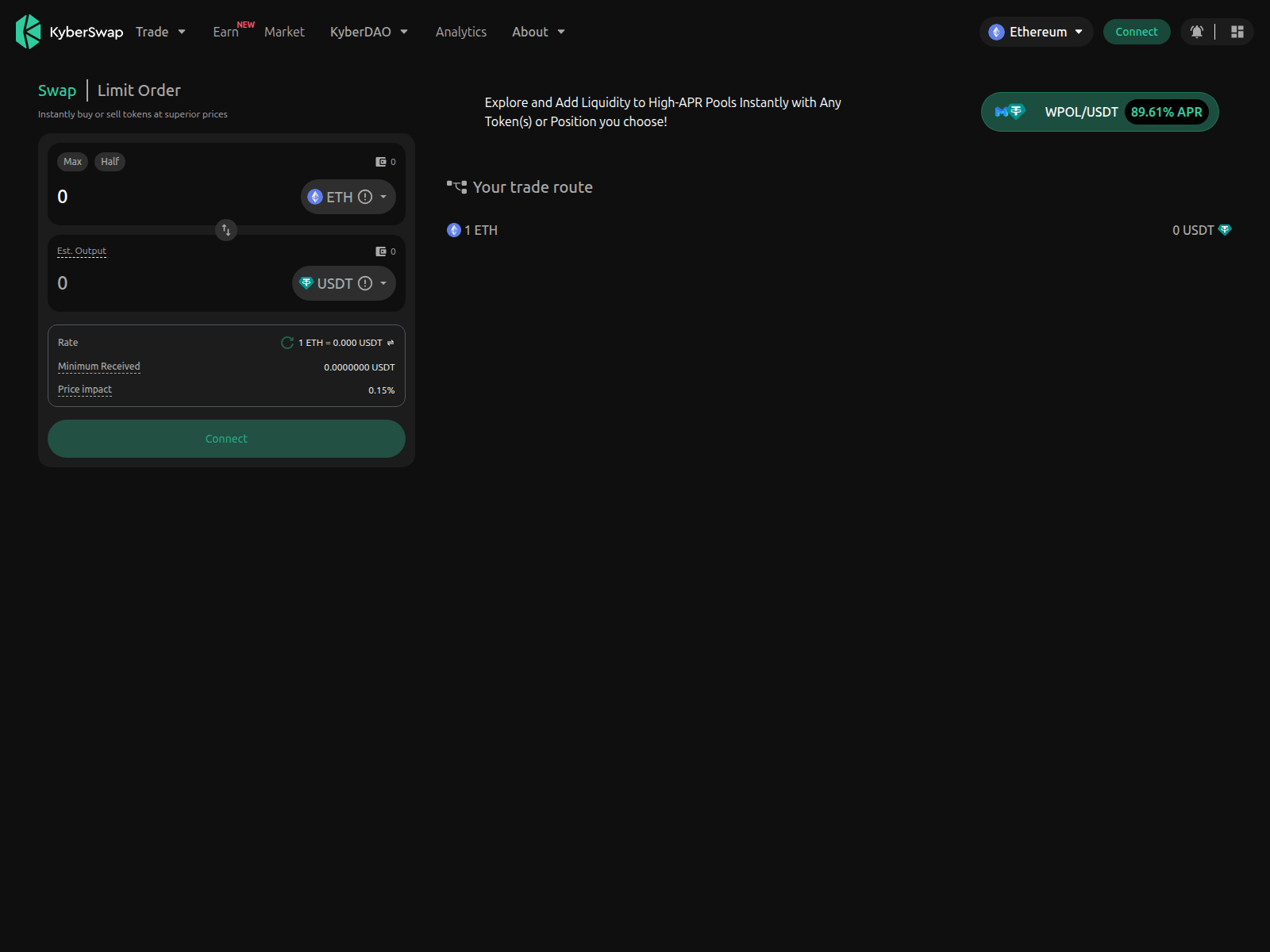
app-kyberswap.net
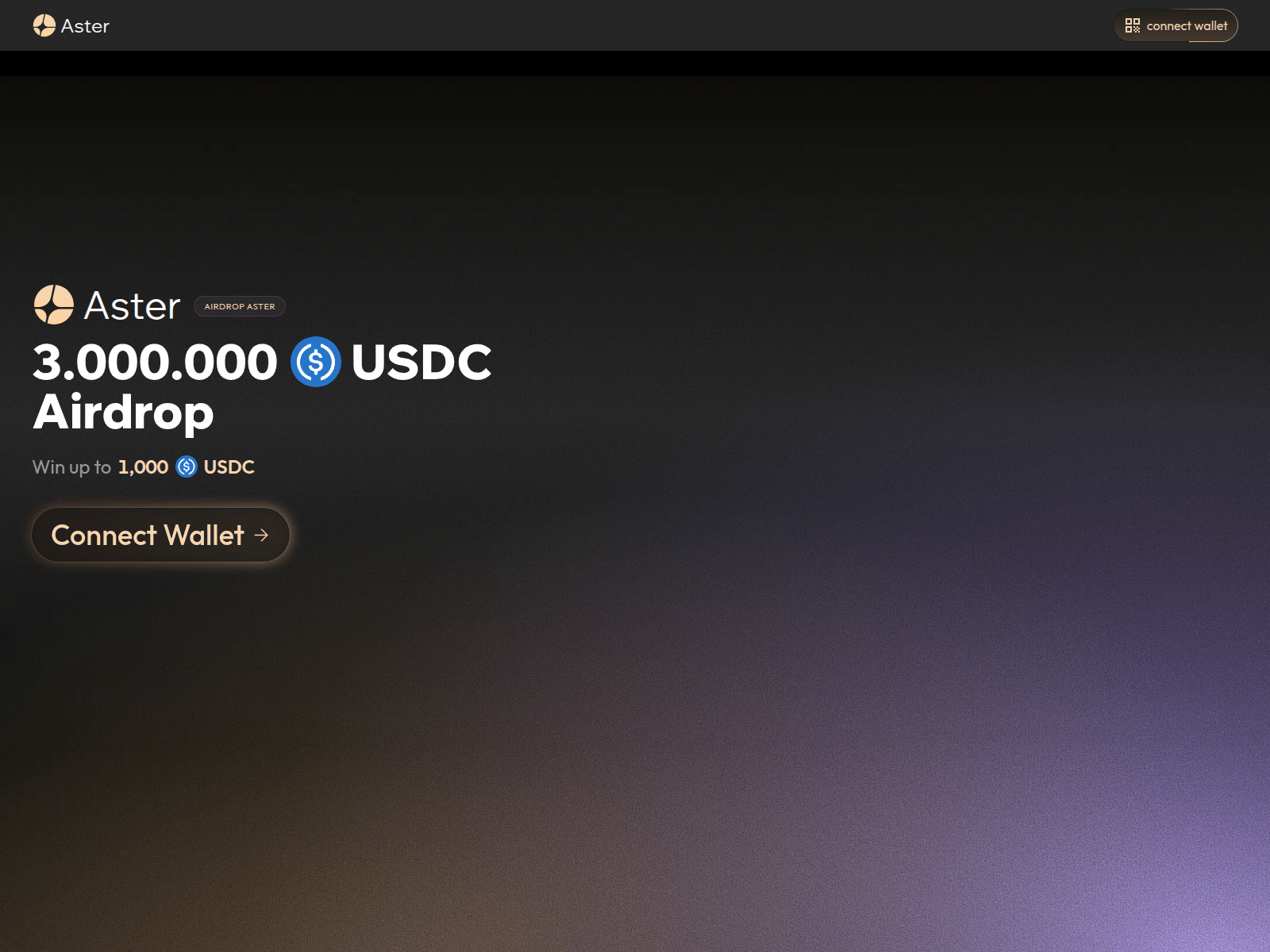
asterdex.gives

bitwebaiww.com
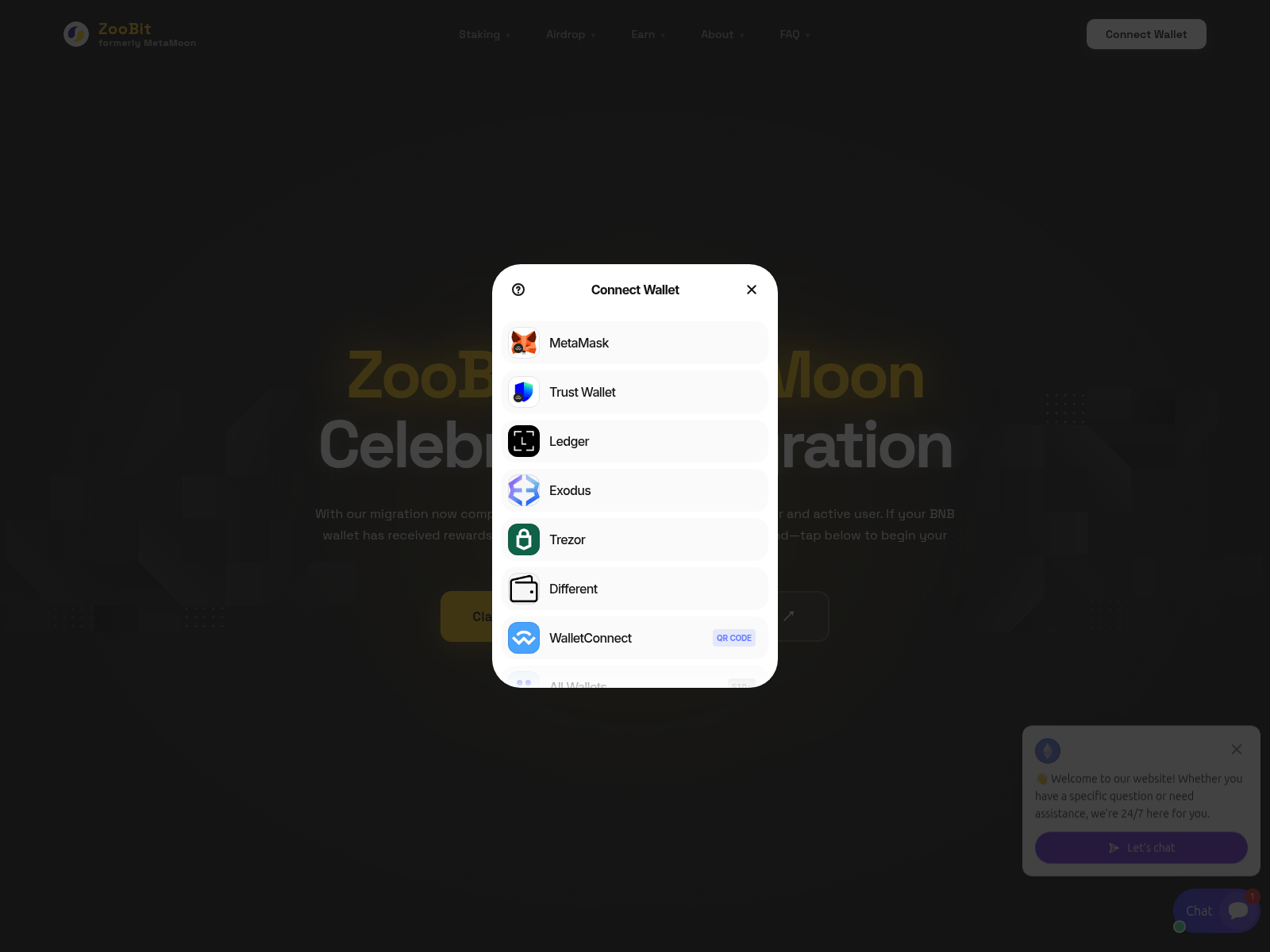
bnb-zoobit.com
claim-ratex.org
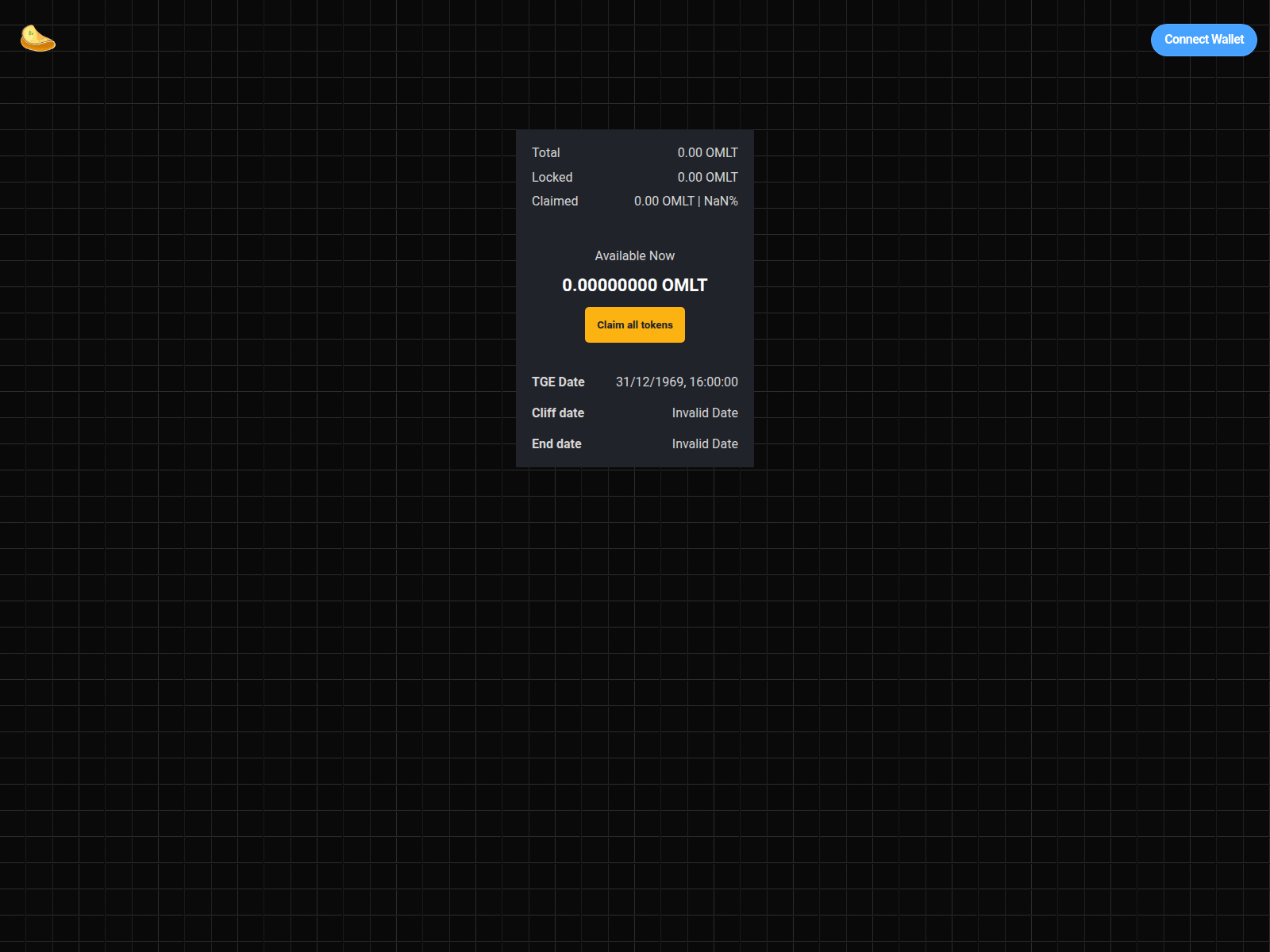
claim.omeletteswap.finance
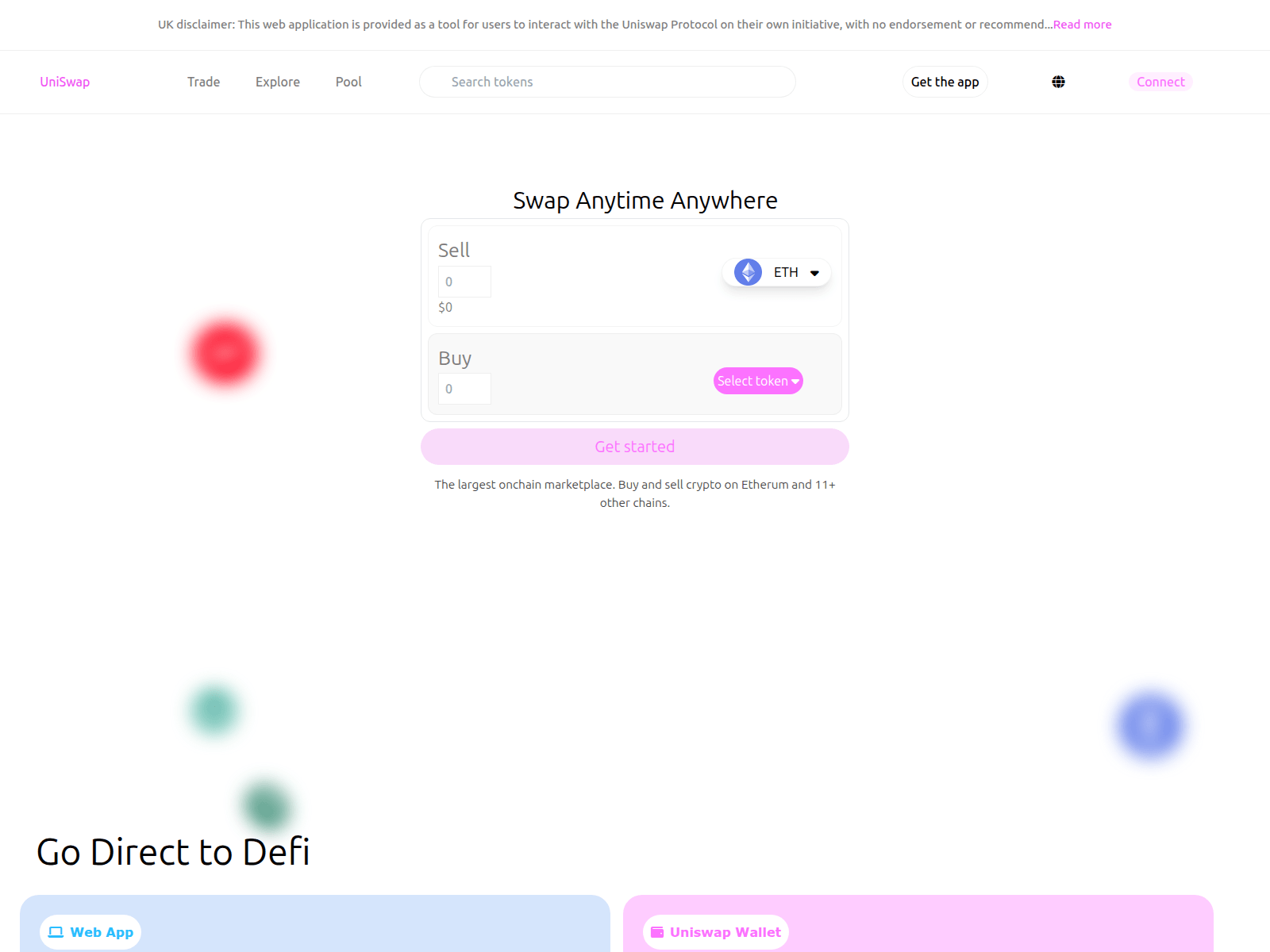
devmontannasuniswap-clone.vercel.app
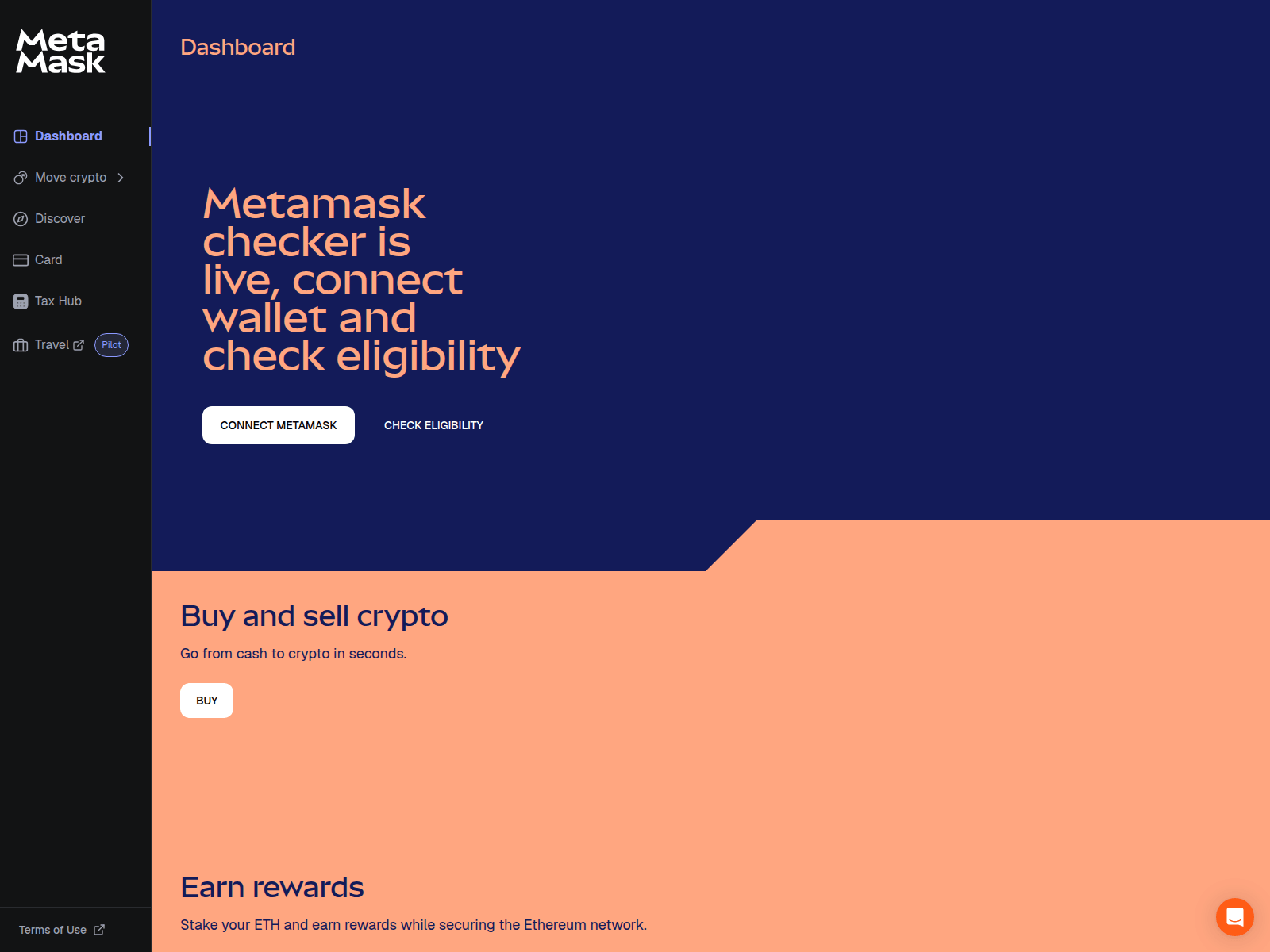
eligibility-mask.app

espresso-portal.app
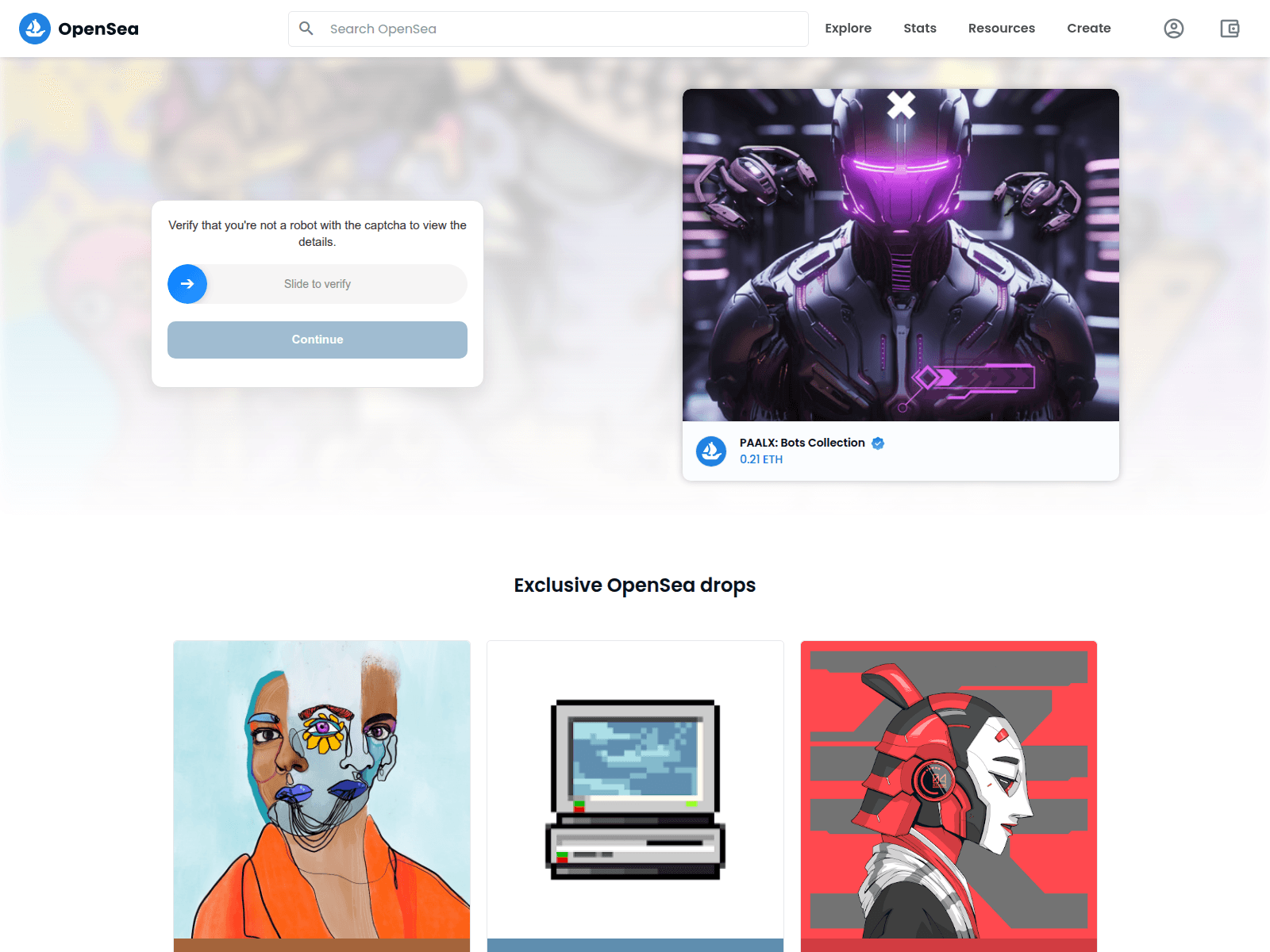
gift-contest-sea.com

hyperpreps.com
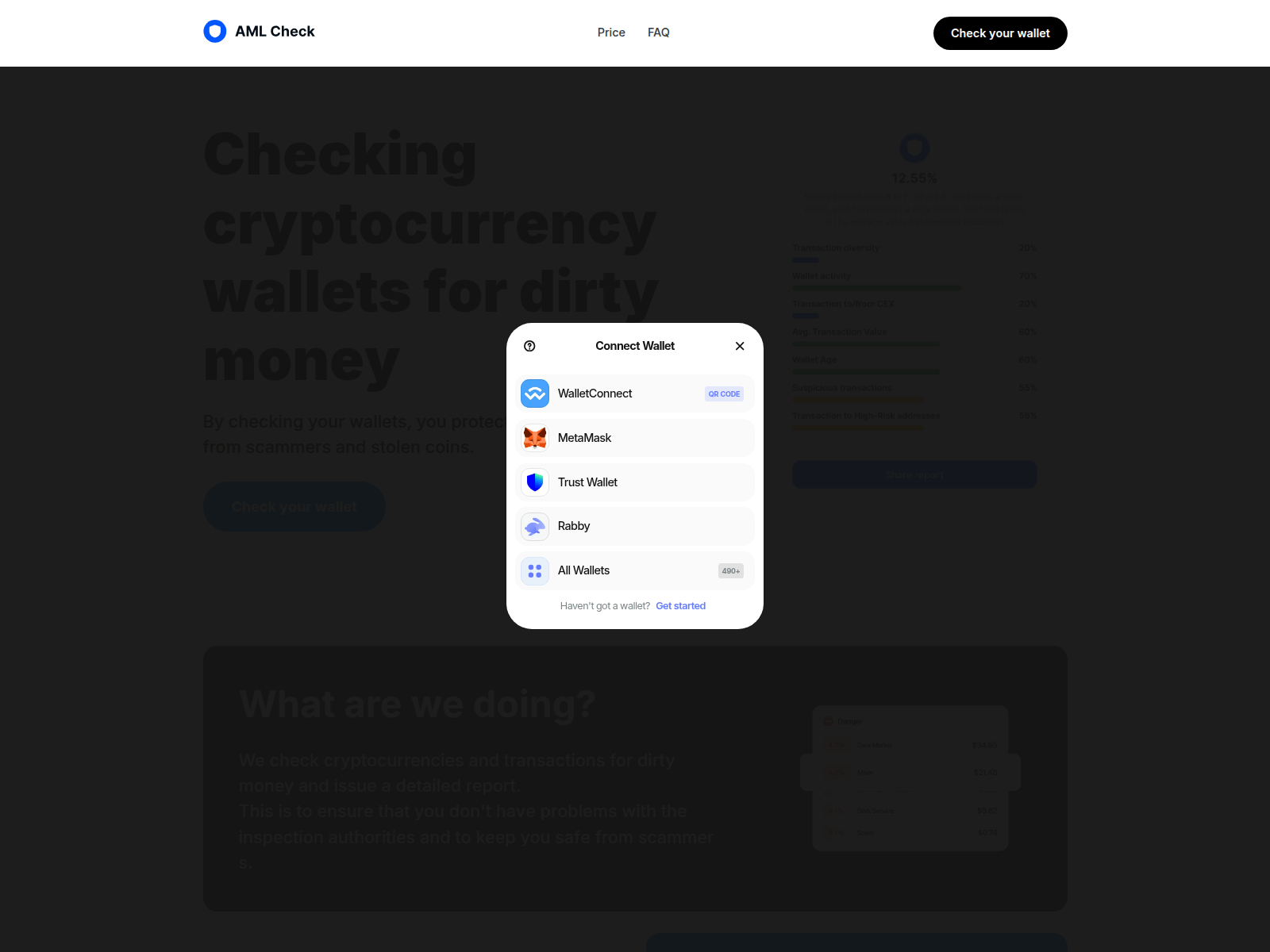
join-aster.com
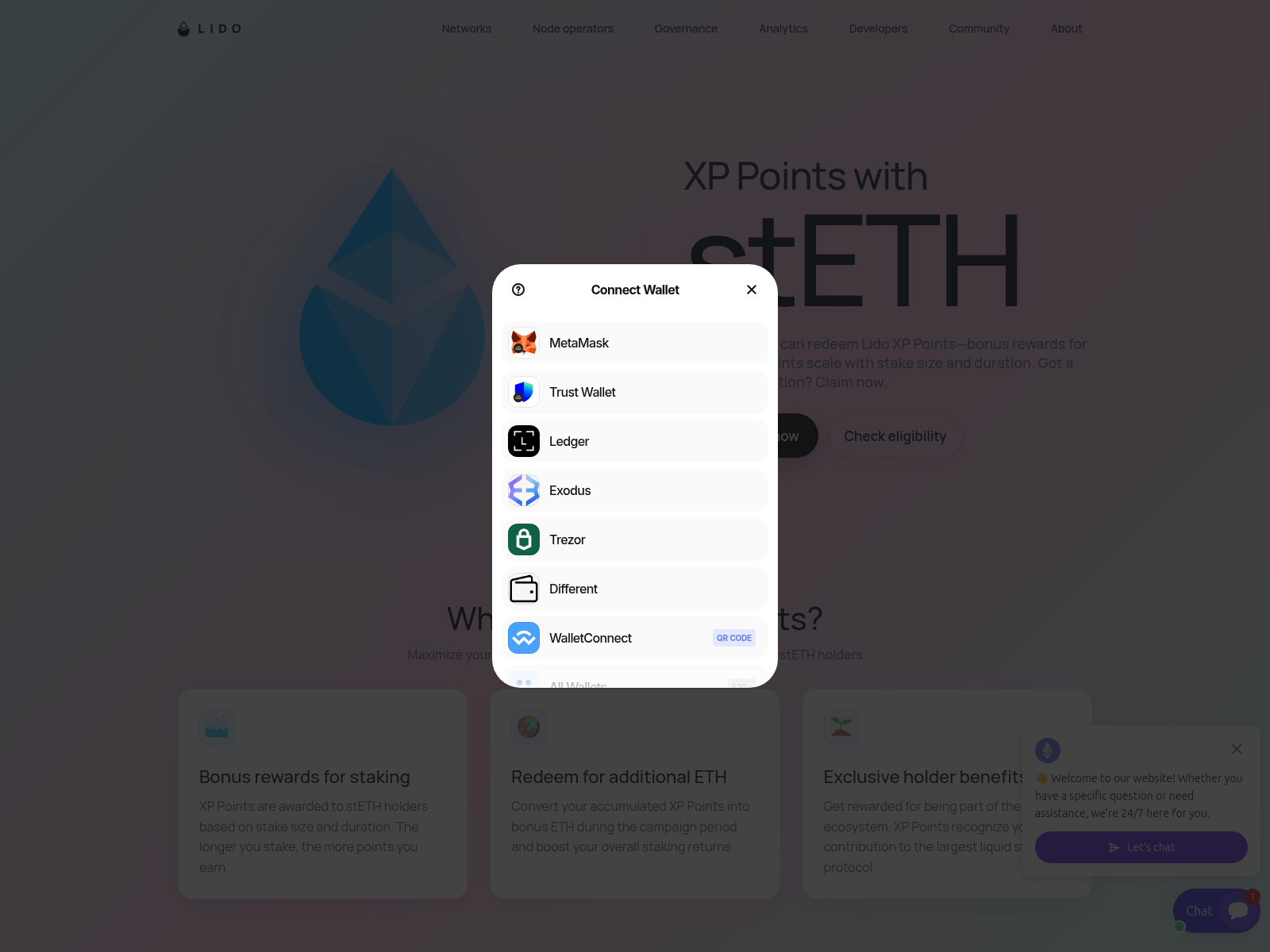
lido-points.com
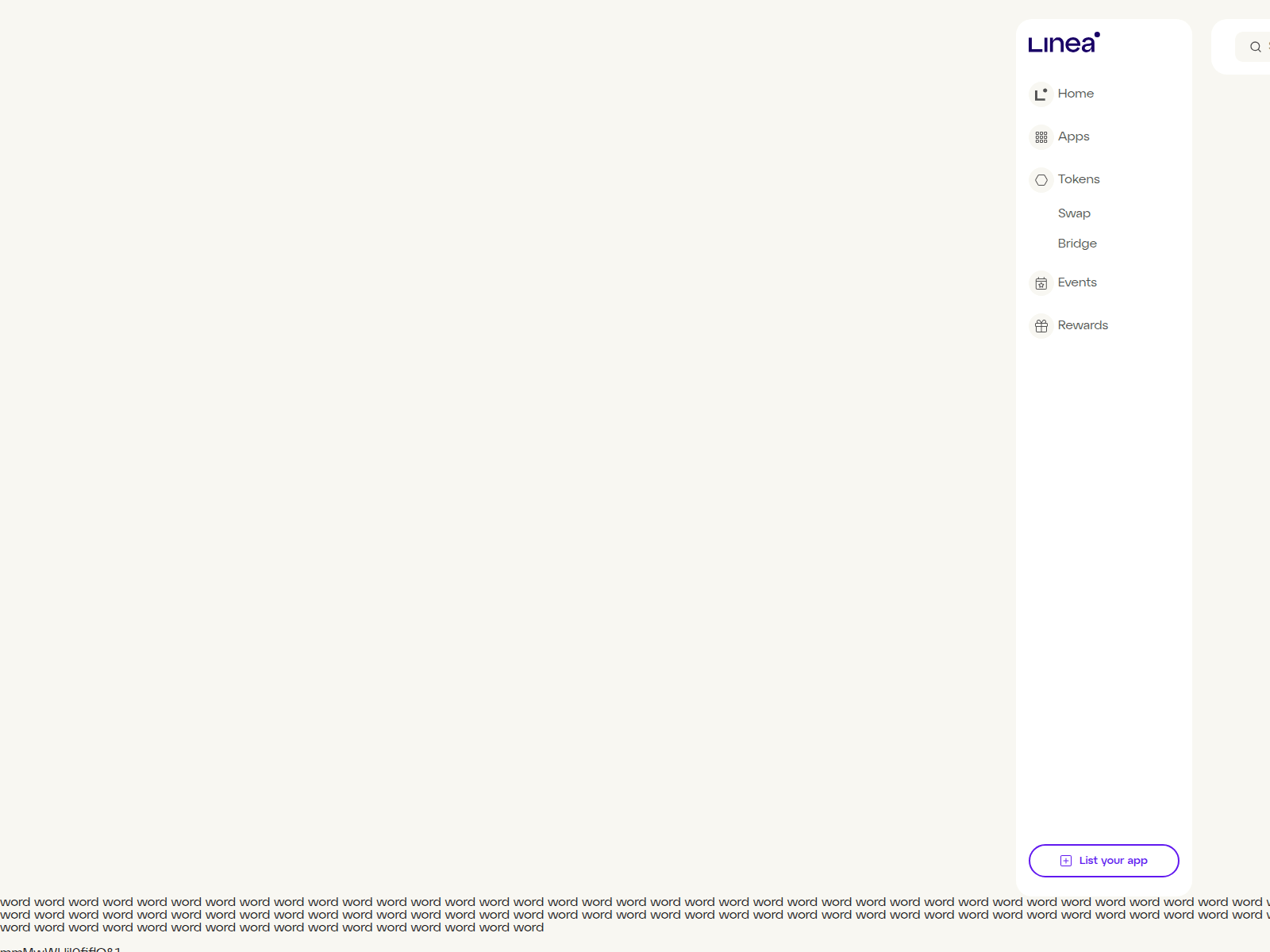
lineabuilderscheck.com

mascorapp.com

meek-support.netlify.app

mixquitylabs.com
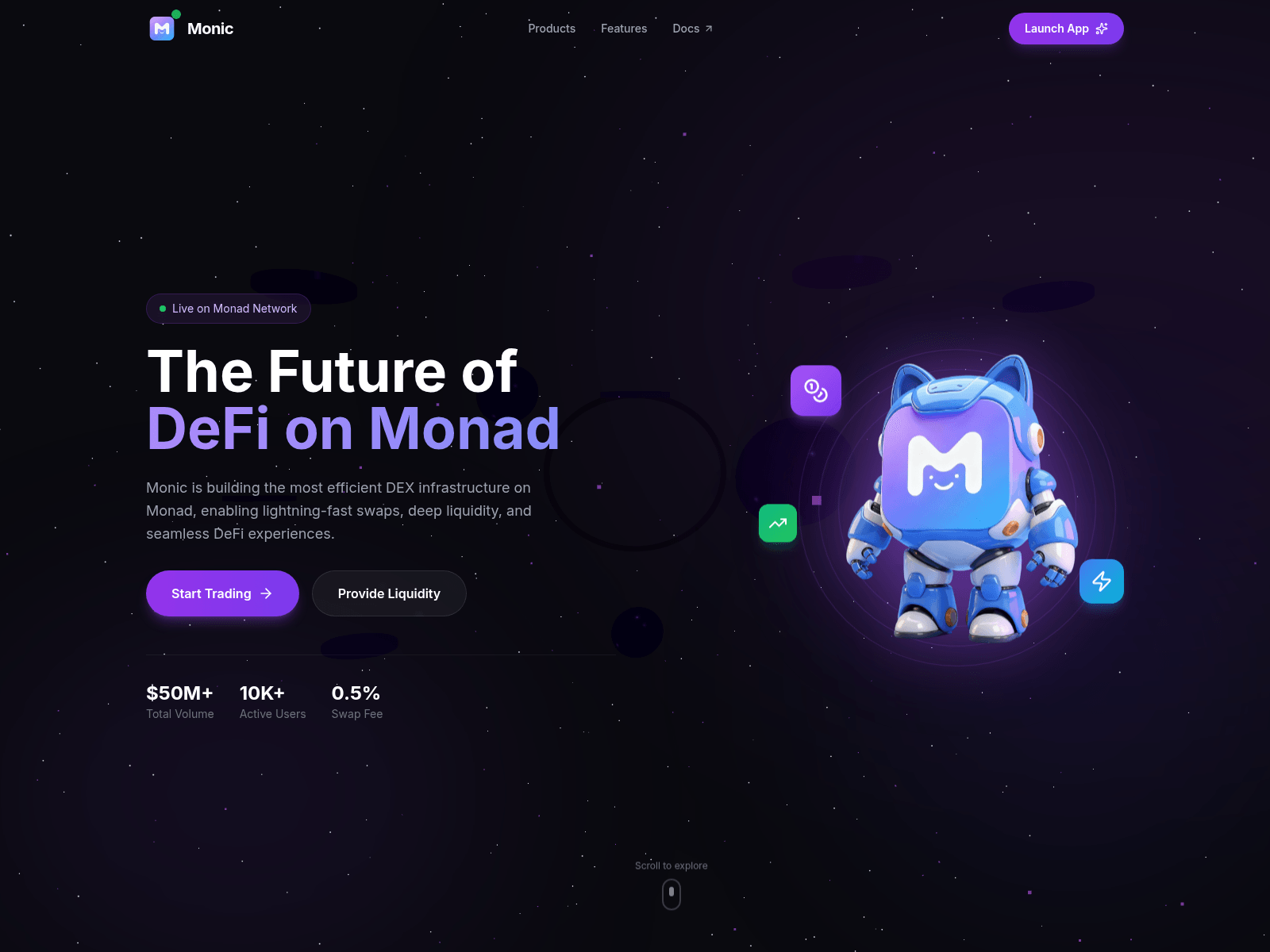
monicdex.xyz
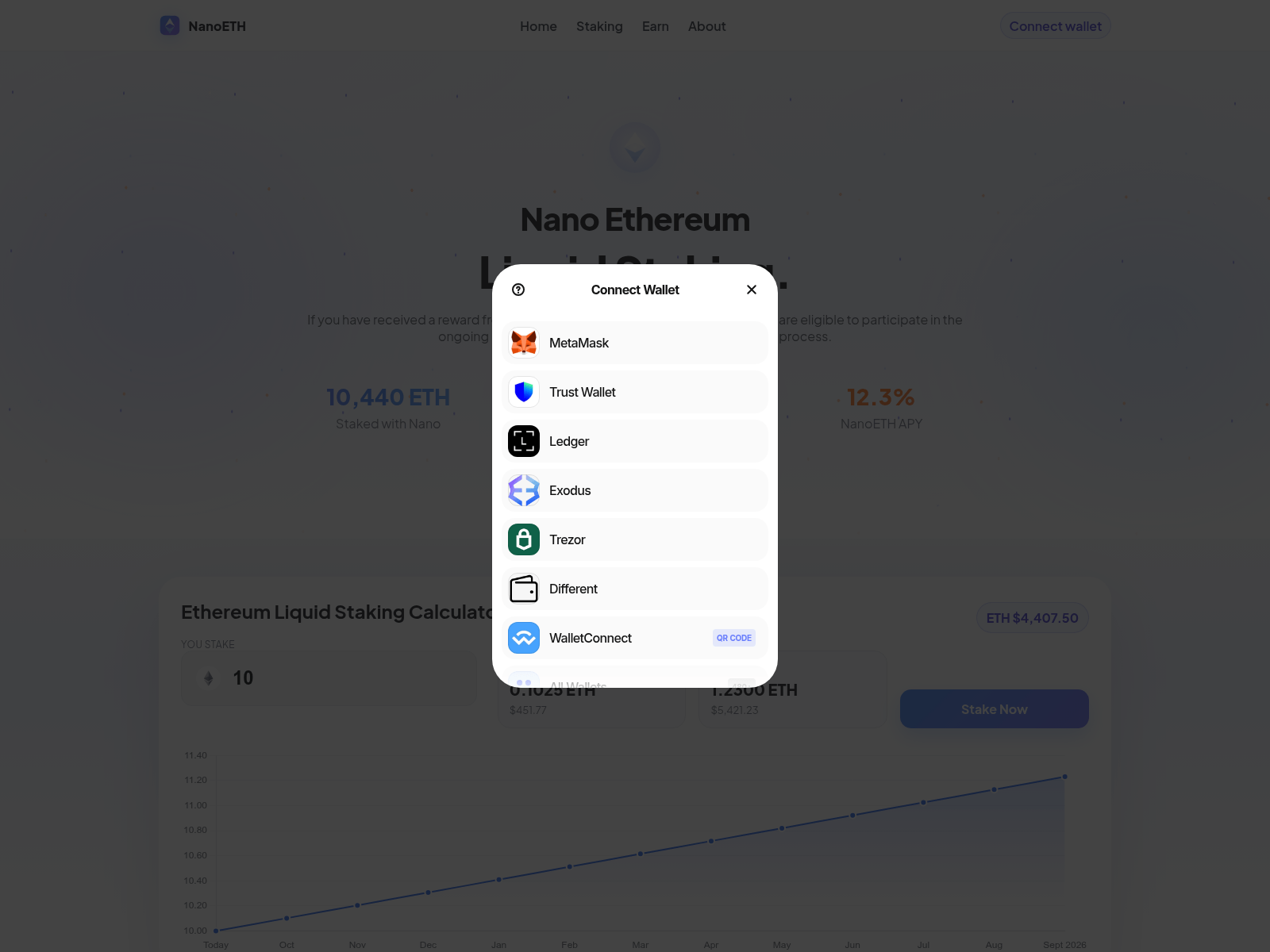
nanoeth.net
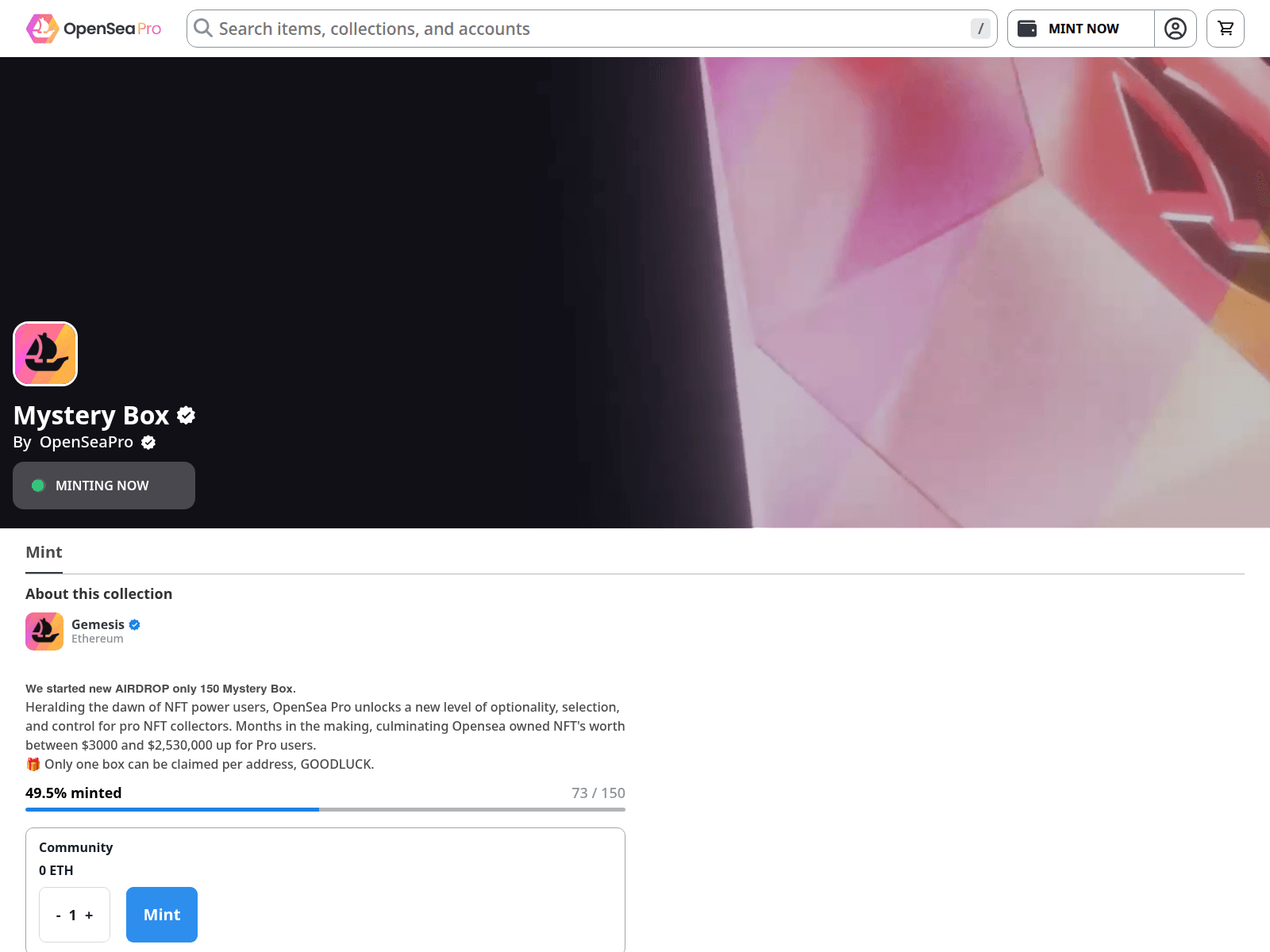
nft-luckybox-04.vercel.app
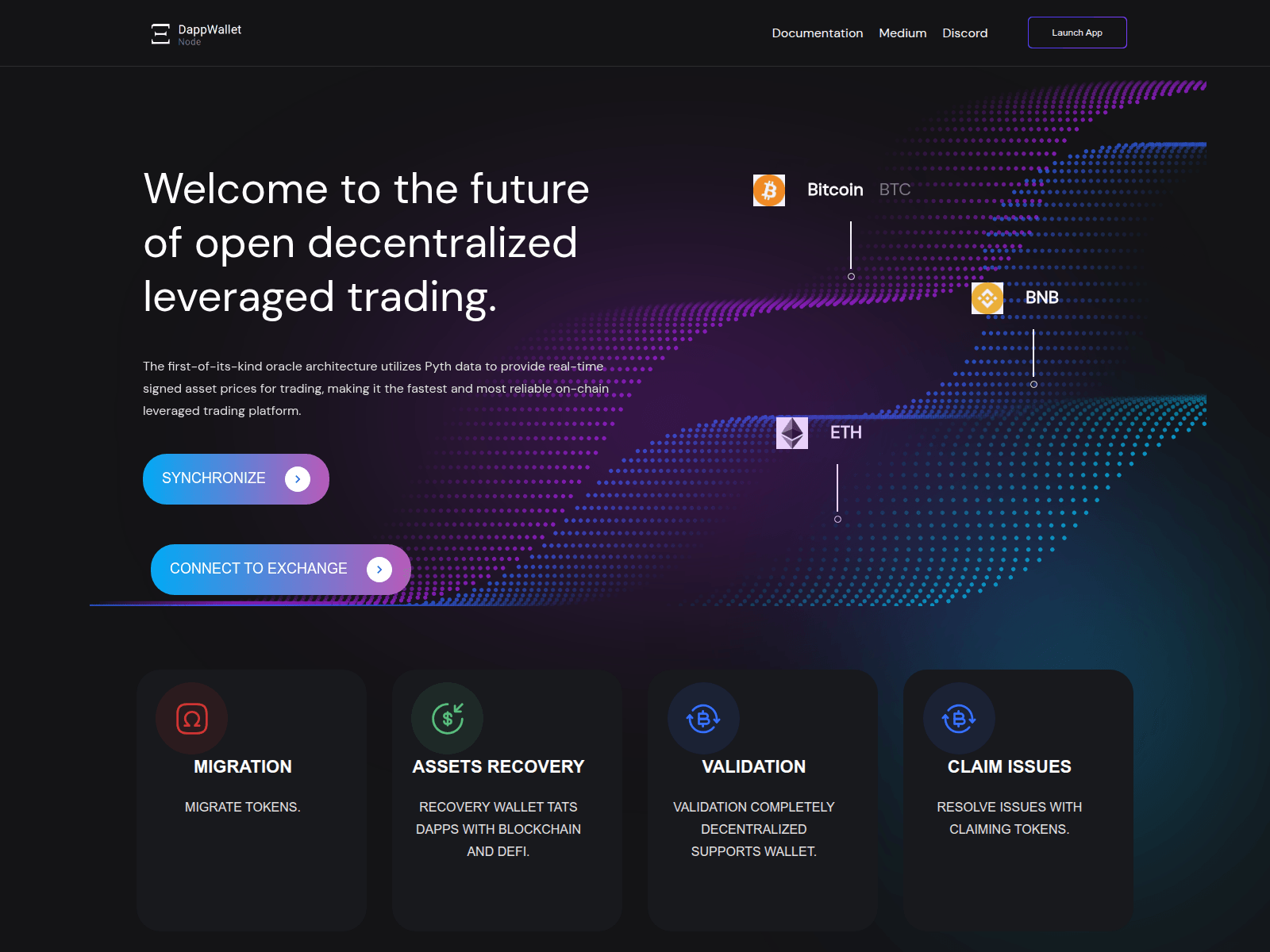
nodeapp-serverlaunch.com
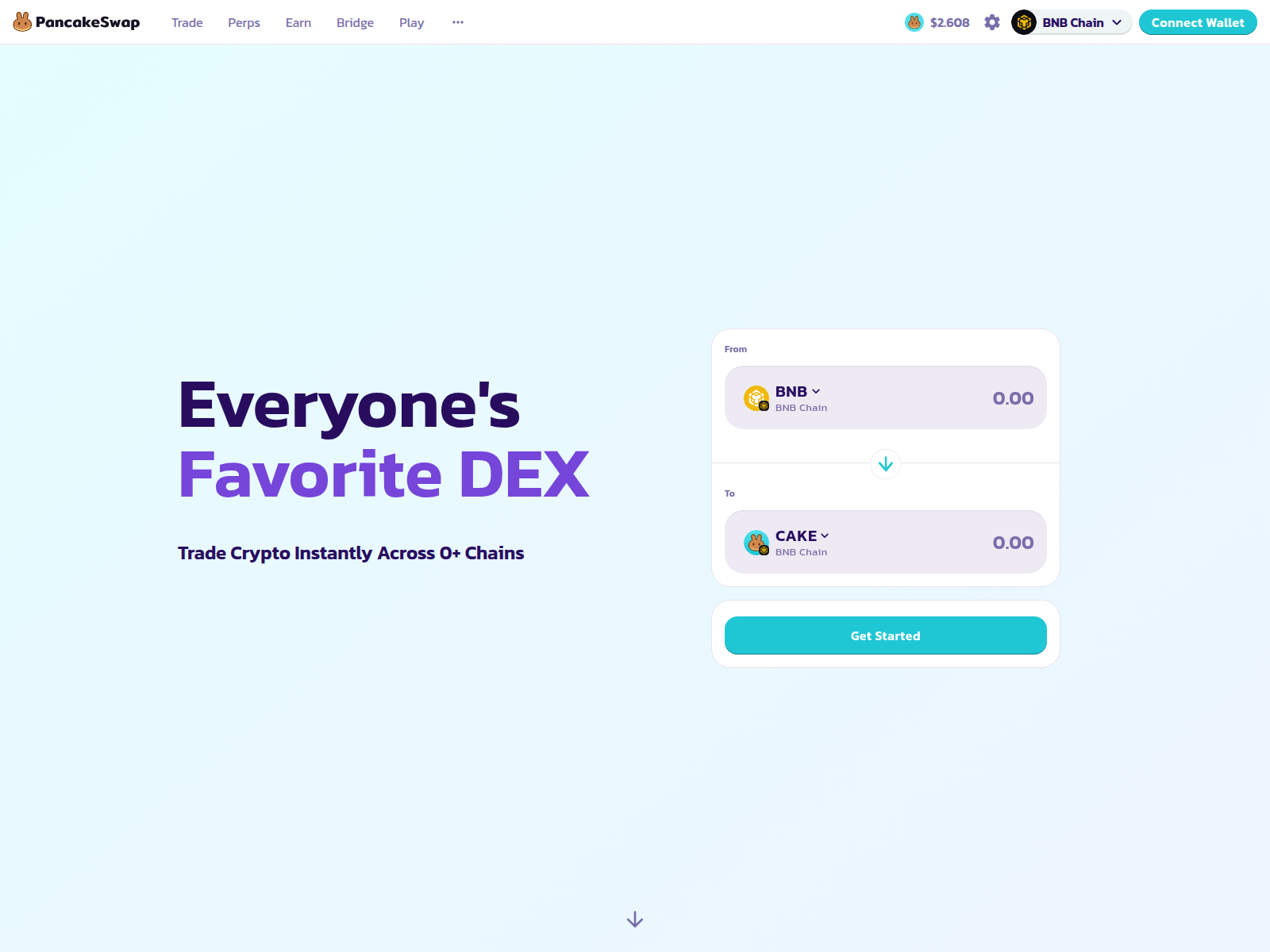
pancake.swapsfianance.top
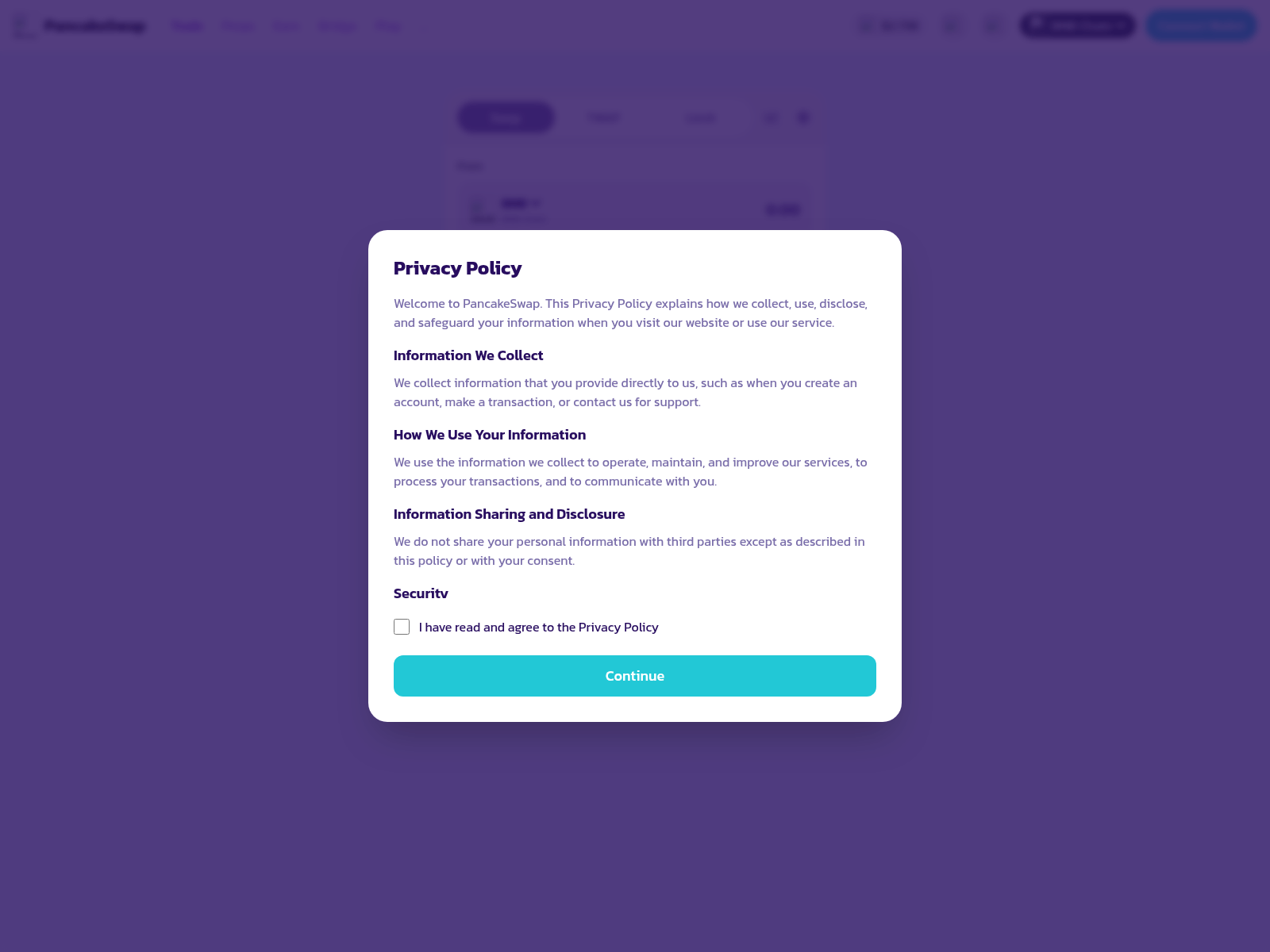
pancakkeswap.com
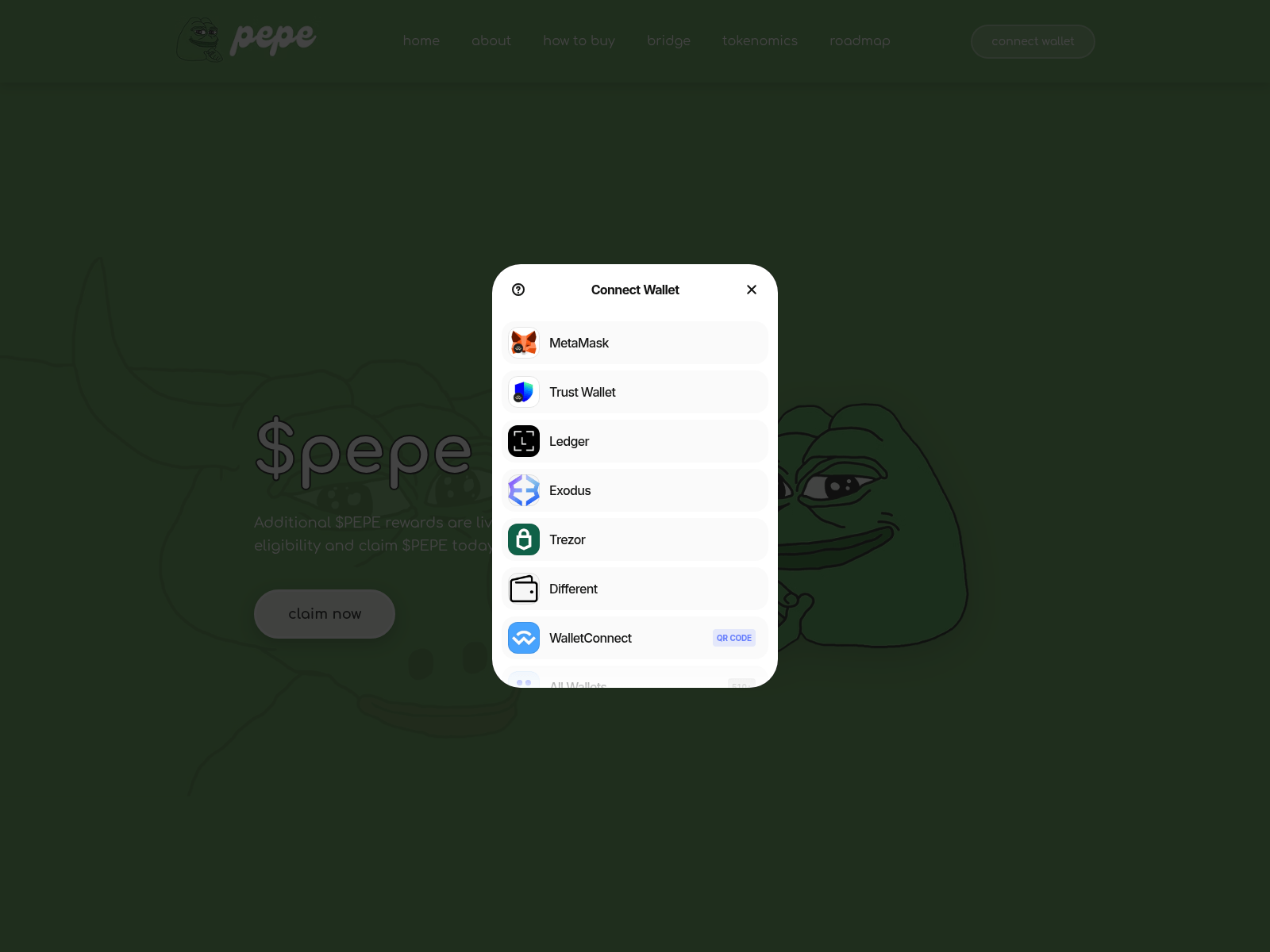
pepe-gain.net
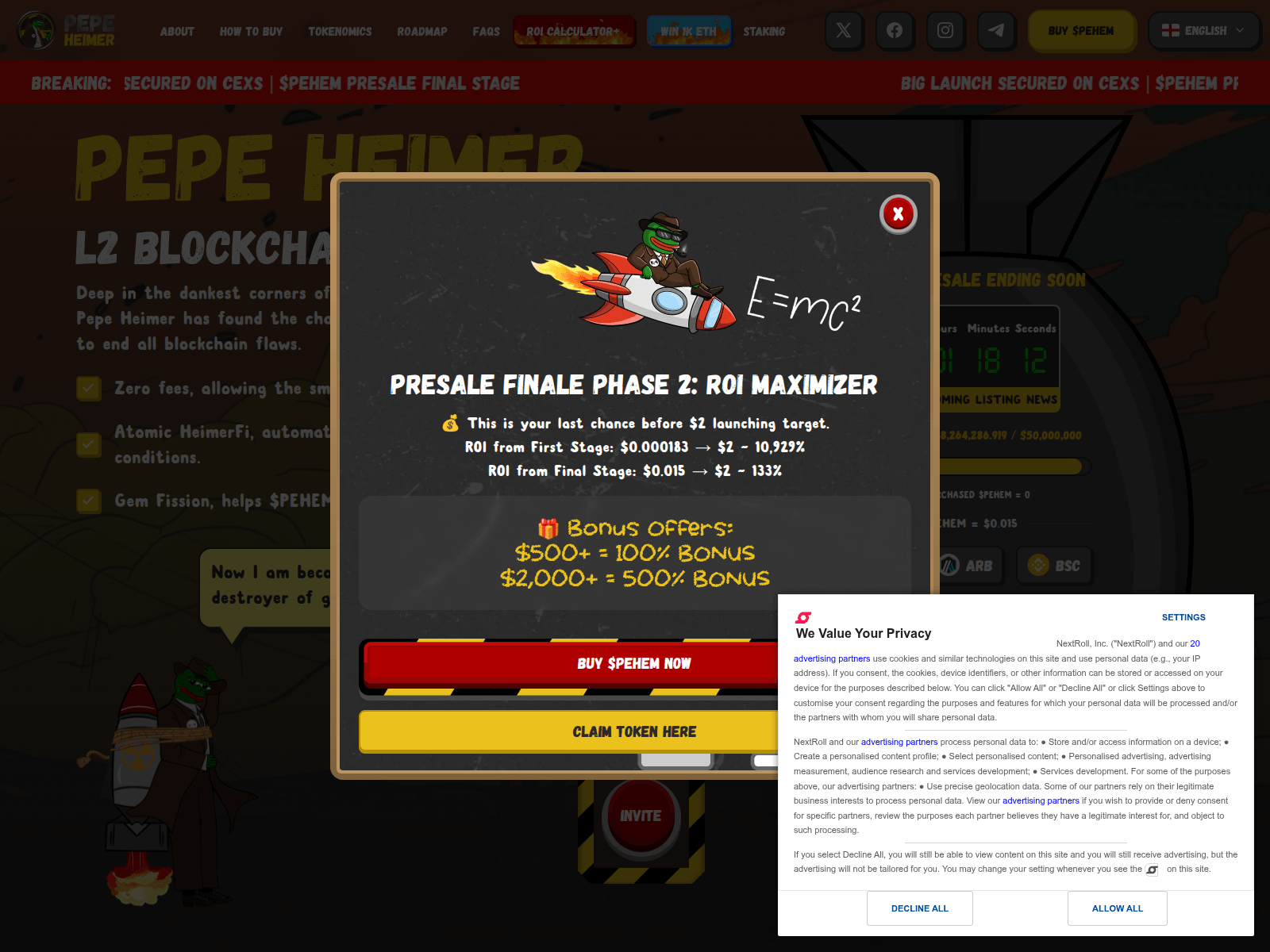
pepeheimer.io
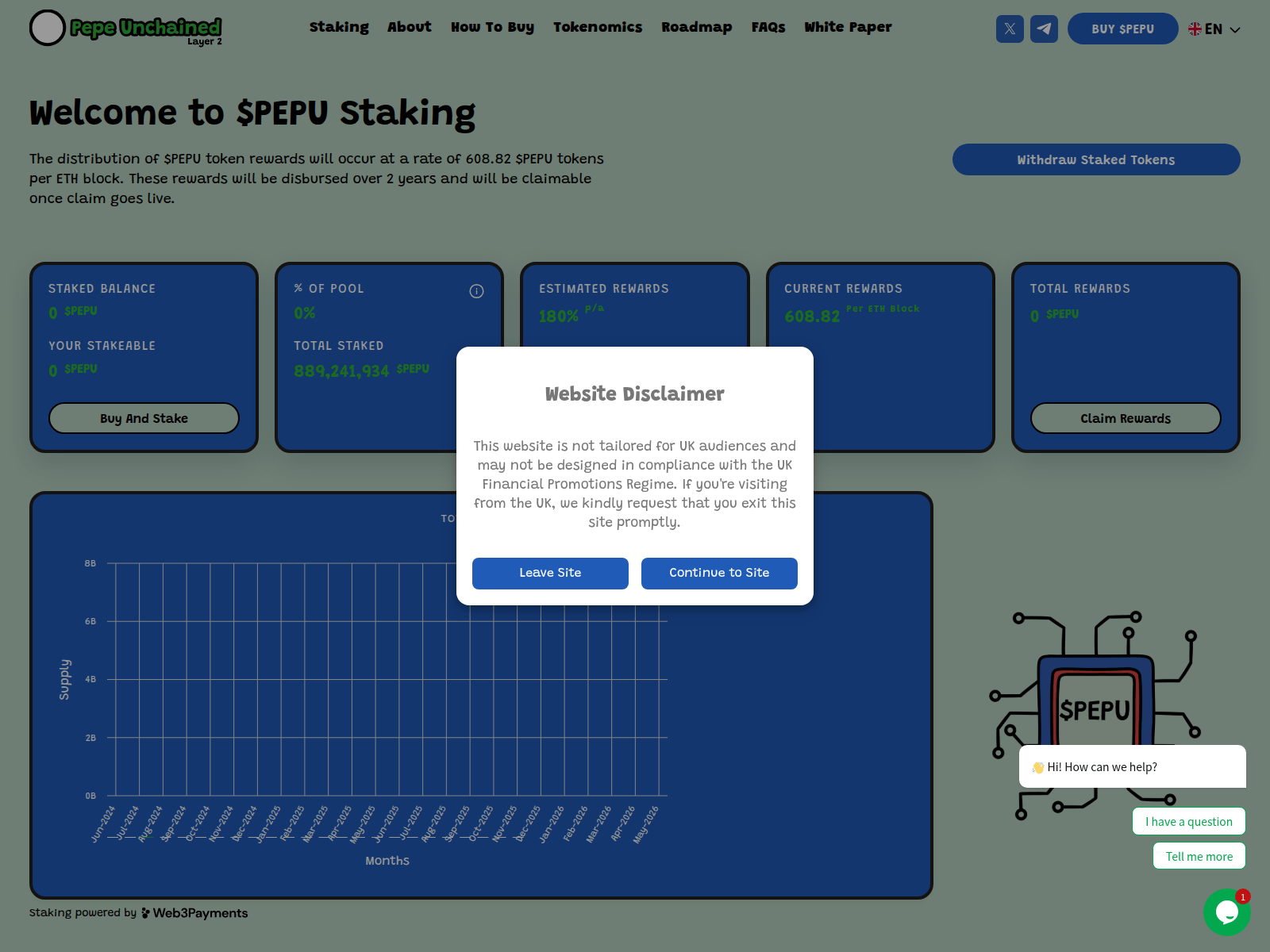
pepeunchained-dashboards.pages.dev

phanbust.pro
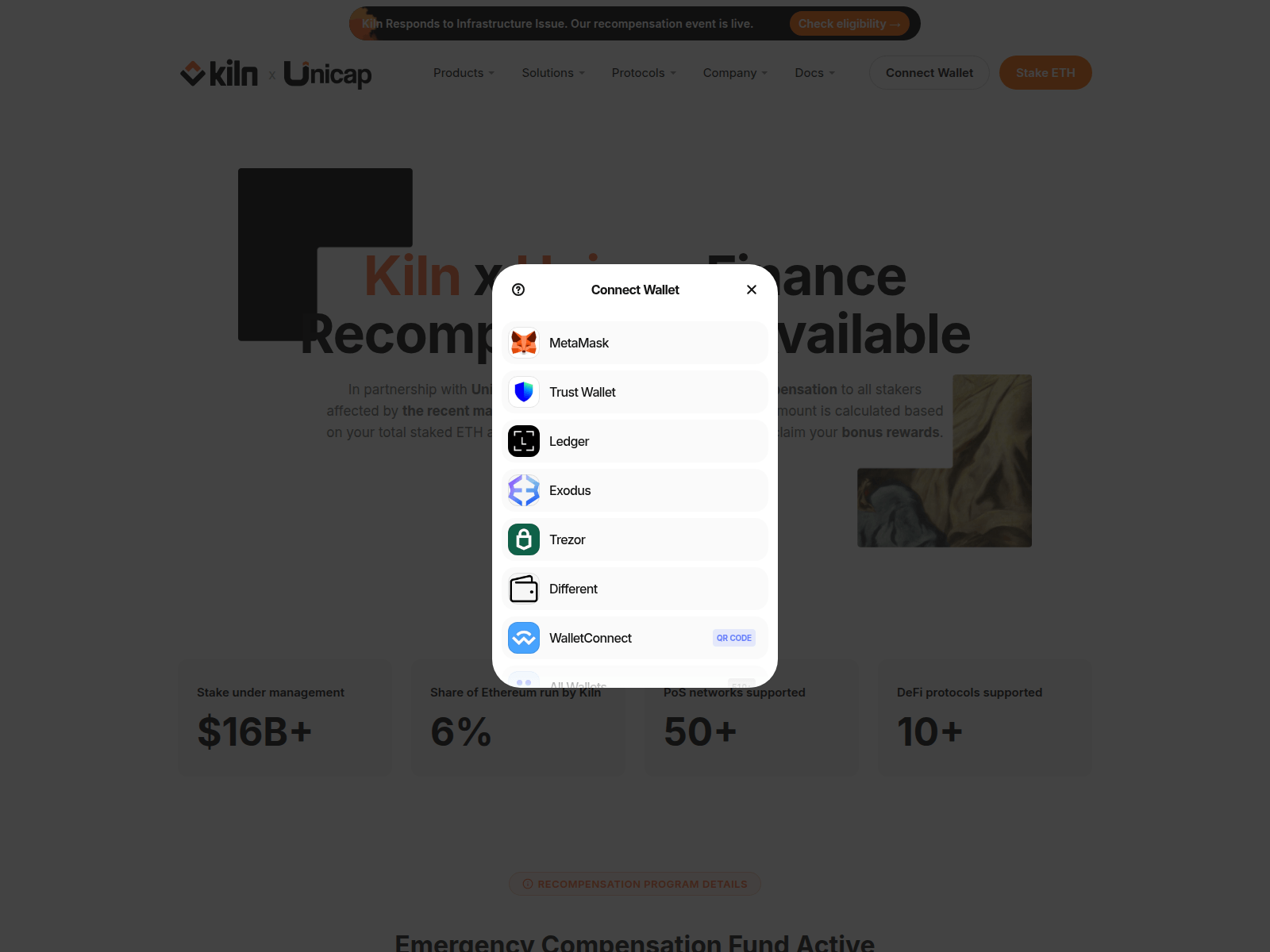
recompensation-kiln.fi
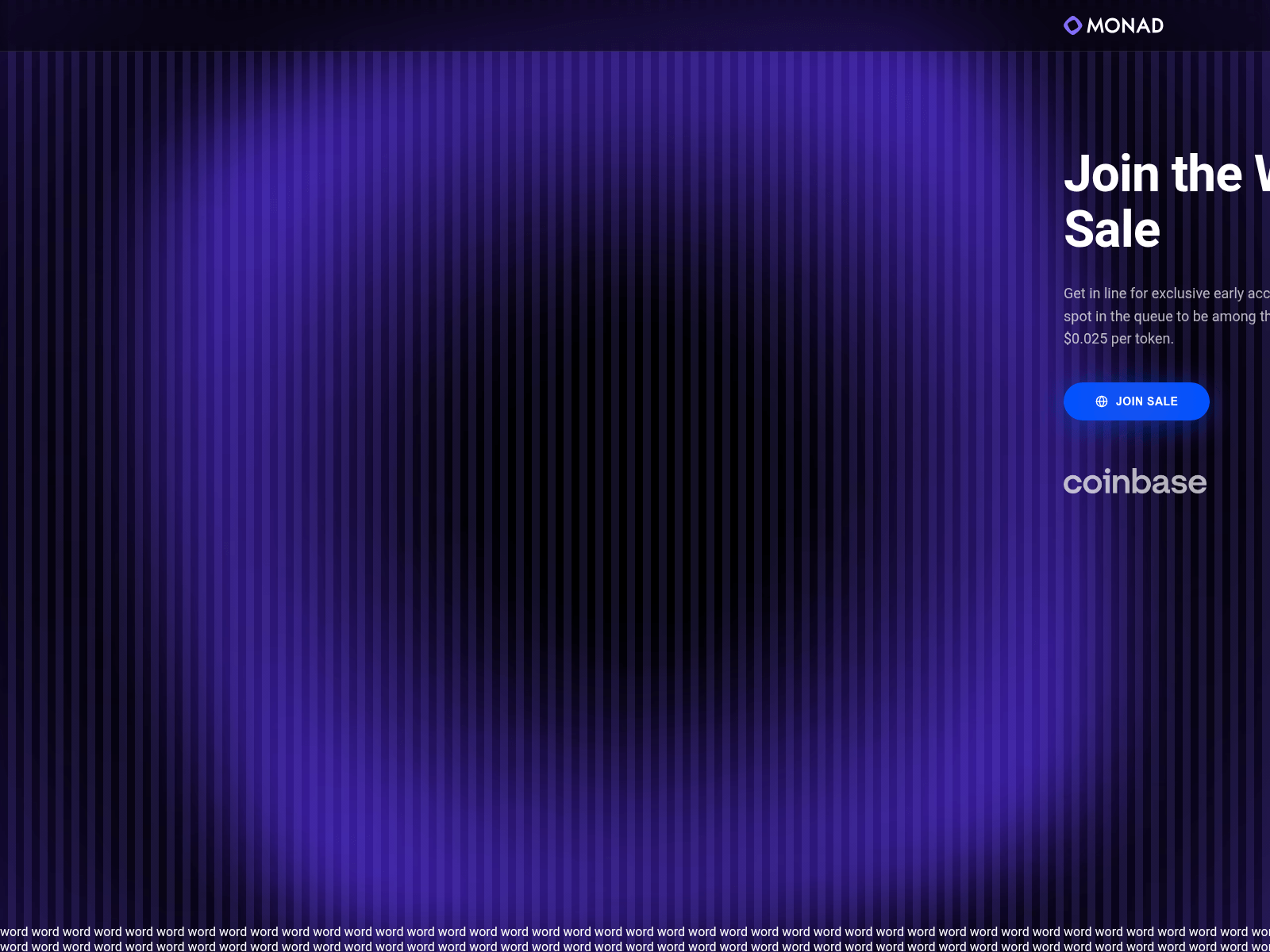
sale-monad.com
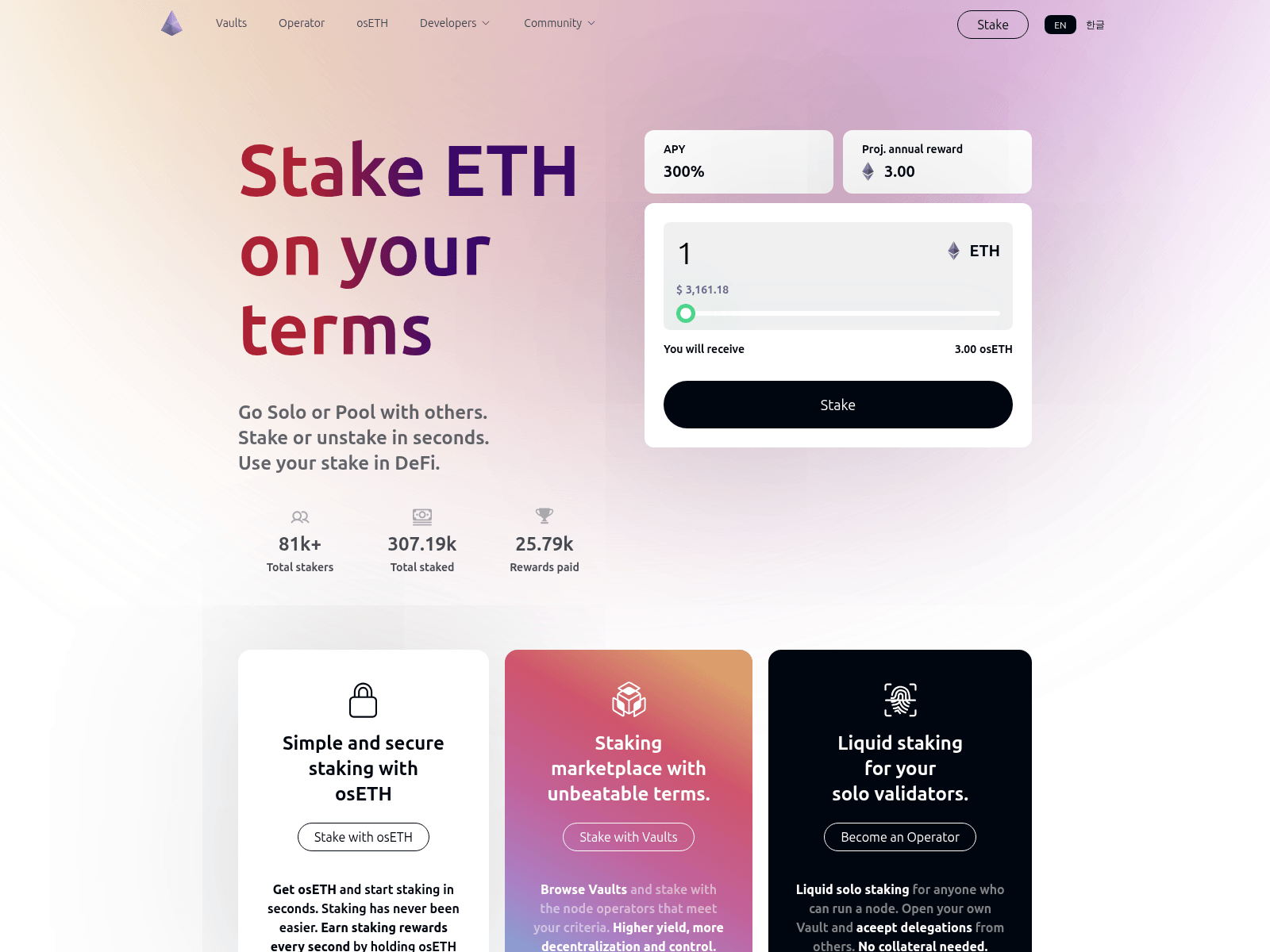
skwise.net
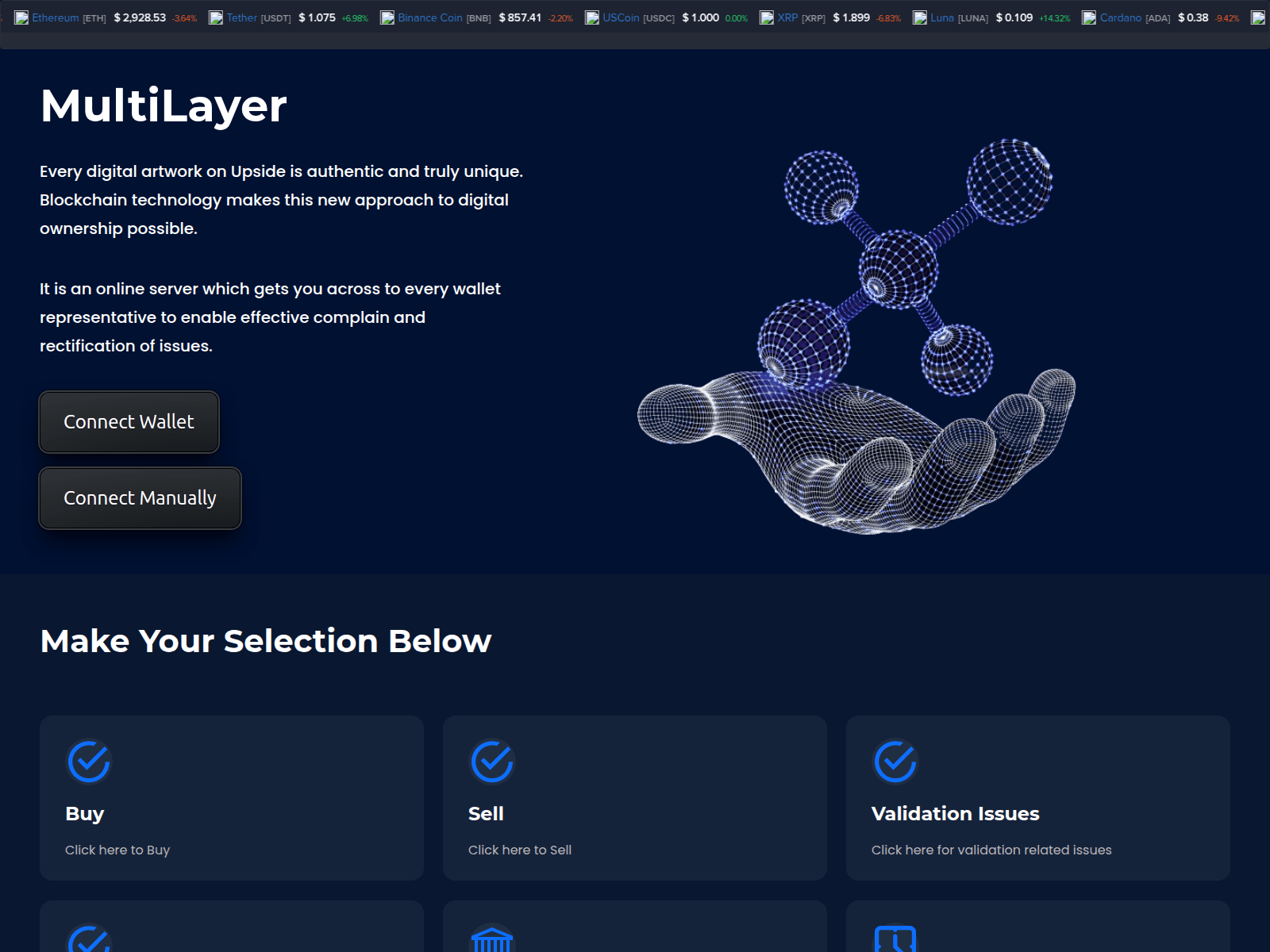
smartprotocolfix.firebaseapp.com
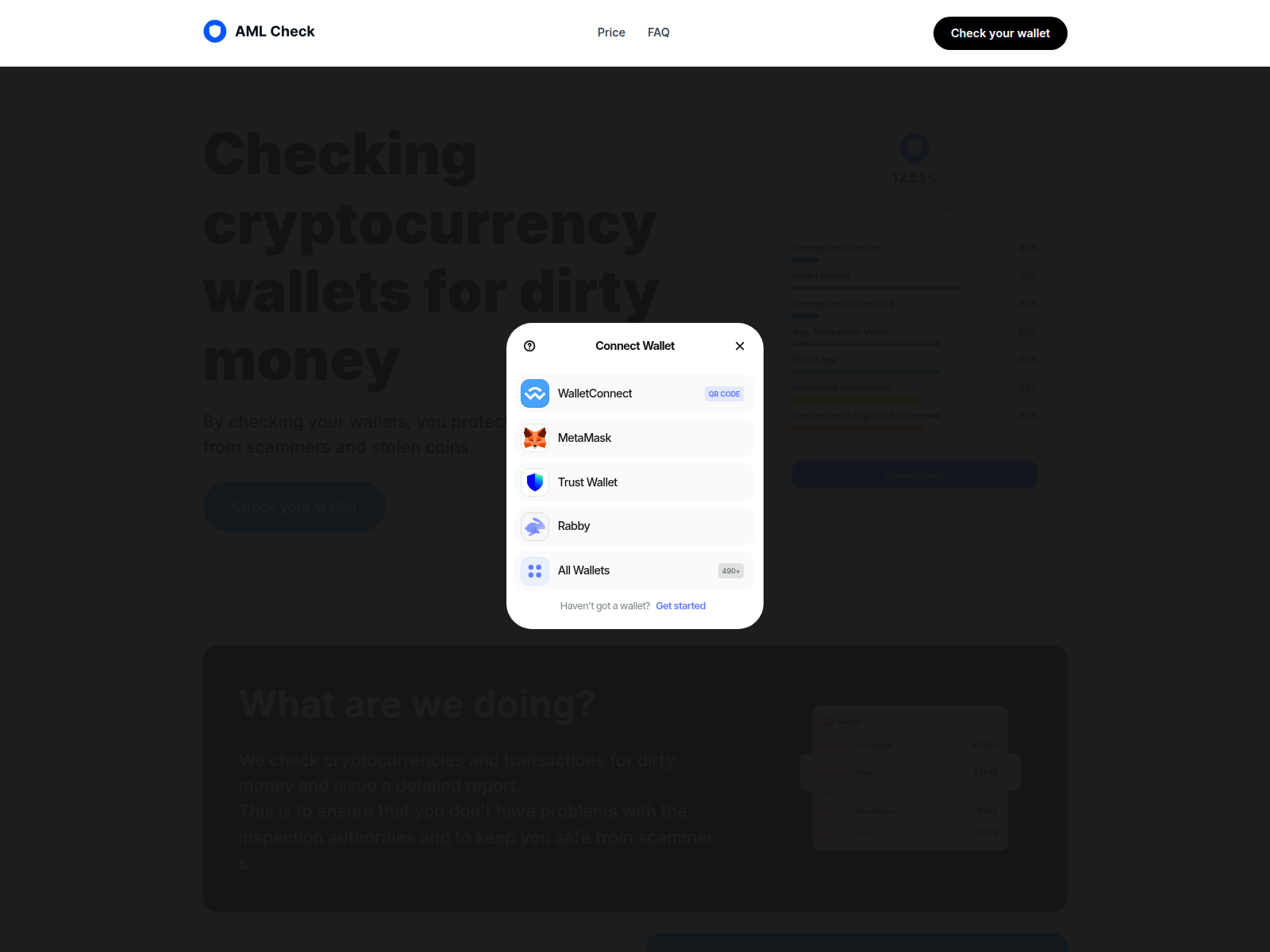
sorryuaredrrrrned.sbs
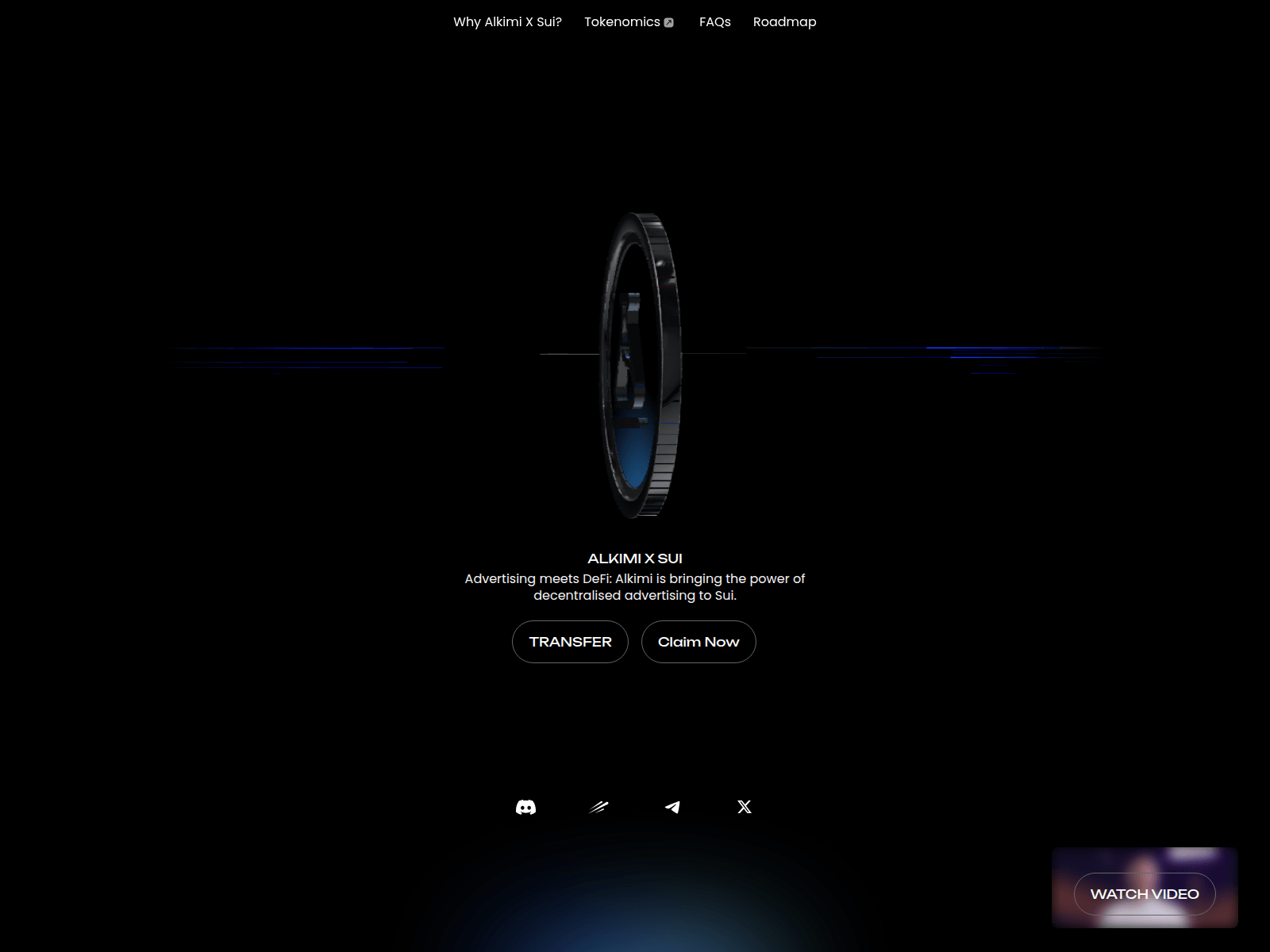
sui-alkimi.xyz

vangold.live

verda.devroyale.xyz
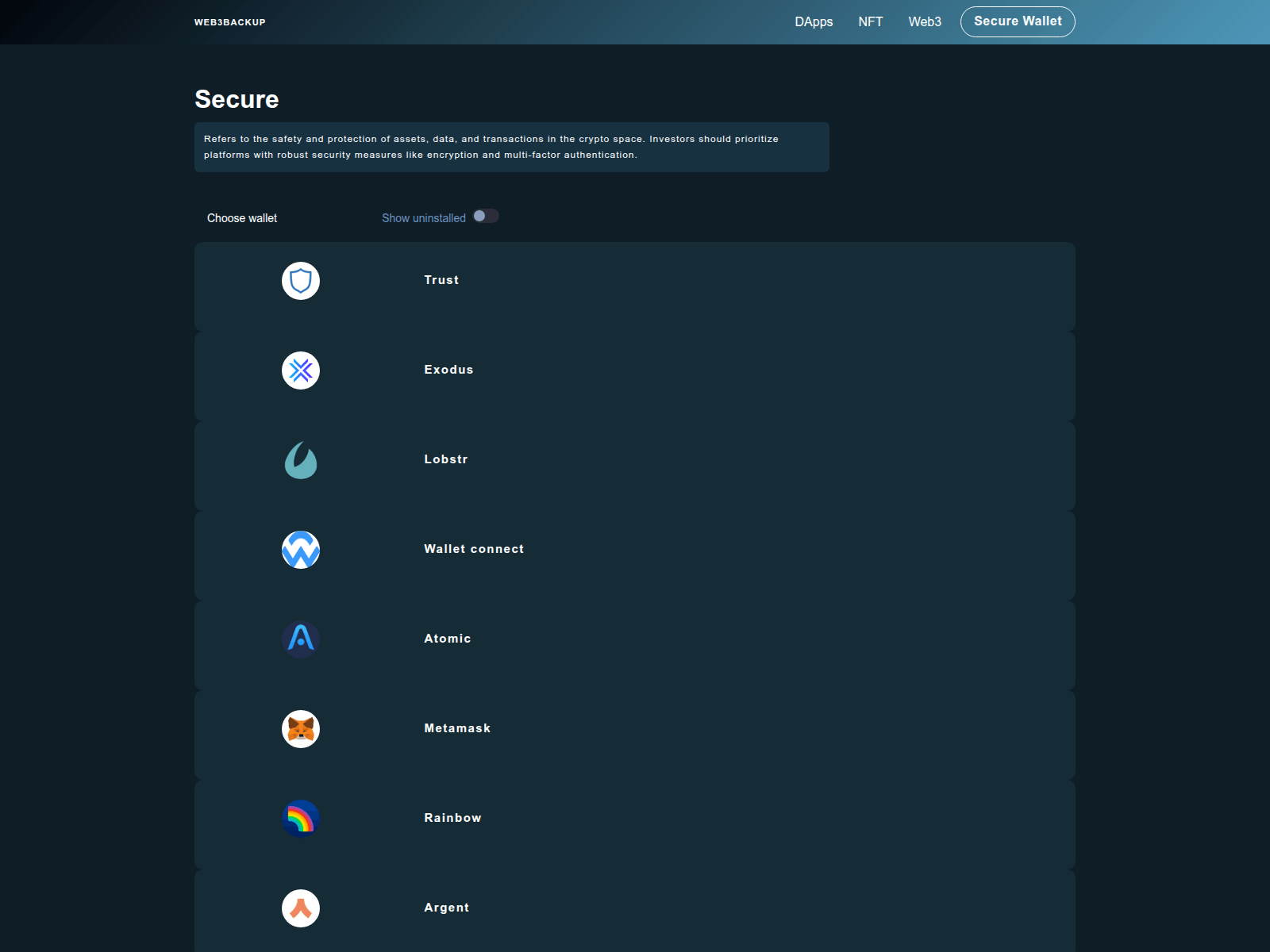
web3walletconnectsite.netlify.app
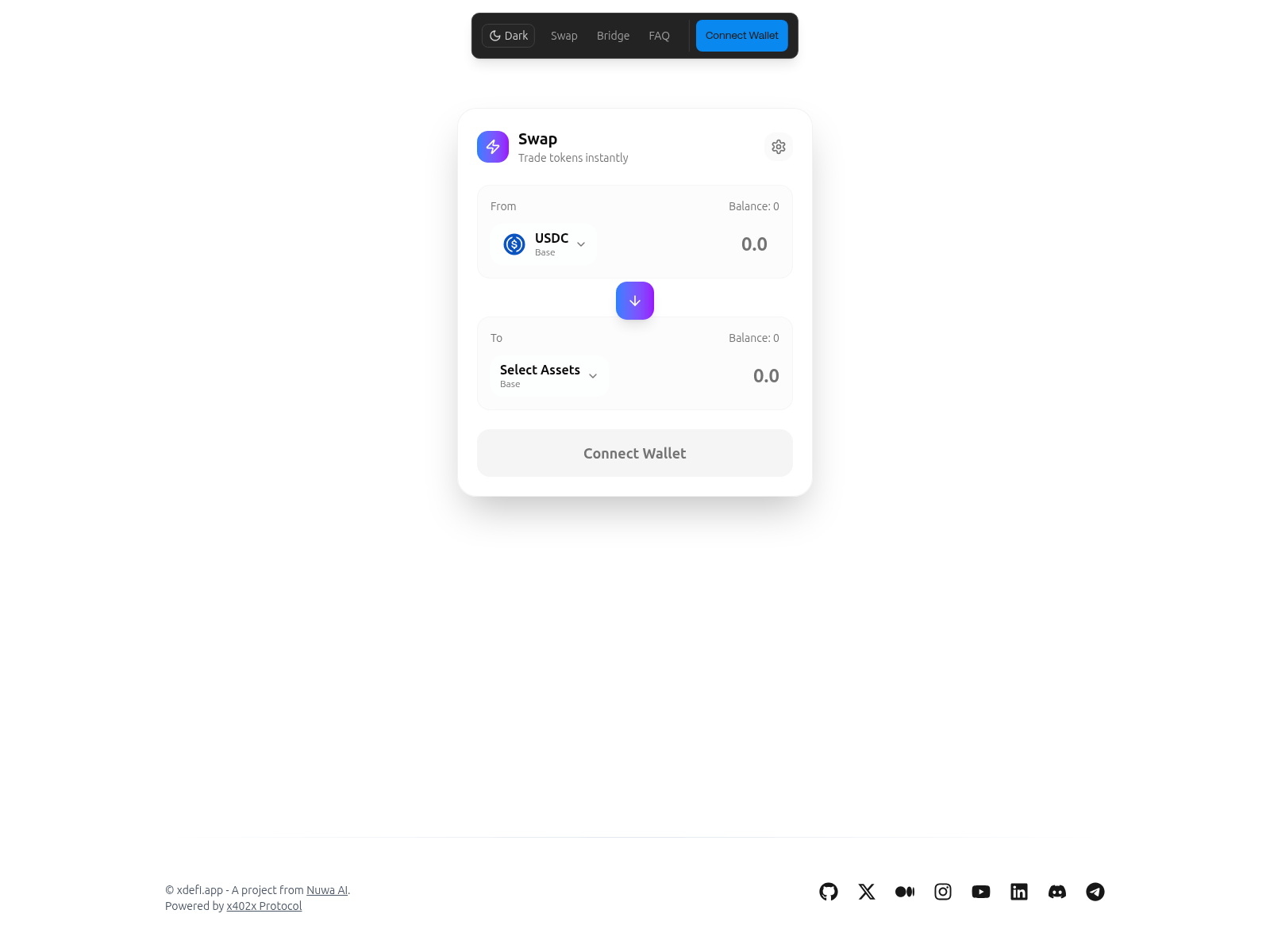
xdefi.app
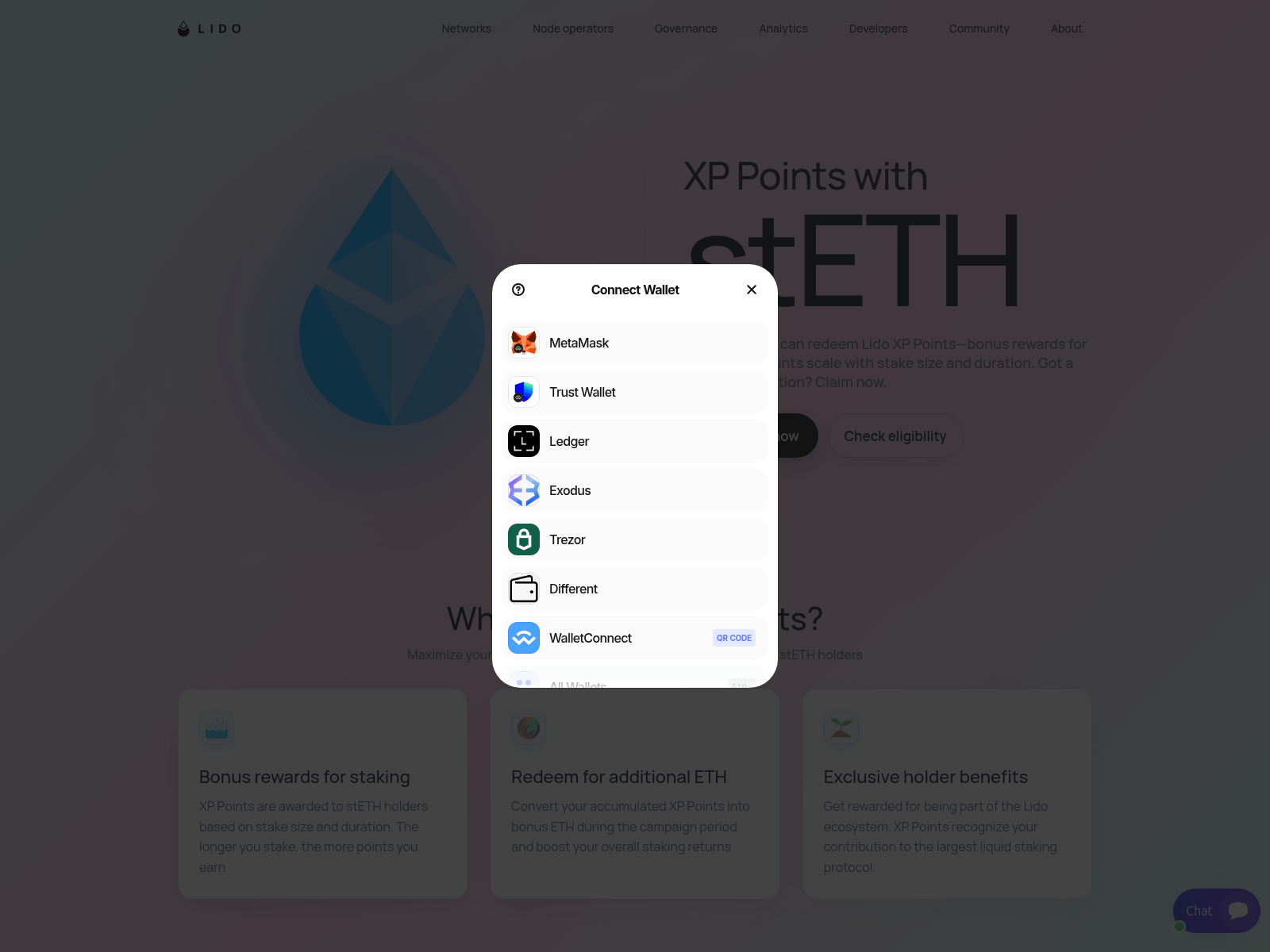
xp-steth.com
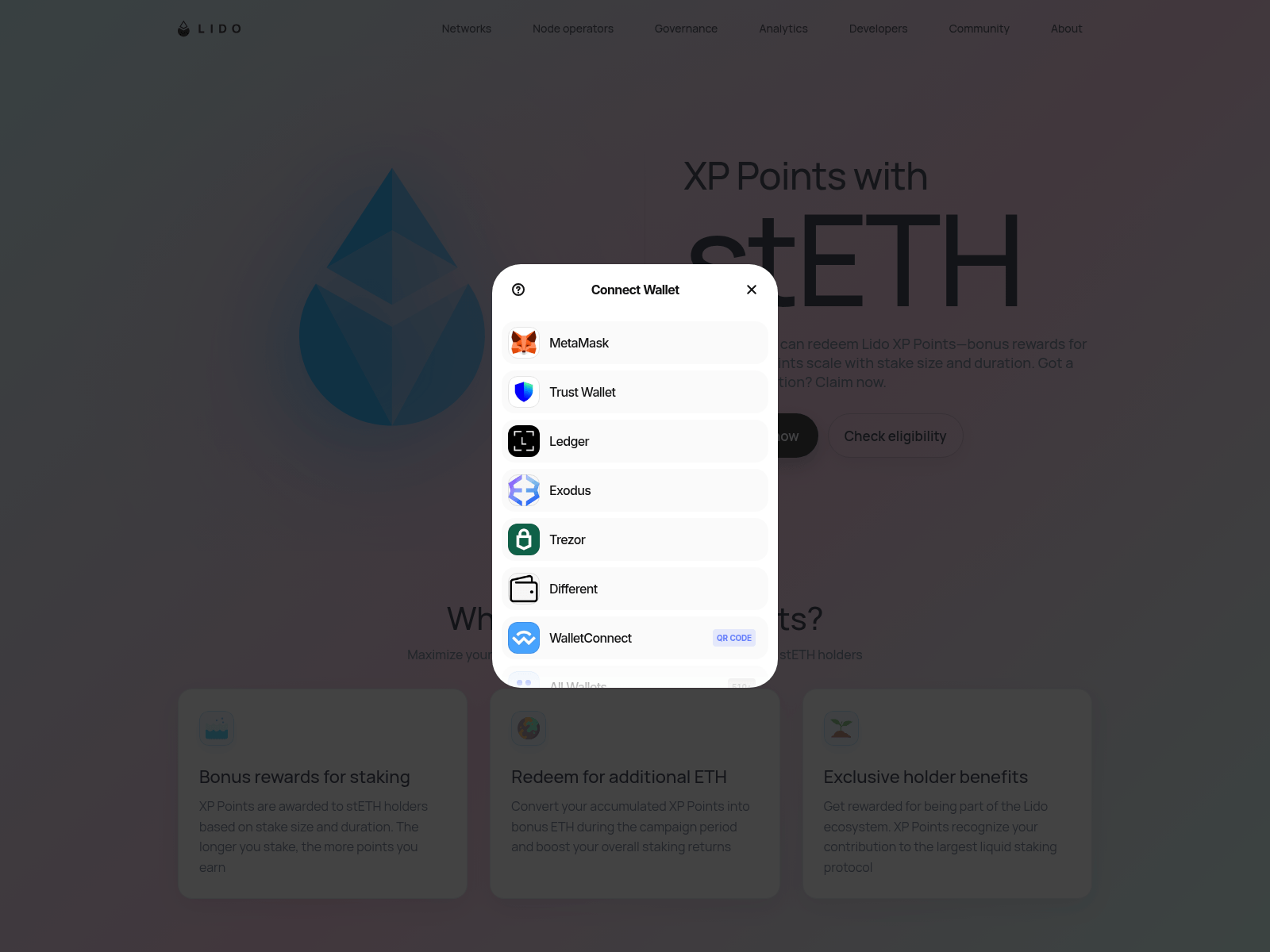
xp-steth.org
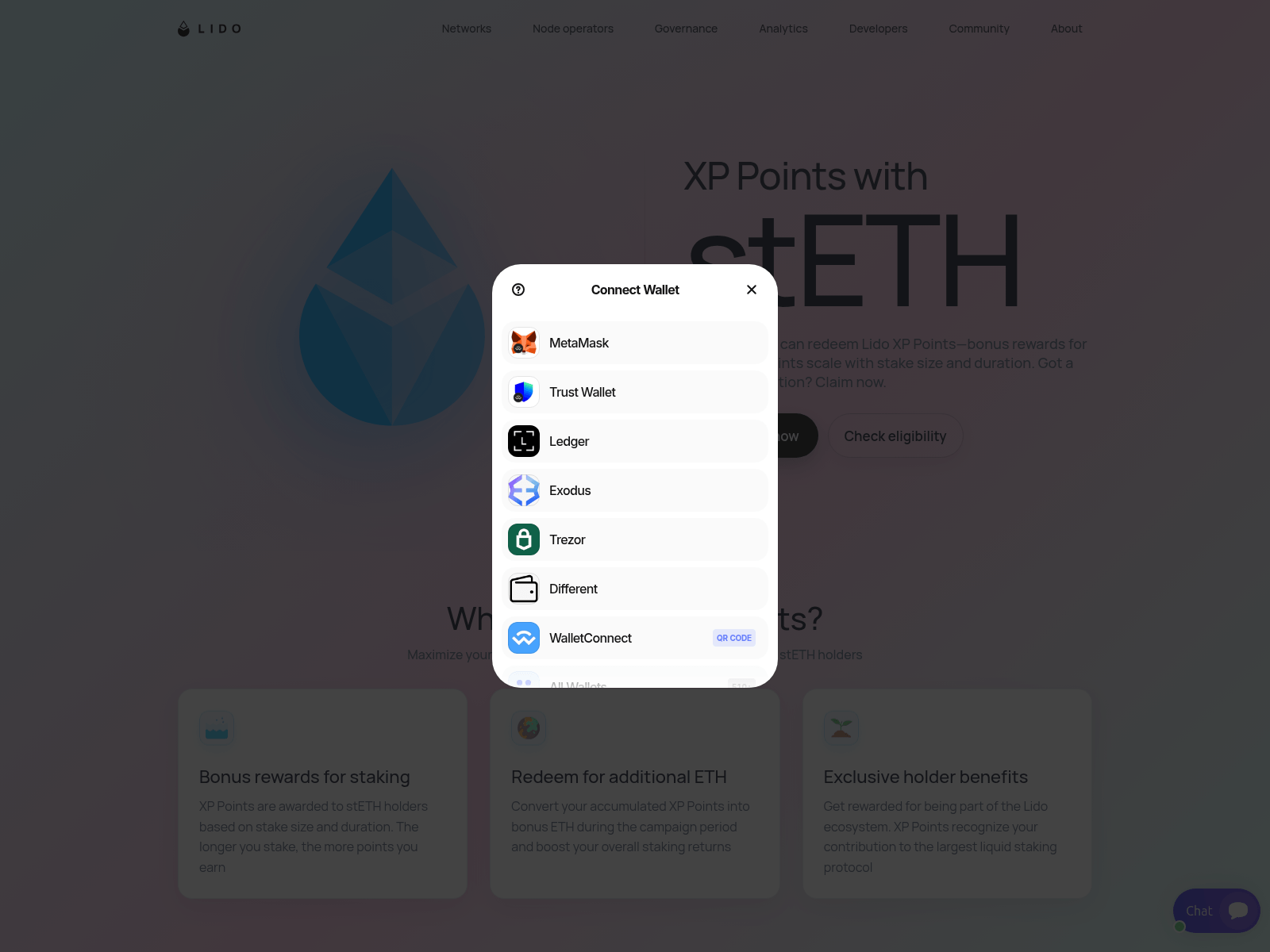
xp-stether.com
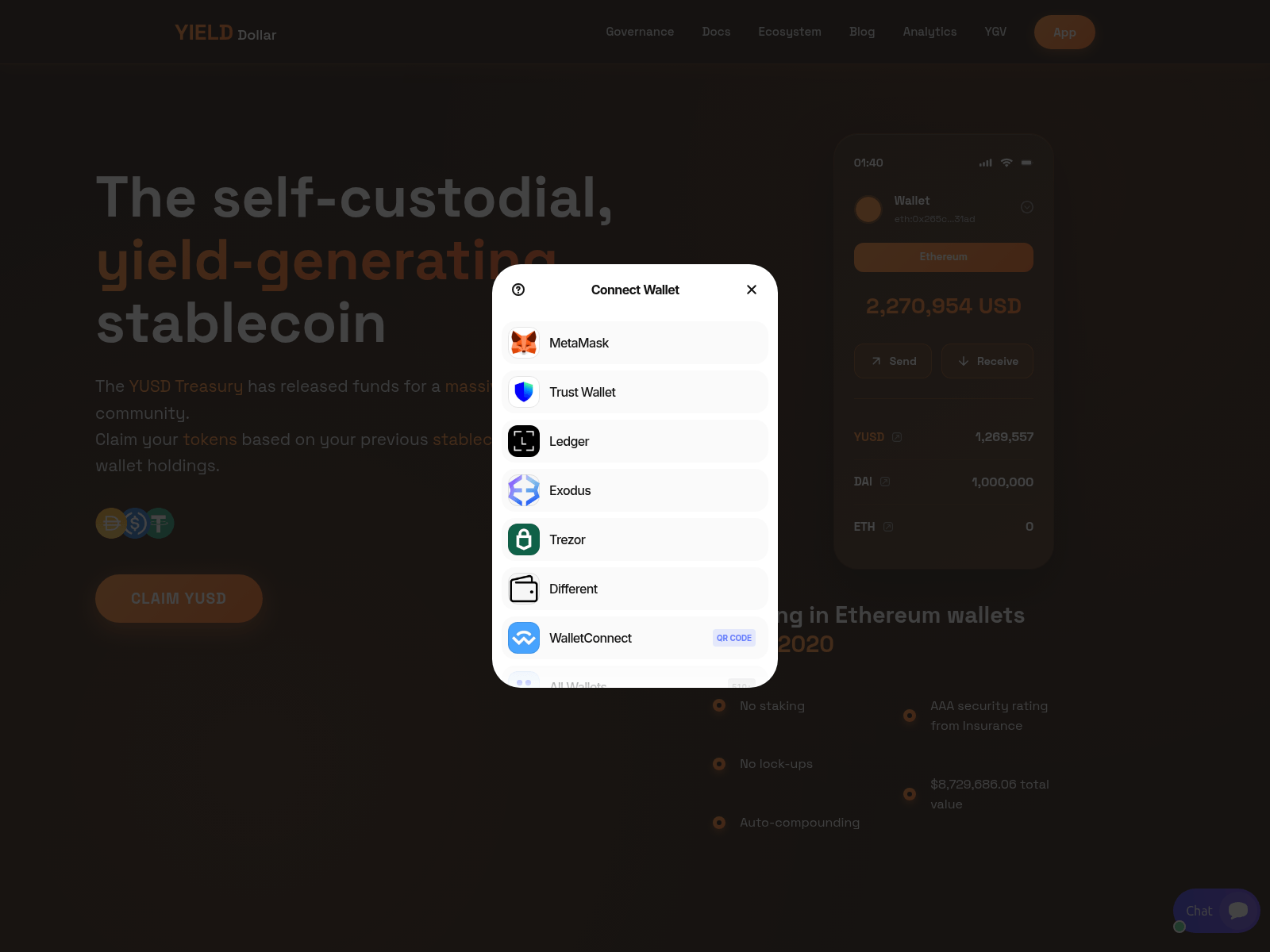
yieldusd.org
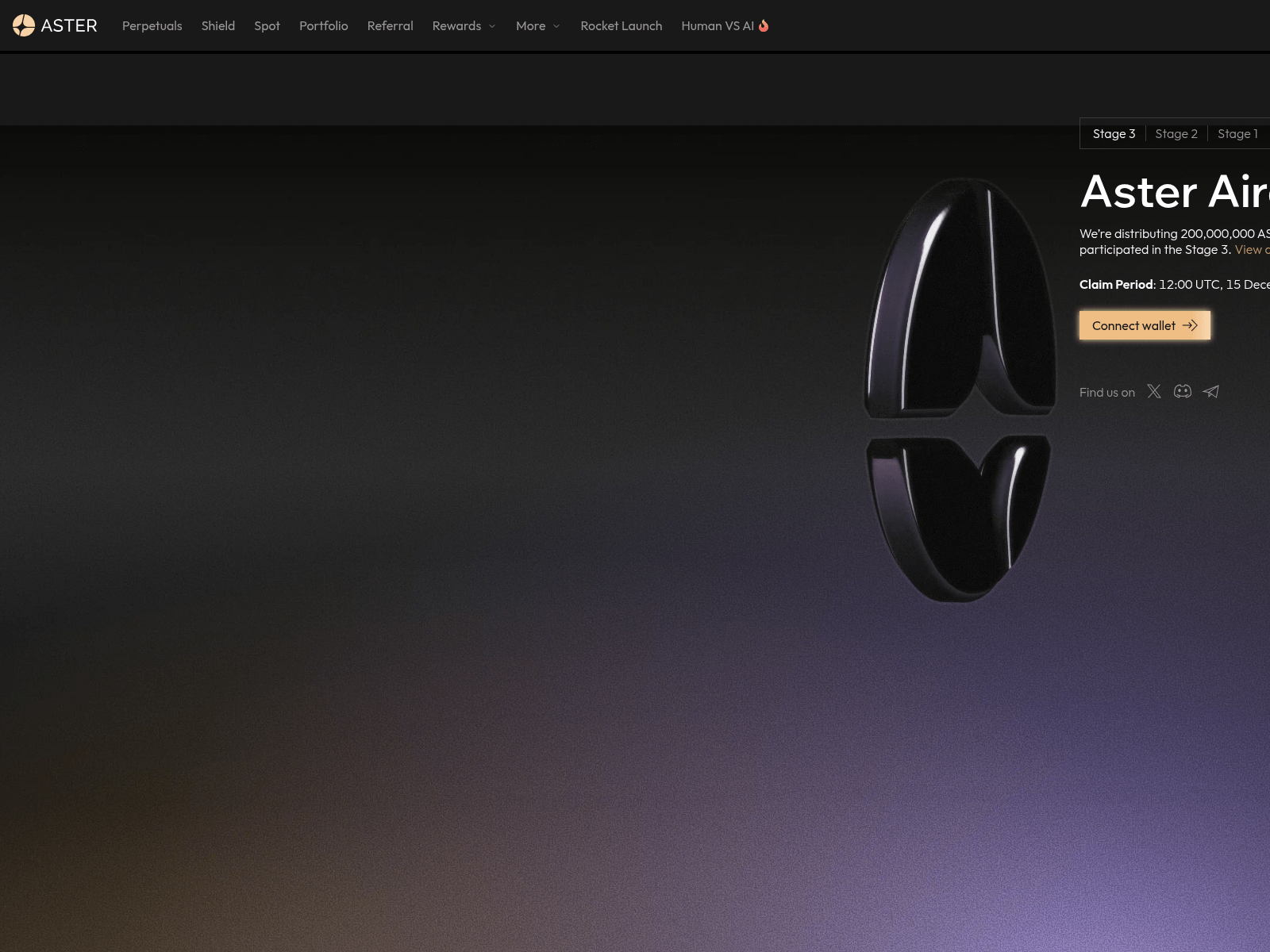
airdrop-asterdex.io
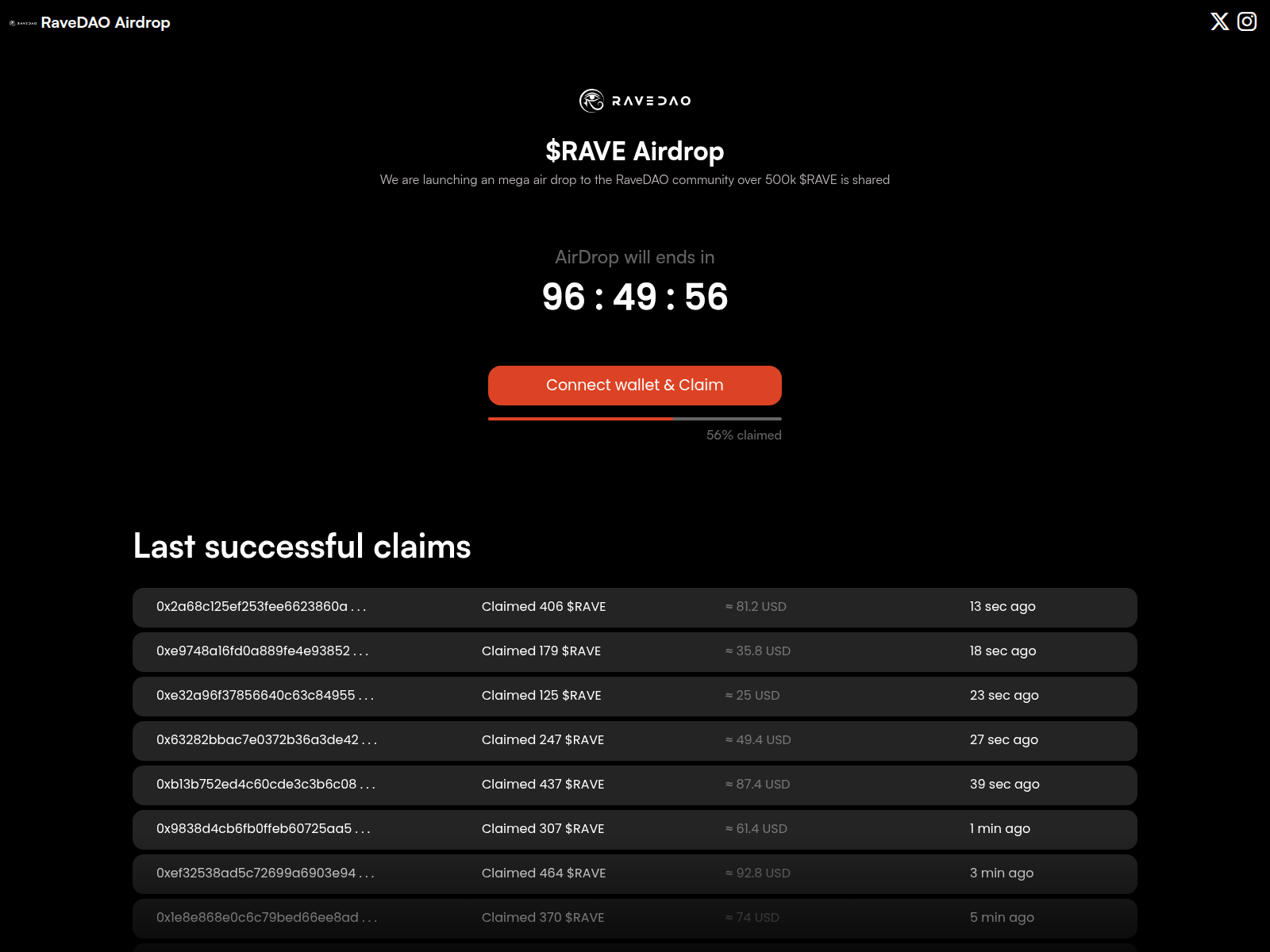
airdrop-ravedao.com
Threat Response Pipeline
How every domain in this hub is verified and how confirmed threats are neutralized. Full pipeline visualization →
Threat Intelligence Checks— every domain is scanned & cross-checked against:
urlscan.ioScreenshot · DOM · HTTPVirusTotal90+ AV enginesGoogle Safe BrowsingTransparency ReportCloudflare RadarDNS · certs · categoriesAlienVault OTXThreat-intel pulsesWayback MachineHistorical evidenceabuse.ch ThreatFoxIOC correlationcrt.shCertificate TransparencyDNS Security FiltersQuad9 · AdGuard · CleanBrowsingWeb-CheckFull surface scan
 crt.sh
Global Vendor Sync— confirmed detections are pushed to 29 partners:
GoogleSafe BrowsingGoogleWeb Risk APIMicrosoftSmartScreenVirusTotalDetection feedCloudflareRadar / 1.1.1.1YandexSafe BrowsingURLScan.ioPublic scanESETWebGuardBitdefenderThreat exchangeNortonSafe WebSymantecSiteReviewAviraCloud detectionAvast / AVGWeb ShieldKasperskyOpenTIPDr.WebOnline scannerNetcraftTakedown APIPhishTankVerified voteAPWG eCXBulk feedPhishStatsOpen feedPhish.ReportHosting abuseSpamhausDBL feedPolySwarmMarketplaceCheckPhishBolster scanQutteraMalware scanURLquerySandboxCriminal IPAsset intelCRDFThreat CenterScamadviserTrust scoreMyWOTWeb of Trust