
Search tracked domains and review stored evidence, detections, and the latest observed availability.
221,229
Total Tracked
215,449
VT Detected
86,991
Last Seen Active
134,238
Unavailable at Last Check
0
VT Pending
How This Attack Works
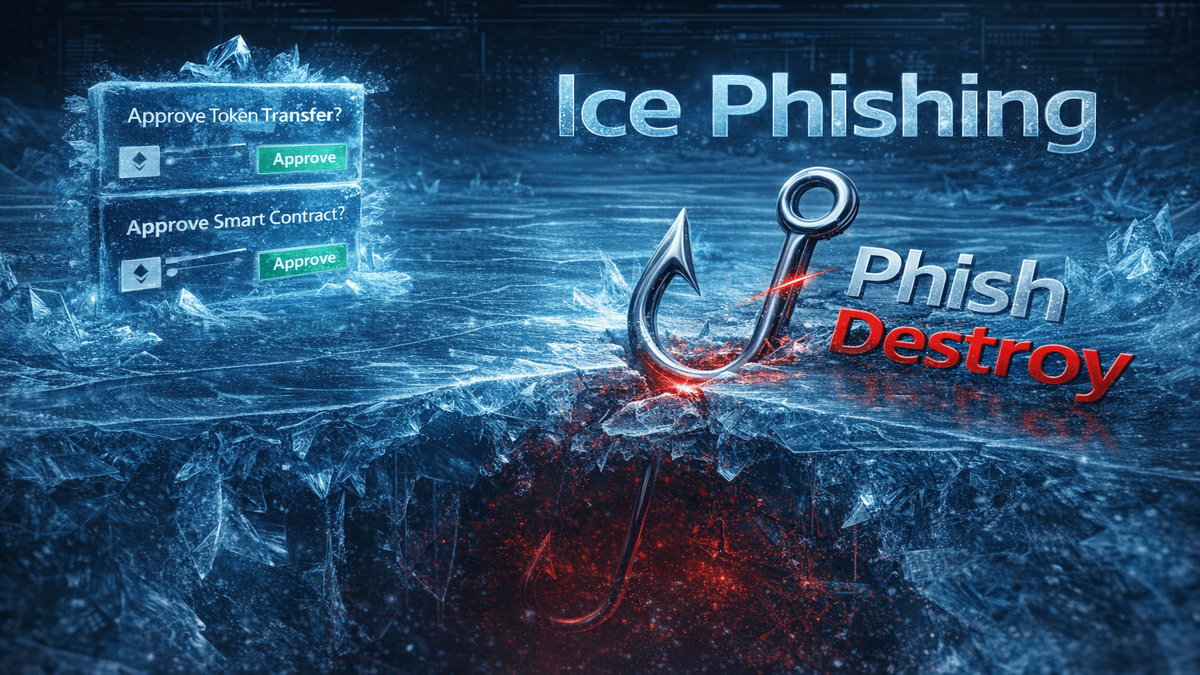
Ice Phishing is a sophisticated technique that targets users by manipulating blockchain transactions. Here's how it typically unfolds.
STEP 1
Target Identification
Attackers identify potential victims, often targeting users with significant cryptocurrency holdings.
STEP 2
Setup Spoofed Environment
The attacker creates a fake website or app mimicking a legitimate service to deceive users.
STEP 3
Credential Harvesting
Users are tricked into entering sensitive information, allowing attackers to gain access to their accounts.
STEP 4
Unauthorized Transactions
With access to the victim's account, attackers execute unauthorized transactions, siphoning funds.
Technical Analysis
Ice Phishing attacks often involve the use of malicious smart contracts that exploit users by redirecting transactions to the attacker's wallet. Attackers employ social engineering techniques to lure victims into signing transactions that they believe are legitimate. These transactions often use clever code obfuscation to hide the true nature of the transaction. Attackers also leverage compromised infrastructure, such as DNS servers or hosting services like those registered through arin or Vercel Inc., to create convincing phishing environments. By mimicking legitimate services, these attacks bypass traditional security checks, making detection challenging.
Real Cases
Ethereum Wallet Scam (2023)
$1.2 million stolen
Attackers used a fake wallet service to steal credentials, resulting in a substantial loss of Ethereum funds.
Crypto Exchange Phishing (2024)
$2.5 million stolen
A phishing site mimicking a popular exchange tricked users into entering their login details, leading to significant asset theft.
DeFi Platform Breach (2024)
$3.8 million stolen
A decentralized finance platform was targeted by ice phishers who exploited smart contract vulnerabilities to siphon funds.
How to Detect
Unusual domain names that closely resemble legitimate services
Unexpected requests for private keys or seed phrases
Emails or messages urging immediate action on your crypto assets
Anomalies in transaction requests, such as unexpected gas fees
Lack of HTTPS encryption on websites requiring sensitive input
How to Protect Yourself
1
Always verify the URL before entering sensitive information
2
Enable two-factor authentication on all accounts
3
Regularly monitor transaction logs for unauthorized activities
4
Educate yourself about common phishing tactics
5
Use hardware wallets for enhanced security
Frequently Asked Questions
Data sourced from PhishDestroy threat intelligence database — 40 domains tracked for this threat type
Ice Phishing 40 domains

rectification-fixuserauthentication.vercel.app

rectifyissues-now.vercel.app

supports-rectification.vercel.app
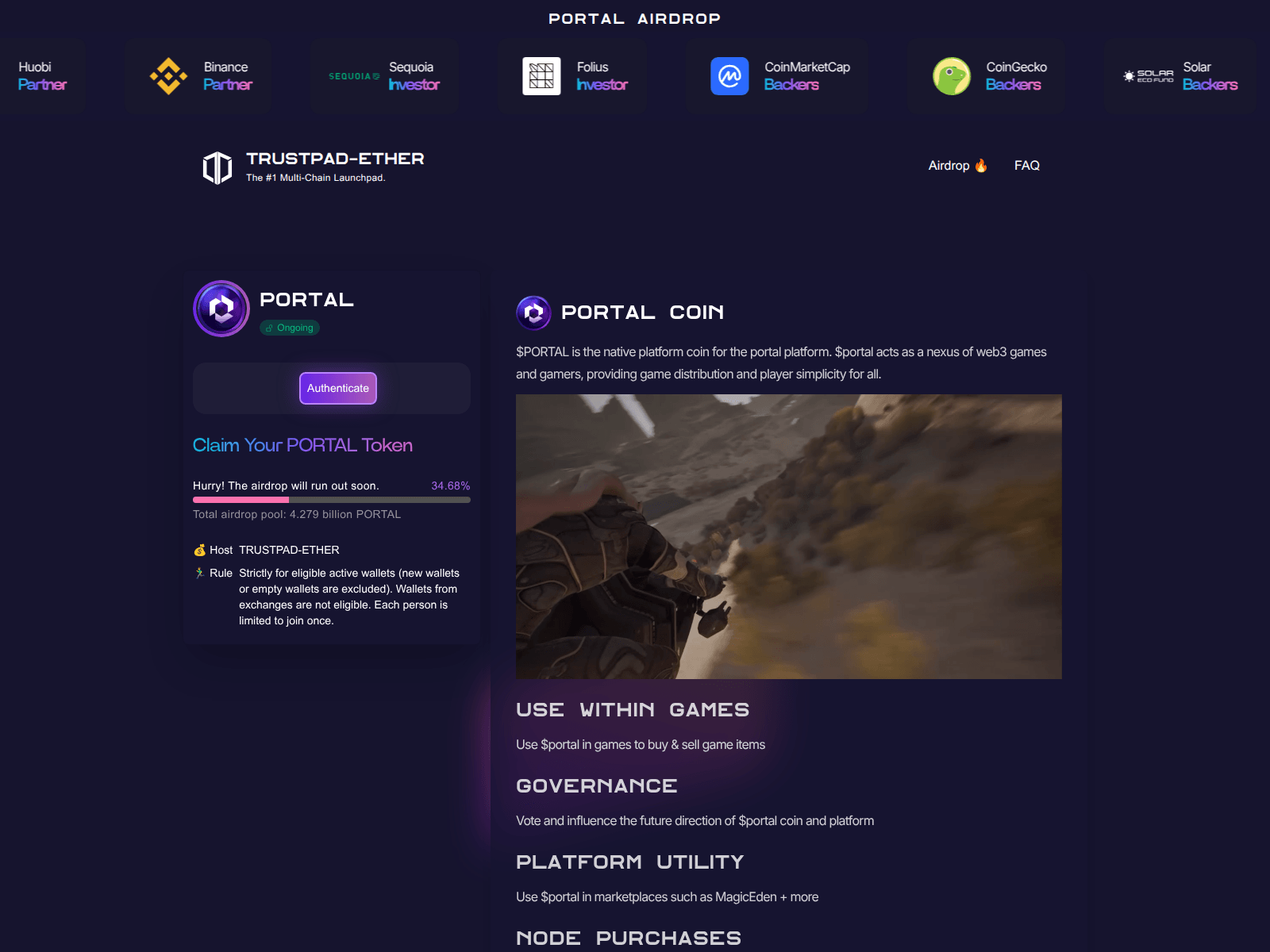
authwalletconnect.com
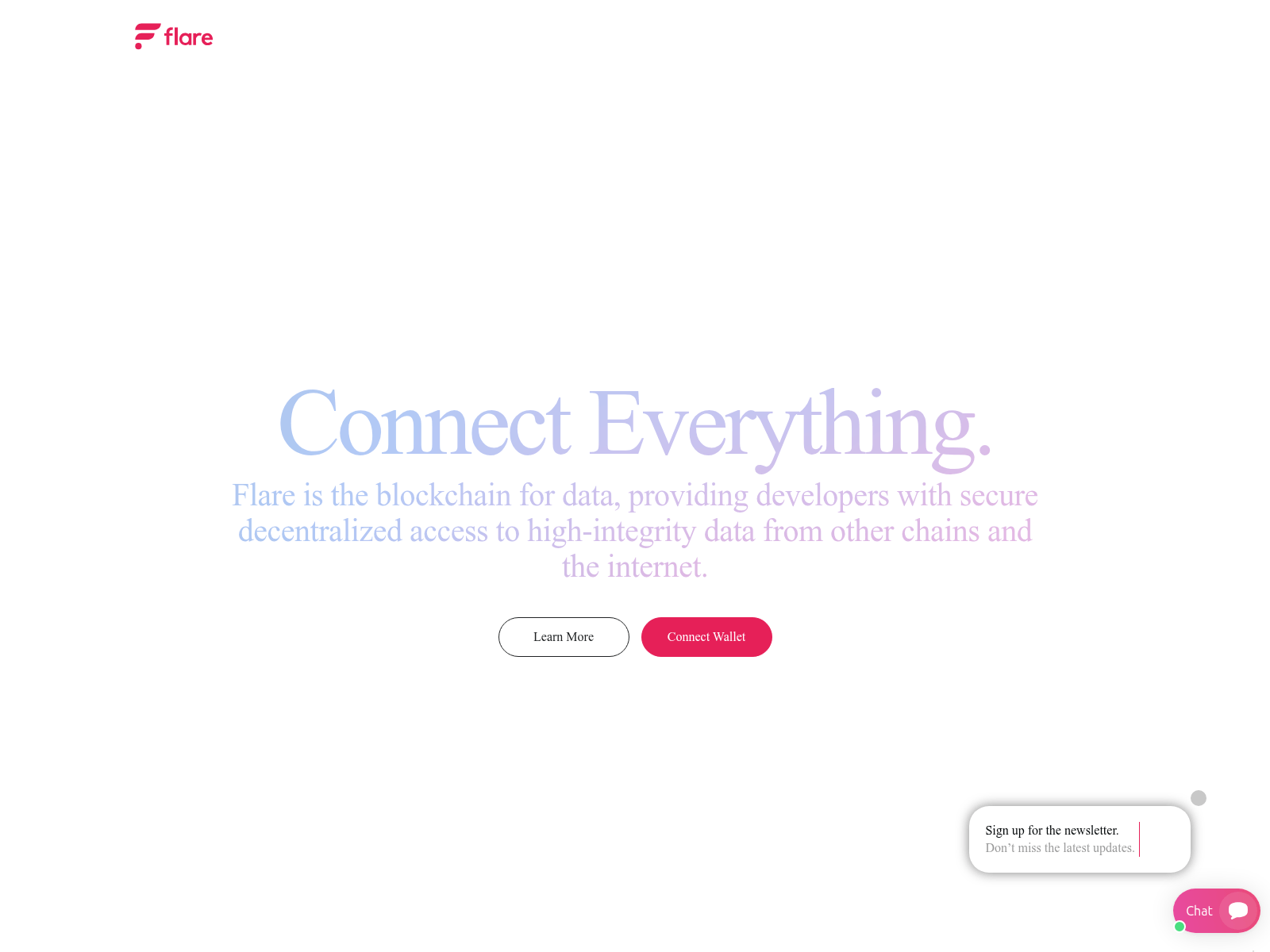
flaretokensdrop.com

seaportal.fo
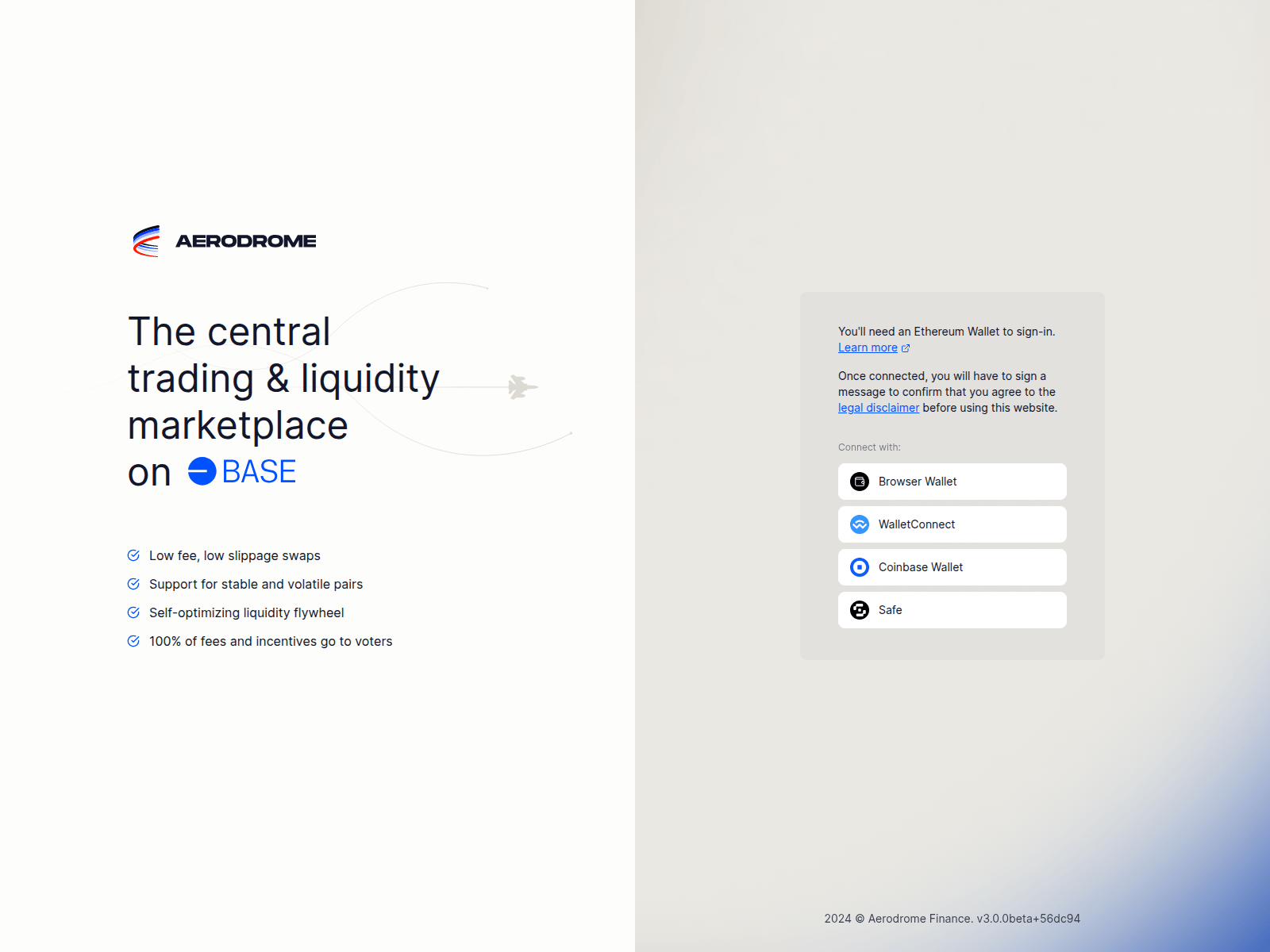
agencyanalyticsframe.us.com
enacoin-newbridge.com
flrconnectportal.live

airdrop.wrlomhole.net

aoerodrome.finance
chainxtrade.com
ethdrawclaimdrop.org
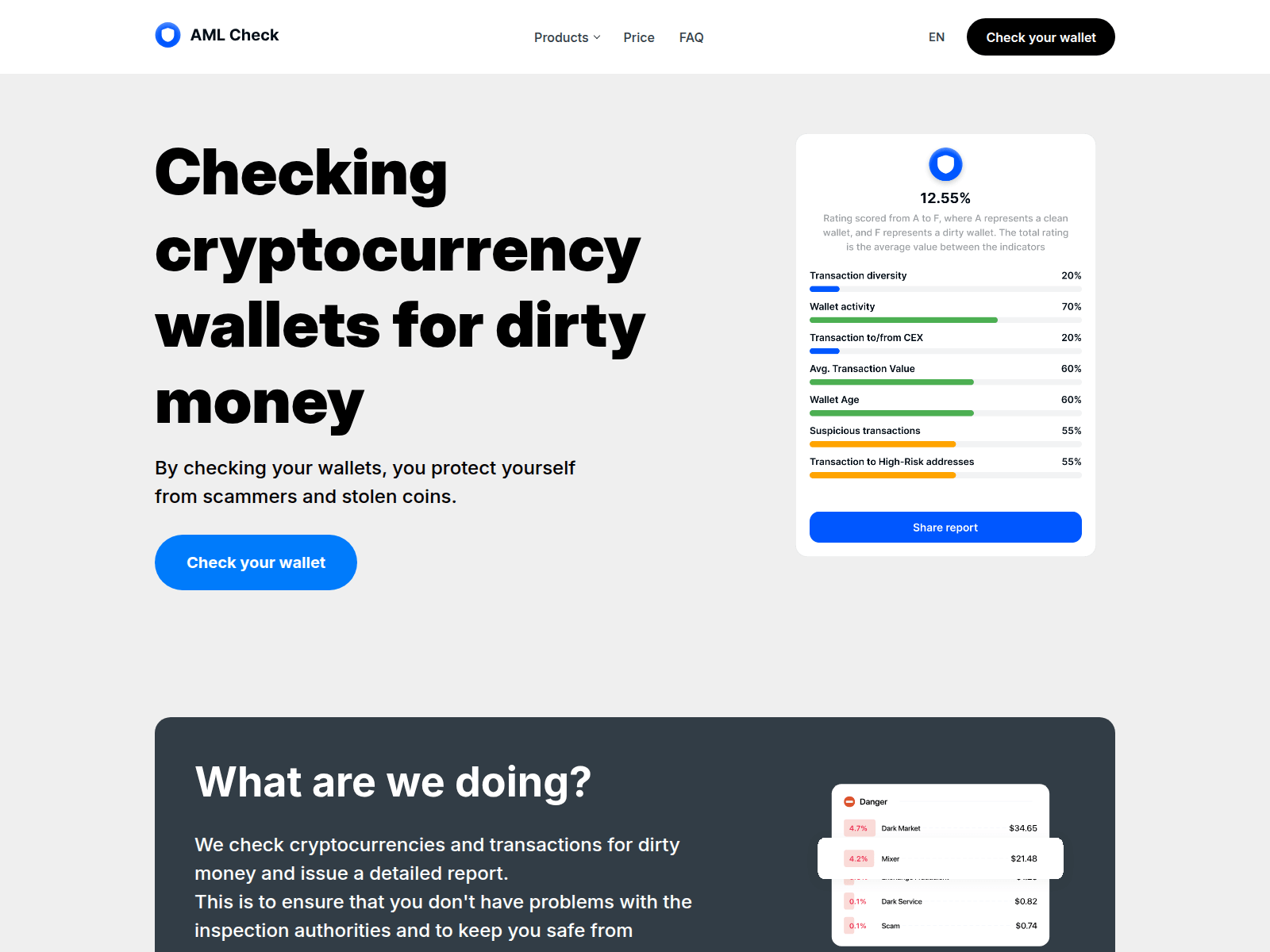
test123.sphere-drainer.cc
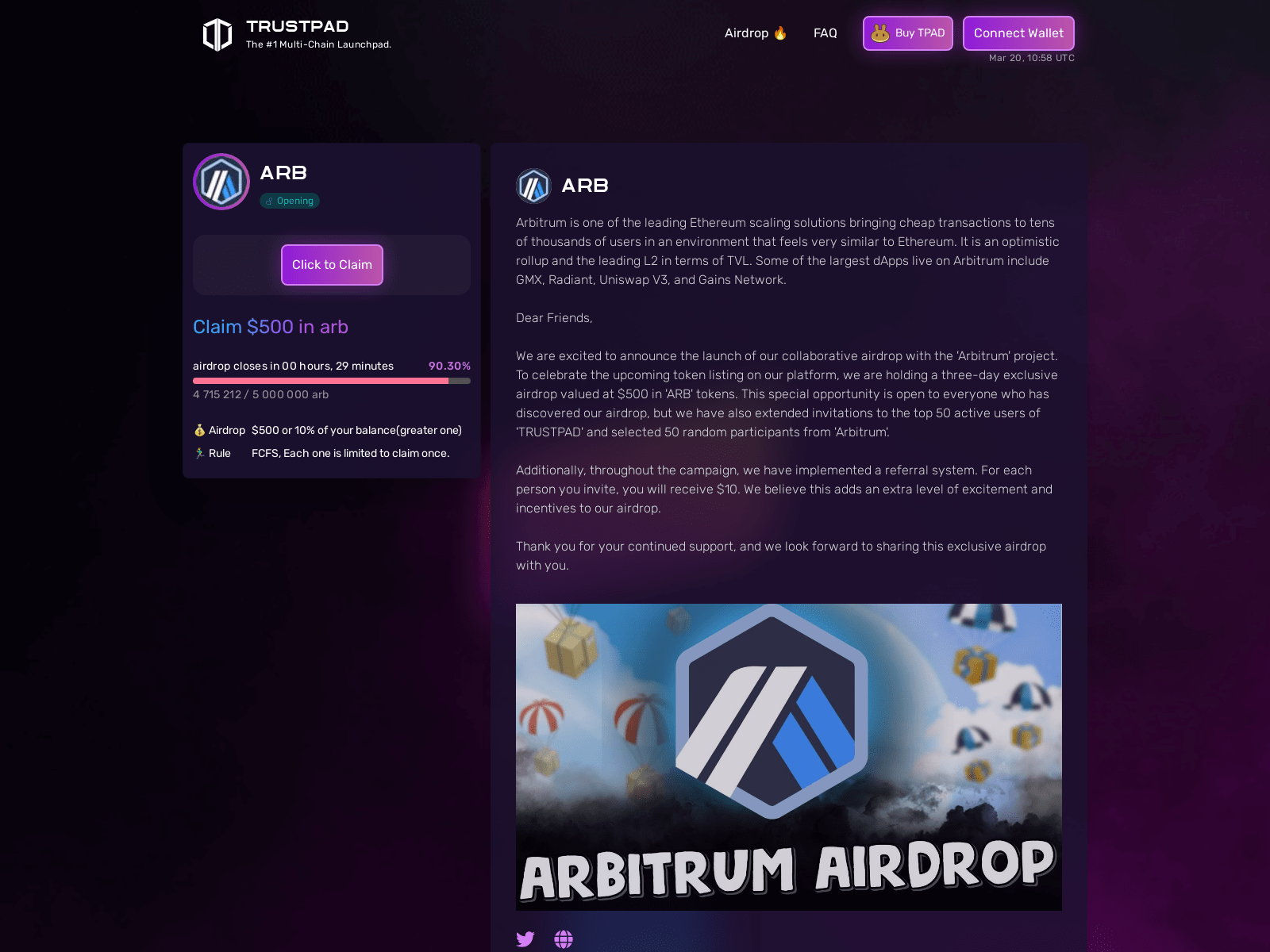
arb.claimscrypto.top
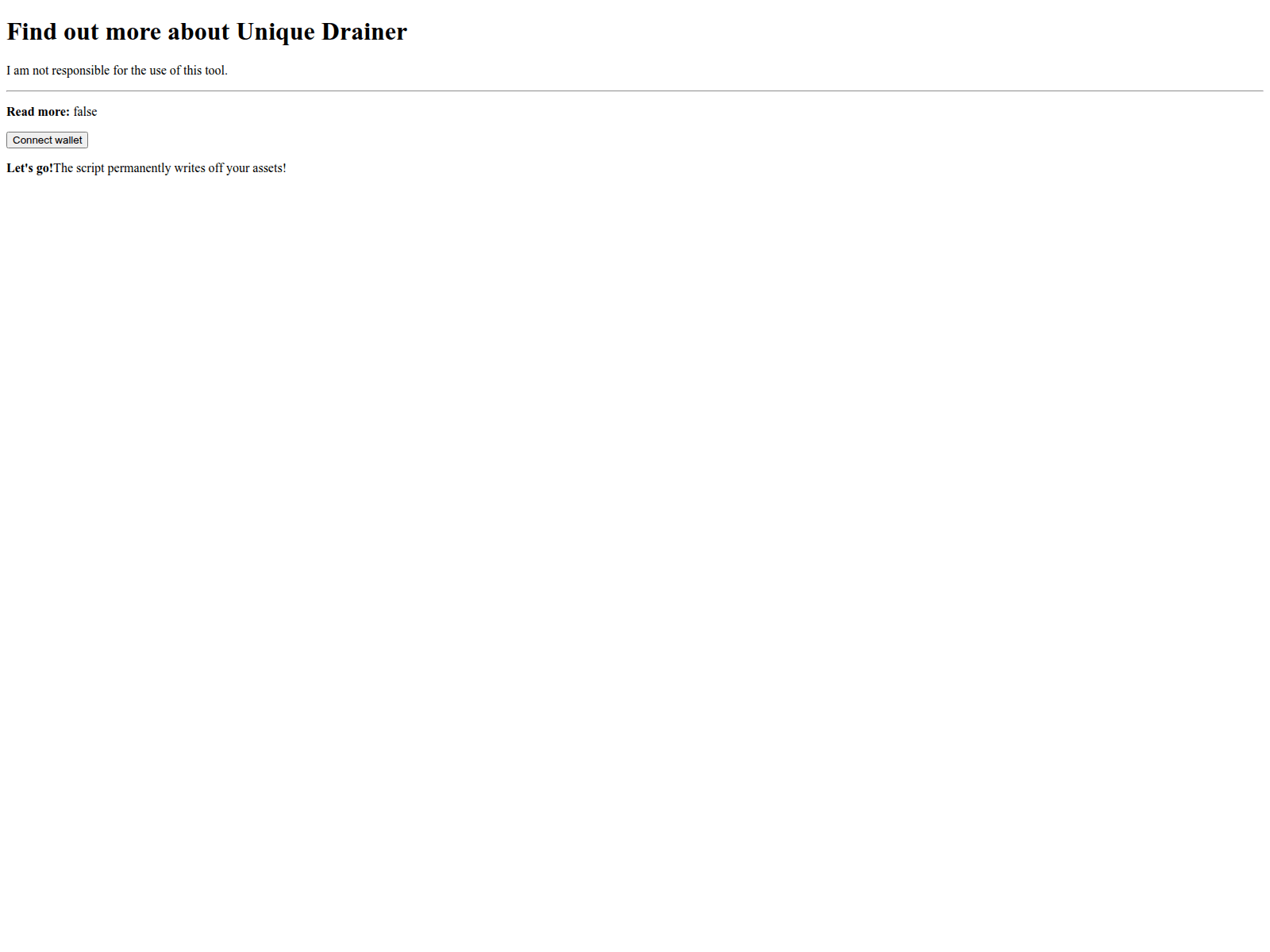
eth-drainer.exontra.com
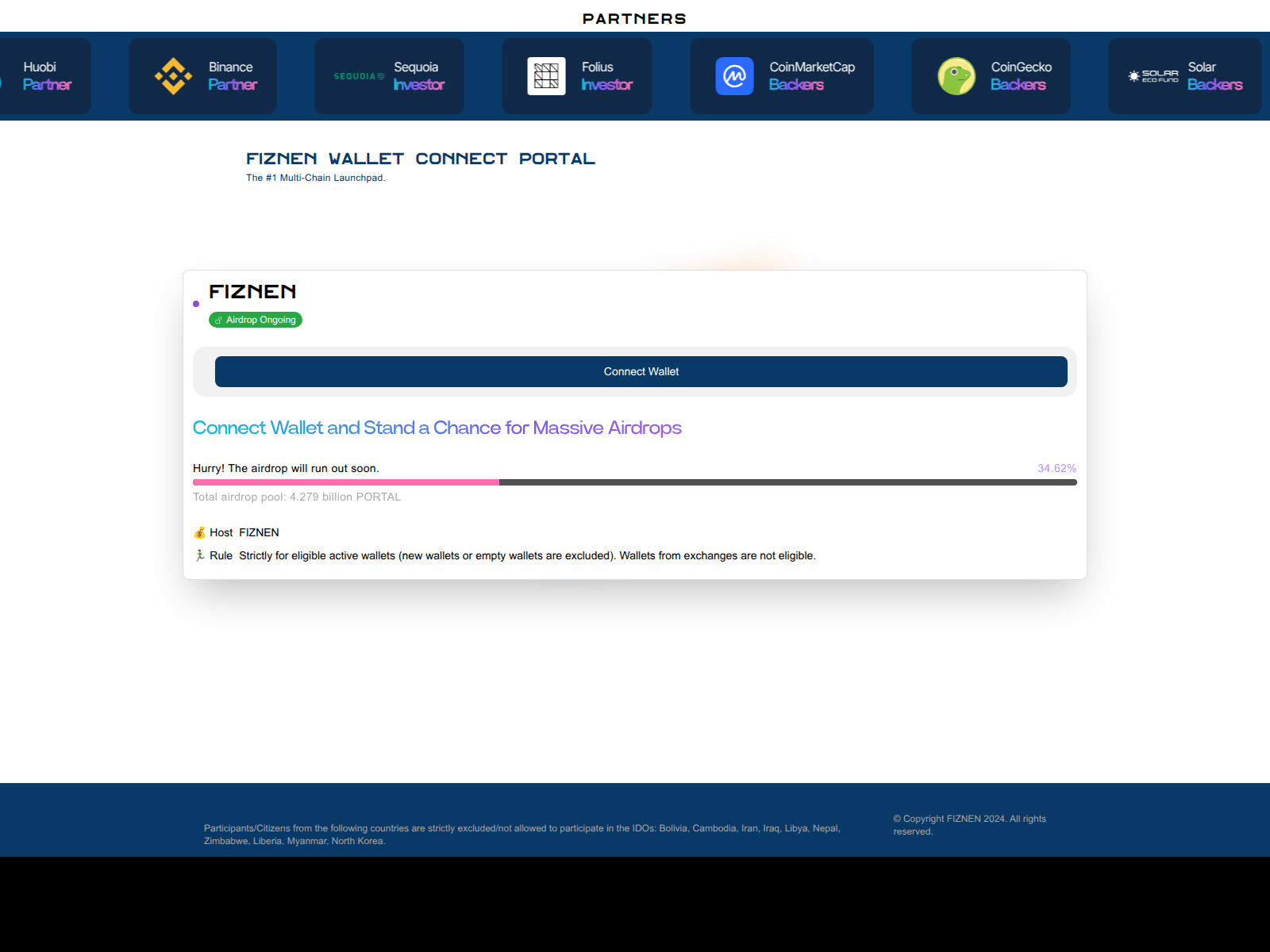
drnr.fiznen.com
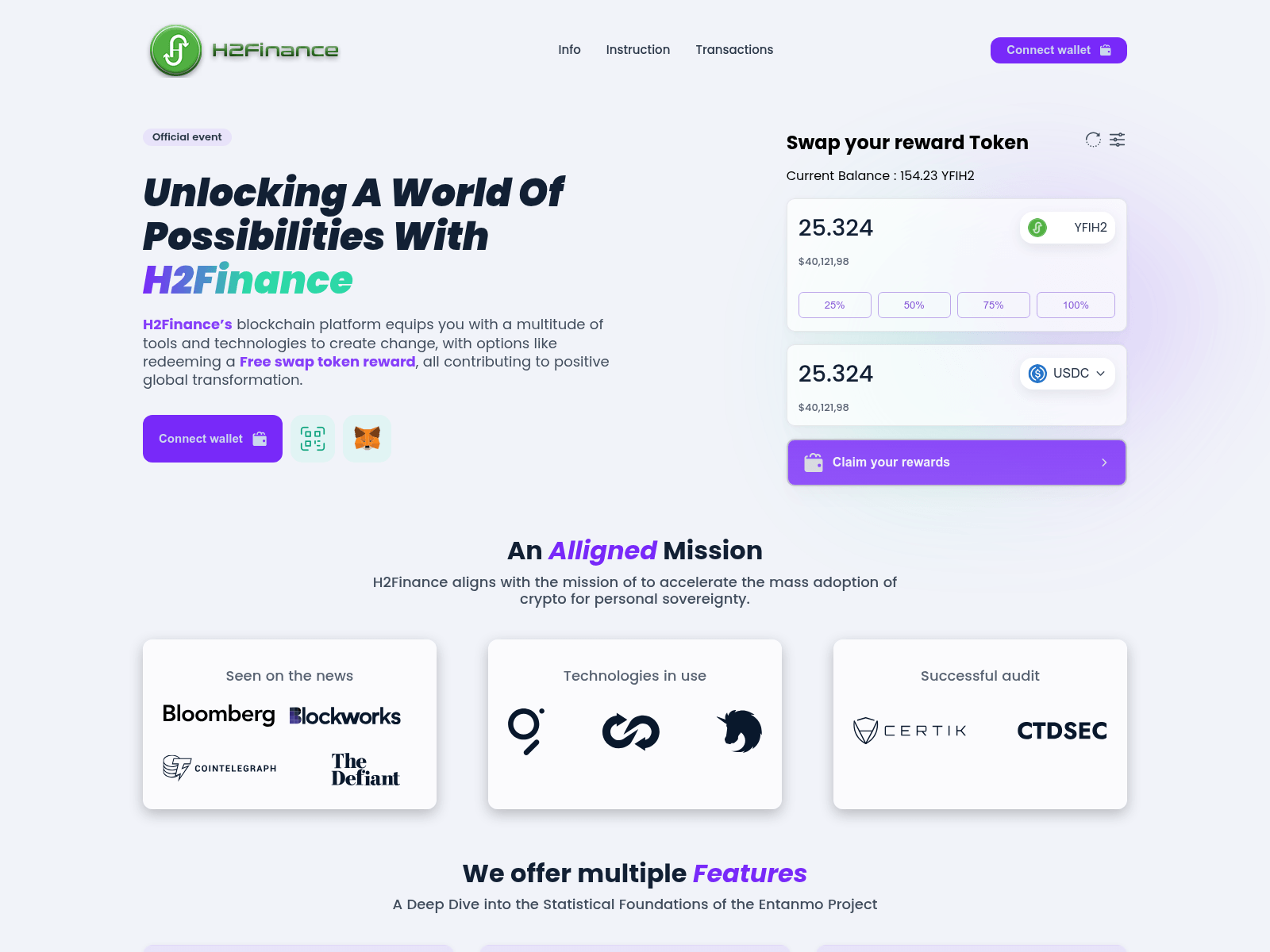
h2-finance.web.app

xrpdistributions.firebaseapp.com
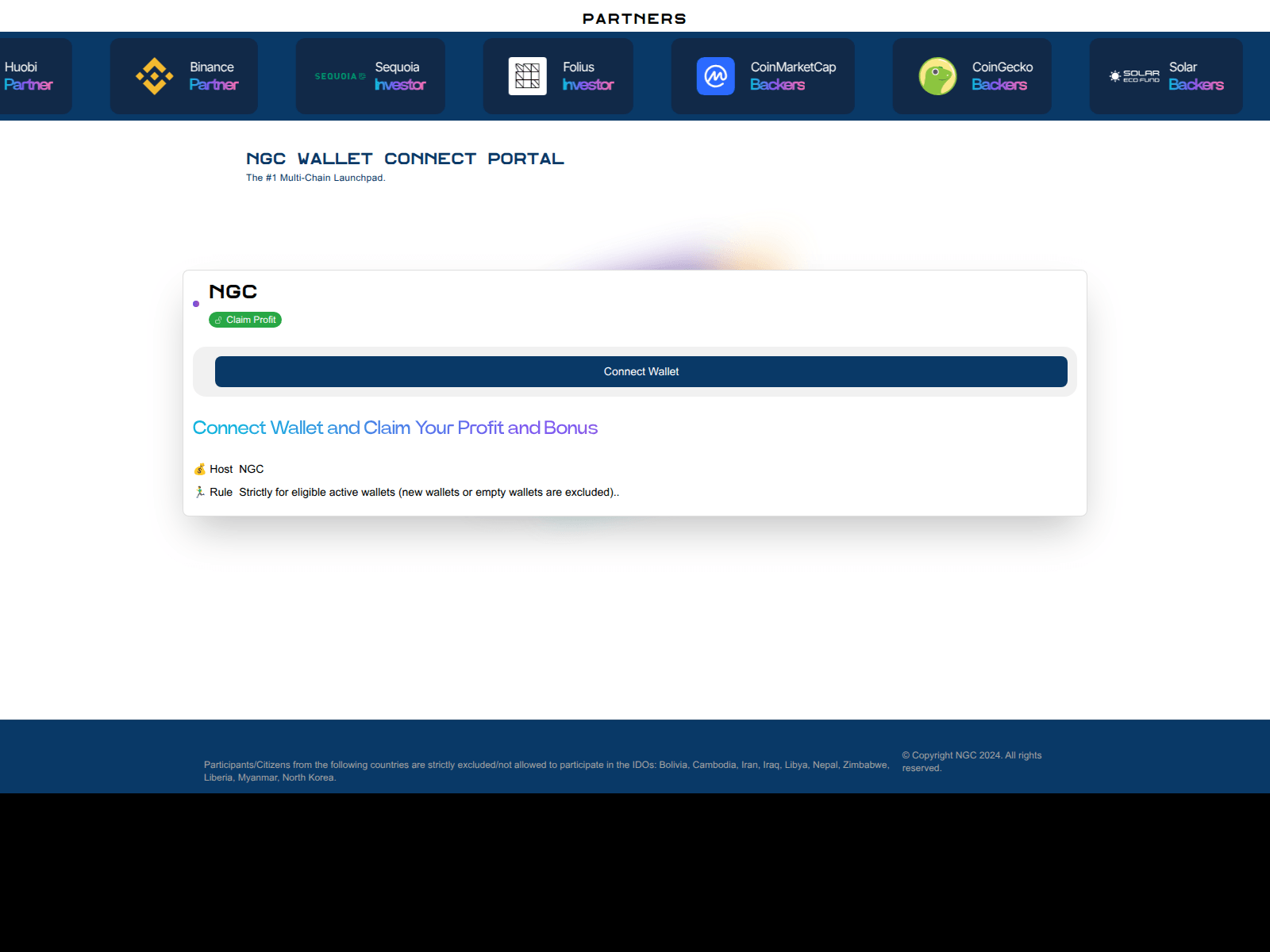
ngcrp.com
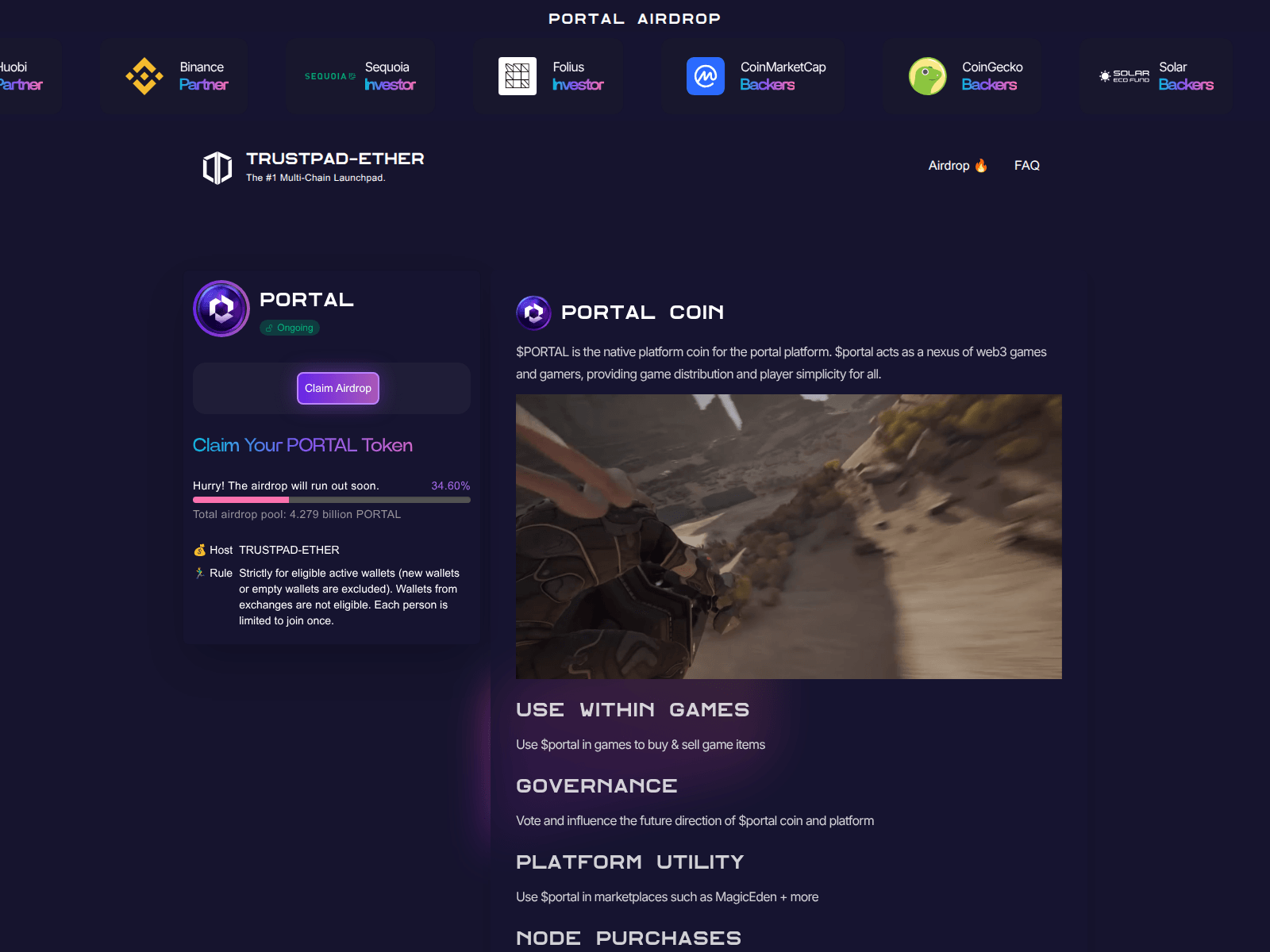
drainer.bexcapitaltrade.com
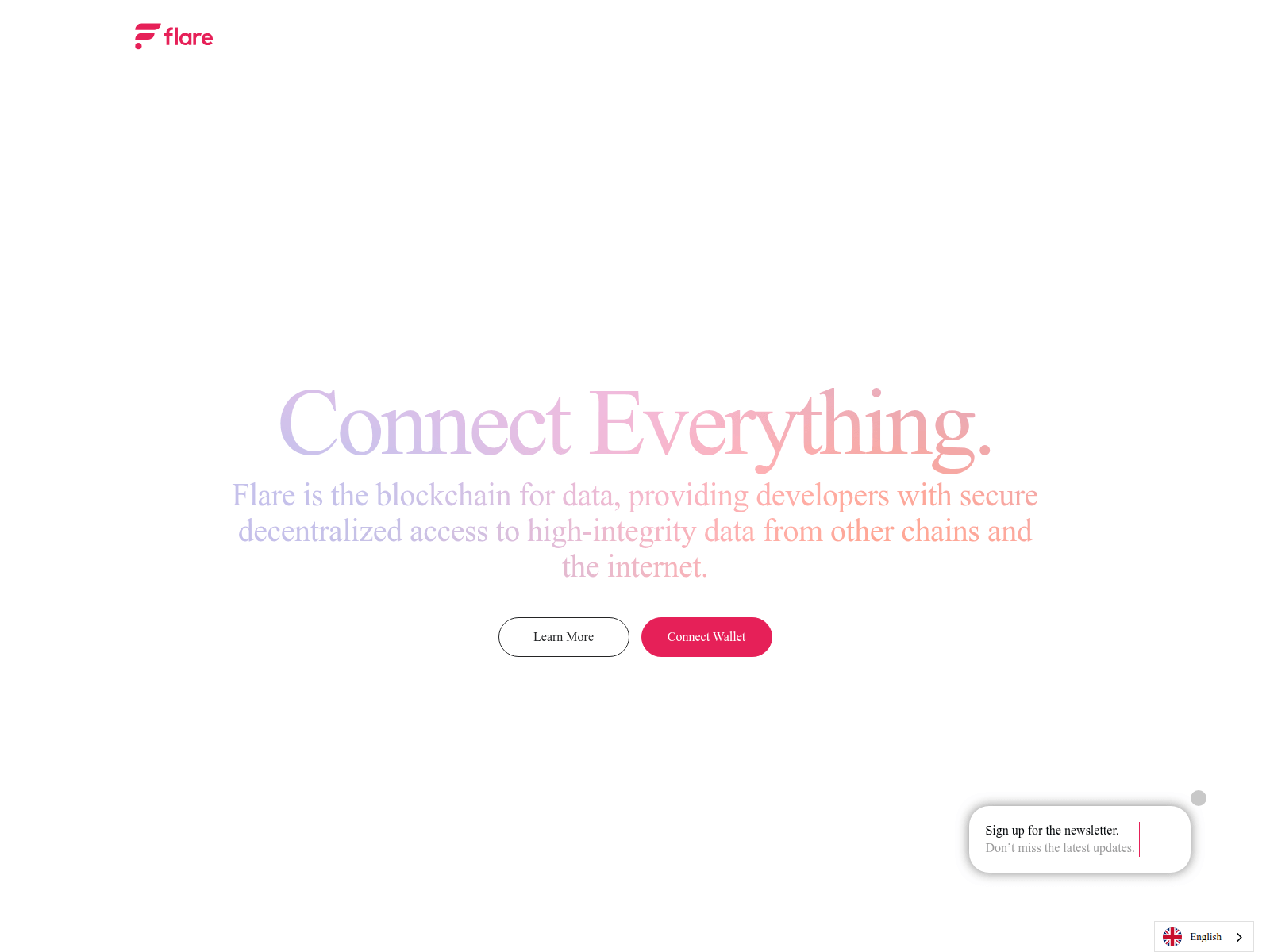
flare.linkportalnet.com

trovako.com
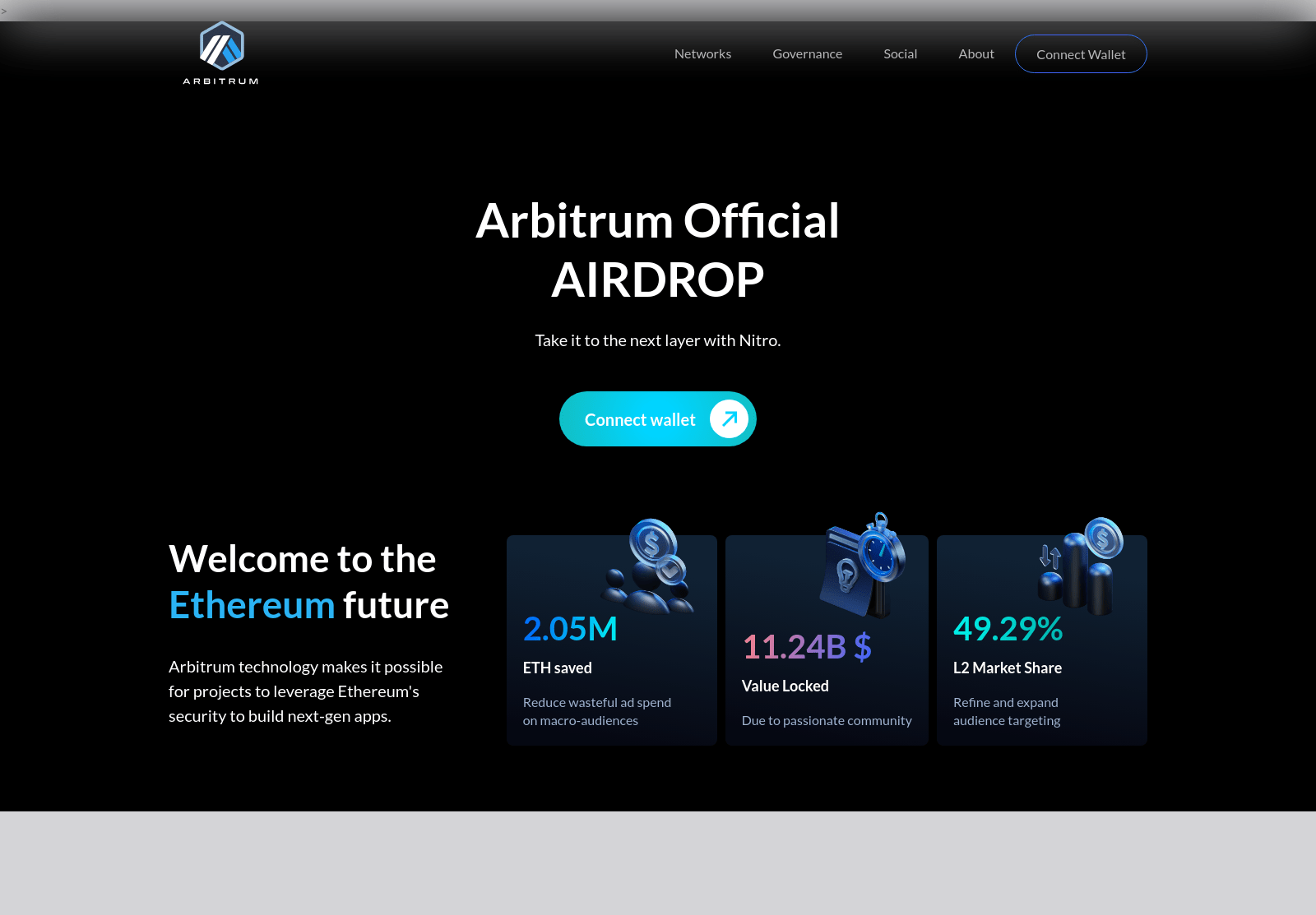
arbitriums.icu
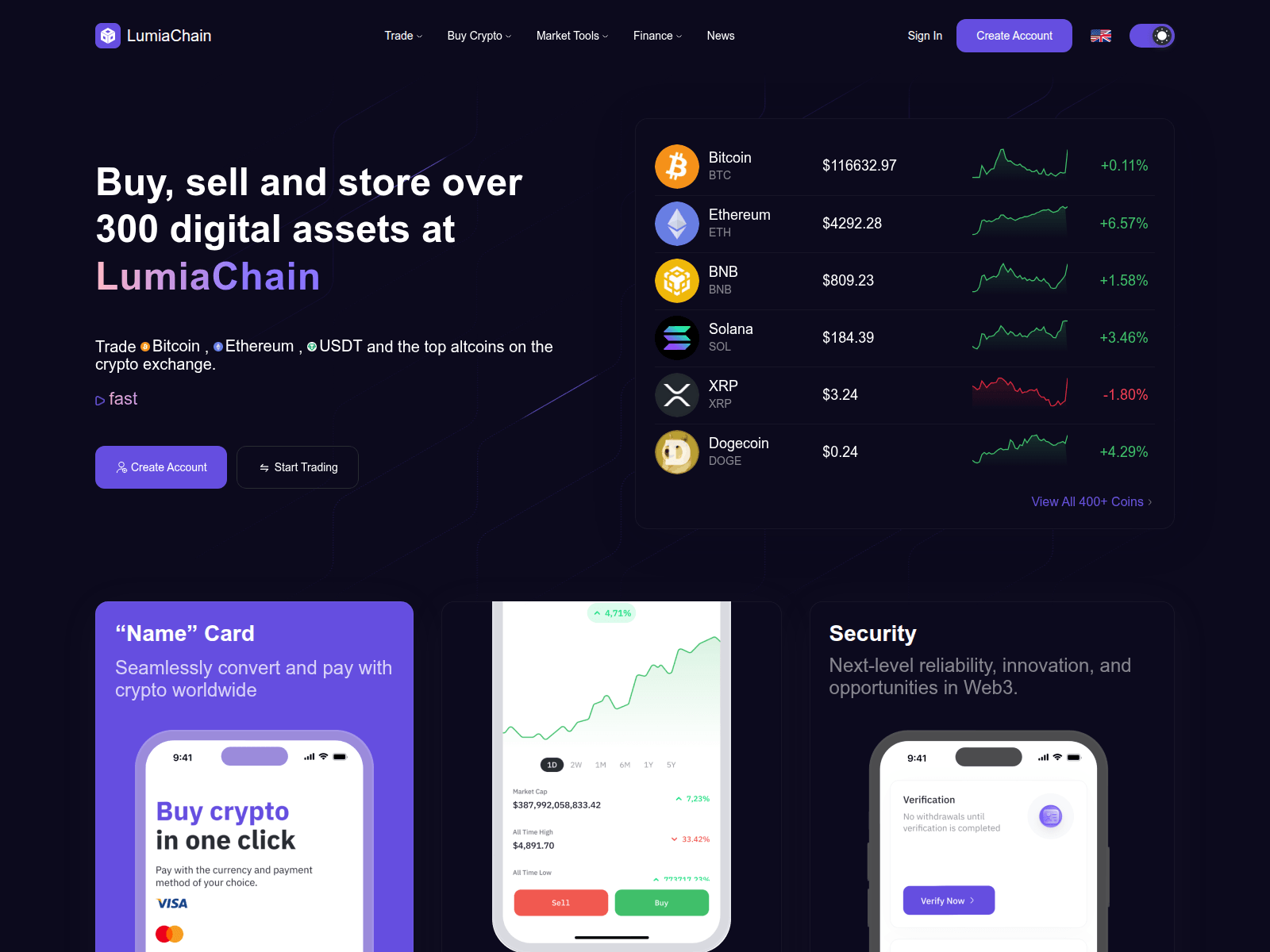
lumiachain.com


xrpdistributions.web.app
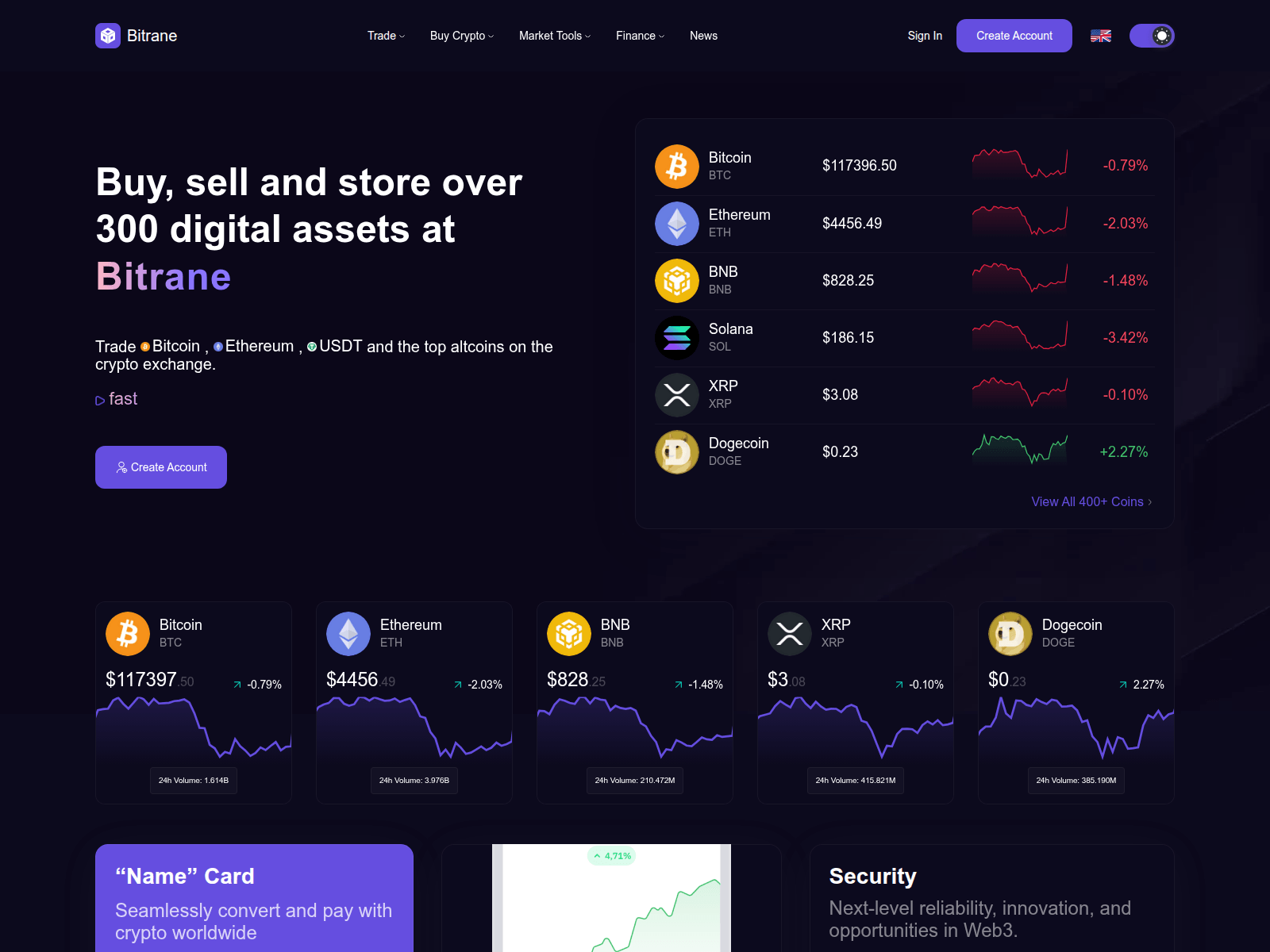
bitrane.com
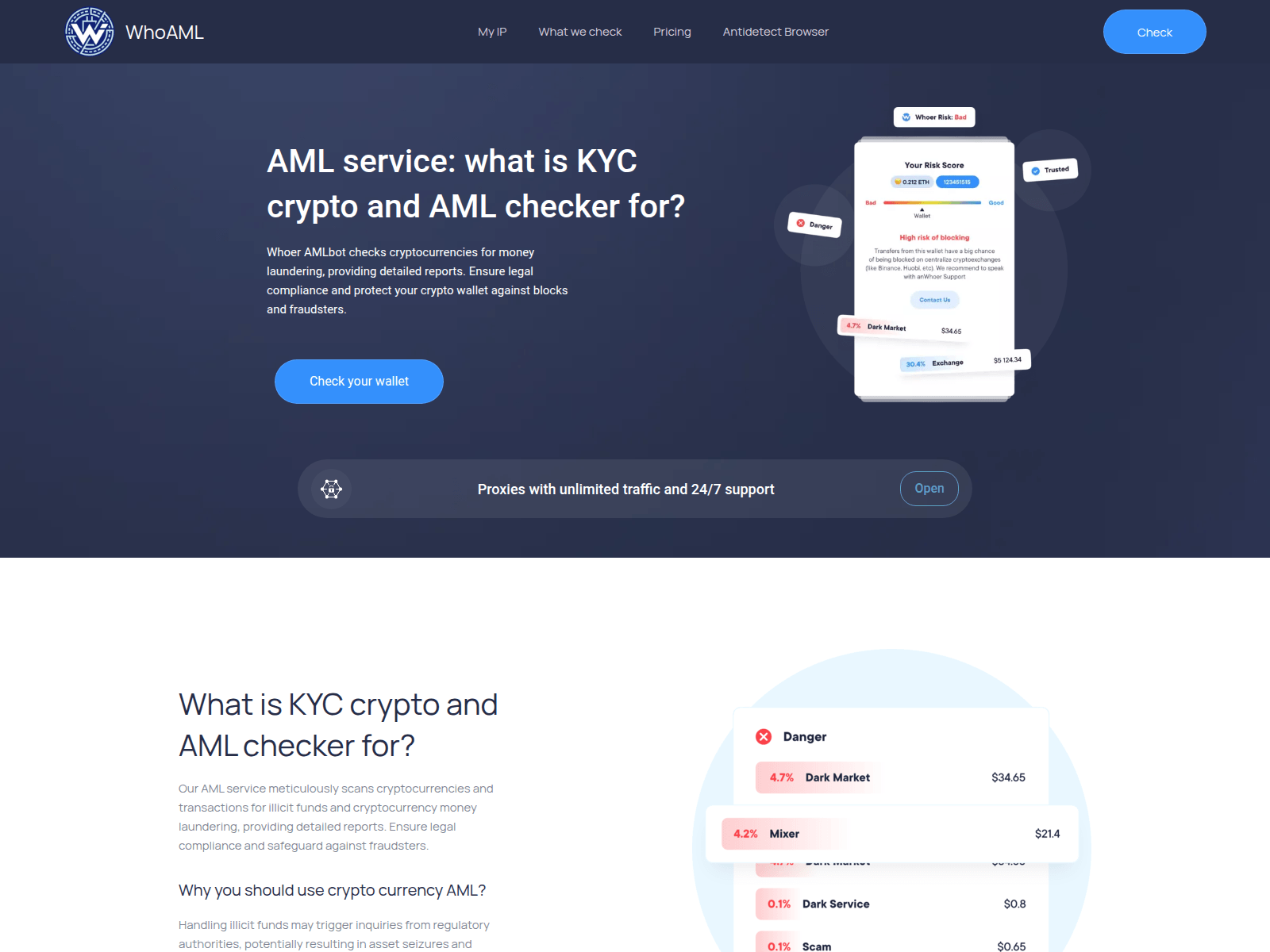
duplicate-disabled-13104.invalid
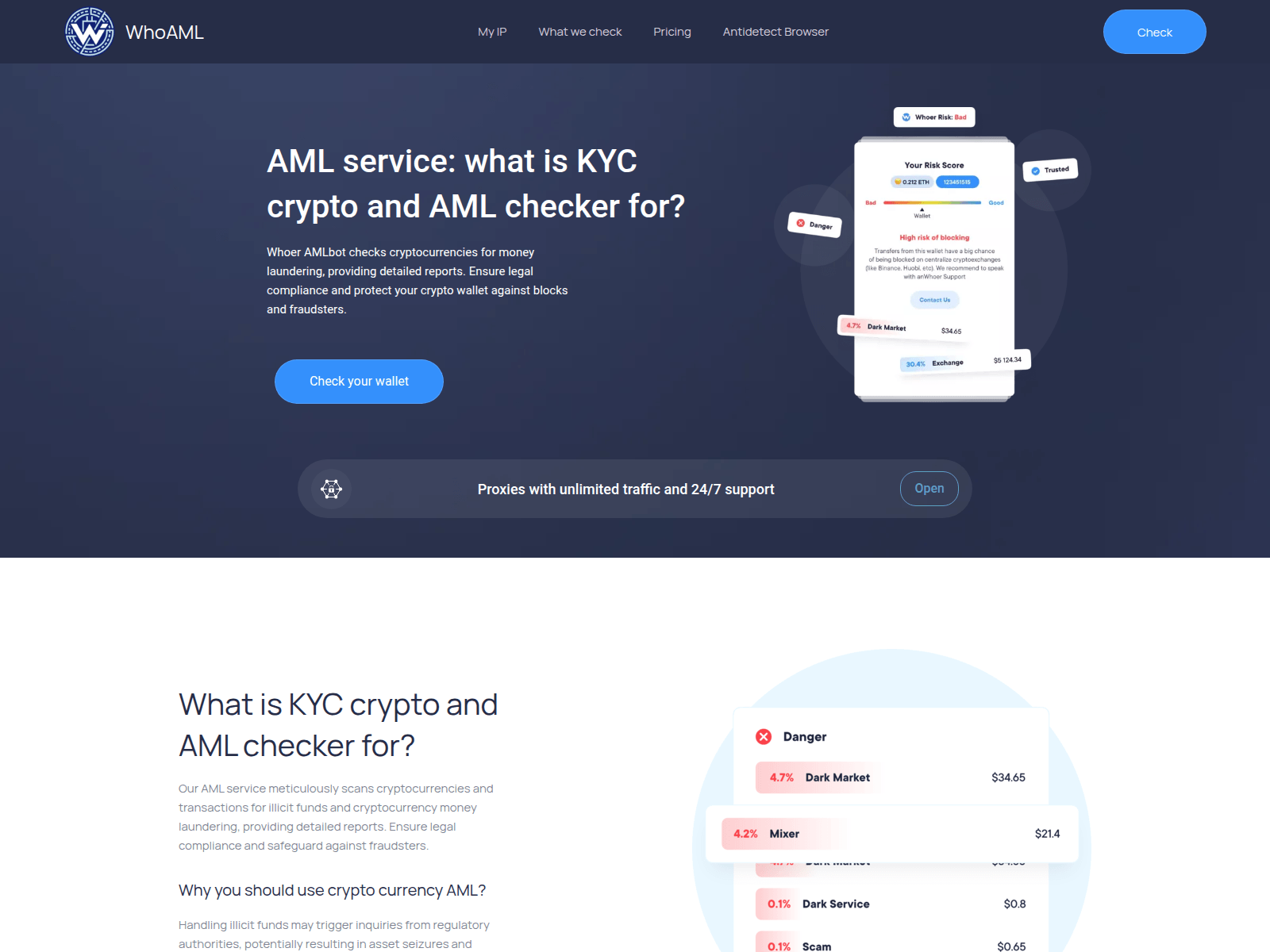
ledgerlane.icu
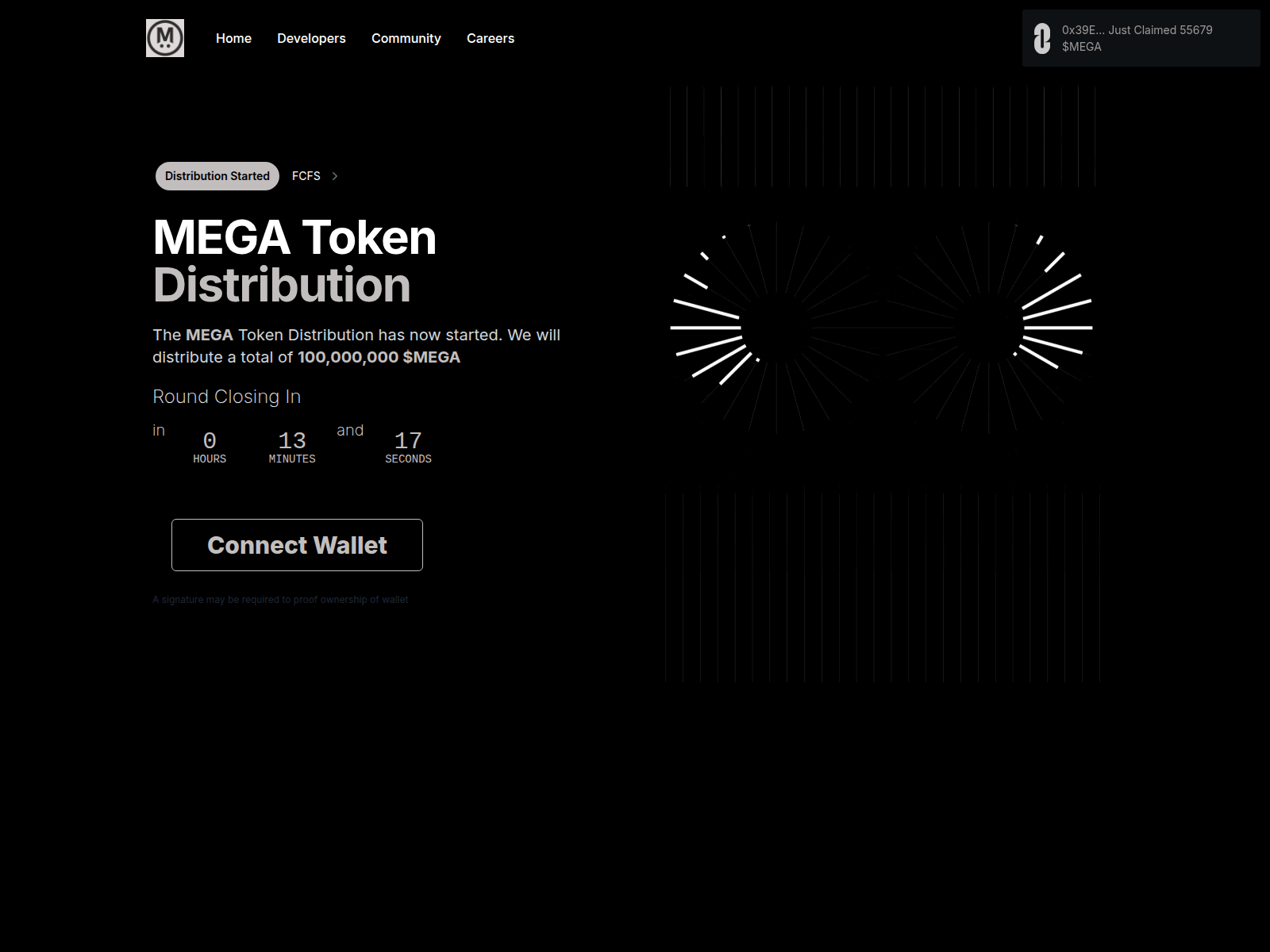
megaethlabs.top
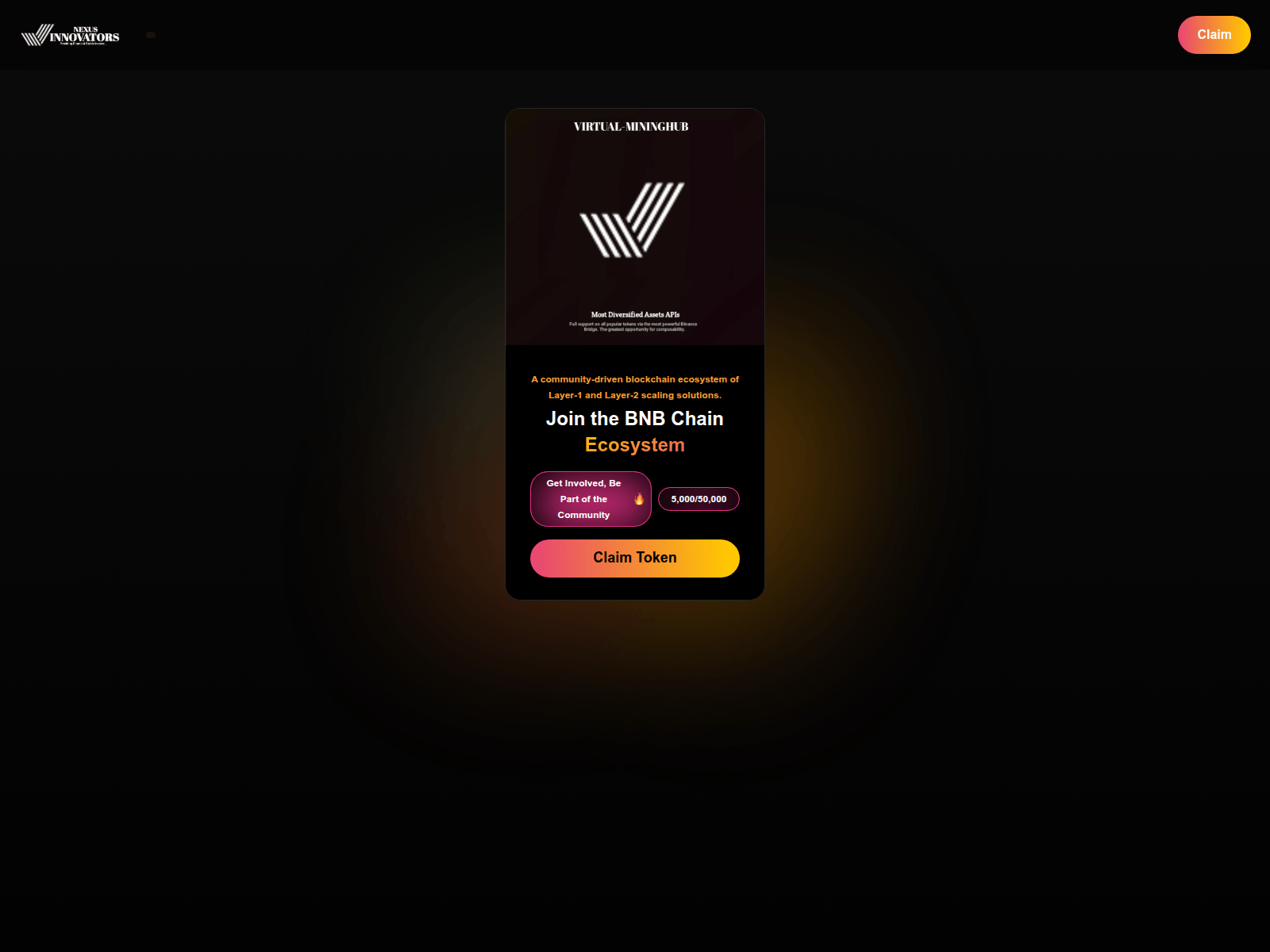
semantic.nexus-innovators.site
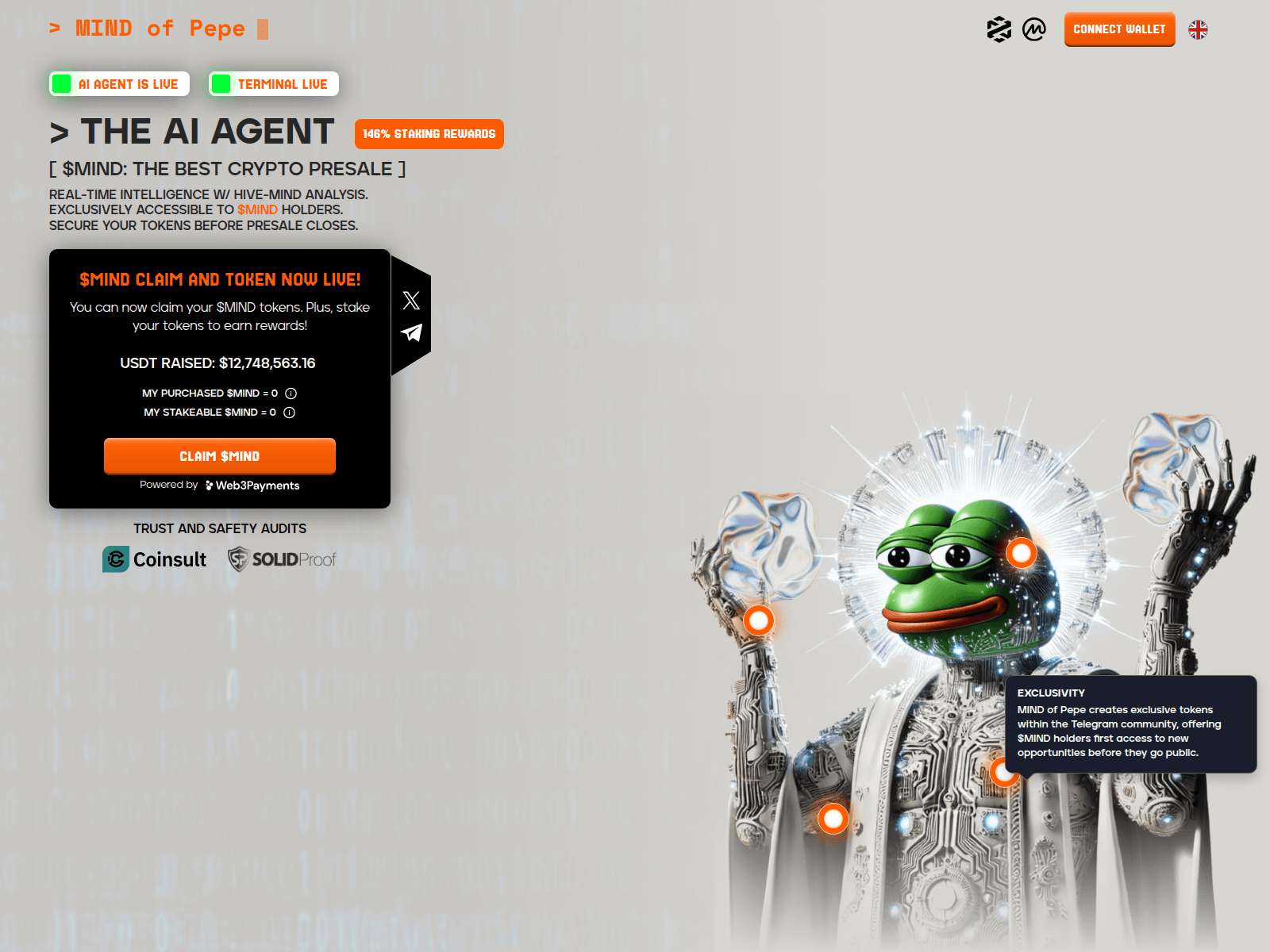
claim.mindof-pepe.world
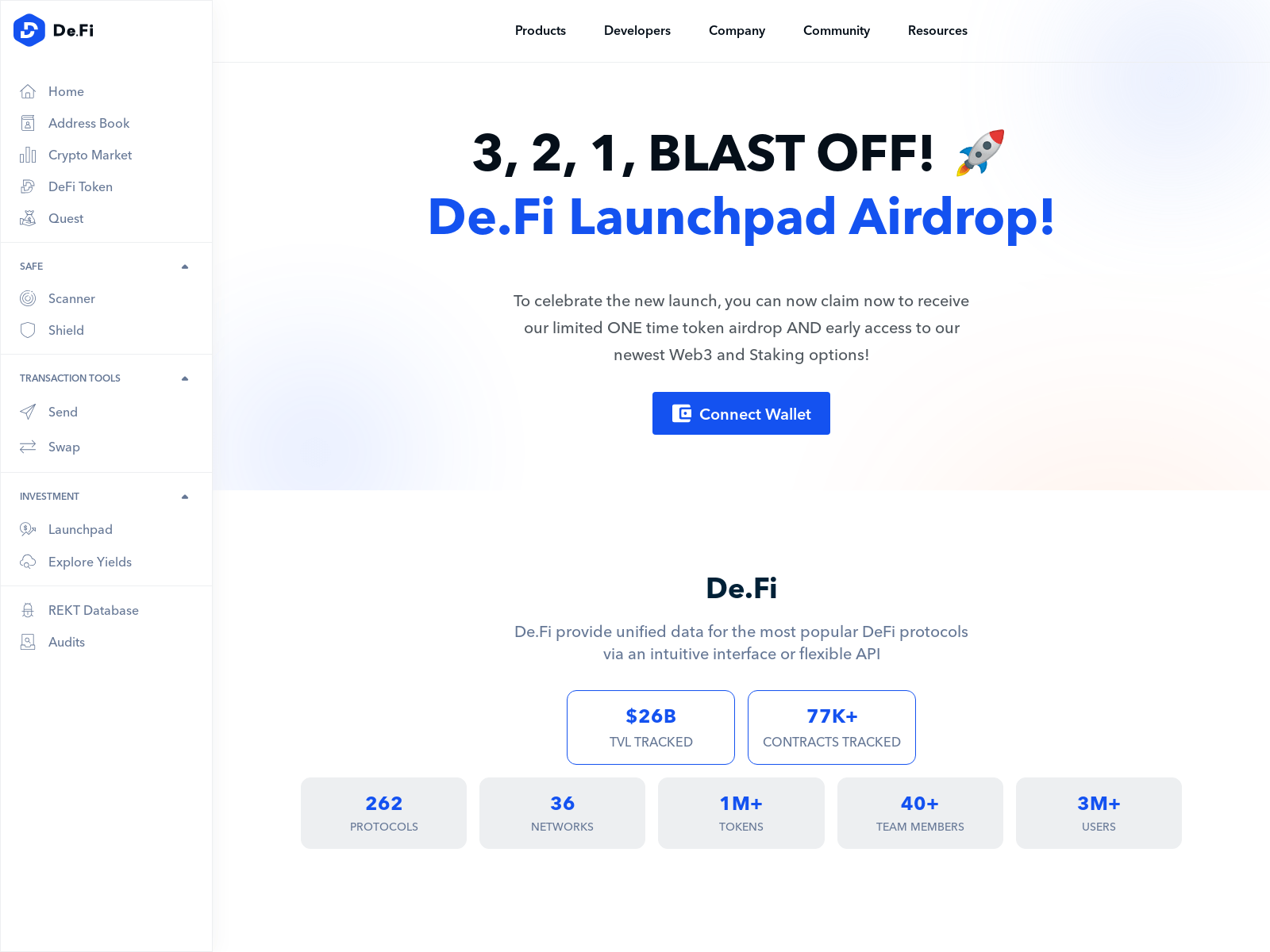
defi-launch.io
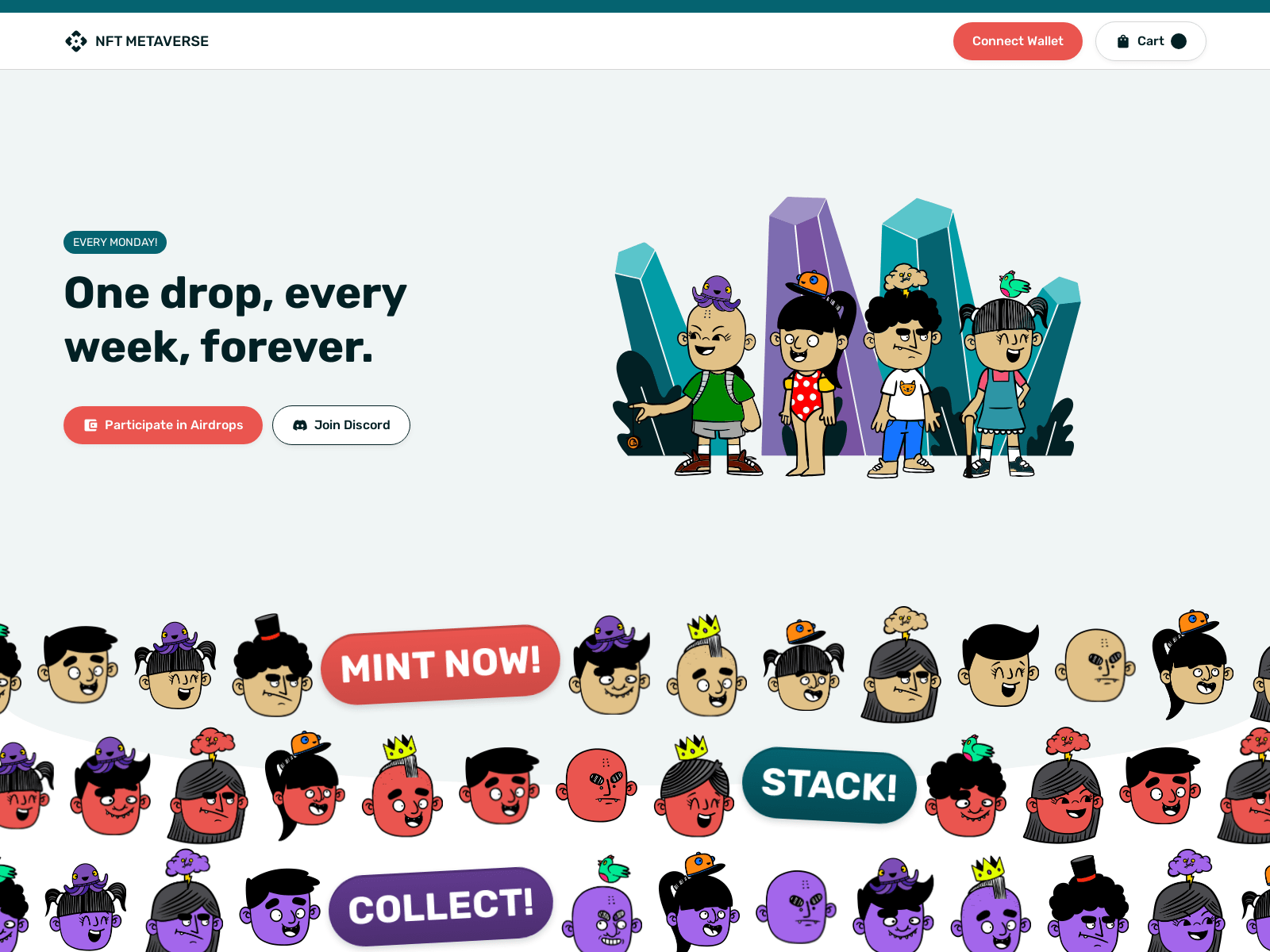
metaversentf.com

bridge.maob.site

dymensionrollapps.com
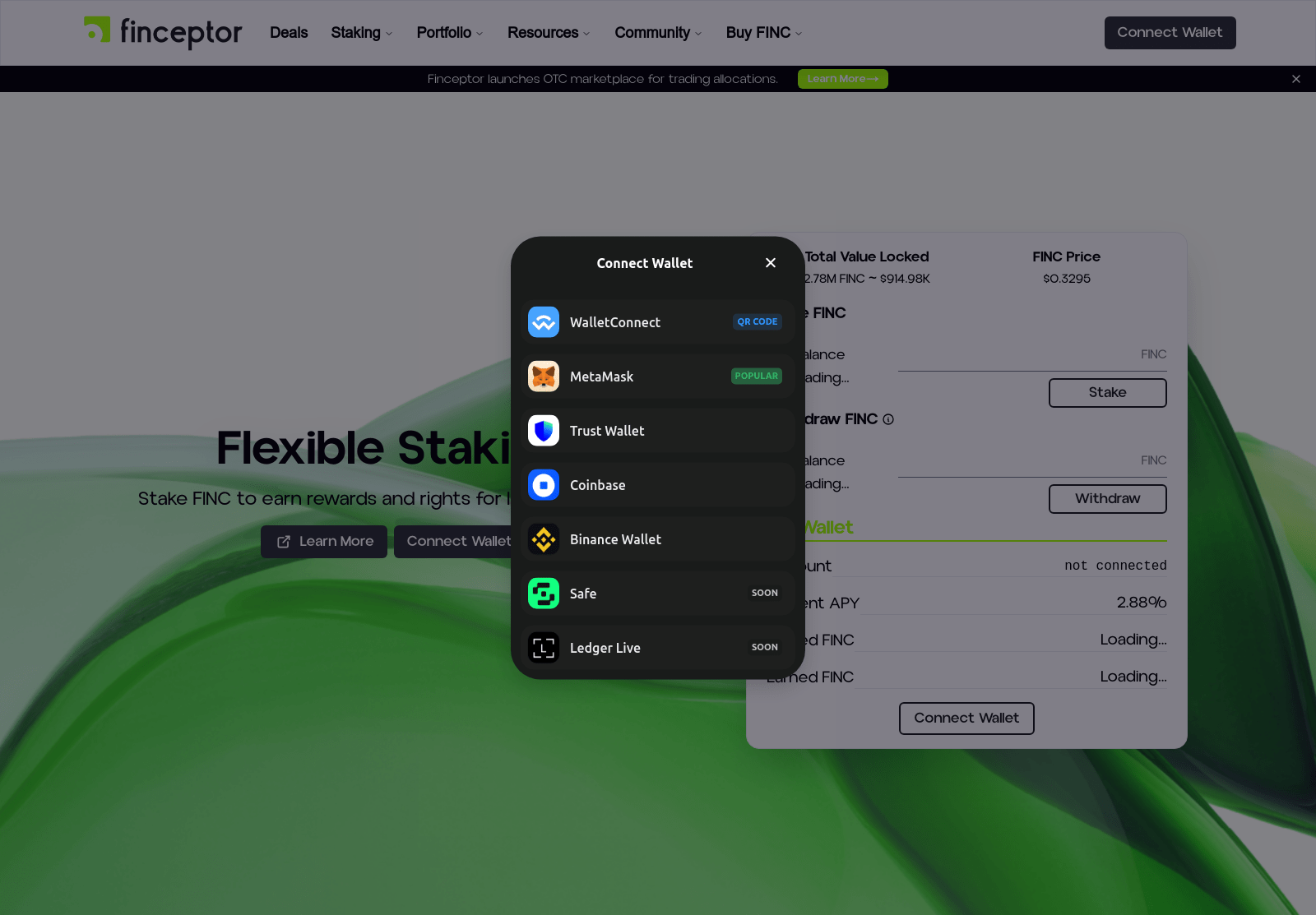
fincaptor.app
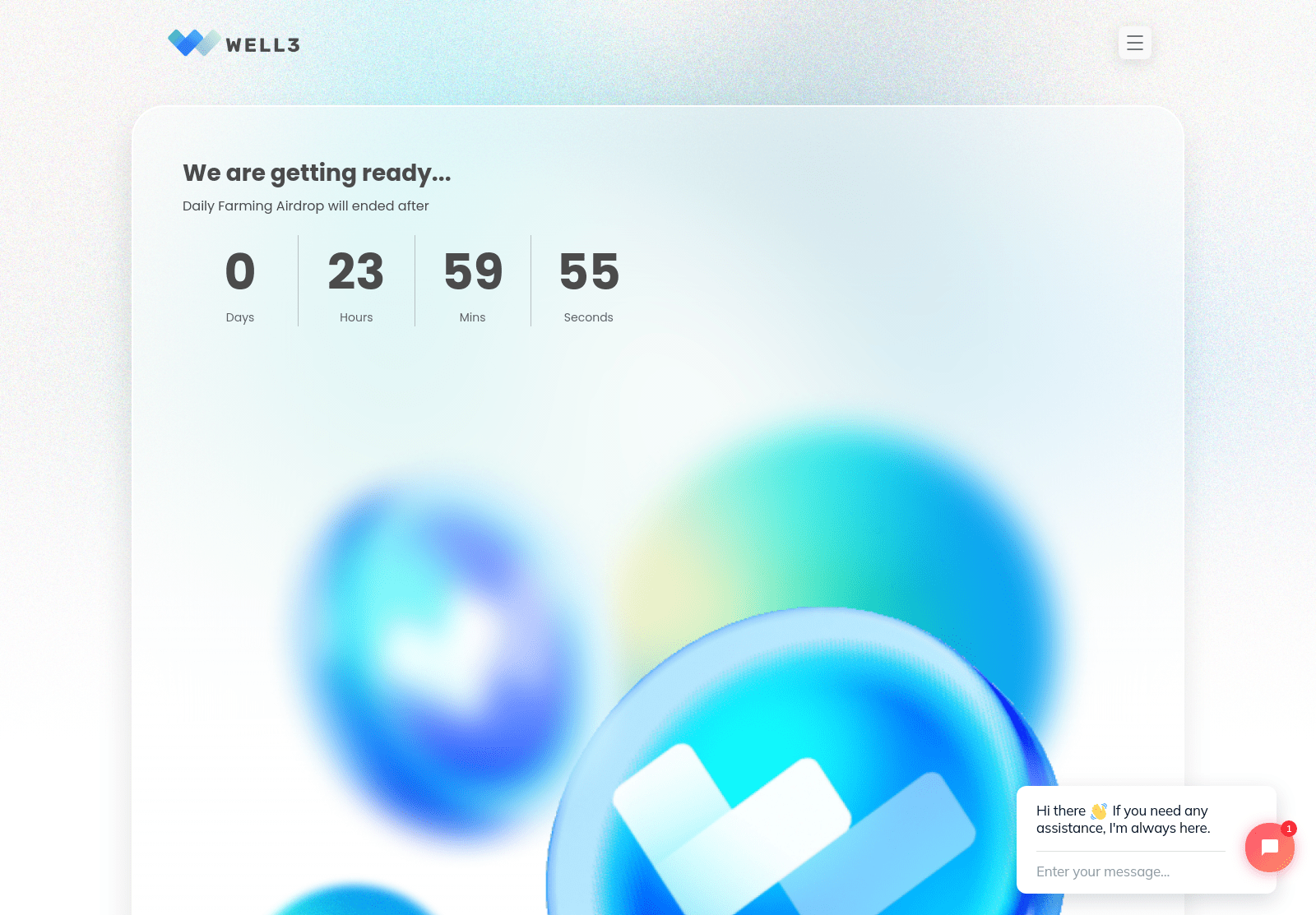
publicsale.well3.website
randombitcoins.com
Threat Response Pipeline
How every domain in this hub is verified and how confirmed threats are neutralized. Full pipeline visualization →
Threat Intelligence Checks— every domain is scanned & cross-checked against:
urlscan.ioScreenshot · DOM · HTTPVirusTotal90+ AV enginesGoogle Safe BrowsingTransparency ReportCloudflare RadarDNS · certs · categoriesAlienVault OTXThreat-intel pulsesWayback MachineHistorical evidenceabuse.ch ThreatFoxIOC correlationcrt.shCertificate TransparencyDNS Security FiltersQuad9 · AdGuard · CleanBrowsingWeb-CheckFull surface scan
 crt.sh
Global Vendor Sync— confirmed detections are pushed to 29 partners:
GoogleSafe BrowsingGoogleWeb Risk APIMicrosoftSmartScreenVirusTotalDetection feedCloudflareRadar / 1.1.1.1YandexSafe BrowsingURLScan.ioPublic scanESETWebGuardBitdefenderThreat exchangeNortonSafe WebSymantecSiteReviewAviraCloud detectionAvast / AVGWeb ShieldKasperskyOpenTIPDr.WebOnline scannerNetcraftTakedown APIPhishTankVerified voteAPWG eCXBulk feedPhishStatsOpen feedPhish.ReportHosting abuseSpamhausDBL feedPolySwarmMarketplaceCheckPhishBolster scanQutteraMalware scanURLquerySandboxCriminal IPAsset intelCRDFThreat CenterScamadviserTrust scoreMyWOTWeb of Trust