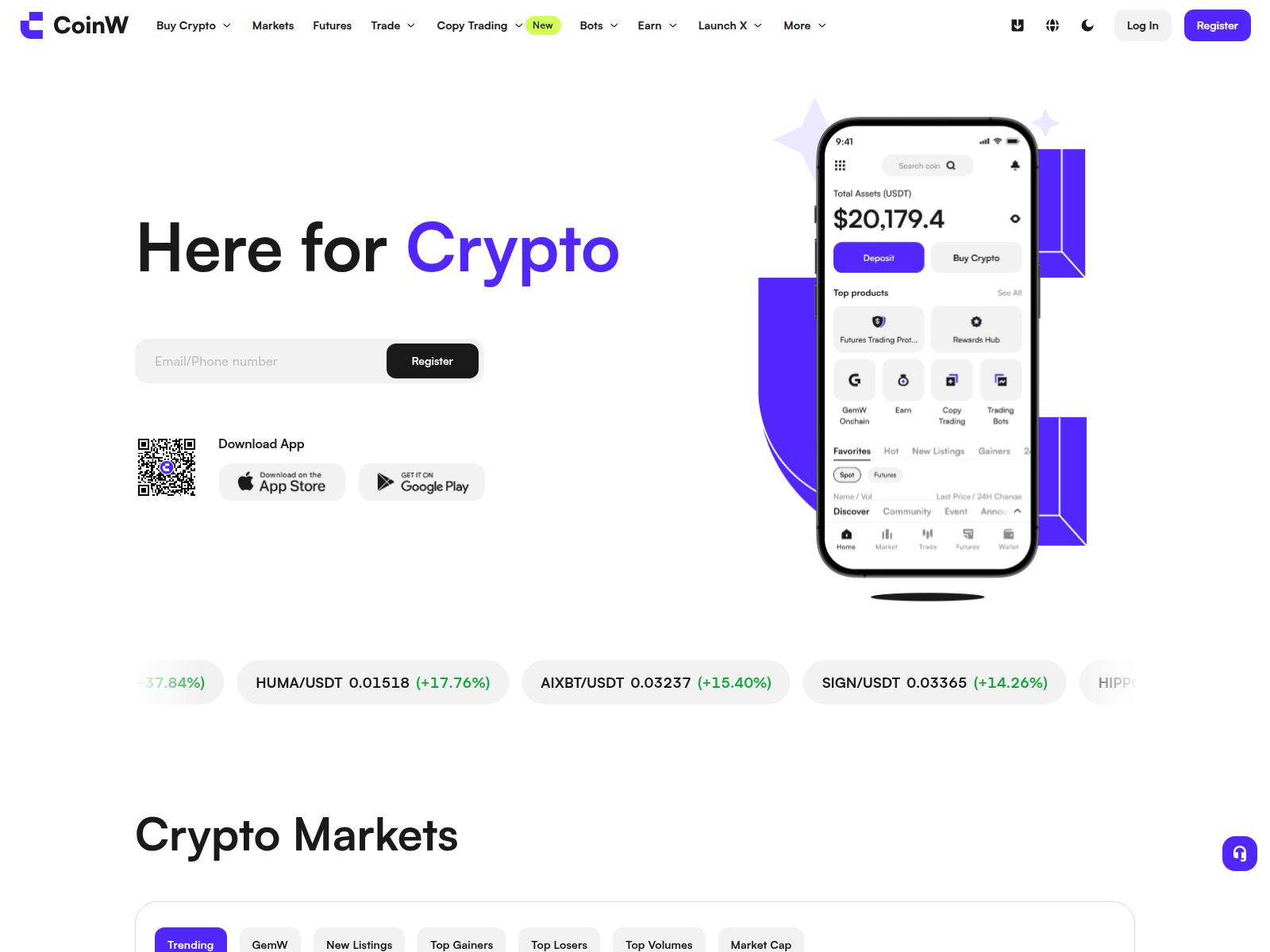
PhishDestroy has flagged coinw.coffee as an active crypto drainer posing as CoinW, a legitimate cryptocurrency exchange platform. This domain is engineered to deceive users into connecting their crypto wallets under false pretenses, resulting in asset theft. Given the specificity of the threat and the domain’s recent development, users are strongly advised to exercise extreme caution when encountering this address. The risk level is currently under investigation but remains a credible and immediate concern for crypto investors and traders.
This domain resolves to IP address 188.114.96.3 and is associated with a Google Trust Services SSL certificate, which may be leveraged to lend an air of legitimacy to fraudulent activities. VirusTotal currently reflects 1/95 detection ratios, indicating that mainstream security engines have not yet flagged this domain. The absence of detections does not equate to safety; rather, it highlights the importance of proactive threat intelligence and user vigilance. Key indicators such as the domain’s recent creation and lack of inclusion on major blocklists underscore its evolving nature and the need for heightened scrutiny.
As coinw.coffee is designed to mimic a legitimate exchange platform, users should verify the authenticity of any solicitation or website using PhishDestroy’s tools or reputable threat intelligence platforms. Never connect crypto wallets to unfamiliar or unsolicited domains. Additionally, enable multi-factor authentication, use hardware wallets for sensitive transactions, and report suspicious domains to PhishDestroy to aid in broader detection efforts. Always cross-reference URLs with official exchange domains and avoid clicking unverified links in emails or messages.
coinw.coffee is a crypto drainer impersonating CoinW exchange. Verify this domain via PhishDestroy before engaging. Resolves to 188.114.96.3.
AI摘要
PhishDestroy has flagged coinw.coffee as an active crypto drainer posing as CoinW, a legitimate cryptocurrency exchange platform. This domain is engineered to deceive users into connecting their crypto wallets under false pretenses, resulting in asset theft. Given the specificity of the threat and the domain’s recent development, users are strongly advised to exercise extreme caution when encountering this address. The risk level is currently under investigation but remains a credible and immediate concern for crypto investors and traders. This domain resolves to IP address 188.114.96.3 and is associated with a Google Trust Services SSL certificate, which may be leveraged to lend an air of legitimacy to fraudulent activities. VirusTotal currently reflects 1/95 detection ratios, indicating that mainstream security engines have not yet flagged this domain. The absence of detections does not equate to safety; rather, it highlights the importance of proactive threat intelligence and user vigilance. Key indicators such as the domain’s recent creation and lack of inclusion on major blocklists underscore its evolving nature and the need for heightened scrutiny. As coinw.coffee is designed to mimic a legitimate exchange platform, users should verify the authenticity of any solicitation or website using PhishDestroy’s tools or reputable threat intelligence platforms. Never connect crypto wallets to unfamiliar or unsolicited domains. Additionally, enable multi-factor authentication, use hardware wallets for sensitive transactions, and report suspicious domains to PhishDestroy to aid in broader detection efforts. Always cross-reference URLs with official exchange domains and avoid clicking unverified links in emails or messages.
来源Cloudflaremechanism: Challengesource: Current Http Probe
证据层Availability: Reachable but protectedDNS: Resolved
最新的 HTTP 观察结果可接触但受保护Cloudflare ChallengeCloudflareChallenge85%2026-11-25 23:06 UTC
RDAP注册
观测时间线last reachable: 2026-11-25 23:28 UTC
Availability, content, DNS and registration are independent evidence layers. NXDOMAIN, an unreachable origin or missing content alone does not prove registrar action. A registrar or provider is credited only when a direct technical marker identifies that actor. Report causality is shown separately.


 GoDaddy
 188.114.96.3


 Microsoft
 Cloudflare
 Yandex
 ESET
 Bitdefender
 Norton
 Symantec
 Avira
 Avast / AVG
 卡巴斯基
 Dr.Web
 Netcraft
 PhishTank
 APWG eCX
 PhishStats
 Phish.Report
 Spamhaus
 PolySwarm
 CheckPhish
 Quttera
 Criminal IP
 CRDF
 MyWOT