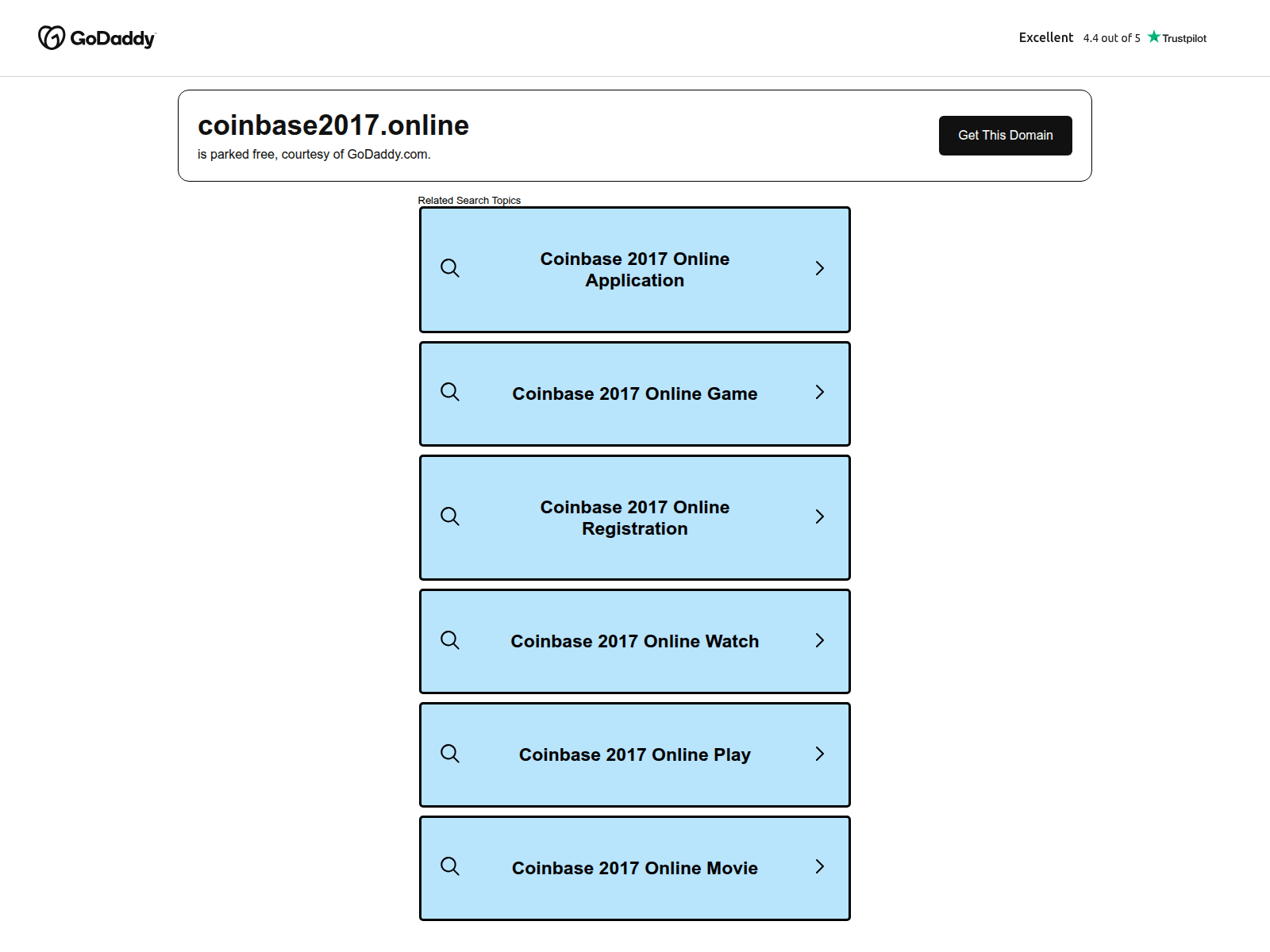
coinbase2017.online is an impersonation phishing page posing as Coinbase. The domain pairs the brand with an old year to look like a legacy or official address. It targets Coinbase customers who might believe they are reaching a real login or account page. PhishDestroy first flagged it on 2026-09-02, and on 2026-10-19 the site was still online and serving content.
诈骗手法解析
Brand-impersonation pages like this copy the look of the Coinbase sign-in flow so the visitor types an email, password and one-time 2FA code into a form the attacker controls. With those credentials, often relayed in real time, the operator can log into the genuine account, change security settings and move funds out before the owner notices. Some variants also ask for identity documents or phone numbers, which can be reused in later social-engineering calls posing as Coinbase support.
证据
Nine of 89 VirusTotal engines classified the domain as malicious in a scan on 2026-09-13. The vendors flagging it include ChainPatrol, alphaMountain.ai, BitDefender, Chong Lua Dao, Fortinet, G-Data, Gridinsoft and SOCRadar. That is a modest share of the 89, but it includes crypto-focused and general security vendors. Spamhaus lists the domain in its DBL under the phishing category. The domain is blocked by MetaMask and SEAL as well as PhishDestroy, and it appears in three AlienVault OTX threat pulses.
基础设施
The domain was registered through GoDaddy on 2025-10-26, roughly ten months before PhishDestroy detected it. That gap suggests it was registered well in advance rather than spun up just before use. It resolves to Amazon network infrastructure geolocated to Canada. Its TLS certificate was also issued by GoDaddy, so the padlock in the browser only confirms an encrypted connection and says nothing about whether the site is legitimate.
What to do
If you entered your Coinbase credentials on this site, sign in through the official app immediately. Change your password and reset 2FA, preferably to a hardware security key or authenticator app instead of SMS. Review active sessions, connected devices, API keys and withdrawal addresses, and contact Coinbase support through the app if you see changes you did not make. Reuse of that password elsewhere means those accounts need new passwords too. Defenders should block the domain at DNS and proxy level and add it to mail filtering. They should also search logs for prior visits so affected users can be reached.
coinbase2017.online is a phishing page impersonating Coinbase, built to trick exchange users into handing over their login details and account access.
AI摘要
Overview coinbase2017.online is an impersonation phishing page posing as Coinbase. The domain pairs the brand with an old year to look like a legacy or official address. It targets Coinbase customers who might believe they are reaching a real login or account page. PhishDestroy first flagged it on 2026-09-02, and on 2026-10-19 the site was still online and serving content. How the scam works Brand-impersonation pages like this copy the look of the Coinbase sign-in flow so the visitor types an email, password and one-time 2FA code into a form the attacker controls. With those credentials, often relayed in real time, the operator can log into the genuine account, change security settings and move funds out before the owner notices. Some variants also ask for identity documents or phone numbers, which can be reused in later social-engineering calls posing as Coinbase support. Evidence Nine of 89 VirusTotal engines classified the domain as malicious in a scan on 2026-09-13. The vendors flagging it include ChainPatrol, alphaMountain.ai, BitDefender, Chong Lua Dao, Fortinet, G-Data, Gridinsoft and SOCRadar. That is a modest share of the 89, but it includes crypto-focused and general security vendors. Spamhaus lists the domain in its DBL under the phishing category. The domain is blocked by MetaMask and SEAL as well as PhishDestroy, and it appears in three AlienVault OTX threat pulses. Infrastructure The domain was registered through GoDaddy on 2025-10-26, roughly ten months before PhishDestroy detected it. That gap suggests it was registered well in advance rather than spun up just before use. It resolves to Amazon network infrastructure geolocated to Canada. Its TLS certificate was also issued by GoDaddy, so the padlock in the browser only confirms an encrypted connection and says nothing about whether the site is legitimate. What to do If you entered your Coinbase credentials on this site, sign in through the official app immediately. Change your password and reset 2FA, preferably to a hardware security key or authenticator app instead of SMS. Review active sessions, connected devices, API keys and withdrawal addresses, and contact Coinbase support through the app if you see changes you did not make. Reuse of that password elsewhere means those accounts need new passwords too. Defenders should block the domain at DNS and proxy level and add it to mail filtering. They should also search logs for prior visits so affected users can be reached. Useful links urlscan.io scan and screenshot: https://urlscan.io/result/01a063c6-6449-71cb-80e3-c017c68ec4d0/ VirusTotal report: https://www.virustotal.com/gui/domain/coinbase2017.online Google Safe Browsing status: https://transparencyreport.google.com/safe-browsing/search?url=coinbase2017.online Report phishing to Google: https://safebrowsing.google.com/safebrowsing/report_phish/ Site owner? Request a review: https://phishdestroy.io/appeals/
证据层Availability: Content servingContent: Content served at rootDNS: Resolved
最新的 HTTP 观察结果内容在线提供普通 HTTP 内容90%2026-11-22 11:05 UTC
RDAP注册
观测时间线last reachable: 2026-11-22 11:05 UTClast content: 2026-11-22 11:05 UTC
Availability, content, DNS and registration are independent evidence layers. NXDOMAIN, an unreachable origin or missing content alone does not prove registrar action. A registrar or provider is credited only when a direct technical marker identifies that actor. Report causality is shown separately.

 GoDaddy
 15.197.148.33




 Microsoft
 Cloudflare
 Yandex
 ESET
 Bitdefender
 Norton
 Symantec
 Avira
 Avast / AVG
 卡巴斯基
 Dr.Web
 Netcraft
 PhishTank
 APWG eCX
 PhishStats
 Phish.Report
 PolySwarm
 CheckPhish
 Quttera
 URLquery
 Criminal IP
 CRDF
 MyWOT