coreglobalminers.xyz
  cryptocoastinvestmentsltd.com
  dfximpact.live
  ethguanfangweiyilianjie.com
  irsgovtreasury.dev
FBI IC3
Denuncie crimes possibilitados pela Internet nos Estados Unidos
Federal tips line1-800-CALL-FBI
The sent-report ledger records the first outgoing report at . A report was sent to the recorded registrar; contact details remain in Domain Intelligence. The latest stored availability evidence still shows the domain reachable; 4 months has elapsed since the first outgoing report.
ICANN RAA §3.18 describes registrar abuse-contact and handling obligations. This section records outgoing timestamps and later availability. It does not by itself prove receipt, acknowledgement, investigation, remediation, or contractual non-compliance.

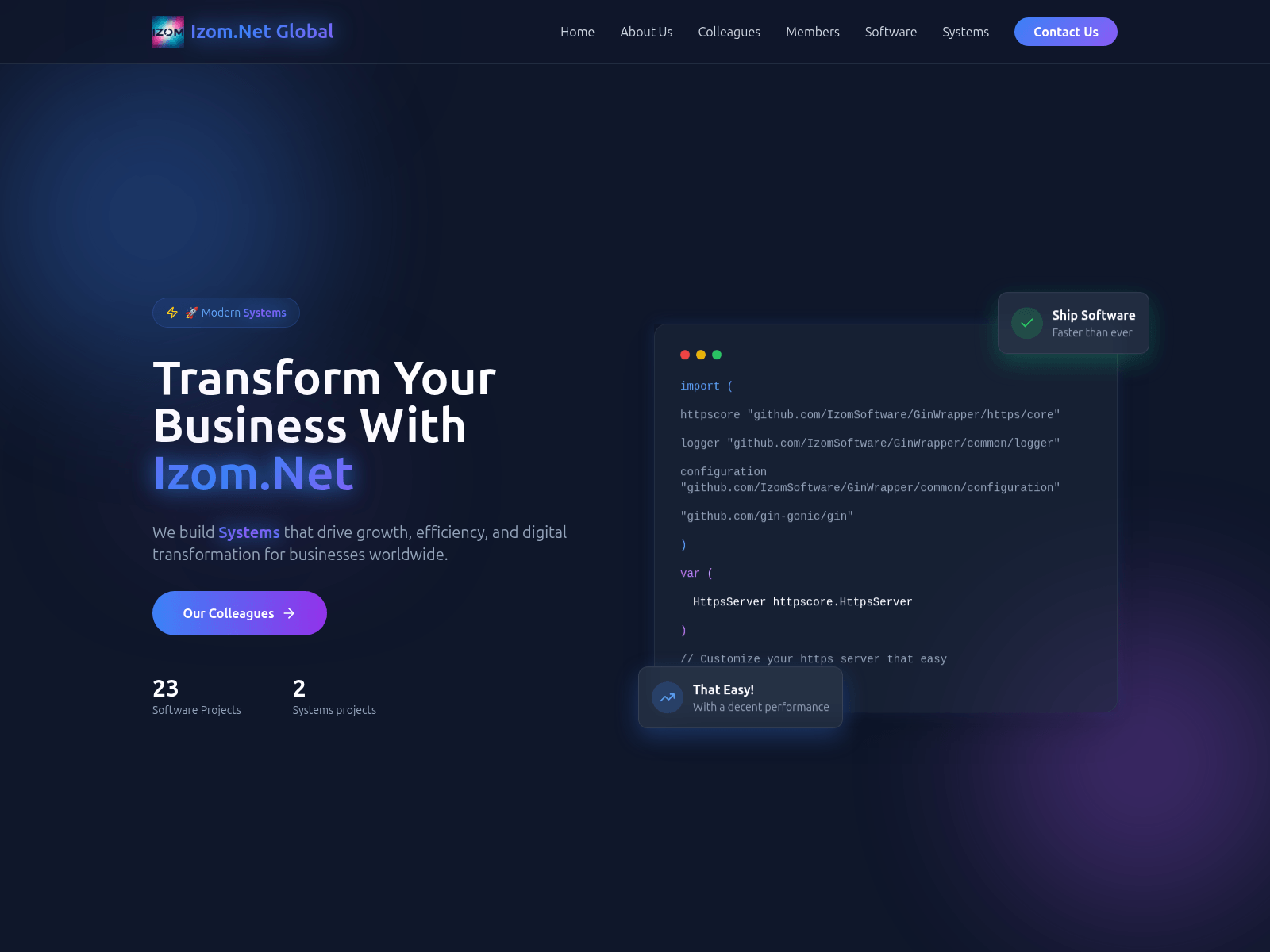
“Izom.Net Global”
This domain, izom.net, is flagged as a high-risk generic phishing threat as of July 12, 2026, and remains active. Intelligence from multiple sources supports this assessment. The domain was registered on February 5, 2026, through Ultahost, Inc., a relatively recent registration that aligns with patterns seen in phishing infrastructure. It resolves to IP address 207.180.234.23, which is associated with the hosting infrastructure. The page title observed is 'Izom.Net Global', and the site uses Tailwind CSS, Nginx, Unpkg, and HSTS technologies. An SSL certificate from ZeroSSL GmbH is in place, which is a common choice for phishing sites to appear legitimate. The Gridinsoft trust score is 0 out of 100, indicating a strong negative assessment. The domain appears on two security blocklists and is blocked by PhishDestroy and BLP-Malware. VirusTotal reporting shows 15 out of 95 security vendors flagging this domain as malicious, a significant number that confirms the threat. Additionally, AlienVault OTX lists the domain in 23 threat intelligence pulses, further corroborating its involvement in malicious campaigns. The exact nature of the phishing campaign is not fully detailed in the available intelligence, but the generic classification suggests it may target a broad range of credentials or sensitive information. Defenders should treat this domain as actively hostile. Immediate actions include blocking all traffic to izom.net at the network perimeter and email gateway. DNS filtering should be updated to prevent resolution. Any user who has interacted with this site should be investigated for credential compromise or malware infection. Monitoring for related domains or subdomains is advisable, as threat actors often rotate infrastructure. Continuous observation of the IP address 207.180.234.23 for new malicious domains is also recommended. The domain's creation date and current active status indicate an ongoing operation that requires prompt response.
PD-20260318-4CEDB4
10 fontes externas monitoradas · instantâneo de 12/08/2026
0 → 1
Endereços extraídos da página de phishing.
 (MY)
(MY)
 Lauterbourg, FR
For this gTLD, the registrar above operates under an ICANN accreditation agreement. The links below provide the official fee schedule and current DNS abuse compliance guidance.
RAA §3.18 establishes abuse-contact and handling requirements. This report can document stored outbound notices and later technical observations; it does not by itself establish receipt, investigation, remediation, or contractual non-compliance.
Google PageSpeed Insights — mobile performance audit of izom.net · checked Jul 12, 2026
Relatórios adicionados recentemente do banco de dados PhishDestroy. Esses links de descoberta não implicam infraestrutura ou propriedade compartilhada.
Se você interagiu com este domínio, inseriu informações pessoais ou conectou uma carteira de criptomoeda, tome medidas imediatas. Abaixo estão os recursos para ajudá-lo a relatar o incidente e se proteger.


Selecione seu país para obter contactos oficiais do cibercrime ou crie um rascunho de reclamação →.
Análise de ameaças usando lista de bloqueio armazenada, WHOIS, DNS e evidências de verificação pública
Digitalize agoraEnvie domínios suspeitos para nosso banco de dados de ameaças — proteja a comunidade
DenunciarRelatórios recentes de phishing e alterações de disponibilidade observadas
MonitorarMonitore ameaças em tempo real ou conteste esta listagem caso acredite que se trate de um falso positivo
Estima-se que $51 billion foram transferidos para carteiras de criptomoedas ilícitas em 2024 (source). Se você interagiu com izom.net — aja agora.
De acordo com o FBI, os detalhes mais importantes são os dados das transações:
0x5856...35985)izom.net)Mesmo que você não tenha todos os detalhes — registre uma ocorrência mesmo assim. Mesmo informações parciais ainda ajudam nas investigações.
A report is not a guarantee of recovery or investigation, but prompt, accurate transaction data can help authorities and service providers trace the incident.