poolstrade.com
  crescentcoin.cc
  vurak-groups.com
  teslastocks.org
FBI IC3
Denuncie crimes possibilitados pela Internet nos Estados Unidos
Federal tips line1-800-CALL-FBI

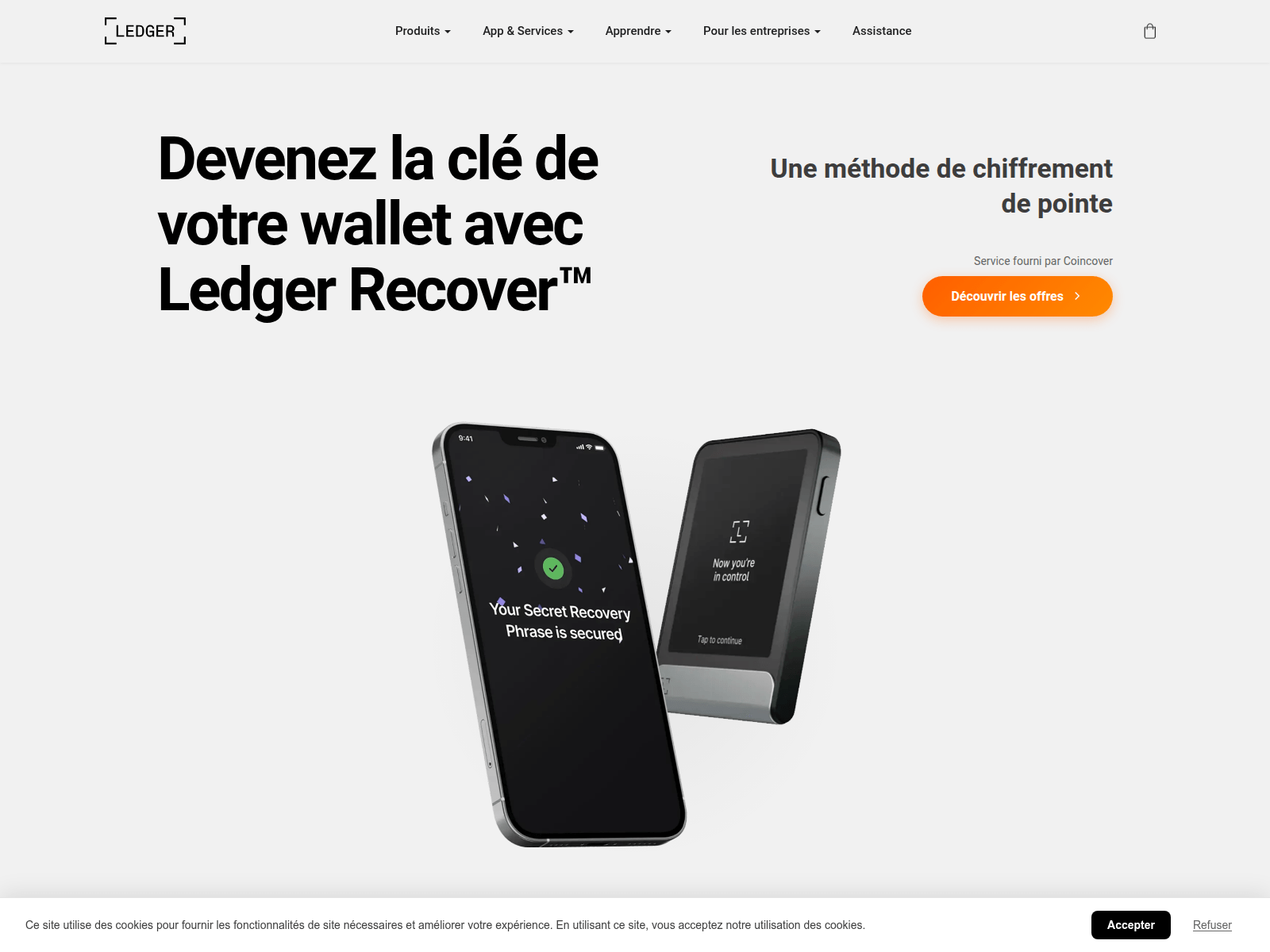
“Ledger Recover”
PhishDestroy identifies help-ledger.com as an active brand impersonation threat targeting Ledger cryptocurrency wallet users. This domain employs deliberate visual and textual mimicry to deceive visitors into surrendering sensitive seed phrases, private keys, or login credentials under the false pretense of technical support or account verification. The elevated risk level reflects its confirmed malicious intent, active infrastructure, and ongoing availability despite detection efforts by security vendors and blocklists.
This domain was flagged by 13 out of 95 VirusTotal security vendors, appears on one known public blocklist maintained by Hagezi, and resolves to IP address 45.142.141.42. It operates under a valid Let's Encrypt SSL certificate to simulate legitimacy. Registered through NameSilo, LLC on May 10, 2026, the domain is less than one year old, a common tactic to evade long-term reputation-based detection. Its sole purpose appears to be the fraudulent exploitation of Ledger’s brand equity to harvest financial credentials from unsuspecting cryptocurrency holders.
Users encountering help-ledger.com should assume it is a malicious impersonation and treat all forms of interaction—including clicks, form submissions, or file downloads—as potential security risks. To mitigate exposure, immediately block the domain at the network and DNS levels, and clear browser cache and cookies that may have been set during any accidental visit. Always access Ledger services through official channels verified via multi-factor authentication and hardware wallet verification. Report the domain to your email provider, browser security extensions, and security platforms like PhishDestroy or VirusTotal to help prevent further victimization. Continuing to monitor this domain's propagation could aid in disrupting ongoing campaigns against cryptocurrency users.

| Detection System | Indicator | Verdict | Alert |
|---|---|---|---|
| Hagezi Threat Feed | help-ledger.com |
malicious | Sinkholed |
| DNS4EU | help-ledger.com |
malicious | Sinkholed |
| DNS4EU | antibot.pw |
malicious | Sinkholed |
10 fontes externas monitoradas · instantâneo de 10/08/2026
 (US)
PhishDestroy Investigation
(US)
PhishDestroy Investigation

For this gTLD, the registrar above operates under an ICANN accreditation agreement. The links below provide the official fee schedule and current DNS abuse compliance guidance.
RAA §3.18 establishes abuse-contact and handling requirements. This report can document stored outbound notices and later technical observations; it does not by itself establish receipt, investigation, remediation, or contractual non-compliance.
2 tecnologias identificadas com alta confiança
Google PageSpeed Insights — mobile performance audit of help-ledger.com · checked May 17, 2026
These domains also target Ledger users. View all Ledger threats →
Relatórios adicionados recentemente do banco de dados PhishDestroy. Esses links de descoberta não implicam infraestrutura ou propriedade compartilhada.
Se você inseriu credenciais de conta, informações pessoais ou de pagamento, ou baixou um arquivo deste domínio, tome medidas imediatas. Abaixo estão os recursos para ajudá-lo a relatar o incidente e se proteger.


Selecione seu país para obter contactos oficiais do cibercrime ou crie um rascunho de reclamação →.
Análise de ameaças usando lista de bloqueio armazenada, WHOIS, DNS e evidências de verificação pública
Digitalize agoraEnvie domínios suspeitos para nosso banco de dados de ameaças — proteja a comunidade
DenunciarRelatórios recentes de phishing e alterações de disponibilidade observadas
MonitorarMonitore ameaças em tempo real ou conteste esta listagem caso acredite que se trate de um falso positivo