paralaxtrading.com
  baseverify.live
  uyfahje.com
  www.accept-moneypak.com
  tejegvhxol.top
  wtnforum.net
  onion.live
  darkdotweb.com
  pulsenotch.com
FBI IC3
Denuncie crimes possibilitados pela Internet nos Estados Unidos
Federal tips line1-800-CALL-FBI
The sent-report ledger records the first outgoing report at . A report was sent to the recorded registrar; contact details remain in Domain Intelligence. The latest stored availability evidence still shows the domain reachable; 6 months has elapsed since the first outgoing report.
ICANN RAA §3.18 describes registrar abuse-contact and handling obligations. This section records outgoing timestamps and later availability. It does not by itself prove receipt, acknowledgement, investigation, remediation, or contractual non-compliance.

“GTR”
Observação armazenada
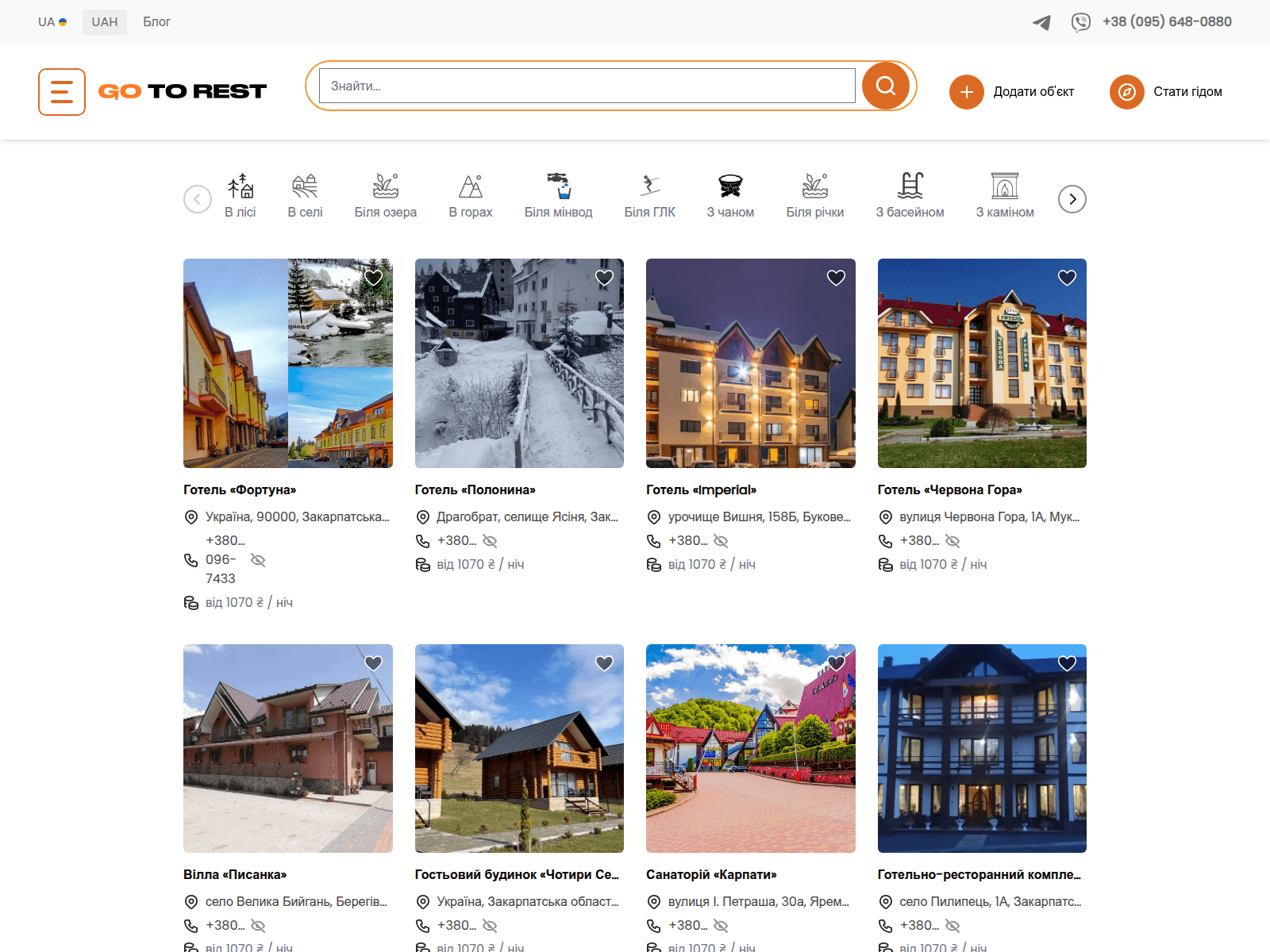
The domain dev.go-to.rest was observed by PhishDestroy and classified as a brand‑impersonation campaign targeting Telegram users. Registration data shows the domain was created on 21 February 2026 through Name.com, Inc., and it resolves to the IPv4 address 37.27.6.109, which is assigned to the Hetzner Online GmbH network in Finland (AS 24940). The hosting provider is identified by the IP’s autonomous system, confirming the infrastructure is located in Europe. DNS resolution is handled by Cloudflare, using the authoritative nameservers tim.ns.cloudflare.com and sue.ns.cloudflare.com.
No TLS certificate was presented when the host was queried, and the HTTP response returned a 404 status, indicating the web resource is not publicly serving content at the time of analysis. The page title reported by scanners is “GTR”, which does not reference the targeted brand and suggests the payload page has been removed or is otherwise inaccessible. Gridinsoft assigned a trust score of 0 out of 100, and the domain appears on a single external blocklist, reinforcing the malicious assessment. VirusTotal scans recorded 15 detections out of 93 participating security vendors, confirming that multiple anti‑malware engines flag the domain as malicious.
The overall risk rating is elevated, and the current operational status is offline, meaning the site is no longer reachable but the infrastructure may be reused. Defenders should continue to block the domain and its associated IP address, add the domain to internal URL filtering policies, and monitor for newly registered domains that reuse the same registrar, nameserver configuration, or hosting ASN. Continuous threat‑intel feeds should be consulted for any reappearance of the same indicators, and any inbound traffic to 37.27.6.109 should be inspected for residual malicious payloads.
PD-20260202-CD3A7F
 Scamadviser Warnings
10 fontes externas monitoradas · instantâneo de 11/08/2026
Acessível → Inacessível
Varredura do Cloudflare Radar armazenada · Abrir varredura
Inacessível → Acessível
Endereços extraídos da página de phishing.
 (US)
(US)
 Helsinki, FI
For the registrable domain go-to.rest behind this subdomain, the registrar above operates under an ICANN accreditation agreement. The links below provide the official fee schedule and current DNS abuse compliance guidance.
RAA §3.18 establishes abuse-contact and handling requirements. This report can document stored outbound notices and later technical observations; it does not by itself establish receipt, investigation, remediation, or contractual non-compliance.
These domains also target Telegram users. View all Telegram threats →
Relatórios adicionados recentemente do banco de dados PhishDestroy. Esses links de descoberta não implicam infraestrutura ou propriedade compartilhada.
Se você interagiu com este domínio, inseriu informações pessoais ou conectou uma carteira de criptomoeda, tome medidas imediatas. Abaixo estão os recursos para ajudá-lo a relatar o incidente e se proteger.


Selecione seu país para obter contactos oficiais do cibercrime ou crie um rascunho de reclamação →.
Análise de ameaças usando lista de bloqueio armazenada, WHOIS, DNS e evidências de verificação pública
Digitalize agoraEnvie domínios suspeitos para nosso banco de dados de ameaças — proteja a comunidade
DenunciarRelatórios recentes de phishing e alterações de disponibilidade observadas
MonitorarMonitore ameaças em tempo real ou conteste esta listagem caso acredite que se trate de um falso positivo
Estima-se que $51 billion foram transferidos para carteiras de criptomoedas ilícitas em 2024 (source). Se você interagiu com dev.go-to.rest — aja agora.
De acordo com o FBI, os detalhes mais importantes são os dados das transações:
0x5856...35985)dev.go-to.rest)Mesmo que você não tenha todos os detalhes — registre uma ocorrência mesmo assim. Mesmo informações parciais ainda ajudam nas investigações.
A report is not a guarantee of recovery or investigation, but prompt, accurate transaction data can help authorities and service providers trace the incident.