 ChainPatrol
 Web-Check
  SOCRadar
  LeakIX
FBI IC3
Denuncie crimes possibilitados pela Internet nos Estados Unidos
Federal tips line1-800-CALL-FBI

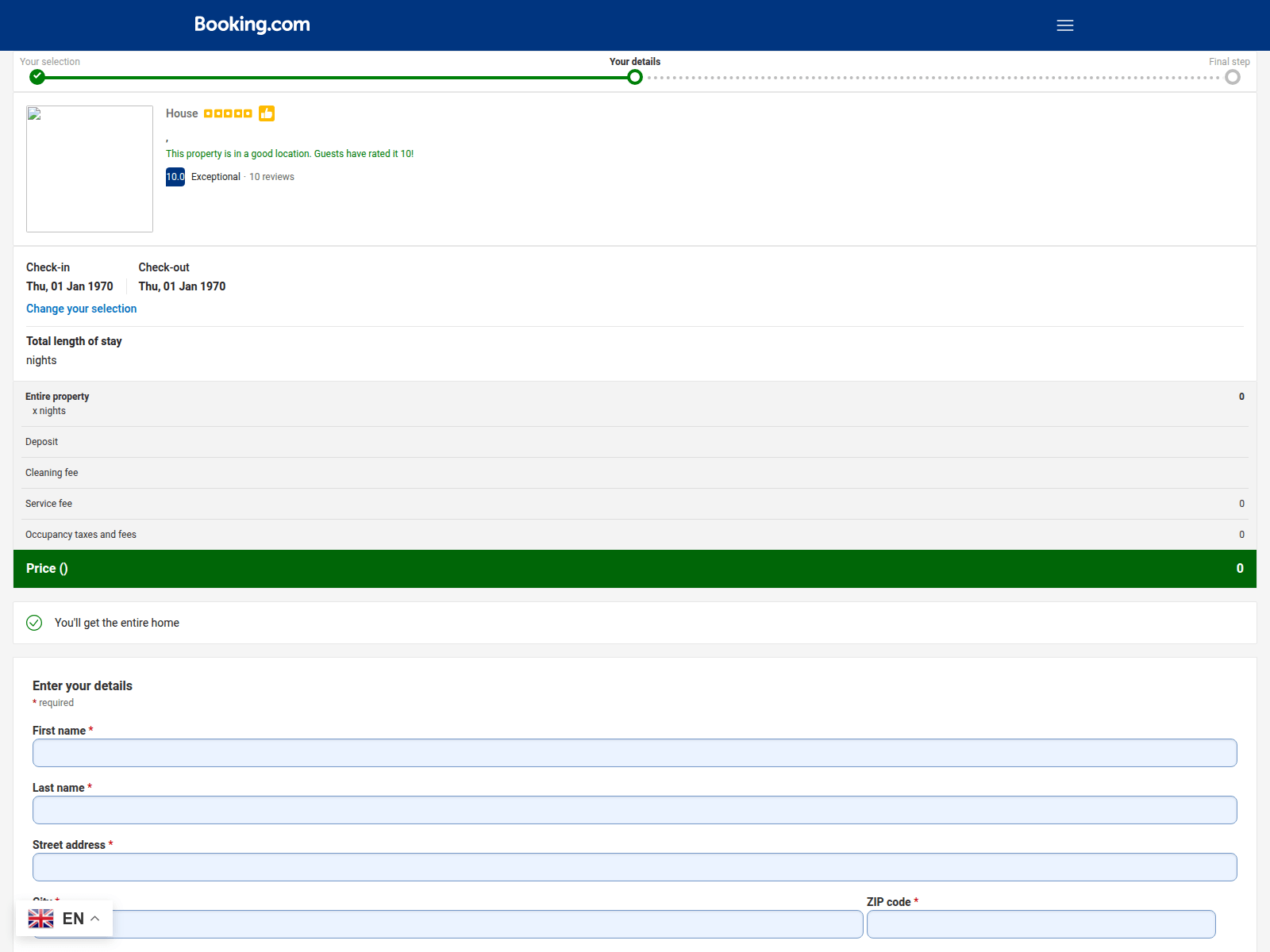
“Booking.com: Your details”
booking-com-cf2.prope347383.homes — Conteúdo indisponível. Representação da marca: Booking. Resumo das evidências: VirusTotal 3/91 (Fortinet, SOCRadar, Webroot); URLScan malicious verdict; PhishDestroy score 71/100. Registrador: NameSilo.
A análise detalhada do PhishDestroy AI permanece em inglês para preservar o registro forense original.
This domain is flagged as a high-risk credential harvesting phishing site targeting users through impersonation of legitimate booking platforms. Analysis indicates the infrastructure is designed to deceive victims into submitting login credentials, payment details, or personal information under false pretenses. The domain exhibits characteristics consistent with large-scale phishing campaigns, including the use of subdomain obfuscation and brand impersonation tactics. Infrastructure analysis reveals the domain booking-com-cf2.prope347383.homes was registered on February 10, 2026, through NameSilo, LLC, a registrar frequently observed in phishing operations. It currently resolves to IP address 172.67.179.188, which is associated with a content delivery network known to host malicious domains. VirusTotal reports 1 out of 95 security vendors have detected this domain as malicious, suggesting low initial detection rates but confirmed phishing behavior. No entries were found on major blocklists, and trust scores from reputation services indicate minimal prior scrutiny, likely due to its recent creation and low traffic volume. Mitigation requires immediate action from network defenders and end users. Organizations should block the domain and its resolving IP at the perimeter firewall or DNS level to prevent access. Security teams are advised to monitor logs for connections to 172.67.179.188 or subdomains matching the pattern booking-com-cf*.prope*.homes. End users should be educated to verify URLs before entering credentials, particularly on pages requesting sensitive information. If credentials were entered on this domain, affected accounts must be locked, passwords reset, and multi-factor authentication enforced. Incident responders should preserve HTTP headers, screenshots, and timestamps for forensic analysis and potential takedown coordination.

 (US)
PhishDestroy Investigation
San Francisco, US
(US)
PhishDestroy Investigation
San Francisco, USFor the registrable domain prope347383.homes behind this subdomain, the registrar above operates under an ICANN accreditation agreement. The links below provide the official fee schedule and current DNS abuse compliance guidance.
RAA §3.18 establishes abuse-contact and handling requirements. This report can document stored outbound notices and later technical observations; it does not by itself establish receipt, investigation, remediation, or contractual non-compliance.
Se você inseriu credenciais de conta, informações pessoais ou de pagamento, ou baixou um arquivo deste domínio, tome medidas imediatas. Abaixo estão os recursos para ajudá-lo a relatar o incidente e se proteger.


Selecione seu país para obter contactos oficiais do cibercrime ou crie um rascunho de reclamação →.
These domains also target Booking users. View all Booking threats →
Relatórios adicionados recentemente do banco de dados PhishDestroy. Esses links de descoberta não implicam infraestrutura ou propriedade compartilhada.
Análise de ameaças usando lista de bloqueio armazenada, WHOIS, DNS e evidências de verificação pública
Digitalize agoraEnvie domínios suspeitos para nosso banco de dados de ameaças — proteja a comunidade
DenunciarRelatórios recentes de phishing e alterações de disponibilidade observadas
MonitorarMonitore ameaças em tempo real ou conteste esta listagem caso acredite que se trate de um falso positivo
 online.amepbk.com
  alliancevolte.top
  nexaglobalfinance.com
  quantumprofits.onntw.com
  swiftgatelogs.com