원본 포렌식 기록을 보존하기 위해 아래의 상세 PhishDestroy AI 분석은 영어로 유지됩니다.
Overview
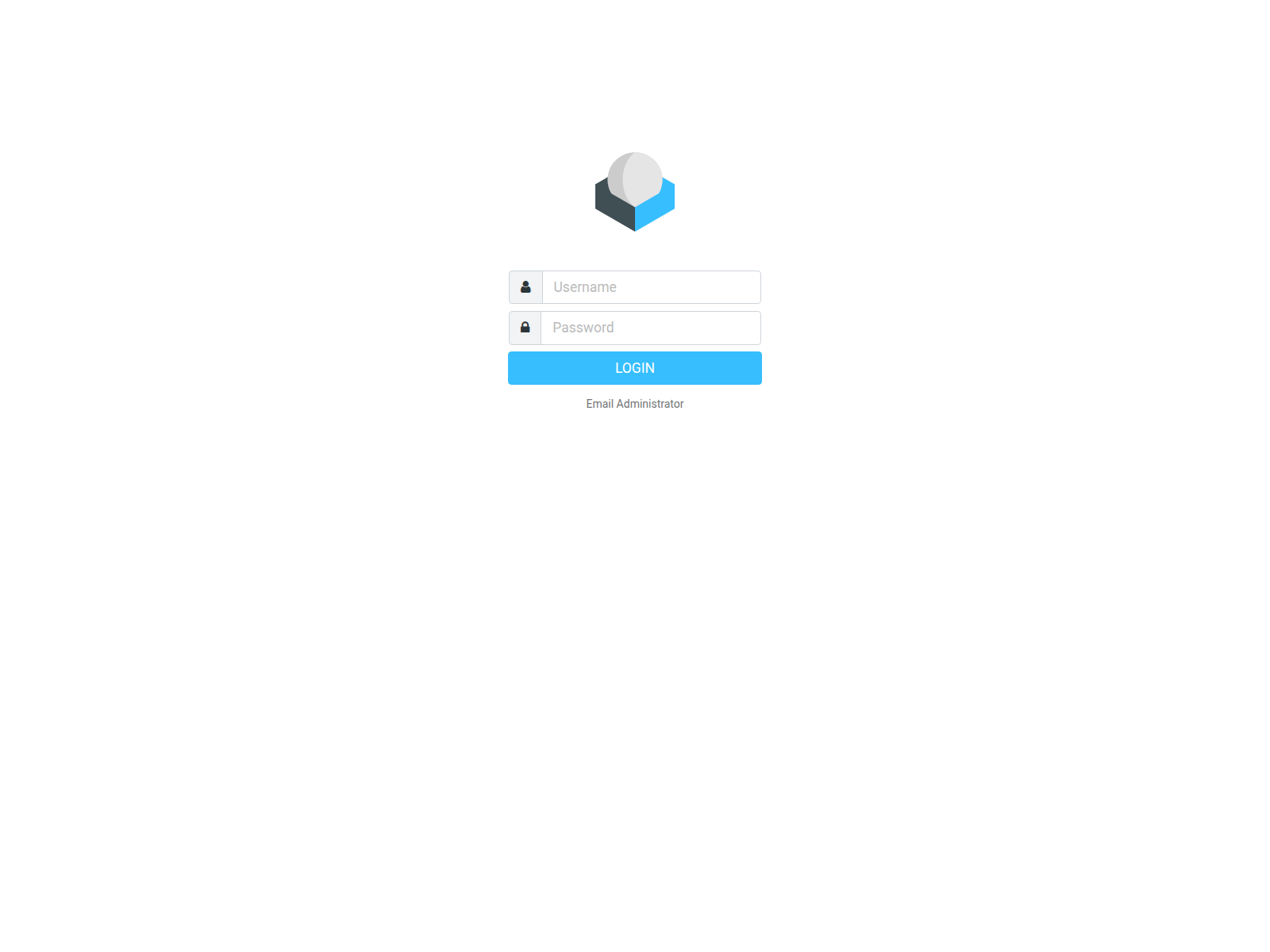
PhishDestroy’s intake AI recorded a malicious verdict on 2026-10-19 because the page displayed a Roundcube Webmail‑style login form that requested a username and password. The domain was first seen by PhishDestroy on 2026-10-22 and an HTTP 200 response was captured on 2026-10-26.
사기 수법
Attackers host a replica of a webmail login page and brand it as Roundcube to trick users into entering their credentials. Harvested usernames and passwords can be reused to compromise the victims’ real email accounts or sold on underground markets.
증거
VirusTotal scanned the domain on 2026-10-22 and returned 18 detections from 92 engines, with 16 classified as malicious and 2 as suspicious. Google Safe Browsing checked on 2026-10-25 and did not flag the site. urlscan captured the page on 2026-10-22, its engine gave a malicious score of 99 and applied phishing‑related tags, while the overall verdict was non‑malicious. PhishDestroy’s internal blocklist marks the domain as malicious; external blocklists reported zero hits, Spamhaus DBL listed it as clean, and OTX showed no pulses as of 2026-10-23.
인프라
The recorded IP was 63.176.8.218, belonging to Amazon.com, Inc. in Germany, and the site was served through Netlify’s *.netlify.app CDN. The TLS certificate observed on 2026-10-23 was issued by DigiCert Global G2 TLS RSA SHA256 2020 CA1, valid from 2026-02-16 to 2027-03-19, and the domain and TLS were 196 and 248 days old respectively at the time of capture.
What to do
Anyone who may have entered credentials should change the associated email password immediately and enable multi‑factor authentication. Organizations should block the exact Netlify subdomain at their perimeter devices and monitor authentication logs for suspicious activity while continuing to watch threat‑intel feeds for any reuse of the same infrastructure.
PhishDestroy flagged 69d74f2529518e1292b8c6c5--thriving-macaron-9e8f94.netlify.app as malicious for a Roundcube Webmail login asking for username and password.
AI 요약
Overview PhishDestroy’s intake AI recorded a malicious verdict on 2026-10-19 because the page displayed a Roundcube Webmail‑style login form that requested a username and password. The domain was first seen by PhishDestroy on 2026-10-22 and an HTTP 200 response was captured on 2026-10-26. How the scam works Attackers host a replica of a webmail login page and brand it as Roundcube to trick users into entering their credentials. Harvested usernames and passwords can be reused to compromise the victims’ real email accounts or sold on underground markets. Evidence VirusTotal scanned the domain on 2026-10-22 and returned 18 detections from 92 engines, with 16 classified as malicious and 2 as suspicious. Google Safe Browsing checked on 2026-10-25 and did not flag the site. urlscan captured the page on 2026-10-22, its engine gave a malicious score of 99 and applied phishing‑related tags, while the overall verdict was non‑malicious. PhishDestroy’s internal blocklist marks the domain as malicious; external blocklists reported zero hits, Spamhaus DBL listed it as clean, and OTX showed no pulses as of 2026-10-23. Infrastructure The recorded IP was 63.176.8.218, belonging to Amazon.com, Inc. in Germany, and the site was served through Netlify’s *.netlify.app CDN. The TLS certificate observed on 2026-10-23 was issued by DigiCert Global G2 TLS RSA SHA256 2020 CA1, valid from 2026-02-16 to 2027-03-19, and the domain and TLS were 196 and 248 days old respectively at the time of capture. What to do Anyone who may have entered credentials should change the associated email password immediately and enable multi‑factor authentication. Organizations should block the exact Netlify subdomain at their perimeter devices and monitor authentication logs for suspicious activity while continuing to watch threat‑intel feeds for any reuse of the same infrastructure. Useful links urlscan.io scan and screenshot: https://urlscan.io/result/01a16597-84c3-7761-b68e-0a45a2fed77b/ Stored capture screenshot: https://urlscan.io/screenshots/01a16597-84c3-7761-b68e-0a45a2fed77b.png URLScan screenshot (2026-10-19T20:18:09Z): https://screenshots.phishdestroy.io/us/01a155d0-6671-7683-ad0e-5db67fa7d5bd.png URLScan capture report: https://urlscan.io/result/01a155d0-6671-7683-ad0e-5db67fa7d5bd/ VirusTotal report: https://www.virustotal.com/gui/domain/69d74f2529518e1292b8c6c5--thriving-macaron-9e8f94.netlify.app Google Safe Browsing status: https://transparencyreport.google.com/safe-browsing/search?url=69d74f2529518e1292b8c6c5--thriving-macaron-9e8f94.netlify.app Report phishing to Google: https://safebrowsing.google.com/safebrowsing/report_phish/ Site owner? Request a review: https://phishdestroy.io/appeals/
69d74f2529518e1292b8c6c5--thriving-macaron-9e8f94.netlify.app 관련 질문
69d74f2529518e1292b8c6c5--thriving-macaron-9e8f94.netlify.app은(는) 정상적인 사이트인가요?
PhishDestroy는 기록된 증거를 바탕으로 69d74f2529518e1292b8c6c5--thriving-macaron-9e8f94.netlify.app를 심각 위험 등급(증거 점수 100/100)으로 평가했으며, 이는 2026-10-22에 처음 기록되었습니다. 저장된 VirusTotal 결과: 18/92 엔진에서 경고했습니다. 악성: 16. 의심: 2. 분석 시간(저장된 표기): 2026-10-22 09:03 UTC. 조회 시간(저장된 표기): 2026-10-22 22:03 UTC. 자체 점수와 목록 등재만으로 사기가 입증되지는 않습니다. 각 출처의 날짜와 정확한 URL을 확인하세요.
1차 평가 변수활성 콘텐츠reason: Ordinary HTTP content served90% confidence
출처source: Current Http Probe
증거 레이어Availability: Content servingContent: Content served at rootDNS: Stale
최신 HTTP 관측 결과활성 콘텐츠일반 HTTP 콘텐츠 제공90%2026-11-22 11:41 UTC
RDAP 등록
관측된 시간축last reachable: 2026-11-22 11:41 UTClast content: 2026-11-22 11:41 UTC
Availability, content, DNS and registration are independent evidence layers. NXDOMAIN, an unreachable origin or missing content alone does not prove registrar action. A registrar or provider is credited only when a direct technical marker identifies that actor. Report causality is shown separately.
당신은 혼자가 아니며, 부끄러워할 일은 전혀 없습니다. 사기범은 신뢰를 악용하는 교묘한 범죄자입니다. 피해 사실을 신고하는 것은 사기에 맞서는 가장 강력한 무기입니다. 당신의 신고가 다른 사람의 피해를 막고 수사 기관의 대응을 도울 수 있습니다. 먼저 계정과 자금을 안전하게 보호한 후 신고하십시오. 계정 정보가 유출되었다면 즉시 신고하세요. 피해 복구를 빙자한 사기범에게 응하지 마세요.
실제로 취한 조치에 따라 대응하십시오. 비밀번호를 입력했다면, 해당 비밀번호와 이를 재사용한 모든 곳에서 비밀번호를 변경하십시오. 카드 정보를 결제하거나 제공했다면, 은행이나 결제 서비스 업체에 연락하십시오. 파일을 다운로드했다면, 기기를 바이러스 검사하십시오. 그런 다음 해당 사건을 신고하십시오.

 63.176.8.218


 Microsoft
 Cloudflare
 Yandex
 ESET
 비트디펜더
 Norton
 Symantec
 Avira
 Avast / AVG
 카스퍼스키
 Dr.Web
 넷크래프트
 PhishTank
 APWG eCX
 PhishStats
 Phish.Report
 Spamhaus
 PolySwarm
 CheckPhish
 Quttera
 URLquery
 Criminal IP
 CRDF
 Scamadviser
 MyWOT