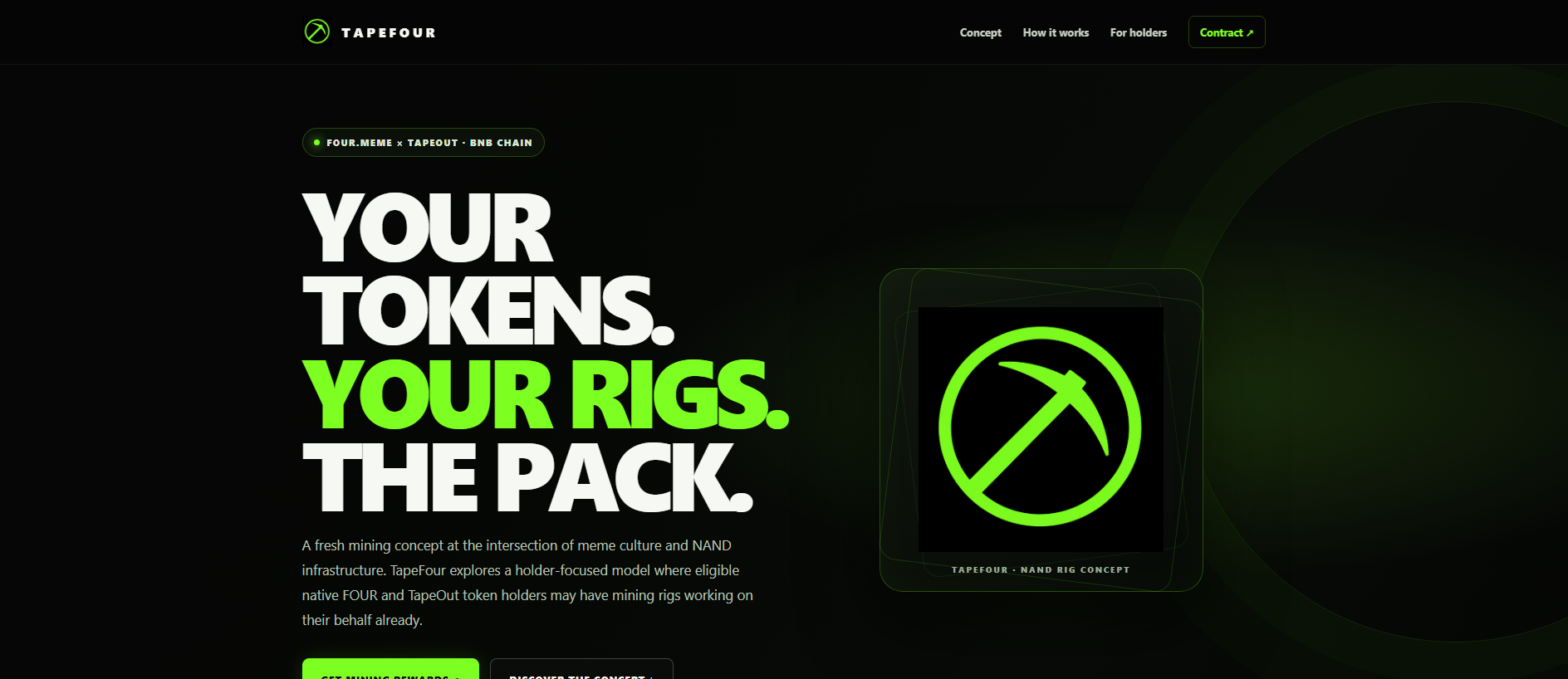
元のフォレンジック記録を保持するため、下の PhishDestroy AI 詳細分析は英語のままです。
Overview
PhishDestroy listed tapefour.fun after an admin‑reported intake on 2026-10-25. The initial AI assessment could not determine malicious behavior because the page provided insufficient content for analysis. An HTTP 200 response was recorded for the domain on the same date.
詐欺の手口
The available evidence does not demonstrate a specific fraud technique; the domain is merely flagged as suspicious based on limited content and external detections. In general, such newly registered sites may be used for phishing, credential harvesting, or other social‑engineering attacks, but no concrete mechanism was observed here.
証拠
VirusTotal scanned the domain on 2026-10-24 and reported three detections from 92 engines, labeling it as spam (Fortinet, alphaMountain.ai) and suspicious (Gridinsoft). Google Safe Browsing checked on 2026-10-25 and did not flag the site. External blocklist ScamSniffer includes the domain, and OTX recorded one pulse on 2026-10-25. URLScan captured the page on 2026-10-25, its engine verdict marked it malicious with a score of 63, while the overall verdict was non‑malicious, and Cloudflare Radar identified a phishing tag for the domain on the same day.
インフラ
The domain was registered with NICENIC INTERNATIONAL GROUP CO., LIMITED on 2026-10-17, giving it a six‑day age at first sighting. Recorded observations showed the domain pointing to Cloudflare IP addresses 172.67.184.66 and 104.21.32.68 and using a Let's Encrypt / YE2 TLS certificate that was valid until 2027-01-15; DNSSEC was not enabled.
What to do
Visitors should avoid entering any credentials, private keys, or cryptocurrency information on the site and change passwords if they suspect they have been submitted. Defenders can block tapefour.fun at the firewall or proxy, monitor logs for connections to the recorded IP addresses, and apply the same rule to the exact domain name. No wallet‑related remediation is required because no wallet interaction was observed.
PhishDestroy flagged tapefour.fun as a suspicious domain on 2026-10-25 after an admin report; page content was sparse and VirusTotal recorded modest detections.
Registrar: NICENIC INTERNATIONAL GROUP CO., LIMITED; Created: 2026-10-17T02:34:22Z; Updated: 2026-10-22T02:34:59Z; Expires: 2027-10-17T02:34:22Z; Status: clientTransferProhibited https://icann.org/epp, clientDeleteProhibited https://icann.org/epp; Nameservers: eugene.ns.cloudflare.com, harleigh.ns.cloudflare.com
HTTPヘッダー
Headers: Server: cloudflare; Content type: text/html; Strict transport security: max-age=63072000; includeSubDomains; preload; Content security policy: frame-ancestors http: https:; X content type options: nosniff
ネットワークセキュリティインテリジェンス レジストラの背景情報
レジストラの背景情報NiceNIC
Stored registration data identifies NICENIC INTERNATIONAL GROUP CO., LIMITED (IANA 3765) as the registrar. PhishDestroy maintains separate NiceNIC abuse-report research; registrar association is contextual and is not an independent detection for this domain.
エビデンスレイヤーAvailability: Content servingContent: Content served at rootDNS: ResolvedRegistration: Active
最新のHTTP観測結果コンテンツ公開中通常のHTTPコンテンツが配信される90%2026-11-27 11:52 UTC
RDAP登録アクティブNICENIC INTERNATIONAL GROUP CO., LIMITED · IANA 3765RDAP HTTP 200source: Rdap Status CollectorclientDeleteProhibitedclientTransferProhibitedexpires 2027-10-17 02:34 UTCチェック済み 2026-11-16 05:32 UTC
観測されたタイムラインlast reachable: 2026-11-27 11:52 UTClast content: 2026-11-27 11:52 UTC
Availability, content, DNS and registration are independent evidence layers. NXDOMAIN, an unreachable origin or missing content alone does not prove registrar action. A registrar or provider is credited only when a direct technical marker identifies that actor. Report causality is shown separately.
Registrar: NICENIC International Group Co., Limited (Hong Kong (China))
Policy Violations: “Services may be used only for lawful purposes… fraud, abuse and illegal activity prohibited. Violations may result in immediate suspension.” + dedicated abuse handling and takedown
Applicable Laws: Crimes Ordinance Cap.200 (Fraud), Theft Ordinance Cap.210 §16A (fraud by deception), Personal Data (Privacy) Ordinance Cap.486

 NiceNIC
 104.21.32.68


 Microsoft
 Cloudflare
 Yandex
 ESET
 ビットディフェンダー
 Norton
 Symantec
 Avira
 Avast / AVG
 カスペルスキー
 Dr.Web
 ネットクラフト
 PhishTank
 APWG eCX
 PhishStats
 Phish.Report
 PolySwarm
 CheckPhish
 Quttera
 Criminal IP
 CRDF
 Scamadviser
 MyWOT