VirusTotal
14 / 91
Report


“Introducing the FOLKS token”

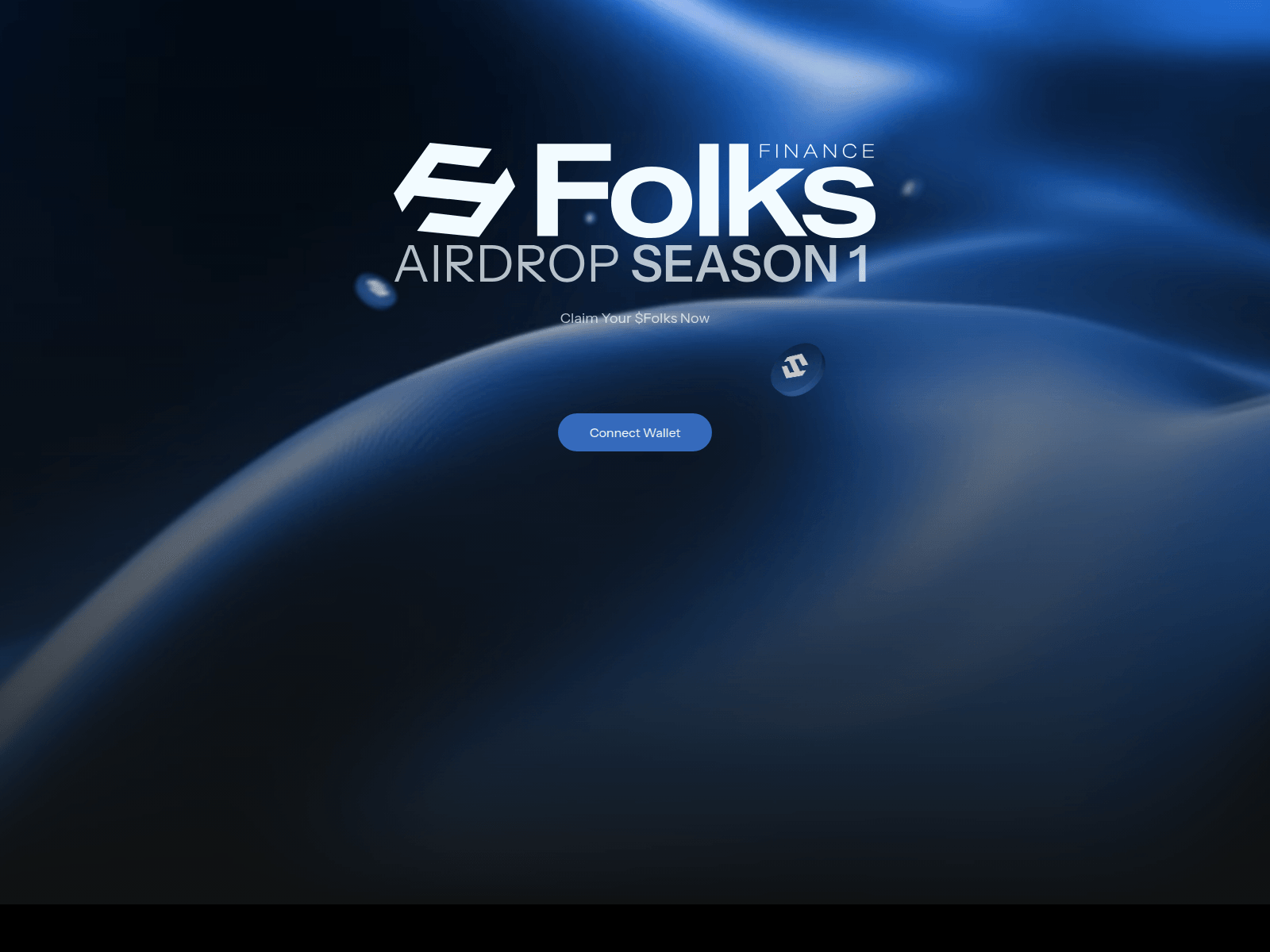
Analysis of the domain claim.foiks.finance confirms its classification as a high-risk crypto drainer phishing site, specifically targeting MetaMask users. The domain, now offline, was flagged by 15 of 95 security vendors on VirusTotal, indicating broad detection prior to takedown. Infrastructure analysis reveals it resolved to IP 172.67.136.105, hosted on Cloudflare's network (AS13335) in the United States. The SSL certificate was issued by Google Trust Services (WE1), and the site employed Cloudflare technologies for hosting and protection. The page title, 'Introducing the FOLKS token,' suggests an attempt to lure victims with a fake token offering, a common tactic in crypto drainer schemes.
The domain was registered through Cloudflare, Inc., and its nameservers were not found at the time of analysis. It appeared on two security blocklists, including PhishDestroy and ScamSniffer, which specifically flagged it as a wallet/seed phishing scam. Google Safe Browsing also classified the domain under 'social engineering,' further corroborating its malicious intent. The drainer kit in use was identified as Angel Drainer, a known toolset for stealing cryptocurrency by tricking users into revealing wallet credentials or signing malicious transactions.
The HTTP status returned a 403 error at the time of reporting, consistent with a takedown or access restriction. While the domain is no longer active, defenders should monitor for re-emergence under similar naming conventions or infrastructure. Organizations are advised to block the domain and its associated IP, and to alert users about the risks of interacting with unsolicited token offers or MetaMask-themed promotions. The exact content of the phishing page remains unanalyzed, but the available evidence strongly supports its classification as a crypto drainer operation.
Stored crawler-versus-browser observations for this host, plus a live fingerprint check for Keitaro-style traffic distribution systems.
cloudflareScanner note: cloudflare_ban: raw=cf_phishing_block; http=403; via=https_proxy; server=cloudflare; provider_error=cloudflare_phishing_interstitial
Provider response during scan: cloudflare_phishing_interstitial
 (US)
(US)
For the registrable domain foiks.finance behind this subdomain, the registrar above operates under an ICANN accreditation agreement. The links below provide the official fee schedule and current DNS abuse compliance guidance.
RAA §3.18 establishes abuse-contact and handling requirements. This report can document stored outbound notices and later technical observations; it does not by itself establish receipt, investigation, remediation, or contractual non-compliance.
Edge-IP reputation is not attributed to this domain.
Location describes the IP network.
e927748fa9a8b21d4891c96af2e7a3c47965a797fd335de975bd131a82f81b33foiks.financeSaved certificate metadata. Certificate dates without a timezone are shown as stored. Transport encryption does not establish that the site is trustworthy.
17 recorded events. These records describe collected evidence, outgoing notifications and publication; they do not confirm a complete investigation or a takedown.
We scan suspicious URLs, inspect public results and send evidence through the appropriate abuse-reporting channels. The dated events above show what is recorded for this domain. The directory below explains the wider workflow.
Capture the rendered page, requests and visible infrastructure.
Compare the available engine results and retain the analysis timestamp.
Check whether Google currently lists the URL as unsafe.
Inspect a public scan and its recorded network and classification data.
Look for indicator references and related community intelligence.
Compare archived captures and preserve historical context.
Look for matching indicators and associated threat records.
Inspect certificate records and related hostnames.
Compare security resolver responses and record observed blocking.
Inspect the public DNS, TLS, HTTP and technology surface.
Security services used for scanning, reputation checks and reporting are listed below. A service being listed is not evidence that it received, accepted or acted on this particular domain. Recorded submissions appear in the notification history above.
79 stored lookalike domains
Reported by 1 community member, first seen Nov 7, 2025
If a wallet, seed phrase, or account was exposed, report the incident immediately. Revoke approvals and move remaining assets to a new wallet created on a trusted device.


Select your country to get official cybercrime contacts, or create a complaint draft →.
Template-based draft · optional AI wording assistance requires separate consent
Each lane is one reason a domain is linked to this host. Node size marks VirusTotal detections and dashed nodes are already offline. The full lists follow below.
Separate evidence record for the registrable domain above claim.foiks.finance.
foiks.finance 13 VTSame favicon hash or the same page title as this host.
These domains also target MetaMask users. View all MetaMask threats →
Registered through the same registrar. A registrar serves millions of unrelated customers, so this groups reports rather than proving a link.
Recently added threat reports.
Threat analysis using stored blocklist, WHOIS, DNS, and public scan evidence
Scan NowSubmit suspicious domains to our threat database — protect the community
ReportRecent phishing reports and observed availability changes
MonitorMonitor live threats or contest this listing if you believe it's a false positive
An estimated $51 billion flowed to illicit crypto wallets in 2024 (source). If you interacted with claim.foiks.finance — act now.
According to the FBI, the most important details are transaction data:
0x5856...35985)claim.foiks.finance)Even if you don't have all details — file a report anyway. Partial information still helps investigations.
A report is not a guarantee of recovery or investigation, but prompt, accurate transaction data can help authorities and service providers trace the incident.