usdtscore.pro
  flarehubfxrp.com
  imztoken.com
  atomage.cc
  gamblefe.com
  vurak-groups.com
FBI IC3
Melden Sie internetbasierte Kriminalität in den Vereinigten Staaten
Federal tips line1-800-CALL-FBI
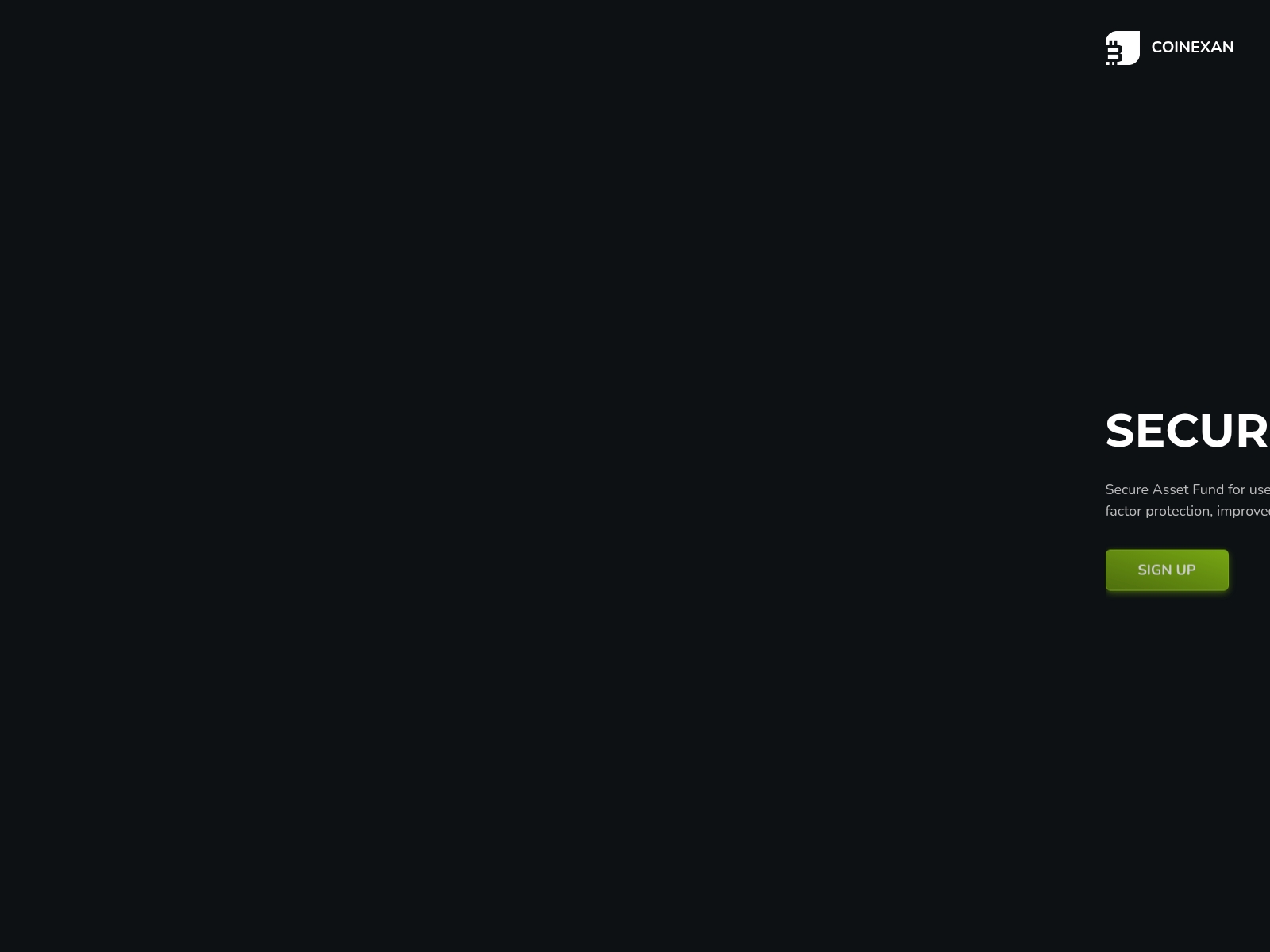
“Main — Coinexan”
Gespeicherte Beobachtung
This domain, coinexan.com, is identified as an Ethereum brand impersonation phishing site. Analysis confirms the domain was actively impersonating the Ethereum cryptocurrency platform to deceive users into disclosing sensitive credentials or transferring assets. As of the latest verification, the domain has been taken offline, though prior activity remains a documented threat. Infrastructure analysis reveals coinexan.com was flagged by 4 of 95 security vendors on VirusTotal, indicating detection by a subset of industry tools. The domain was registered on August 18, 2025, through PDR Ltd. d/b/a PublicDomainRegistry.com and resolved to the IP address 104.21.64.1. It appeared on one security blocklist and received trust scores of 20/100 (Scamadviser) and 0/100 (Gridinsoft). Detected technologies included Bootstrap, jQuery, Slick, jsDelivr, Facebook Pixel, Cloudflare, and HTTP/3, suggesting a modern, obfuscated phishing infrastructure. The SSL certificate was issued by Google Trust Services, a common tactic to lend false legitimacy to malicious sites. Current status indicates the domain is offline, reducing immediate risk to end users. However, the infrastructure and registration details remain relevant for historical and forensic analysis. Organizations and individuals are advised to block the domain and associated IP at the network level, monitor for related domains registered through the same registrar, and educate users on recognizing brand impersonation tactics. Security teams should review logs for prior connections to 104.21.64.1 and coinexan.com, particularly in environments where cryptocurrency transactions are common. Proactive measures include implementing domain monitoring for lookalike registrations and enforcing multi-factor authentication for all cryptocurrency-related accounts.

 Scamadviser Warnings
10 überwachte externe Feeds · gespeicherter Stand 10.08.2026
0 → 4
Erreichbar → Nicht erreichbar
Nicht erreichbar → Erreichbar
 (IN)
(IN)
 San Francisco, US
For this gTLD, the registrar above operates under an ICANN accreditation agreement. The links below provide the official fee schedule and current DNS abuse compliance guidance.
RAA §3.18 establishes abuse-contact and handling requirements. This report can document stored outbound notices and later technical observations; it does not by itself establish receipt, investigation, remediation, or contractual non-compliance.
Google PageSpeed Insights — mobile performance audit of coinexan.com · checked Jun 27, 2026
Diese Berichte werden auf dieselbe gemeinsame Edge-IP aufgelöst. Sie helfen bei der Berichtserkennung, bedeuten jedoch keinen gemeinsamen Besitz oder einen gemeinsamen Ursprungsserver.
These domains also target Ethereum users. View all Ethereum threats →
Kürzlich hinzugefügte Berichte aus der PhishDestroy-Datenbank. Diese Discovery-Links implizieren keine gemeinsame Nutzung der Infrastruktur oder des Eigentums.
Wenn Sie Kontoanmeldeinformationen, persönliche oder Zahlungsinformationen eingegeben oder eine Datei von dieser Domain heruntergeladen haben, ergreifen Sie sofort Maßnahmen. Nachfolgend finden Sie Ressourcen, die Ihnen helfen, den Vorfall zu melden und sich zu schützen.


Wählen Sie Ihr Land aus, um Offizielle Kontakte im Bereich Cyberkriminalität oder einen Beschwerdeentwurf erstellen → zu erhalten.
Bedrohungsanalyse anhand gespeicherter Blocklisten, WHOIS, DNS und öffentlicher Scan-Beweise
Jetzt scannenMelden Sie verdächtige Domains an unsere Bedrohungsdatenbank – schützen Sie die Community
MeldenAktuelle Phishing-Meldungen und beobachtete Verfügbarkeitsänderungen
ÜberwachenBeobachten Sie aktuelle Bedrohungen oder legen Sie Widerspruch gegen diesen Eintrag ein, wenn Sie der Meinung sind, dass es sich um einen Fehlalarm handelt