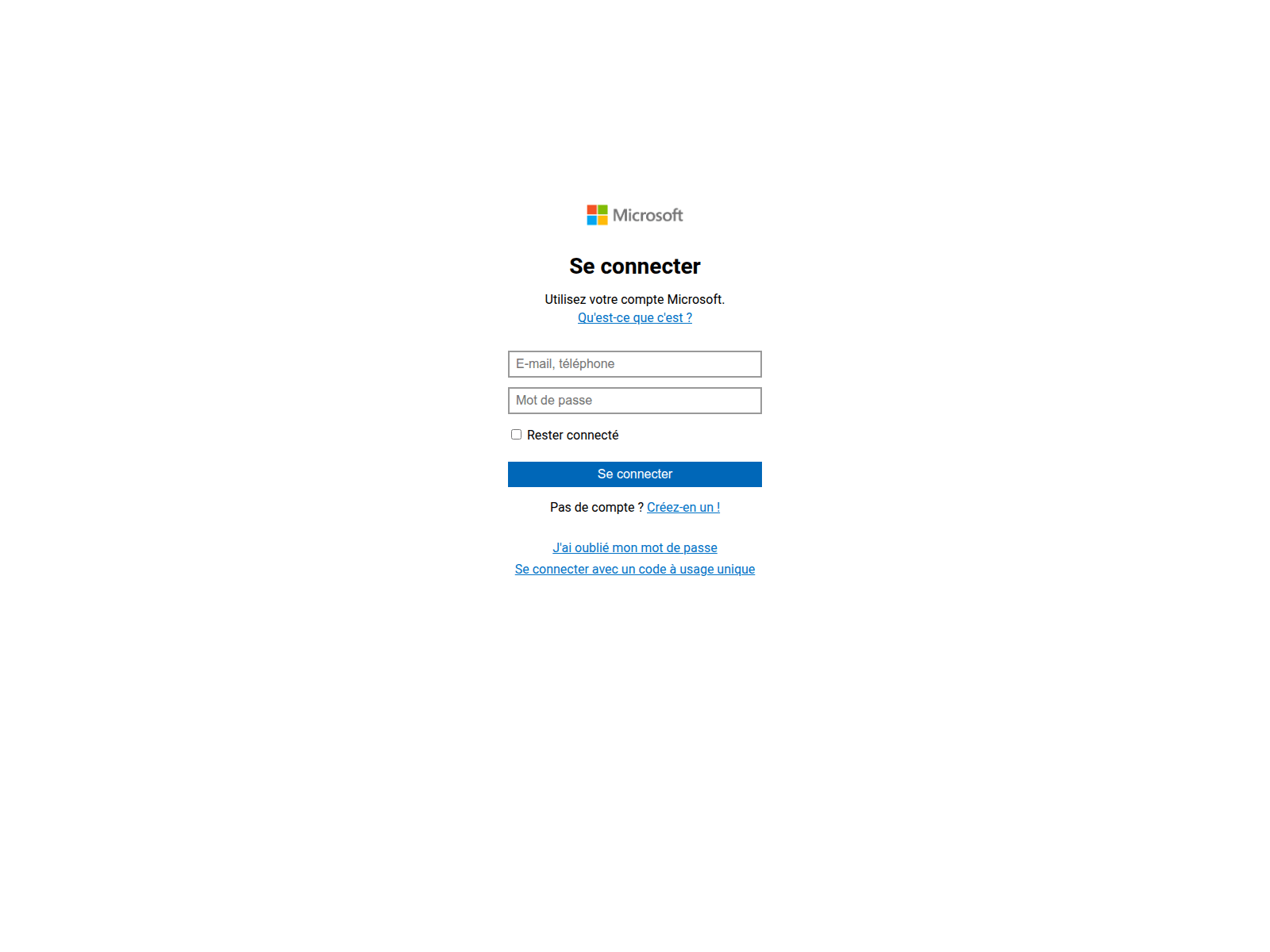
research-secure.com is an impersonation phishing page built to pass itself off as a legitimate service so visitors hand over access they would never give a stranger. Its name sounds like a security or verification portal, which lends it credibility before anyone looks closely. PhishDestroy first flagged it on 2026-09-25. It was still online and serving its content when last checked on 2026-10-19.
诈骗手法解析
Impersonation pages copy the look, wording and flow of a service the victim already trusts. Then they ask for something sensitive, usually a login, a one-time code or, in crypto scams, a wallet recovery phrase. A security-themed name helps the pretext: users are told to "verify" or "secure" an account and are eager to comply. Whatever is typed goes straight to the operators, who can take over accounts or empty wallets before the victim realises the page was fake.
证据
Six of 91 VirusTotal engines flag the domain as malicious as of 2026-09-25: alphaMountain.ai, Chong Lua Dao, Forcepoint ThreatSeeker, Fortinet, G-Data and SOCRadar. That is a modest count, so many browsers and security tools will not warn visitors yet. The vendors that do flag it are independent of one another, and that agreement supports the verdict. Beyond PhishDestroy, the domain is listed on PhishFeed, and it appears in one AlienVault OTX threat pulse.
基础设施
The domain was registered through EuroDNS S.A. on 2022-08-25, more than four years before PhishDestroy detected it. An aged domain like this tends to slip past filters that distrust newly registered names. The site runs on Microsoft Corporation's network in the Netherlands, so it shares address space with large amounts of legitimate cloud traffic. Its HTTPS certificate is a free Let's Encrypt certificate. The padlock in the browser only means the connection is encrypted, not that the site is trustworthy.
What to do
If you entered a password here, change it immediately on the real service and on any other account that uses the same password. Enable app-based two-factor authentication and review recent login activity. If you typed a wallet recovery phrase, treat that wallet as compromised and move any remaining funds to a newly created wallet. Do not reuse the old phrase. Defenders should block the domain at DNS and proxy level, search logs for past visits, and warn users that security-sounding portals asking them to verify accounts are a common lure.
research-secure.com is a live impersonation phishing page posing as a trusted service to steal logins and crypto account access from unsuspecting users.
AI摘要
Overview research-secure.com is an impersonation phishing page built to pass itself off as a legitimate service so visitors hand over access they would never give a stranger. Its name sounds like a security or verification portal, which lends it credibility before anyone looks closely. PhishDestroy first flagged it on 2026-09-25. It was still online and serving its content when last checked on 2026-10-19. How the scam works Impersonation pages copy the look, wording and flow of a service the victim already trusts. Then they ask for something sensitive, usually a login, a one-time code or, in crypto scams, a wallet recovery phrase. A security-themed name helps the pretext: users are told to "verify" or "secure" an account and are eager to comply. Whatever is typed goes straight to the operators, who can take over accounts or empty wallets before the victim realises the page was fake. Evidence Six of 91 VirusTotal engines flag the domain as malicious as of 2026-09-25: alphaMountain.ai, Chong Lua Dao, Forcepoint ThreatSeeker, Fortinet, G-Data and SOCRadar. That is a modest count, so many browsers and security tools will not warn visitors yet. The vendors that do flag it are independent of one another, and that agreement supports the verdict. Beyond PhishDestroy, the domain is listed on PhishFeed, and it appears in one AlienVault OTX threat pulse. Infrastructure The domain was registered through EuroDNS S.A. on 2022-08-25, more than four years before PhishDestroy detected it. An aged domain like this tends to slip past filters that distrust newly registered names. The site runs on Microsoft Corporation's network in the Netherlands, so it shares address space with large amounts of legitimate cloud traffic. Its HTTPS certificate is a free Let's Encrypt certificate. The padlock in the browser only means the connection is encrypted, not that the site is trustworthy. What to do If you entered a password here, change it immediately on the real service and on any other account that uses the same password. Enable app-based two-factor authentication and review recent login activity. If you typed a wallet recovery phrase, treat that wallet as compromised and move any remaining funds to a newly created wallet. Do not reuse the old phrase. Defenders should block the domain at DNS and proxy level, search logs for past visits, and warn users that security-sounding portals asking them to verify accounts are a common lure. Useful links urlscan.io scan and screenshot: https://urlscan.io/result/01a0d0ed-39d2-712d-89bc-c0aa70ba1969/ VirusTotal report: https://www.virustotal.com/gui/domain/research-secure.com Google Safe Browsing status: https://transparencyreport.google.com/safe-browsing/search?url=research-secure.com Archived copy: https://web.archive.org/web/20250713200337/http://research-secure.com/ Report phishing to Google: https://safebrowsing.google.com/safebrowsing/report_phish/ Site owner? Request a review: https://phishdestroy.io/appeals/
Headers: Server: nginx/1.18.0 (Ubuntu); Content type: text/plain; charset=utf-8; X content type options: nosniff
安全信号
Scamadviser 警告96/100
The Tranco rank (how much traffic) is rather low The site does not allow us to analyze its content Pulsedive reports elevated risk with this website. This website has been reported as unsafe by Maltiverse
We found a valid SSL certificate The site has been set-up several years ago The registrar of this domain enjoys a good reputation DNSFilter labels this site as safe
证据层Availability: Content servingContent: Content served at rootDNS: Resolved
最新的 HTTP 观察结果内容在线提供普通 HTTP 内容90%2026-11-23 23:42 UTC
RDAP注册
观测时间线last reachable: 2026-11-23 23:42 UTClast content: 2026-11-23 23:42 UTC
Availability, content, DNS and registration are independent evidence layers. NXDOMAIN, an unreachable origin or missing content alone does not prove registrar action. A registrar or provider is credited only when a direct technical marker identifies that actor. Report causality is shown separately.

 EuroDNS
 13.95.212.90


 Microsoft
 Cloudflare
 Yandex
 ESET
 Bitdefender
 Norton
 Symantec
 Avira
 Avast / AVG
 卡巴斯基
 Dr.Web
 Netcraft
 PhishTank
 APWG eCX
 PhishStats
 Phish.Report
 Spamhaus
 PolySwarm
 CheckPhish
 Quttera
 Criminal IP
 CRDF
 MyWOT