


 ChainPatrol
 Web-Check
  SOCRadar
  LeakIX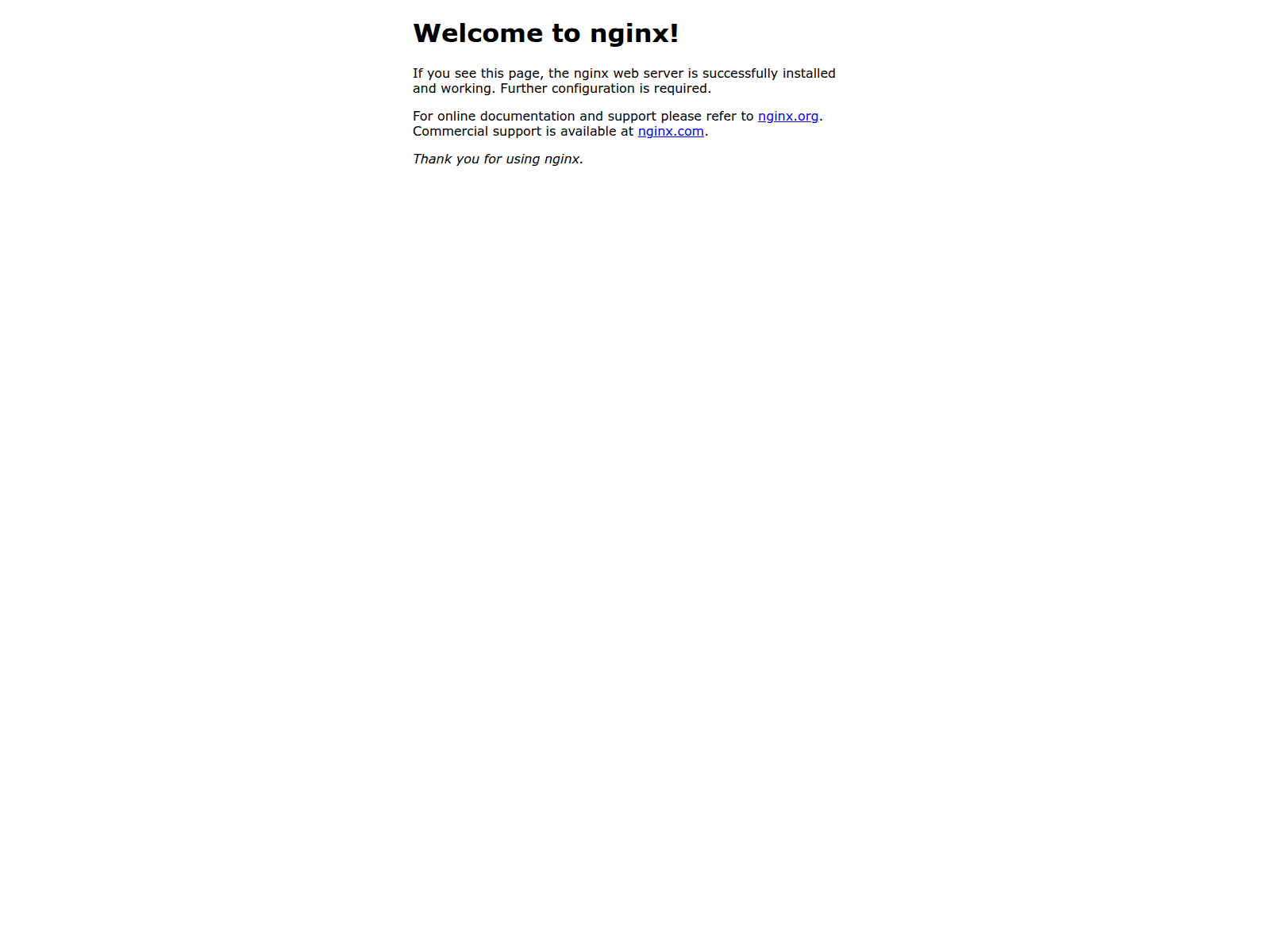

Bảo mật miền và thông tin về mối đe dọa

t-mobile[.]yihlr[.]cc
“Welcome to nginx!”
Phán quyết đe dọa
Quan trọng
95/100 điểm bằng chứng
sẵn có
Nội dung không có sẵn
Nội dung không có sẵn trong quan sát mới nhất
Tín hiệu rủi ro
Tổng số phát hiện Virus: 17/93
Spamhaus DBL: DBL_PHISH
Tóm tắt báo cáo
t-mobile.yihlr.cc — Nội dung không có sẵn (HTTP 502). Tóm tắt bằng chứng: VirusTotal 17/93 (ADMINUSLabs, BitDefender, Cluster25, CRDF, CyRadar); Spamhaus DBL_PHISH; PhishDestroy score 95/100.
Phân tích chi tiết của PhishDestroy AI bên dưới được giữ bằng tiếng Anh để bảo toàn hồ sơ pháp chứng gốc.
Tóm tắt bằng chứng
QUAN TRỌNG
This domain is flagged for elevated-risk brand impersonation targeting X.com, a high-profile social media platform. The threat involves presenting a fraudulent interface designed to deceive users into believing they are interacting with the legitimate X.com service, likely aiming to harvest credentials, distribute malware, or facilitate unauthorized account access. Analysis indicates the domain was specifically crafted to exploit user trust in the X.com brand, with no legitimate association to the platform or its parent organization. Infrastructure analysis reveals the domain t-mobile.yihlr.cc was registered on February 21, 2026, and currently resolves to the IP address 172.67.210.164, hosted on AS13335 (Cloudflare, Inc.) in the United States. The domain is secured with a WE1 SSL certificate, a common tactic to lend an appearance of legitimacy. Security vendor detections on VirusTotal report 12/95 flags, with the domain appearing on at least one security blocklist and actively blocked by PhishDestroy. The page title 'Welcome to nginx!' suggests a default server configuration, often indicative of hastily deployed or low-effort phishing infrastructure. The creation date, while future-dated in the provided data, aligns with patterns observed in domains registered for short-term malicious campaigns. Mitigation steps for this threat type include immediate domain blacklisting across all network security controls, including firewalls, email gateways, and endpoint protection systems. Organizations should deploy indicators of compromise (IOCs) such as the domain t-mobile.yihlr.cc, IP 172.67.210.164, and SSL certificate issuer WE1 into threat intelligence platforms for real-time monitoring. User awareness training should emphasize verifying domain authenticity, particularly for login pages, and reporting suspicious URLs to internal security teams. Given the domain's current offline status, continuous monitoring is required to detect potential reactivation or migration to alternative infrastructure. Security teams are advised to review logs for prior connections to this domain and investigate any associated credential exposure or unauthorized access attempts.
VirusTotal
17 det.
URLScan
Chứng chỉ TLS
Hết hạn hoặc chưa được xác minh
Tuổi
6 mo
Trạng thái ghi nhận
Nội dung không có sẵn 502

Danh sách hủy bỏ
Đã liệt kê
Phạm vi dữ liệu
VirusTotal
17 / 93
URLQuery
chưa được kiểm tra
PhishStats
checked — no match recorded
OTX
no community references
CF Radar
no data
URLScan capture
báo cáo được lưu trữ
URLScan verdict
Phân tích hoàn tất
Chặn DNS
chưa được kiểm tra
TLS
Hết hạn hoặc chưa được xác minh
WHOIS
6 mo old
Ảnh chụp màn hình
2 captures · 2 sources
Chuỗi chuyển hướng
không được thăm dò
Pipeline ứng phó với các mối đe dọa
Khám phá
Checks
Reports
sẵn có
10/11
Trạng thái trong danh sách chặn công khai
Bản chụp đã lưu
Thông tin về tên miền
Tên miền
URLScan Verdict
Phân tích hoàn tất
score 0 report ↗
Máy chủ / ASN
cloudflare · AS13335 CLOUDFLARENET, US
IP Context
Cloudflare shared edge
origin IP hidden
Danh tiếng của Edge-IP không được quy cho tên miền này.
Địa chỉ IP
172.67.210.164
CDN
Vị trí San Francisco, US
San Francisco, USMạngAS13335 · Cloudflare, Inc.
IP gốc được ẩn sau proxy CDN. Kết quả IP đảo ngược cho địa chỉ biên chứa các đối tượng thuê không liên quan; việc tìm kiếm nguồn gốc yêu cầu dữ liệu DNS thụ động hoặc tính minh bạch của chứng chỉ.
Registration (base domain)yihlr.cc · Được tạo 21/02/2026 (177d)
Trạng thái HTTP502 Error
Chi tiết kỹ thuậtDNS, SAN trong SSL, dấu thời gian
Lần đầu tiên được phát hiện26/02/2026
DOM Analysisanalyzed 24/03/2026score 10/100
IoC Extractionscanned 01/08/20260 wallet · 0 Telegram IoCs
Báo cáo tên miền này
Gửi bằng chứng và góp phần bảo vệ người khác
Phân tích của VirusTotal
17 / Nhà cung cấp bảo mật 93 đã gắn cờ miền này
View on VT
Last analyzed
ADMINUSLabs
BitDefender
Cluster25
CRDF
CyRadar
ESET
Forcepoint ThreatSeeker
Fortinet
G-Data
Google Safebrowsing
Gridinsoft
Lionic
Seclookup
SOCRadar
Sophos
VIPRE
Webroot
Bằng chứng và các báo cáo bên ngoài
Phân tích an ninh
OSINT và Tình báo
DNS và Mạng
SEO & Tên miền
Bạn có bị ảnh hưởng bởi trang web này không?
If credentials were compromised, report immediately. Do not engage with recovery scammers.
Nếu bạn đã nhập thông tin xác thực tài khoản, thông tin cá nhân hoặc thông tin thanh toán hoặc đã tải xuống tệp từ miền này, hãy hành động ngay lập tức. Dưới đây là các nguồn lực giúp bạn báo cáo vụ việc và bảo vệ chính mình.


Action Fraud
Báo cáo gian lận và tội phạm mạng ở Anh, xứ Wales và Bắc Ireland
Contact centre0300 123 2040
PhishDestroy listing review Không phải là báo cáo thực thi pháp luật
Kháng cáo về tên miền
Yêu cầu xem xét lại nếu bạn sở hữu tên miền này và cho rằng danh sách này không chính xác
Hãy cảnh giác với những kẻ lừa đảo lợi dụng việc phục hồi dữ liệu! Tội phạm có thể liên hệ lại với nạn nhân trong khi giả làm điều tra viên, luật sư hoặc nhân viên phục hồi. Không trả phí trả trước hoặc chia sẻ thông tin đăng nhập. Tìm hiểu thêm về gian lận trong quá trình phục hồi →
Hãy báo cáo với chính quyền địa phương
Chọn quốc gia của bạn để nhận liên hệ tội phạm mạng chính thức hoặc soạn thảo đơn khiếu nại →.
Danh mục 97 quốc gia
Bản nháp có sự hỗ trợ của AI - chi tiết sự cố được nhà cung cấp AI xử lý
Hãy tự mình xem xét và gửi nó
Hạ tầng và báo cáo liên quan
Content matches 4
Các báo cáo khác về cạnh Cloudflare được chia sẻ 1
Các báo cáo này giải quyết cùng một IP biên được chia sẻ. Chúng giúp khám phá báo cáo nhưng không ngụ ý quyền sở hữu chung hoặc máy chủ gốc được chia sẻ.
Báo cáo mối đe dọa gần đây 4
Các báo cáo được thêm gần đây từ cơ sở dữ liệu PhishDestroy. Các liên kết khám phá này không ngụ ý cơ sở hạ tầng hoặc quyền sở hữu chung.
Kiểm tra bất kỳ tên miền nào
Phân tích mối đe dọa bằng cách sử dụng danh sách chặn được lưu trữ, WHOIS, DNS và bằng chứng quét công khai
Quét ngayBáo cáo lừa đảo qua email
Hãy gửi các tên miền đáng ngờ đến cơ sở dữ liệu mối đe dọa của chúng tôi — để bảo vệ cộng đồng
Báo cáoDòng tin tức về các mối đe dọa thời gian thực
Các báo cáo lừa đảo gần đây và những thay đổi về tính khả dụng được quan sát thấy
Theo dõiLuôn cập nhật thông tin, luôn an toàn
Theo dõi các mối đe dọa đang diễn ra hoặc phản đối danh sách này nếu bạn cho rằng đây là kết quả báo động sai