ChainPatrol
 Web-Check
  SOCRadar
  LeakIX
FBI IC3
Denuncie crimes possibilitados pela Internet nos Estados Unidos
Federal tips line1-800-CALL-FBI

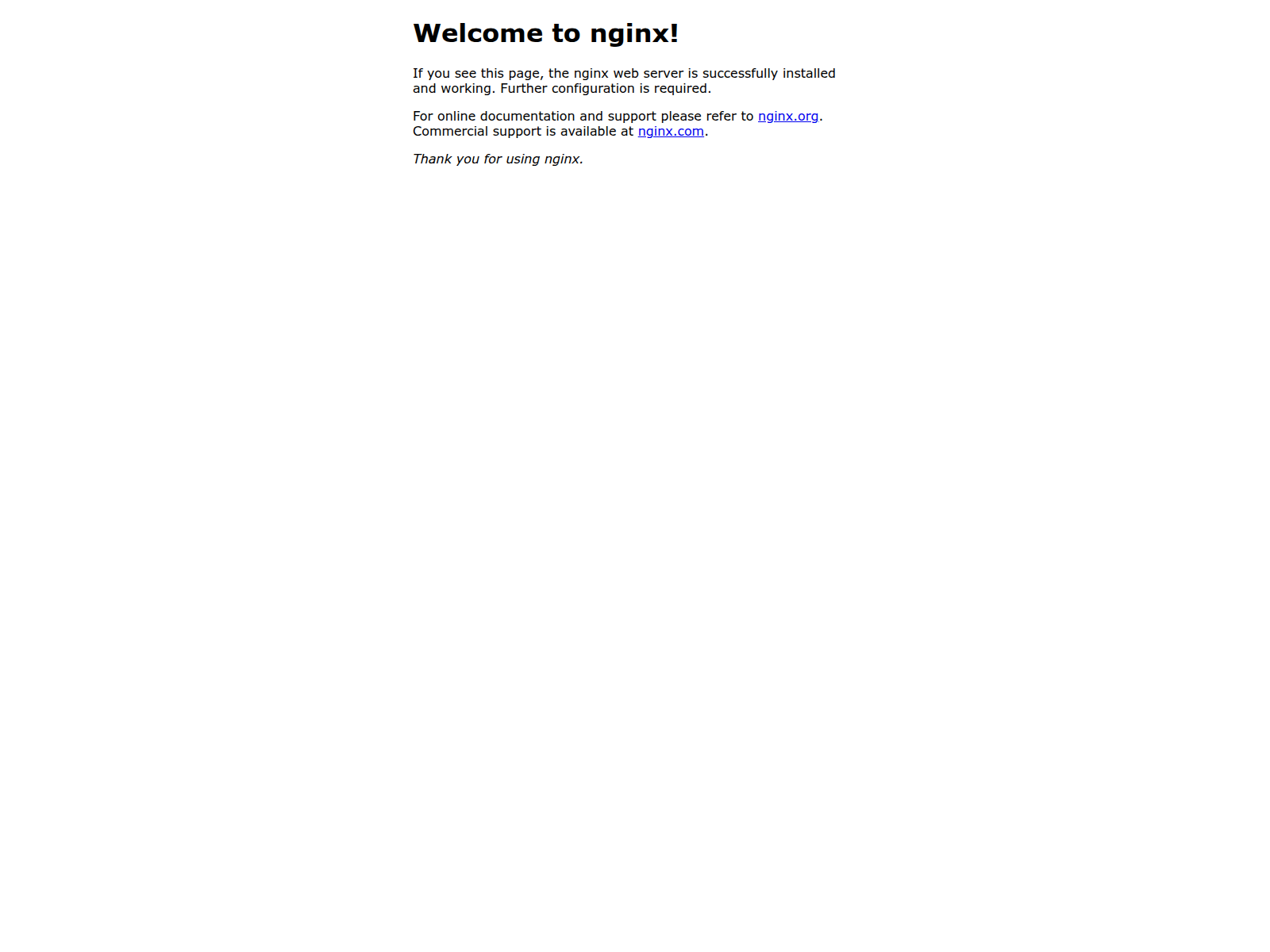
“Welcome to nginx!”
urpcni.top — Acessível · acesso restrito (HTTP 403). Resumo das evidências: VirusTotal 3/95 (Fortinet, Gridinsoft, SOCRadar); PhishDestroy score 85/100. Registrador: NiceNIC.
A análise detalhada do PhishDestroy AI permanece em inglês para preservar o registro forense original.
Analysis of urpcni.top, observed on July 24, 2026, indicates that the domain is being used for a brand impersonation campaign targeting the x.com brand. The domain was registered on November 26, 2025 through NiceNIC International Group Co., Limited and resolves to the IPv4 address 45.61.136.23, which is assigned to AS399629 (BL Networks) in the United States. The authoritative name servers for the zone are ns1.blnwx.com, ns2.blnwx.com, ns3.blnwx.com, and ns4.blnwx.com, suggesting the hosting infrastructure is provided by the same network operator. An HTTP request to the domain returns a 200 status code and a default page titled “Welcome to nginx!”, confirming that a web server is reachable but no malicious landing page content has been captured.
The TLS certificate presented by the server is issued to “PhishDestroy / botadmin.destroy.tools”, a known phishing‑related entity, and the certificate chain validates without error, indicating intentional use of a phishing‑associated certificate. VirusTotal scans show that three of ninety‑five security vendors have flagged the domain as malicious, and Gridinsoft assigns a trust score of zero out of one hundred, reflecting a high confidence of abuse. The domain appears on a single external blocklist and is actively blocked by the PhishDestroy service. The overall risk rating has been set to elevated, and the current operational status is offline, meaning the site is no longer reachable at the time of analysis.
While the visible content is limited to a generic nginx welcome page, the combination of registrar information, hosting details, low trust score, vendor detections, and the phishing‑related certificate strongly supports the conclusion that urpcni.top was deployed to impersonate x.com. Defenders should ensure that any outbound connections to the IP address 45.61.136.23 are blocked, add the domain and its associated IP to local deny lists, and monitor for any future re‑registration attempts.

 (RU)
PhishDestroy Investigation
(RU)
PhishDestroy Investigation

For this gTLD, the registrar above operates under an ICANN accreditation agreement. The links below provide the official fee schedule and current DNS abuse compliance guidance.
RAA §3.18 establishes abuse-contact and handling requirements. This report can document stored outbound notices and later technical observations; it does not by itself establish receipt, investigation, remediation, or contractual non-compliance.
Se você inseriu credenciais de conta, informações pessoais ou de pagamento, ou baixou um arquivo deste domínio, tome medidas imediatas. Abaixo estão os recursos para ajudá-lo a relatar o incidente e se proteger.


Selecione seu país para obter contactos oficiais do cibercrime ou crie um rascunho de reclamação →.
Um outro domínio de phishing compartilha este IP de origem – possível infraestrutura co-localizada.
Relatórios adicionados recentemente do banco de dados PhishDestroy. Esses links de descoberta não implicam infraestrutura ou propriedade compartilhada.
Análise de ameaças usando lista de bloqueio armazenada, WHOIS, DNS e evidências de verificação pública
Digitalize agoraEnvie domínios suspeitos para nosso banco de dados de ameaças — proteja a comunidade
DenunciarRelatórios recentes de phishing e alterações de disponibilidade observadas
MonitorarMonitore ameaças em tempo real ou conteste esta listagem caso acredite que se trate de um falso positivo
 familletimeless.top
  megastresser.com
  pump-live.solstream.cc
  zoom-meetings.live
  epiclocker.top
  cnear.com