 ChainPatrol
 Web-Check
  SOCRadar
  LeakIX
FBI IC3
Denuncie crimes possibilitados pela Internet nos Estados Unidos
Federal tips line1-800-CALL-FBI

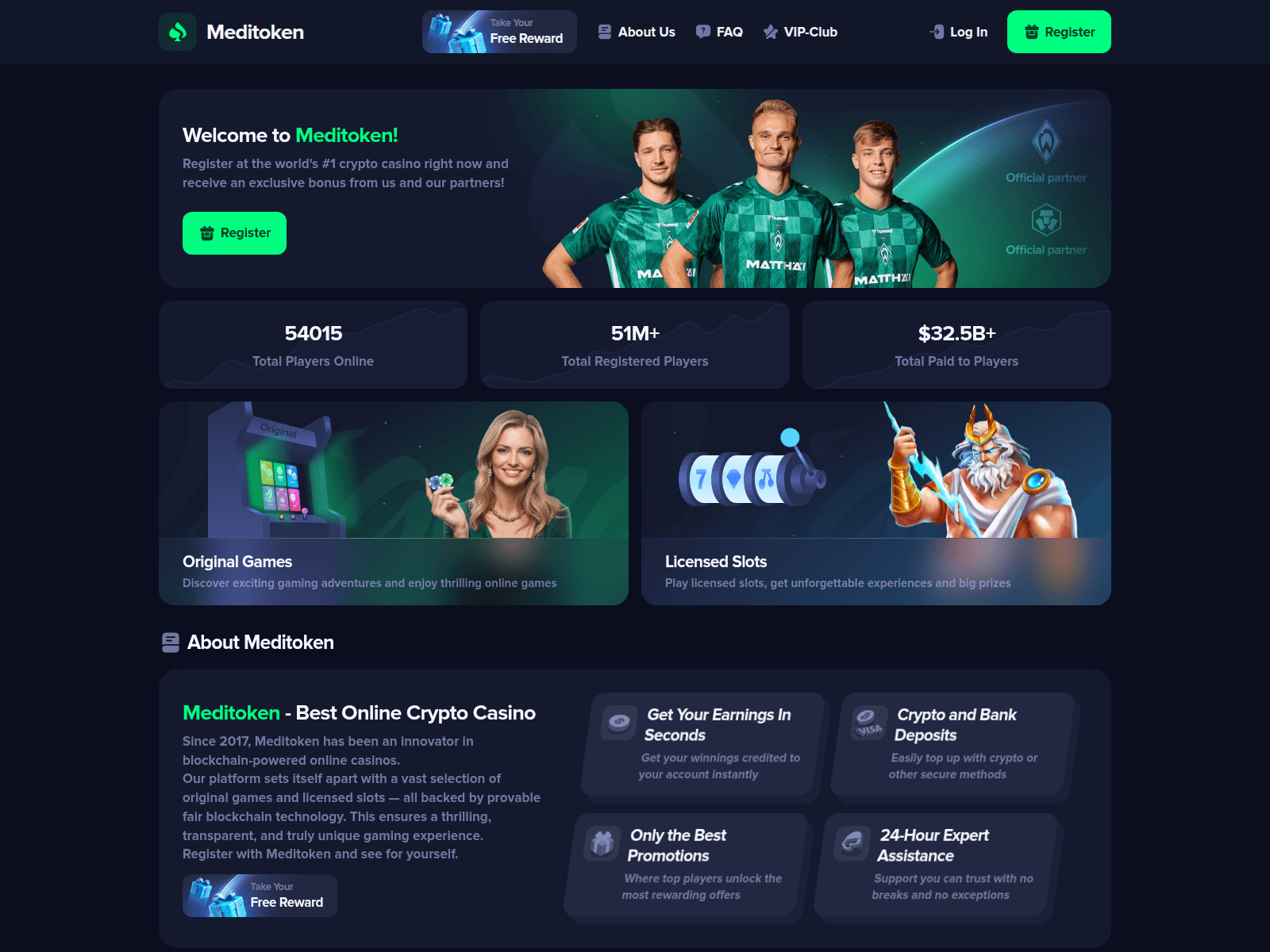
“Meditoken: Most Popular Online Crypto Casino Based on Blockchain”
meditoken.world — Conteúdo indisponível (HTTP 502). Representação da marca: Genericcrypto; Tipo de golpe: Crypto Scam. Resumo das evidências: VirusTotal 15/93 (ADMINUSLabs, alphaMountain.ai, BitDefender, CRDF, CyRadar); URLQuery 100 det.; URLScan malicious verdict; PhishDestroy score 100/100. Registrador: Web Commerce Communica….
A análise detalhada do PhishDestroy AI permanece em inglês para preservar o registro forense original.
The domain meditoken.world was registered on 25 November 2025 through Web Commerce Communications Limited and is hosted behind Cloudflare (ASN 13335) with the IP address 172.67.186.204 located in the United States. The authoritative nameservers casey.ns.cloudflare.com and hadlee.ns.cloudflare.com resolve to Cloudflare's network, indicating the operator is using a CDN for traffic masking. No TLS certificate is presented, and the site was observed without HTTPS, which is unusual for a service claiming to be a blockchain‑based casino. The page title retrieved during the brief scan reads “Meditoken: Most Popular Online Crypto Casino Based on Blockchain,” matching the declared scam type of a crypto‑focused gambling operation.
Automated analysis identifies the site as employing the publicly available “Gambler Scam” phishing kit, a known template used to harvest cryptocurrency credentials. Detection services have flagged the domain; fifteen of ninety‑three VirusTotal scanners reported malicious behavior, and the domain appears on a single external blocklist. The Gridinsoft trust score of 1 out of 100 further corroborates the low reputation. PhishDestroy has already added the domain to its block list, confirming that at least one anti‑phishing feed is actively blocking it.
The current operational status is offline, which may be a temporary takedown or a deliberate shutdown after the campaign’s lifecycle. While the available data strongly indicates that meditoken.world is being used for a crypto‑scam campaign, the absence of live HTTP responses limits verification of the exact content served at the time of infection. Defenders should continue to monitor the IP address 172.67.186.204 for any resurgence of activity, enforce outbound filtering for the domain, and add the domain to internal blocklists.

 Gridinsoft Analysis
1 / 100
Gridinsoft Analysis
1 / 100
 (MY)
(MY)
 San Francisco, US
For this gTLD, the registrar above operates under an ICANN accreditation agreement. The links below provide the official fee schedule and current DNS abuse compliance guidance.
RAA §3.18 establishes abuse-contact and handling requirements. This report can document stored outbound notices and later technical observations; it does not by itself establish receipt, investigation, remediation, or contractual non-compliance.
Se você inseriu credenciais de conta, informações pessoais ou de pagamento, ou baixou um arquivo deste domínio, tome medidas imediatas. Abaixo estão os recursos para ajudá-lo a relatar o incidente e se proteger.


Selecione seu país para obter contactos oficiais do cibercrime ou crie um rascunho de reclamação →.
Esses relatórios são resolvidos para o mesmo IP de borda compartilhado. Eles ajudam na descoberta de relatórios, mas não implicam propriedade comum ou um servidor de origem compartilhado.
These domains also target Genericcrypto users. View all Genericcrypto threats →
Part of the Golpe contra jogadores phishing campaign. View all campaign domains →
Relatórios adicionados recentemente do banco de dados PhishDestroy. Esses links de descoberta não implicam infraestrutura ou propriedade compartilhada.
Análise de ameaças usando lista de bloqueio armazenada, WHOIS, DNS e evidências de verificação pública
Digitalize agoraEnvie domínios suspeitos para nosso banco de dados de ameaças — proteja a comunidade
DenunciarRelatórios recentes de phishing e alterações de disponibilidade observadas
MonitorarMonitore ameaças em tempo real ou conteste esta listagem caso acredite que se trate de um falso positivo

 coingecko.com.cn
  vole22.cn
  chcn-2026-fifa.com.cn
  kradza.abvdk.cn
  xamanwindowswallet.com
  treyspin.com
  ditchenko.ru