 ChainPatrol
 Web-Check
  SOCRadar
  LeakIX
FBI IC3
Denuncie crimes possibilitados pela Internet nos Estados Unidos
Federal tips line1-800-CALL-FBI

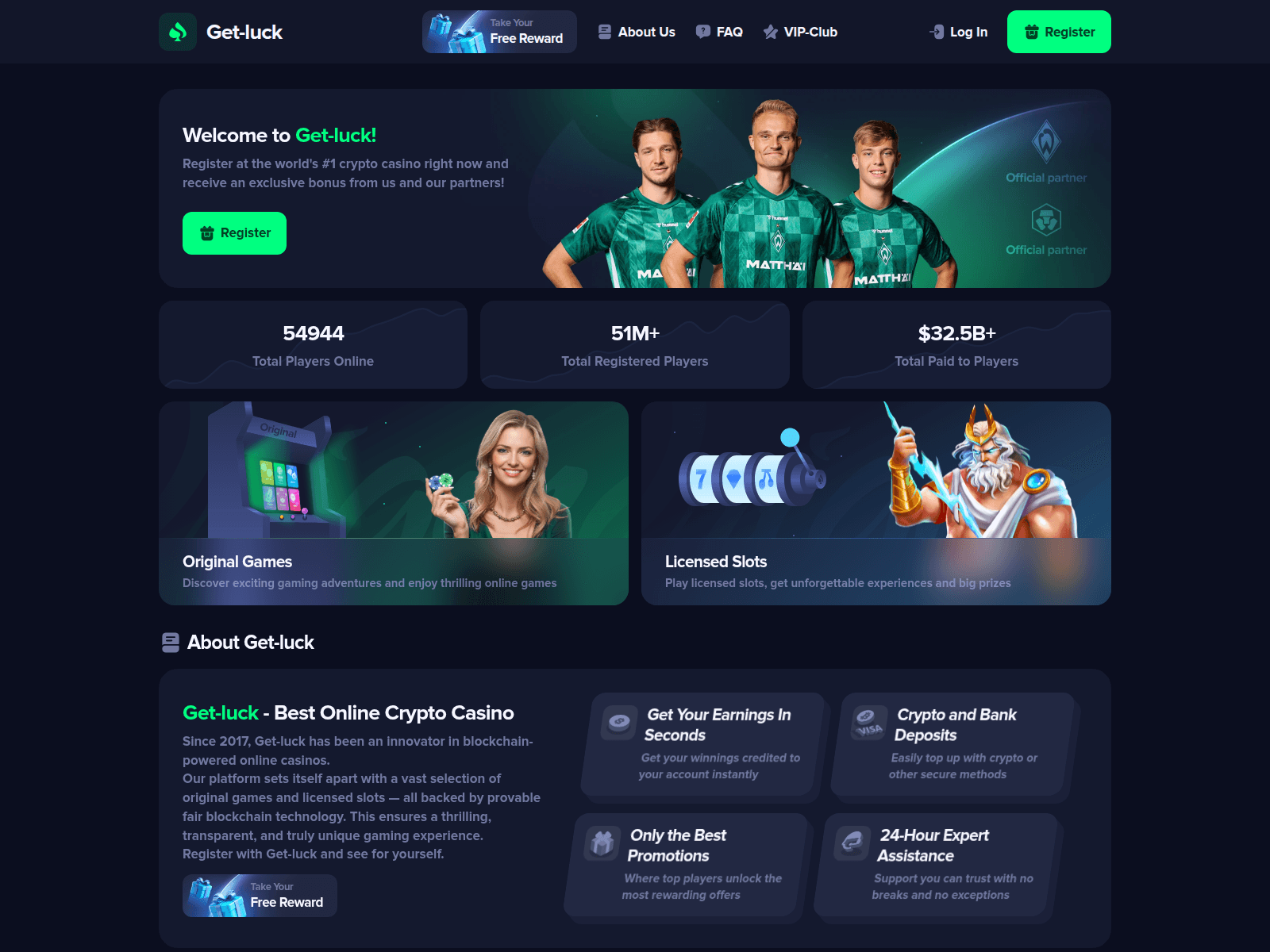
“Get-luck: Most Popular Online Crypto Casino Based on Blockchain”
get-luck.bet — Conteúdo indisponível. Representação da marca: Genericcrypto; Tipo de golpe: Crypto Scam. Resumo das evidências: VirusTotal 15/95 (alphaMountain.ai, BitDefender, CRDF, CyRadar, ESET); URLQuery 100 det.; URLScan malicious verdict; PhishDestroy score 95/100. Registrador: PDR.
A análise detalhada do PhishDestroy AI permanece em inglês para preservar o registro forense original.
The domain get-luck.bet was registered on November 17, 2025 through PDR Ltd. d/b/a PublicDomainRegistry.com and is presently taken offline. Infrastructure analysis shows the domain resolves to IP address 172.67.165.90, which belongs to Cloudflare, Inc. (AS13335) and is geolocated to the United States. The authoritative name servers are paloma.ns.cloudflare.com and randall.ns.cloudflare.com, confirming the use of Cloudflare’s DNS service. No SSL certificate was observed, indicating the site was served over plain HTTP when active.
Reputation signals are uniformly negative: Gridinsoft assigns a trust score of 0 out of 100, the domain appears on a single security blocklist, and PhishDestroy has listed it as blocked. VirusTotal scans report 15 detections out of 95 vendors, reinforcing the malicious classification. AlienVault OTX references the domain in one threat‑intel pulse, further corroborating its association with malicious activity. The page title captured during collection reads “Get-luck: Most Popular Online Crypto Casino Based on Blockchain,” and the associated scam type is identified as a Crypto Scam employing the Gambler Scam phishing kit.
These artifacts suggest the site was designed to lure victims into a fraudulent cryptocurrency casino environment, likely to harvest credentials or funds. Uncertainty remains regarding the current operational status of any backend infrastructure, as the domain is offline and no live HTTP response can be measured. Defensive teams should block DNS resolution to 172.67.165.90 for the domain, add the FQDN to URL filtering and email security policies, and monitor for any resurgence of the Gambler Scam kit in related traffic. Continuous threat‑intel feeds should be consulted for updates, and any observed attempts to impersonate legitimate crypto‑gaming services should be escalated for further analysis.

 (IN)
(IN)
 San Francisco, US
For this gTLD, the registrar above operates under an ICANN accreditation agreement. The links below provide the official fee schedule and current DNS abuse compliance guidance.
RAA §3.18 establishes abuse-contact and handling requirements. This report can document stored outbound notices and later technical observations; it does not by itself establish receipt, investigation, remediation, or contractual non-compliance.
Se você inseriu credenciais de conta, informações pessoais ou de pagamento, ou baixou um arquivo deste domínio, tome medidas imediatas. Abaixo estão os recursos para ajudá-lo a relatar o incidente e se proteger.

Selecione seu país para obter contactos oficiais do cibercrime ou crie um rascunho de reclamação →.
Esses relatórios são resolvidos para o mesmo IP de borda compartilhado. Eles ajudam na descoberta de relatórios, mas não implicam propriedade comum ou um servidor de origem compartilhado.
These domains also target Genericcrypto users. View all Genericcrypto threats →
Part of the Golpe contra jogadores phishing campaign. View all campaign domains →
Relatórios adicionados recentemente do banco de dados PhishDestroy. Esses links de descoberta não implicam infraestrutura ou propriedade compartilhada.
Análise de ameaças usando lista de bloqueio armazenada, WHOIS, DNS e evidências de verificação pública
Digitalize agoraEnvie domínios suspeitos para nosso banco de dados de ameaças — proteja a comunidade
DenunciarRelatórios recentes de phishing e alterações de disponibilidade observadas
MonitorarMonitore ameaças em tempo real ou conteste esta listagem caso acredite que se trate de um falso positivo
 tornorality.com
  guiatotalbrasil.com
  xamanwindowswallet.com
  treyspin.com