ChainPatrol
 Web-Check
  SOCRadar
  LeakIX
FBI IC3
Denuncie crimes possibilitados pela Internet nos Estados Unidos
Federal tips line1-800-CALL-FBI

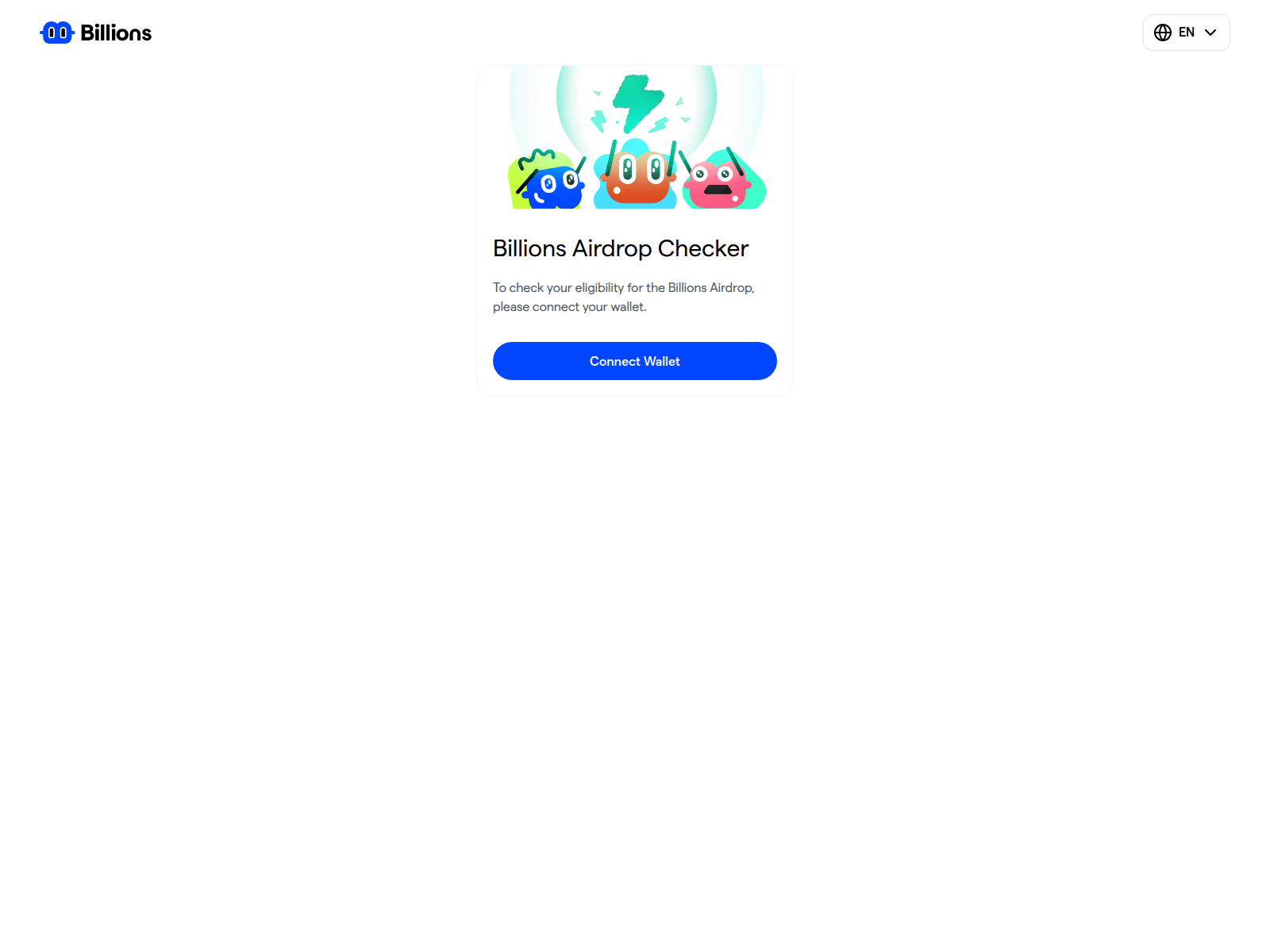
“Billions Checker”
checker-billions.network — Conteúdo indisponível. Tipo de golpe: Crypto Drainer. Resumo das evidências: VirusTotal 1/93 (SOCRadar); URLQuery 1 alert; 3 external blocklist matches (MetaMask, ScamSniffer, SEAL); PhishDestroy score 74/100. Registrador: PDR.
A análise detalhada do PhishDestroy AI permanece em inglês para preservar o registro forense original.
Analysis of checker-billions.network, created on 25 February 2026 and currently taken offline, indicates a confirmed phishing operation. The site resolved to 188.114.97.3, an IP owned by Cloudflare (AS13335) located in the United States, and used Cloudflare's DNS infrastructure (melody.ns.cloudflare.com, plato.ns.cloudflare.com). No SSL certificate was presented, meaning the site did not support HTTPS. The page title returned by the server was "Billions Checker," suggesting a possible financial‑verification lure, though the exact content of the page has not been captured.
The domain appears on four independent security blocklists and is actively blocked by PhishDestroy, MetaMask, ScamSniffer, and SEAL, reinforcing the malicious classification. VirusTotal recorded a single positive detection out of 93 scanning engines, providing a minimal but corroborating signal. Registration was performed through PDR Ltd. d/b/a PublicDomainRegistry.com, a registrar commonly observed in malicious registrations. While the limited detection count and the absence of SSL could be interpreted as low technical sophistication, the convergence of blocklist listings, the dedicated blocking by multiple anti‑phishing services, and the presence of a financially‑oriented page title collectively substantiate the phishing verdict.
Uncertainty remains regarding the exact payload, target audience, and any credential‑harvesting mechanisms, as no page capture is available. Defenders should continue to block the domain at network perimeters, monitor the associated IP for any re‑hosting activity, and add the domain to internal threat intelligence feeds. Periodic re‑query of VirusTotal and blocklist sources is recommended to capture any future changes in detection status.

| Detection System | Indicator | Verdict | Alert |
|---|---|---|---|
| DNS4EU | checker-billions.network |
malicious | Sinkholed |
 (IN)
(IN)
 San Francisco, US
For this gTLD, the registrar above operates under an ICANN accreditation agreement. The links below provide the official fee schedule and current DNS abuse compliance guidance.
RAA §3.18 establishes abuse-contact and handling requirements. This report can document stored outbound notices and later technical observations; it does not by itself establish receipt, investigation, remediation, or contractual non-compliance.
PD-20260225-342347 Recipient: abuse@publicdomainregistry.com Se você inseriu credenciais de conta, informações pessoais ou de pagamento, ou baixou um arquivo deste domínio, tome medidas imediatas. Abaixo estão os recursos para ajudá-lo a relatar o incidente e se proteger.


Selecione seu país para obter contactos oficiais do cibercrime ou crie um rascunho de reclamação →.
Esses relatórios são resolvidos para o mesmo IP de borda compartilhado. Eles ajudam na descoberta de relatórios, mas não implicam propriedade comum ou um servidor de origem compartilhado.
Relatórios adicionados recentemente do banco de dados PhishDestroy. Esses links de descoberta não implicam infraestrutura ou propriedade compartilhada.
Análise de ameaças usando lista de bloqueio armazenada, WHOIS, DNS e evidências de verificação pública
Digitalize agoraEnvie domínios suspeitos para nosso banco de dados de ameaças — proteja a comunidade
DenunciarRelatórios recentes de phishing e alterações de disponibilidade observadas
MonitorarMonitore ameaças em tempo real ou conteste esta listagem caso acredite que se trate de um falso positivo
 spinaza.top
  metamorph.guru
  rapidsol.fun
  trezor.gitbook.io
  lettersboxdanswers.com