 ChainPatrol
 Web-Check
  SOCRadar
  LeakIX
FBI IC3
Denuncie crimes possibilitados pela Internet nos Estados Unidos
Federal tips line1-800-CALL-FBI

“slon1.cc”
at-slon1--cc.net — Não verificado. Tipo de golpe: Credential Phishing. Resumo das evidências: VirusTotal 5/91 (alphaMountain.ai, CRDF, Fortinet, Gridinsoft, SOCRadar); URLQuery 1 alert; Spamhaus DBL_PHISH; PhishDestroy score 83/100. Registrador: NiceNIC.
A análise detalhada do PhishDestroy AI permanece em inglês para preservar o registro forense original.
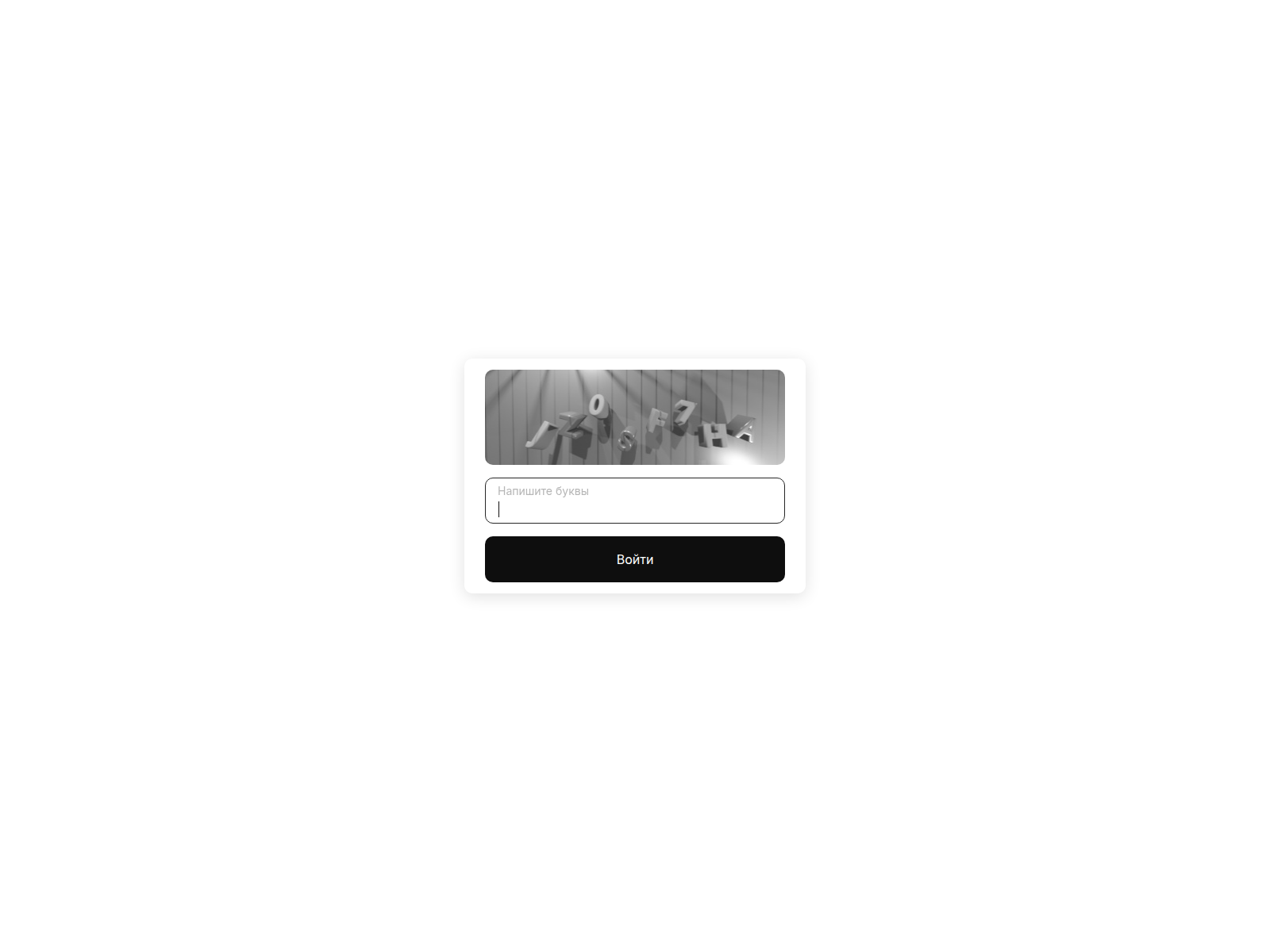
This domain, at-slon1--cc.net, operates as a credential theft portal designed to deceive users into submitting login credentials through fraudulent web forms. Victims are typically redirected from compromised links or malicious advertisements, where they encounter realistic but fake login pages mimicking legitimate services. The goal is to harvest usernames, passwords, and other sensitive data for unauthorized account access or identity theft. Analysis indicates this domain was registered on March 27, 2026, through NICENIC INTERNATIONAL GROUP CO., LIMITED, a registrar frequently associated with high-risk domains. It resolves to the IP address 172.67.162.8 and is flagged by 4 out of 95 security vendors on VirusTotal. The domain appears on one security blocklist and is referenced in a single AlienVault OTX threat intelligence pulse, suggesting limited but confirmed malicious activity. The Gridinsoft trust score of 0/100 further corroborates its classification as a high-risk entity. If you visited at-slon1--cc.net or entered credentials on a site resembling it, immediate action is required. First, change passwords for any accounts accessed from the suspicious site, prioritizing email, financial, and administrative accounts. Enable multi-factor authentication where available to mitigate unauthorized access. Monitor accounts for unusual activity, such as unrecognized logins or transactions, and report any anomalies to the respective service providers. Additionally, scan the device used to visit the domain for malware, as credential theft sites often deploy secondary payloads. Users should also review browser extensions and installed applications for unfamiliar or unauthorized software.

| Detection System | Indicator | Verdict | Alert |
|---|---|---|---|
| Quad9 DNS | at-slon1--cc.net |
malicious | Sinkholed |
 (RU)
PhishDestroy Investigation
(RU)
PhishDestroy Investigation
 Toronto, CA
For this gTLD, the registrar above operates under an ICANN accreditation agreement. The links below provide the official fee schedule and current DNS abuse compliance guidance.
RAA §3.18 establishes abuse-contact and handling requirements. This report can document stored outbound notices and later technical observations; it does not by itself establish receipt, investigation, remediation, or contractual non-compliance.
PD-20260327-7FF27B Recipient: abuse@nicenic.net, abuse@verisign-grs.com, compliance@icann.org Se você inseriu credenciais de conta, informações pessoais ou de pagamento, ou baixou um arquivo deste domínio, tome medidas imediatas. Abaixo estão os recursos para ajudá-lo a relatar o incidente e se proteger.


Selecione seu país para obter contactos oficiais do cibercrime ou crie um rascunho de reclamação →.
Relatórios adicionados recentemente do banco de dados PhishDestroy. Esses links de descoberta não implicam infraestrutura ou propriedade compartilhada.
Análise de ameaças usando lista de bloqueio armazenada, WHOIS, DNS e evidências de verificação pública
Digitalize agoraEnvie domínios suspeitos para nosso banco de dados de ameaças — proteja a comunidade
DenunciarRelatórios recentes de phishing e alterações de disponibilidade observadas
MonitorarMonitore ameaças em tempo real ou conteste esta listagem caso acredite que se trate de um falso positivo
 dublikat.shop
  plus-disney-clone.netlify.app
  priorityasset.net
  user.priorityasset.net
  bondagevalley.cc
  trezorop.com