ChainPatrol
 Web-Check
  SOCRadar
  LeakIX
FBI IC3
Denuncie crimes possibilitados pela Internet nos Estados Unidos
Federal tips line1-800-CALL-FBI

“Coinbase”
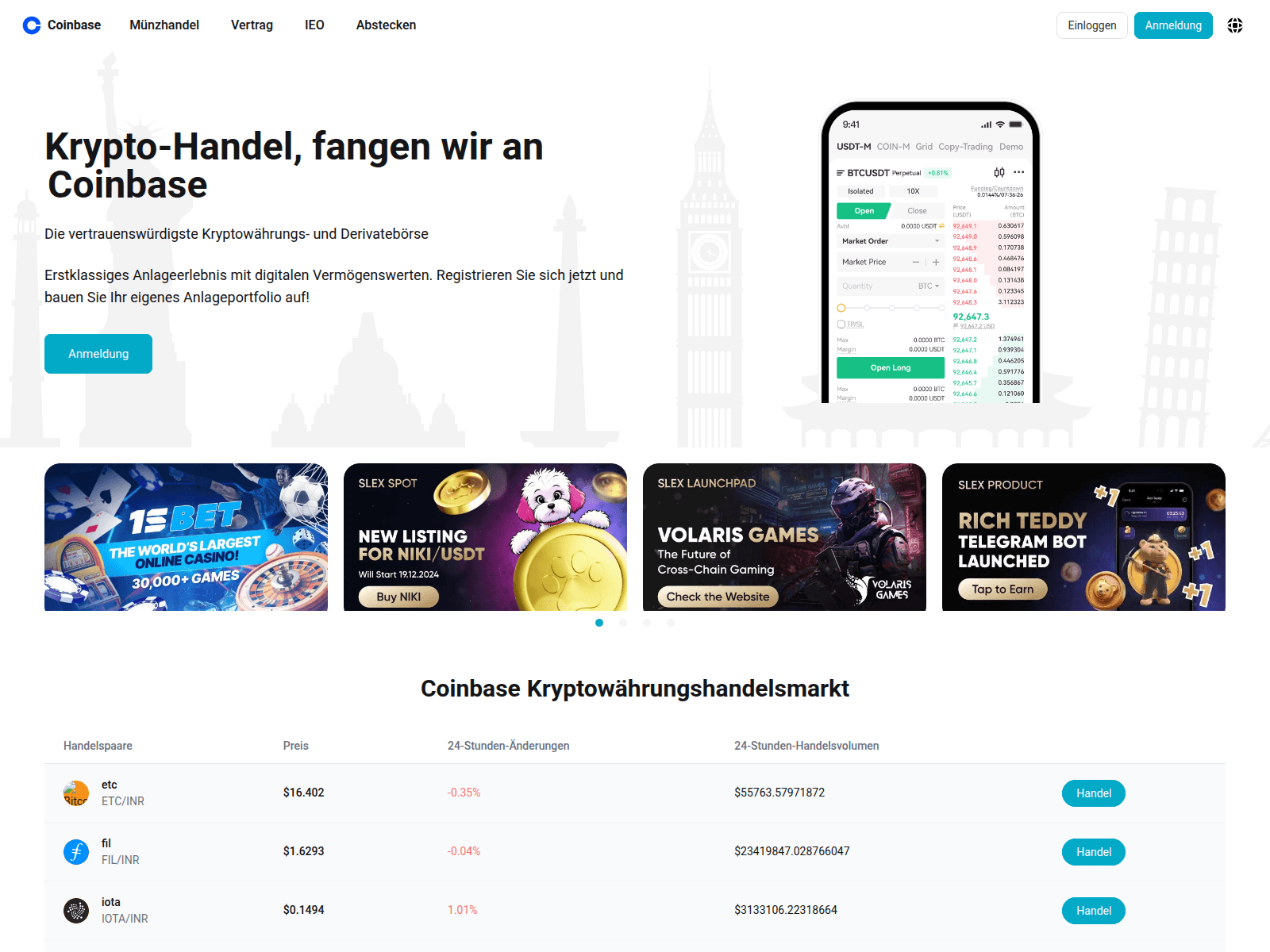
alfjeqlqf.top — Conteúdo indisponível. Representação da marca: Coinbase; Tipo de golpe: Crypto Scam. Resumo das evidências: VirusTotal 18/95 (ADMINUSLabs, Criminal IP, alphaMountain.ai, BitDefender, CyRadar); Google Safe Browsing flagged; PhishDestroy score 100/100. Registrador: Dominet (HK).
A análise detalhada do PhishDestroy AI permanece em inglês para preservar o registro forense original.
This domain, alfjeqlqf.top, represents a targeted brand impersonation threat designed to deceive users into disclosing cryptocurrency exchange credentials. Analysis confirms the domain mimics Coinbase login interfaces, presenting a high-risk phishing vector for individuals attempting to access their digital asset accounts. The page title explicitly displays 'Coinbase,' reinforcing the false legitimacy of the fraudulent infrastructure to manipulate victims into entering sensitive authentication details. Infrastructure analysis reveals multiple technical indicators supporting the malicious classification of alfjeqlqf.top. The domain was registered on October 28, 2025, through Dominet (HK) Limited, a registrar frequently associated with abusive registrations. It resolves to the IP address 188.114.96.3, hosted on AS13335 (Cloudflare, Inc.), a network commonly leveraged to obscure phishing origin points. Security validation shows 18 out of 95 antivirus engines on VirusTotal flag the domain as malicious, while Google Safe Browsing categorizes it as a phishing site. Additionally, the domain appears on one security blocklist and lacks an SSL certificate, further reducing its perceived authenticity. Users who accessed alfjeqlqf.top should assume credential compromise and take immediate remediation steps. First, revoke any active sessions on the legitimate Coinbase platform and reset account passwords using a secure, non-compromised device. Enable multi-factor authentication if not already active, utilizing hardware-based or app-generated tokens rather than SMS. Monitor linked financial accounts and cryptocurrency wallets for unauthorized transactions, and report any suspicious activity to the exchange’s fraud team. If payment details were entered, contact financial institutions to block potential fraudulent charges. Finally, scan local devices for malware using updated security tools to detect secondary infections.

 Scamadviser Warnings
1/100
Scamadviser Warnings
1/100
 (HK)
(HK)
 San Francisco, US
For this gTLD, the registrar above operates under an ICANN accreditation agreement. The links below provide the official fee schedule and current DNS abuse compliance guidance.
RAA §3.18 establishes abuse-contact and handling requirements. This report can document stored outbound notices and later technical observations; it does not by itself establish receipt, investigation, remediation, or contractual non-compliance.
Se você inseriu credenciais de conta, informações pessoais ou de pagamento, ou baixou um arquivo deste domínio, tome medidas imediatas. Abaixo estão os recursos para ajudá-lo a relatar o incidente e se proteger.


Selecione seu país para obter contactos oficiais do cibercrime ou crie um rascunho de reclamação →.
Esses relatórios são resolvidos para o mesmo IP de borda compartilhado. Eles ajudam na descoberta de relatórios, mas não implicam propriedade comum ou um servidor de origem compartilhado.
These domains also target Coinbase users. View all Coinbase threats →
Relatórios adicionados recentemente do banco de dados PhishDestroy. Esses links de descoberta não implicam infraestrutura ou propriedade compartilhada.
Análise de ameaças usando lista de bloqueio armazenada, WHOIS, DNS e evidências de verificação pública
Digitalize agoraEnvie domínios suspeitos para nosso banco de dados de ameaças — proteja a comunidade
DenunciarRelatórios recentes de phishing e alterações de disponibilidade observadas
MonitorarMonitore ameaças em tempo real ou conteste esta listagem caso acredite que se trate de um falso positivo
 649715-coinbase.com
  securitycheck-coinbase.com
  finglobalheritage.online
  metamask-k.blogspot.com.ng
  changenow-io.to