 ChainPatrol
 Web-Check
  SOCRadar
  LeakIX
FBI IC3
Denuncie crimes possibilitados pela Internet nos Estados Unidos
Federal tips line1-800-CALL-FBI

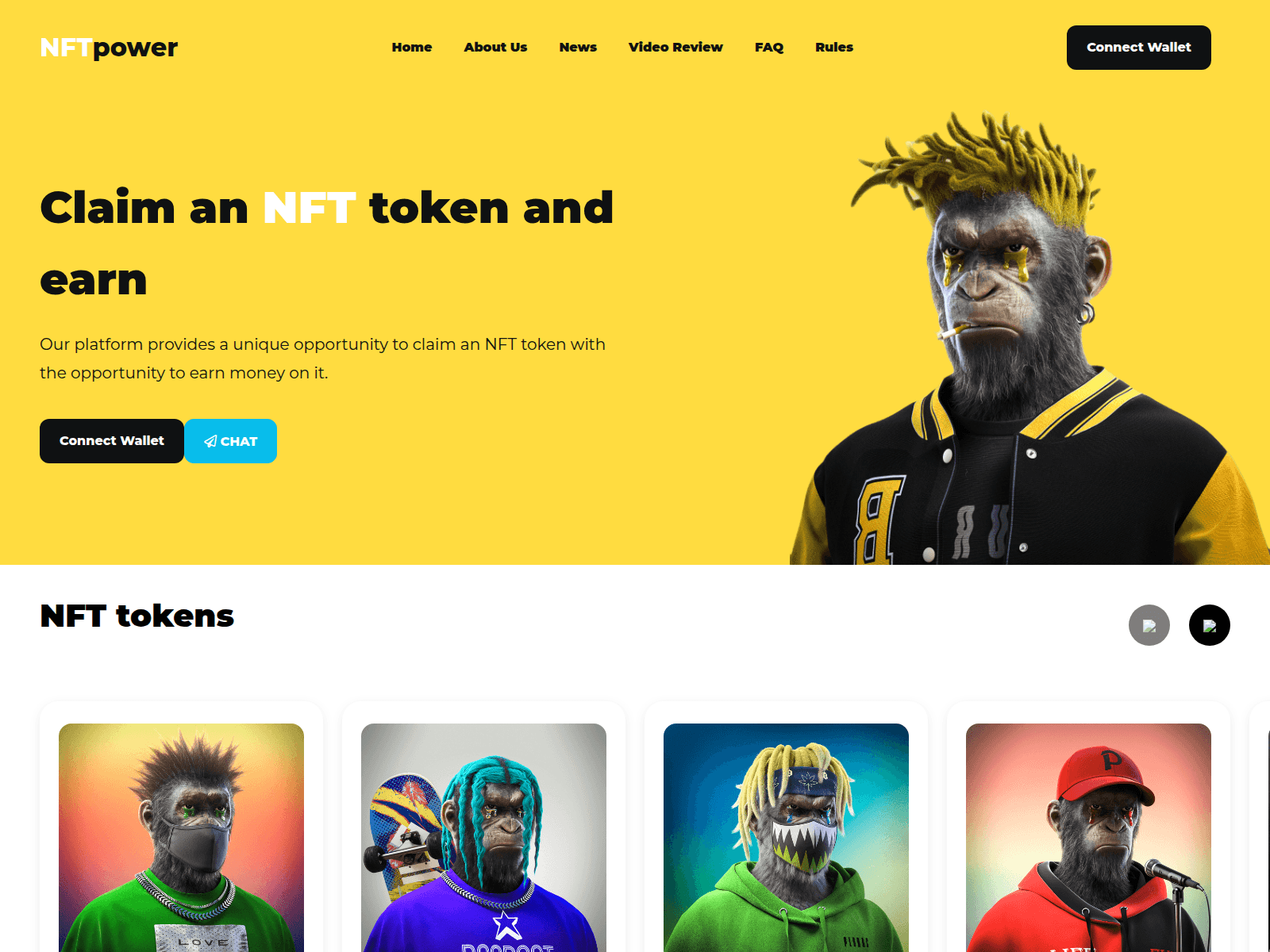
“CLAIM NFT AIRDROP”
adilisclown.fun — Conteúdo indisponível. Tipo de golpe: Crypto Scam. Resumo das evidências: VirusTotal 13/93 (ADMINUSLabs, alphaMountain.ai, BitDefender, CRDF, CyRadar); 1 external blocklist match (ScamSniffer); PhishDestroy score 89/100. Registrador: Hostinger.
A análise detalhada do PhishDestroy AI permanece em inglês para preservar o registro forense original.
Analysis of the domain adilisclown.fun confirms its classification as an NFT airdrop scam, targeting cryptocurrency users with fraudulent claims of free token distributions. The domain was registered on February 21, 2026, through HOSTINGER operations, UAB, and resolved to the IP address 147.93.73.231, hosted under AS47583 (Hostinger International Limited) in Lithuania. No SSL certificate was detected, increasing the risk of unencrypted data interception. The page title, 'CLAIM NFT AIRDROP,' aligns with known phishing kits designed to deceive users into connecting wallets or submitting sensitive information under false pretenses.
Infrastructure analysis reveals the domain uses nameservers ns1.dns-parking.com and ns2.dns-parking.com, a configuration often associated with low-cost or disposable hosting setups. Detection by security vendors is moderate, with 13 of 93 engines on VirusTotal flagging the domain as malicious. It appears on two security blocklists (PhishDestroy and ScamSniffer) and was included in one AlienVault OTX threat intelligence pulse, indicating prior identification by the security community. The domain is currently offline, though defenders should treat it as a confirmed threat vector until further remediation is verified.
The scam type is explicitly categorized as a crypto scam, with no evidence suggesting targeting of a specific brand beyond the generic NFT airdrop theme. While the exact content of the phishing page remains unanalyzed, the combination of a suggestive page title, absence of SSL, and detection by multiple security tools supports its classification as a deliberate fraud attempt. Defenders are advised to block the domain and its associated IP at the network level, monitor for related infrastructure (e.g., subdomains or newly registered lookalike domains), and alert users to the risks of interacting with unsolicited airdrop promotions.

 Scamadviser Warnings
70/100
Scamadviser Warnings
70/100
 (LT)
(LT)
For this gTLD, the registrar above operates under an ICANN accreditation agreement. The links below provide the official fee schedule and current DNS abuse compliance guidance.
RAA §3.18 establishes abuse-contact and handling requirements. This report can document stored outbound notices and later technical observations; it does not by itself establish receipt, investigation, remediation, or contractual non-compliance.
PD-1769244252-adilisclown.fun Recipient: abuse@hostinger.com Se você inseriu credenciais de conta, informações pessoais ou de pagamento, ou baixou um arquivo deste domínio, tome medidas imediatas. Abaixo estão os recursos para ajudá-lo a relatar o incidente e se proteger.


Selecione seu país para obter contactos oficiais do cibercrime ou crie um rascunho de reclamação →.
Part of the Golpe de airdrop phishing campaign. View all campaign domains →
Relatórios adicionados recentemente do banco de dados PhishDestroy. Esses links de descoberta não implicam infraestrutura ou propriedade compartilhada.
Análise de ameaças usando lista de bloqueio armazenada, WHOIS, DNS e evidências de verificação pública
Digitalize agoraEnvie domínios suspeitos para nosso banco de dados de ameaças — proteja a comunidade
DenunciarRelatórios recentes de phishing e alterações de disponibilidade observadas
MonitorarMonitore ameaças em tempo real ou conteste esta listagem caso acredite que se trate de um falso positivo
 etherecompile.org
  globetracklogistics.com
  ftmtokenclaim.xyz
  instagram-clone-dusky-tau.vercel.app
  warrantytrustwallet.com