VirusTotal
13 / 91 engine detections
보고서 열기

“OSL”
kucoindefi.com — 마지막으로 알려진 활성 (HTTP 200). 브랜드 사칭: KuCoin; 사기 유형: Impersonation. 증거 요약: VirusTotal 13/91 (alphaMountain.ai, BitDefender, CRDF, Forcepoint ThreatSeeker, Fortinet); URLScan malicious verdict; Spamhaus DBL_PHISH; 2 external blocklist matches (MetaMask, SEAL); PhishDestroy score 100/100. 등록기관: Cloudflare.
원본 포렌식 기록을 보존하기 위해 아래의 상세 PhishDestroy AI 분석은 영어로 유지됩니다.
13 / 91 engine detections
보고서 열기DBL_PHISH
악성
보고서 열기4 community references
보고서 열기provider verdict: clean
보고서 열기No threat flag
보고서 열기Results reflect each source’s collection time. Zero detections do not guarantee safety. OTX references are community publications.
PhishDestroy threat report
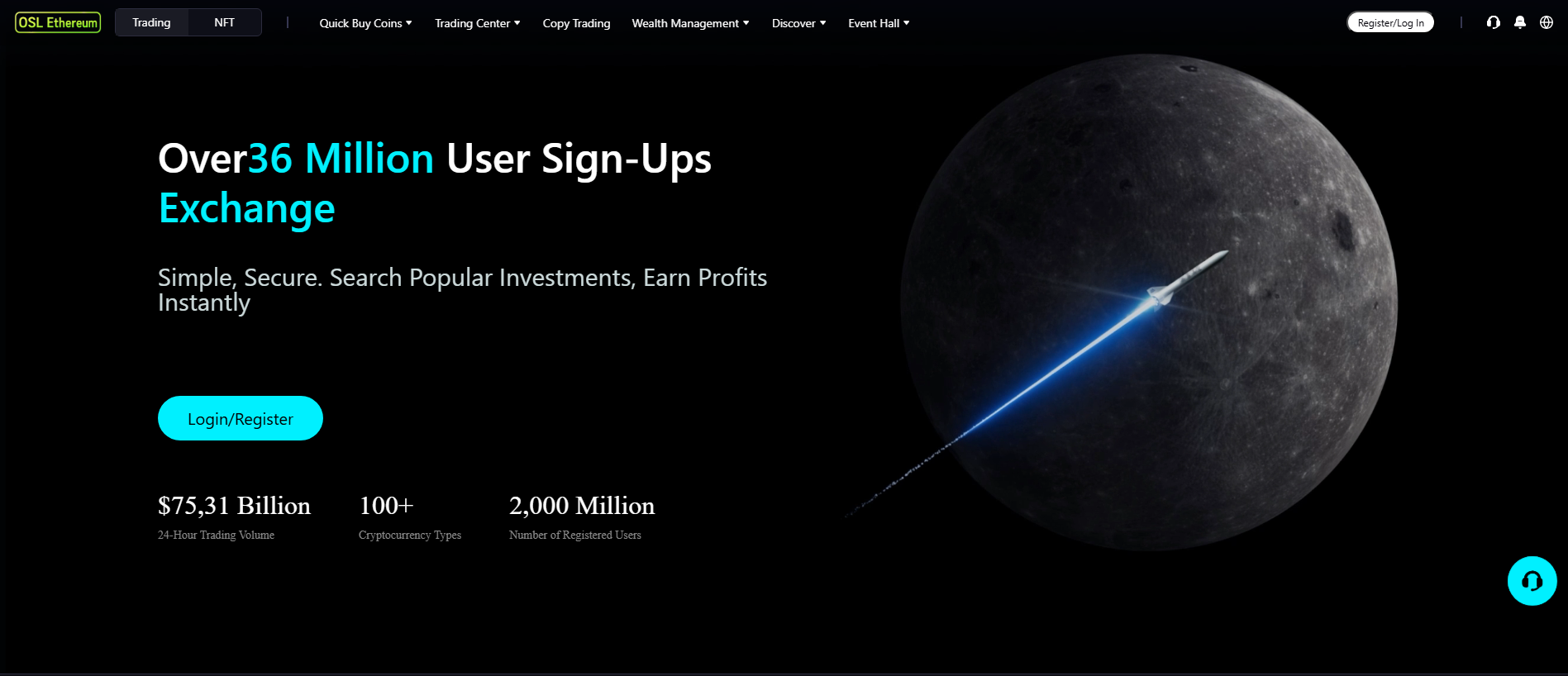
kucoindefi.com is a phishing site that borrows the KuCoin exchange name, with a "DeFi" suffix, to lure KuCoin customers and DeFi users into trusting it. PhishDestroy first flagged it on 2026-09-15. As of 2026-10-19 the site was still online and serving live content. The page title reads "OSL", a different brand name, while we classify the domain as a KuCoin impersonation.
Sites like this present themselves as an official KuCoin product, often a DeFi portal, staking page or account service, so visitors assume they are dealing with the real exchange. The victim is then pushed to sign in, connect a wallet or send crypto, for example to "activate" a feature or unlock rewards. Anything typed in, such as exchange logins, 2FA codes or seed phrases, goes to the operators. Any crypto sent or approved through the page is lost, because transfers cannot be reversed once confirmed.
On 2026-09-25, 13 of 91 VirusTotal engines flagged the domain. They include alphaMountain.ai, BitDefender, CRDF, Forcepoint ThreatSeeker, Fortinet, G-Data, Gridinsoft and Kaspersky, so the verdict does not depend on a single vendor. urlscan.io rated the page malicious and tagged it as a crypto scam. Spamhaus lists the domain in its DBL as phishing, and it appears on the MetaMask and SEAL blocklists besides our own. It is also referenced in four AlienVault OTX threat pulses.
The domain was registered on 2026-06-23 through Cloudflare, Inc., about 84 days before PhishDestroy detected it. That gap leaves enough time to build the page and start spreading it before it gets flagged. The site sits behind Cloudflare's network, which hides the actual origin server, with the address geolocated to Canada. Its free automated TLS certificate from Google Trust Services means the padlock in the browser says nothing about whether the site is genuine.
Do not log in, connect a wallet or send funds on kucoindefi.com, and use only KuCoin's official app or a bookmarked address. If you entered KuCoin credentials, change your password right away, reset 2FA and review active sessions, API keys and withdrawal addresses. If you connected a wallet, revoke any token approvals granted to unfamiliar contracts. If you typed in a seed phrase, move your assets to a new wallet immediately. Security teams should block the domain at DNS and proxy level and add it to email and web filters.
Last checked
 (US)
Edge-IP 평판은 이 도메인에 귀속되지 않습니다.
betty.ns.cloudflare.comrazvan.ns.cloudflare.comLocation describes the IP network.
4b62b90c984f16073c23e4b03a4002dbb6700df2bae5a869831a7b2340780b6dSaved certificate metadata. Certificate dates without a timezone are shown as stored. Transport encryption does not establish that the site is trustworthy.
Google PageSpeed Insights — mobile performance audit of kucoindefi.com · checked Sep 15, 2026
An estimated time describes an observation window. It does not prove a registrar action or the exact moment a site became unavailable.
Dated changes retained by the monitor and source collectors. Newest observations appear first; source states are not proof of a takedown.
알 수 없음→live_content
content_served
알 수 없음→live_content
content_served
알 수 없음→live_content
content_served
알 수 없음→live_content
content_served
알 수 없음→live_content
content_served
알 수 없음→live_content
content_served
알 수 없음→live_content
content_served
알 수 없음→live_content
content_served
알 수 없음→live_content
content_served
알 수 없음→live_content
content_served
알 수 없음→live_content
content_served
알 수 없음→live_content
content_served
알 수 없음→live_content
content_served
알 수 없음→live_content
content_served
알 수 없음→live_content
content_served
알 수 없음→live_content
content_served
알 수 없음→live_content
content_served
알 수 없음→live_content
content_served
접속 가능
4 community references
View sourceNo threat flag
View source13/91 engine detections
View sourcekucoindefi.com
View sourcePage captured
View source저장된 유사 도메인 82개
각 레인은 도메인이 이 호스트에 연결된 이유 중 하나를 나타냅니다. 노드의 크기는 VirusTotal 탐지 건수를 나타내며, 점선으로 표시된 노드는 이미 오프라인 상태입니다. 전체 목록은 아래와 같습니다.
이 호스트와 동일한 파비콘 해시이거나 동일한 페이지 제목을 가진 경우.
이러한 보고서는 동일한 공유 에지 IP로 확인됩니다. 이는 보고서 검색에 도움이 되지만 공통 소유권이나 공유 원본 서버를 의미하지는 않습니다.
Reports with the same collector label. A shared label does not establish impersonation or common ownership. View matching reports →
동일한 등록 기관을 통해 등록되었습니다. 등록 기관은 서로 관련이 없는 수백만 명의 고객을 상대하기 때문에, 이는 두 항목 간의 연관성을 입증하기보다는 단순히 보고를 묶어놓은 것에 불과합니다.
Compare what a browser and a crawler receive, and check for Keitaro traffic routing.
kucoindefi.com
Listed domains receive at least one abuse report; this entry has no retained notification history.
계정 자격 증명, 개인 정보 또는 결제 정보를 입력했거나 이 도메인에서 파일을 다운로드한 경우 즉시 조치를 취하세요. 다음은 사건을 신고하고 자신을 보호하는 데 도움이 되는 리소스입니다.
공식 사이버 범죄 연락처 또는 불만사항 초안 작성 →를 받으려면 국가를 선택하세요.
Template-based draft · optional AI wording assistance requires separate consent
Choose the steps that match what you shared. Keep a copy of this report alongside your own records.
Stop using the suspicious site. Open the real service through its official app or an address you already trust.
Keep original emails, receipts, messages and screenshots in a secure place. A factual timeline helps the receiving authority understand what happened. IC3 evidence guidance ↗
kucoindefi.com)비록 모든 세부 사항을 알지 못하더라도 — 어쨌든 신고를 하세요. 부분적인 정보라도 수사에 도움이 됩니다.
A report is not a guarantee of recovery or investigation, but prompt, accurate transaction data can help authorities and service providers trace the incident.
Further guidance: NIST · phishing responseFBI IC3 · reports & evidenceFTC · recovery scams
This report combines saved page captures, registration and network records, scanner results and PhishDestroy reporting history. Each source keeps its own observation date. Open a source report to inspect the original result.
The AI-assisted analysis was written on . It describes the evidence available at that time; later source checks can change.
A capture documents what was shown. A scanner result records that provider’s assessment at the time of its check. Neither a valid certificate nor a zero-detection result is a guarantee of safety.