copyoptionmasters.live
  offdocument-xy.com
  nexabridgepr021.com
  stoneaffiliatemarket.com
  wynavi.com
  navi77.pro
  roblox-robux10kadm1n.blogspot.com
Sicurezza del dominio e intelligence sulle minacce

sapien-coin[.]com
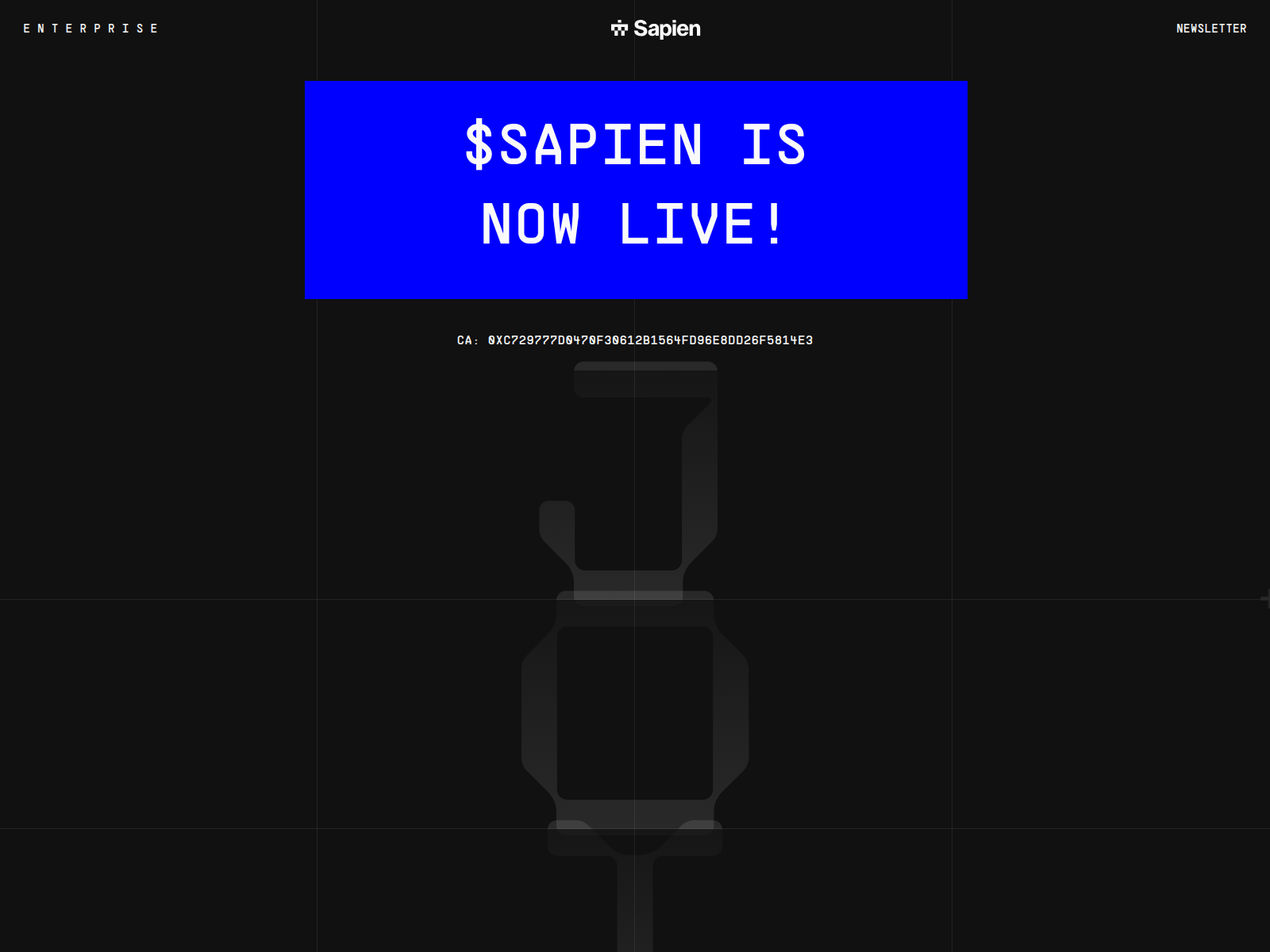
“Sapien Earn — Millions of Minds, Working as One”
Verdetto di minaccia
Alto
Punteggio delle prove 68/100
Disponibilità
Contenuto non disponibile
Il contenuto non era disponibile nell'ultima osservazione
Segnali di rischio
Rilevamenti VirusTotal: 6/95
Simulazione del marchio: Celer
Riepilogo delle prove
ALTO
The domain sapien-coin.com is identified as a brand impersonation threat specifically targeting Celer Network, a cross-chain interoperability protocol. This domain is designed to deceive users into believing it is an official Celer-affiliated platform, likely for the purpose of credential harvesting, fraudulent token distributions, or other malicious financial activities. As of the latest assessment, the domain has been taken offline, but prior activity indicates a deliberate attempt to exploit the Celer brand. Analysis of sapien-coin.com reveals multiple technical indicators of malicious intent. The domain was created on February 21, 2026, and is registered through OwnRegistrar, Inc. It resolves to the IP address 172.67.183.248, which has been associated with other suspicious domains. Security vendors on VirusTotal flagged this domain, with 6 out of 95 engines detecting it as malicious. Additionally, the domain appears on three security blocklists, further corroborating its elevated risk status. Notably, the page title "Sapien Earn — Millions of Minds, Working as One" suggests an attempt to mimic legitimate earning or staking platforms, a common tactic in cryptocurrency-related phishing schemes. The absence of an SSL certificate is another red flag, as it indicates a lack of basic security measures expected from legitimate financial or blockchain services. While sapien-coin.com is currently offline, its prior activity and infrastructure warrant continued monitoring. Organizations and users associated with Celer Network should treat any past or future interactions with this domain as high-risk. Immediate actions include blocking the domain and its associated IP address (172.67.183.248) at the network level, as well as alerting users to potential phishing attempts. Security teams should review logs for any connections to this domain or its IP address to identify compromised accounts or devices. Given the domain's registration details and blocklist presence, it is recommended to monitor for similar domains registered through OwnRegistrar, Inc., particularly those created around the same timeframe or resolving to the same IP range. Users are advised to verify the authenticity of any Celer-related communications or platforms by cross-referencing with official Celer Network channels.
Istantanea delle prove inviate
- Inviato
- Voci del registro
- 1
- ID del caso
PD-20260204-FF11CD- Artefatto PDF
- Prova in PDF
Base giuridica
Testo completo delle prove
Policy Violations:
Acceptable Use Policy (AUP): The domain sapien-coin.com is engaged in phishing activities, which directly contravenes the AUP's prohibition against fraud and deception.
Terms of Service (TOS): The registrar reserves the right to suspend services for violations, and the ongoing phishing activities constitute a clear breach of the TOS.
Applicable Laws (UNITED STATES):
Computer Fraud and Abuse Act (CFAA) - 18 U.S.C. § 1030: This law prohibits unauthorized access to computers and networks, including those used for phishing schemes.
Wire Fraud - 18 U.S.C. § 1343: Engaging in schemes to defraud individuals via electronic communications, such as phishing, is a violation of this statute.
CAN-SPAM Act - 15 U.S.C. § 7701: This act regulates commercial email and prohibits deceptive practices, which are inherent in phishing operations.
Regulatory Note: Failure to take appropriate action against this domain may result in legal liability and regulatory scrutiny. Immediate suspension is advised to mitigate risks associated with non-compliance.
Acceptable Use Policy (AUP): The domain sapien-coin.com is engaged in phishing activities, which directly contravenes the AUP's prohibition against fraud and deception.
Terms of Service (TOS): The registrar reserves the right to suspend services for violations, and the ongoing phishing activities constitute a clear breach of the TOS.
Applicable Laws (UNITED STATES):
Computer Fraud and Abuse Act (CFAA) - 18 U.S.C. § 1030: This law prohibits unauthorized access to computers and networks, including those used for phishing schemes.
Wire Fraud - 18 U.S.C. § 1343: Engaging in schemes to defraud individuals via electronic communications, such as phishing, is a violation of this statute.
CAN-SPAM Act - 15 U.S.C. § 7701: This act regulates commercial email and prohibits deceptive practices, which are inherent in phishing operations.
Regulatory Note: Failure to take appropriate action against this domain may result in legal liability and regulatory scrutiny. Immediate suspension is advised to mitigate risks associated with non-compliance.
VirusTotal
6 det.
Stato osservato
Contenuto non disponibile HTTP 502

Elenco da eliminare
Presente
Reports Sent
1
Data Coverage
VirusTotal
6 / 95
URLQuery
rapporto archiviato: verdetto dettagliato in attesa
PhishStats
non controllato
OTX
no community references
CF Radar
scan completed
URLScan capture
rapporto memorizzato
URLScan verdict
Analisi completata
Blocchi DNS
non controllato
TLS
nessun dato sul certificato
WHOIS
not parsed
Screenshot
2 captures · 2 sources
Catena di reindirizzamenti
non sondato
Pipeline di risposta alle minacce
Scoperta
Checks
Reports
Disponibilità
13/13
Copertura delle blocklist
10 fonti esterne monitorate · snapshot del 11/08/2026
10 fonti esterne monitorate Nessuna corrispondenza
MetaMask
Nessuna corrispondenza
ScamSniffer
Nessuna corrispondenza
Polkadot
Nessuna corrispondenza
CryptoFirewall
Nessuna corrispondenza
OpenPhish
Nessuna corrispondenza
SEAL
Nessuna corrispondenza
Enkrypt
Nessuna corrispondenza
Phishunt
Nessuna corrispondenza
Codeesura
Nessuna corrispondenza
DiscordPhishing
Nessuna corrispondenza
Cronologia del rilevamento
-
Cloudflare Radar
Scansione Cloudflare Radar archiviata · Apri scansione
Infrastruttura finanziaria
Indirizzi estratti dalla pagina di phishing.
Indirizzi dei wallet
Acquisizione salvata
Analisi dei domini
Dominio
URLScan Verdict
Analisi completata
score 0 report ↗
Server / ASN
cloudflare · AS13335 CLOUDFLARENET - Cloudflare, Inc., US
IP Context
Cloudflare shared edge
origin IP hidden
La reputazione Edge-IP non è attribuita a questo dominio.
Registrar
OwnRegistrar
 (US)
(US)
(US)
Indirizzo IP
172.67.183.248
CDN
Posizione San Francisco, US
San Francisco, USReteAS13335 · Cloudflare, Inc.
L'IP di origine è nascosto dietro un proxy CDN. I risultati dell'IP inverso per l'indirizzo edge contengono tenant non correlati; la ricerca dell'origine richiede DNS passivo o dati di trasparenza del certificato.
RegistrazioneExpires 20/08/2026
Stato HTTP502 Error
Dettagli tecniciDNS, nomi TLS e date
Rilevato per la prima volta04/02/2026
DOM Analysisanalyzed 23/04/2026DOM analysis score 10/1001 brand signal
Submitted URLhttp://sapien-coin.com/
Nameserverlex.ns.cloudflare.comnullzara.ns.cloudflare.com
Osservazione TLSanalizzato il 15/03/2026
ICANN OVERSIGHT
Accreditamento e contesto RAA
Accreditamento e contesto RAA
Registrar accreditation and DNS abuse obligations
For this gTLD, the registrar above operates under an ICANN accreditation agreement. The links below provide the official fee schedule and current DNS abuse compliance guidance.
Accreditation is a contract, not a safety certification.
RAA §3.18 establishes abuse-contact and handling requirements. This report can document stored outbound notices and later technical observations; it does not by itself establish receipt, investigation, remediation, or contractual non-compliance.
L’accreditamento è un contratto, non un sigillo di sicurezza.
Verifica le tariffe ICANN
Leggi il RAA §3.18
PHISHDESTROY INVESTIGATIONICANN funding, contracts, and DNS abuse oversight
Segnala questo dominio
Invia le prove e contribuisci a proteggere gli altri
Analisi di VirusTotal
6 / I fornitori di sicurezza 95 hanno contrassegnato questo dominio
View on VT
Last analyzed
alphaMountain.ai
CyRadar
Google Safebrowsing
Lionic
Seclookup
SOCRadar
Infrastruttura e rapporti correlati
Content matches 2
Altri rapporti sul bordo Cloudflare condiviso 3
Questi report si risolvono nello stesso IP edge condiviso. Aiutano con l'individuazione dei report ma non implicano la proprietà comune o un server di origine condiviso.
Stesso registrar: OwnRegistrar 6
Rapporti recenti sulle minacce 6
Rapporti aggiunti di recente dal database PhishDestroy. Questi collegamenti di scoperta non implicano infrastrutture o proprietà condivise.
Questo sito ti ha influenzato in qualche modo?
If credentials were compromised, report immediately. Do not engage with recovery scammers.
Se hai interagito con questo dominio, hai inserito informazioni personali o hai collegato un portafoglio di criptovaluta, agisci immediatamente. Di seguito sono riportate le risorse per aiutarti a segnalare l'incidente e proteggerti.

Europol
Trova il canale di segnalazione ufficiale per il tuo paese dell'UE
National police directory

Action Fraud
Segnala frodi e crimini informatici in Inghilterra, Galles e Irlanda del Nord
Contact centre0300 123 2040
Chainabuse
Report a crypto wallet, transaction, or phishing URL
SEAL -ISAC
Security Alliance crypto threat intelligence
PhishDestroy listing review Non un rapporto delle forze dell'ordine
Ricorso in materia di domini
Richiedi una revisione se possiedi questo dominio e ritieni che l'elenco non sia corretto
Attenzione ai truffatori che promettono il recupero dei fondi! I criminali possono contattare nuovamente le vittime fingendo di essere investigatori, avvocati o agenti di recupero. Non pagare commissioni anticipate né condividere credenziali. Nessun servizio legittimo può garantire il recupero delle criptovalute rubate. Scopri di più sulle frodi relative ai sussidi di recupero →
Segnalalo alle autorità locali
Seleziona il tuo Paese per ottenere contatti ufficiali del crimine informatico o creare una bozza di reclamo →.
Elenco di 97 paesi
Bozza assistita dall'intelligenza artificiale: i dettagli dell'incidente vengono elaborati dal fornitore di intelligenza artificiale
Controllalo e invialo tu stesso
Verifica qualsiasi dominio
Analisi delle minacce utilizzando blocklist archiviate, WHOIS, DNS e prove di scansione pubblica
Scansiona oraSegnala un tentativo di phishing
Segnala i domini sospetti al nostro database delle minacce — proteggi la comunità
SegnalaFeed in tempo reale sulle minacce
Segnalazioni recenti di phishing e modifiche osservate della disponibilità
MonitoraRimani informato, rimani al sicuro
Controlla le minacce in tempo reale oppure contesta questa segnalazione se ritieni che si tratti di un falso positivo
Raccomandazioni e consigli per le vittime
Si stima che $51 billion sono confluiti in portafogli di criptovalute illegali nel 2024 (source). Se hai interagito con sapien-coin.com — agisci subito.
Cosa devo fare subito?
Urgente
- Revoca delle autorizzazioni dei token — use revoke.cash per revocare l'accesso concesso a smart contract dannosi
- Trasferire i fondi rimanenti a un portafoglio nuovo di zecca. Il portafoglio compromesso non è più sicuro
- Modifica tutte le password — e-mail, account Exchange, qualsiasi servizio che utilizzi la stessa password
- Abilita l'autenticazione a due fattori (2FA) utilizzando un'app di autenticazione (non via SMS). Disattiva il recupero tramite SMS
- Carte congelate se hai inserito i tuoi dati bancari sul sito di phishing
Quali informazioni devo raccogliere per la mia relazione?
Linee guida dell'FBI
Secondo il FBI, i dettagli più importanti sono i dati relativi alle transazioni:
- Indirizzi di criptovaluta — il portafoglio del truffatore (ad es.,
0x5856...35985) - Importo e tipo di criptovaluta — importo esatto (ad es., 1,02345 ETH, 0,5 BTC, 500 USDT)
- ID transazione (hash) — l'identificatore univoco della transazione sulla blockchain
- Date e orari esatti — di ogni transazione e del primo contatto con il truffatore
- Schermate — siti web truffaldini, messaggi in chat, e-mail, transazioni tramite portafoglio digitale, social media
- Tutti gli URL e i domini utilizzato dal truffatore (tra cui
sapien-coin.com) - Comunicazioni — e-mail, SMS, numeri di telefono, nomi utente utilizzati dal truffatore
Anche se non conosci tutti i dettagli — sporgere comunque denuncia. Anche le informazioni parziali sono comunque utili alle indagini.
A chi devo segnalare la truffa?
- FBI IC3 — Internet Crime Complaint Center (sistema di segnalazione federale degli Stati Uniti)
- Europol — Segnalazioni relative alla criminalità informatica in Europa (UE)
- Chainabuse — segnalare i portafogli sospetti di truffa su exchange e piattaforme
- Il tuo exchange di criptovalute — notify its fraud team immediately; it may be able to preserve records or restrict funds held on its platform
- Polizia locale — crea un documento ufficiale, anche se non è in grado di agire immediatamente
A report is not a guarantee of recovery or investigation, but prompt, accurate transaction data can help authorities and service providers trace the incident.
Come funzionano in genere le truffe nel mondo delle criptovalute?
- Siti web fasulli — cloni perfetti, al pixel, di siti legittimi con domini leggermente modificati
- Approvazioni dolose — I messaggi di “connect wallet” che consentono agli aggressori di spendere token senza limiti
- Macellazione dei suini — fiducia conquistata nel corso di settimane tramite Telegram/WhatsApp/app di incontri, per poi rubare i soldi
- Truffe legate al recupero dei fondi — fraudsters pose as recovery agents and demand upfront fees. Never share a seed phrase or pay before independently verifying the provider
- Pubblicità ingannevoli e airdrop — Annunci su Google e sui social media e offerte di “token gratuiti” che portano a app che prosciugano il portafoglio
- Truffe basate sull'intelligenza artificiale — i deepfake, il phishing automatizzato e i siti generati dall’intelligenza artificiale rendono più difficile individuare le frodi
Come posso proteggermi in futuro?
- Utilizza un portafoglio hardware (Ledger, Trezor). Non conservare mai grandi somme nei portafogli del browser
- Aggiungi i siti ufficiali ai preferiti — Non cliccare mai sui link contenuti nelle e-mail, nei messaggi diretti o negli annunci pubblicitari
- Leggi tutte le approvazioni — Verificare i permessi prima di firmare. Rifiutare le approvazioni illimitate
- Verifica i domini — controllare PhishDestroy prima di interagire. Verifica l'HTTPS, l'ortografia e l'età del dominio
- "Troppo bello per essere vero" = truffa — rendimenti garantiti, testimonial di personaggi famosi, scadenze urgenti