


 ChainPatrol
 Web-Check
  SOCRadar
  LeakIX
Sécurité des domaines et renseignements sur les menaces

autosoft-forum[.]net
“Repair·Epc·Diag”
Verdict de menace
Élevé
56/100 score de preuve
Disponibilité
Masqué · accessible
Accessibilité observée grâce aux contrôles de masquage
Signaux de risque
Détections VirusTotal : 2/95
Usurpation de l'identité de la marque : Facebook
Dernier actif connu
Résumé du rapport
autosoft-forum.net — Masqué · accessible. Usurpation de l'identité de la marque : Facebook. Résumé des preuves: VirusTotal 2/95 (CRDF, Gridinsoft); cloaking observed; PhishDestroy score 56/100. Bureau d’enregistrement: NameSilo.
L’analyse détaillée de PhishDestroy AI reste en anglais afin de préserver le relevé forensique original.
Résumé des preuves
HAUT
The domain autosoft-forum.net is a confirmed phishing site engaged in brand impersonation, specifically targeting Facebook users. It presents itself as a legitimate Facebook-related service but is designed to harvest login credentials through deceptive login pages. No crypto drainer kit was detected, but the site poses an elevated risk due to its fraudulent intent. As of the latest verification, autosoft-forum.net has been taken offline, though prior activity remains a concern for potential victims.
Technical analysis reveals that autosoft-forum.net was flagged by 2 of 95 security vendors on VirusTotal, including CRDF and Gridinsoft, which assigned it a trust score of 0/100. The domain was registered through NameSilo, LLC on April 25, 2022, and resolves to the IP address 104.21.73.49, hosted on Cloudflare's infrastructure in the US. It appears on one security blocklist, PhishDestroy, and was identified in one AlienVault OTX threat intelligence pulse. No SSL certificate was observed, and the page title displayed was 'Repair·Epc·Diag'. The site returned an HTTP 429 status code, indicating rate-limiting or temporary unavailability.
Individuals who may have interacted with autosoft-forum.net should immediately change their Facebook passwords and enable two-factor authentication to prevent unauthorized access. Monitor accounts for suspicious activity, such as unauthorized logins or messages sent without consent. Report the phishing domain to Facebook’s abuse team via their official reporting channels and submit it to additional threat intelligence platforms like Google Safe Browsing or PhishTank to aid in broader protection efforts.
VirusTotal
2 det.
OTX references
URLScan
Scamadviser
36/100
Âge
4.3 yr
Statut observé
Masqué · accessible

DestroyList
Répertorié
Couverture des données
VirusTotal
2 / 95
URLQuery
pas vérifié
PhishStats
pas vérifié
OTX
1 community reference
CF Radar
scan completed
URLScan capture
rapport stocké
URLScan verdict
Analyse terminée
Blocs DNS
pas vérifié
TLS
aucune donnée de certificat
WHOIS
52 mo old
Capture d'écran
2 captures · 2 sources
Chaîne de redirection
non sondé
Scamadviser
36/100
Signaux de sécurité
 Scamadviser Warnings
36/100
Scamadviser Warnings
36/100
Renseignements sur la sécurité réseau Registrar context
Registrar context
NameSilo
Stored registration data identifies NameSilo as the registrar. PhishDestroy maintains separate registrar investigations; that broader material is contextual and is not an independent detection for this domain.
Processus de réponse aux menaces Pipeline
Découverte
Checks
Reports
Disponibilité
13/15
Statut de la liste de blocage publique
Capture enregistrée
Informations sur les domaines
Domaine
URLScan Verdict
Analyse terminée
score 0 report ↗
Telegram IoCs
2 extracted
https://t.me/REPAIREPCDIAG
https://t.me/+Jw7B4jFxqL45NDQx
Serveur / ASN
cloudflare · AS13335 CLOUDFLARENET, US
IP Context
Cloudflare shared edge
origin IP hidden
La réputation Edge-IP n’est pas attribuée à ce domaine.
Bureau d’enregistrement
NameSilo
 (US)
PhishDestroy Investigation
(US)
PhishDestroy Investigation
(US)
PhishDestroy Investigation
Adresse IP
104.21.73.49
CDN
Localisation San Francisco, US
San Francisco, USRéseauAS13335 · Cloudflare, Inc.
L'adresse IP d'origine est cachée derrière un proxy CDN. Les résultats d’IP inversé pour l’adresse périphérique contiennent des locataires non liés ; trouver l’origine nécessite un DNS passif ou des données de transparence des certificats.
EnregistrementCréé 25/04/2022 — Expires 25/04/2026
Cloaking
Cloaking Detected
Content divergence
· score 2/6
unavailable: raw=proxy_error; http=0; via=http_proxy; error=HTTPConnectionPool(host='192.186.172.166', port=9166): Max retries exceeded with url: http://autosoft-forum.net/ (Caused
checked 13/08/2026
Détails techniquesDNS, SAN SSL, horodatages
Première détection23/09/2025
DOM Analysisanalyzed 23/04/2026score 10/1005 brand signals
IoC Extractionscanned 02/08/20260 wallet · 2 Telegram IoCs
Submitted URLhttp://autosoft-forum.net/
Serveurs de nomskay.ns.cloudflare.comseth.ns.cloudflare.com
TLS Observationscanned 11/03/2026
ICANN OVERSIGHT
Contexte de l’accréditation et du RAA
Contexte de l’accréditation et du RAA
Registrar accreditation and DNS abuse obligations
For this gTLD, the registrar above operates under an ICANN accreditation agreement. The links below provide the official fee schedule and current DNS abuse compliance guidance.
Accreditation is a contract, not a safety certification.
RAA §3.18 establishes abuse-contact and handling requirements. This report can document stored outbound notices and later technical observations; it does not by itself establish receipt, investigation, remediation, or contractual non-compliance.
Une accréditation est un contrat, pas un label de sécurité.
Vérifier les frais de l’ICANN
Lire le RAA §3.18
PHISHDESTROY INVESTIGATIONICANN funding, contracts, and DNS abuse oversight
Signaler ce domaine
Envoyez des éléments de preuve et contribuez à protéger les autres
Analyse VirusTotal
Analyse des performances du site
Google PageSpeed Insights — mobile performance audit of autosoft-forum.net · checked Apr 30, 2026
86
Needs Work
Performance
FCP
0.76s
First Contentful Paint
LCP
2.33s
Largest Contentful Paint
CLS
0.24
Cumulative Layout Shift
TBT
0ms
Total Blocking Time
SI
2.57s
Speed Index
Powered by Google PageSpeed Insights · Mobile strategy · Scores: 90-100 Good 50-89 Needs Work 0-49 Poor
Données factuelles et rapports externes
Analyse de sécurité
OSINT et renseignement
DNS et réseau
Référencement naturel et nom de domaine
Ce site vous a-t-il affecté ?
If credentials were compromised, report immediately. Do not engage with recovery scammers.
Si vous avez saisi des informations d'identification de compte, des informations personnelles ou de paiement, ou téléchargé un fichier à partir de ce domaine, agissez immédiatement. Vous trouverez ci-dessous des ressources pour vous aider à signaler l'incident et à vous protéger.


Action Fraud
Signaler la fraude et la cybercriminalité en Angleterre, au Pays de Galles et en Irlande du Nord
Contact centre0300 123 2040
PhishDestroy listing review Pas un rapport des forces de l'ordre
Recours en matière de nom de domaine
Demandez un examen si vous possédez ce domaine et pensez que la liste est incorrecte
Méfiez-vous des escrocs qui prétendent vous aider à récupérer vos biens ! Les criminels peuvent recontacter leurs victimes tout en se faisant passer pour des enquêteurs, des avocats ou des agents de recouvrement. Ne payez pas de frais initiaux et ne partagez pas vos informations d'identification. En savoir plus sur la fraude liée aux aides à la reprise →
Signalez-le à vos autorités locales
Sélectionnez votre pays pour obtenir contacts officiels en matière de cybercriminalité ou créer un projet de plainte →.
Annuaire de 97 pays
Brouillon assisté par l'IA : les détails de l'incident sont traités par le fournisseur d'IA
Examinez-le et soumettez-le vous-même
Infrastructure et rapports associés
Même bureau d’enregistrement: NameSilo 6
 rainbet-splash.com
  979218.com
 Facebook impersonation 8
These domains also target Facebook users. View all Facebook threats →
Rapports récents sur les menaces 6
Rapports récemment ajoutés à partir de la base de données PhishDestroy. Ces liens de découverte n’impliquent pas d’infrastructure ou de propriété partagée.
 facebookteamhelp.blogspot.com
  list-serve.com
  tk.ercajchain.com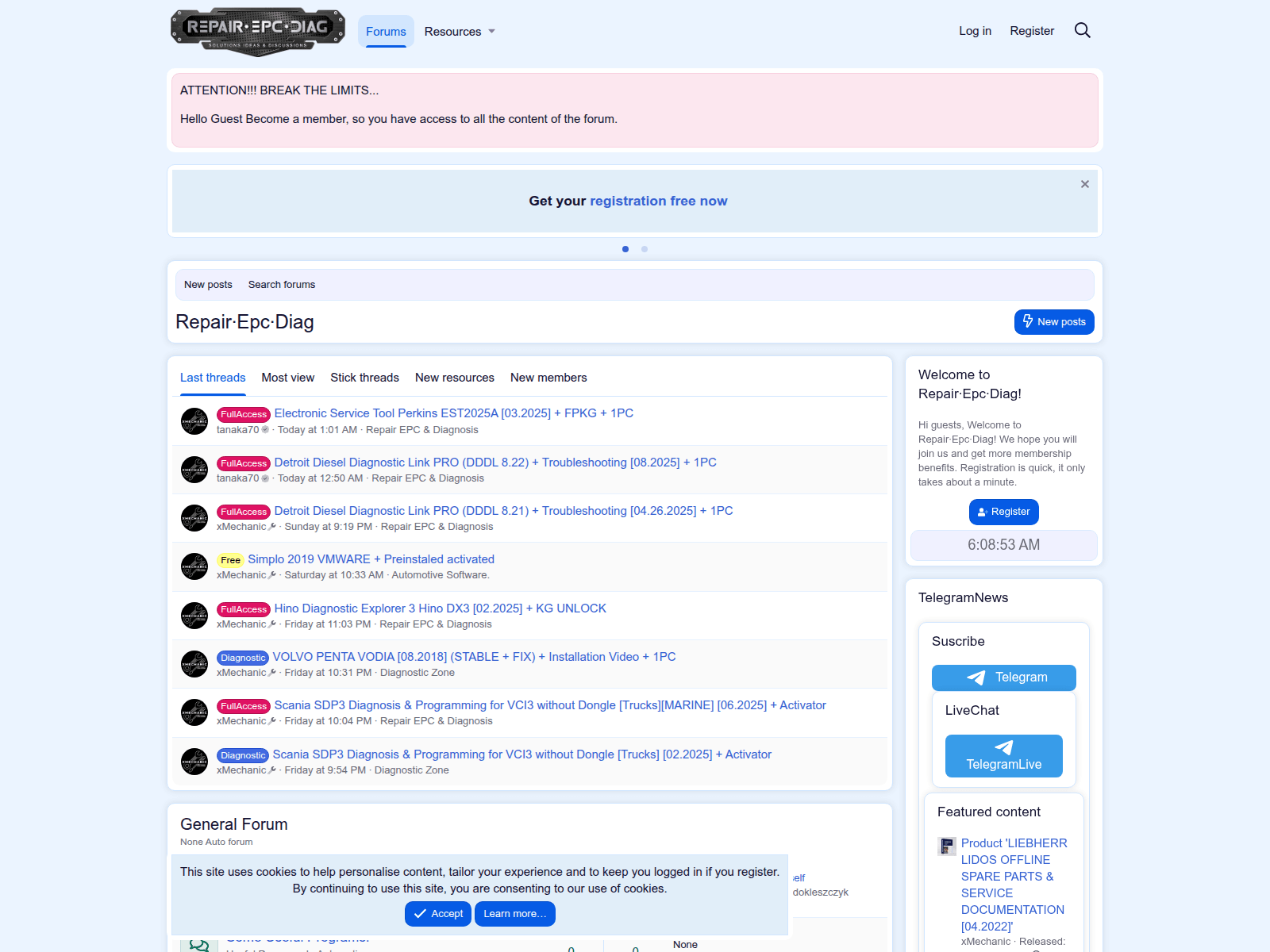
Vérifier n'importe quel domaine
Analyse des menaces à l'aide de listes de blocage stockées, de WHOIS, de DNS et de preuves d'analyse publique
Scanner maintenantSignaler une tentative d'hameçonnage
Signalez les domaines suspects à notre base de données des menaces — protégez la communauté
SignalerFlux d'alertes en temps réel
Rapports de phishing récents et changements de disponibilité observés
SurveillerRestez informés, restez en sécurité
Surveillez les menaces en temps réel ou signalez cette alerte si vous pensez qu'il s'agit d'un faux positif