bitesliceapp.com
  www.globalfxtrades.net
  tradon.live
  a1profx.com
  grants.ethereumtgu.com
  metomosk-logi.godaddysites.com
  stargates-finance.net
  uat.trackings.click
IC3 del FBI
Denunciar delitos cometidos a través de Internet en los Estados Unidos
Federal tips line1-800-CALL-FBI
The sent-report ledger records the first outgoing report at . A report was sent to the recorded registrar; contact details remain in Domain Intelligence. The latest stored availability evidence still shows the domain reachable; 4 months has elapsed since the first outgoing report.
ICANN RAA §3.18 describes registrar abuse-contact and handling obligations. This section records outgoing timestamps and later availability. It does not by itself prove receipt, acknowledgement, investigation, remediation, or contractual non-compliance.

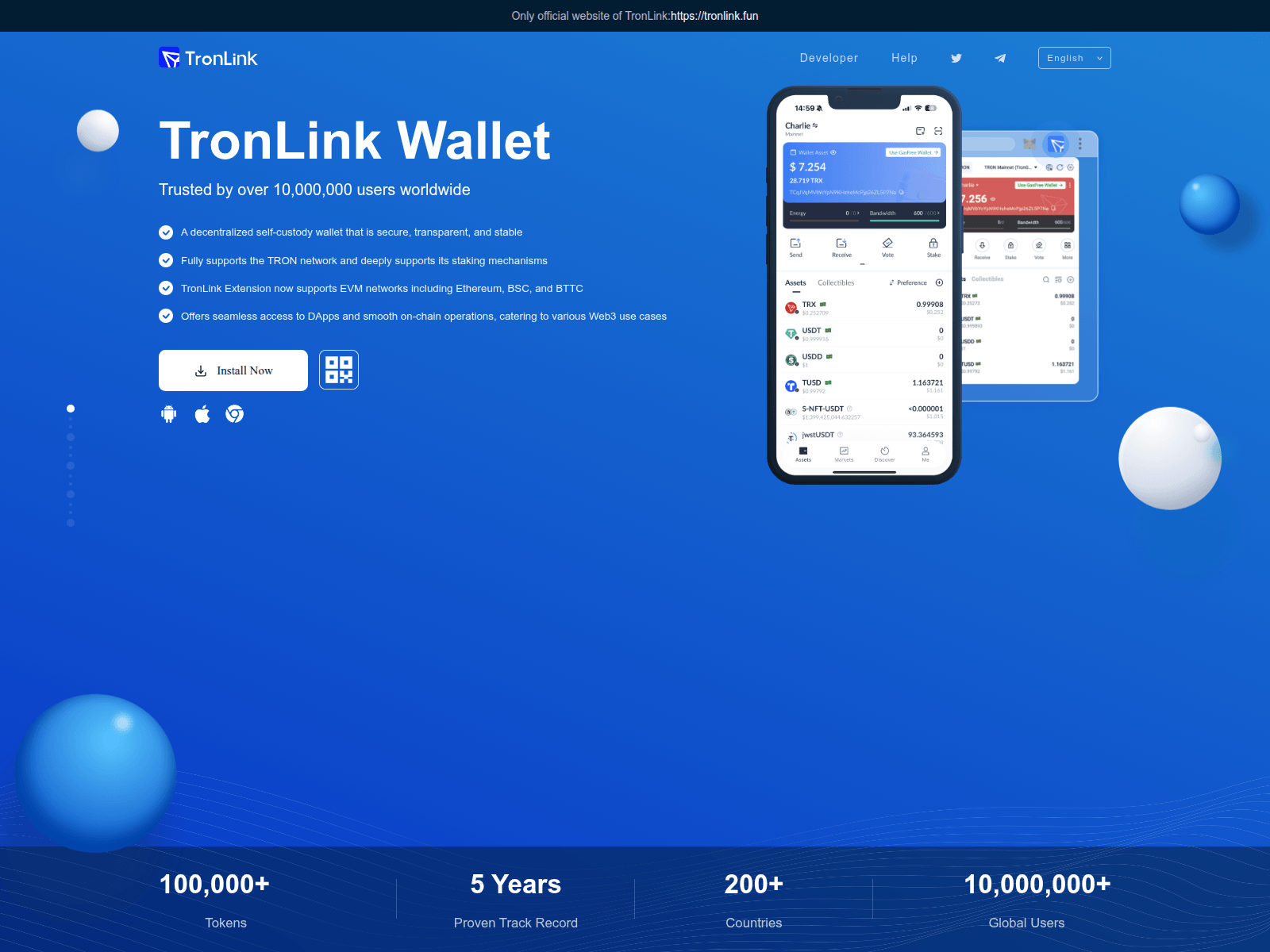
“TronLink Wallet | Trusted by over 10,000,000 users worldwide”
Analysis of the domain tronlink.fun indicates it is a confirmed phishing site targeting users of the TronLink cryptocurrency wallet. The domain was registered on March 24, 2026, through GoDaddy.com, LLC, and currently resolves to the IP address 43.103.50.255, hosted by Alibaba.com LLC in Hong Kong. The page title, 'TronLink Wallet | Trusted by over 10,000,000 users worldwide,' directly mimics the branding of the legitimate TronLink service, suggesting an intent to deceive users into believing the site is an official wallet portal. The domain is classified as a crypto scam, a designation supported by its presence on one security blocklist and detection by PhishDestroy. Gridinsoft assigns a trust score of 0/100, reinforcing its malicious classification.
Five out of 94 security vendors on VirusTotal flag the domain, though this detection rate alone does not confirm the full scope of its threat. The site employs common web technologies such as Nginx, jQuery, HSTS, Google Analytics, fullPage.js, and Clipboard.js, which are frequently used in both legitimate and malicious sites, offering no definitive indication of intent but aligning with typical phishing infrastructure. The domain's nameservers are ns21.domaincontrol.com and ns22.domaincontrol.com, consistent with GoDaddy's infrastructure. As of the report date, the domain returns an HTTP 403 status, indicating it is currently offline or restricting access.
The SSL certificate is issued by Let's Encrypt (R13), a common certificate authority used across both legitimate and malicious sites. Defenders should treat this domain as a high-confidence phishing threat targeting cryptocurrency users. Block access to the domain and IP, monitor for related infrastructure, and alert users to the risk of fake TronLink wallet sites. Further analysis of associated artifacts, such as wallet addresses or redirect chains, may provide additional indicators for detection and mitigation.
Registro de reporte enviado
PD-20260324-CF41F6
10 fuentes · sincronizado el 09/08/2026
Direcciones extraídas de la página de phishing.
 (US)
(US)

For this gTLD, the registrar above operates under an ICANN accreditation agreement. The links below provide the official fee schedule and current DNS abuse compliance guidance.
RAA §3.18 establishes abuse-contact and handling requirements. This report can document stored outbound notices and later technical observations; it does not by itself establish receipt, investigation, remediation, or contractual non-compliance.
Google PageSpeed Insights — mobile performance audit of tronlink.fun · checked Mar 24, 2026
Esta IP de origen aloja múltiples dominios de phishing; la infraestructura puede compartirse entre campañas.
Informes agregados recientemente de la base de datos PhishDestroy. Estos enlaces de descubrimiento no implican infraestructura ni propiedad compartida.
Si interactuó con este dominio, ingresó información personal o conectó una billetera de criptomonedas, tome medidas inmediatas. A continuación encontrará recursos que le ayudarán a informar el incidente y protegerse.


Seleccione su país para obtener contactos oficiales de cibercrimen o crear un borrador de queja →.
Análisis de amenazas utilizando listas de bloqueo almacenadas, WHOIS, DNS y evidencia de escaneo público
Escanear ahoraEnvía los dominios sospechosos a nuestra base de datos de amenazas: protege a la comunidad
DenunciarInformes de phishing recientes y cambios de disponibilidad observados
MonitorizarSupervisa las amenazas en tiempo real o impugna esta entrada si crees que se trata de un falso positivo.
Se calcula que $51 billion se destinaron a carteras de criptomonedas ilegales en 2024 (source). Si has interactuado con tronlink.fun — Actúa ya.
Según el FBI, los datos más importantes son los de las transacciones:
0x5856...35985)tronlink.fun)Aunque no tengas todos los detalles — presenta la denuncia de todos modos. Incluso la información parcial sigue siendo útil para las investigaciones.
A report is not a guarantee of recovery or investigation, but prompt, accurate transaction data can help authorities and service providers trace the incident.