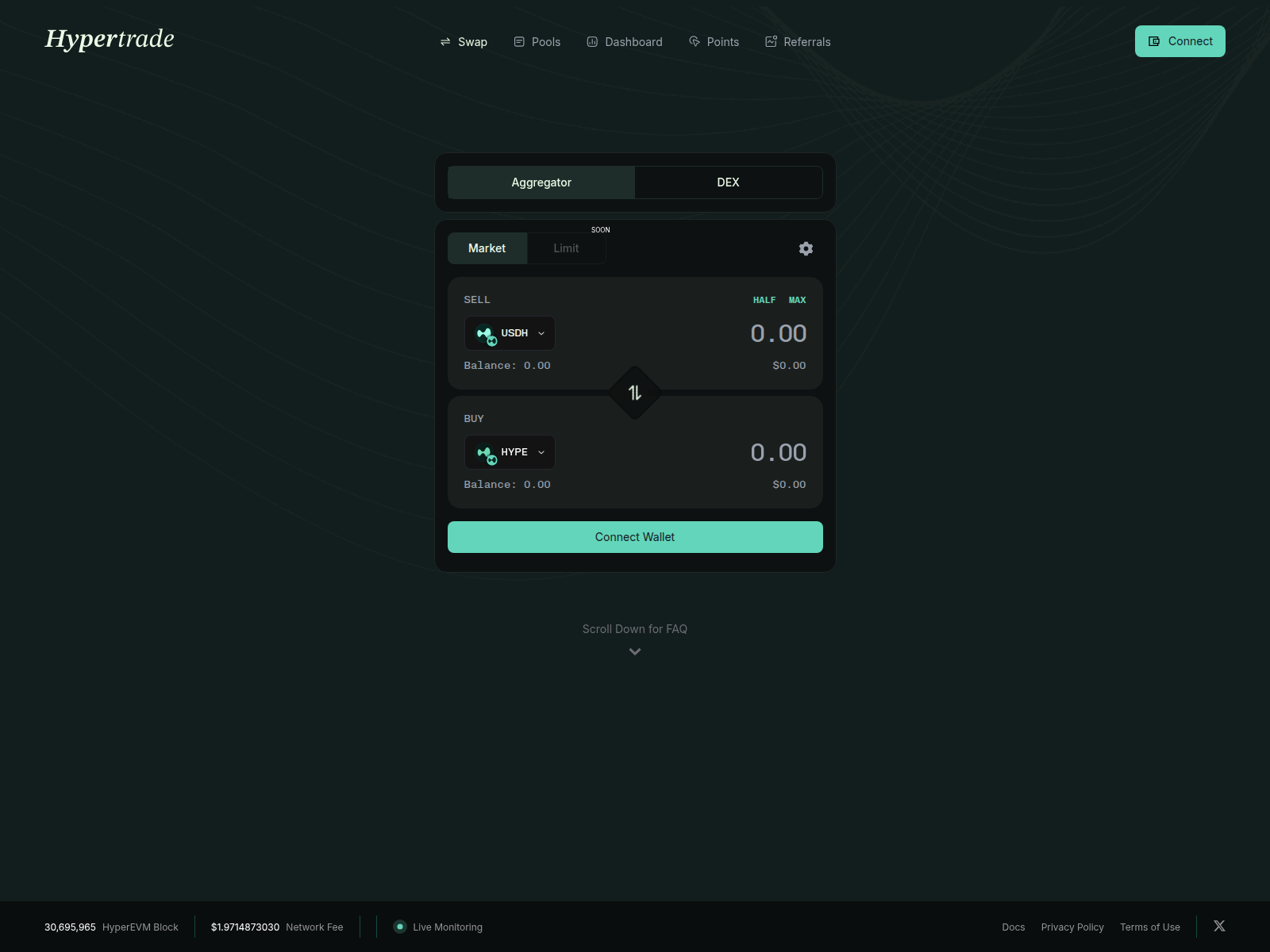
anonstress.org
  hkexco.com
  loaf24.com
  diwebaifi.com
  htx-account.com
  filmistanstudios.com
  shopeeinc1111.blogspot.com
IC3 del FBI
Denunciar delitos cometidos a través de Internet en los Estados Unidos
Federal tips line1-800-CALL-FBI
The sent-report ledger records the first outgoing report at . A report was sent to the recorded registrar; contact details remain in Domain Intelligence. The latest stored availability evidence still shows the domain reachable; 4 months has elapsed since the first outgoing report.
ICANN RAA §3.18 describes registrar abuse-contact and handling obligations. This section records outgoing timestamps and later availability. It does not by itself prove receipt, acknowledgement, investigation, remediation, or contractual non-compliance.

“HyperEVM DEX”
Detección almacenada
content_splitAs of July 12, 2026, the domain ht.xyz has been identified as a high-risk brand impersonation threat targeting HTX. This domain resolves to the IP address 76.76.21.123 and is registered through Cloudflare, Inc., with a creation date of April 04, 2025. The page title 'HyperEVM DEX' suggests that the attackers are attempting to impersonate a legitimate decentralized exchange (DEX) associated with the HTX brand, potentially to deceive users and steal sensitive information. The domain has been flagged by 7 out of 95 security vendors on VirusTotal, indicating a concerning level of suspicion among the security community. Additionally, it appears in 23 threat intelligence pulses on AlienVault OTX and is present on two security blocklists, further corroborating the risk assessment. The SSL certificate for ht.xyz is issued by Let's Encrypt, a commonly used certificate authority that does not imply security or legitimacy. The domain also employs technologies such as Vercel, HSTS, and Google Analytics, which could be used to enhance the credibility of the phishing site and track user interactions. Defenders should deploy blocking rules to prevent access to ht.xyz and monitor for any related malicious activities. Users are advised to verify the authenticity of any HTX-related DEX by cross-referencing official communication channels and avoiding interactions with untrusted websites. Infrastructure analysis reveals that the domain's use of cloud-based services and a strong security protocol (HSTS) may make it more difficult to identify as a phishing site, emphasizing the need for heightened vigilance and education on recognizing brand impersonation tactics. The Gridinsoft trust score of 35 out of 100 indicates a low level of trust, reinforcing the need for immediate action to mitigate potential risks.
PD-20260325-58A7D1
| Detection System | Indicator | Verdict | Alert |
|---|---|---|---|
| Private YARA rules | ht.xyz/_next/static/chunks/1b389d0c-d389ad1053527531.js?dpl=dpl_2jznlyz3fshzdmpvyottmedwedps |
audit | Hunting_JS_WebAssembly |
10 fuentes externas supervisadas · instantánea del 11/08/2026
Direcciones extraídas de la página de phishing.
 (AE)
(AE)
 Walnut, US
For this gTLD, the registrar above operates under an ICANN accreditation agreement. The links below provide the official fee schedule and current DNS abuse compliance guidance.
RAA §3.18 establishes abuse-contact and handling requirements. This report can document stored outbound notices and later technical observations; it does not by itself establish receipt, investigation, remediation, or contractual non-compliance.
Google PageSpeed Insights — mobile performance audit of ht.xyz · checked Jul 12, 2026
Estos informes se resuelven en la misma IP perimetral compartida. Ayudan a descubrir informes, pero no implican una propiedad común ni un servidor de origen compartido.
These domains also target HTX users. View all HTX threats →
Informes agregados recientemente de la base de datos PhishDestroy. Estos enlaces de descubrimiento no implican infraestructura ni propiedad compartida.
Si interactuó con este dominio, ingresó información personal o conectó una billetera de criptomonedas, tome medidas inmediatas. A continuación encontrará recursos que le ayudarán a informar el incidente y protegerse.

Seleccione su país para obtener contactos oficiales de cibercrimen o crear un borrador de queja →.
Análisis de amenazas utilizando listas de bloqueo almacenadas, WHOIS, DNS y evidencia de escaneo público
Escanear ahoraEnvía los dominios sospechosos a nuestra base de datos de amenazas: protege a la comunidad
DenunciarInformes de phishing recientes y cambios de disponibilidad observados
MonitorizarSupervisa las amenazas en tiempo real o impugna esta entrada si crees que se trata de un falso positivo.
Se calcula que $51 billion se destinaron a carteras de criptomonedas ilegales en 2024 (source). Si has interactuado con ht.xyz — Actúa ya.
Según el FBI, los datos más importantes son los de las transacciones:
0x5856...35985)ht.xyz)Aunque no tengas todos los detalles — presenta la denuncia de todos modos. Incluso la información parcial sigue siendo útil para las investigaciones.
A report is not a guarantee of recovery or investigation, but prompt, accurate transaction data can help authorities and service providers trace the incident.