ChainPatrol
 Web-Check
  SOCRadar
  LeakIX
IC3 del FBI
Denunciar delitos cometidos a través de Internet en los Estados Unidos
Federal tips line1-800-CALL-FBI

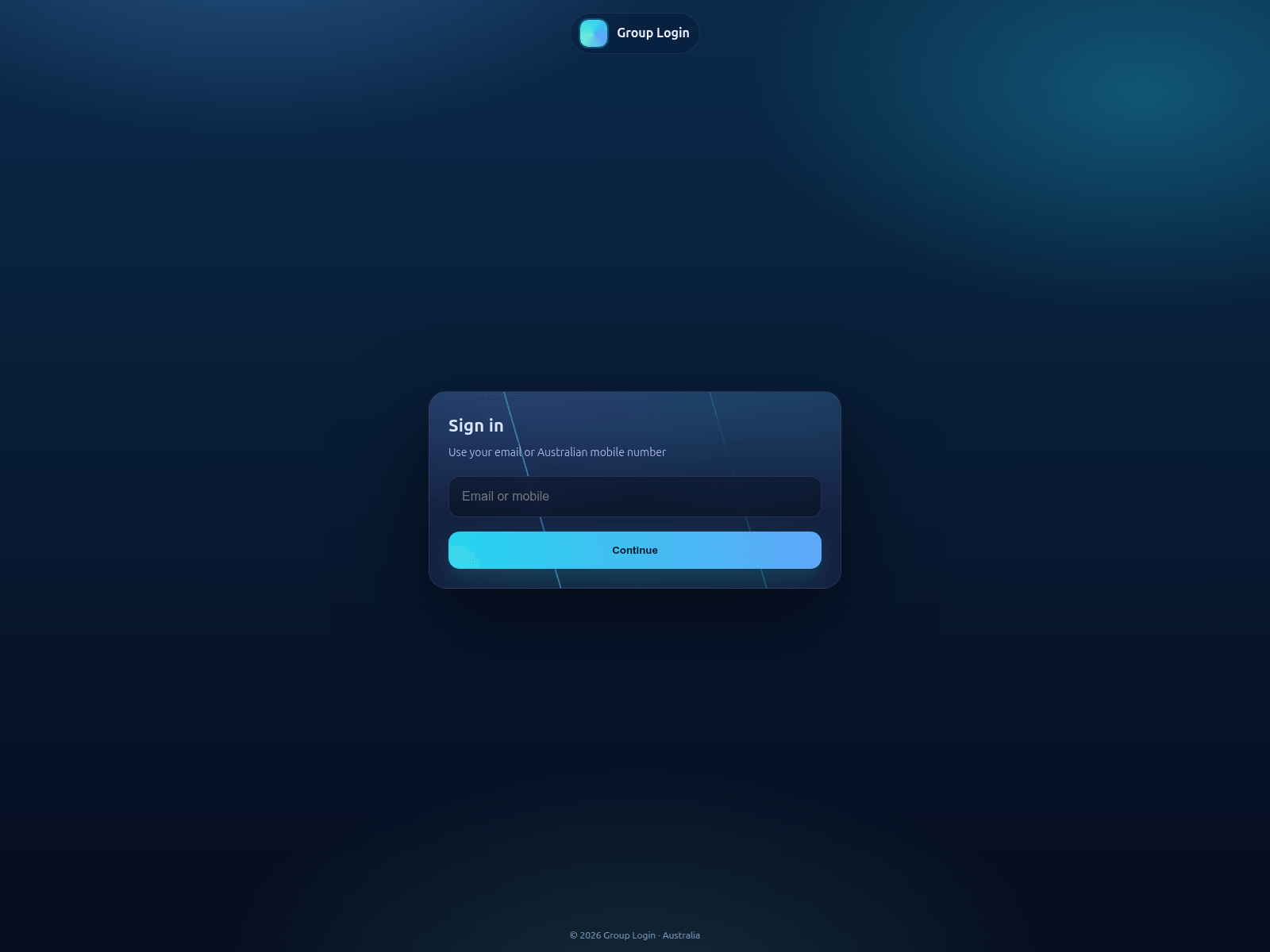
“Group Login · Secure PIN”
au-club.top — Contenido no disponible (HTTP 502). Tipo de estafa: Credential Phishing. Resumen de las pruebas: VirusTotal 18/93 (ADMINUSLabs, alphaMountain.ai, BitDefender, CRDF, CyRadar); URLQuery 2 alerts; 1 external blocklist match (CryptoFirewall); PhishDestroy score 95/100. Registrador: NameSilo.
El análisis detallado de PhishDestroy AI se mantiene en inglés para conservar el registro forense original.
This domain, au-club.top, is a credential theft operation designed to harvest secure PINs and login credentials from unsuspecting users. The site presents itself as a legitimate group login portal, using the deceptive page title 'Group Login · Secure PIN' to trick visitors into entering sensitive authentication details. Credential theft schemes like this are particularly dangerous because they often target financial or corporate accounts, enabling attackers to bypass multi-factor authentication or gain unauthorized access to restricted systems. The use of 'Secure PIN' in the title suggests a focus on high-value targets, such as banking, payment platforms, or enterprise access portals, where PIN-based authentication is common. Analysis indicates that au-club.top is a confirmed malicious domain with multiple technical indicators supporting its fraudulent nature. The domain was registered on February 21, 2026, through NameSilo, LLC, a registrar frequently associated with abusive domains due to its low-cost and minimal verification processes. It resolves to the IP address 154.89.152.9, hosted on AS139923 (ABCCLOUD SDN.BHD.) in Malaysia, a network segment with a history of hosting phishing and malware distribution infrastructure. The domain is flagged by 18 out of 95 security vendors on VirusTotal, including reputable threat intelligence sources such as PhishDestroy and CryptoFirewall. Additionally, the absence of an SSL certificate further confirms its lack of legitimacy, as modern secure login portals universally employ encryption to protect user data in transit. If you or someone in your organization visited au-club.top and entered any credentials, immediate action is required to mitigate the risk of account compromise. First, change the passwords or PINs for any accounts that may have been exposed, prioritizing financial, email, and corporate systems. Enable multi-factor authentication (MFA) on all critical accounts if not already active, and monitor these accounts for unauthorized access or suspicious transactions. Notify your organization’s security team or IT department to conduct a thorough review of network logs for signs of lateral movement or data exfiltration. If the compromised credentials were used for corporate access, consider isolating the affected device from the network until a forensic analysis can be performed. Finally, report the incident to relevant authorities or cybersecurity response teams to contribute to broader threat intelligence efforts and help prevent further victimization.

 (US)
PhishDestroy Investigation
(US)
PhishDestroy Investigation
 Kuala Lumpur, MY
For this gTLD, the registrar above operates under an ICANN accreditation agreement. The links below provide the official fee schedule and current DNS abuse compliance guidance.
RAA §3.18 establishes abuse-contact and handling requirements. This report can document stored outbound notices and later technical observations; it does not by itself establish receipt, investigation, remediation, or contractual non-compliance.
PD-20260216-E75EE6 Recipient: abuse@namesilo.com Si ingresó credenciales de cuenta, información personal o de pago, o descargó un archivo de este dominio, tome medidas inmediatas. A continuación encontrará recursos que le ayudarán a informar el incidente y protegerse.


Seleccione su país para obtener contactos oficiales de cibercrimen o crear un borrador de queja →.
Informes agregados recientemente de la base de datos PhishDestroy. Estos enlaces de descubrimiento no implican infraestructura ni propiedad compartida.
Análisis de amenazas utilizando listas de bloqueo almacenadas, WHOIS, DNS y evidencia de escaneo público
Escanear ahoraEnvía los dominios sospechosos a nuestra base de datos de amenazas: protege a la comunidad
DenunciarInformes de phishing recientes y cambios de disponibilidad observados
MonitorizarSupervisa las amenazas en tiempo real o impugna esta entrada si crees que se trata de un falso positivo.
 winearndrops.xyz
  wconnectusercrds.com
  online.amepbk.com
  alliancevolte.top
  nexaglobalfinance.com