xevest.com
  invest1.detechbazzar.com
  gmx-appvoting.com
IC3 del FBI
Denunciar delitos cometidos a través de Internet en los Estados Unidos
Federal tips line1-800-CALL-FBI

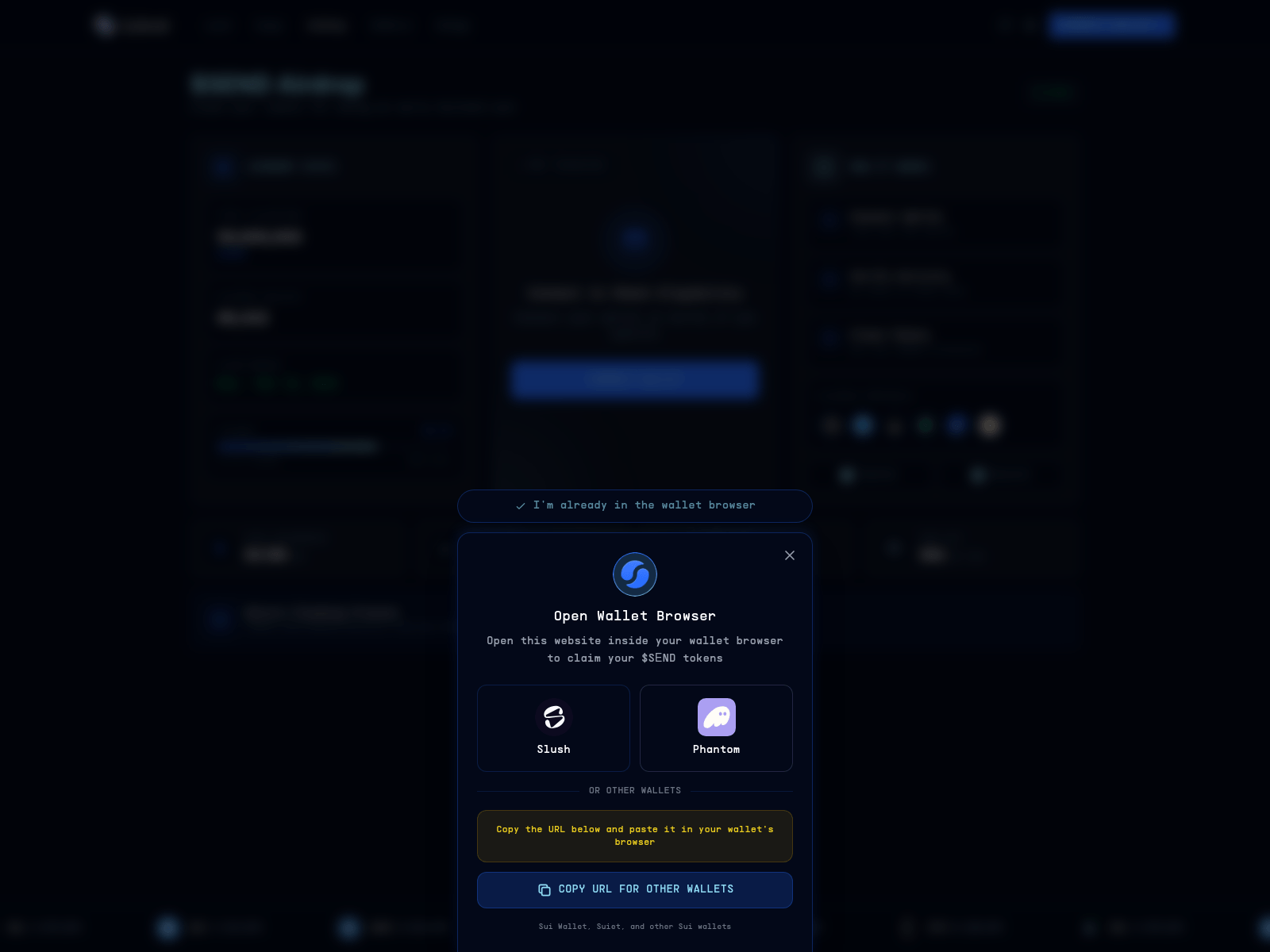
“Phase 2 Distribution”
Analysis of the domain 391.lol, created on March 14, 2026 and currently taken offline, shows a clear pattern of brand impersonation targeting Discord users. The site presented the page title “Phase 2 Distribution,” a phrase commonly used in multi‑stage phishing campaigns. The SSL certificate is classified as grade E7, indicating weak encryption and a lack of proper validation. Technical fingerprinting reveals the use of Cloudflare services, including Cloudflare Browser Insights and HTTP/3, with the domain resolving to IP address 188.114.97.3, which belongs to AS13335 (Cloudflare, Inc.) in the United States. The registrar is NameSilo, LLC, and the authoritative nameservers are isla.ns.cloudflare.com and razvan.ns.cloudflare.com.
Reputation checks show a Gridinsoft trust score of 0 out of 100, and the domain appears on three independent security blocklists. It is also listed as blocked by PhishDestroy, MetaMask, and SEAL. VirusTotal analysis recorded detections from two of ninety‑four security vendors, reinforcing the malicious classification. The identified scam type is “Social Media Phishing,” consistent with the Discord impersonation claim.
While the site is currently offline, the infrastructure components—Cloudflare edge hosting and the low‑trust SSL certificate—could be reused for future phishing attempts. Defenders should continue to block 391.lol at DNS and proxy layers, monitor the associated IP address for re‑registration, and add the domain to internal threat‑intel feeds. Updating detection signatures to flag the “Phase 2 Distribution” title and the specific combination of Cloudflare‑served assets may improve early identification of similar campaigns. Continuous observation of the registrar’s newly created domains is recommended to catch potential clones that reuse the same naming patterns or hosting configuration.
PD-20260315-02F2FD
10 fuentes externas supervisadas · instantánea del 10/08/2026
 (US)
PhishDestroy Investigation
San Francisco, US
(US)
PhishDestroy Investigation
San Francisco, USFor this gTLD, the registrar above operates under an ICANN accreditation agreement. The links below provide the official fee schedule and current DNS abuse compliance guidance.
RAA §3.18 establishes abuse-contact and handling requirements. This report can document stored outbound notices and later technical observations; it does not by itself establish receipt, investigation, remediation, or contractual non-compliance.
Google PageSpeed Insights — mobile performance audit of 391.lol · checked Mar 15, 2026
Estos informes se resuelven en la misma IP perimetral compartida. Ayudan a descubrir informes, pero no implican una propiedad común ni un servidor de origen compartido.
These domains also target Discord users. View all Discord threats →
Informes agregados recientemente de la base de datos PhishDestroy. Estos enlaces de descubrimiento no implican infraestructura ni propiedad compartida.
Si ingresó credenciales de cuenta, información personal o de pago, o descargó un archivo de este dominio, tome medidas inmediatas. A continuación encontrará recursos que le ayudarán a informar el incidente y protegerse.


Seleccione su país para obtener contactos oficiales de cibercrimen o crear un borrador de queja →.
Análisis de amenazas utilizando listas de bloqueo almacenadas, WHOIS, DNS y evidencia de escaneo público
Escanear ahoraEnvía los dominios sospechosos a nuestra base de datos de amenazas: protege a la comunidad
DenunciarInformes de phishing recientes y cambios de disponibilidad observados
MonitorizarSupervisa las amenazas en tiempo real o impugna esta entrada si crees que se trata de un falso positivo.