VirusTotal
12 / 92 engine detections
Open report

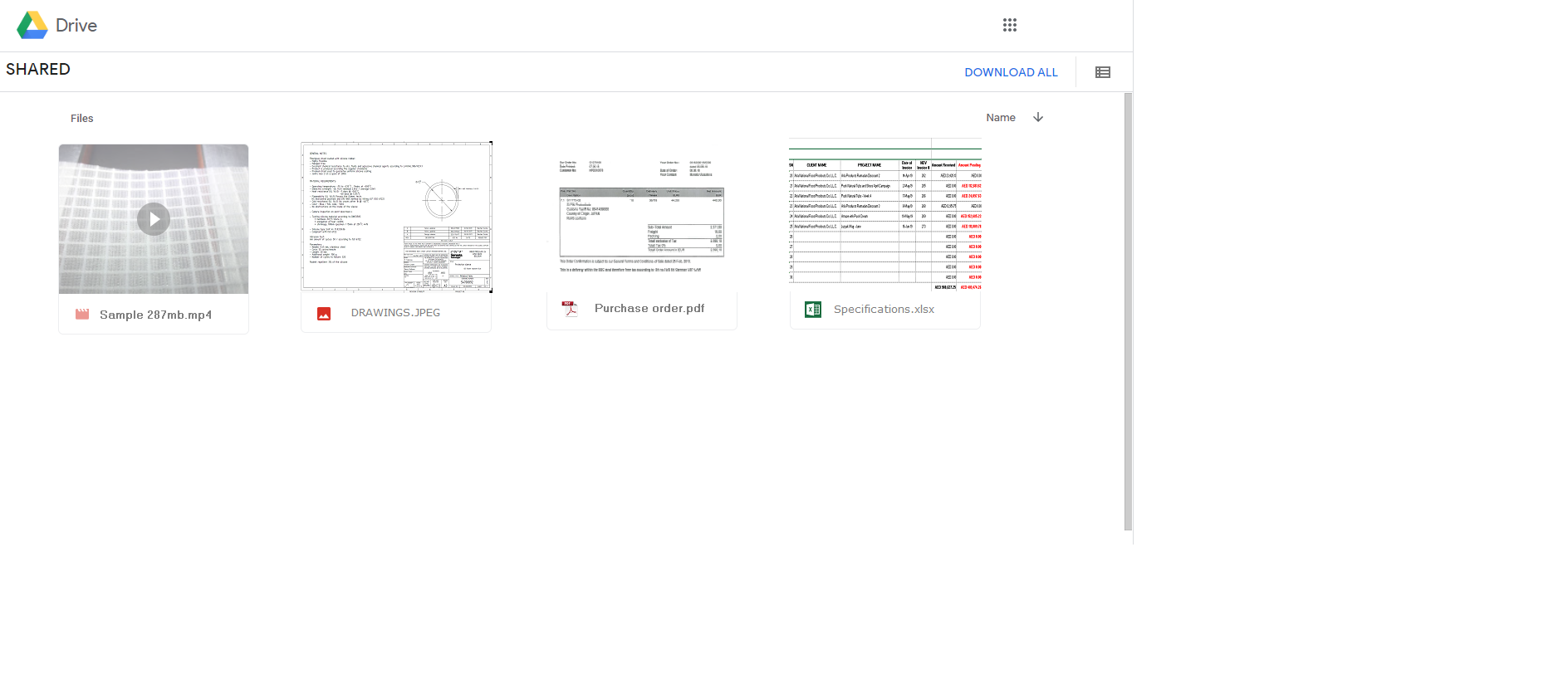
“~SHARED#D0C~”
The sent-report ledger records the first outgoing report at .
The recorded recipient is tld-abuse@hostopia.com.
The latest stored availability evidence still shows the domain reachable; 4 days has elapsed since the first outgoing report.
ICANN RAA §3.18 describes registrar abuse-contact and handling obligations. This section records outgoing timestamps, listed recipients, case identifiers, and later availability. It does not by itself prove receipt, acknowledgement, investigation, remediation, or contractual non-compliance.
12 / 92 engine detections
Open reportScan report
Open reportno community references
Open reportprovider verdict: clean
Open reportNo threat flag
Open reportNo malicious flag
Open reportResults reflect each source’s collection time. Zero detections do not guarantee safety. OTX references are community publications.
PhishDestroy threat report
keych.org is an impersonation phishing page that presents itself as a shared document, with the page title "~SHARED#D0C~". Its targets are people who receive file-sharing notifications by email and expect to open a document. PhishDestroy first saw the domain on 2026-10-16. As of 2026-10-19 the domain still resolves, but the phishing content is unreachable.
Shared-document lures usually begin with an email or message saying a colleague or partner has sent a file. The link leads to a page that imitates a familiar document or sign-in service and asks the visitor to log in before viewing the file. Whatever username and password the victim enters goes straight to the attacker. Attackers then use the stolen account to read mail, reset other passwords, or send the same lure to the victim's contacts. The obfuscated title "~SHARED#D0C~" fits this pattern of a fake shared-document prompt.
On 2026-10-19, VirusTotal showed 12 of 92 engines flagging the domain. The flagging vendors include alphaMountain.ai, CRDF, Forcepoint ThreatSeeker, G-Data, Gridinsoft, LevelBlue, Lionic and SafeToOpen. The domain is listed on the PhishDestroy and PhishFeed blocklists. That level of detection is moderate, but it comes from several unrelated vendors that reached the same verdict.
The domain was registered on 2007-08-09 through Hostopia Canada Corp, so it is far older than the phishing activity. It is hosted at 64.29.151.221 on the INFB2-AS network operated by Internet Names For Business Inc., with the server located in the US. The site uses a domain-validated TLS certificate from Sectigo Limited (Sectigo Public Server Authentication CA DV R36). The padlock in the browser only means the connection is encrypted and says nothing about whether the site is legitimate.
If you opened a document link that led to this domain, close the page and do not enter anything there. If you entered a password, change it right away on the real service and on any other account that uses the same password. Then turn on multi-factor authentication and review recent sign-ins, mail forwarding rules and connected apps for anything you don't recognize. Warn your contacts, because a compromised mailbox is often used to send the same lure onward. Defenders should block keych.org and 64.29.151.221 at the mail and web gateways, search mail logs for messages linking to the domain, and reset credentials for any users who clicked through.
 (US)
ns1.abac.comns1.aplus.netns2.abac.comns2.aplus.netns3.aplus.netmx1c40.carrierzone.compriority 10mx2c40.carrierzone.compriority 100mx3c40.carrierzone.compriority 110Location describes the IP network.
ff5a6dffe7a6536e06d4dc44e61750f5722f554eddf6b5db13aafa257f6080e4www.keych.orgSaved certificate metadata. Certificate dates without a timezone are shown as stored. Transport encryption does not establish that the site is trustworthy.
Hostnames retained in the domain record or Certificate Transparency cache. A hostname alone does not establish current availability or malicious activity.
www.keych.orgDomain recordThe original observation time is not recorded for these hostnames.
Timestamped response metadata retained by the local collection pipeline. Each value below belongs to the displayed archive time.
http://keych.org/kjq1nbh/cbtgyri/uwzafn1/Revalidate/hinet/sort/files/css/index.phpContent-Type: text/html; charset=UTF-8Content-Encoding: gzipkeep-alivegziptext/html; charset=UTF-8Fri, 16 Oct 2026 00:31:44 GMTchunkedValues retained by the collector; long values may be shortened during collection.
An estimated time describes an observation window. It does not prove a registrar action or the exact moment a site became unavailable.
No threat flag
View source12/92 engine detections
View sourcePD-20261016-BC11E1
Page captured
View sourcekeych.org
View sourceEach lane is one reason a domain is linked to this host. Node size marks VirusTotal detections and dashed nodes are already offline. The full lists follow below.
Same favicon hash or the same page title as this host.
Reports with the same collector label. A shared label does not establish impersonation or common ownership. View matching reports →
Registered through the same registrar. A registrar serves millions of unrelated customers, so this groups reports rather than proving a link.
Compare what a browser and a crawler receive, and check for Keitaro traffic routing.
keych.org
PD-20261016-BC11E1 Recipient: tld-abuse@hostopia.com AUP & Terms of Service Violations: Acceptable Use Policy: Active phishing operations targeting internet users directly violate standard AUP provisions prohibiting fraud and deceptive practices. Terms of Service: Material breach of service terms regarding malicious use, providing contractual justification for immediate suspension. Applicable Legal Framework (US): 18 U.S.C. § 1343 - Wire Fraud 18 U.S.C. § 1030 - Computer Fraud and Abuse Act (CFAA) 15 U.S.C. § 45 - FTC Act (Deceptive Practices) Federal laws prohibit wire fraud, computer fraud, and deceptive business practices. Investigation Notice: We fully respect your internal investigation processes and discretion. Prompt remediation protects innocent users while mitigating regulatory compliance scrutiny, legal liability, and brand reputation risks associated with ongoing malicious infrastructure.
If credentials, payment data, or files were exposed, report the incident immediately. Change affected passwords, revoke active sessions, and scan the device.


Select your country to get official cybercrime contacts, or create a complaint draft →.
Template-based draft · optional AI wording assistance requires separate consent
Choose the steps that match what you shared. Keep a copy of this report alongside your own records.
Stop using the suspicious site. Open the real service through its official app or an address you already trust.
Keep original emails, receipts, messages and screenshots in a secure place. A factual timeline helps the receiving authority understand what happened. IC3 evidence guidance ↗
keych.org)Even if you don't have all details — file a report anyway. Partial information still helps investigations.
A report is not a guarantee of recovery or investigation, but prompt, accurate transaction data can help authorities and service providers trace the incident.
Further guidance: NIST · phishing responseFBI IC3 · reports & evidenceFTC · recovery scams
Threat analysis using stored blocklist, WHOIS, DNS, and public scan evidence
Scan NowSubmit suspicious domains to our threat database — protect the community
ReportRecent phishing reports and observed availability changes
MonitorMonitor live threats or contest this listing if you believe it's a false positive
This report combines saved page captures, registration and network records, scanner results and PhishDestroy reporting history. Each source keeps its own observation date. Open a source report to inspect the original result.
The AI-assisted analysis was written on . It describes the evidence available at that time; later source checks can change.
A capture documents what was shown. A scanner result records that provider’s assessment at the time of its check. Neither a valid certificate nor a zero-detection result is a guarantee of safety.