VirusTotal
8 / 95
Report


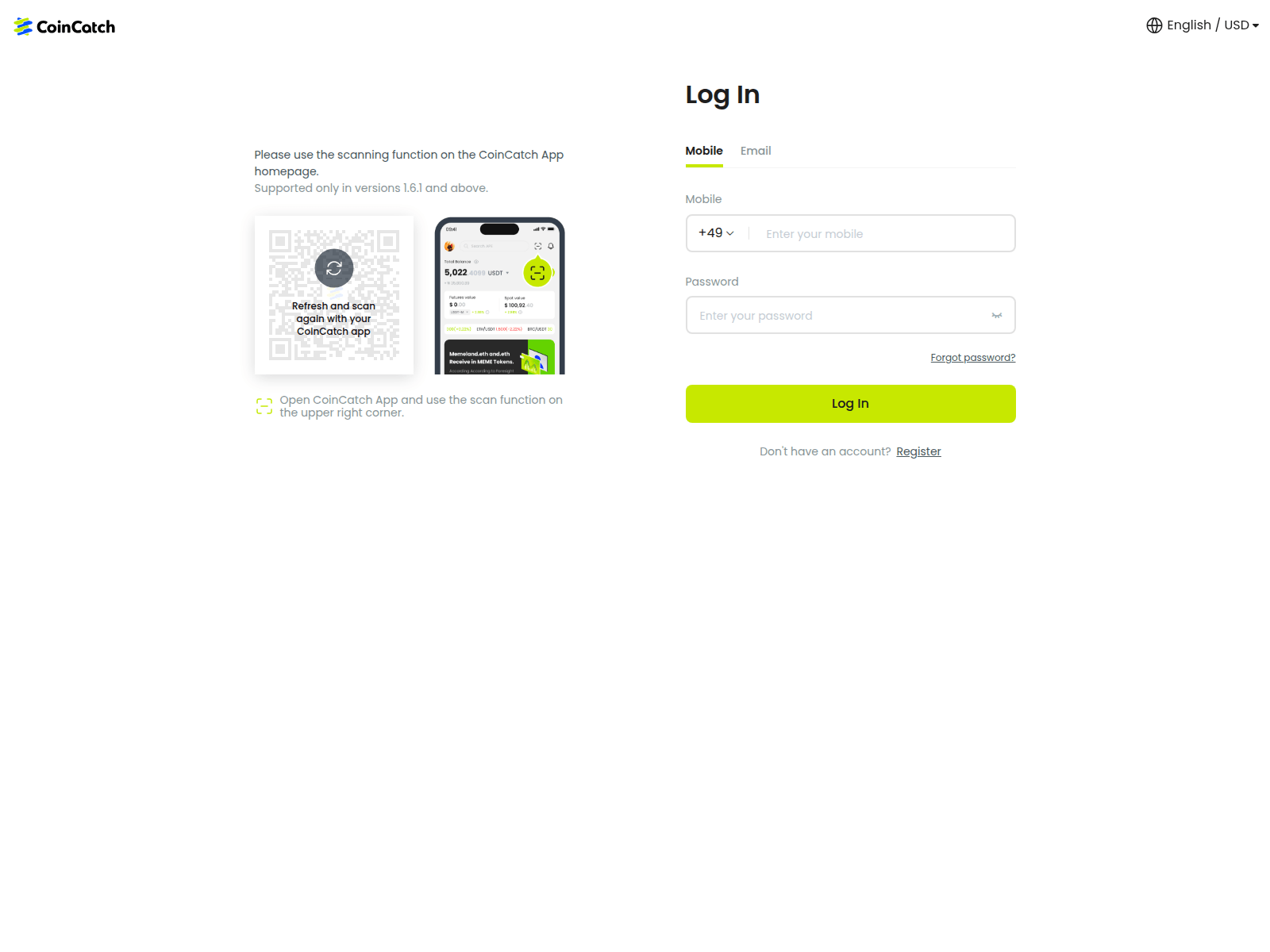
“CoinCatch Login & CoinCatch Crypto Exchange | CoinCatch Login Trading Platform”
The site www.coincatch-login-exchange.com presents itself as a "CoinCatch Login & CoinCatch Crypto Exchange" platform, but is a credential phishing scam that impersonates the brand argent. The primary threat is the capture of user login credentials and sensitive account information from victims attempting to access a legitimate cryptocurrency exchange.
Technical analysis shows the domain was created on 2024-10-18 and registered through NiceNIC International Group Co., Limited. It is hosted on IP 185.149.120.107 (Russia), under AS57724 DDOS-GUARD LTD, with nameservers pns51.cloudns.net and pns52.cloudns.net. VirusTotal reports 8 out of 95 security vendors flagging the site, including BitDefender, CyRadar, Fortinet, G-Data, and Kaspersky. The site has no SSL certificate and is present on one blocklist.
The domain is currently offline, but its high risk score of 10 indicates a severe threat if reactivated. Organizations and users should block the domain and ensure no credentials were entered, as the site is designed to harvest login data.
Stored crawler-versus-browser observations for this host, plus a live fingerprint check for Keitaro-style traffic distribution systems.
Scanner note: unavailable: raw=connection_error; http=0; via=http_proxy; error=SOCKSHTTPConnectionPool(host='duplicate-disabled-362.invalid', port=80): Max retries exceeded with url: / (Caused by New
 (RU)
PhishDestroy Investigation
(RU)
PhishDestroy Investigation
For this gTLD, the registrar above operates under an ICANN accreditation agreement. The links below provide the official fee schedule and current DNS abuse compliance guidance.
RAA §3.18 establishes abuse-contact and handling requirements. This report can document stored outbound notices and later technical observations; it does not by itself establish receipt, investigation, remediation, or contractual non-compliance.
pns51.cloudns.netpns52.cloudns.netLocation describes the IP network.
10 recorded events. These records describe collected evidence, outgoing notifications and publication; they do not confirm a complete investigation or a takedown.
We scan suspicious URLs, inspect public results and send evidence through the appropriate abuse-reporting channels. The dated events above show what is recorded for this domain. The directory below explains the wider workflow.
Capture the rendered page, requests and visible infrastructure.
Compare the available engine results and retain the analysis timestamp.
Check whether Google currently lists the URL as unsafe.
Inspect a public scan and its recorded network and classification data.
Look for indicator references and related community intelligence.
Compare archived captures and preserve historical context.
Look for matching indicators and associated threat records.
Inspect certificate records and related hostnames.
Compare security resolver responses and record observed blocking.
Inspect the public DNS, TLS, HTTP and technology surface.
Security services used for scanning, reputation checks and reporting are listed below. A service being listed is not evidence that it received, accepted or acted on this particular domain. Recorded submissions appear in the notification history above.
If credentials, payment data, or files were exposed, report the incident immediately. Change affected passwords, revoke active sessions, and scan the device.


Select your country to get official cybercrime contacts, or create a complaint draft →.
Template-based draft · optional AI wording assistance requires separate consent
Each lane is one reason a domain is linked to this host. Node size marks VirusTotal detections and dashed nodes are already offline. The full lists follow below.
Same favicon hash or the same page title as this host.
Multiple reports share this IP.
These domains also target Argent users. View all Argent threats →
Registered through the same registrar. A registrar serves millions of unrelated customers, so this groups reports rather than proving a link.
Recently added threat reports.
Threat analysis using stored blocklist, WHOIS, DNS, and public scan evidence
Scan NowSubmit suspicious domains to our threat database — protect the community
ReportRecent phishing reports and observed availability changes
MonitorMonitor live threats or contest this listing if you believe it's a false positive