
Search tracked domains and review stored evidence, detections, and the latest observed availability.
222,644
Total Tracked
216,783
VT Detected
93,073
Last Seen Active
129,571
Unavailable at Last Check
0
VT Pending

How This Attack Works
Gambler Scam Panels exploit the allure of gambling to deceive users and extract financial information. Here's a breakdown of how these scams typically unfold:
STEP 1
Enticing Offer
Scammers create convincing gambling websites offering attractive bonuses or winnings.
STEP 2
User Engagement
Victims are drawn in by the promise of easy money and create accounts on these fraudulent platforms.
STEP 3
Data Collection
Scammers collect sensitive personal and financial data under the guise of account verification.
STEP 4
Financial Exploitation
Collected data is used for unauthorized transactions, leading to financial loss for the victim.
Technical Analysis
Gambler Scam Panels often utilize spoofed gambling websites that mimic legitimate platforms. Attackers use phishing kits to create replicas of popular gambling sites, embedding malicious scripts that capture user data. These sites are hosted on domains registered with less-regulated registrars like NICENIC INTERNATIONAL GROUP CO., LIMITED, WEBCC, and Dominet (HK) Limited. Additionally, they may leverage obfuscated JavaScript to hide malicious activities from casual inspection. In some cases, these scams involve fake cryptocurrency gambling, where smart contracts are manipulated to always favor the scammer, utilizing functions that are poorly documented and hard to audit.
Real Cases
SpinWin Scam (2024)
$2 million stolen
Users were lured by promises of high returns on a fake cryptocurrency gambling site, resulting in significant financial losses.
QuickBet Fraud (2023)
$1.5 million stolen
This scam used a well-designed imitation of a major gambling platform to collect user data and funds.
LuckyStrike Hoax (2024)
$3 million stolen
A fake lottery site that promised huge winnings but instead harvested sensitive financial information from users.
How to Detect
Unusually high bonuses or winnings promised
Poor website design with multiple typos
Unsecured website (missing HTTPS)
Unusually urgent demands for personal information
Domain registered recently with a non-reputable registrar
How to Protect Yourself
1
Verify the legitimacy of gambling sites before using them
2
Use secure passwords and two-factor authentication
3
Be wary of sites with unsecured connections
4
Regularly monitor financial statements for unauthorized transactions
5
Report suspicious sites to authorities and platforms like PhishDestroy
Frequently Asked Questions
Data sourced from PhishDestroy threat intelligence database — 10,197 domains tracked for this threat type
Gambler Scam Panel 10,197 domains

draslot.com
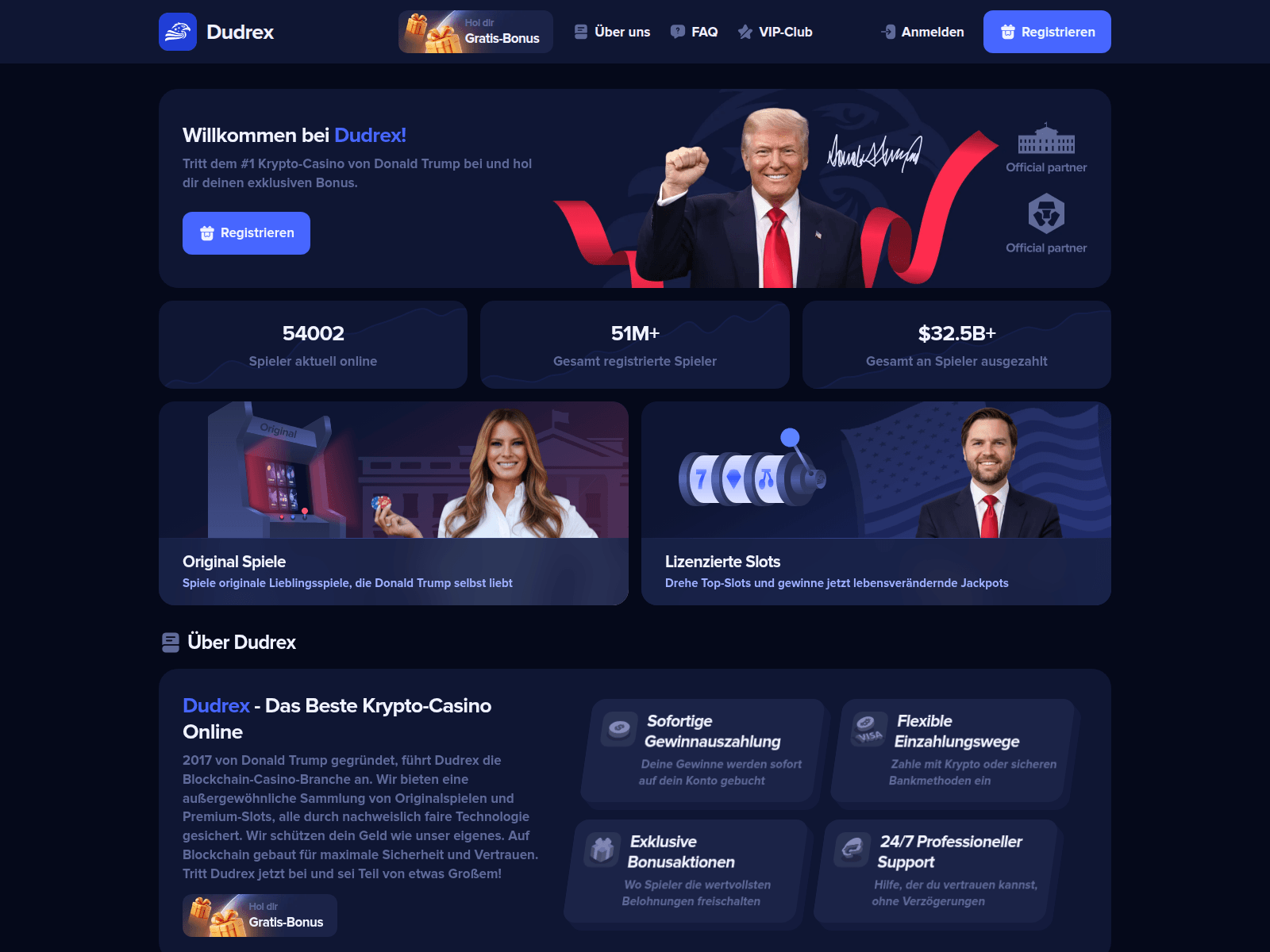
dudrex.cfd

duplicate-disabled-242543.invalid

duplicate-disabled-247733.invalid

erenbet.com

ertxwin.com

eswao.com

exgamb.cc

ezewex.com
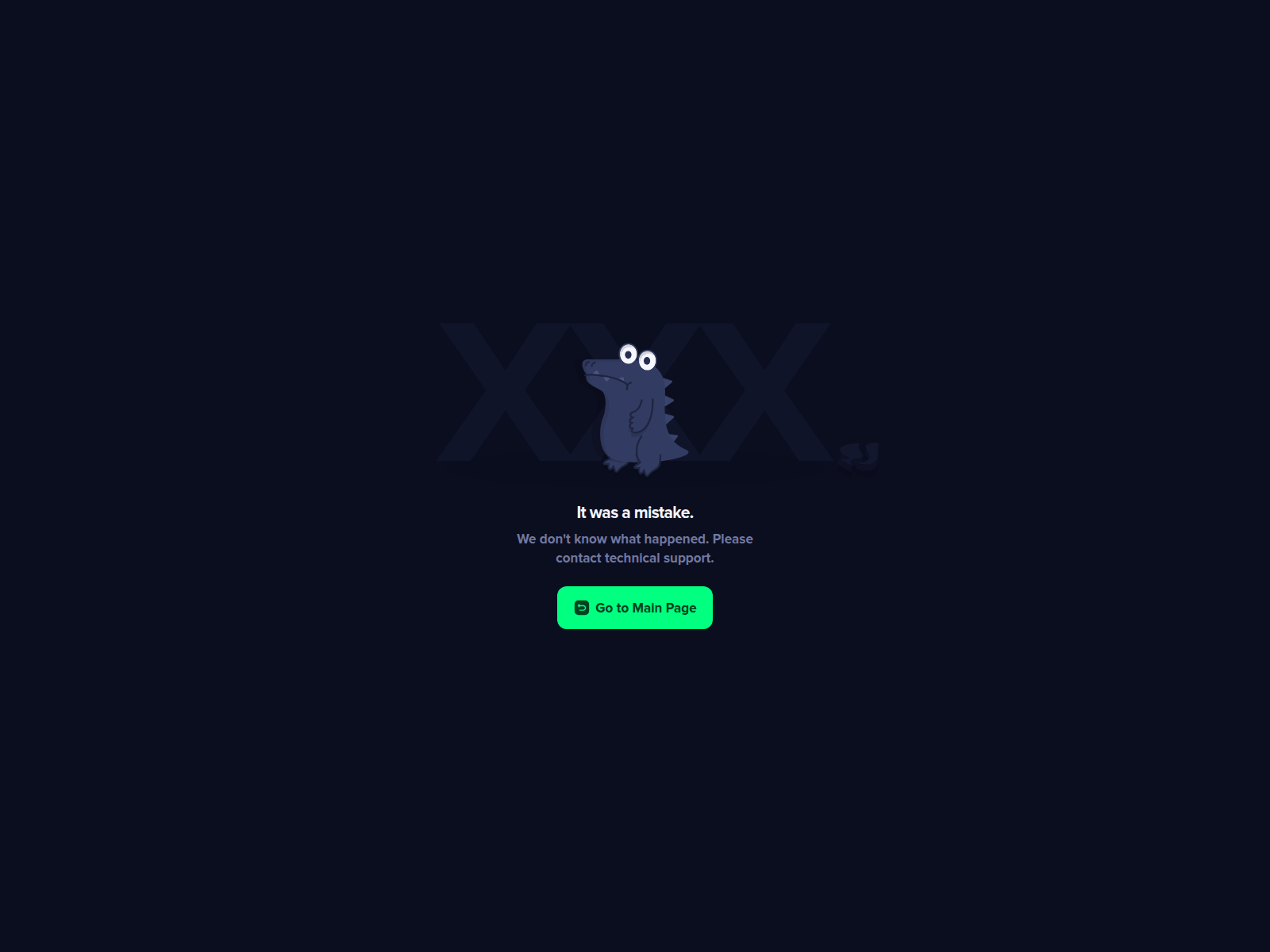
faolex.com

faufax.com
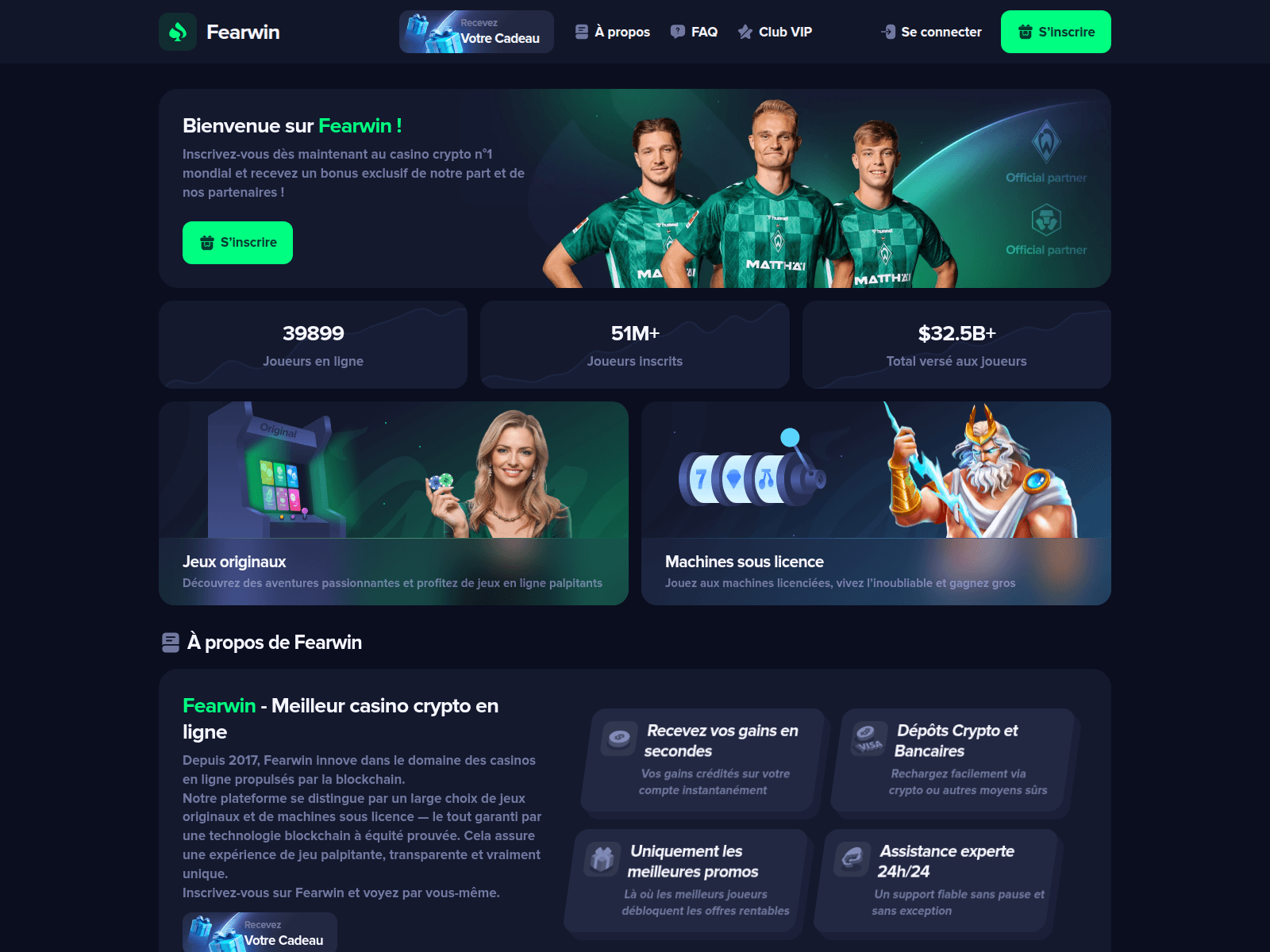
fearwin.com

feastwin.com
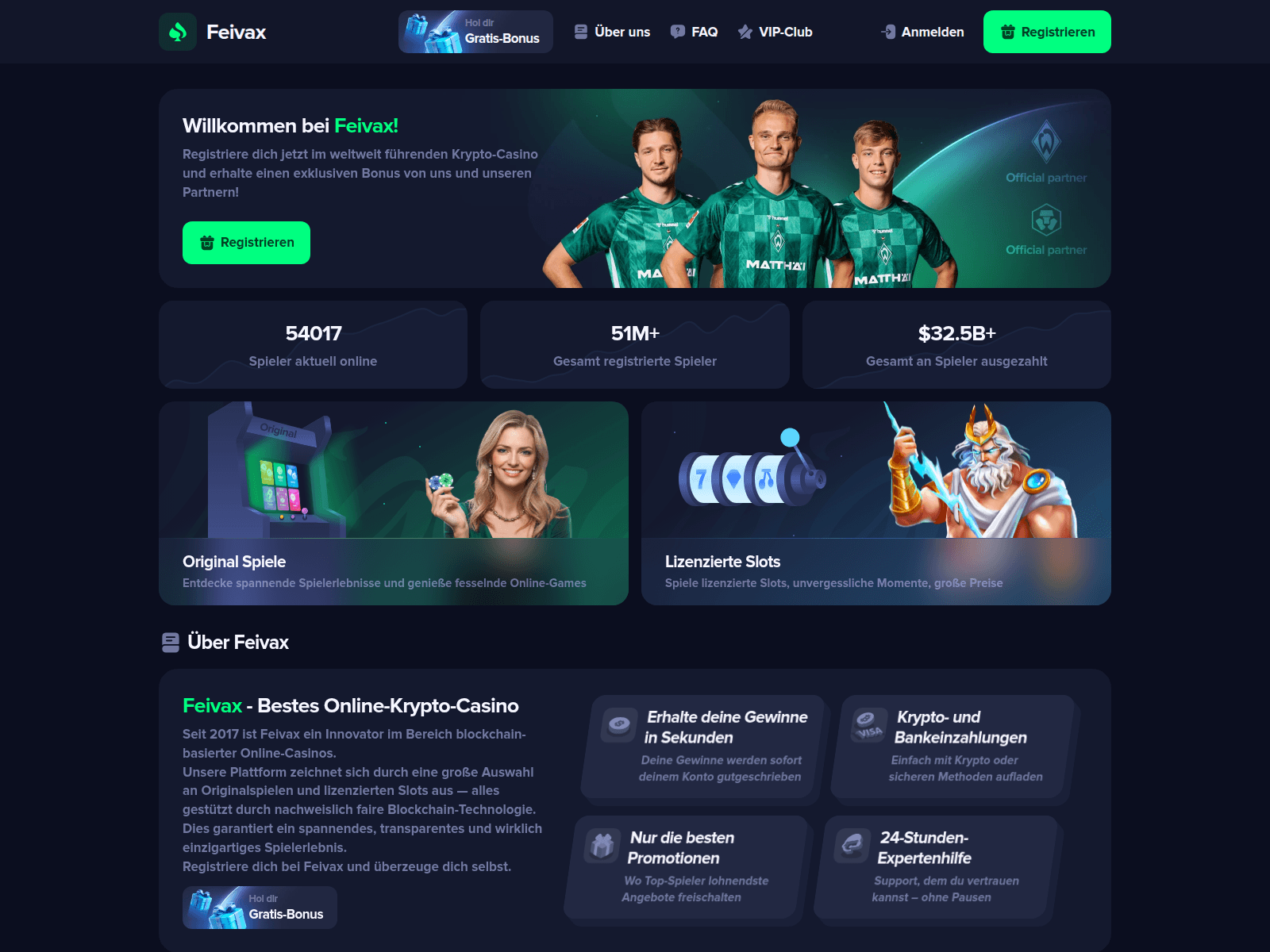
feivax.com
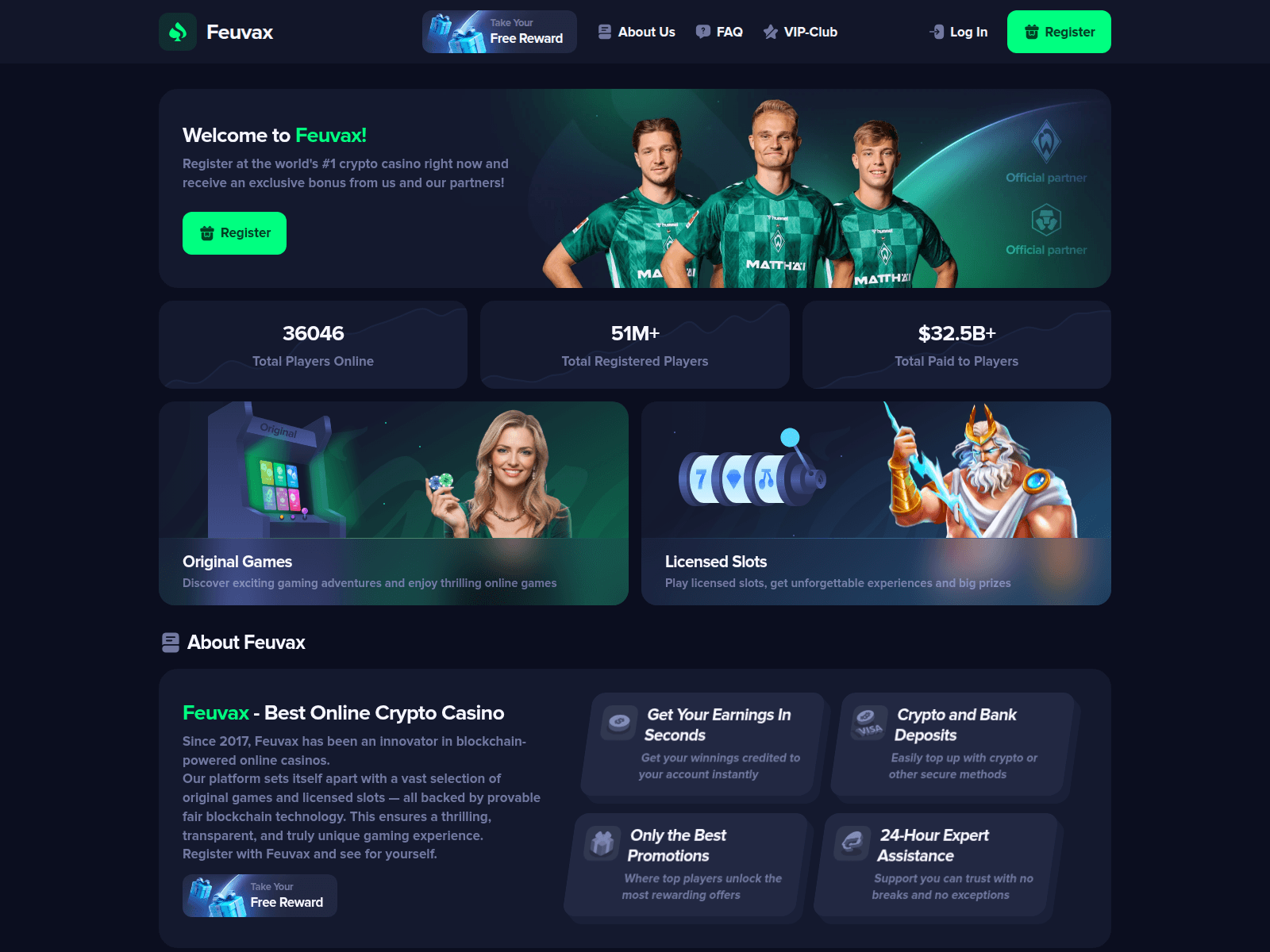
feuvax.com

fgamb.cc

fiftyluck.cc

fixowex.com

flameboom.com

foldwin.com

fomawin.com

ftponmydih.lat

fuxowin.com
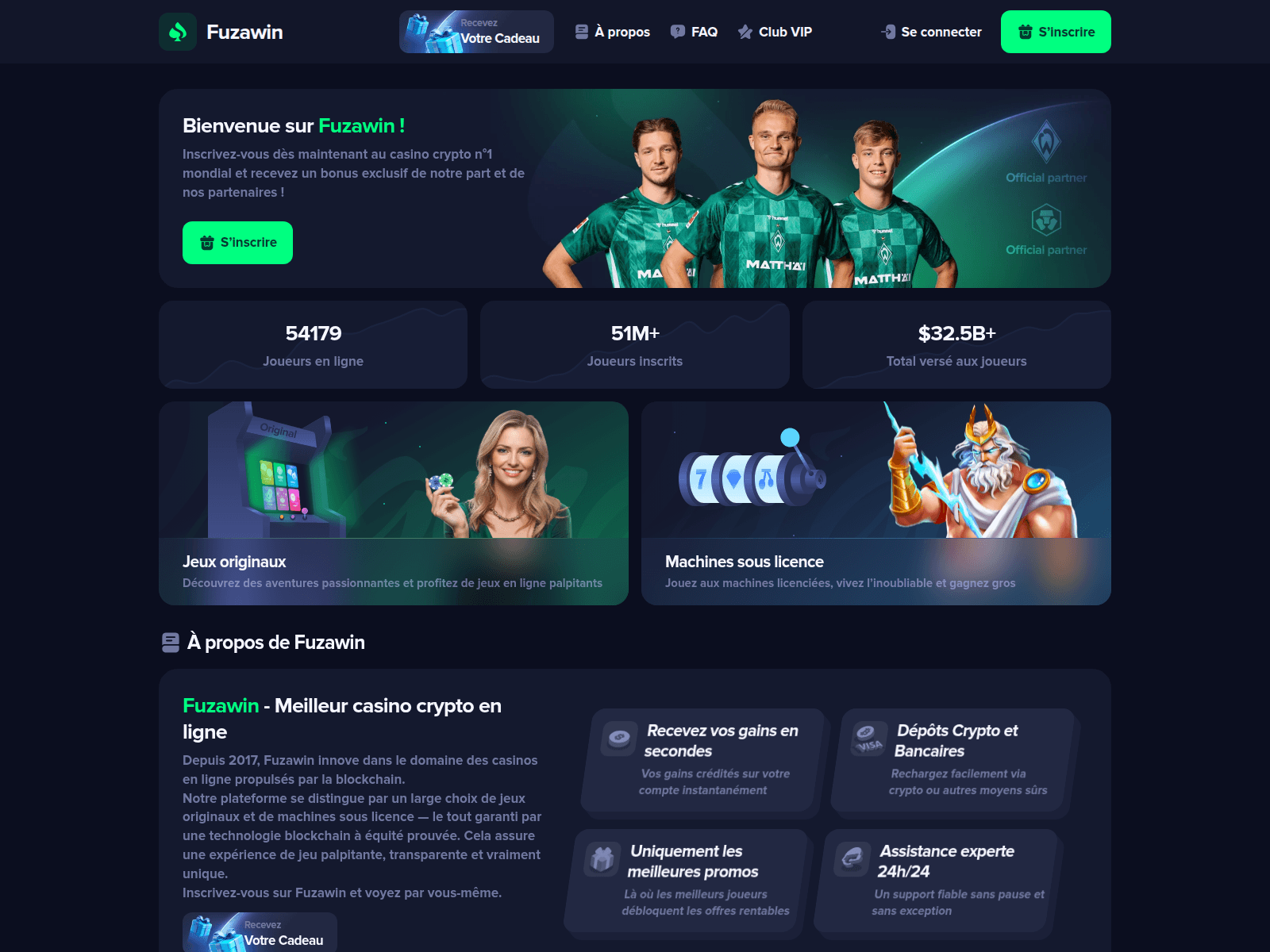
fuzawin.com

gambinx.com
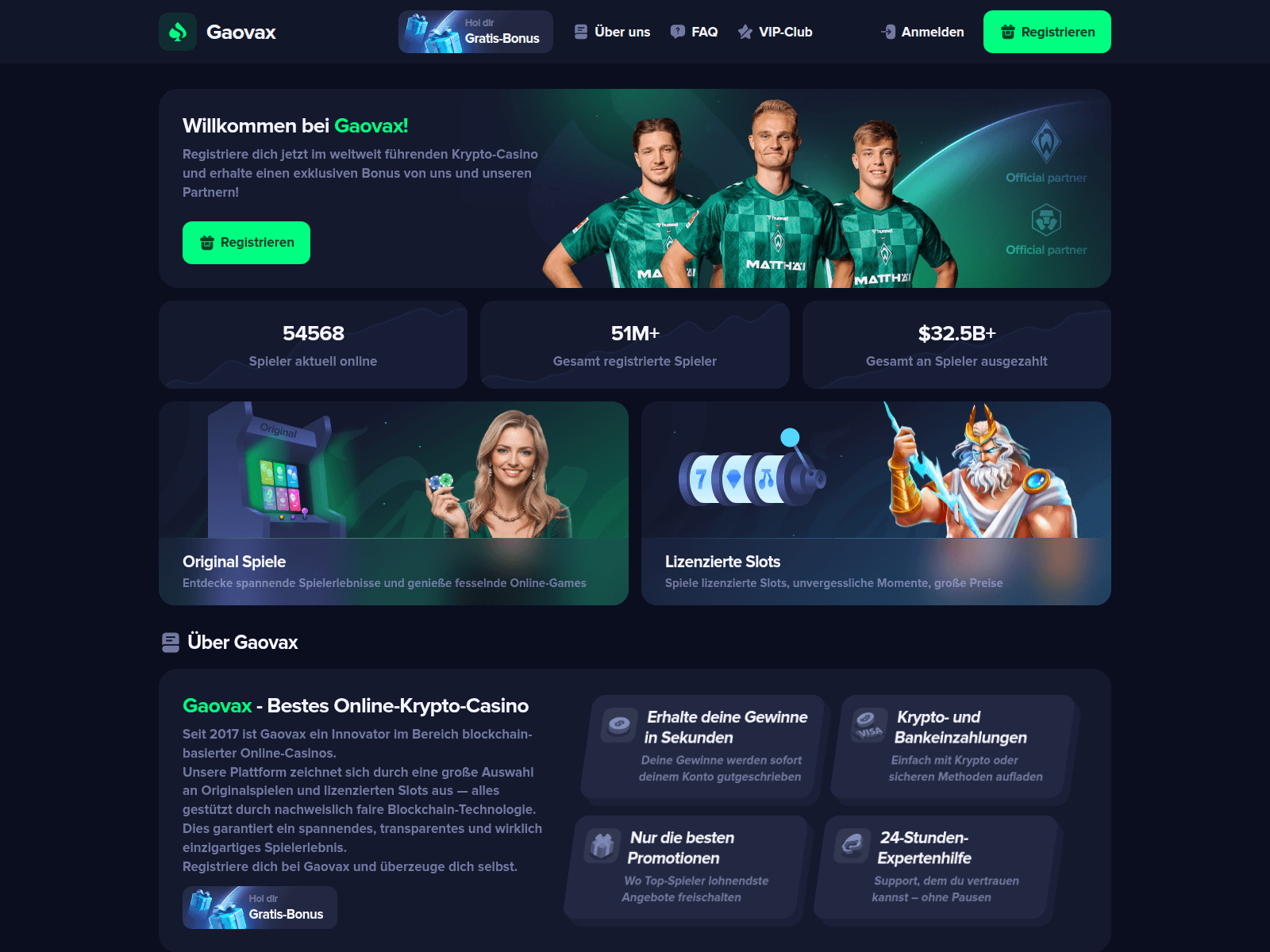
gaovax.com

gaovex.com
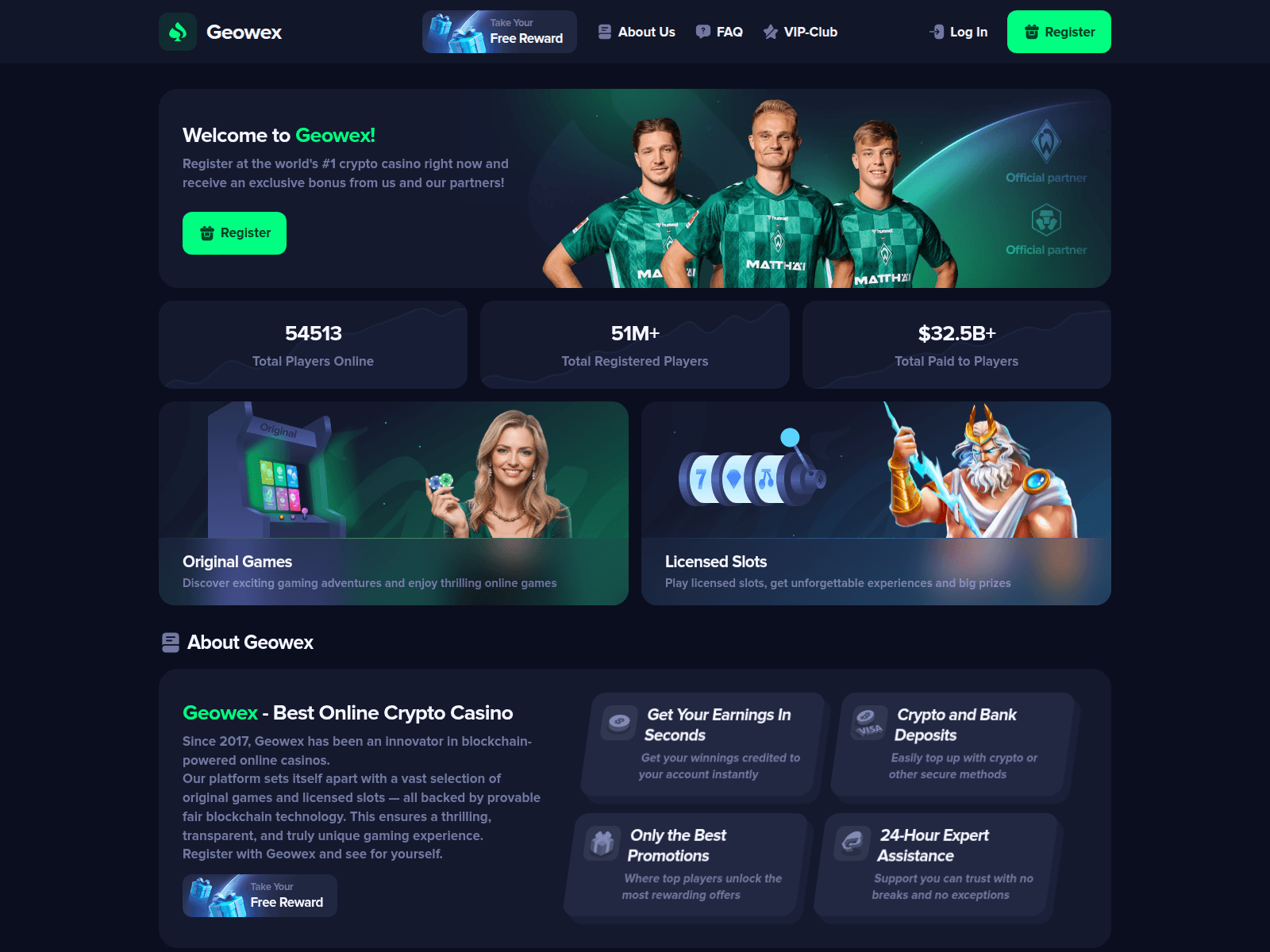
geowex.com

ghostflip.life

glowspin.life
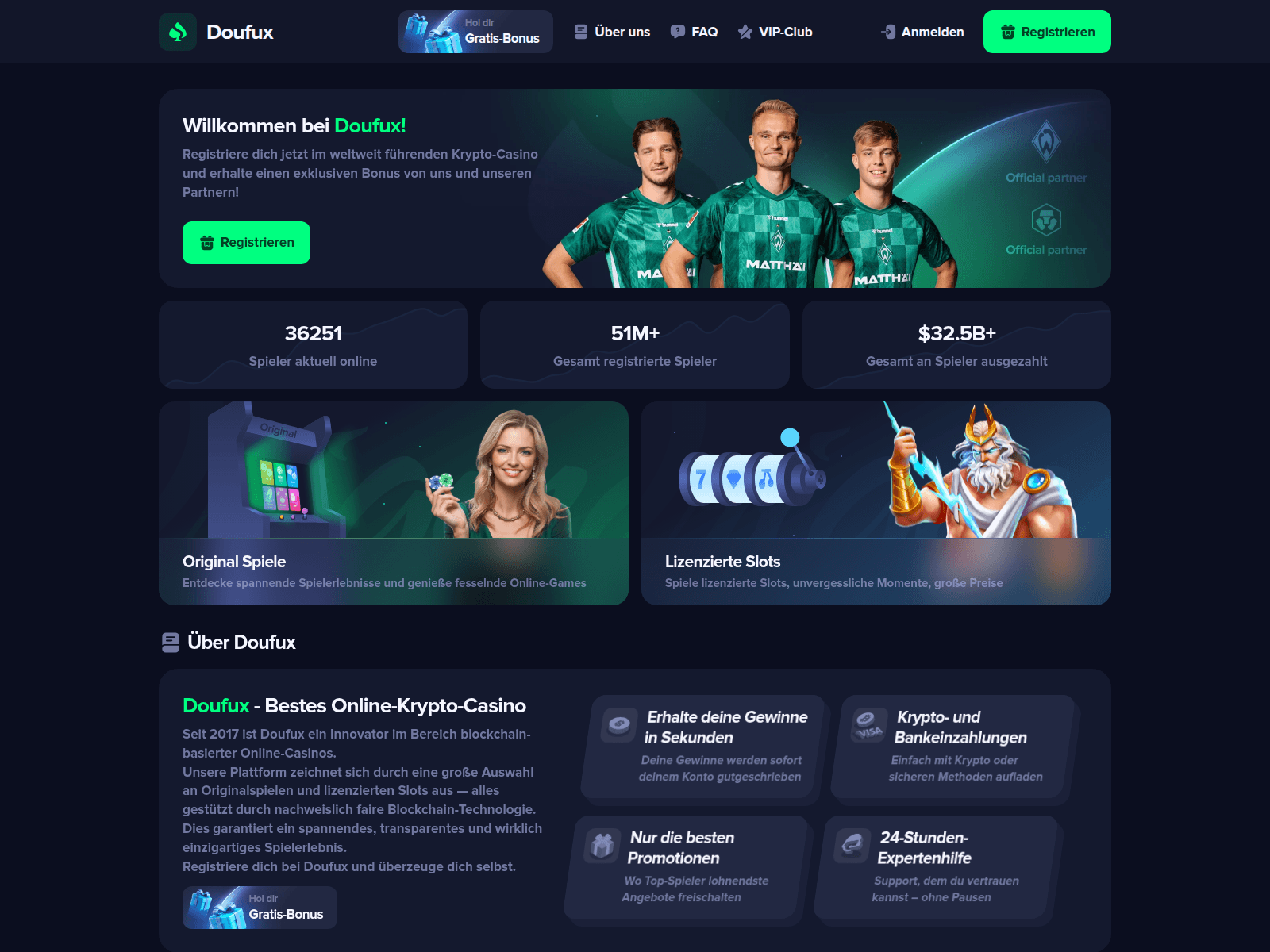
go.doufux.com

go.puebax.com

goadax.com

gorenex.com

gravispin.cc

guscas.com

guxeu.com

hasewin.gl

havawin.com

helawin.com

heovex.com

heregamb.cc

herotox.com

hesobet.com

heuvux.com

hidowex.com

hiolex.com

hoanux.com

holixbet.com
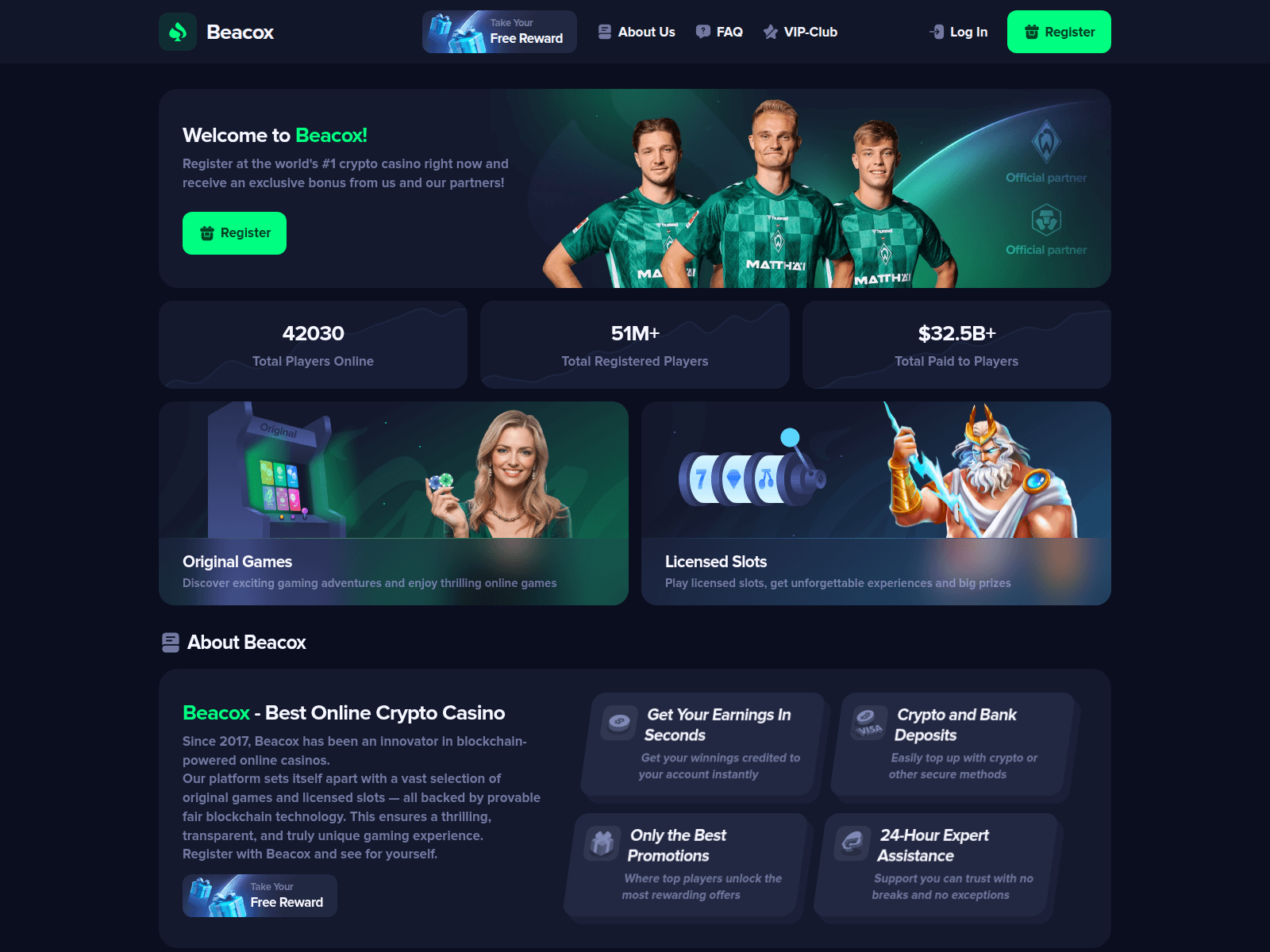
home.beacox.com

home.coavox.com
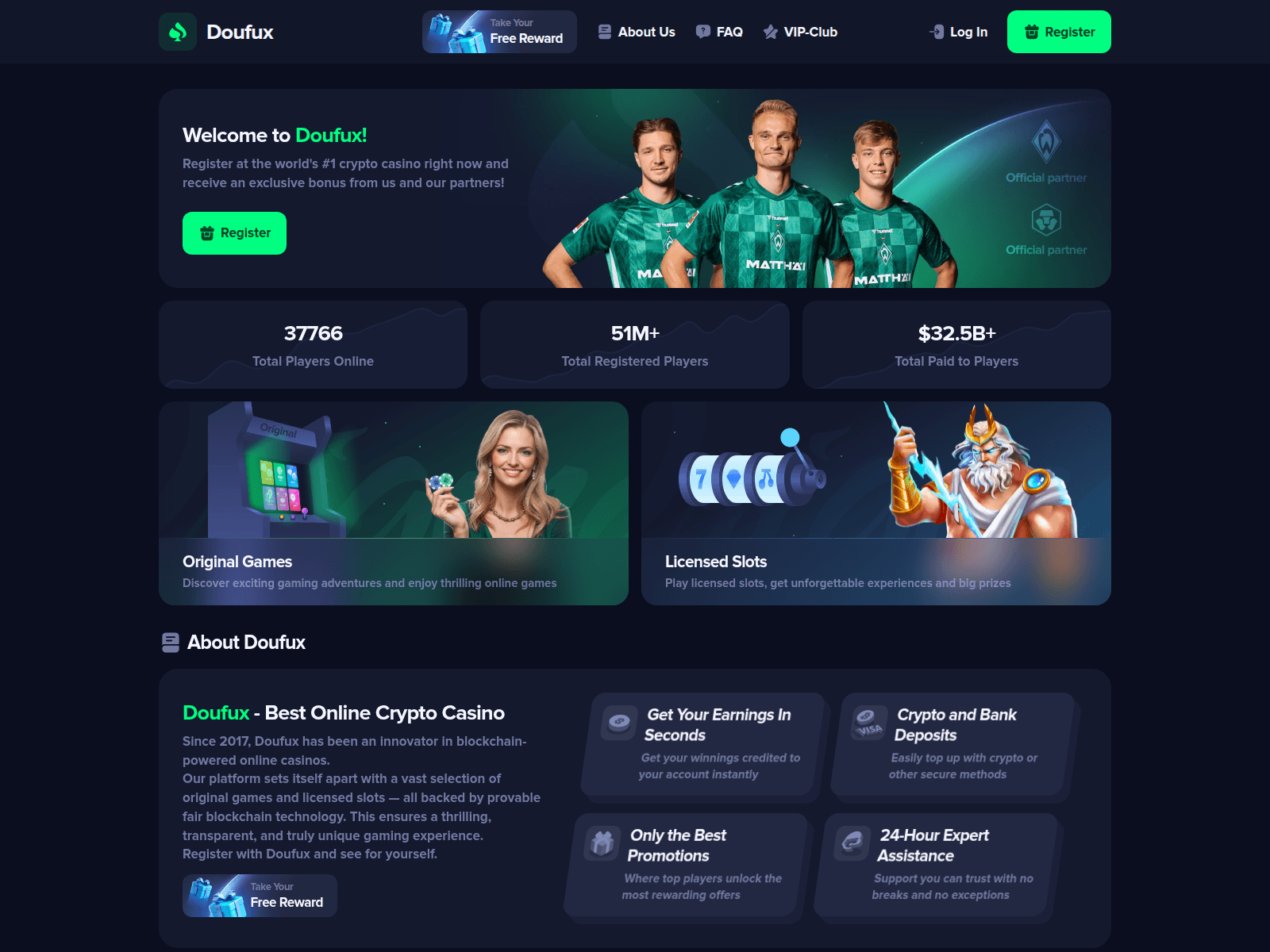
home.doufux.com

home.moekex.com
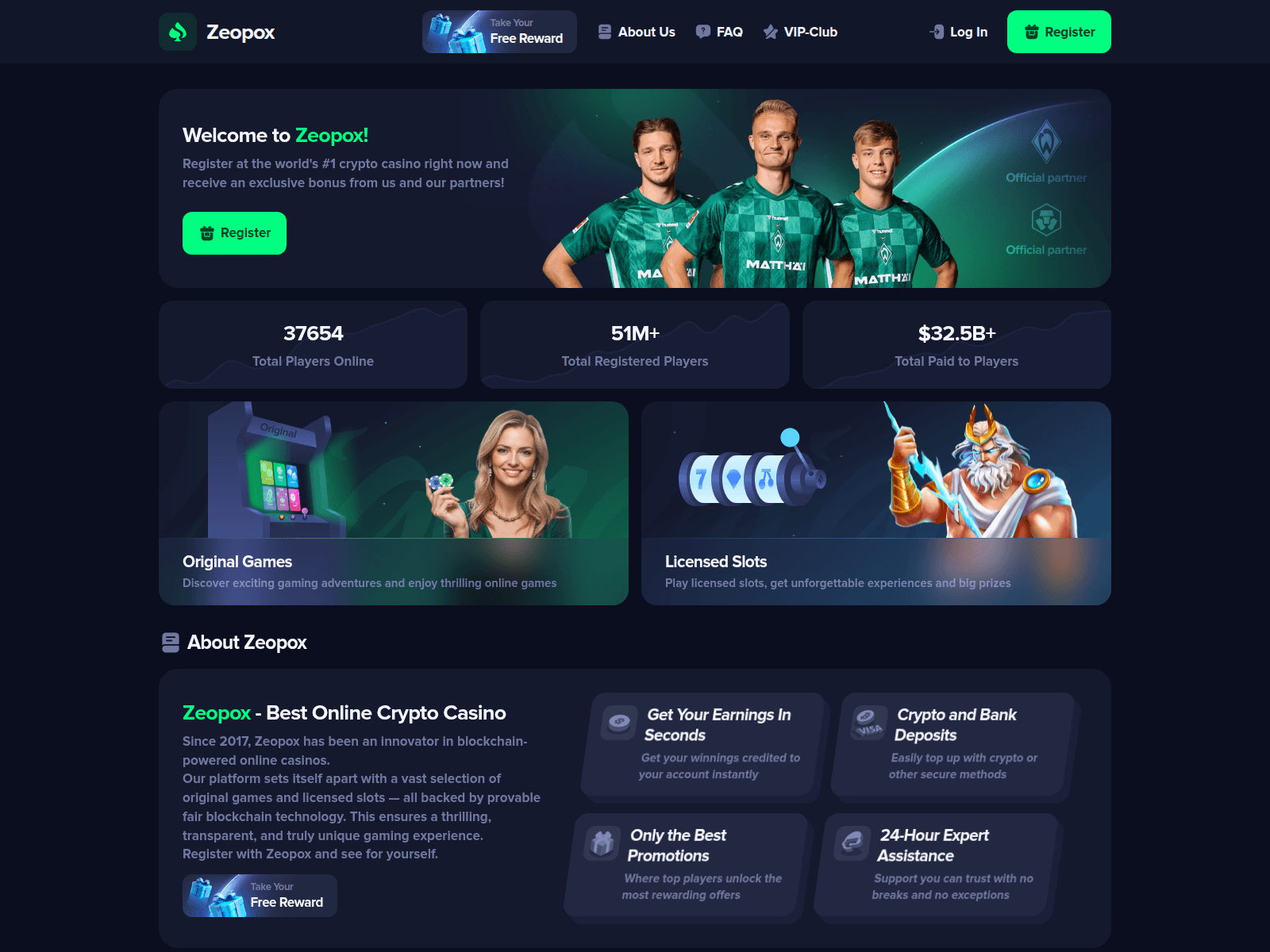
home.zeopox.com

hopex.bet

hotwestwins.live

hozerex.com

huesox.com

hurowin.com

infinity1500.com

jackpot-royal.com

jackpotplay.bond

jet-drop.cc

jetbets.world

jetwin.cc

jevcas.com

jeybet.com

jolievictory.cc

justbetx.com

kazero.cc

kazewin.io

keivex.com

keowax.com
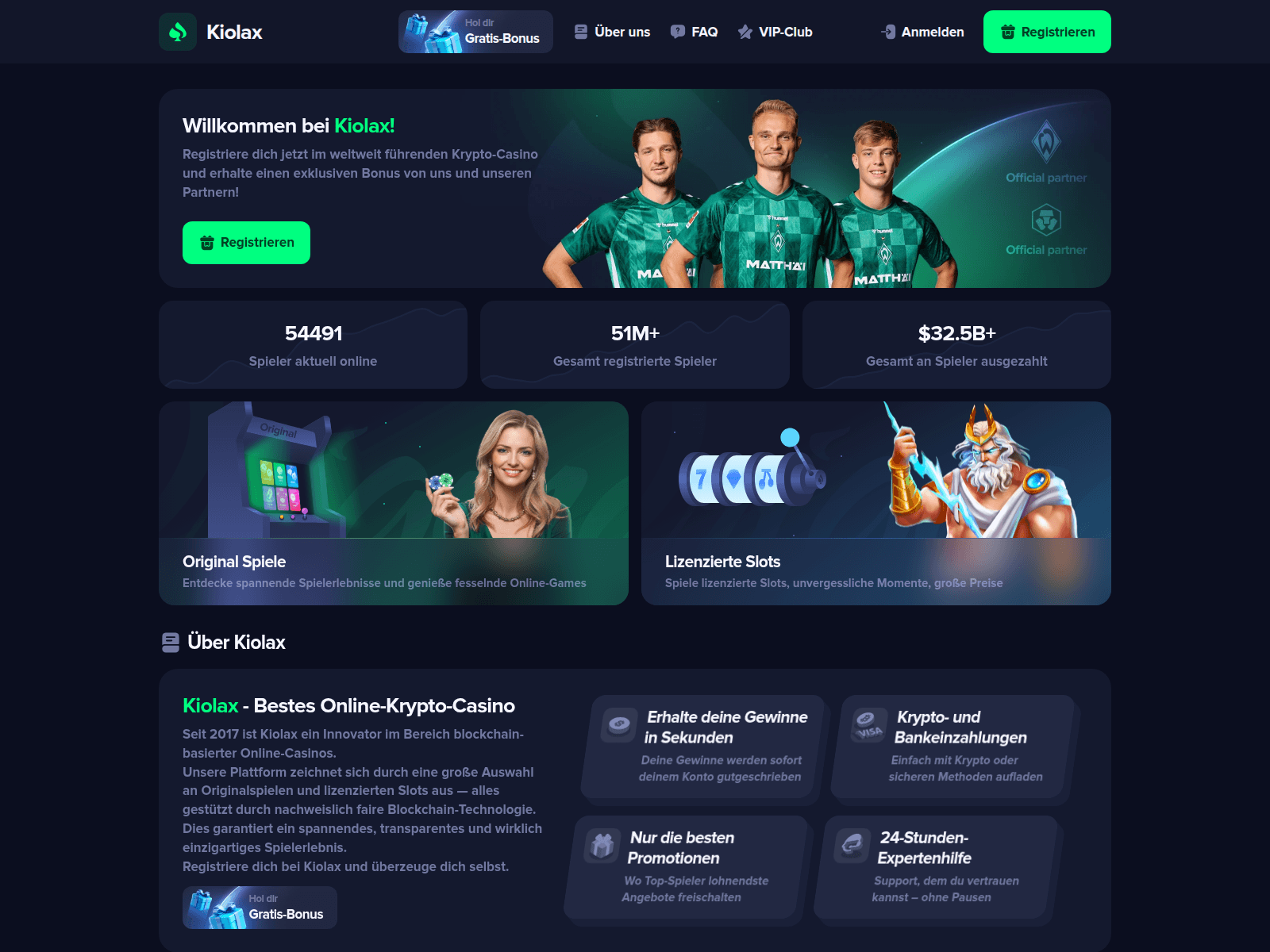
kiolax.com
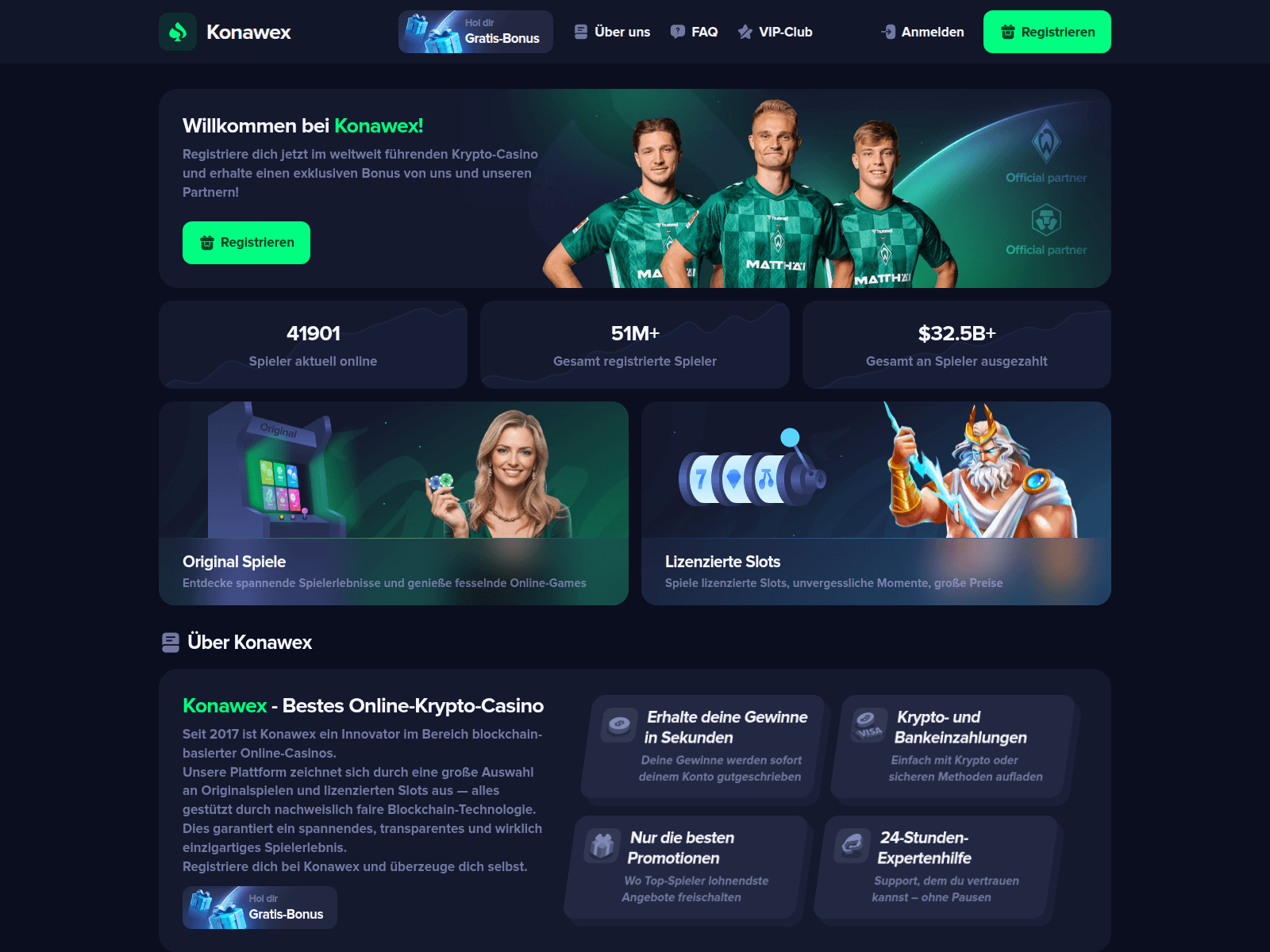
konawex.com
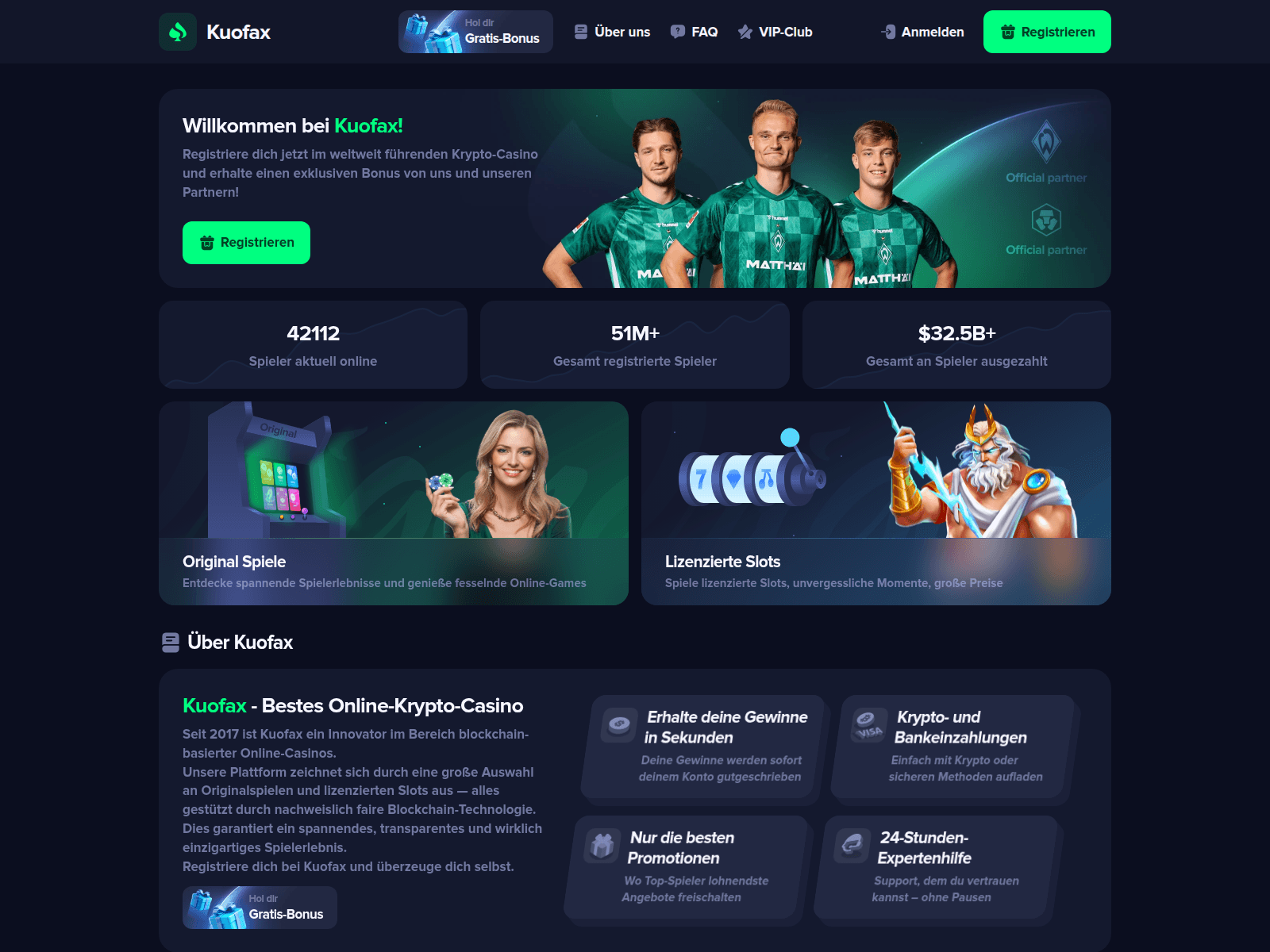
kuofax.com

labcasino.cc

lacewin.com

legamb.cc

leriwex.com

leveluphub.live

lootboom.cc

lordzwin.com

lucky-lizard.com

luckyauracasino.click

lumexo.cc

lunior.vip

luxe-stake.com

luxslot.pro
luxwerk.live

mango-elite.top

manodex.com

maowex.com

materok.com

maxspace.bet
Threat Response Pipeline
How every domain in this hub is verified and how confirmed threats are neutralized. Full pipeline visualization →
Threat Intelligence Checks— every domain is scanned & cross-checked against:
urlscan.ioScreenshot · DOM · HTTPVirusTotal90+ AV enginesGoogle Safe BrowsingTransparency ReportCloudflare RadarDNS · certs · categoriesAlienVault OTXThreat-intel pulsesWayback MachineHistorical evidenceabuse.ch ThreatFoxIOC correlationcrt.shCertificate TransparencyDNS Security FiltersQuad9 · AdGuard · CleanBrowsingWeb-CheckFull surface scan
 crt.sh
Global Vendor Sync— confirmed detections are pushed to 29 partners:
GoogleSafe BrowsingGoogleWeb Risk APIMicrosoftSmartScreenVirusTotalDetection feedCloudflareRadar / 1.1.1.1YandexSafe BrowsingURLScan.ioPublic scanESETWebGuardBitdefenderThreat exchangeNortonSafe WebSymantecSiteReviewAviraCloud detectionAvast / AVGWeb ShieldKasperskyOpenTIPDr.WebOnline scannerNetcraftTakedown APIPhishTankVerified voteAPWG eCXBulk feedPhishStatsOpen feedPhish.ReportHosting abuseSpamhausDBL feedPolySwarmMarketplaceCheckPhishBolster scanQutteraMalware scanURLquerySandboxCriminal IPAsset intelCRDFThreat CenterScamadviserTrust scoreMyWOTWeb of Trust