stake217.cc
  wtnforum.net
  onion.live
  darkdotweb.com
  pulsenotch.com
FBI IC3
Melden Sie internetbasierte Kriminalität in den Vereinigten Staaten
Federal tips line1-800-CALL-FBI

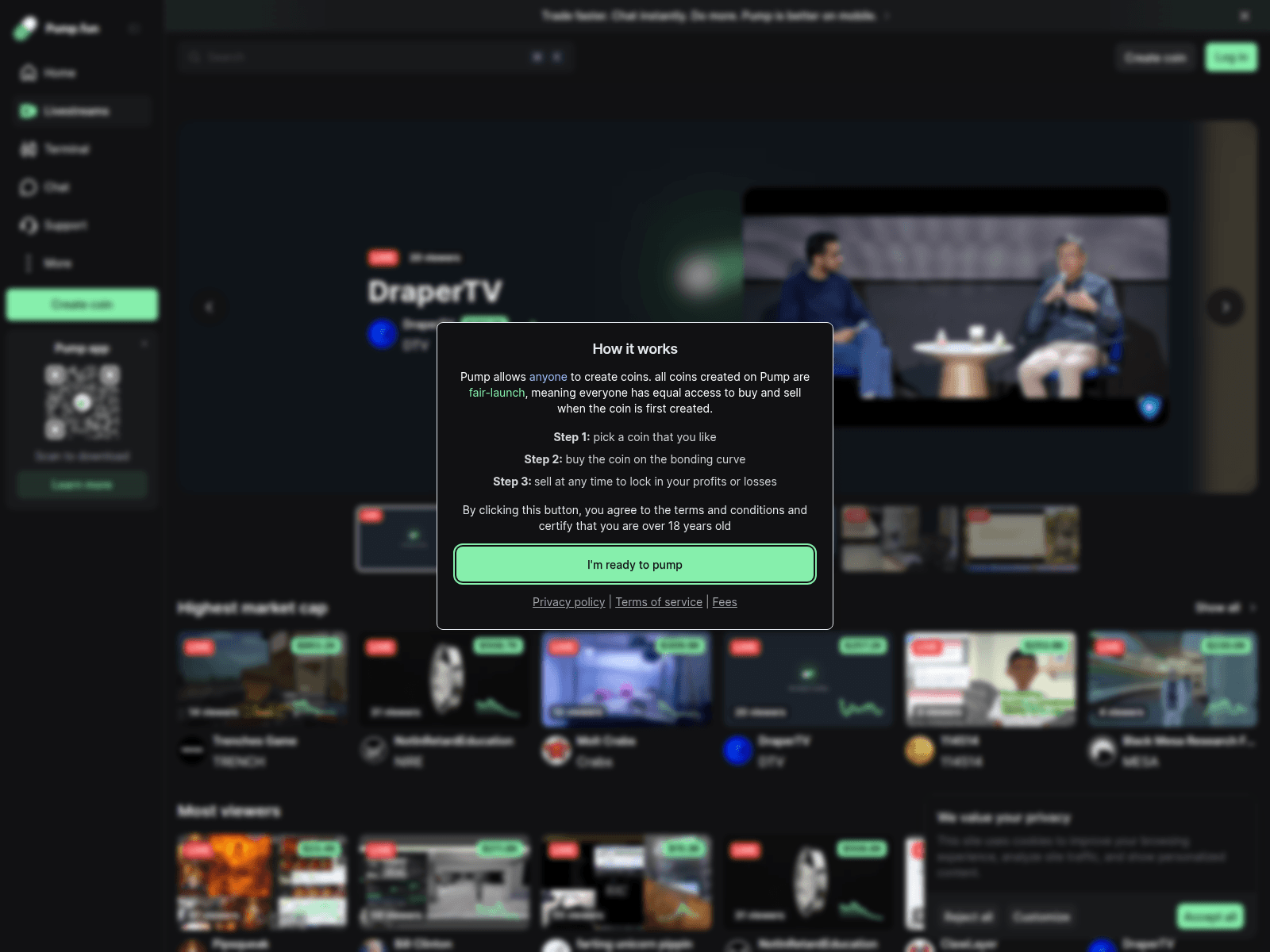
“xn--pmp-e1a.fun | 522: Connection timed out”
Analysis of xn--pmp-e1a.fun, registered through Dynadot on 26 February 2026, shows the domain is actively leveraged for phishing. The site resolves to 104.21.10.202, an IP owned by Cloudflare (AS13335) located in the United States. DNS resolution uses Cloudflare’s authoritative nameservers dina.ns.cloudflare.com and guy.ns.cloudflare.com, and the service presents an HTTP/3 endpoint protected by a Let’s Encrypt certificate (issued by “E7”). The only observed HTTP response is a 522 “Connection timed out” page title, indicating the backend server is currently unreachable, consistent with the reported offline status.
Threat intelligence feeds have listed the domain on three independent blocklists, and it is explicitly blocked by PhishDestroy, MetaMask, and SEAL. VirusTotal scans show three of ninety‑three security vendors flag the domain, reinforcing the malicious classification. The combination of recent registration, use of reputable CDN infrastructure, and presence on multiple anti‑phishing lists suggests a deliberate attempt to hide phishing payloads behind trusted network edges.
While the exact phishing kit, target brand, or lure content has not been captured, the evidence base is sufficient to treat the domain as a confirmed phishing infrastructure. Defenders should add 104.21.10.202 to network deny lists, enforce DNS sink‑hole rules for xn--pmp-e1a.fun, and monitor Cloudflare‑hosted IP ranges for similar rapid‑registration patterns. Continuous re‑scanning of the domain on VirusTotal and inclusion in internal URL filtering policies are recommended to mitigate potential re‑activation.
PD-20260227-C0439D
10 überwachte externe Feeds · gespeicherter Stand 11.08.2026
Cloudflare-Radar-Scan gespeichert · Scan öffnen
 (US)
San Francisco, US
(US)
San Francisco, USFor this gTLD, the registrar above operates under an ICANN accreditation agreement. The links below provide the official fee schedule and current DNS abuse compliance guidance.
RAA §3.18 establishes abuse-contact and handling requirements. This report can document stored outbound notices and later technical observations; it does not by itself establish receipt, investigation, remediation, or contractual non-compliance.
Diese Berichte werden auf dieselbe gemeinsame Edge-IP aufgelöst. Sie helfen bei der Berichtserkennung, bedeuten jedoch keinen gemeinsamen Besitz oder einen gemeinsamen Ursprungsserver.
Kürzlich hinzugefügte Berichte aus der PhishDestroy-Datenbank. Diese Discovery-Links implizieren keine gemeinsame Nutzung der Infrastruktur oder des Eigentums.
Wenn Sie Kontoanmeldeinformationen, persönliche oder Zahlungsinformationen eingegeben oder eine Datei von dieser Domain heruntergeladen haben, ergreifen Sie sofort Maßnahmen. Nachfolgend finden Sie Ressourcen, die Ihnen helfen, den Vorfall zu melden und sich zu schützen.


Wählen Sie Ihr Land aus, um Offizielle Kontakte im Bereich Cyberkriminalität oder einen Beschwerdeentwurf erstellen → zu erhalten.
Bedrohungsanalyse anhand gespeicherter Blocklisten, WHOIS, DNS und öffentlicher Scan-Beweise
Jetzt scannenMelden Sie verdächtige Domains an unsere Bedrohungsdatenbank – schützen Sie die Community
MeldenAktuelle Phishing-Meldungen und beobachtete Verfügbarkeitsänderungen
ÜberwachenBeobachten Sie aktuelle Bedrohungen oder legen Sie Widerspruch gegen diesen Eintrag ein, wenn Sie der Meinung sind, dass es sich um einen Fehlalarm handelt