www.bitcoin-qr-code-generator.org
  onekey-app.com
  useeternl.com
  joi-clips.com
  freelimit.org
  stresser.pw
FBI IC3
Melden Sie internetbasierte Kriminalität in den Vereinigten Staaten
Federal tips line1-800-CALL-FBI

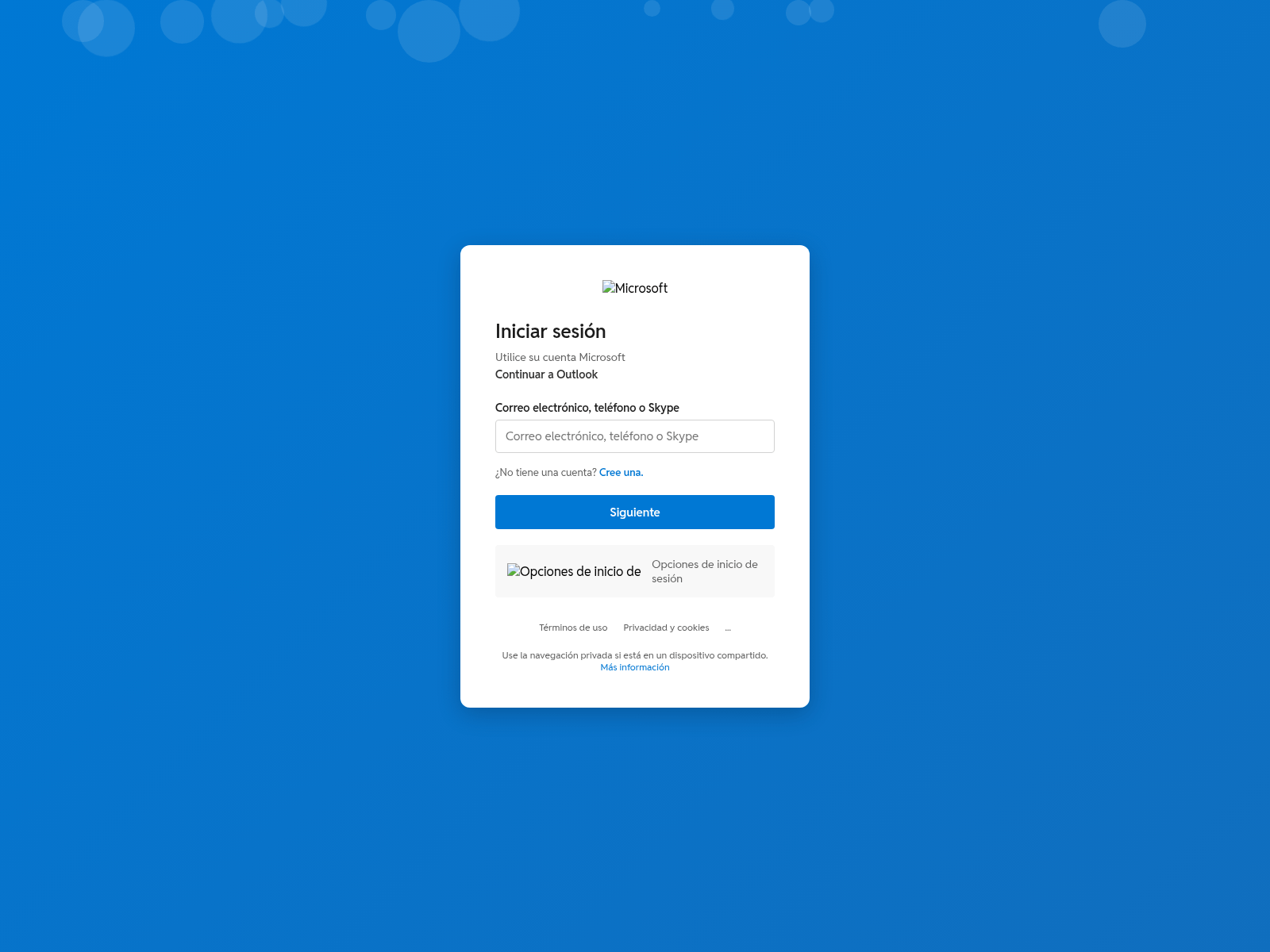
“Iniciar sesión en Microsoft”
Analysis of verify-whatsapp.webcindario.com indicates an active credential phishing campaign targeting WhatsApp users. The domain, registered through TUCOWS.COM, CO. on February 28, 2001, resolves to the IP address 5.57.226.202 and utilizes Google Cloud nameservers (ns-cloud-d1.googledomains.com, ns-cloud-d2.googledomains.com, ns-cloud-d3.googledomains.com). As of July 24, 2026, the domain remains operational and is flagged by 12 of 91 security vendors on VirusTotal, suggesting moderate but not universal detection. It appears on two security blocklists, including PhishDestroy and OpenPhish, which classify it as a phishing threat.
Infrastructure analysis reveals no recent domain registration anomalies, though the long-standing creation date may indicate repurposing of an older domain for malicious activity. The use of Google Cloud nameservers is not inherently suspicious but may aid in evading certain reputation-based filters. The IP address 5.57.226.202 has not been extensively profiled in public threat intelligence feeds at this time, limiting attribution to specific hosting providers or threat actors. Defenders should treat this domain as high-risk for credential theft. Network-level blocking is recommended, particularly for organizations with exposure to consumer messaging platforms.
Endpoint protection vendors that have not yet flagged this domain should prioritize signature updates. Given the domain's continued activity and blocklist presence, monitoring for related infrastructure (e.g., subdomains, redirect chains) is advised. The exact content and phishing kit in use remain unconfirmed, though the domain name strongly implies a WhatsApp verification-themed lure. No evidence links this campaign to broader scam categories such as investment fraud or crypto drainers.

10 überwachte externe Feeds · gespeicherter Stand 13.08.2026
 (CA)
(CA)
 San Sebastián de los Reyes, ES
For the registrable domain webcindario.com behind this subdomain, the registrar above operates under an ICANN accreditation agreement. The links below provide the official fee schedule and current DNS abuse compliance guidance.
RAA §3.18 establishes abuse-contact and handling requirements. This report can document stored outbound notices and later technical observations; it does not by itself establish receipt, investigation, remediation, or contractual non-compliance.
5 Technologien mit hoher Konfidenz erkannt
Google PageSpeed Insights — mobile performance audit of verify-whatsapp.webcindario.com · checked Jul 24, 2026
Diese Ursprungs-IP hostet mehrere Phishing-Domänen – die Infrastruktur kann kampagnenübergreifend gemeinsam genutzt werden.
These domains also target Microsoft users. View all Microsoft threats →
Kürzlich hinzugefügte Berichte aus der PhishDestroy-Datenbank. Diese Discovery-Links implizieren keine gemeinsame Nutzung der Infrastruktur oder des Eigentums.
Wenn Sie Kontoanmeldeinformationen, persönliche oder Zahlungsinformationen eingegeben oder eine Datei von dieser Domain heruntergeladen haben, ergreifen Sie sofort Maßnahmen. Nachfolgend finden Sie Ressourcen, die Ihnen helfen, den Vorfall zu melden und sich zu schützen.


Wählen Sie Ihr Land aus, um Offizielle Kontakte im Bereich Cyberkriminalität oder einen Beschwerdeentwurf erstellen → zu erhalten.
Bedrohungsanalyse anhand gespeicherter Blocklisten, WHOIS, DNS und öffentlicher Scan-Beweise
Jetzt scannenMelden Sie verdächtige Domains an unsere Bedrohungsdatenbank – schützen Sie die Community
MeldenAktuelle Phishing-Meldungen und beobachtete Verfügbarkeitsänderungen
ÜberwachenBeobachten Sie aktuelle Bedrohungen oder legen Sie Widerspruch gegen diesen Eintrag ein, wenn Sie der Meinung sind, dass es sich um einen Fehlalarm handelt