cricfy.cricket
  nuopux.com
  stresser.pw
  ipstresser.ru
FBI IC3
Melden Sie internetbasierte Kriminalität in den Vereinigten Staaten
Federal tips line1-800-CALL-FBI

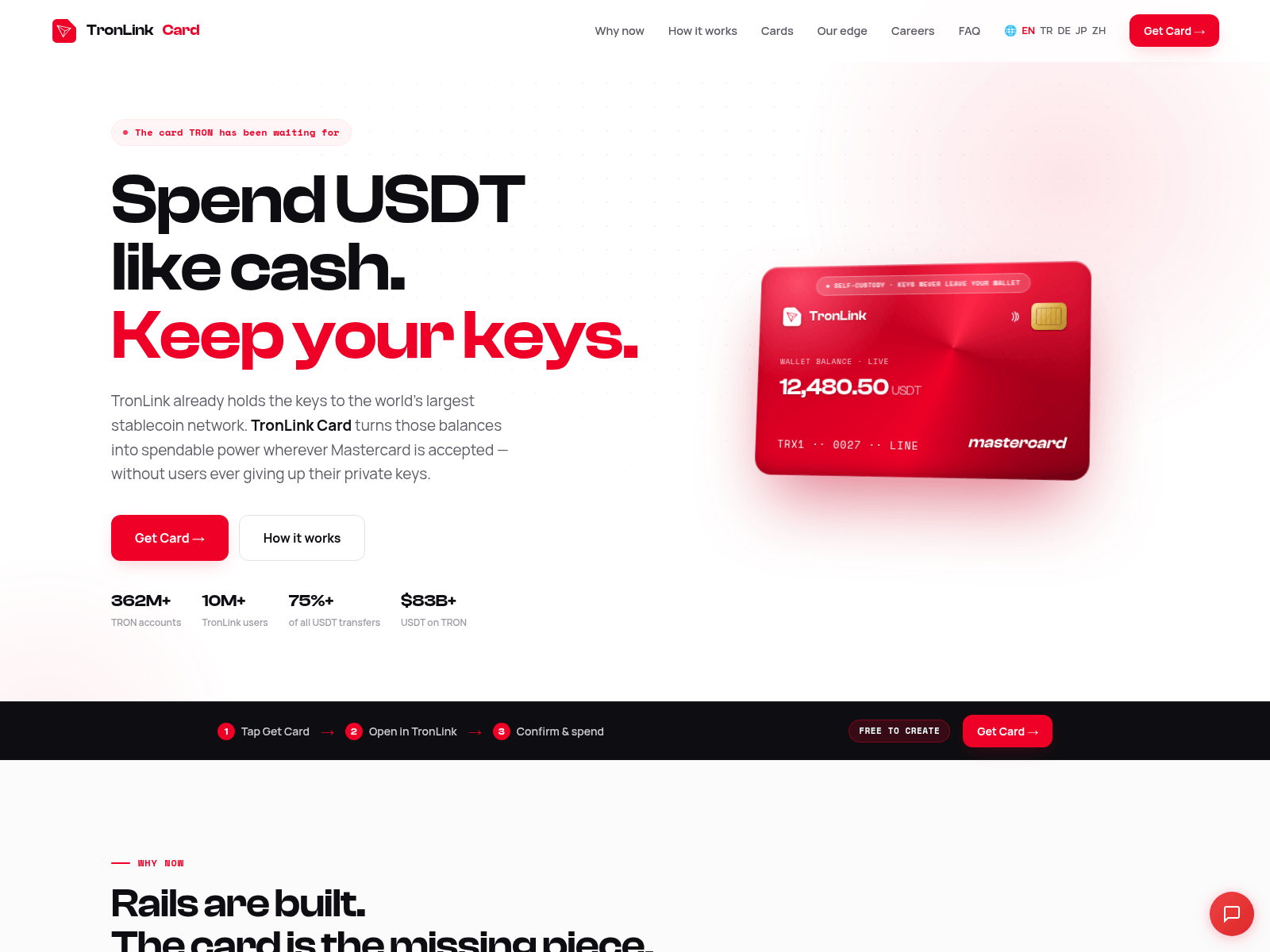
“TronLink Card â Spend USDT like cash, keep your private keys”
The domain troncard.icu is currently flagged as an active generic phishing infrastructure as of the report date August 03, 2026. Automated intelligence sources indicate that the domain has been added to one security blocklist and is actively blocked by the PhishDestroy filtering service. VirusTotal records show that the domain was examined by 91 independent scanning engines; none of the engines returned a positive classification at the time of analysis. While the absence of detections may reflect limited heuristic coverage, it does not constitute assurance of benign behavior.
The threat is listed under a generic phishing category, and its risk level remains under investigation pending further forensic evidence. No additional contextual data such as registrar information, hosting IP addresses, SSL certificate details, HTTP response codes, or Safe Browsing verdicts are presently available in the intelligence feed. Consequently, the observable evidence is limited to blocklist inclusion and the VirusTotal scan count.
Defenders should treat troncard.icu as a potentially malicious domain and incorporate it into existing network deny lists, DNS filtering policies, and endpoint protection rules. Continuous monitoring for any future changes in detection status, additional blocklist appearances, or emergence of host infrastructure indicators is recommended. Organizations are advised to maintain vigilance for any communications that reference the domain, especially those that request credential submission or personal information, and to educate users about the risks associated with unsolicited links that resolve to this domain.
PD-20260803-8F5B63
10 überwachte externe Feeds · gespeicherter Stand 13.08.2026
Erreichbar → Nicht erreichbar
 (BY)
PhishDestroy Investigation
(BY)
PhishDestroy Investigation
 Toronto, CA
The linked repository preserves daily zone observations across seven ShortDot-operated TLDs, including registration volume and abuse-related indicators. This registry context is supporting background and is not an independent detection for the domain in this report.
For this gTLD, the registrar above operates under an ICANN accreditation agreement. The links below provide the official fee schedule and current DNS abuse compliance guidance.
RAA §3.18 establishes abuse-contact and handling requirements. This report can document stored outbound notices and later technical observations; it does not by itself establish receipt, investigation, remediation, or contractual non-compliance.
4 Technologien mit hoher Konfidenz erkannt
Diese Berichte werden auf dieselbe gemeinsame Edge-IP aufgelöst. Sie helfen bei der Berichtserkennung, bedeuten jedoch keinen gemeinsamen Besitz oder einen gemeinsamen Ursprungsserver.
Kürzlich hinzugefügte Berichte aus der PhishDestroy-Datenbank. Diese Discovery-Links implizieren keine gemeinsame Nutzung der Infrastruktur oder des Eigentums.
Wenn Sie Kontoanmeldeinformationen, persönliche oder Zahlungsinformationen eingegeben oder eine Datei von dieser Domain heruntergeladen haben, ergreifen Sie sofort Maßnahmen. Nachfolgend finden Sie Ressourcen, die Ihnen helfen, den Vorfall zu melden und sich zu schützen.


Wählen Sie Ihr Land aus, um Offizielle Kontakte im Bereich Cyberkriminalität oder einen Beschwerdeentwurf erstellen → zu erhalten.
Bedrohungsanalyse anhand gespeicherter Blocklisten, WHOIS, DNS und öffentlicher Scan-Beweise
Jetzt scannenMelden Sie verdächtige Domains an unsere Bedrohungsdatenbank – schützen Sie die Community
MeldenAktuelle Phishing-Meldungen und beobachtete Verfügbarkeitsänderungen
ÜberwachenBeobachten Sie aktuelle Bedrohungen oder legen Sie Widerspruch gegen diesen Eintrag ein, wenn Sie der Meinung sind, dass es sich um einen Fehlalarm handelt