ethguanfangweiyilianjie.com
  gmgnguide.com
  troncards.uk
  dfximpact.live
  irsgovtreasury.dev
FBI IC3
Melden Sie internetbasierte Kriminalität in den Vereinigten Staaten
Federal tips line1-800-CALL-FBI

“Google”
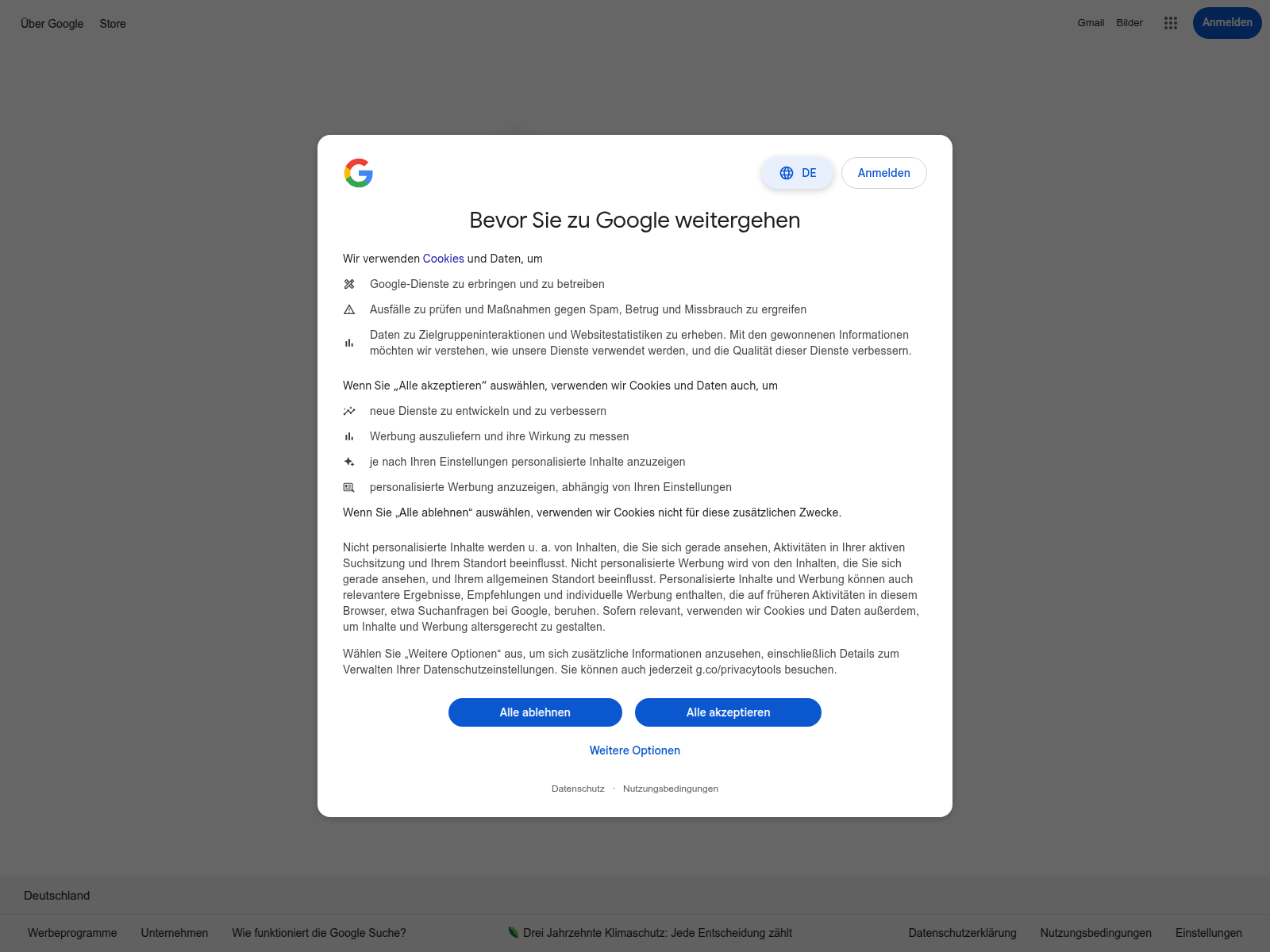
Analysis of ton.airdropsalert.app indicates that the domain was actively used for a crypto‑related scam that impersonated Google. The domain is registered through Cloudflare, Inc., which obscures registrant details and enables rapid DNS updates. DNS resolution points to IP address 142.250.185.132, an address owned by AS15169 Google LLC and geolocated to the United States. Leveraging infrastructure owned by a legitimate cloud provider is a common tactic to increase trust and evade simple network‑based filters. The site presented the page title “Google,” matching the declared brand target, and was classified as a crypto scam in the intelligence feed.
Security‑vendor scans on VirusTotal recorded 15 detections out of 95 scanners, confirming that a subset of anti‑malware engines identified malicious behavior. The domain appears on a single blocklist, specifically PhishDestroy, and has been flagged by that service. Gridinsoft assigned a trust score of 0 out of 100, reinforcing the elevated risk assessment. No TLS certificate was observed, meaning the site was reachable only via unencrypted HTTP, which further reduces the cost of deployment for attackers. The current operational status is offline, and the page is no longer reachable as of the report date, July 23, 2026.
Defenders should continue to block the domain at perimeter firewalls and DNS filtering solutions, even though the site is offline, to prevent re‑use of the same host name. Monitoring for new subdomains under the airdropsalert.app second‑level domain and for similar Cloudflare‑registered domains that resolve to Google‑owned IP space is recommended. Correlation of logs that contain HTTP requests to the IP 142.250.185.132 with the “Google” page title may help identify residual victim traffic. Incident response teams should treat any credential or wallet information submitted to this site as compromised and advise affected users to revoke credentials and secure their crypto assets.

10 überwachte externe Feeds · gespeicherter Stand 12.08.2026
Cloudflare-Radar-Scan gespeichert · Scan öffnen
 (US)
(US)
For the registrable domain airdropsalert.app behind this subdomain, the registrar above operates under an ICANN accreditation agreement. The links below provide the official fee schedule and current DNS abuse compliance guidance.
RAA §3.18 establishes abuse-contact and handling requirements. This report can document stored outbound notices and later technical observations; it does not by itself establish receipt, investigation, remediation, or contractual non-compliance.
Diese Ursprungs-IP hostet mehrere Phishing-Domänen – die Infrastruktur kann kampagnenübergreifend gemeinsam genutzt werden.
These domains also target Google users. View all Google threats →
Kürzlich hinzugefügte Berichte aus der PhishDestroy-Datenbank. Diese Discovery-Links implizieren keine gemeinsame Nutzung der Infrastruktur oder des Eigentums.
Wenn Sie Kontoanmeldeinformationen, persönliche oder Zahlungsinformationen eingegeben oder eine Datei von dieser Domain heruntergeladen haben, ergreifen Sie sofort Maßnahmen. Nachfolgend finden Sie Ressourcen, die Ihnen helfen, den Vorfall zu melden und sich zu schützen.


Wählen Sie Ihr Land aus, um Offizielle Kontakte im Bereich Cyberkriminalität oder einen Beschwerdeentwurf erstellen → zu erhalten.
Bedrohungsanalyse anhand gespeicherter Blocklisten, WHOIS, DNS und öffentlicher Scan-Beweise
Jetzt scannenMelden Sie verdächtige Domains an unsere Bedrohungsdatenbank – schützen Sie die Community
MeldenAktuelle Phishing-Meldungen und beobachtete Verfügbarkeitsänderungen
ÜberwachenBeobachten Sie aktuelle Bedrohungen oder legen Sie Widerspruch gegen diesen Eintrag ein, wenn Sie der Meinung sind, dass es sich um einen Fehlalarm handelt