topwealthtrading.com
  www.remitly.com
  roblox-robux10kadm1n.blogspot.com
  pt-rainbet.com
FBI IC3
Melden Sie internetbasierte Kriminalität in den Vereinigten Staaten
Federal tips line1-800-CALL-FBI

“Turing Protocol”
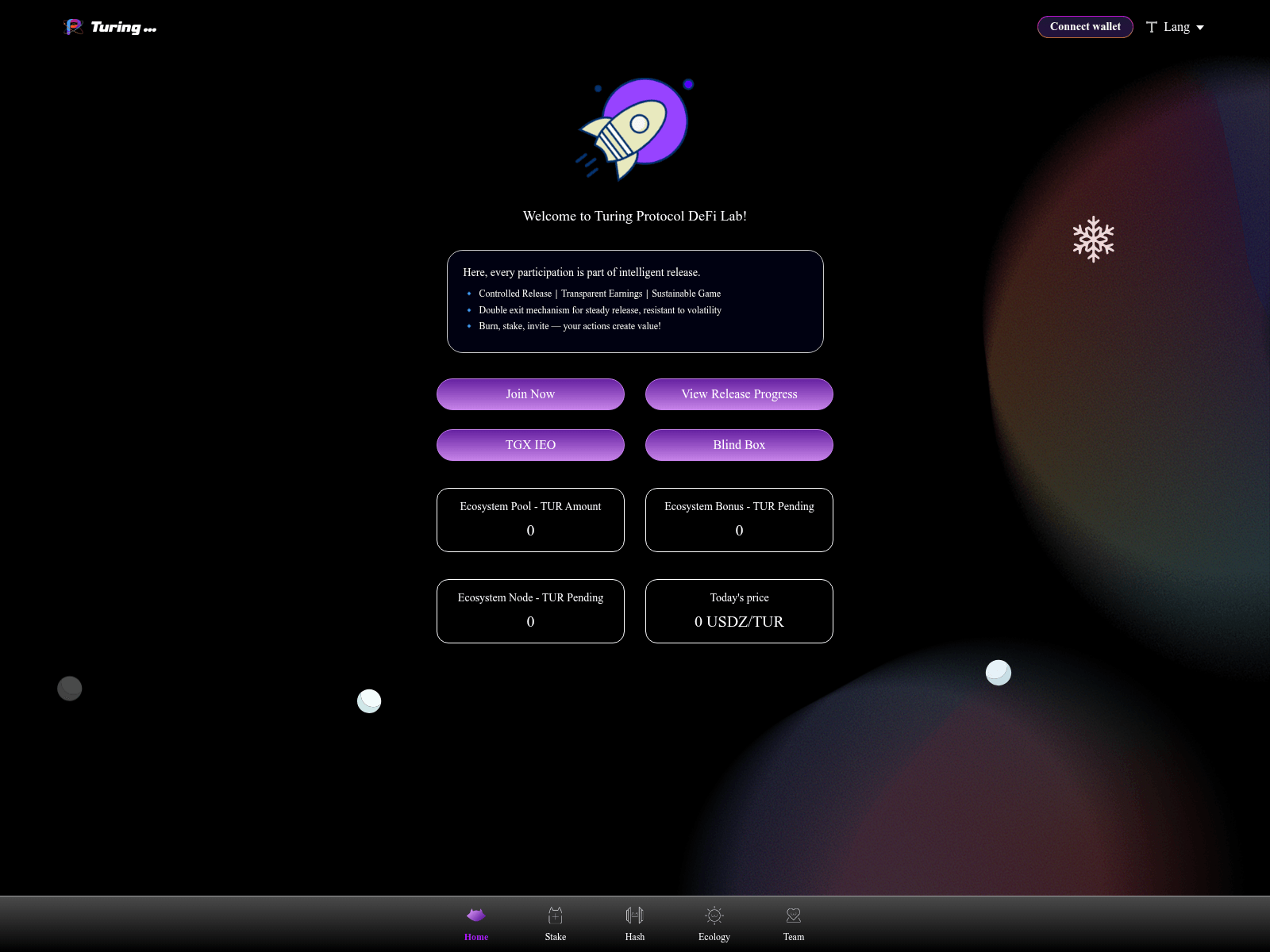
This domain, testturing.tur.onl, is actively flagged as a high-risk crypto scam targeting users through social engineering tactics. Registered on March 7, 2026, via Amazon Registrar, Inc., the domain resolves to IP address 47.128.169.102, hosted on Amazon.com, Inc. infrastructure (AS16509) in Singapore. The site returns an HTTP 200 status, indicating an operational frontend, and employs Vue.js alongside Nginx, with HSTS enforced. SSL certification is provided by Let's Encrypt (R13), a common choice for both legitimate and malicious domains. The page title, 'Turing Protocol,' suggests a thematic focus on cryptocurrency or blockchain, though no specific brand impersonation is confirmed in available data. Infrastructure analysis reveals the use of four AWS nameservers, a pattern consistent with threat actors leveraging cloud providers for resilience and scalability. The domain appears on three security blocklists, including PhishDestroy, MetaMask, and SEAL, and is explicitly flagged by Google Safe Browsing for social engineering. Gridinsoft assigns a trust score of 0/100, reinforcing its classification as malicious. While VirusTotal reports 9 of 94 security vendors detecting the domain, this figure reflects partial coverage and should not be interpreted as exhaustive. Defenders should prioritize blocking this domain at the DNS and network levels, particularly in environments handling cryptocurrency transactions. The combination of cloud-based hosting, Let's Encrypt SSL, and a recent registration date aligns with common phishing infrastructure patterns. No evidence of takedown or sinkholing is present as of July 12, 2026, and the domain remains accessible. Further analysis of associated wallet addresses or backend endpoints may yield additional indicators for disruption.

10 überwachte externe Feeds · gespeicherter Stand 11.08.2026
0 → 2
Cloudflare-Radar-Scan gespeichert · Scan öffnen
2 → 7
1 → 9
 (US)
(US)

For the registrable domain tur.onl behind this subdomain, the registrar above operates under an ICANN accreditation agreement. The links below provide the official fee schedule and current DNS abuse compliance guidance.
RAA §3.18 establishes abuse-contact and handling requirements. This report can document stored outbound notices and later technical observations; it does not by itself establish receipt, investigation, remediation, or contractual non-compliance.
Google PageSpeed Insights — mobile performance audit of testturing.tur.onl · checked Jul 12, 2026
Kürzlich hinzugefügte Berichte aus der PhishDestroy-Datenbank. Diese Discovery-Links implizieren keine gemeinsame Nutzung der Infrastruktur oder des Eigentums.
Wenn Sie Kontoanmeldeinformationen, persönliche oder Zahlungsinformationen eingegeben oder eine Datei von dieser Domain heruntergeladen haben, ergreifen Sie sofort Maßnahmen. Nachfolgend finden Sie Ressourcen, die Ihnen helfen, den Vorfall zu melden und sich zu schützen.


Wählen Sie Ihr Land aus, um Offizielle Kontakte im Bereich Cyberkriminalität oder einen Beschwerdeentwurf erstellen → zu erhalten.
Bedrohungsanalyse anhand gespeicherter Blocklisten, WHOIS, DNS und öffentlicher Scan-Beweise
Jetzt scannenMelden Sie verdächtige Domains an unsere Bedrohungsdatenbank – schützen Sie die Community
MeldenAktuelle Phishing-Meldungen und beobachtete Verfügbarkeitsänderungen
ÜberwachenBeobachten Sie aktuelle Bedrohungen oder legen Sie Widerspruch gegen diesen Eintrag ein, wenn Sie der Meinung sind, dass es sich um einen Fehlalarm handelt