bitrefilll.top
  ghosthub.cc
  redemption-mainstreet.finance
  ethers-fi.cloud
  atomage.cc
  gamblefe.com
FBI IC3
Melden Sie internetbasierte Kriminalität in den Vereinigten Staaten
Federal tips line1-800-CALL-FBI

“slon5.cc”
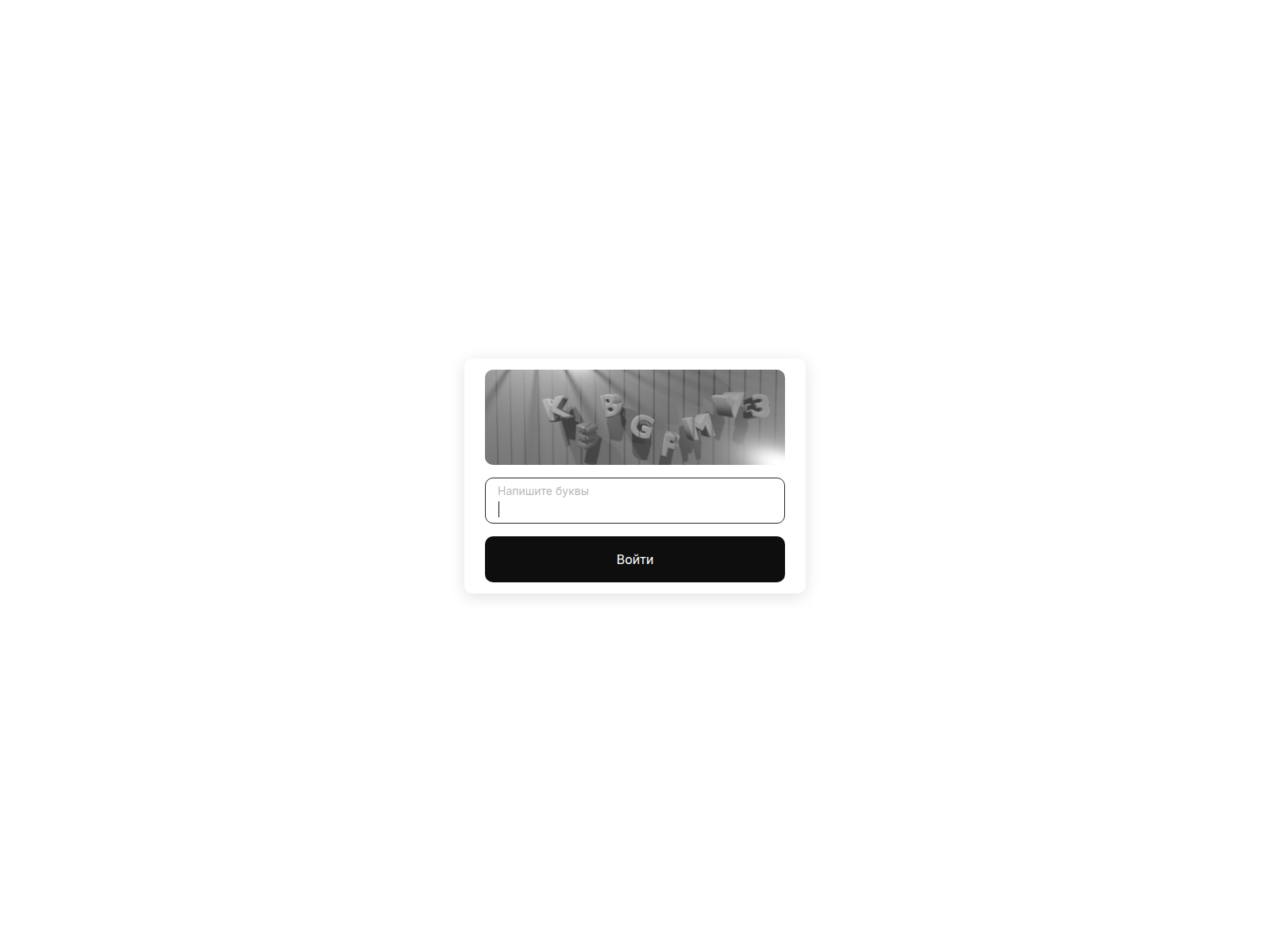
On July 25, 2026, the domain slon5.shop was identified as a generic phishing site and is currently taken offline. The page title returned by the host is “slon5.cc”, which does not match the registered domain and is a common indicator of deceptive redirection. The domain is hosted behind Cloudflare (AS13335) and resolves to the IP address 172.67.173.110. Cloudflare‑provided services observed include Cloudflare Browser Insights, the standard Cloudflare reverse‑proxy, and HTTP/3 support, suggesting the operator leveraged a reputable CDN to obscure origin infrastructure. Nameserver records point to dante.ns.cloudflare.com and mckinley.ns.cloudflare.com, both owned by Cloudflare.
Registration data shows the domain was created through Nicenic International Group Co., Limited, a registrar that is frequently used for disposable or fast‑turnaround registrations. The domain appears on a single security blocklist and has been blocked by the PhishDestroy feed. VirusTotal analysis recorded four detections out of ninety‑four scanners, confirming that multiple security engines have flagged the site as malicious. Public threat intelligence does not provide a detailed payload, login page screenshot, or target brand, so the exact phishing lure remains unknown.
Nevertheless, the combination of mismatched page title, Cloudflare front‑end, registrar choice, and multiple vendor detections constitutes a high confidence indicator of phishing activity. Defenders should continue to block the domain at perimeter firewalls and DNS filtering solutions, monitor for any resurgence of the host or related subdomains, and consider adding the IP address 172.67.173.110 to reputation lists. Because the site is currently offline, any active campaign may be in a dormant phase, but the infrastructure could be repurposed for future attacks. Ongoing observation of Cloudflare‑associated IP ranges and the registrar’s new registrations is recommended to catch potential re‑use.

10 überwachte externe Feeds · gespeicherter Stand 11.08.2026
0 → 2
 (RU)
PhishDestroy Investigation
(RU)
PhishDestroy Investigation
 San Francisco, US
For this gTLD, the registrar above operates under an ICANN accreditation agreement. The links below provide the official fee schedule and current DNS abuse compliance guidance.
RAA §3.18 establishes abuse-contact and handling requirements. This report can document stored outbound notices and later technical observations; it does not by itself establish receipt, investigation, remediation, or contractual non-compliance.
Google PageSpeed Insights — mobile performance audit of slon5.shop · checked Mar 16, 2026
Kürzlich hinzugefügte Berichte aus der PhishDestroy-Datenbank. Diese Discovery-Links implizieren keine gemeinsame Nutzung der Infrastruktur oder des Eigentums.
Wenn Sie Kontoanmeldeinformationen, persönliche oder Zahlungsinformationen eingegeben oder eine Datei von dieser Domain heruntergeladen haben, ergreifen Sie sofort Maßnahmen. Nachfolgend finden Sie Ressourcen, die Ihnen helfen, den Vorfall zu melden und sich zu schützen.


Wählen Sie Ihr Land aus, um Offizielle Kontakte im Bereich Cyberkriminalität oder einen Beschwerdeentwurf erstellen → zu erhalten.
Bedrohungsanalyse anhand gespeicherter Blocklisten, WHOIS, DNS und öffentlicher Scan-Beweise
Jetzt scannenMelden Sie verdächtige Domains an unsere Bedrohungsdatenbank – schützen Sie die Community
MeldenAktuelle Phishing-Meldungen und beobachtete Verfügbarkeitsänderungen
ÜberwachenBeobachten Sie aktuelle Bedrohungen oder legen Sie Widerspruch gegen diesen Eintrag ein, wenn Sie der Meinung sind, dass es sich um einen Fehlalarm handelt