 ChainPatrol
 Web-Check
  SOCRadar
  LeakIX
FBI IC3
Melden Sie internetbasierte Kriminalität in den Vereinigten Staaten
Federal tips line1-800-CALL-FBI
The sent-report ledger records the first outgoing report at .
The recorded recipient is abuse@name.com.
The latest stored availability evidence still shows the domain reachable; 10 days has elapsed since the first outgoing report.
ICANN RAA §3.18 describes registrar abuse-contact and handling obligations. This section records outgoing timestamps, listed recipients, case identifiers, and later availability. It does not by itself prove receipt, acknowledgement, investigation, remediation, or contractual non-compliance.

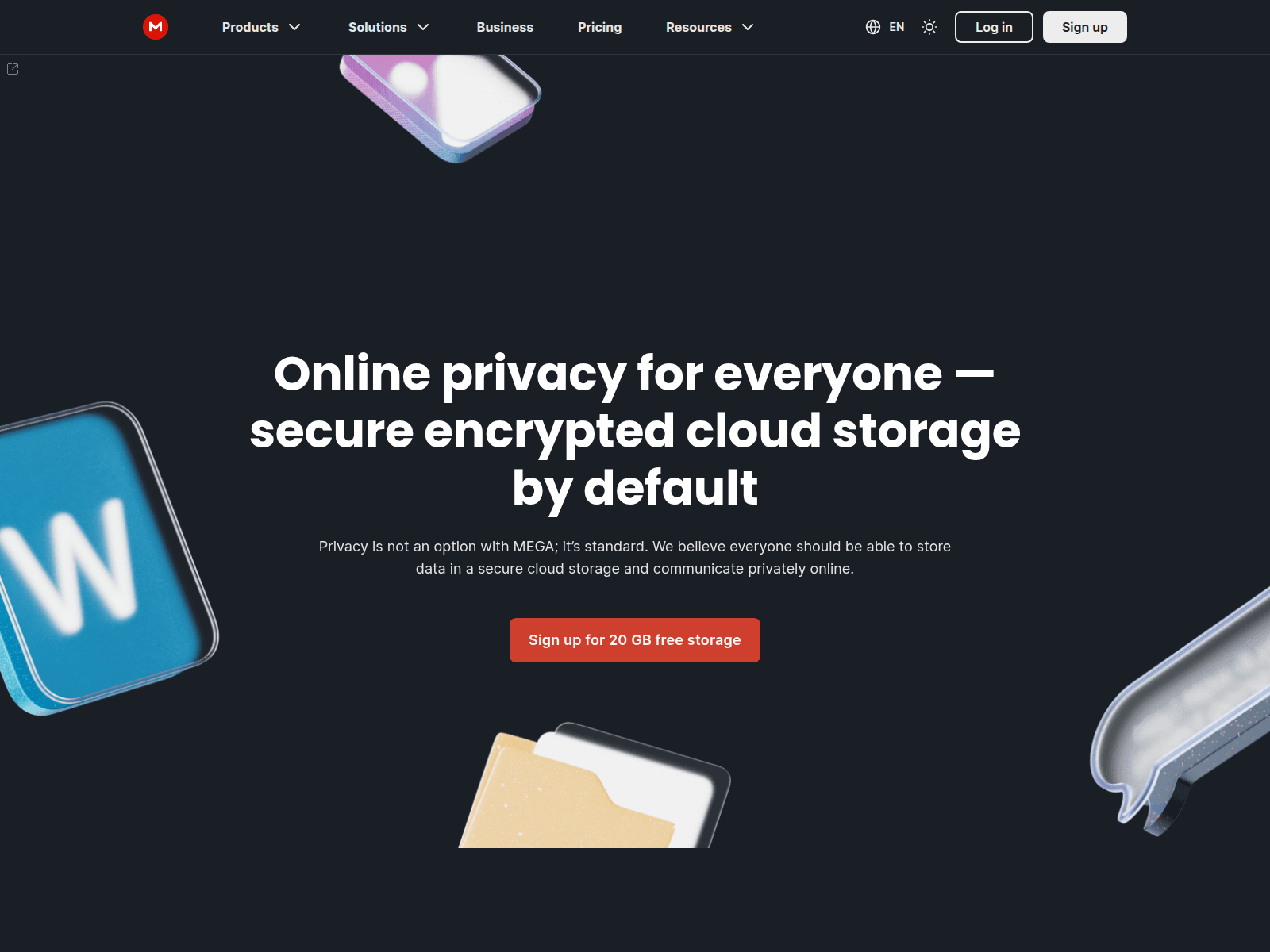
“MEGA: Protect your Online Privacy”
microsoft.online-login.site — Nicht bestätigt. Markenidentität: Microsoft; Betrugstyp: Credential Phishing. Zusammenfassung der Beweislage: VirusTotal 5/91 (alphaMountain.ai, Forcepoint ThreatSeeker, Fortinet, Gridinsoft, SOCRadar); URLQuery 1 alert; PhishDestroy score 69/100. Registrar: Name.com.
Die ausführliche Analyse von PhishDestroy AI bleibt auf Englisch, damit der ursprüngliche forensische Bericht unverändert bleibt.
Analysis of the domain microsoft.online-login.site indicates that it is being used for credential harvesting, a classic technique for capturing user login information. VirusTotal records show the domain has been scanned by 91 antivirus and URL‑analysis engines; at the time of the scan none of the engines flagged the site as malicious. While the absence of a detection does not constitute evidence of safety, the lack of a positive verdict is noted.
The domain appears on a single security blocklist and is actively blocked by the PhishDestroy service, confirming that at least one reputable anti‑phishing organization has identified it as a threat. No additional intelligence is available regarding the registrar, registration date, hosting IP, autonomous system number, geographic location, SSL certificate details, HTTP response codes, or page title. Consequently, the infrastructure behind the site cannot be profiled, and the precise tactics employed on the landing page remain unknown.
Defenders should treat the domain as malicious and add it to URL filtering and DNS block lists across enterprise security controls. Continuous monitoring of threat‑intel feeds for new indicators, such as IP address allocations or additional blocklist entries, is advised. Organizations should also educate users about unexpected login prompts that reference Microsoft services and enforce multi‑factor authentication to mitigate the impact of credential compromise.

| Detection System | Indicator | Verdict | Alert |
|---|---|---|---|
| DNS4EU | microsoft.online-login.site |
malicious | Sinkholed |
 (SE)
(SE)

For the registrable domain online-login.site behind this subdomain, the registrar above operates under an ICANN accreditation agreement. The links below provide the official fee schedule and current DNS abuse compliance guidance.
RAA §3.18 establishes abuse-contact and handling requirements. This report can document stored outbound notices and later technical observations; it does not by itself establish receipt, investigation, remediation, or contractual non-compliance.
PD-20260804-137224 Recipient: abuse@name.com Wenn Sie Kontoanmeldeinformationen, persönliche oder Zahlungsinformationen eingegeben oder eine Datei von dieser Domain heruntergeladen haben, ergreifen Sie sofort Maßnahmen. Nachfolgend finden Sie Ressourcen, die Ihnen helfen, den Vorfall zu melden und sich zu schützen.


Wählen Sie Ihr Land aus, um Offizielle Kontakte im Bereich Cyberkriminalität oder einen Beschwerdeentwurf erstellen → zu erhalten.
These domains also target Microsoft users. View all Microsoft threats →
Kürzlich hinzugefügte Berichte aus der PhishDestroy-Datenbank. Diese Discovery-Links implizieren keine gemeinsame Nutzung der Infrastruktur oder des Eigentums.
Bedrohungsanalyse anhand gespeicherter Blocklisten, WHOIS, DNS und öffentlicher Scan-Beweise
Jetzt scannenMelden Sie verdächtige Domains an unsere Bedrohungsdatenbank – schützen Sie die Community
MeldenAktuelle Phishing-Meldungen und beobachtete Verfügbarkeitsänderungen
ÜberwachenBeobachten Sie aktuelle Bedrohungen oder legen Sie Widerspruch gegen diesen Eintrag ein, wenn Sie der Meinung sind, dass es sich um einen Fehlalarm handelt
 notexists7654321d6bfe926-ebd7-4808-9c1b-c266ebad8230.acquency.com
  opensea-session443.onrender.com
  sjdd.gitbook.io