urlwatch.com
  contact-metamask-support.blogspot.com.co
  voadafone.new.hr-rewards.com
  ghost-hub.cc
  dfximpact.live
  strendus-casino-online-mx.com
FBI IC3
Melden Sie internetbasierte Kriminalität in den Vereinigten Staaten
Federal tips line1-800-CALL-FBI
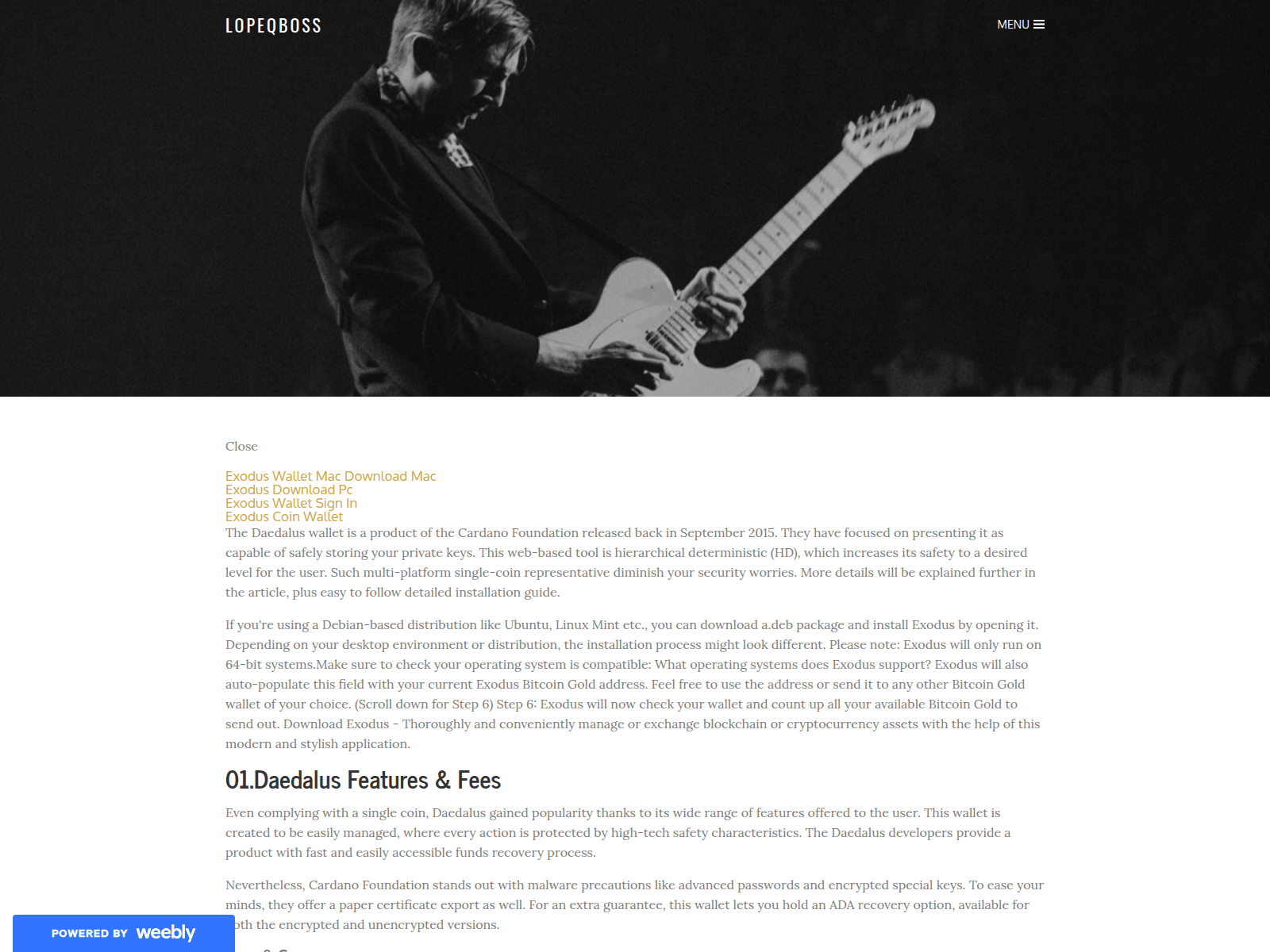
“lopeqboss - Home”
The domain lopeqboss.weebly.com has been flagged by PhishDestroy as hosting a credential theft phishing page impersonating a well-known service provider. The site leverages a Weebly-hosted subdomain to disguise its malicious nature while harvesting user credentials. Evidence suggests the threat actor is using a generic credential theft kit rather than a specialized crypto drainer, indicating a focus on harvesting login credentials from unsuspecting users.
Technical indicators confirm the domain's malicious intent: VirusTotal currently shows 0/95 antivirus detections, suggesting limited detection by traditional security engines. The domain is registered through MarkMonitor, Inc., a known registrar frequently utilized for both legitimate and malicious purposes. It resolves to IP address 74.115.51.9, which has no publicly documented association with legitimate Weebly services. The domain was created on March 29, 2006, which may indicate either a compromised legitimate domain or deliberate long-term registration to build trust. The SSL certificate is issued by Let's Encrypt, adding an unnecessary but deceptive layer of legitimacy. Public blocklist checks reveal this domain is currently unlisted on major blocklists including Google Safe Browsing.
As of current analysis, lopeqboss.weebly.com remains active with a high-risk status. PhishDestroy identifies no active takedown efforts from hosting providers or registrars at this time. Users are advised to avoid interacting with any login prompts or input fields on this domain. Security teams should block the domain at network and endpoint levels immediately. Remaining risk is assessed as critical due to the active credential theft operation and lack of detection. Continuous monitoring and collaborative threat intelligence sharing are recommended to prevent credential harvesting campaigns from expanding. Seed:75704f

10 überwachte externe Feeds · gespeicherter Stand 13.08.2026
Erreichbar → Nicht erreichbar
Erreichbar → Nicht erreichbar
 (US)
Oakland, US
(US)
Oakland, USFor the registrable domain weebly.com behind this subdomain, the registrar above operates under an ICANN accreditation agreement. The links below provide the official fee schedule and current DNS abuse compliance guidance.
RAA §3.18 establishes abuse-contact and handling requirements. This report can document stored outbound notices and later technical observations; it does not by itself establish receipt, investigation, remediation, or contractual non-compliance.
9 Technologien mit hoher Konfidenz erkannt
Diese Berichte werden auf dieselbe gemeinsame Edge-IP aufgelöst. Sie helfen bei der Berichtserkennung, bedeuten jedoch keinen gemeinsamen Besitz oder einen gemeinsamen Ursprungsserver.
Kürzlich hinzugefügte Berichte aus der PhishDestroy-Datenbank. Diese Discovery-Links implizieren keine gemeinsame Nutzung der Infrastruktur oder des Eigentums.
Wenn Sie Kontoanmeldeinformationen, persönliche oder Zahlungsinformationen eingegeben oder eine Datei von dieser Domain heruntergeladen haben, ergreifen Sie sofort Maßnahmen. Nachfolgend finden Sie Ressourcen, die Ihnen helfen, den Vorfall zu melden und sich zu schützen.


Wählen Sie Ihr Land aus, um Offizielle Kontakte im Bereich Cyberkriminalität oder einen Beschwerdeentwurf erstellen → zu erhalten.
Bedrohungsanalyse anhand gespeicherter Blocklisten, WHOIS, DNS und öffentlicher Scan-Beweise
Jetzt scannenMelden Sie verdächtige Domains an unsere Bedrohungsdatenbank – schützen Sie die Community
MeldenAktuelle Phishing-Meldungen und beobachtete Verfügbarkeitsänderungen
ÜberwachenBeobachten Sie aktuelle Bedrohungen oder legen Sie Widerspruch gegen diesen Eintrag ein, wenn Sie der Meinung sind, dass es sich um einen Fehlalarm handelt