polymarketglobal.com
FBI IC3
Melden Sie internetbasierte Kriminalität in den Vereinigten Staaten
Federal tips line1-800-CALL-FBI
The sent-report ledger records the first outgoing report at . A report was sent to the recorded registrar; contact details remain in Domain Intelligence. The latest stored availability evidence still shows the domain reachable; 6 months has elapsed since the first outgoing report.
ICANN RAA §3.18 describes registrar abuse-contact and handling obligations. This section records outgoing timestamps and later availability. It does not by itself prove receipt, acknowledgement, investigation, remediation, or contractual non-compliance.

“Edit”
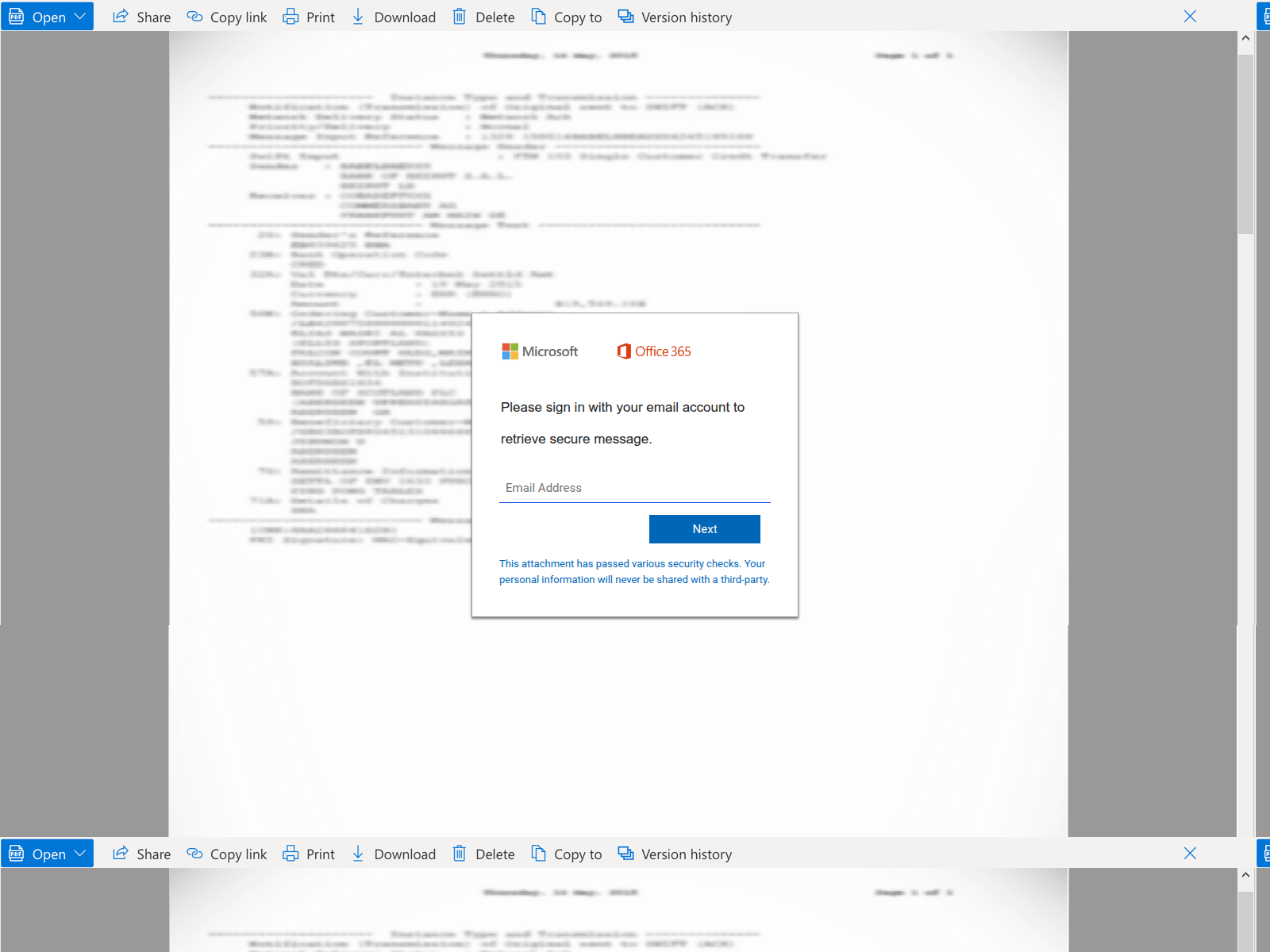
The domain in-house-sf.com has been identified as a brand impersonation threat targeting Microsoft. This domain was used to deceive users by impersonating Microsoft's brand, potentially leading to unauthorized access or data theft. The page title 'Edit' suggests an attempt to mimic a legitimate service where users might input sensitive information. Although the specific kit used for this attack is not identified, the characteristics align with typical phishing schemes designed to harvest login credentials or other personal data.
Technical analysis of in-house-sf.com reveals several critical indicators. The domain is flagged by 21 out of 95 security vendors according to VirusTotal, indicating a significant reputation risk. It was registered through GoDaddy.com, LLC on February 21, 2026, and resolves to the IP address 69.13.61.33 located in the US, under AS54489 CoreSpace, Inc. An SSL certificate issued by Let's Encrypt was in use, which is common for phishing domains seeking to appear legitimate. Despite its current offline status, it remains listed on at least one security blocklist, demonstrating ongoing recognition of its threat potential.
Currently, the domain is offline and has been blocked by PhishDestroy, reducing the immediate risk of further phishing activity. However, the domain's previous activity and the fact that it impersonated a major brand like Microsoft suggest a persistent threat. Organizations and users should remain vigilant, ensuring that any communications seemingly from Microsoft are verified independently. Security teams should update blocklists and maintain awareness of similar domains that may emerge, as threat actors frequently re-register or adapt their tactics to bypass existing defenses. Ongoing monitoring and user education are essential to mitigate risks associated with brand impersonation threats such as this.
PD-20260207-C102C5
| Detection System | Indicator | Verdict | Alert |
|---|---|---|---|
| OpenDNS | in-house-sf.com |
phishing | Phishing Block |
| DNS4EU | in-house-sf.com |
malicious | Sinkholed |
| Cloudflare DNS | in-house-sf.com |
malicious | Sinkholed |
| Hagezi Threat Feed | in-house-sf.com |
malicious | Sinkholed |
10 überwachte externe Feeds · gespeicherter Stand 13.08.2026
21 → 16
21 → 17
21 → 17
 (US)
(US)
For this gTLD, the registrar above operates under an ICANN accreditation agreement. The links below provide the official fee schedule and current DNS abuse compliance guidance.
RAA §3.18 establishes abuse-contact and handling requirements. This report can document stored outbound notices and later technical observations; it does not by itself establish receipt, investigation, remediation, or contractual non-compliance.
Google PageSpeed Insights — mobile performance audit of in-house-sf.com · checked Mar 1, 2026
These domains also target Microsoft users. View all Microsoft threats →
Kürzlich hinzugefügte Berichte aus der PhishDestroy-Datenbank. Diese Discovery-Links implizieren keine gemeinsame Nutzung der Infrastruktur oder des Eigentums.
Wenn Sie Kontoanmeldeinformationen, persönliche oder Zahlungsinformationen eingegeben oder eine Datei von dieser Domain heruntergeladen haben, ergreifen Sie sofort Maßnahmen. Nachfolgend finden Sie Ressourcen, die Ihnen helfen, den Vorfall zu melden und sich zu schützen.


Wählen Sie Ihr Land aus, um Offizielle Kontakte im Bereich Cyberkriminalität oder einen Beschwerdeentwurf erstellen → zu erhalten.
Bedrohungsanalyse anhand gespeicherter Blocklisten, WHOIS, DNS und öffentlicher Scan-Beweise
Jetzt scannenMelden Sie verdächtige Domains an unsere Bedrohungsdatenbank – schützen Sie die Community
MeldenAktuelle Phishing-Meldungen und beobachtete Verfügbarkeitsänderungen
ÜberwachenBeobachten Sie aktuelle Bedrohungen oder legen Sie Widerspruch gegen diesen Eintrag ein, wenn Sie der Meinung sind, dass es sich um einen Fehlalarm handelt