ChainPatrol
 Web-Check
  SOCRadar
  LeakIX
FBI IC3
Melden Sie internetbasierte Kriminalität in den Vereinigten Staaten
Federal tips line1-800-CALL-FBI

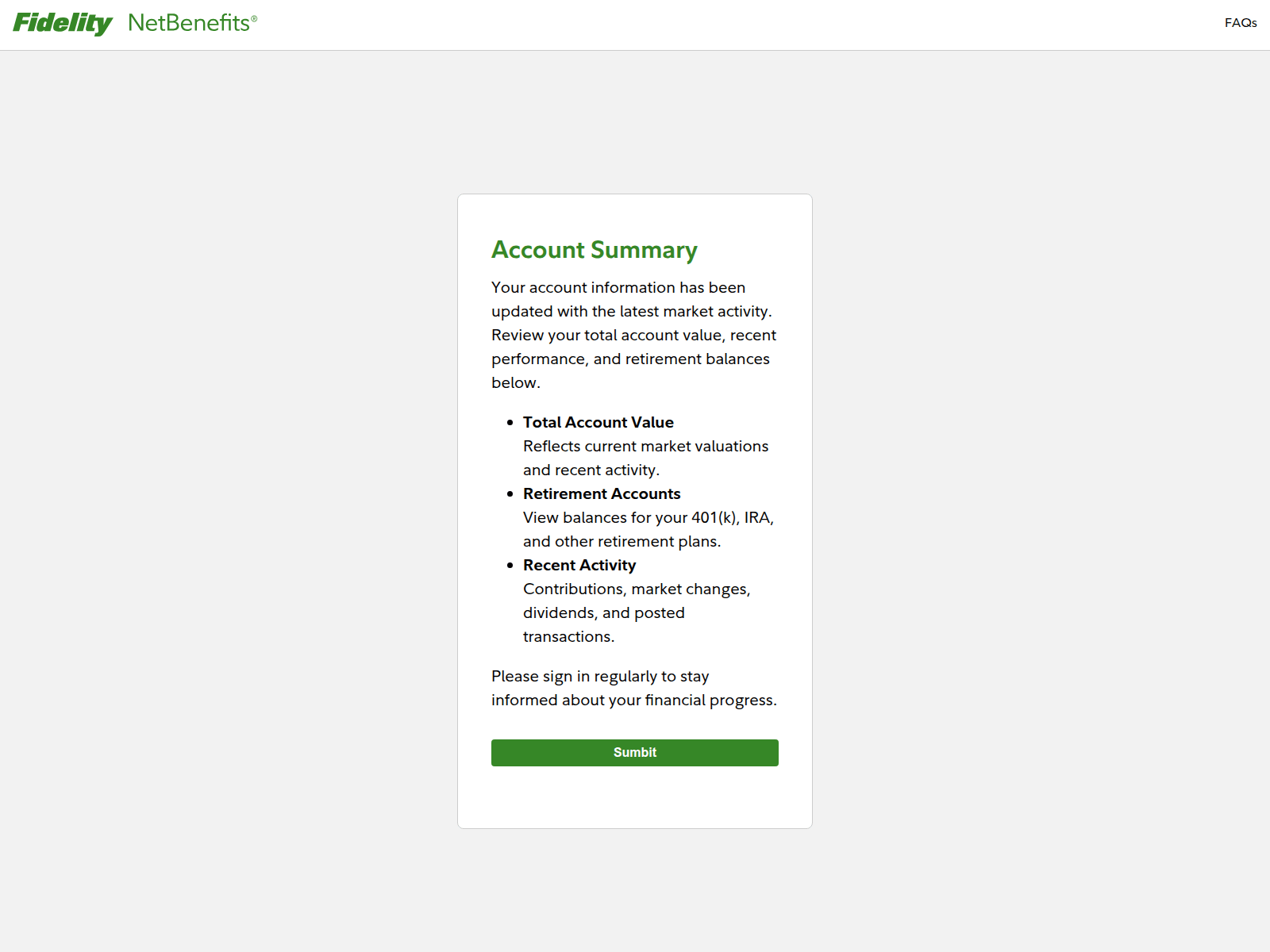
“Log In to Fidelity NetBenefits”
fidelityqouddpr.qpon — Inhalt nicht verfügbar. Markenidentität: Fidelity; Betrugstyp: Banking Phishing. Zusammenfassung der Beweislage: VirusTotal 17/95 (alphaMountain.ai, BitDefender, CRDF, CyRadar, ESET); URLQuery 100 det.; URLScan malicious verdict; Spamhaus DBL_PHISH; PhishDestroy score 100/100. Registrar: Gname.
Die ausführliche Analyse von PhishDestroy AI bleibt auf Englisch, damit der ursprüngliche forensische Bericht unverändert bleibt.
The domain fidelityqouddpr.qpon was observed as a brand‑impersonation site targeting Fidelity customers. The site presented the page title “Log In to Fidelity NetBenefits” and was classified under the scam type “Banking Phishing”. Registration data shows the domain was created on 24 November 2025 through Gname.com Pte. Ltd., and it resolves to the IP address 43.162.126.210, which is located in the United States and associated with AS132203 (Tencent Building, Kejizhongyi Avenue). No SSL certificate was present at the time of analysis, indicating that communications were not encrypted. The domain is currently offline, and its HTTP status was not captured because the service was taken down before a response could be recorded.
Detection telemetry indicates that 17 of 95 security vendors on VirusTotal flagged the domain, reflecting a moderate level of consensus among scanners. Independent reputation services assign extremely low trust scores: Scamadviser rates the site 1 / 100, and Gridinsoft assigns a score of 0 / 100. The domain appears on a single security blocklist and is listed in sixteen AlienVault OTX pulses, confirming its inclusion in broader threat‑intel feeds. PhishDestroy has also blocked the domain, reinforcing its identification as malicious.
Infrastructure analysis reveals the use of shared DNS services, with nameservers a.share-dns.com, a3.share-dns.com, b.share-dns.net, and b3.share-dns.net, a pattern commonly observed in fast‑flux or disposable hosting environments. The combination of a low‑reputation registrar, shared DNS, lack of TLS, and multiple vendor detections suggests an opportunistic phishing campaign rather than a sophisticated, persistent threat.
Defenders should update endpoint and network filtering rules to block resolution of fidelityqouddpr.qpon and the associated IP 43.162.126.210. Email security gateways should be configured to flag messages containing references to “Log In to Fidelity NetBenefits” or similar phrasing.

 Scamadviser Warnings
1/100
Scamadviser Warnings
1/100
 (SG)
(SG)
 Santa Clara, US
The linked repository preserves daily zone observations across seven ShortDot-operated TLDs, including registration volume and abuse-related indicators. This registry context is supporting background and is not an independent detection for the domain in this report.
For this gTLD, the registrar above operates under an ICANN accreditation agreement. The links below provide the official fee schedule and current DNS abuse compliance guidance.
RAA §3.18 establishes abuse-contact and handling requirements. This report can document stored outbound notices and later technical observations; it does not by itself establish receipt, investigation, remediation, or contractual non-compliance.
Wenn Sie Kontoanmeldeinformationen, persönliche oder Zahlungsinformationen eingegeben oder eine Datei von dieser Domain heruntergeladen haben, ergreifen Sie sofort Maßnahmen. Nachfolgend finden Sie Ressourcen, die Ihnen helfen, den Vorfall zu melden und sich zu schützen.


Wählen Sie Ihr Land aus, um Offizielle Kontakte im Bereich Cyberkriminalität oder einen Beschwerdeentwurf erstellen → zu erhalten.
Diese Berichte werden auf dieselbe gemeinsame Edge-IP aufgelöst. Sie helfen bei der Berichtserkennung, bedeuten jedoch keinen gemeinsamen Besitz oder einen gemeinsamen Ursprungsserver.
These domains also target Fidelity users. View all Fidelity threats →
Kürzlich hinzugefügte Berichte aus der PhishDestroy-Datenbank. Diese Discovery-Links implizieren keine gemeinsame Nutzung der Infrastruktur oder des Eigentums.
Bedrohungsanalyse anhand gespeicherter Blocklisten, WHOIS, DNS und öffentlicher Scan-Beweise
Jetzt scannenMelden Sie verdächtige Domains an unsere Bedrohungsdatenbank – schützen Sie die Community
MeldenAktuelle Phishing-Meldungen und beobachtete Verfügbarkeitsänderungen
ÜberwachenBeobachten Sie aktuelle Bedrohungen oder legen Sie Widerspruch gegen diesen Eintrag ein, wenn Sie der Meinung sind, dass es sich um einen Fehlalarm handelt
 ourshopee7.mom
  tassmahal.xinruiweixin.com
  facebookteamhelp.blogspot.com
  list-serve.com
  tk.ercajchain.com