hd-streamzz.net
  mx-betmexico.com
  coins-mixering.com
  dfximpact.live
  ethguanfangweiyilianjie.com
  trust-aml.org
FBI IC3
Melden Sie internetbasierte Kriminalität in den Vereinigten Staaten
Federal tips line1-800-CALL-FBI

“Google”
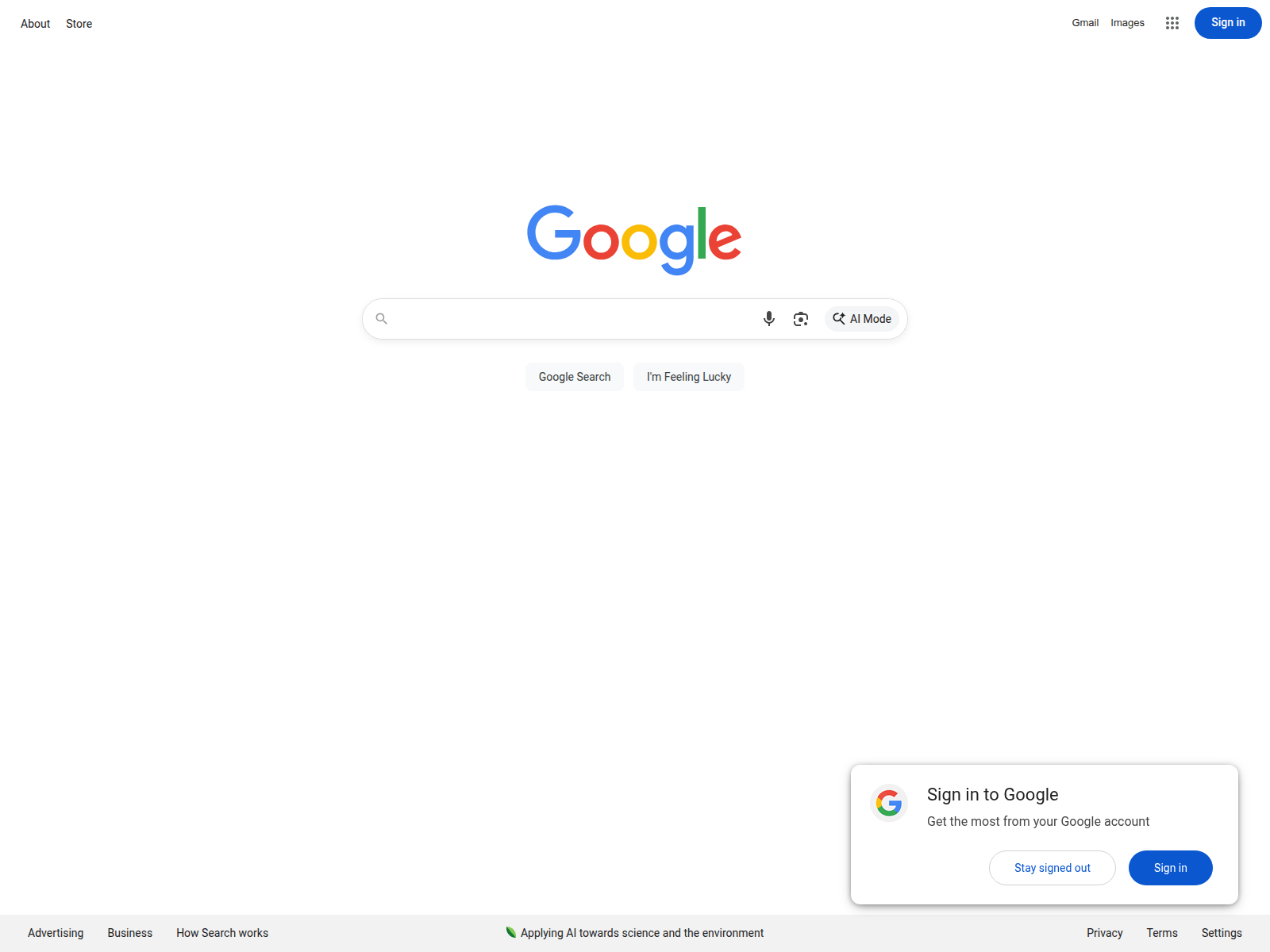
This domain euler.airdropsalert.lol is currently offline but historical data indicate it was used for a brand‑impersonation campaign targeting Google users with a fake airdrop lure. The domain was registered on 18 October 2025 through Dynadot LLC and resolved to the IPv6 address 2607:f8b0:4004:c23::69, which belongs to AS15169 owned by Google LLC and is located in the United States. The hosting infrastructure is fronted by Cloudflare, as evidenced by the authoritative name servers brenna.ns.cloudflare.com and hassan.ns.cloudflare.com. No TLS certificate was observed, meaning the site was served over plaintext HTTP.
The page title returned was “Google”, matching the declared brand target. Threat intelligence shows the site was flagged by Google Safe Browsing for social‑engineering content, appears on one public blocklist, and was identified by PhishDestroy as malicious. VirusTotal recorded 13 positive detections out of 95 scanners, and the Gridinsoft trust score was 0 / 100, reinforcing the malicious assessment. Because the site is now taken offline, active exploitation cannot be confirmed, but the combination of brand impersonation, fake‑airdrop terminology, and multiple vendor detections demonstrates a high‑risk profile.
Defenders should ensure the domain is added to local deny lists, verify that any internal DNS resolvers block both the IPv6 address and its associated A‑record, and monitor for newly‑registered look‑alike domains under the airdropsalert.lol second‑level domain. Continuous ingestion of blocklist feeds that flagged this indicator, as well as periodic re‑query of Google Safe Browsing, will help detect re‑use of the same infrastructure. Given the absence of a TLS certificate, any future redeployment would likely continue to rely on HTTP, simplifying detection through outbound request monitoring. Until the infrastructure is definitively retired, the domain should be treated as hostile and excluded from any allow‑list policies.

10 überwachte externe Feeds · gespeicherter Stand 12.08.2026
Cloudflare-Radar-Scan gespeichert · Scan öffnen
 (US)
Washington, US
(US)
Washington, USFor the registrable domain airdropsalert.lol behind this subdomain, the registrar above operates under an ICANN accreditation agreement. The links below provide the official fee schedule and current DNS abuse compliance guidance.
RAA §3.18 establishes abuse-contact and handling requirements. This report can document stored outbound notices and later technical observations; it does not by itself establish receipt, investigation, remediation, or contractual non-compliance.
Diese Berichte werden auf dieselbe gemeinsame Edge-IP aufgelöst. Sie helfen bei der Berichtserkennung, bedeuten jedoch keinen gemeinsamen Besitz oder einen gemeinsamen Ursprungsserver.
These domains also target Google users. View all Google threats →
Kürzlich hinzugefügte Berichte aus der PhishDestroy-Datenbank. Diese Discovery-Links implizieren keine gemeinsame Nutzung der Infrastruktur oder des Eigentums.
Wenn Sie Kontoanmeldeinformationen, persönliche oder Zahlungsinformationen eingegeben oder eine Datei von dieser Domain heruntergeladen haben, ergreifen Sie sofort Maßnahmen. Nachfolgend finden Sie Ressourcen, die Ihnen helfen, den Vorfall zu melden und sich zu schützen.


Wählen Sie Ihr Land aus, um Offizielle Kontakte im Bereich Cyberkriminalität oder einen Beschwerdeentwurf erstellen → zu erhalten.
Bedrohungsanalyse anhand gespeicherter Blocklisten, WHOIS, DNS und öffentlicher Scan-Beweise
Jetzt scannenMelden Sie verdächtige Domains an unsere Bedrohungsdatenbank – schützen Sie die Community
MeldenAktuelle Phishing-Meldungen und beobachtete Verfügbarkeitsänderungen
ÜberwachenBeobachten Sie aktuelle Bedrohungen oder legen Sie Widerspruch gegen diesen Eintrag ein, wenn Sie der Meinung sind, dass es sich um einen Fehlalarm handelt