buyghar.com
  allocation-typemedia.net
  injective-claim.top
  stresser.pw
FBI IC3
Melden Sie internetbasierte Kriminalität in den Vereinigten Staaten
Federal tips line1-800-CALL-FBI

“403 Forbidden”
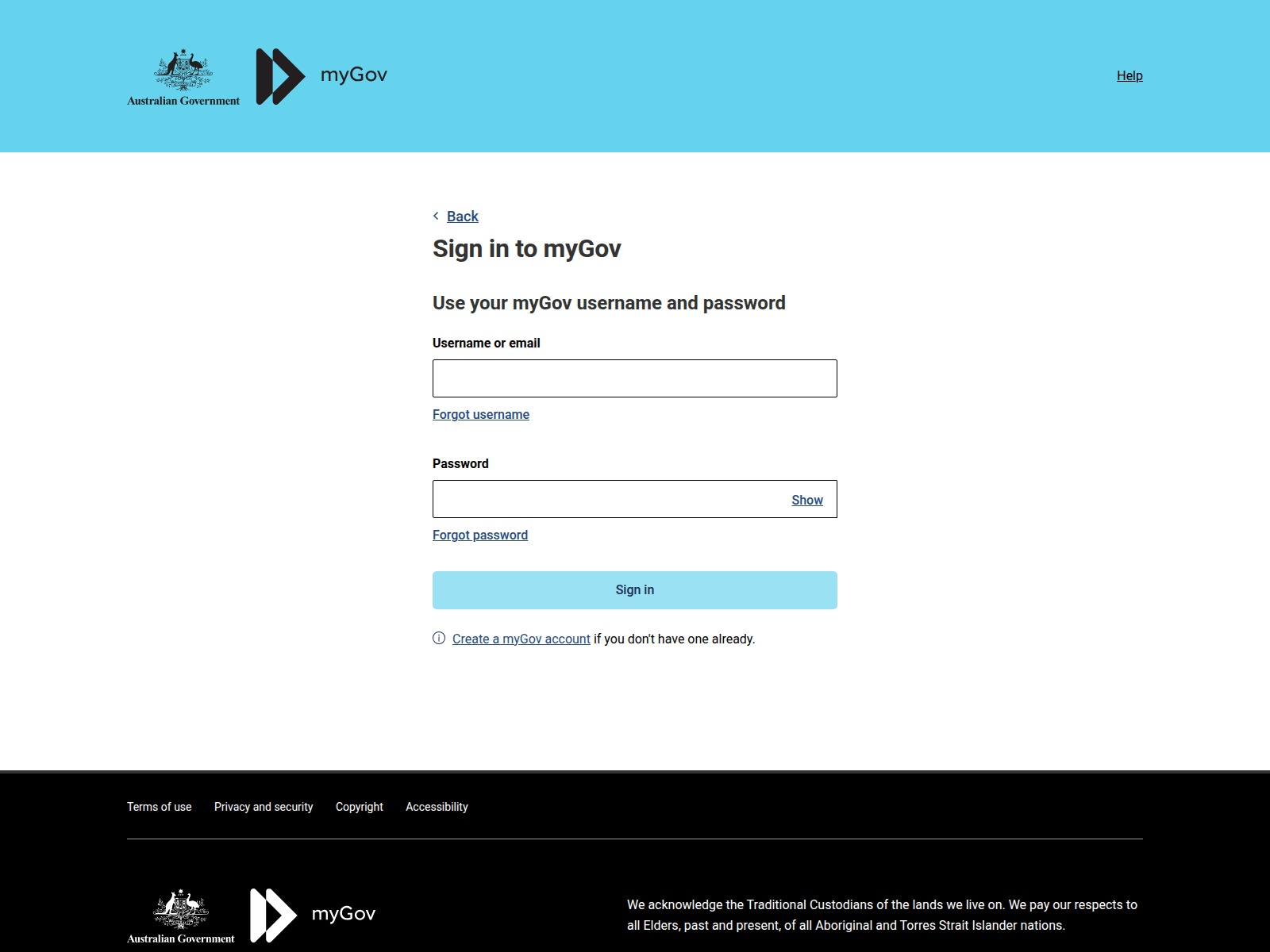
Analysis as of July 28 2026 indicates that the domain auth.my.gov.au.pycogenol.com is actively used for generic phishing. The domain was registered on May 14 2026 through PDR Ltd. d/b/a PublicDomainRegistry.com and remains active. DNS resolution points to the IPv4 address 192.210.150.201 and the authoritative name servers are ns1.1domainregistry.com, ns2.1domainregistry.com, ns3.1domainregistry.com, ns4.1dom. The domain appears on two public phishing blocklists, specifically PhishDestroy and OpenPhish, confirming that external monitoring services have observed malicious activity.
VirusTotal scans have returned five positive detections out of ninety‑one submitted security engines, providing additional corroboration of malicious behavior. No public information is available regarding SSL certificate details, HTTP response codes, page title, or content analysis, so the exact landing page characteristics remain uncertain. The lack of further visible indicators does not mitigate the observed risk, which is classified as high. Defenders should block network traffic to 192.210.150.201 and add auth.my.gov.au.pycogenol.com to local and cloud‑based URL filtering rules.
Monitoring of DNS queries for the four listed name servers can help detect additional look‑ups. Organizations should also ensure that user education programs reference this domain as a known phishing indicator and that email gateways enforce URL reputation checks that include the two blocklists where the domain is listed. Continuous re‑evaluation is advised as further threat intelligence, such as page content or payload analysis, may become available.
PD-20260728-E6E577
10 überwachte externe Feeds · gespeicherter Stand 13.08.2026
Erster gespeicherter Wert: Erreichbar
Erreichbar → Nicht erreichbar
 (US)
(US)
For the registrable domain pycogenol.com behind this subdomain, the registrar above operates under an ICANN accreditation agreement. The links below provide the official fee schedule and current DNS abuse compliance guidance.
RAA §3.18 establishes abuse-contact and handling requirements. This report can document stored outbound notices and later technical observations; it does not by itself establish receipt, investigation, remediation, or contractual non-compliance.
1 Technologie mit hoher Konfidenz erkannt
Google PageSpeed Insights — mobile performance audit of auth.my.gov.au.pycogenol.com · checked Jul 28, 2026
Kürzlich hinzugefügte Berichte aus der PhishDestroy-Datenbank. Diese Discovery-Links implizieren keine gemeinsame Nutzung der Infrastruktur oder des Eigentums.
Wenn Sie Kontoanmeldeinformationen, persönliche oder Zahlungsinformationen eingegeben oder eine Datei von dieser Domain heruntergeladen haben, ergreifen Sie sofort Maßnahmen. Nachfolgend finden Sie Ressourcen, die Ihnen helfen, den Vorfall zu melden und sich zu schützen.


Wählen Sie Ihr Land aus, um Offizielle Kontakte im Bereich Cyberkriminalität oder einen Beschwerdeentwurf erstellen → zu erhalten.
Bedrohungsanalyse anhand gespeicherter Blocklisten, WHOIS, DNS und öffentlicher Scan-Beweise
Jetzt scannenMelden Sie verdächtige Domains an unsere Bedrohungsdatenbank – schützen Sie die Community
MeldenAktuelle Phishing-Meldungen und beobachtete Verfügbarkeitsänderungen
ÜberwachenBeobachten Sie aktuelle Bedrohungen oder legen Sie Widerspruch gegen diesen Eintrag ein, wenn Sie der Meinung sind, dass es sich um einen Fehlalarm handelt