 ChainPatrol
 Web-Check
  SOCRadar
  LeakIX
FBI IC3
Melden Sie internetbasierte Kriminalität in den Vereinigten Staaten
Federal tips line1-800-CALL-FBI

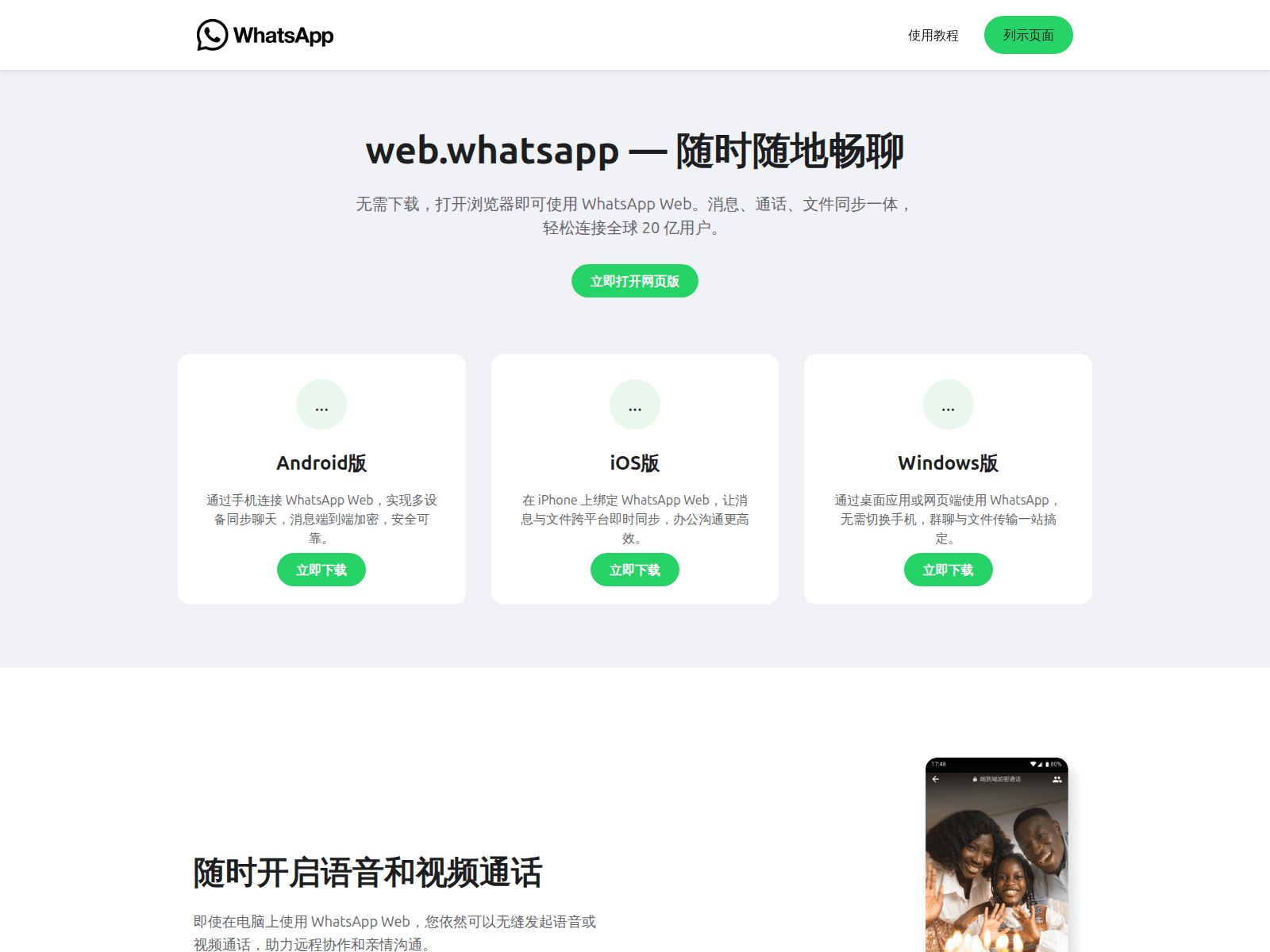
“web.whatsapp- 使用限制:避免常见误区与问题”
app-qay-whatsappcc.com — Inhalt nicht verfügbar. Markenidentität: Facebook; Betrugstyp: Social Media Phishing. Zusammenfassung der Beweislage: VirusTotal 17/95 (Criminal IP, alphaMountain.ai, Bfore.Ai PreCrime, BitDefender, CyRadar); URLQuery 100 det.; URLScan malicious verdict; PhishDestroy score 100/100. Registrar: Dominet (HK).
Die ausführliche Analyse von PhishDestroy AI bleibt auf Englisch, damit der ursprüngliche forensische Bericht unverändert bleibt.
This domain is flagged as an elevated-risk brand impersonation threat targeting Facebook users through a fraudulent WhatsApp Web interface. The site presents itself as a legitimate WhatsApp service page with the title 'web.whatsapp- 使用限制:避免常见误区与问题,' designed to harvest login credentials by exploiting user trust in the WhatsApp brand while covertly redirecting victims to Facebook authentication portals. Analysis indicates the domain app-qay-whatsappcc.com was registered on October 05, 2025, through Dominet (HK) Limited and resolves to IP address 103.80.133.37, hosted on AS205960 (HDTIDC LIMITED) in South Korea. The infrastructure lacks SSL encryption, increasing exposure to man-in-the-middle interception. Security vendors on VirusTotal flagged the domain at a 17/95 detection rate, while two independent blocklists (PhishDestroy and PhishingDB) have already classified it as malicious. The absence of HTTPS and its presence on multiple threat intelligence feeds further corroborate the elevated risk classification. Organizations and users should implement the following mitigation measures specific to this credential-harvesting threat. First, block the domain app-qay-whatsappcc.com and its resolving IP 103.80.133.37 at the network perimeter. Second, deploy browser-based warnings for users attempting to access WhatsApp Web through unofficial domains, particularly those containing non-standard subdomains like 'app-qay.' Third, monitor authentication logs for failed or anomalous login attempts originating from the identified IP range. Finally, educate users on identifying impersonation tactics, such as scrutinizing domain names for subtle misspellings and verifying HTTPS presence before entering credentials.

 Scamadviser Warnings
1/100
Scamadviser Warnings
1/100
 (HK)
(HK)

For this gTLD, the registrar above operates under an ICANN accreditation agreement. The links below provide the official fee schedule and current DNS abuse compliance guidance.
RAA §3.18 establishes abuse-contact and handling requirements. This report can document stored outbound notices and later technical observations; it does not by itself establish receipt, investigation, remediation, or contractual non-compliance.
Wenn Sie Kontoanmeldeinformationen, persönliche oder Zahlungsinformationen eingegeben oder eine Datei von dieser Domain heruntergeladen haben, ergreifen Sie sofort Maßnahmen. Nachfolgend finden Sie Ressourcen, die Ihnen helfen, den Vorfall zu melden und sich zu schützen.


Wählen Sie Ihr Land aus, um Offizielle Kontakte im Bereich Cyberkriminalität oder einen Beschwerdeentwurf erstellen → zu erhalten.
Eine andere Phishing-Domain teilt diese Ursprungs-IP – möglicherweise eine am gleichen Standort befindliche Infrastruktur.
These domains also target Facebook users. View all Facebook threats →
Kürzlich hinzugefügte Berichte aus der PhishDestroy-Datenbank. Diese Discovery-Links implizieren keine gemeinsame Nutzung der Infrastruktur oder des Eigentums.
Bedrohungsanalyse anhand gespeicherter Blocklisten, WHOIS, DNS und öffentlicher Scan-Beweise
Jetzt scannenMelden Sie verdächtige Domains an unsere Bedrohungsdatenbank – schützen Sie die Community
MeldenAktuelle Phishing-Meldungen und beobachtete Verfügbarkeitsänderungen
ÜberwachenBeobachten Sie aktuelle Bedrohungen oder legen Sie Widerspruch gegen diesen Eintrag ein, wenn Sie der Meinung sind, dass es sich um einen Fehlalarm handelt
 lockfr.com
  solanatake.com