VirusTotal
4 / 89 engine detections
فتح التقرير

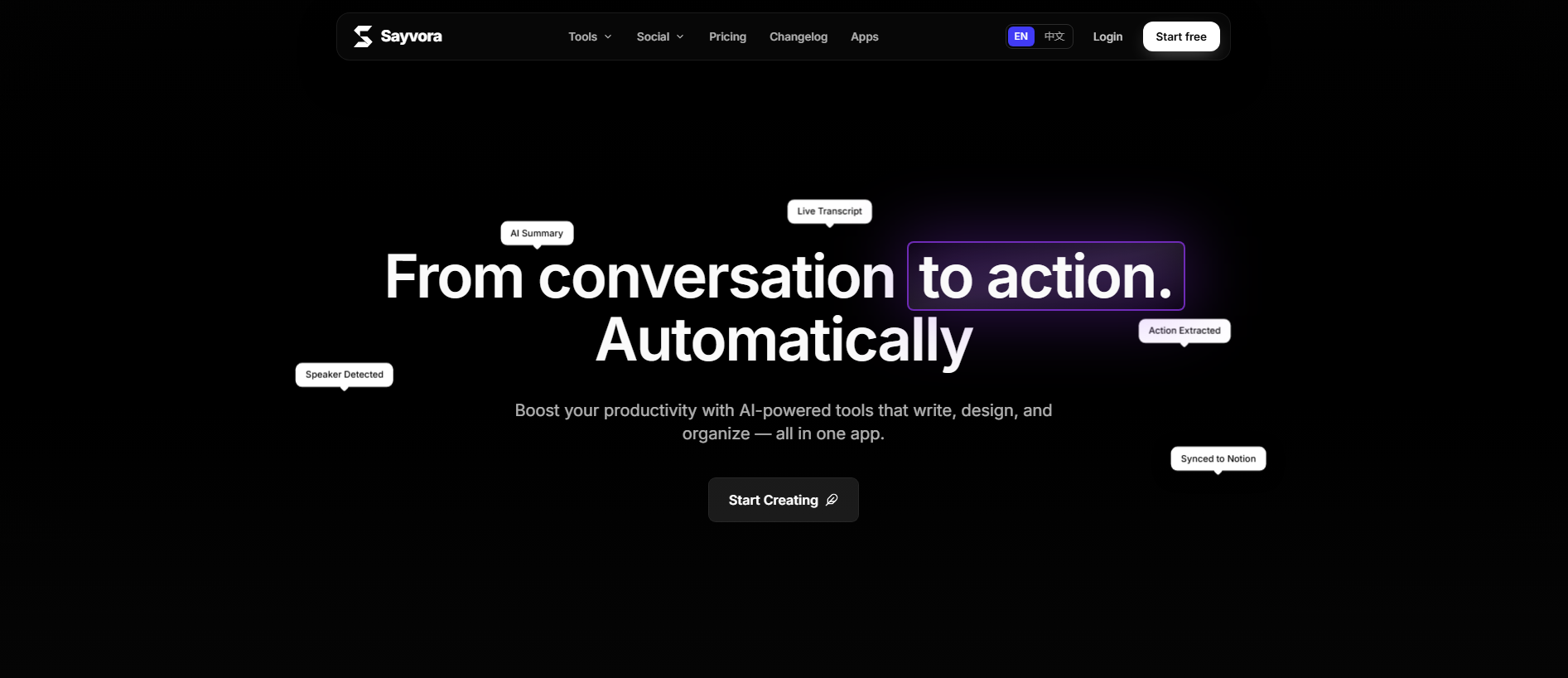
“Sayvora | AI-powered meetings and collaboration”
نطاق في قوائم الحظر: sayvora.org — المحتوى غير متوفر. ملخص الأدلة: VirusTotal 4/89 (alphaMountain.ai, Forcepoint ThreatSeeker, Gridinsoft, SOCRadar); 1…
يبقى تحليل PhishDestroy AI المفصل أدناه باللغة الإنجليزية للحفاظ على السجل الجنائي الرقمي الأصلي.
4 / 89 engine detections
فتح التقرير15/100
فتح التقريرchecked — no detections recorded
فتح التقرير4 community references
فتح التقريرprovider verdict: clean
فتح التقريرNo threat flag
فتح التقريرNo malicious flag
فتح التقريرResults reflect each source’s collection time. Zero detections do not guarantee safety. OTX references are community publications.
PhishDestroy threat report
sayvora.org presented itself as "Sayvora | AI-powered meetings and collaboration", a polished front for a collaboration product. PhishDestroy classifies it as an impersonation phishing page. Its listing on ScamSniffer, a crypto-focused blocklist, points to cryptocurrency users as the likely targets. We first flagged the domain on 2026-09-11. It has been offline since 2026-09-24 and was still unreachable on 2026-10-19.
Fake meeting-platform scams usually start with an invitation to a call, often framed as a job interview, investment pitch or partnership meeting. The victim is sent to a branded site like this one and told to download a "client", sign in or verify an account before joining. That step is the payload. It can hand over login credentials, install malware that harvests saved passwords and wallet data, or prompt a wallet connection that drains funds. The page title shows a legitimate-looking AI collaboration product, while our classification is impersonation phishing.
Detection is thin. On 2026-09-23, VirusTotal showed 4 of 89 engines flagging the domain: alphaMountain.ai, Forcepoint ThreatSeeker, Gridinsoft and SOCRadar. Most scanners missing a site is typical for short-lived, newly branded lures. ScamSniffer lists it independently of PhishDestroy. It also appears in 4 AlienVault OTX threat pulses, which means other researchers have tied it to malicious activity.
The domain was registered on 2026-08-30 through Tucows. That is just 12 days before we detected it, a timeline that fits a site built for a short campaign rather than a real product. It was hosted on G-Core Labs S.A. in the Netherlands. The site went dark within two weeks of detection.
If you downloaded any Sayvora meeting software, assume the device is compromised. Disconnect it, run a full malware scan or reinstall the system, and treat every password stored in its browsers as stolen. From a clean device, change those passwords, starting with email, exchange and banking accounts, and turn on app-based 2FA. If you connected a wallet or typed in a seed phrase, move your funds to a new wallet created on a clean device and revoke any token approvals you granted. Defenders should block the domain, check endpoint logs for unsigned meeting-app installers downloaded after 2026-08-30, and warn staff about unsolicited call invitations that require a new app.
Last checked
 (KN)
ns1.gcorelabs.netns2.gcdn.servicesLocation describes the IP network.
3d4f41144dd10ec7770d5bd9043098971269a16901a8e8e3f628b463c2c53df8Saved certificate metadata. Certificate dates without a timezone are shown as stored. Transport encryption does not establish that the site is trustworthy.
Google PageSpeed Insights — mobile performance audit of sayvora.org · checked Sep 11, 2026
An estimated time describes an observation window. It does not prove a registrar action or the exact moment a site became unavailable.
Compare what a browser and a crawler receive, and check for Keitaro traffic routing.
sayvora.org
Dated changes retained by the monitor and source collectors. Newest observations appear first; source states are not proof of a takedown.
يمكن الوصول إليه→غير متوفر
يمكن الوصول إليه
No threat flag
View source4/89 engine detections
View source4 community references
View sourcePD-20260911-4B17B2
sayvora.org
View sourcePage captured
View sourceكل مسار يمثل سببًا واحدًا لربط نطاق ما بهذا المضيف. يشير حجم العقدة إلى عمليات الكشف التي أجرتها VirusTotal، أما العقد المتقطعة فهي غير متصلة بالإنترنت بالفعل. وترد القوائم الكاملة أدناه.
نفس هاش أيقونة المفضلة أو نفس عنوان الصفحة الخاص بهذا المضيف.
يستضيف عنوان IP الأصلي هذا العديد من مجالات التصيد الاحتيالي — وقد تتم مشاركة البنية التحتية عبر الحملات.
تم تسجيلها عبر نفس الجهة المسجلة. وتقدم الجهة المسجلة خدماتها لملايين العملاء الذين لا تربطهم أي صلة ببعضهم البعض، لذا فإن هذا الأمر يُشير إلى وجود تجميع للتقارير وليس دليلاً على وجود صلة بينهما.
PD-20260911-4B17B2 Recipient: abuse@gcore.lu إذا أدخلت بيانات اعتماد الحساب أو المعلومات الشخصية أو معلومات الدفع أو قمت بتنزيل ملف من هذا النطاق، فاتخذ إجراءً فوريًا. فيما يلي موارد لمساعدتك في الإبلاغ عن الحادث وحماية نفسك.


حدد بلدك للحصول على الاتصالات الرسمية المتعلقة بالجرائم الإلكترونية أو إنشاء مسودة شكوى →.
Template-based draft · optional AI wording assistance requires separate consent
Choose the steps that match what you shared. Keep a copy of this report alongside your own records.
Stop using the suspicious site. Open the real service through its official app or an address you already trust.
Keep original emails, receipts, messages and screenshots in a secure place. A factual timeline helps the receiving authority understand what happened. IC3 evidence guidance ↗
sayvora.org)حتى لو لم تكن جميع التفاصيل متوفرة — تقديم بلاغ على أي حال. فحتى المعلومات الجزئية تساعد في التحقيقات.
A report is not a guarantee of recovery or investigation, but prompt, accurate transaction data can help authorities and service providers trace the incident.
Further guidance: NIST · phishing responseFBI IC3 · reports & evidenceFTC · recovery scams
تحليل التهديدات باستخدام قائمة الحظر المخزنة، وWHOIS، وDNS، وأدلة الفحص العامة
امسح الآنأرسل النطاقات المشبوهة إلى قاعدة بيانات التهديدات الخاصة بنا — ساهم في حماية المجتمع
إبلاغتقارير التصيد الاحتيالي الأخيرة وتغييرات التوفر الملحوظة
مراقبةراقب التهديدات في الوقت الفعلي أو اعترض على هذا الإدراج إذا كنت تعتقد أنه إنذار كاذب
This report combines saved page captures, registration and network records, scanner results and PhishDestroy reporting history. Each source keeps its own observation date. Open a source report to inspect the original result.
The AI-assisted analysis was written on . It describes the evidence available at that time; later source checks can change.
A capture documents what was shown. A scanner result records that provider’s assessment at the time of its check. Neither a valid certificate nor a zero-detection result is a guarantee of safety.